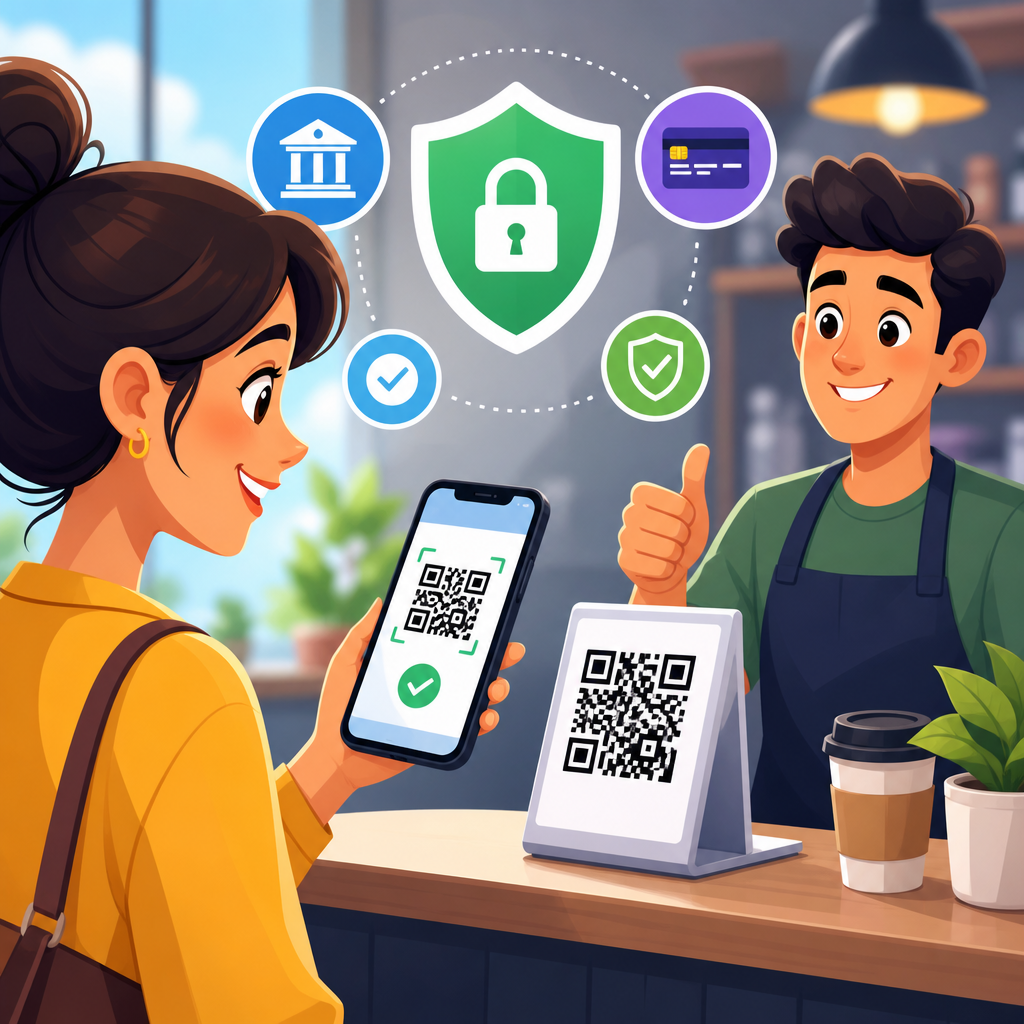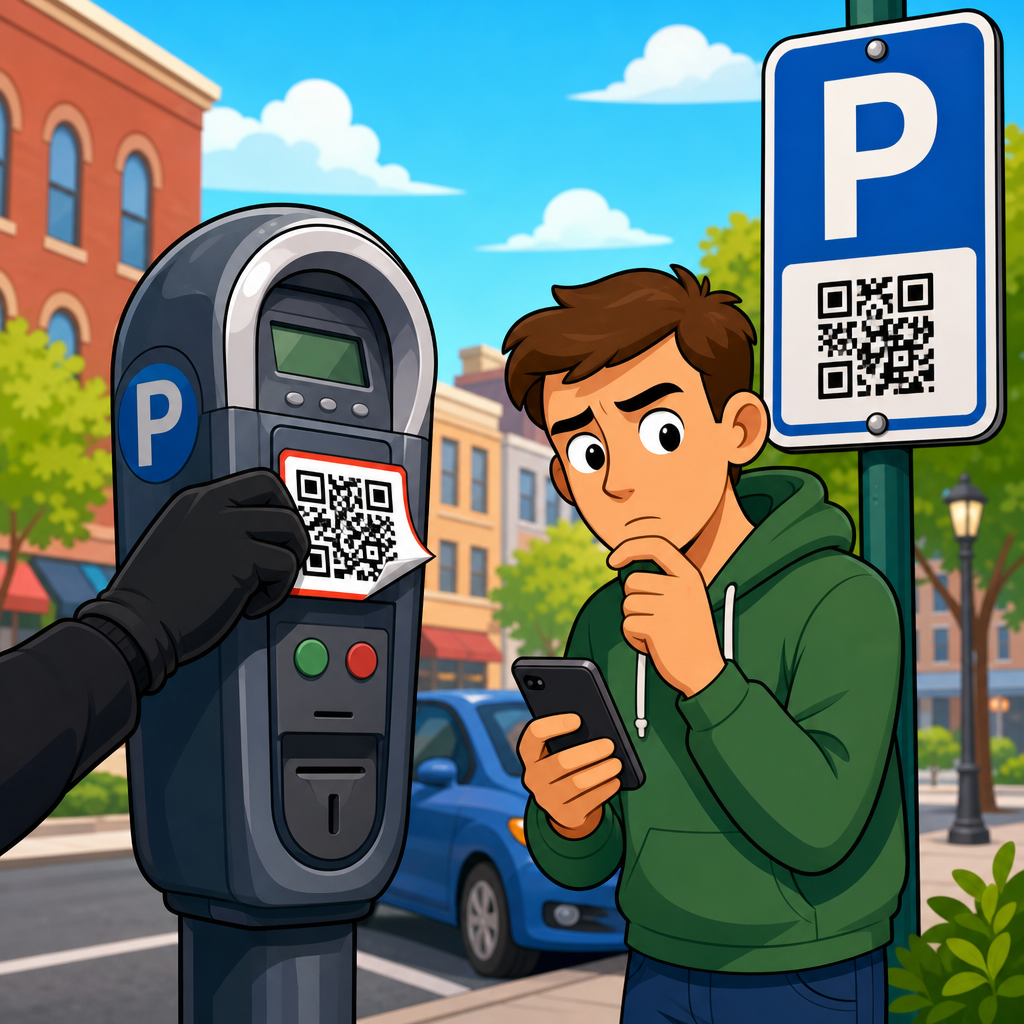
QR code scams on parking meters and signs have become a practical, fast-moving fraud problem because they combine a trusted public object, a low-friction payment method, and a moment when drivers are distracted, rushed, and willing to scan first and verify later. A QR code is a machine-readable image that opens a website, payment page, app store listing, map location, or phone action when scanned with a smartphone camera. In parking environments, cities and private operators increasingly use QR codes to let drivers pay without touching a meter, downloading an app in advance, or entering long web addresses. That convenience is exactly what criminals exploit. I have seen these schemes surface in municipal lots, university campuses, hospital garages, and temporary event parking where signage changes often and oversight is uneven.
The basic scam is straightforward: a fraudster places a fake QR code sticker over, beside, or near a legitimate parking payment code. The driver scans it, lands on a convincing payment page, enters card details or mobile wallet information, and either pays a criminal directly or hands over personal data for later misuse. In more advanced cases, the code leads to a phishing site that imitates a known parking platform, asks the user to create an account, or prompts the installation of a malicious app. Some scams do not even charge for parking. Their real goal is to steal card numbers, capture passwords through fake account logins, harvest email addresses for future fraud, or trick users into approving recurring charges.
This matters because the losses extend beyond one parking session. A single scan can expose financial details, device information, and identity data, while also causing fines when the victim thinks payment was completed but the actual operator never received funds. Public trust suffers too. When drivers stop trusting signs and meters, legitimate operators face more disputes, higher support costs, and lower adoption of contactless payment systems. As a hub topic within QR code security and privacy, parking meter scams provide a clear example of the broader pattern behind QR code fraud: criminals target environments where people expect to scan, where branding is easy to mimic, and where urgency reduces careful review.
How parking meter QR code scams work in the real world
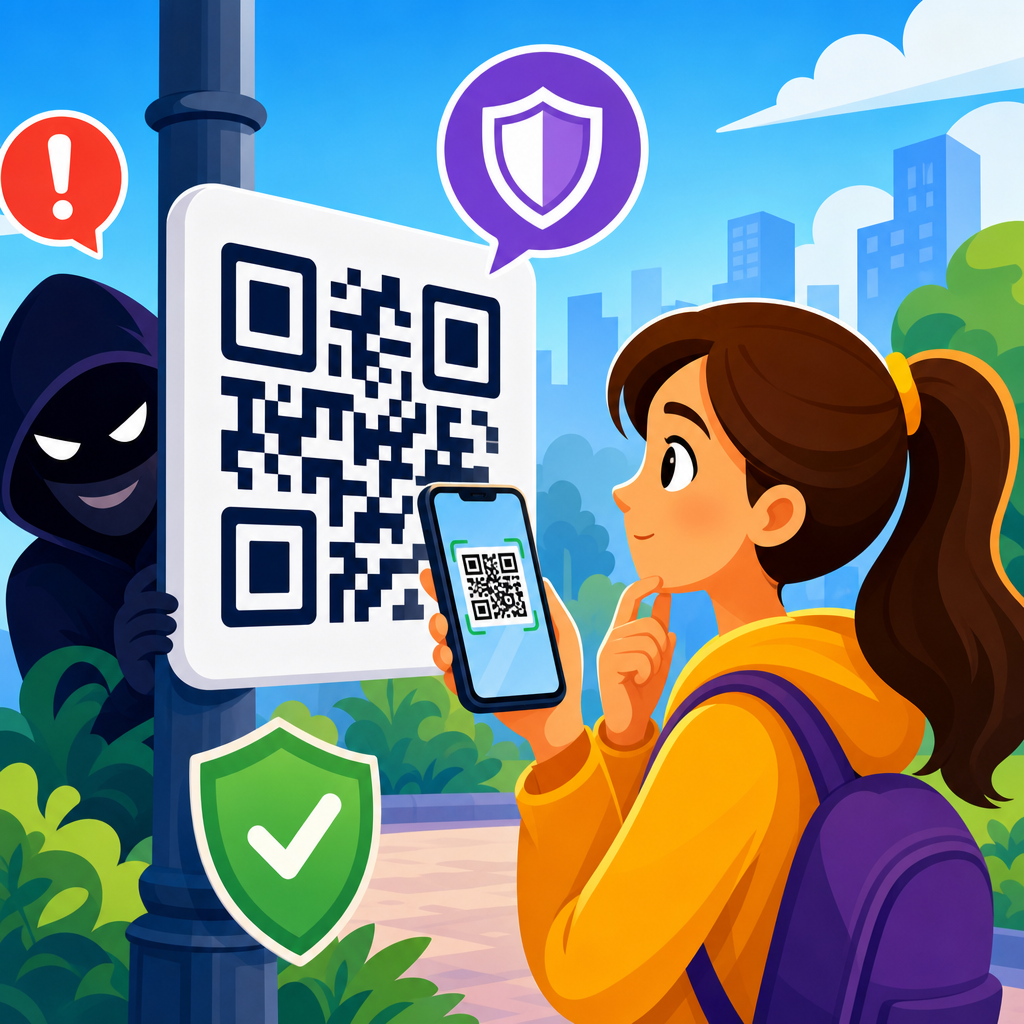
Most parking QR code scams rely on physical tampering plus digital impersonation. The criminal prints a sticker containing a fraudulent code and places it where a driver naturally points a phone camera: on a meter face, rate board, pay station, pole sign, or laminated instruction card. The target scans, sees a mobile-friendly page with familiar phrases such as “Pay for parking,” “Extend session,” or “Zone payment,” and proceeds. Because many legitimate parking systems already vary by operator, city, and lot owner, users do not always know what the official payment flow should look like. That uncertainty gives scammers room to imitate a plausible experience without copying every design detail perfectly.
I have found that attackers often choose locations with high visitor turnover. Tourist districts, downtown cores, airport overflow lots, stadium areas, and hospitals are especially attractive because many drivers are unfamiliar with local parking brands. A resident might recognize that a city typically uses ParkMobile, Flowbird, PayByPhone, Passport, or a municipal portal, but a visitor may not. Criminals also prefer areas where staff do not inspect signage daily, such as surface lots managed by third parties or temporary event parking. In those environments, a fake sticker can remain in place long enough to catch dozens of scans before anyone reports it.
The scam page itself usually follows one of three patterns. First, it can be a direct payment diversion page asking for plate number, zone, card data, and billing ZIP code. Second, it can be a phishing page that claims payment failed and requests a second card, login, or one-time code. Third, it can push an app download outside official app stores, sometimes through an Android APK file or a spoofed store listing. On iPhone and Android devices, QR codes can also trigger app links, text messages, email composition, phone calls, and Wi-Fi prompts, which is why a harmless-looking square on a parking sign can become the first step in several different fraud chains.
Parking meter QR scams also blend into broader fraud ecosystems. The same infrastructure can support fake toll payment notices, bogus package redelivery pages, and utility bill scams. A criminal may use inexpensive domain registrations, cloned site templates, and payment processors set up under shell entities. Once they prove that a parking location generates traffic, they can rotate domains quickly when one is reported. This is why purely reactive takedowns help but do not solve the problem. Effective defense requires better inspection, stronger payment design, and user habits that assume a QR code on a public sign is untrusted until verified.
Common red flags drivers should recognize before paying
The best defense is not memorizing every scam but learning the patterns that legitimate parking systems rarely violate. Start with the web address preview. Modern phone cameras usually show the destination domain before opening it. If a city normally uses a branded payment provider and the code resolves to a random domain, a misspelled brand, a country-code domain unrelated to the operator, or a generic URL shortener, stop immediately. Fraud pages often copy logos well enough to pass a quick glance, but domains still reveal the deception. A genuine parking operator will not require trust in a hidden redirect chain or a suspicious top-level domain.
Physical clues matter too. Fake stickers are often slightly misaligned, cover only part of an older label, use different laminates or adhesives, or show inconsistent typography and color. I have seen counterfeit labels placed beside the real code with language like “new faster payment option” to divert attention. Drivers should also question instructions that conflict with the sign. If a meter says card, coin, and app are accepted but the QR page insists on a cryptocurrency wallet, mandatory account creation, or a downloadable configuration profile, that is not normal parking payment behavior. Legitimate operators want the payment flow to be short and predictable because abandonment costs them revenue.
Another warning sign is data collection that exceeds the transaction. Most parking systems need zone number, vehicle plate, duration, and payment details. They do not need Social Security numbers, online banking credentials, repeated identity verification, or login to unrelated services. If the page asks for a texted one-time passcode after a card attempt, be careful. That can signal card account takeover or a social-engineering effort against a digital wallet. Likewise, if the site creates urgency with countdown timers, pop-up security warnings, or threats of immediate towing before you have even started a session, it is trying to bypass judgment rather than complete a routine parking sale.
| Red flag | Why it matters | Safer action |
|---|---|---|
| Sticker placed over another code | Physical tampering is common in parking QR fraud | Use the official app or enter the web address manually |
| Misspelled or unfamiliar domain | Brand imitation often fails at the URL level | Close the page and verify the operator on the sign |
| Request for extra identity data | Parking payment should require minimal information | Do not submit; contact the operator directly |
| Prompt to sideload an app | Legitimate operators use Apple App Store or Google Play | Search the app store yourself |
| No receipt or confirmation number | Real systems provide proof of session | Assume payment may have failed and verify independently |
How cities, parking operators, and property owners can reduce risk
Operators can cut exposure significantly by treating QR codes as security assets, not just convenience labels. The first operational control is inspection. Meters, kiosks, and signs should be part of a documented field audit schedule, with frontline staff trained to look for overlays, residue, mismatched print quality, or unauthorized labels. High-risk locations deserve more frequent checks, especially after weekends, festivals, or sporting events when foot traffic spikes. Good maintenance teams already inspect rates, displays, and vandalism; adding QR integrity to the checklist is inexpensive and effective. A timestamped inspection log also helps resolve disputes when a scam is reported.
Design choices matter just as much. Legitimate codes should be integrated into tamper-evident labels, etched plates, or printed surfaces that make overlays obvious. Signs should display the full official payment domain in readable text next to the code so drivers can compare it before scanning. Where an operator uses a known app, the sign should name it clearly and note that downloads are only available through official app stores. Some agencies now include a short anti-fraud warning such as “Do not scan stickers placed over this sign” or “Verify domain before paying.” That small message changes user behavior because it gives people permission to pause and check.
Payment architecture should minimize the value of a successful impersonation. Operators should use HTTPS everywhere, publish consistent domains, and enable domain-based email authentication for receipts and support messages. They should monitor lookalike domains and brand impersonation using tools from registrars, certificate transparency logs, and threat-intelligence services. For mobile apps, deep links and universal links can reduce confusion by taking users from a verified source into the correct application flow. Customer support teams should also have a standardized incident response process: collect screenshots, meter numbers, location data, time of scan, and transaction evidence, then coordinate with the payment provider, domain host, and law enforcement as needed.
Municipalities and lot owners should also think about communication after an incident. When a fake QR code is discovered, the response should include physical removal, user notification, and temporary signage directing drivers to the verified payment method. Some agencies now post scam alerts on their websites, social channels, and meter screens. That transparency protects users and preserves trust better than silence. From experience, the operators that recover fastest are the ones that already know who owns the signage, who can approve replacement labels, who talks to the payment vendor, and who handles refunds or citation reviews for affected drivers.
What to do if you scanned a fake parking QR code
If you think you scanned a fraudulent code, act in the first hour. Do not continue entering information. Close the browser tab, take screenshots of the page, domain, and sign, and note the exact location, meter number, or zone. If you submitted card data, contact your card issuer immediately, report the card as compromised, and ask about blocking or reversing unauthorized charges. If you entered a password that is used anywhere else, change it at once and enable multifactor authentication. If you installed an app from outside the official store, remove it, review device permissions, run a mobile security scan if available, and consider a full device reset if the app had extensive access.
Next, verify whether your parking session actually exists. Use the official app, call the operator, or check your email for a valid receipt from the known domain. If no legitimate session is active, pay through a trusted channel so you do not also receive a citation. Then report the fake code to the parking operator, property owner, and local consumer protection or police contact if financial theft occurred. In the United States, victims may also report internet-enabled fraud to the FBI’s Internet Crime Complaint Center and payment card issues to the issuer’s fraud department. Similar national cybercrime reporting channels exist in many other countries.
Longer term, monitor accounts tied to the scam. Watch card statements, mobile wallet activity, and email inboxes for follow-on phishing. Criminals often reuse the harvested contact details for fake toll notices or delivery scams because they know the target recently responded to a payment prompt on a phone. If the fraudulent site collected your vehicle plate and location, be alert to social engineering that references parking, citations, or account verification. One compromised parking transaction should be treated as a broader identity and payment risk event, not an isolated inconvenience.
Why this topic anchors the wider QR code scam landscape
Parking meter fraud is the ideal hub example for understanding QR code scams because it exposes the core mechanics of the category. The code itself is not malicious by nature; the risk comes from where it points, how much the user trusts the surrounding object, and how quickly the action requested can move from scan to payment. The same principles apply to restaurant table tents, utility bills, charity posters, package lockers, transit notices, and counterfeit product labels. In each case, the attacker borrows trust from the physical environment and converts it into digital authority the user does not properly verify.
The key takeaway is simple: treat every public QR code as an unverified link until the destination, brand, and payment flow all make sense. Drivers should verify domains, prefer official apps found independently, and report suspicious signage immediately. Operators should harden labels, inspect assets, standardize domains, and prepare incident response before fraud appears. If you manage parking, audit your signs this week. If you use public parking, pause before you scan. That one habit prevents the most common QR code scams on parking meters and signs.
Frequently Asked Questions
What is a QR code parking meter scam, and how does it usually work?
A QR code parking meter scam happens when criminals place a fake QR code sticker on or near a real parking meter, payment kiosk, parking sign, or pay-by-phone instruction panel. The goal is to trick drivers into scanning the code and visiting a fraudulent website that looks like a legitimate city, campus, airport, hospital, or private parking payment page. Because QR codes are designed to make payment quick and convenient, many people scan first and question later, especially when they are in a hurry, worried about getting a ticket, or trying to pay before time runs out.
In a typical version of the scam, the fake code sends the driver to a lookalike payment page where the victim is asked to enter parking details, a license plate number, a name, card information, billing address, and sometimes even a phone number or email address. In some cases, the scammers simply steal the payment card data. In others, they collect personal information for identity fraud, charge unexpected fees, or trick the victim into downloading a malicious app. Some fake sites are polished enough to appear convincing, using familiar logos, official-sounding language, and urgent prompts such as “pay now to avoid a fine.”
What makes these scams effective is the environment. Parking decisions happen quickly, often outdoors, with distractions, time pressure, poor lighting, and limited attention. A driver may assume that any QR code physically attached to a meter or sign must be legitimate. That trust in the physical object is exactly what scammers exploit. The scam is not really about the QR code itself being dangerous by nature; it is about the code acting as a shortcut to a destination the driver may never carefully inspect before entering sensitive information.
How can I tell whether a QR code on a parking meter or sign is legitimate before I scan it?
The safest approach is to assume every parking QR code deserves a quick verification step before you use it. Start by looking closely at the physical sign or meter. If the QR code appears to be a sticker placed over another sticker, is peeling at the edges, looks newer than the surrounding surface, has mismatched branding, or seems awkwardly positioned, treat it as suspicious. Fraudsters often rely on simple sticker overlays because they are cheap, easy to apply, and hard to notice at a glance.
Next, check for supporting details around the code. Legitimate parking systems usually include the operator’s name, a clearly printed website, a payment app name, customer support information, zone numbers, and instructions that are consistent with nearby signs. If the QR code is the only payment instruction, or if it points to a generic-looking page with no clear parking operator identity, that is a warning sign. Many real parking systems also offer multiple ways to pay, such as a kiosk, card terminal, official app, text-to-pay option, or a website you can type manually into your browser.
If you do scan a code, do not immediately proceed to payment. First, preview the link and inspect the web address carefully. Watch for misspellings, extra words, random strings, unfamiliar domains, or country-code domains that do not match the operator you would expect. A scam site may imitate an official brand but use a web address that is only slightly different from the real one. Also be cautious if the page asks for unusually broad permissions, pushes you to install software, redirects multiple times, or pressures you with urgent messages.
When in doubt, bypass the QR code entirely. Use the parking operator’s official app from your phone’s app store, type the known web address manually, or pay at the machine if another method is available. Taking an extra 20 seconds to verify the destination is far safer than trusting a sticker attached to a public sign.
What should I do if I think I scanned a fake parking QR code or entered my payment information on a scam site?
If you suspect you used a fake QR code, act quickly. First, stop interacting with the page immediately. Do not enter more information, do not download anything, and do not click additional links. If you already entered payment card details, contact your card issuer or bank right away and explain that your card may have been exposed in a parking payment scam. Ask them to monitor for fraudulent charges, block the card if necessary, and advise you on the next steps. The faster you report it, the better your chances of limiting financial loss.
Then review your recent transactions closely. Fraud from these scams may appear as a small test charge, a parking-related payment you do not recognize, or unrelated purchases made later after the card data is sold or reused. Save evidence before it disappears, including screenshots of the payment page, the web address, the QR code location, confirmation messages, text messages, emails, and any receipts. If you can safely do so, take a photo of the parking meter or sign showing the suspicious sticker.
If you entered personal information such as your full name, billing address, phone number, email, or vehicle details, stay alert for follow-up fraud attempts. Scammers may use that data for phishing emails, smishing texts, or calls pretending to be from parking authorities, city offices, toll agencies, or your bank. If you created an account or reused a password on the fake site, change that password immediately anywhere else you used it. If you downloaded an app or profile from the scam page, remove it and run a security scan on your device.
Finally, report the incident to the parking operator, property owner, local municipality, or campus security so the fake sticker can be removed before more drivers are targeted. You can also file a report with consumer protection agencies or local law enforcement, especially if money was stolen. Even if your bank resolves the charge, reporting the scam helps stop the physical fraud setup from continuing in that location.
Why are parking meters and parking signs such common targets for QR code scams?
Parking areas are ideal for scammers because they combine public access, high foot traffic, urgency, and trust. A criminal does not need to break into a system or hack a payment processor to begin the scam. In many cases, all they have to do is place a convincing sticker on a meter or sign and wait for drivers to do the rest. That low-effort setup makes parking environments especially attractive compared with more secure payment channels.
Drivers are also unusually vulnerable in these moments. They may be running late for work, a medical appointment, a flight, an event, or a meeting. They are often standing outdoors, managing children, carrying bags, watching traffic, or trying to avoid a citation. Under those conditions, people are more likely to favor speed over scrutiny. A QR code offers exactly what they want: a fast path to payment. Scammers exploit that mindset by inserting themselves into a transaction the victim already expects to complete.
Another reason these scams spread easily is that QR codes are visually opaque. Unlike a printed website address, a QR code does not reveal its destination to the human eye. Unless the user checks the preview or the resulting domain carefully, the code can silently route them to a fraudulent page. Add in the fact that many legitimate parking systems now do use QR codes for convenience, and the fake ones blend into a believable real-world pattern.
Public infrastructure also creates a trust advantage for criminals. People tend to assume that anything attached to a city sign, municipal meter, garage kiosk, or private lot instruction board has been authorized. That assumption is reasonable in everyday life, but it becomes a weakness when the object is in an open environment where stickers can be added, replaced, or layered over real instructions without immediate detection.
What are the best ways to protect myself from QR code scams when paying for parking?
The best defense is to separate the idea of the parking location from the trustworthiness of the QR code. A real parking meter does not guarantee that every sticker on it is real. Before paying, look for the official operator name and verify the payment method through a second source whenever possible. If the sign lists an app name, search for that app directly in the Apple App Store or Google Play rather than relying on the QR code. If it lists a website, type the address manually. If there is a machine with a card reader or printed instructions from the operator, compare the details.
It also helps to build a few habits around mobile payments. Keep your phone updated, use a browser that clearly shows the full domain, and avoid saving payment details on unfamiliar parking sites. If your device shows a link preview after scanning, pause and read it carefully. Be suspicious of pages with poor design, unusual fees, spelling issues, unsecured-looking behavior, or requests that do not fit a normal parking payment, such as asking for excessive personal details or prompting you to install software.
Use payment methods that offer strong fraud protection, such as credit cards or mobile wallets with tokenization, instead of debit cards whenever possible. Credit cards generally provide better dispute options if a fraudulent charge appears. You can also turn on real-time transaction alerts through your bank so you know immediately if a suspicious payment is attempted. For frequent parkers, using a known official parking app in advance is often safer than deciding on the spot at a meter.
Finally, trust your instincts. If something feels off, do not force the transaction through that QR code. Find another way to pay, contact the parking operator