QR codes are convenient, fast, and now nearly everywhere, but many people still ask the same practical question: are QR codes safe to scan on iPhone and Android? The short answer is yes, most QR codes are safe, but scanning them always carries some level of risk because a code can hide a malicious link, trigger an unwanted action, or send you to a convincing phishing page. Safety depends less on the black-and-white square itself and more on what the code does after your phone reads it.
A QR code, short for Quick Response code, is a two-dimensional barcode that stores data such as a website address, contact card, Wi-Fi login, payment request, app link, or event ticket. Both iPhone and Android devices can scan QR codes directly through the camera app or built-in tools like Google Lens. That ease of use is exactly why businesses love them for menus, payments, sign-ins, support pages, and packaging. It is also why attackers use them. I have worked with mobile security teams reviewing phishing campaigns where the entire scam started with a printed sticker placed over a legitimate restaurant payment code.
Understanding QR code safety matters because mobile users increasingly bypass the careful habits they use on desktops. People hesitate before clicking an email link on a laptop, yet they will scan a code on a poster in seconds. The problem is visibility. A printed web address can be judged at a glance, but a QR code is opaque until scanned. That means the first security decision often happens after the phone has already processed the code and displayed a destination.
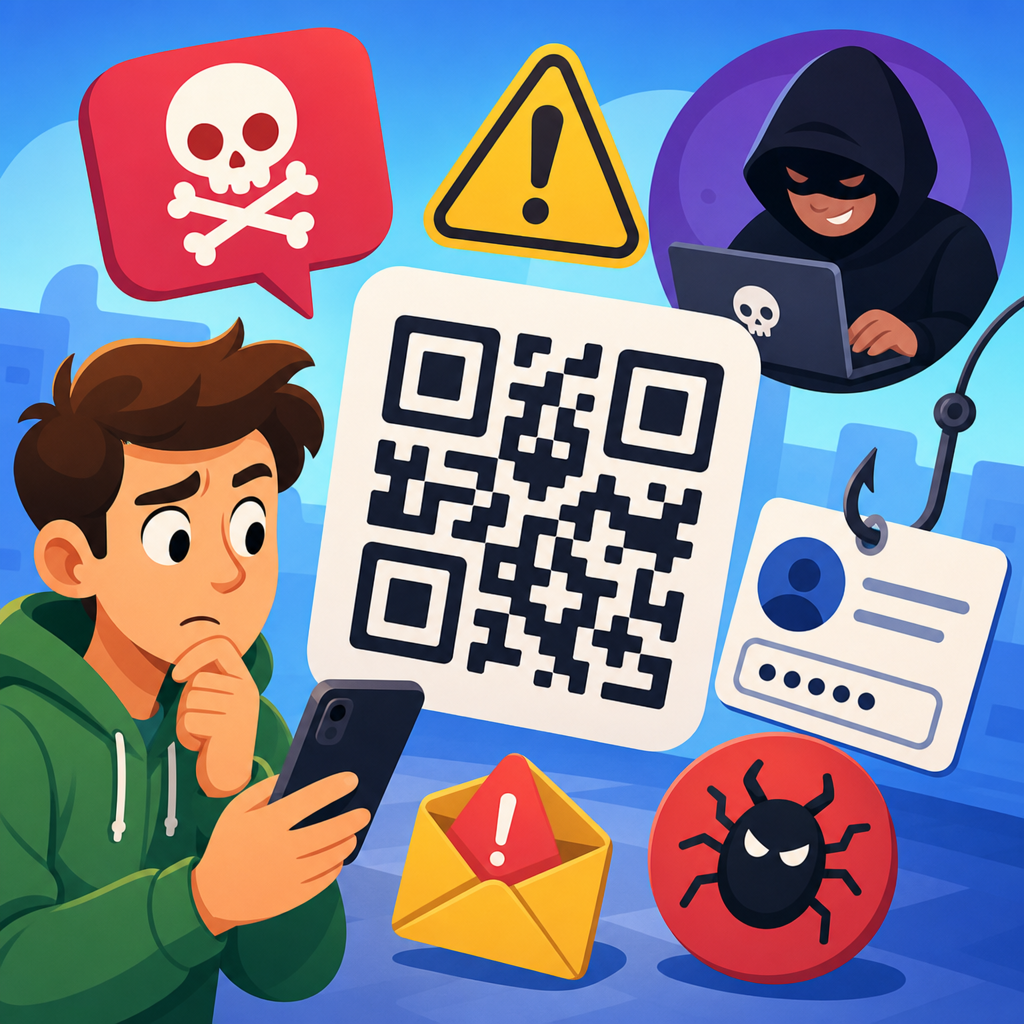
For iPhone and Android users, the core risk categories are similar: phishing websites, malware delivery, fraudulent payment instructions, fake app downloads, malicious redirects, and privacy-invasive tracking. However, the protections are not identical. Apple and Google both sandbox apps, screen some risky links, and require user confirmation for many actions, but neither platform can guarantee that a destination page is trustworthy. The operating system can read the code; it cannot always judge the intent behind the content.
This article serves as the central guide to the question “Are QR codes safe?” It explains how QR codes work, what threats matter most, how iPhone and Android differ, what warning signs to look for, and what habits reduce risk without giving up convenience. If you use QR codes for payments, menus, app downloads, business cards, or public Wi-Fi access, these are the practical checks that actually make scanning safer.
How QR codes work and why the code itself is not usually the danger
A QR code is simply a machine-readable container for data. When your phone scans it, the camera or scanning app decodes the pattern and turns it into actionable content. In most cases, that content is a URL. The code does not “infect” a phone by being viewed. The risk appears when the scanned result prompts the device to open a website, compose a message, add a contact, join a network, launch a payment flow, or download an app.
That distinction is important. A QR code is not automatically dangerous in the way a booby-trapped file can be. Instead, it acts more like a shortcut. If the shortcut points to a safe destination, scanning is low risk. If it points to a credential-harvesting page that imitates Microsoft 365, a bank, or a parcel service, scanning becomes the first step of the attack. In security reviews, I often describe QR codes as compressed trust decisions: the user cannot inspect the destination until after the scan has happened.
Dynamic QR codes add another layer. A static QR code contains a fixed destination. A dynamic QR code usually points first to a redirect service, which then forwards the user somewhere else. Dynamic codes are legitimate and widely used for analytics, campaign updates, and inventory control, but they also make it harder for users to know the final destination in advance. That is one reason branded domains and clear landing pages matter.
The main QR code threats on iPhone and Android
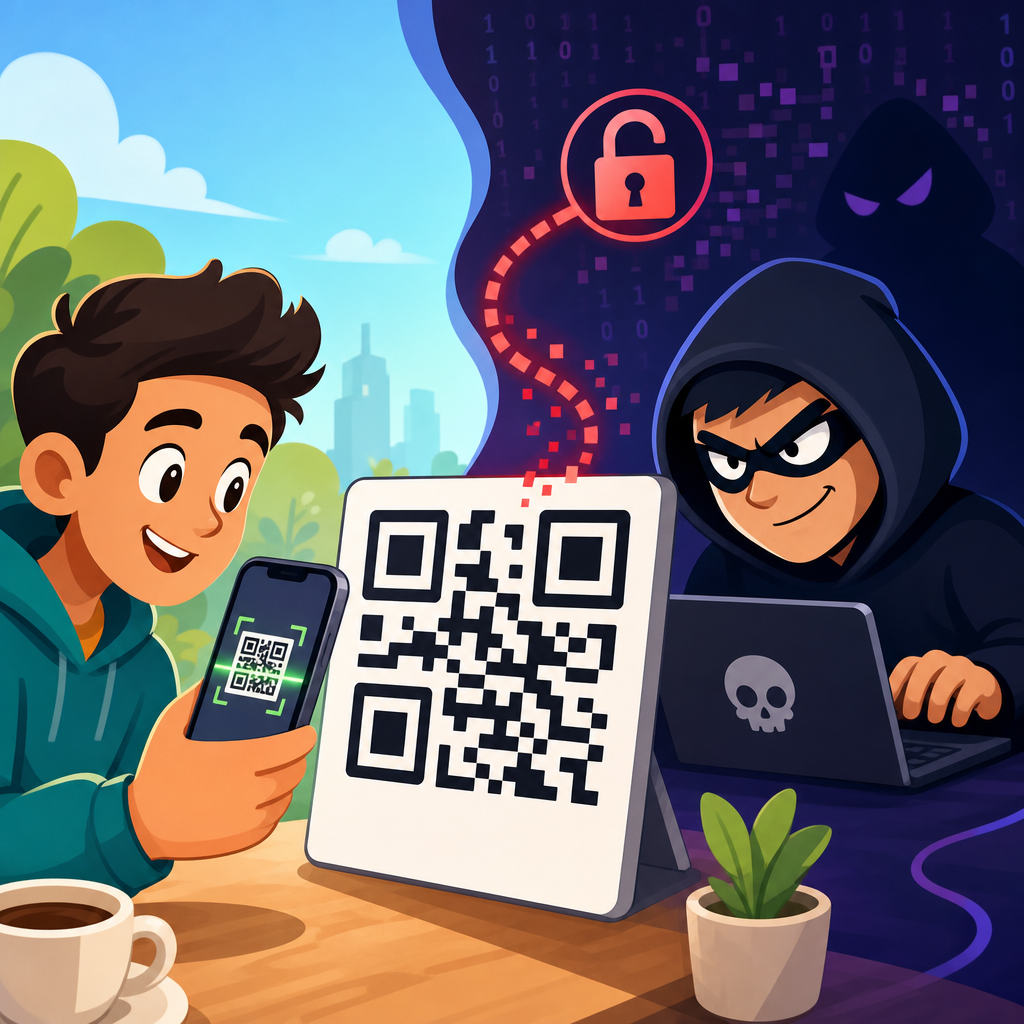
The most common threat is phishing, sometimes called quishing. The QR code sends the victim to a fake login page that looks real on a small mobile screen. Attackers exploit brand familiarity and urgency: “re-authenticate your payroll account,” “confirm package delivery,” or “renew parking now.” Because mobile browsers show less URL detail than desktop browsers, many people miss the domain mismatch.
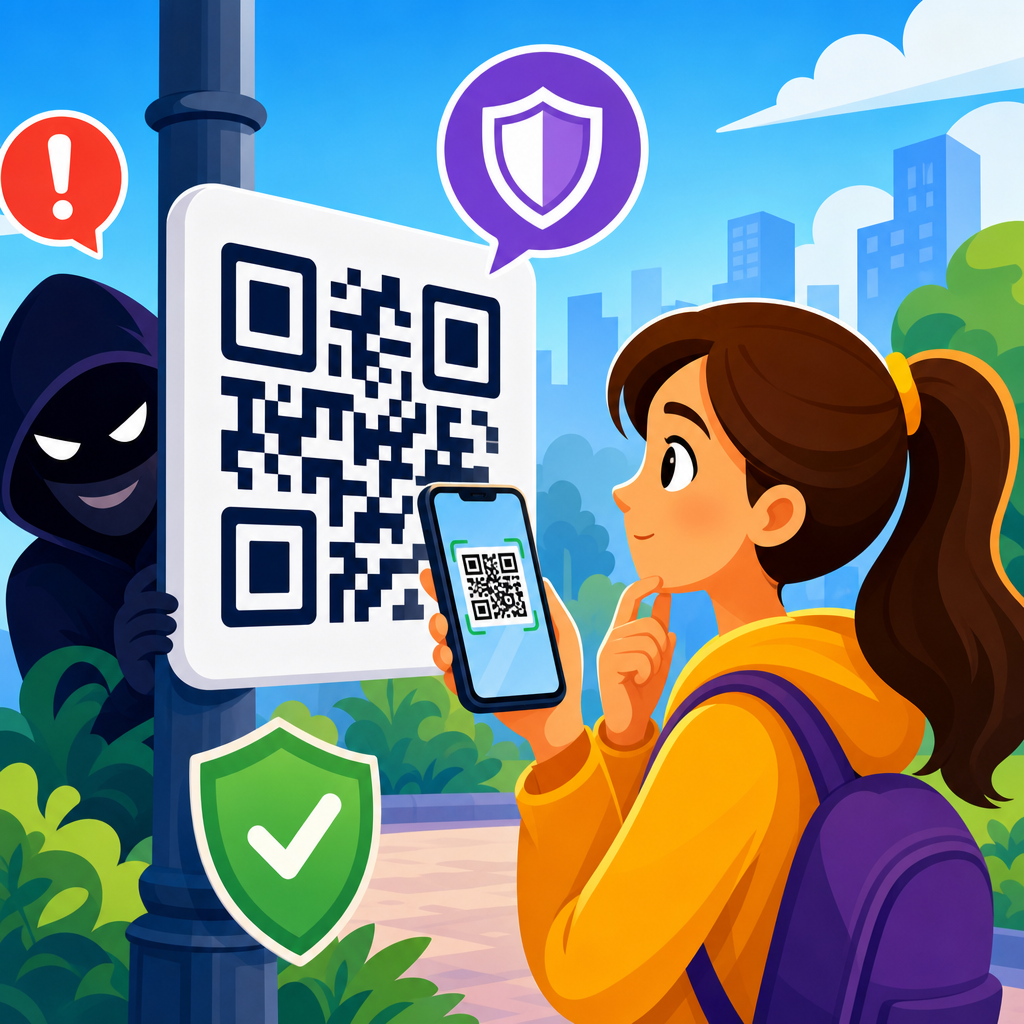
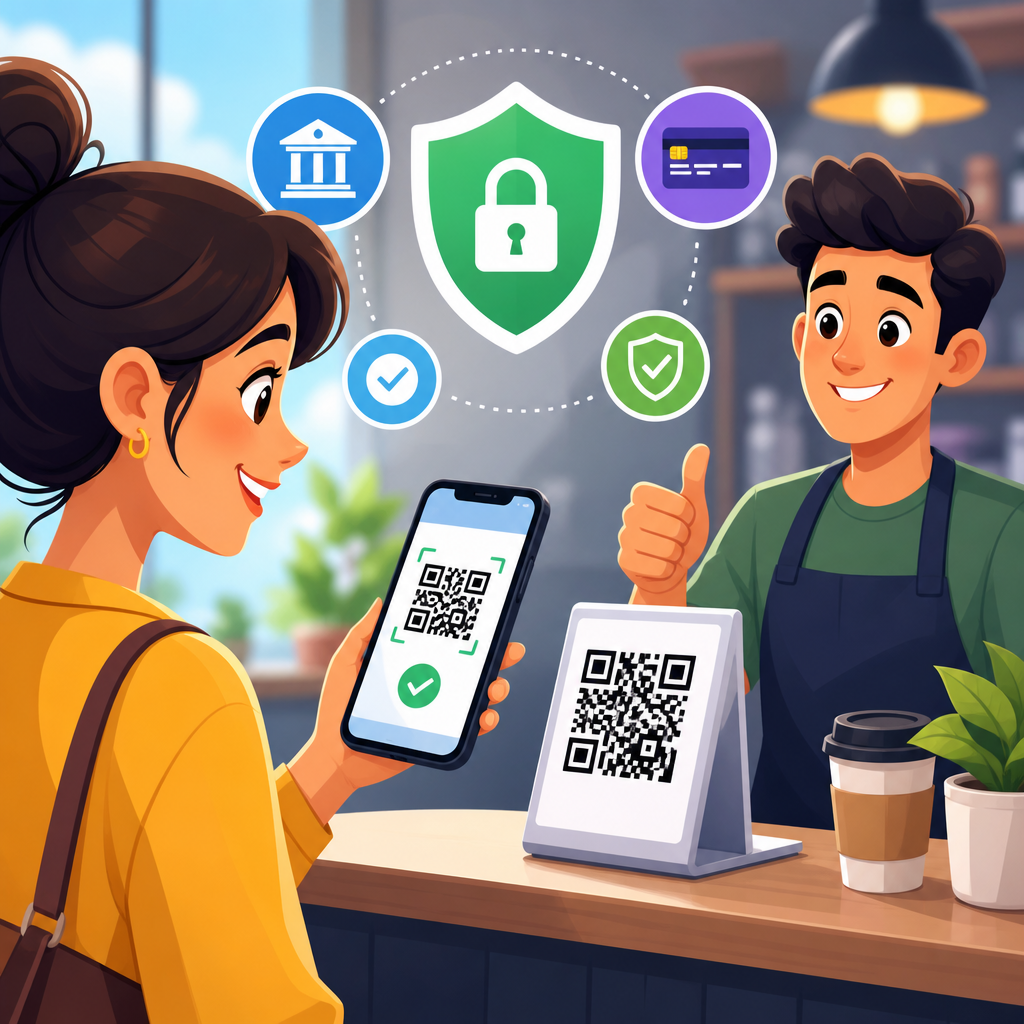
Payment fraud is another major issue. Criminals replace a legitimate merchant’s code with one linked to their own wallet, bank transfer page, or payment handle. This has happened at parking meters, donation boxes, self-checkout kiosks, and café tables. The victim still completes a normal payment flow, but the money goes to the wrong recipient. Unlike card-present transactions, QR payments can feel trustworthy because the environment looks official.
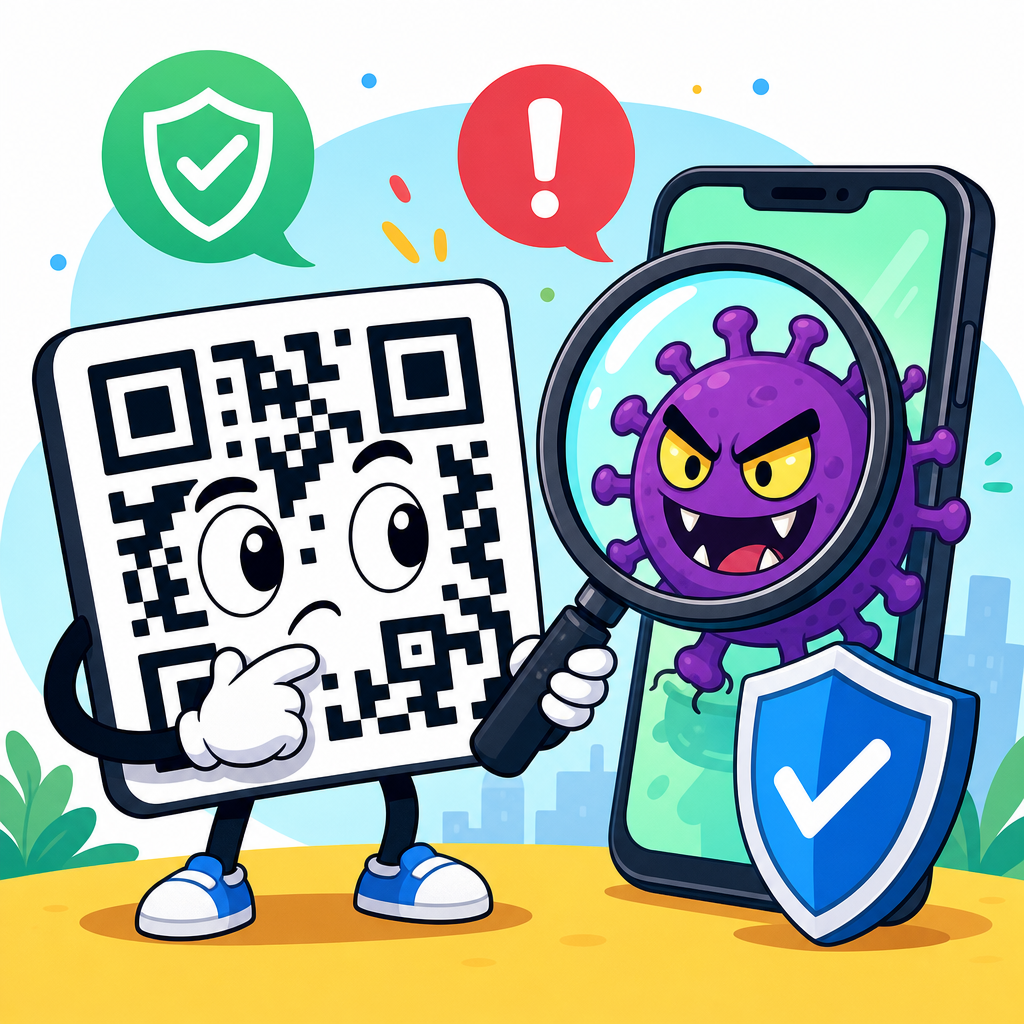
Malware risk exists but is often misunderstood. On modern iPhone and mainstream Android devices, simply scanning a QR code does not install malware by itself. Installation usually requires additional user actions, such as approving an app from an app store or sideloading a package. The real danger is social engineering that persuades the user to install a harmful app, grant excessive permissions, or enroll in a malicious mobile device management profile.
Privacy abuse also matters. QR codes can encode tracking parameters, unique user IDs, and campaign metadata. A retailer or event organizer may use them for legitimate attribution, but in some cases users are unknowingly profiled across locations and devices. Public Wi-Fi QR codes can expose users to fake captive portals that collect email addresses, phone numbers, or social logins before internet access is granted.
| Threat | How it works | Typical example | Main defense |
|---|---|---|---|
| Phishing | QR opens fake login page | Office 365 password reset scam | Check full domain before signing in |
| Payment fraud | Code redirects money to attacker | Sticker over restaurant payment QR | Verify merchant name and recipient |
| Fake app install | Code pushes user to harmful download | “Update your banking app” page | Use official App Store or Play Store |
| Privacy tracking | Code includes unique identifiers | Event badge scans tied to profiles | Limit permissions and shared data |
| Network abuse | Code joins fake Wi-Fi setup flow | Hotel lobby hotspot clone | Confirm network name with staff |
Are QR codes safe on iPhone?
iPhones are generally safe for scanning QR codes because Apple builds scanning into the Camera app and adds several friction points before risky actions occur. In current iOS versions, scanning a code usually shows a preview banner or card that the user must tap. That pause is valuable. It gives you a chance to read the domain, compare the brand name to the website address, and stop before opening a fraudulent page.
Apple also protects users through app sandboxing, code signing, and App Store review, which reduce the chance of direct malware installation from a QR code. Safari includes anti-phishing and fraudulent website warnings powered by safe browsing intelligence. If a scanned link points to a known malicious site, iPhone users may see a warning before the page loads. However, these systems are not perfect. New phishing domains can stay active long enough to steal credentials before blocklists catch up.
Where iPhone users still get into trouble is trust in polished interfaces. A fake Apple ID, banking, or package delivery page can look convincing on a mobile screen. Safari’s compact address bar means users may not inspect the full URL carefully. QR codes that prompt Wi-Fi joining, calendar subscriptions, profile downloads, or shortcut installation deserve extra scrutiny. Those actions are not automatically malicious, but they are higher risk than opening a standard information page.
Are QR codes safe on Android?
Android devices are also generally safe to use with QR codes, especially when scanning through the default camera app or Google Lens on updated phones from major manufacturers. Like iPhone, Android usually presents the decoded result before completing an action. Google Play Protect scans apps, warns about known harmful software, and adds a meaningful layer of defense against malicious downloads initiated after a scan.
The biggest difference is ecosystem variation. Android security depends more heavily on the device maker, Android version, and update cadence. A current Samsung Pixel or other well-supported phone offers stronger protections than an older device stuck on outdated security patches. In enterprise environments, I have seen older Android phones remain vulnerable longer because carriers or manufacturers delayed updates, making browser exploits and app abuse more realistic threats than on fully patched devices.
Android users should be especially careful with app downloads outside Google Play. A QR code can lead to a direct APK file or a page that instructs the user to enable installation from unknown sources. That should be treated as a serious warning sign. If a legitimate service needs an app, it should be discoverable through the Play Store by name. If a code insists on sideloading, stop and verify independently.
How to tell whether a QR code is safe before and after scanning
The safest approach is to judge both the physical context and the digital destination. Start with the environment. Is the QR code printed professionally, placed where you would expect, and consistent with the business branding? A crooked sticker layered over another code is a classic fraud indicator. Public payment stations, parking kiosks, and restaurant table tents are common tampering targets because users are in a hurry.
Next, inspect the preview after scanning. Look at the full domain, not just the brand name in the page title. A secure destination for a bank should use the bank’s actual domain, not a lookalike with extra words, strange hyphens, or unusual country-code endings. Be cautious with shortened links and redirect domains you do not recognize. They are not automatically malicious, but they reduce transparency.
After opening the page, slow down if the site asks for credentials, payment, or a download. Check for HTTPS, but remember that encryption alone does not prove legitimacy. A phishing site can also have a padlock. What matters is the exact domain, the expected user flow, and whether the request makes sense in context. A menu QR code should not ask for your email password. A transit code should not require a separate app from an unknown publisher.
Best practices that make QR code scanning safer every day
Use your phone’s built-in camera or a well-known scanner rather than random third-party apps loaded with ads or excessive permissions. Keep iOS or Android updated, because browser, WebView, and system patches reduce exposure to newly discovered vulnerabilities. Turn on built-in protections such as Google Play Protect and fraudulent website warnings. These tools are not absolute, but they block a meaningful share of commodity attacks.
For payments, verify the merchant name before approving anything. If possible, compare the QR recipient with signage, receipts, or the cashier’s display. For app installs, search the official store manually instead of trusting the code. For account logins, navigate to the site or app yourself if the request is sensitive. This single habit prevents many credential theft incidents because it removes the attacker-controlled link from the process.
If you manage a business, protect your own customers as well. Inspect public-facing QR codes regularly, use tamper-evident placement where practical, prefer branded domains, and avoid linking directly to high-risk actions without a clear landing page. A short explanation such as “This code opens our menu at example.com” increases user confidence and makes fake replacements easier to spot. Good QR hygiene is both a security measure and a trust signal.
When to avoid scanning and what to do if you already scanned a suspicious code
Do not scan a QR code from an unsolicited email attachment, a random flyer on your car, a login form you were not expecting, or a public sign that appears altered. Avoid codes that immediately pressure you into entering credentials, downloading a file, or paying a fee with no chance to verify the recipient. If the message creates urgency, assume manipulation until proven otherwise.
If you already scanned a suspicious code, close the page without entering information. If you did submit credentials, change the password immediately from the official site or app, revoke active sessions if available, and enable multi-factor authentication. If you installed an app, remove it, run Play Protect on Android, review configuration profiles on iPhone if prompted during the process, and monitor your accounts for unauthorized activity. For fraudulent payments, contact the payment provider and merchant as quickly as possible; speed can affect recovery options.
QR codes are safe to scan on iPhone and Android when users treat them as links that deserve verification, not as trusted objects just because they are printed neatly. The code is only a container; the real question is where it leads and what it asks you to do. Built-in mobile protections help, but they do not replace attention to domains, payment recipients, app sources, and context.
The most effective habit is simple: pause after the scan. Read the destination, confirm the purpose, and use official apps or websites for anything sensitive. Businesses should pair that user caution with visible, branded, well-monitored QR deployments. Together, those steps reduce phishing, payment diversion, and privacy exposure without sacrificing convenience.
If you rely on QR codes at work or in daily life, review your current scanning habits and tighten the weak spots now. A few seconds of verification is usually all it takes to make QR codes much safer on both iPhone and Android.
Frequently Asked Questions
Are QR codes safe to scan on iPhone and Android?
Yes, most QR codes are safe to scan on both iPhone and Android, especially when they come from trusted businesses, official product packaging, restaurant menus, payment terminals, event tickets, or well-known apps. The important thing to understand is that a QR code itself is not automatically dangerous. It is simply a way to store information, most often a website link. The real risk comes from what happens after your phone reads the code. If the QR code leads to a legitimate website or action, it is generally harmless. If it points to a fake login page, a malicious download, or an unexpected payment request, that is where trouble can begin.
On both iPhone and Android, built-in camera apps have made QR scanning fast and convenient, but convenience can also reduce caution. People often scan first and think later. A smart approach is to treat a QR code the same way you would treat an unfamiliar link in an email or text message. Before opening the destination, look at the preview if your phone shows one, check whether the website domain looks real, and avoid entering passwords or payment details on pages you did not intentionally visit. In short, QR codes are usually safe, but they should be scanned with the same awareness you already use for suspicious links online.
What are the biggest risks of scanning a QR code?
The biggest risk is being sent to a malicious destination without realizing it. A QR code can hide a phishing website that looks almost identical to a bank, retailer, delivery service, or social media login page. If you enter your username, password, credit card number, or verification code, that information could be stolen. This is one of the most common and realistic dangers because QR codes are designed to hide the full link until after scanning, which gives scammers an easy way to disguise where they are sending you.
There are other risks as well. Some QR codes can trigger actions such as starting an email draft, opening a payment app, adding a contact, connecting to a Wi-Fi network, or downloading an app. None of these actions are automatically harmful, but they can be abused if you act too quickly. For example, a fake parking meter QR code could send you to a fraudulent payment page, or a sticker placed over a legitimate code in a public place could redirect you to a scam site. In most cases, modern phones still require some user interaction before anything significant happens, but the danger lies in rushing through prompts without checking what the phone is asking you to approve.
How can I tell if a QR code is malicious before I scan it?
You cannot always know with certainty before scanning, but there are strong warning signs that can help you avoid risky codes. Start by looking at where the QR code appears. A code from an official business display, printed invoice, trusted app, or product package is generally more reliable than a random sticker on a pole, parking meter, flyer, or public wall. Be cautious if the code looks tampered with, such as a sticker placed over another label, poor print quality, mismatched branding, or wording that creates urgency like “scan immediately” or “verify your account now.” Scammers often rely on pressure and convenience to get people to act without thinking.
After scanning, pay close attention to the link preview or destination prompt if your iPhone or Android device shows one. Look carefully at the domain name, not just the brand name on the page. A fake site may use subtle misspellings, extra words, unusual endings, or unrelated domains. For example, a page may visually appear to be from a major company while the actual web address is something entirely different. If the QR code opens a page that asks for login credentials, payment information, or personal data unexpectedly, stop and verify through the company’s official website or app instead. The best rule is simple: if the code asks you to do something sensitive that you were not already planning to do, do not proceed until you confirm it is legitimate.
Do iPhone and Android have built-in protections when scanning QR codes?
Yes, both iPhone and Android include useful protections, but they are not perfect. On iPhone, the Camera app can scan QR codes directly and often shows a notification or preview before taking you to the destination. This gives you a chance to review the link or action first. Android devices also commonly support QR scanning through the Camera app or Google Lens, and many phones provide a similar preview step. These built-in tools are safer than using random third-party scanner apps because they are integrated into the operating system and are less likely to include unnecessary ads, data collection, or misleading behavior.
That said, built-in protections do not eliminate user risk. Your phone may warn you about suspicious websites in some situations, but it cannot always detect a convincing phishing page or know whether a payment request is fake. Security still depends on your decisions after the scan. Keep your operating system and browser updated, use built-in security features such as safe browsing protections, and avoid installing unknown apps from QR code prompts. If a scanned code leads somewhere unexpected, close the page and navigate manually to the official website or app instead. Device protections help, but user awareness is still the most important safety layer.
What should I do if I scanned a suspicious QR code on my phone?
If you scanned a suspicious QR code but did not interact further, the risk may be low, especially if you closed the page right away and did not download anything, enter credentials, or approve a payment. Even so, it is a good idea to clear the browser tab, avoid revisiting the page, and monitor your device for anything unusual. If the page asked you to install an app, update software, log in, or enter payment information, and you did any of those things, take action immediately. Change passwords for affected accounts, especially if you reused the same password elsewhere, and enable two-factor authentication if it is not already turned on.
If you submitted financial information, contact your bank or card provider as soon as possible. If you downloaded something from the QR code, delete the app if possible and run a security check using your phone’s built-in protections or a reputable mobile security tool. Also review browser downloads, installed profiles, saved Wi-Fi networks, and app permissions if anything seems off. On both iPhone and Android, keeping your software updated is essential because security updates can close vulnerabilities that attackers may try to exploit. The key is to act quickly but calmly. Scanning a bad QR code does not always mean your phone is compromised, but if you shared personal information or approved an action, responding right away can greatly reduce the damage.