QR codes are safe to use in most everyday situations, but they are not automatically trustworthy. A QR code is simply a machine-readable pattern that stores data such as a website address, payment request, contact card, Wi-Fi credentials, or app action. The safety question is not about the square itself; it is about the destination, the device that opens it, and the context in which it appears. That distinction matters because people often treat a printed code like a harmless label, when in practice it can trigger the same risks as clicking an unfamiliar link in email, text, or social media.
I have worked with QR deployments for payments, event access, packaging, and support flows, and the same misconception appears in every environment: users assume that because a code is visible, physical, and easy to scan, it must be legitimate. Attackers rely on that assumption. Security teams now use the term quishing, or QR phishing, to describe scams that hide malicious links inside QR codes. The Federal Trade Commission has warned about criminals placing fake QR stickers over real ones, while payment providers and enterprise mobile teams regularly publish guidance on verifying destinations before opening them. In other words, QR codes are convenient, but convenience compresses the pause people usually take before judging a link.
This matters because QR codes now sit at the center of common transactions. Restaurants use them for menus, parking meters use them for payments, hospitals use them for check-in, airlines use them for boarding passes, and manufacturers place them on packaging for setup guides and warranty registration. Dynamic QR platforms also let businesses update destinations without changing the printed code, which is useful for campaigns but adds another layer of trust: the code you see today may not resolve the same way next month. For a hub page on QR code security and privacy, the practical answer is clear. QR codes are safe when they come from trusted sources, open expected destinations, and are scanned with basic verification habits. They become risky when they obscure where you are going, request sensitive action too quickly, or appear in places where tampering is easy.
How QR Codes Work and Why They Create Unique Security Risks
A QR code encodes data in a two-dimensional matrix that smartphone cameras or dedicated scanners can decode instantly. Most consumer use cases store a URL, but codes can also contain plain text, vCard contact information, SMS prompts, phone numbers, geo-coordinates, calendar events, or payment payloads. The code itself does not execute malware by magic. The danger usually begins after the scan, when a browser opens a website, an app handles a payment request, or the operating system offers an action based on the encoded data.
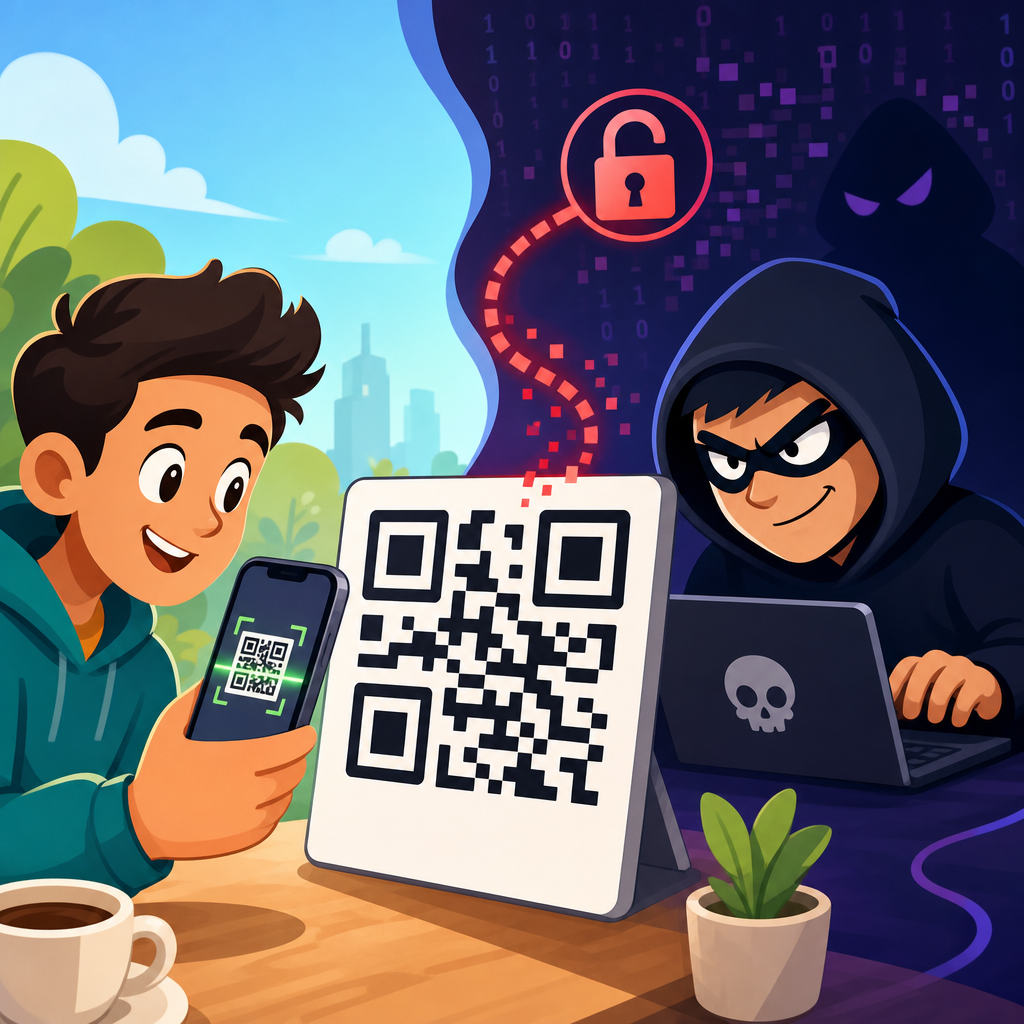
The unique risk is reduced visibility. With a standard hyperlink on a desktop, users can hover to preview a destination, inspect the domain, or rely on browser reputation signals. With a QR code in the physical world, that preview step is often skipped. A person standing at a parking kiosk, trying to pay quickly, may scan without checking whether the code opens the city payment portal or a counterfeit payment page. The attack surface therefore spans both digital and physical environments. A fake sticker can redirect users just as effectively as a spoofed email link.
Another complication is that codes are easy to reproduce. Anyone can generate a QR code in seconds using tools from Google Chrome, Adobe Express, Bitly, Canva, Beaconstac, or QRCode Monkey. That accessibility is useful for business, but it means the visual format alone offers no authenticity. Unlike a branded app icon from an official store, a QR code has no built-in indicator of ownership unless the surrounding signage, URL preview, and destination design provide it.
Common QR Code Threats Consumers and Businesses Face
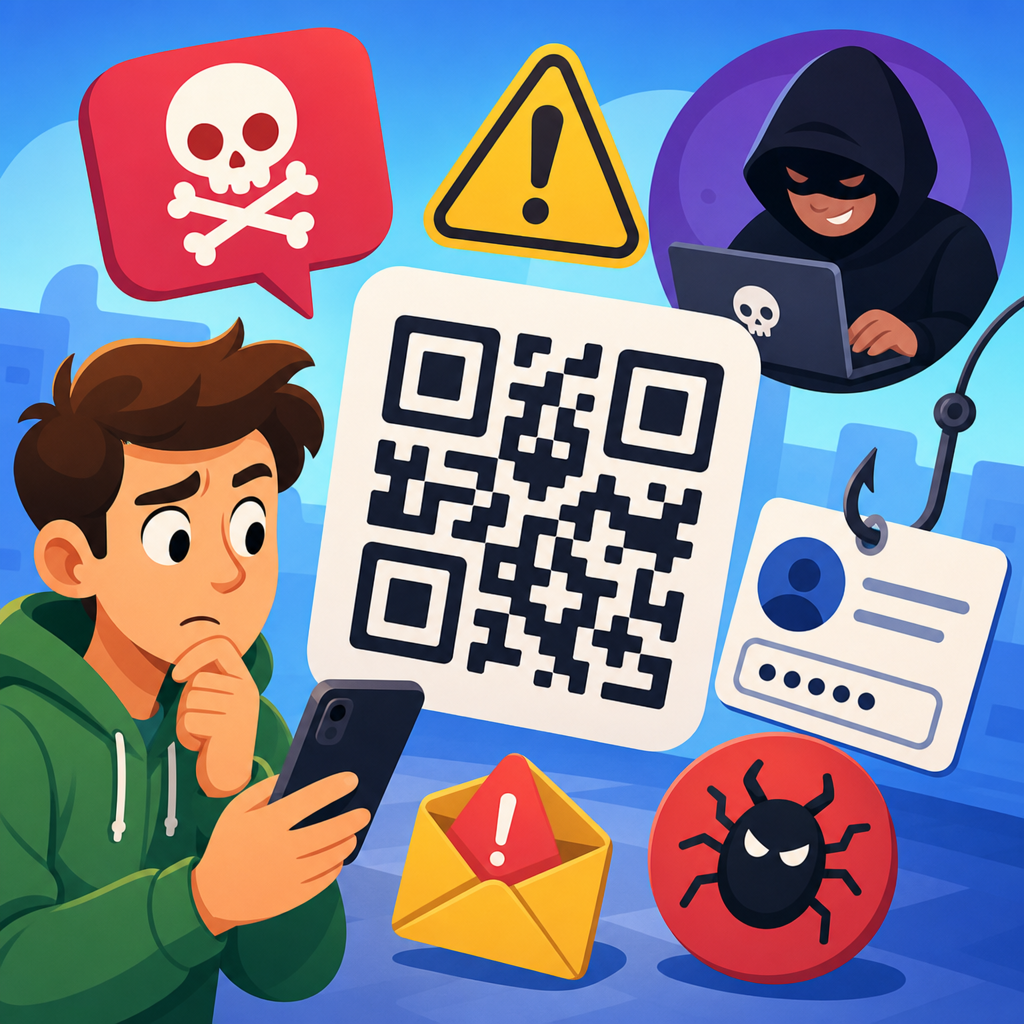
The most common threat is phishing. An attacker creates a code that leads to a fake login page for Microsoft 365, Google, Apple ID, a bank, or a delivery company. The victim scans it, lands on a polished imitation site, and enters credentials. Security vendors such as Cisco Talos, Microsoft, and Cofense have all documented QR-based phishing campaigns because email filters that inspect visible text can miss a malicious link embedded only in an image. That is one reason QR codes now appear in business email compromise and account takeover attempts.
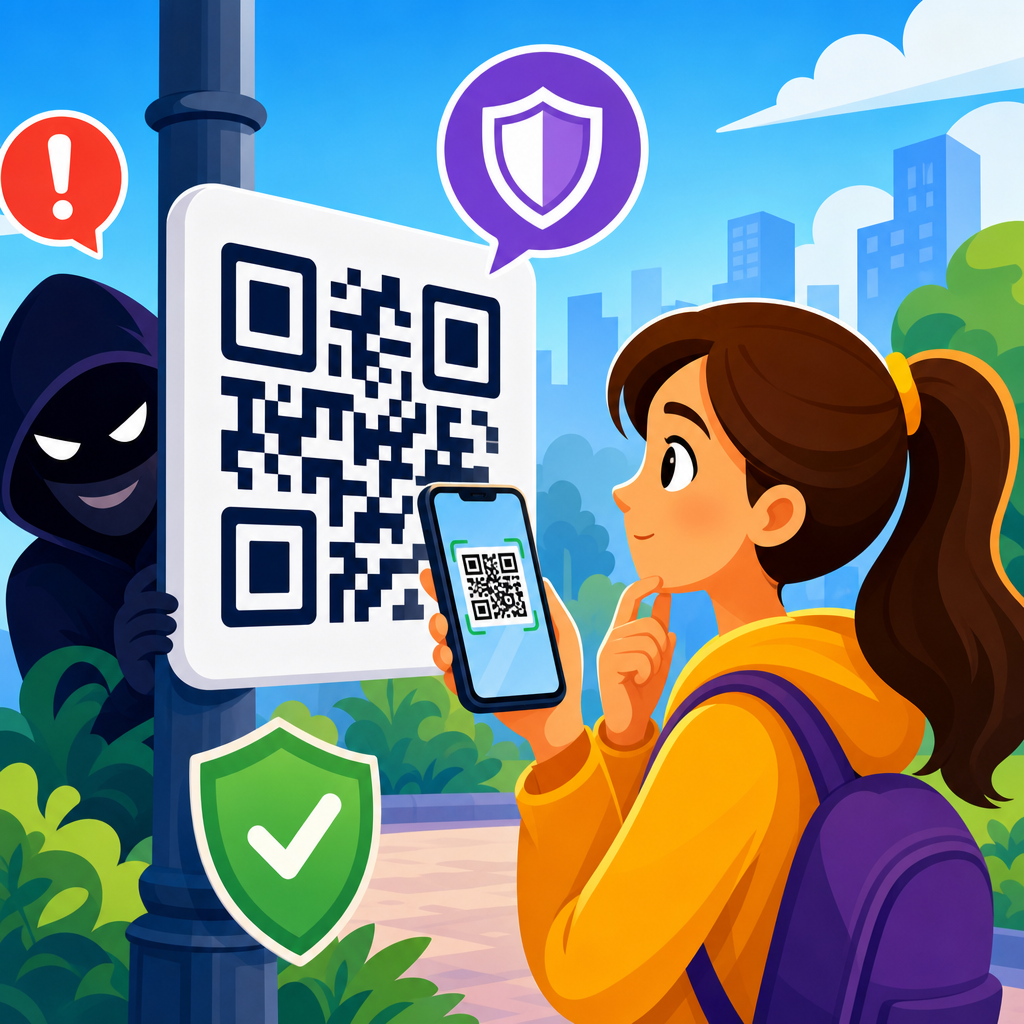
Payment fraud is another major category. Fake QR codes are placed on parking meters, restaurant tables, fuel pumps, utility bills, or charity posters. Instead of sending money to the intended merchant, the payment goes to a criminal wallet or card form. In my own reviews of public QR signage, the highest-risk pattern is a sticker placed over an existing code. If edges are raised, branding looks mismatched, or the payment page asks for unusual details like online banking credentials, stop immediately.
Malicious redirects also matter. A code may first open a legitimate-looking short link, then bounce to malware, aggressive ad fraud, or a page that prompts an app download from outside trusted stores. Modern iPhone and Android protections reduce drive-by installation risk, but users can still be persuaded to install a configuration profile, sideloaded app, or remote access tool. Attackers do not need technical sophistication if social engineering does the work.
| Threat | How it works | Typical target | Best immediate defense |
|---|---|---|---|
| QR phishing | Code opens fake login or verification page | Email, cloud, banking accounts | Check the full domain before entering credentials |
| Payment diversion | Fake code routes money to attacker-controlled account | Parking, dining, donations, utilities | Use official app or typed website when possible |
| Malicious redirect | Short link forwards to scam, adware, or fake update page | Mobile users in a hurry | Close the page if the destination is unexpected |
| Data harvesting | Page asks for personal information under false pretenses | Event guests, job seekers, customers | Share only the minimum information required |
When QR Codes Are Generally Safe to Use
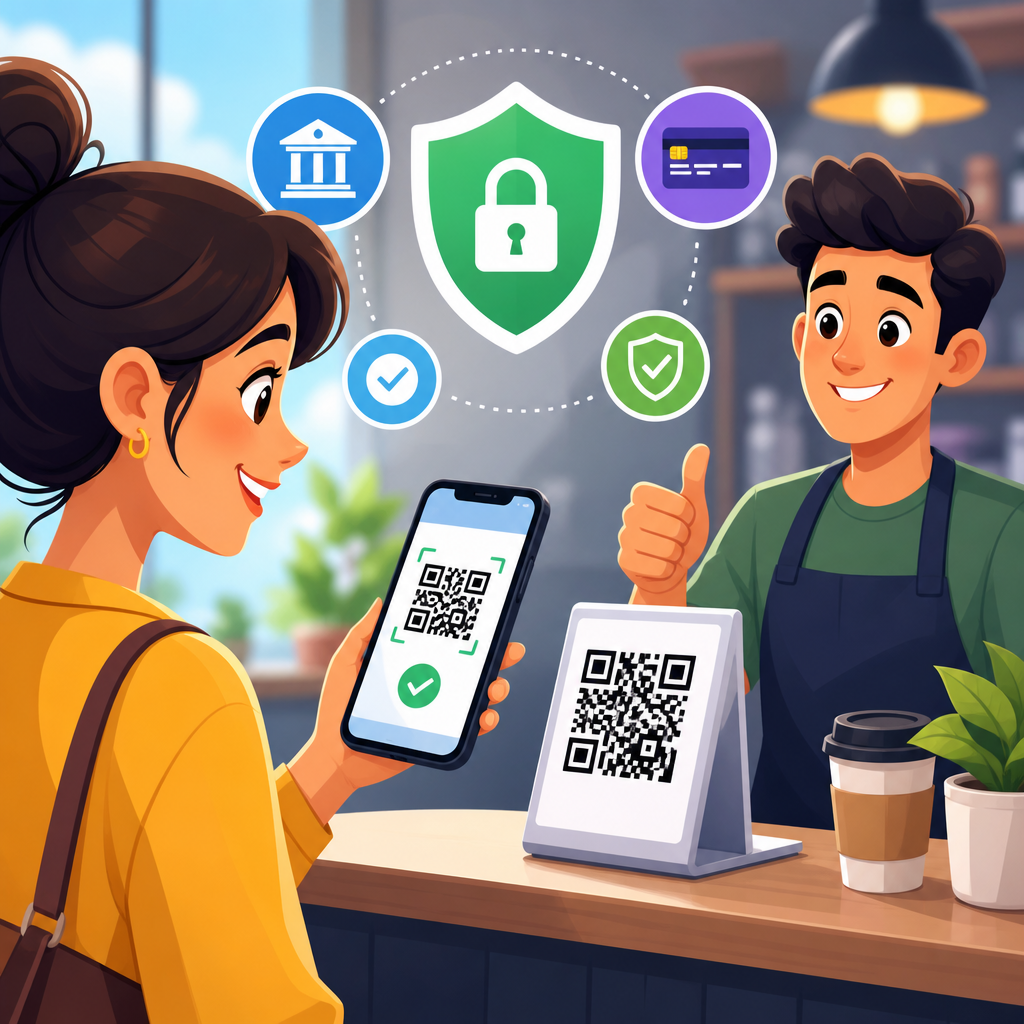
Most QR codes from established organizations are safe when the surrounding context matches the expected action. A boarding pass in an airline app, a package setup code printed inside sealed hardware packaging, a restaurant menu code displayed consistently across branded materials, or a museum exhibit code linking to official educational content are usually low-risk scenarios. The key signals are source legitimacy, clear branding, a logical destination, and no urgent request for sensitive information beyond what the task truly requires.
Official apps make QR use safer because they narrow the action path. For example, many transit systems, payment services, and authenticator apps scan codes only within the app and process defined payloads rather than launching a random browser session. If your bank, parking provider, or event platform has an official app, using its built-in scanner is safer than scanning with the camera and following any open web prompt.
HTTPS also helps, though it is not enough by itself. A padlock means the connection is encrypted, not that the site is honest. Safe use depends on domain accuracy. A legitimate payment page might use cityparking.gov or a known processor such as stripe.com in a branded checkout flow. A scam might use a lookalike like city-parking-pay.co. In practice, the safest scans are those where the destination is both encrypted and recognizable.
How to Check a QR Code Before and After You Scan It
The best habit is to pause for three seconds and inspect context. Ask who placed the code there, what action it should perform, and whether that action makes sense in the setting. A QR code on an official bill insert from your utility is different from a random sticker on a lamppost. A code requesting a menu at a café makes sense; a code on an ATM asking you to scan for account verification does not.
Before opening the link, use the URL preview shown by most smartphone cameras. On iPhone and Android, the camera typically displays the destination as a tappable banner. Read the domain carefully. Ignore the brand name in the page title and focus on the registered domain. If the code uses a URL shortener such as bit.ly, tinyurl, or a custom redirect domain, the trust decision becomes harder. Short links are common in marketing, but they hide the final destination and deserve extra caution.
After opening the site, verify again. Check whether branding, spelling, and page design are consistent. Look for pressure tactics such as countdown timers, threats, unexpected MFA prompts, or requests for payment card details when a simple information page was expected. Close the page if anything feels off. On mobile, do not install profiles, accept browser notification spam, or download APK files prompted by a QR page. If the task is important, navigate manually through the organization’s official website or app instead.
QR Code Safety Best Practices for Businesses
Organizations that deploy QR codes need to think beyond design and conversion rates. The first control is destination governance. Use owned domains, enforce HTTPS with HSTS, and avoid unnecessary redirect chains. If dynamic QR codes are required for campaign flexibility, manage them through a reputable platform with access controls, audit logs, expiration settings, and account-level multifactor authentication. Dynamic codes are powerful, but if the platform account is compromised, every printed code tied to that account can be repointed.
Physical integrity matters too. Place codes where tampering is noticeable, use tamper-evident materials for payment surfaces, and inspect public installations on a schedule. In retail, transit, hospitality, and municipal environments, this is not optional. A weekly audit of high-traffic QR assets can prevent payment diversion and reduce support complaints. I recommend documenting each location, photographing the approved placement, and training frontline staff to recognize overlays and mismatched branding.
User education should be built into the experience. Add plain-language cues near the code, such as “This code opens example.com/menu” or “Pay only through the official City Parking app or cityparking.gov.” That single line reduces ambiguity and improves trust. For internal corporate use, security teams should include quishing examples in awareness training and configure mobile device management policies to block risky sideloading behavior where possible.
Privacy Implications of Scanning QR Codes
Safety is not only about scams; privacy matters too. A QR code can act as a tracking gateway. When users scan a dynamic code, the operator may collect timestamp, approximate location, device type, referral data, and campaign attribution metrics. In marketing, that data is often used legitimately to measure performance, but organizations should disclose tracking in their privacy notices and avoid collecting more than they need. If the code leads to a form, every extra field increases privacy risk and drop-off.
Consumers should assume that scanned links may log basic analytics just like any other web visit. That does not make them unsafe, but it means discretion is wise. Avoid scanning codes for sensitive tasks on public Wi-Fi unless the site is clearly legitimate. Use private relay, tracker blocking, or browser privacy controls if they fit your workflow. For highly sensitive environments such as healthcare, finance, or employee identity flows, organizations should minimize third-party scripts on QR landing pages and validate compliance requirements before launch.
Final Answer: Are QR Codes Safe to Use?
Yes, QR codes are safe to use when you treat them as links that deserve verification, not as trusted objects. The code itself is neutral. Risk comes from malicious destinations, fake payment pages, hidden redirects, and poor physical controls. For consumers, the core rule is simple: scan only when the source makes sense, read the destination before tapping, and never enter sensitive information on a site you did not expect. For businesses, the standard is equally clear: use owned domains, secure dynamic QR management, inspect physical placements, and tell users exactly where the code should lead.
As the hub for QR code security and privacy, this topic branches into phishing prevention, payment fraud, dynamic versus static QR risks, mobile device safeguards, and privacy-conscious campaign design. Mastering the basics on this page will make every related decision easier. If you use QR codes personally or professionally, audit the codes you rely on this week, remove any unnecessary redirects, and train users to verify before they tap. That one habit delivers the biggest safety gain with the least friction.
Frequently Asked Questions
Are QR codes safe to use in general?
Yes, QR codes are generally safe to use in everyday situations, but they are not automatically trustworthy just because they look simple or familiar. A QR code is only a machine-readable way to store information, such as a website URL, payment link, contact card, Wi-Fi login, or app action. The real safety issue is not the code itself, but what happens after you scan it. If the code opens a legitimate website or action from a trusted source, it is usually harmless. If it sends you to a fake login page, a scam payment request, or a malicious download, it can become risky very quickly.
This is why context matters so much. A QR code printed on official packaging, displayed inside a reputable business, or shared through a verified company channel is usually lower risk than a random sticker on a parking meter, flyer, or public wall. People often assume a printed code is just a passive label, but in practice it can act like a hidden link. Since you cannot tell where it leads just by looking at it, it is best to treat scanning a QR code the same way you would treat clicking an unknown link: convenient, but worth verifying first.
What are the main risks of scanning a QR code?
The biggest risk is being sent somewhere you did not expect. A QR code can direct your phone to a phishing website designed to steal passwords, a fake payment page intended to collect money, a fraudulent customer support form, or a download that prompts you to install something unsafe. In some cases, a code may trigger actions such as opening a messaging app, connecting to a Wi-Fi network, composing an email, or launching a payment app with prefilled details. None of these actions are automatically dangerous, but they can be abused if the destination or request is malicious.
Another common risk is physical tampering. Scammers sometimes place their own QR code sticker over a legitimate one in public places such as restaurant tables, parking kiosks, transit stations, or event signs. A person scanning the code may believe they are paying an official vendor or accessing a normal menu, when they are actually being redirected to a scam site. The danger increases when people are in a hurry and skip basic checks. The safest mindset is to remember that a QR code hides its destination until your device reveals it, so you should pause long enough to review what it is asking you to do before proceeding.
How can I tell whether a QR code is trustworthy before I scan it?
You usually cannot confirm complete safety just by looking at the code itself, but you can make a smart judgment based on source and context. Start by asking where the code came from. If it is on official product packaging, inside a trusted business, on a verified bill, or within a company app or website, it is more likely to be legitimate. If it appears as a random sticker in public, in an unsolicited message, on a poorly designed poster, or over another printed code, be more cautious. Signs of tampering, such as peeling labels, mismatched branding, or unusual placement, should be treated as warning signals.
It also helps to use a scanner that previews the destination before opening it. Many smartphones now show the URL or action first, giving you a chance to inspect it. Look closely at the web address for misspellings, strange domains, extra words, or confusing variations of a real brand name. For example, a scammer may use a domain that looks similar to a well-known company but is not actually connected to it. If the QR code is asking for payment, login credentials, or personal information, it is especially important to verify the request through another trusted channel before continuing.
What should I do after scanning a QR code to stay safe?
After scanning, do not rush. Read the prompt on your screen and check exactly what your phone is about to open or do. If it shows a website, inspect the full URL before tapping through. If it wants to connect you to Wi-Fi, open a payment app, download a file, or launch another app, make sure that action matches what you expected from the code. If something feels off, such as a payment request from a menu code or a login screen from a parking meter, stop immediately. Suspicious mismatches are one of the clearest signs that the code may not be legitimate.
It is also wise to maintain basic device security habits. Keep your phone and apps updated, use built-in browser protections, and avoid entering passwords or payment details on pages you did not intentionally navigate to. If a code takes you to a service you already know, consider closing the page and reaching that service another way, such as typing the official website yourself or opening the brand’s app directly. That extra step can help you avoid phishing attempts. Good QR code safety is not complicated, but it does depend on slowing down long enough to verify the destination and the request.
Are QR codes used for payments, menus, and Wi-Fi access safe?
They can be safe, and in many cases they are, but each use case carries its own considerations. Payment QR codes are convenient, but they deserve extra caution because money is involved. Always verify the merchant name, payment amount, and destination inside your payment app before confirming. Restaurant menu QR codes are usually low risk, but fake codes can still send users to phishing pages or ad-heavy sites. Wi-Fi QR codes are often legitimate and helpful, yet connecting to an unknown network can expose you to privacy or security issues if the network itself is untrustworthy.
The key point is that the safety of the experience depends on more than the code. It depends on whether the source is genuine, whether the destination matches the situation, and whether your device gives you enough information to review the request. In a trusted environment, such as a well-known café, office, hotel, or retailer, QR codes are often a normal and safe convenience tool. In an unfamiliar setting, especially where money, accounts, or personal data are involved, it is worth double-checking before you proceed. QR codes are useful, but they should be approached with the same healthy skepticism you would apply to any digital shortcut.