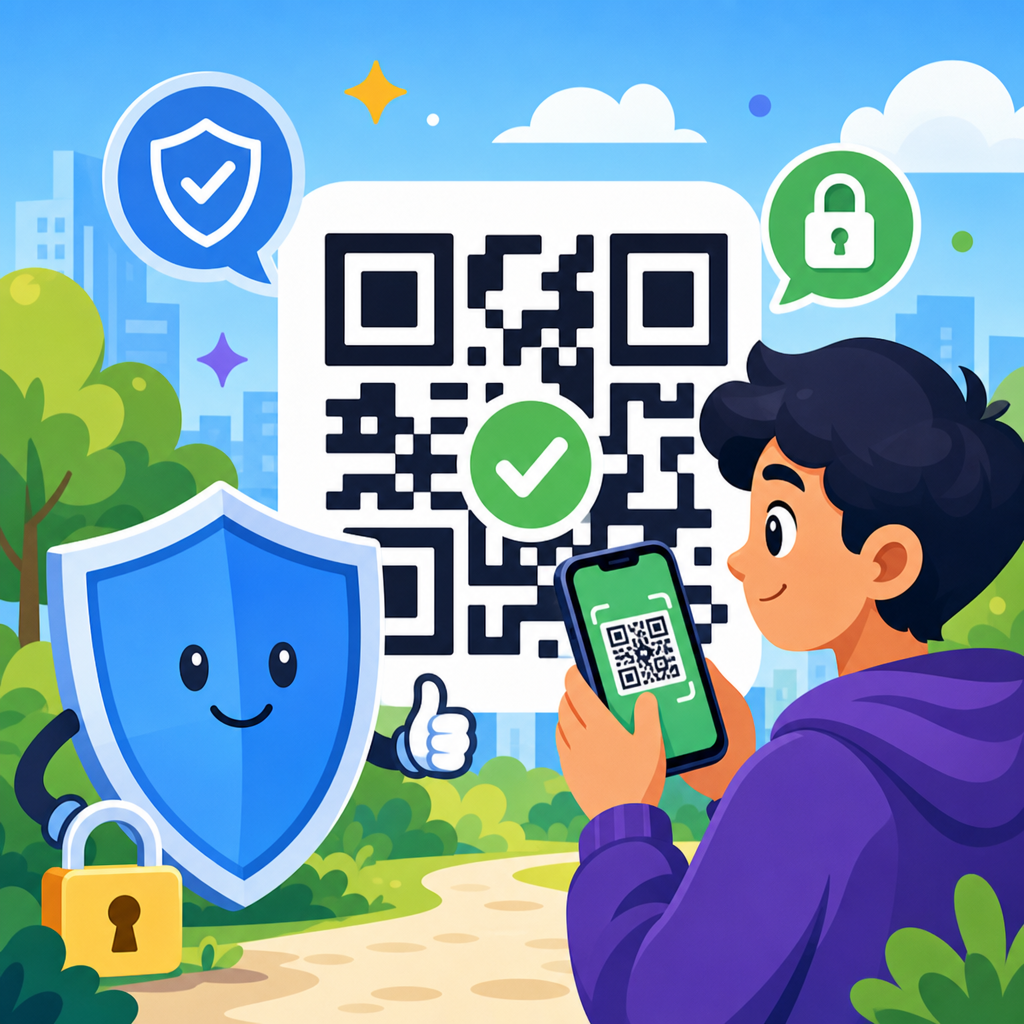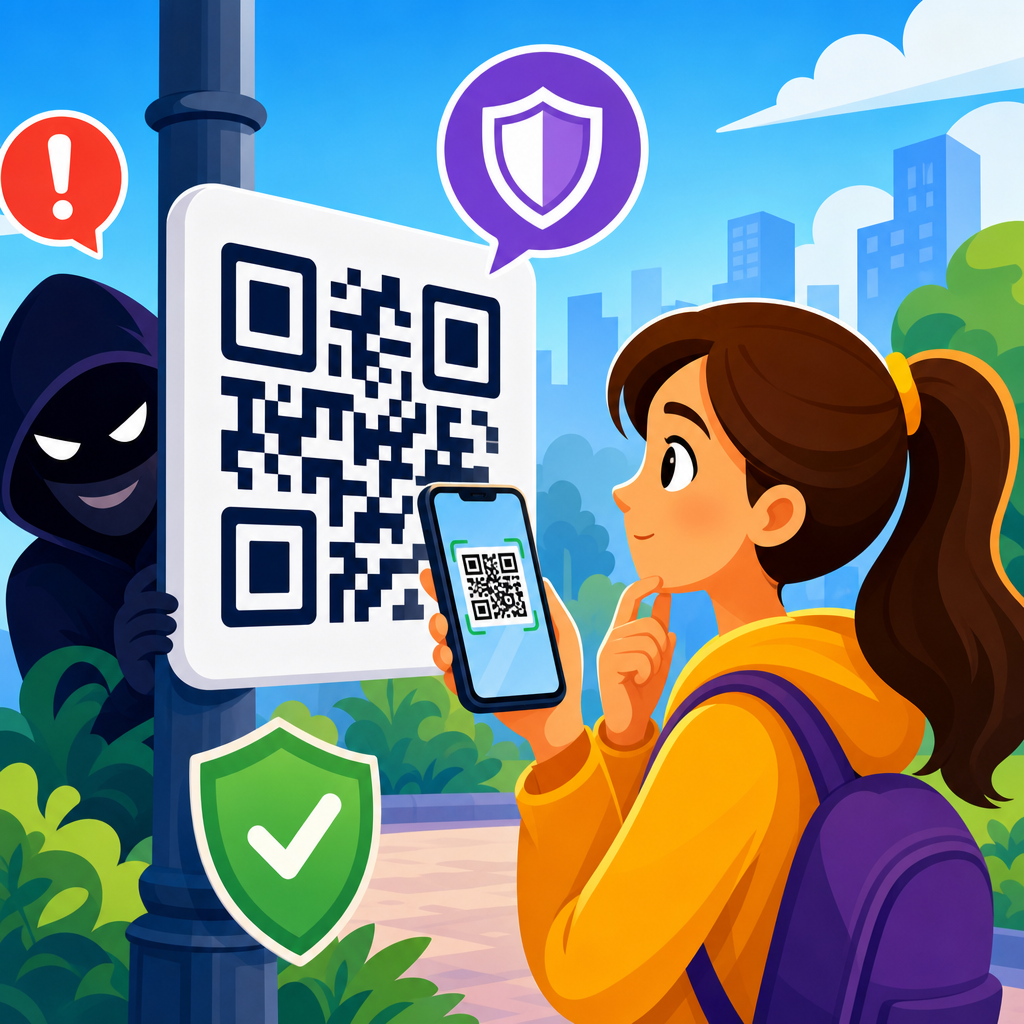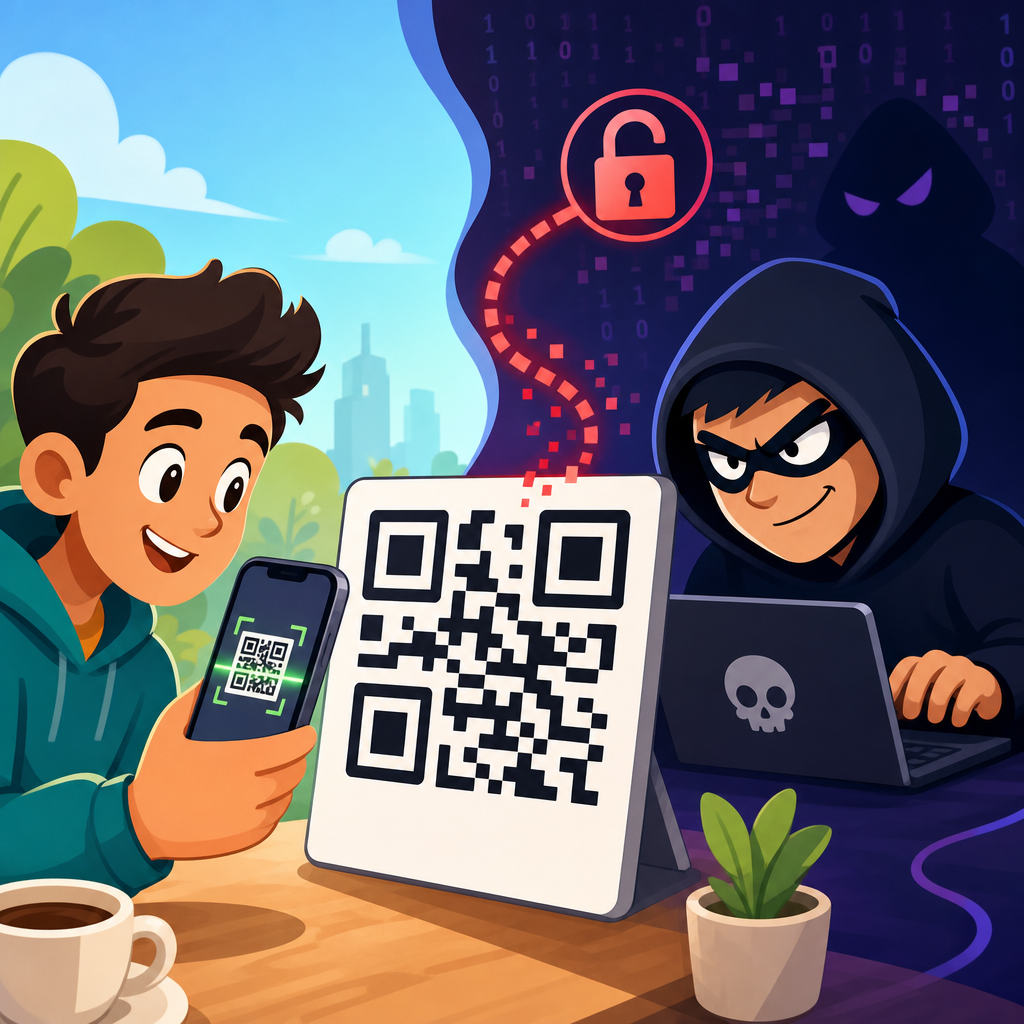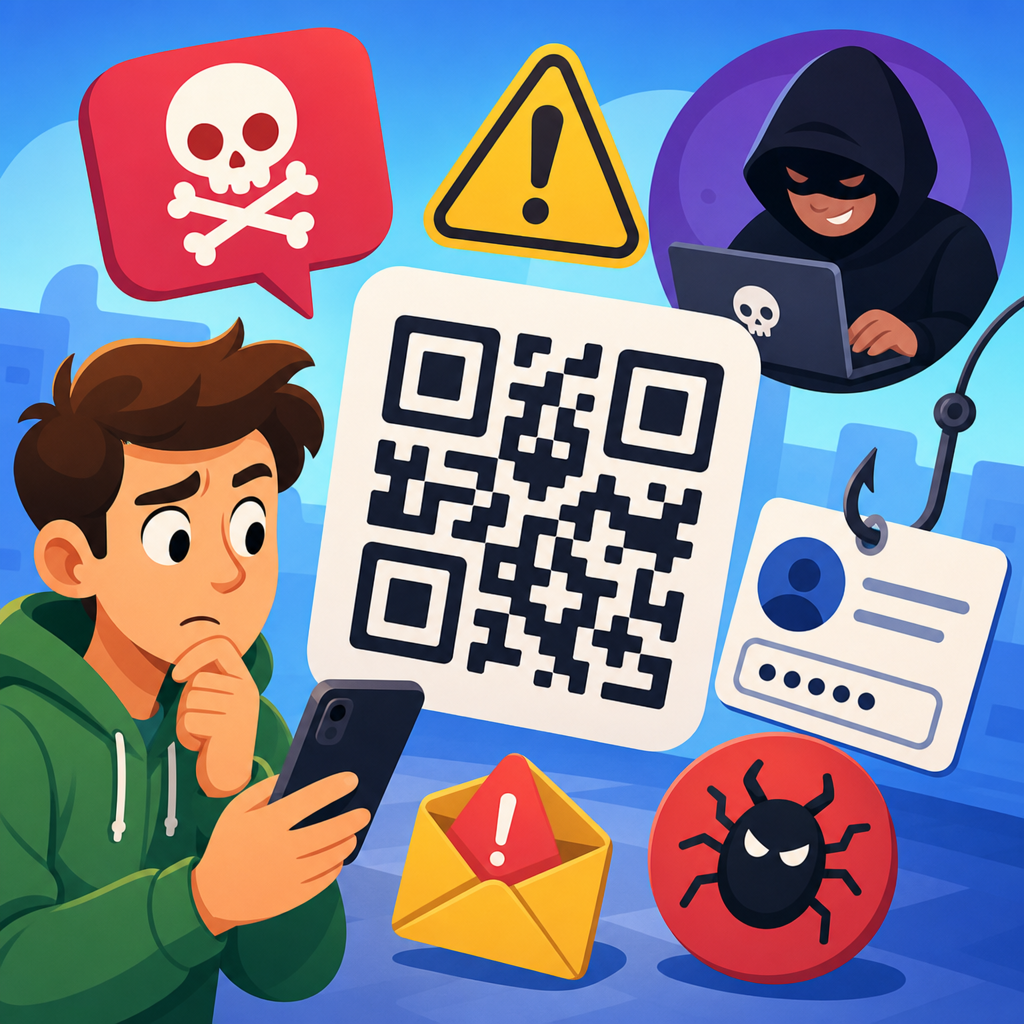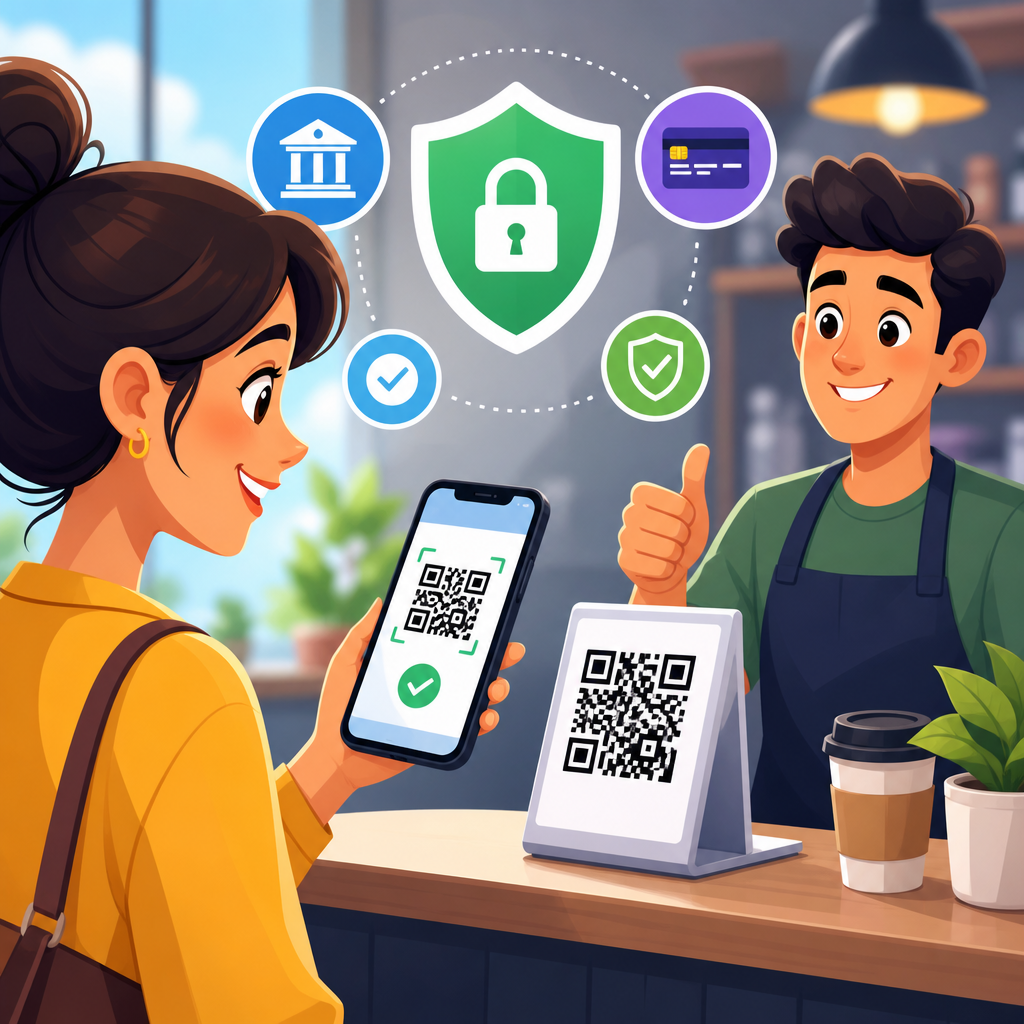
QR codes have become a common payment method in restaurants, parking apps, transit systems, e-commerce checkouts, and peer-to-peer transfers, but the question “Are QR codes safe for payments?” deserves a careful, evidence-based answer. A QR code, or Quick Response code, is a two-dimensional barcode that stores data such as a website address, payment token, invoice amount, account identifier, or app deep link. In payment settings, scanning the code usually opens a banking app, mobile wallet, card network page, or merchant checkout flow, which then requests authentication before money moves. That convenience is exactly why QR payments have expanded quickly across small businesses and large platforms alike. EMVCo, the global technical body backed by major card networks, has standardized merchant-presented and consumer-presented QR payment frameworks, and central banks in several countries now support interoperable instant-payment systems that use QR rails.
From my work reviewing payment flows and fraud controls, the short answer is that QR codes themselves are not inherently dangerous; the real issue is whether the code points to a trustworthy destination and whether the payment process includes strong verification. A printed code cannot execute malware by itself, but it can send a user to a phishing page, swap a legitimate merchant account for a criminal one, or disguise a manipulated payment request. That distinction matters. A secure QR payment depends on multiple layers: tamper-resistant code placement, authenticated apps, encrypted network traffic, transaction confirmation screens, merchant monitoring, and user awareness. When those controls are present, QR payments can be as safe as many other digital checkout methods. When they are absent, the attack surface shifts from the barcode to social engineering and account takeover. Understanding that risk model helps consumers, merchants, and security teams make smarter decisions.
This article serves as a hub for the broader topic of QR code security and privacy by explaining how QR payments work, where they are safest, what can go wrong, and which safeguards matter most. It also answers the practical questions people ask before scanning: Can a QR code steal bank details? Can someone replace a payment code? Are static codes riskier than dynamic ones? What should businesses do to secure printed and digital QR campaigns? By the end, you will have a clear framework for evaluating QR payment safety in stores, on websites, on invoices, and in peer-to-peer situations.
How QR code payments work and where the real risk sits
A payment QR code typically encodes one of four things: a merchant identifier, a payment request with amount and reference data, a URL that launches a checkout page, or an app link that opens a wallet. In a merchant-presented flow, the store shows the code and the customer scans it using a bank or wallet app. In a consumer-presented flow, the customer displays a QR token and the merchant scans it. The transaction may run over card rails, account-to-account instant payment rails, or a closed-loop wallet system. The security properties therefore come less from the visible square pattern and more from the underlying payment network, authentication requirements, and fraud controls built into the app or processor.
That is why a QR code used by a regulated banking app is very different from a random code pasted onto a parking meter. If the scan opens a trusted app that validates the merchant, displays the payee name, shows the amount, and requires biometric or passcode confirmation, the user has several checkpoints before authorizing payment. If the scan opens a browser page controlled by an attacker, those checkpoints may be missing or faked. In incident reviews, I have seen the same user behavior produce opposite outcomes depending on the destination: scanning a restaurant table code inside a verified app led to a secure tokenized payment, while scanning a sticker placed over the original code redirected the diner to a clone site designed to capture card details.
For this reason, the best way to think about QR safety is to ask three questions. First, who generated the code and can you verify them? Second, where does the code send you: a known app, a verified merchant profile, or an untrusted website? Third, what confirmation controls appear before payment is completed? If those answers are clear and trustworthy, the risk is manageable. If not, scanning should stop immediately.
Are QR codes safe for payments in everyday use?
In normal, well-designed payment environments, QR codes are generally safe. Large wallet providers and banks use transport encryption, signed app sessions, transaction limits, fraud scoring, device binding, and customer authentication to reduce unauthorized transfers. Many systems also display the merchant name and partial account details before the user approves payment, making silent redirection harder. Dynamic QR codes, which are generated per transaction and can embed the exact amount and reference number, reduce ambiguity and simplify reconciliation. They also help merchants avoid manual keying errors that are more common with card-not-present links or bank transfer instructions typed by hand.
Safety improves further when payments happen inside a dedicated app rather than through a generic browser. Apps can enforce certificate checks, block modified devices, detect overlays, and connect the transaction to a known customer identity. That does not eliminate fraud, but it narrows the attack paths. In countries where real-time payment systems support standardized QR payments, adoption has been driven partly by these controls and partly by lower acceptance costs for small merchants. Street vendors and microbusinesses often prefer QR acceptance because it avoids expensive hardware while still providing a digital trail.
However, “generally safe” is not the same as “always safe.” QR code payments are less forgiving when the code is physically exposed in public, shared through messaging apps, or printed on invoices without secondary verification. Criminals know users trust the scan gesture. They exploit that trust through substitution, impersonation, and urgency tactics. The safety of QR payments therefore depends heavily on context, not just technology.
Common QR payment threats consumers and merchants should know
The biggest threat is code replacement, often called quishing when the goal is phishing through a QR code. An attacker places a sticker over a legitimate merchant code, sends a fake invoice with a fraudulent code, or alters a digital image before publication. The user scans, lands on a convincing payment page, and enters card data or authorizes a transfer to the wrong account. Because the user initiated the action, banks may classify the event as authorized push payment fraud rather than classic unauthorized card fraud, which can affect recovery options.
Another risk is static code misuse. A static QR code usually points to the same account every time and may not include the purchase amount. That makes it practical for low-cost acceptance, but it also creates opportunities for interception, overpayment claims, and account substitution. If a café prints one static code and tapes it near the register, a customer may have little assurance that the account belongs to the café unless the app clearly resolves the merchant name. Dynamic codes are safer because they are generated per sale and often expire quickly, reducing replay and mismatch problems.
There are also privacy concerns. Some QR campaigns embed tracking parameters, device fingerprinting scripts, or redirect chains that collect more data than needed for payment. A legitimate merchant may use analytics for attribution, but an overengineered flow can expose customers to unnecessary data collection and increase dependency on third-party scripts. The more redirects involved, the more opportunities there are for broken trust, poor consent practices, or malicious tampering at a vendor layer.
| Threat | How it happens | Who is affected | Best control |
|---|---|---|---|
| Code replacement | Sticker or image swap sends users to a fake payee or phishing page | Consumers and in-store merchants | Tamper checks, merchant-name verification, dynamic codes |
| Static code misuse | One reusable code is copied, reposted, or linked to the wrong account | Small merchants and invoice recipients | Per-transaction codes, amount binding, audit logs |
| Fake invoice QR | Fraudster edits a PDF or email to reroute business payments | Businesses and AP teams | Out-of-band payee confirmation, vendor change controls |
| Phishing landing page | QR opens a clone site that captures card or login credentials | Consumers | Use trusted apps, inspect domain, avoid browser autofill |
| Privacy overcollection | Redirects and scripts gather excess data during checkout | Consumers | Minimal redirects, transparent notices, vetted processors |
Static versus dynamic QR codes for payment security
Static and dynamic QR codes are not equally safe. A static code is fixed. It may contain a payee account, wallet handle, or URL that does not change from one transaction to the next. That simplicity makes static codes cheap to deploy and useful for donations, market stalls, and informal commerce. The downside is weak transaction binding. If the customer must manually enter the amount, there is more room for mistakes and disputes. If the code is copied or covered, the merchant may not notice immediately. If the merchant account changes, old materials can linger in the field.
A dynamic QR code is generated for a specific transaction. It can include the exact amount, merchant reference, terminal ID, timestamp, and expiry. Those properties improve security and operations at the same time. They support cleaner reconciliation, limit replay value, and make fraud analytics more reliable because each payment event has richer metadata. Dynamic codes also support better customer experience: the app can show “Pay $18.40 to Green Street Café, order 1042” instead of a generic payee string. That level of specificity is a major defense against social engineering.
Dynamic implementation is not free. Merchants need software that can generate and track codes in real time, and they need a payment provider that supports robust status callbacks and exception handling. But for medium and high-volume businesses, the security and accounting benefits usually justify the investment.
Best practices to use QR payments safely
Consumers should scan payment codes only when they originate from a trusted merchant context, preferably inside a known banking or wallet app. Before authorizing, verify the merchant name, amount, and purpose on the confirmation screen. If the scan opens a browser asking for full card details or login credentials, pause and inspect the domain carefully. Official payment pages use recognizable domains, valid encryption, and consistent branding, but do not rely on branding alone. If anything feels rushed or unusual, pay through another method.
Merchants should treat QR codes as payment instruments, not marketing graphics. Printed codes need tamper-evident placement, routine visual inspections, and controlled replacement processes. Digital codes should be served from access-controlled systems with change logs, approval workflows, and image integrity checks. On invoices, include the vendor legal name, bank details, and an independent contact path for verification. Accounts payable teams should never trust a changed QR code or remittance instruction without out-of-band confirmation using a known phone number.
For organizations, the strongest control set includes dynamic code generation, merchant-name resolution in the payer app, transaction signing where supported, fraud monitoring for unusual destination accounts, and clear customer support paths for disputed scans. Training also matters. Frontline staff should know how to spot code tampering, and customers should be told exactly what the legitimate checkout experience looks like.
When QR code payments are safest and when to avoid them
QR payments are safest in controlled environments: a known retailer, a transit gate, a biller portal reached from the company website, or a bank app that resolves the payee identity before confirmation. They are also strong for low-contact commerce because they reduce card handling and can work with inexpensive hardware. During deployment projects, I have consistently seen good outcomes when merchants combine dynamic codes with clear payee names and app-based confirmation.
Avoid QR payment scans when the code arrives unexpectedly by email, text, social media, or printed mail demanding urgent action. Be cautious with public posters, parking meters, and countertop stands that could be easily altered. For large-value business payments, a QR code should never replace vendor verification controls. Convenience is useful, but it should not bypass standard approval procedures.
The bottom line is straightforward: QR codes are safe for payments when the surrounding payment system is trustworthy, authenticated, and verified by the user at the moment of approval. The code is only a carrier. Security comes from the destination, the confirmation steps, and the controls around creation and display. Consumers should use trusted apps, verify payee details, and avoid browser-based scans that request sensitive information unexpectedly. Merchants should prefer dynamic QR codes, inspect physical placements, secure digital publishing, and educate staff. If you are building or evaluating a QR payment program, start by mapping the scan-to-settlement journey and hardening every step where a payee, amount, or destination can be changed.
Frequently Asked Questions
Are QR codes safe for payments?
QR codes can be safe for payments, but they are only as trustworthy as the payment system, app, and source behind them. A QR code itself is not inherently secure or insecure; it is simply a machine-readable way to store information such as a payment address, transaction amount, merchant identifier, or link into a banking or wallet app. When a legitimate business uses a QR code tied to a reputable payment processor, bank, transit platform, or digital wallet, the payment can be highly secure because the actual protection comes from encryption, tokenization, app-based authentication, fraud monitoring, and payment network rules. In other words, the safety of the transaction depends less on the black-and-white square and more on the technology and procedures that sit behind it.
The main risk is that QR codes are easy to create, replace, or tamper with. A criminal can place a fake sticker over a real code, redirect a customer to a phishing site, or send a code that routes money to the wrong account. That is why the safest approach is to scan QR codes only from trusted sources, review the payment details before authorizing, and use well-known payment apps rather than typing card details into unfamiliar sites. If the scanned code opens a browser page that looks suspicious, asks for unusual information, or does not match the expected merchant, it is better to stop immediately. So yes, QR code payments can be safe, but only when users verify where the code leads and complete the transaction in a secure environment.
What are the biggest risks of paying with a QR code?
The biggest risks involve redirection, impersonation, and social engineering rather than the QR image itself. One common threat is “quishing,” or QR phishing, where a scammer uses a malicious code to send a user to a fake payment page that steals login credentials, card numbers, or one-time passcodes. Another common risk is payment diversion: a fraudulent code can direct funds to a scammer’s wallet or bank account instead of the intended merchant. This is especially relevant in public places such as parking meters, restaurant tables, utility bills, or event posters, where a fake code can be physically placed over a legitimate one without drawing much attention.
There are also risks tied to urgency and convenience. Because QR payments are designed to be fast, people may scan and approve without checking the merchant name, URL, amount, or destination account. Some codes can trigger downloads or app deep links that appear legitimate but lead users into unsafe flows. In peer-to-peer scenarios, scammers may send fake QR requests that look like refund, deposit, or verification steps. The underlying pattern is that attackers exploit trust and speed. The best defense is to pause, confirm the recipient, and complete payments only through official apps or services you already know and trust.
How can I tell whether a QR code payment is legitimate before I pay?
Start by checking the context. If you are in a restaurant, store, transit station, or parking area, ask whether the QR code is part of the business’s official payment process. If the code appears to be a sticker layered on top of another code, looks damaged or recently pasted on, or is presented in an unusual place, treat it with caution. Legitimate businesses usually provide consistent branding, clear instructions, and a smooth payment experience through a known app or processor. If anything feels improvised or inconsistent, that is a warning sign.
After scanning, inspect where the code sends you. A safe QR payment often opens a recognized banking app, digital wallet, or merchant app rather than an unknown website. If it opens a browser, look carefully at the domain name, not just the page design. Watch for misspellings, extra characters, odd subdomains, or generic landing pages that do not match the merchant. Before approving payment, verify the recipient name, amount, invoice details, and purpose of the transaction. If the payment page asks for sensitive information that should not be needed, such as full banking credentials, security codes, or unusual identity verification for a routine transaction, stop. A legitimate payment flow should be understandable, expected, and easy to verify before you authorize it.
Are QR code payments safer than tapping a card or using a mobile wallet?
QR code payments are not automatically safer or less safe than tap-to-pay or mobile wallet transactions; the comparison depends on the implementation. Contactless card payments and established mobile wallets often benefit from mature security features such as tokenization, near-field communication protections, biometric authentication, device-level encryption, and strong fraud detection. These systems are usually designed so that your real card number is not exposed to the merchant in the clearest possible form. In many cases, that gives tap-to-pay and major wallet ecosystems a security advantage because the process is tightly controlled and familiar to users.
QR code payments can still be very secure when they use the same types of protections behind the scenes, especially in bank apps and reputable merchant ecosystems. However, QR payments introduce an extra layer of risk because the code can direct users somewhere unexpected if it has been altered or spoofed. With tap-to-pay, there is usually less ambiguity about where the payment is going because the transaction occurs directly with the terminal. With QR, users need to verify the destination more actively. So the best answer is that QR payments can be secure, but they often require more user awareness. If you are using a trusted app, confirming the merchant, and approving a clearly identified payment request, a QR transaction can be perfectly reasonable. If you are scanning random codes in uncontrolled environments, the risk increases.
What are the best practices for using QR codes safely for payments?
The most effective safety habits are simple and practical. Scan payment QR codes only from sources you trust, such as official merchant displays, invoices you were expecting, or links presented inside verified apps. Avoid scanning codes from unsolicited emails, text messages, social media posts, or printed materials that seem too urgent or too good to be true. If a business offers multiple ways to pay, choose the option that keeps you inside a familiar payment app or wallet. Always review the payment recipient, amount, and transaction description before tapping approve, and never assume the code is correct just because it looks professional.
It also helps to secure the device and accounts you use for payment. Keep your phone operating system, banking apps, and mobile wallet apps up to date. Turn on biometric login, strong device passcodes, and account alerts for transactions. Use official app stores only, and avoid entering financial information into websites opened by a QR code unless you are certain the site is authentic. If a QR payment request seems suspicious, contact the merchant directly through a known phone number or website rather than the details shown after the scan. Finally, monitor your statements and wallet activity regularly so that any unauthorized transaction is caught quickly. Good QR payment security is really a combination of trusted platforms, careful verification, and strong personal account hygiene.