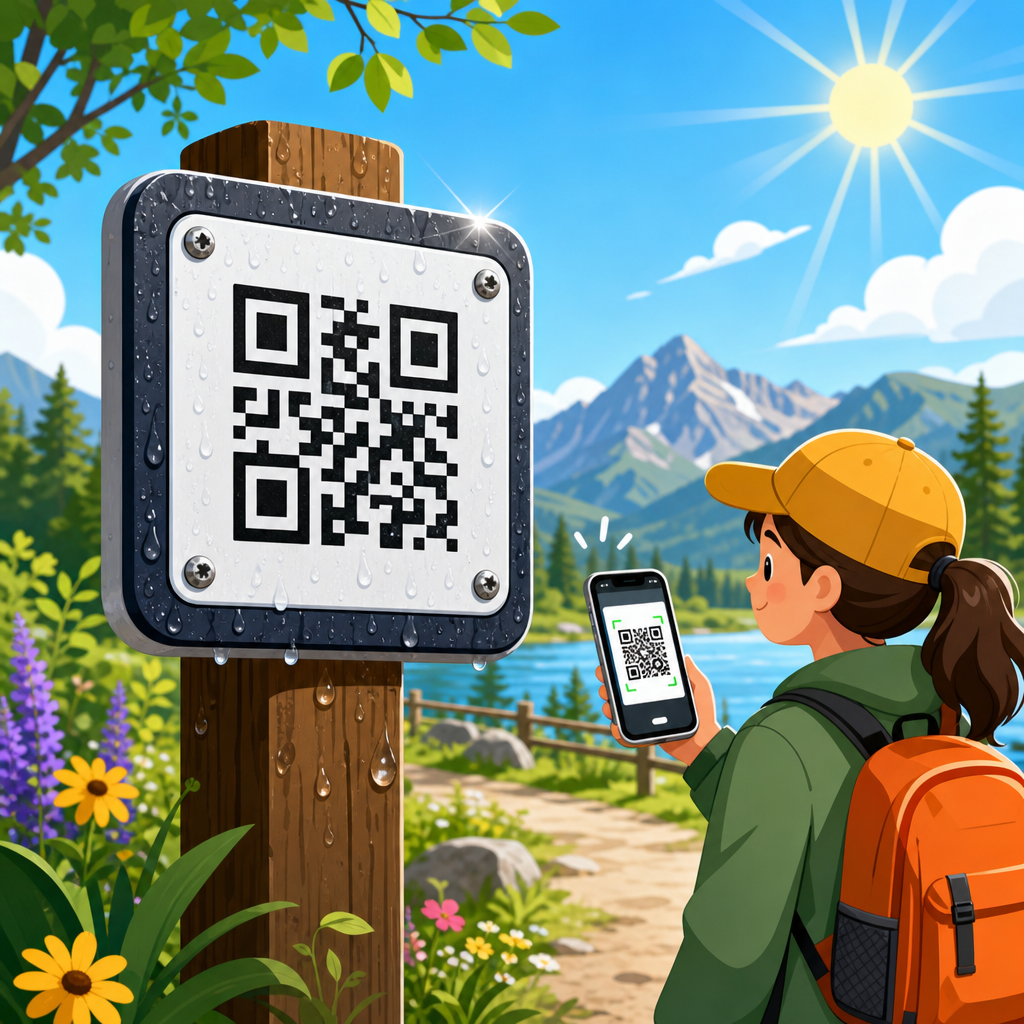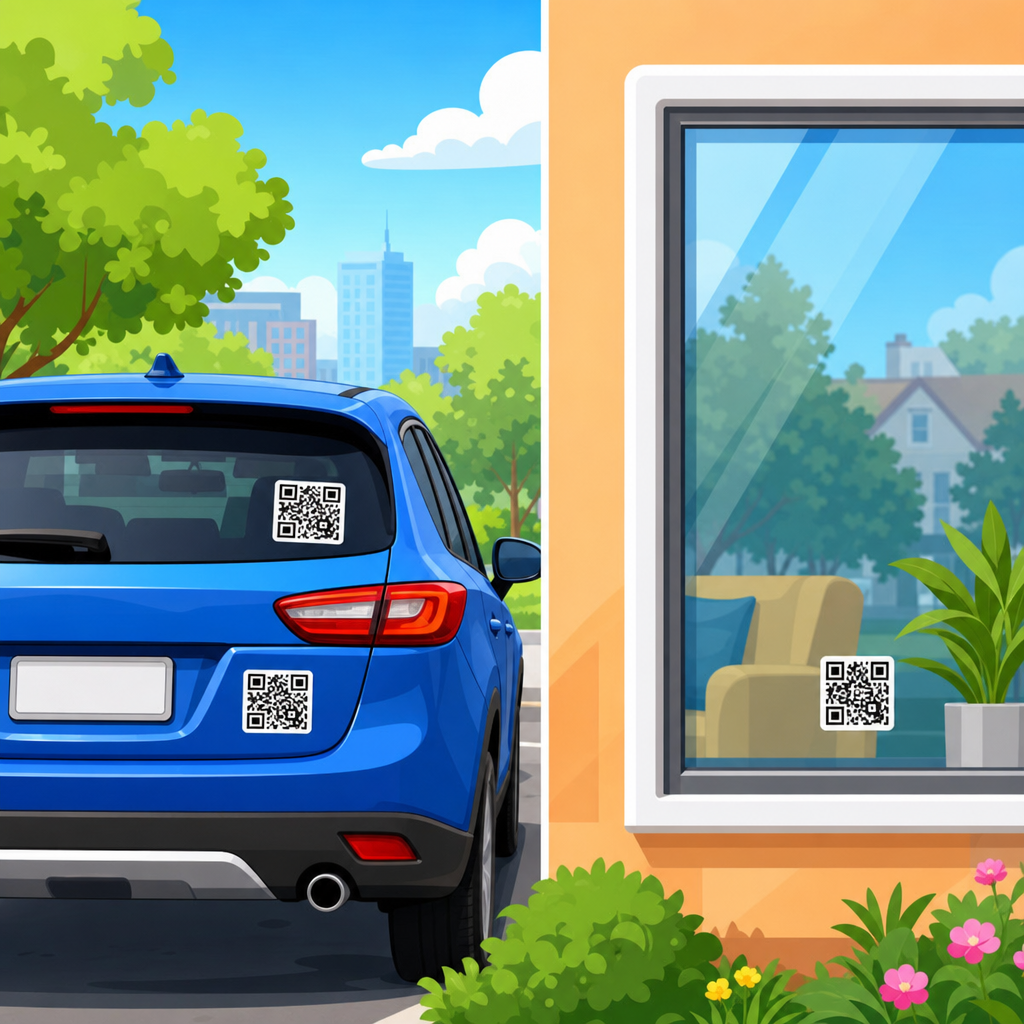
QR code placement for vehicles and windows determines whether a code gets scanned effortlessly or ignored completely, and after testing codes on fleet vans, storefront glass, interior partitions, and passenger car decals, I can say placement matters as much as design. A QR code is a machine-readable matrix barcode that opens a web page, map, form, payment screen, app, or digital file when scanned by a smartphone camera. Placement refers to the exact physical location, height, angle, surrounding environment, and viewing conditions that affect detection. For businesses using mobile advertising, storefront signage, temporary promotions, service fleets, or property wayfinding, the difference between a high-performing QR campaign and a wasted print run often comes down to where the code sits, not just how it looks.
This matters because real-world scanning is messy. People scan while walking past a shop window, waiting at a traffic light, standing in a parking lot, or riding in an elevator lobby. Glass reflects sunlight. Vehicle panels curve. Door handles interrupt quiet zones. Tint films reduce contrast. Rain, dust, and wiper paths change readability over time. A code that worked perfectly on a desktop proof can fail once installed outdoors if it is too low, too small, too close to an edge, or placed where users cannot safely stop. Good QR code placement accounts for line of sight, likely scanning distance, dwell time, legal restrictions, and material durability. It also supports campaign measurement because better placement improves qualified scans rather than accidental opens. As the hub for QR code placement within QR code design, printing, and materials, this guide explains where to place codes on vehicles and windows, what technical rules govern scanability, and how to choose locations that balance visibility, aesthetics, safety, and conversion.
Core Rules for QR Code Placement
The first rule is simple: place the code where a person can safely notice it, approach it, and hold a phone steady for one to three seconds. In practice, that usually means positioning it within natural eye-level viewing zones and away from visual clutter. For windows, I typically target a center point between about 48 and 60 inches from the floor for pedestrian traffic, adjusting for local audience height and whether scanning happens from inside or outside. For vehicles, I place codes on flat or lightly curved panels that remain visible when doors are closed and cargo is loaded. Rear quarter panels, rear windows, tailgates, and side doors often outperform front fenders because they offer more dwell time in parking lots and loading areas.
Size must match scan distance. A practical field rule is that the minimum QR code size should be roughly one-tenth of the expected scanning distance, though testing is always required because camera quality, contrast, and correction level change outcomes. A 2-inch code may work at close range on a door, while a code intended for a sidewalk viewer standing 8 to 10 feet away should be much larger. Quiet zone is nonnegotiable: maintain at least four modules of clear space on all sides. I have seen many failed installs where a code technically met size guidelines but sat too close to trim, lettering, perforation lines, or window mullions. Smartphones need clean boundaries to detect the symbol quickly.
Contrast is equally important. Black on white still wins for reliability, especially on glass where reflections already reduce effective contrast. Reversed codes, metallic inks, and brand-colored modules can work, but only after print and environmental testing. Avoid placing codes over transparent backgrounds, severe gradients, busy photography, or dark tint without a solid backing layer. Use dynamic QR codes when possible so the destination can change without replacing the decal. Add a short call to action near the code, such as “Scan for quote,” “See menu,” or “Track our route,” because people scan more often when the benefit is immediate and specific.
Best Vehicle QR Code Placement by Panel
Vehicles create moving impressions, but most successful scans happen when the vehicle is stationary. That is why placement should prioritize parking scenarios over drive-by fantasy. On service vans and fleet trucks, side doors are often the best primary location because they provide broad, mostly flat surfaces visible at job sites, in driveways, and in parking spaces. I recommend keeping the code away from door seams, recessed handles, protective molding, and fuel doors. If the vehicle has a sliding side door, check that the code remains readable when the door is open or choose a fixed panel instead. Rear doors and tailgates are strong secondary placements because people frequently stand behind parked vehicles.
Rear windows can work well for promotional scans if the code is printed large with opaque white backing and kept clear of wiper sweeps and defroster lines. However, glass curvature and tint can reduce performance, so body panels usually deliver more consistent results. On passenger cars, quarter windows and rear side windows are common because owners want less permanent options, but these small areas limit code size. For taxis, rideshare vehicles, and delivery cars, the rear passenger door can be effective for in-person interactions, such as linking to booking, tipping, reviews, or menus. Avoid front windshield placement in most cases due to safety and legal visibility restrictions.
Vehicle type also changes the best zone. Box trucks offer large, flat canvases that support bigger codes and longer scan distances. Pickup trucks may have strong tailgate opportunities but limited side panel continuity if bed lines interrupt the visual field. Buses and shuttles can carry very large codes, yet route movement and viewing speed mean only stops and queues generate usable scans. In every case, align placement with user intent: recruiting fleets may place a code near “Now Hiring” copy on rear doors, while a plumber may place one near “Book Service” on side panels where homeowners see it while the van is parked outside a neighbor’s house.
| Surface | Best Use | Placement Notes | Main Risk |
|---|---|---|---|
| Side door panel | Service fleets, local advertising | Eye-level, broad flat area, high parking-lot visibility | Door seams and handles interrupt quiet zone |
| Rear door or tailgate | Calls to action, hiring, reviews | Good dwell time when vehicle is parked | Dirt buildup and loading damage |
| Rear window | Temporary campaigns, passenger vehicles | Use opaque backing and avoid wiper path | Tint, glare, defroster lines |
| Quarter window | Small-scale decals | Useful when body graphics are restricted | Limited size reduces scan distance |
| Box truck side | Large-format branding | Supports oversized codes for wider viewing | Codes may be too high if mounted above eye line |
Best Window QR Code Placement for Storefronts and Interiors
Window QR code placement starts with understanding traffic direction. A storefront window facing a sidewalk needs different positioning than a code on an interior office partition. For exterior retail glass, place the code where pedestrians naturally pause: near the entrance pull zone, beside hours signage, next to featured products, or at queue points. The ideal location is visible without blocking merchandise sightlines. In many stores, the most effective setup is not the center of the largest pane but a lower-right or lower-left section near the door handle area, where customers already look for entry information. This is especially true for restaurant takeaway menus, appointment booking, loyalty signups, and after-hours ordering.
Mounting height should reflect the scanner’s posture. Adult pedestrian scans usually perform best around chest height, while family-oriented venues may benefit from a slightly lower placement if children or seated visitors are expected users. For drive-thru windows, place codes where cars stop long enough to scan without impeding flow; this often means a waiting window or pickup confirmation sign rather than the payment opening itself. Interior windows in offices, gyms, clinics, and campuses can support room booking, visitor check-in, Wi-Fi access, safety instructions, or directory functions. Here, glare control matters less than in storefronts, but transparency can still interfere, so a white flood coat or solid decal base improves performance.
Always account for what is behind the glass. A code that looks crisp during installation can become unreadable at night if interior lighting creates reflections or if moving digital displays sit directly behind it. On street-facing windows, mirrored films and heavy tint often demand larger sizes and stronger contrast. If the glass is part of a double-door entrance, never split a code across two panels or place it so a mullion cuts into the quiet zone. If the window opens, slides, or receives seasonal posters, reserve enough space that future changes do not crowd the code. Window placement should work year-round, in sun, rain, and evening conditions.
Environmental, Material, and Compliance Factors
Materials and environment determine whether a well-placed code stays scannable after weeks or months of use. For vehicles, cast vinyl generally conforms better than calendared vinyl on curved surfaces and holds up better under weathering, washing, and UV exposure. Laminates protect against abrasion, but glossy laminates can increase glare, especially on windows. For glass, inside-mount decals avoid weather exposure and tampering, but they must be printed in reverse and may lose contrast through tint or reflective coatings. Outside-mount decals are more direct optically, yet they face scratches, cleaning chemicals, and vandalism. Perforated window film can support branding, but tiny holes often reduce QR reliability unless the code is large and tested aggressively.
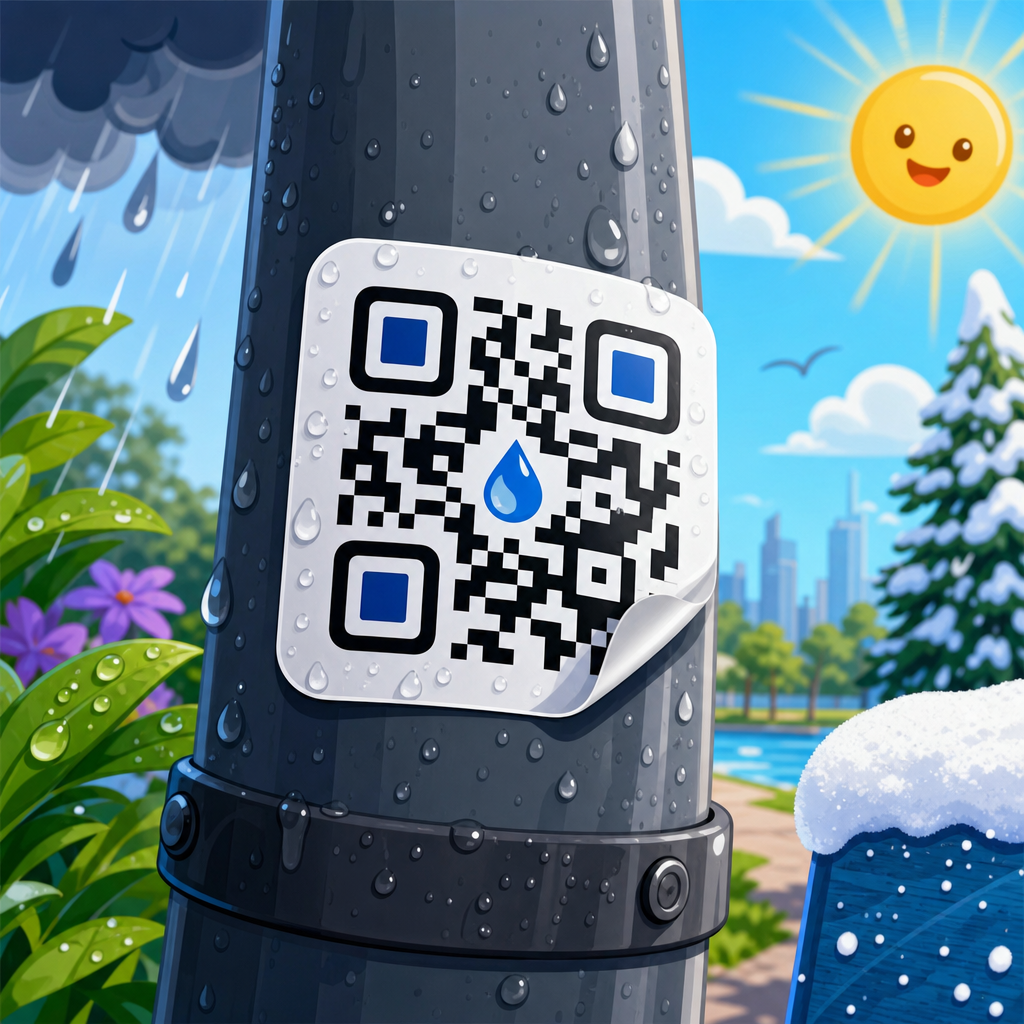
Temperature and moisture matter. Adhesives behave differently on cold glass, hot metal, and freshly waxed surfaces. Before installation, clean with appropriate residue-free products and confirm cure times for paint or coatings. On vehicles, avoid areas that flex heavily, such as bumper corners or rubber trim, because distortion can warp module geometry. On windows, avoid etched, frosted, patterned, or textured glass unless using a solid backing panel. If condensation commonly forms inside the pane, as in refrigerated retail zones, test under actual operating conditions.
Compliance is the other overlooked factor. Local rules may restrict windshield decals, window coverage percentages, or obstructive signage on storefront glass. Building managers often control what can be applied to leased windows. Fleet operators may have brand standards that govern spacing from logos, reflective striping, and safety markings. Accessibility also matters: if a code is the only path to critical information, provide a readable URL or alternate access method nearby. QR placement should never force unsafe behavior, such as scanning while driving or standing in active traffic lanes.
Testing, Measurement, and Hub-Level Strategy
The most reliable way to choose QR code placement is to test in the exact environment where people will scan. I run placement tests with multiple phone models, different camera apps, and realistic lighting times, including morning sun, overcast conditions, and evening artificial light. Measure first-scan success, time to scan, and whether users understand the offer before scanning. If people hesitate, placement may be visible but not persuasive. Add UTM parameters, dynamic code dashboards, or platform analytics so scans can be tied to location, creative, and campaign date. Scan count alone is incomplete; the real metric is qualified action after the scan.
As a sub-pillar hub, QR code placement connects directly to code size, error correction, print resolution, substrate selection, adhesive choice, contrast, lamination, and installation method. A placement decision is never isolated. A small code on a rear window might fail because the tint lowered contrast, the installer used a glossy laminate, and the marketer expected scans from too far away. A larger code on a side panel may succeed because it uses high-contrast print, preserved quiet zone, durable cast vinyl, and a clear call to action matched to a parked viewing moment. Treat placement as a system decision that combines geometry, material science, user behavior, and campaign intent.
The key takeaway is straightforward: QR code placement for vehicles and windows should be planned around real scanning behavior, not empty space on a layout. Put codes where people can pause, see them clearly, and understand the value of scanning. Use adequate size, strong contrast, clean quiet zones, durable materials, and location-specific testing. Prioritize side doors, rear panels, and accessible storefront glass zones over flashy but impractical positions. Respect safety and compliance limits, and always provide a clear next step after the scan. If you are building a stronger QR code program, start by auditing every current placement in the field, then improve the locations before you redesign the artwork.
Frequently Asked Questions
Where should a QR code be placed on a vehicle for the best chance of getting scanned?
The best vehicle placement depends on when and how people will encounter the code, but in most real-world situations the most effective spots are the side panels, rear doors, and rear quarter areas where the code can be seen while the vehicle is parked or stopped in traffic. Side placement works well for service vans, fleet vehicles, and branded cars because pedestrians and people standing nearby can approach the code directly without awkward angles. Rear placement is especially strong for delivery vehicles because drivers behind the vehicle may notice the code at stoplights or while parked at the curb, but it should never be positioned so low, so close to trim, or so near a license plate that it blends into visual clutter. In practice, the code should sit in a clean, high-contrast area with enough surrounding space that a phone camera can recognize it quickly. It also helps to place it at a natural viewing height, usually around chest to eye level for someone standing beside the vehicle, rather than too close to the rocker panel or too high near the roofline. Curved body panels, door seams, handles, fuel doors, and rivets can all interfere with readability, so the flattest uninterrupted surface is usually the safest choice. The key principle is simple: place the code where people can comfortably notice it, approach it, and scan it without contorting, guessing, or standing in an unsafe position.
Can a QR code be scanned through a window or on storefront glass effectively?
Yes, a QR code can work extremely well on windows and glass, but only if placement accounts for glare, reflections, transparency, and background interference. Glass is one of the trickiest surfaces because the code may look crisp up close yet become hard for a camera to read when sunlight, interior lighting, street reflections, or visible objects behind the glass compete with the pattern. For storefront windows, the code performs best when installed at a comfortable standing height and on a section of glass with limited visual noise behind it. If the code is applied to clear glass and people can see shelving, traffic, posters, or indoor movement through it, readability can drop because the scanner is trying to isolate the code from a busy background. That is why many effective installations use a solid white backing, frosted panel, opaque decal area, or a dedicated branded sign mounted on or behind the glass. Placement should also avoid direct eye-level reflection zones where sunlight or headlights create washout. On interior partitions, conference room glass, and office doors, the same rule applies: give the code contrast and breathing room, and make sure users can physically stand close enough to scan without awkwardly pressing a phone against the glass. If glass placement is done carefully, it can be highly effective, but it is less forgiving than a solid wall or vehicle panel, so testing under real lighting conditions is essential.
How big should a QR code be on a car, van, or window decal?
Size matters because people often try to scan from farther away than expected, especially on vehicles and storefront windows. A code that looks visually attractive but is too small will simply be ignored after one failed scan attempt. For vehicles, the ideal size depends on whether the audience is walking past, standing beside the vehicle, or seeing it from a short distance while stopped. In many practical applications, a code in the range of roughly 4 to 8 inches square is a strong starting point for close-range scans on cars and vans, while larger decals may be justified for rear vehicle placement or storefront glass where users may begin scanning from several feet away. Bigger is usually better as long as the code remains sharp and is not distorted by panel curvature, door contours, or design elements. On windows, size should reflect the expected viewing distance from the sidewalk or interior approach path. A storefront code that people are meant to scan from outside should not be treated like a tiny label; it should be large enough to be immediately identifiable as scannable. Just as important as the code itself is the quiet space around it, the empty margin that helps scanners detect the pattern cleanly. If the code is oversized but crowded by logos, text, borders, or decorative graphics, performance can still suffer. The smartest approach is to choose a generous size, preserve the required clear area around the code, and test it from the actual distance where real users will scan.
What placement mistakes make vehicle and window QR codes fail?
The most common failures come from treating placement as a purely decorative decision instead of a usability decision. One major mistake is putting the code where people can see it but cannot realistically scan it, such as too high on a van, too low on a bumper, inside a heavily tinted window, or on a section of glass blocked by reflections and interior clutter. Another frequent problem is placing the code across seams, curves, window edges, or body lines that distort the square shape and reduce camera recognition. Designers also often crowd the code with slogans, icons, or patterned backgrounds, which may look branded but can make machine reading inconsistent. On glass, poor contrast is a huge issue; a black code on transparent material without a proper backing can disappear visually depending on what is behind it. On vehicles, codes placed near dirt-prone areas, wheel spray zones, or frequently handled doors can degrade quickly and become unreadable. Safety is another overlooked factor. A QR code should not encourage someone to step into traffic, lean into a driveway, or stand in a dangerous blind spot just to scan. Finally, many businesses skip live testing and assume that if the code works on a computer screen, it will work in the field. In reality, outdoor light, motion, reflections, weather, tinted glass, and viewing angle can all change performance dramatically. A placement strategy fails when it prioritizes aesthetics over visibility, accessibility, contrast, and real-world scan behavior.
How can you test whether a QR code placement is actually working before full installation?
The most reliable way to test placement is to simulate exactly how real people will encounter the code. Start by printing the QR code at full size and temporarily mounting it on the intended vehicle panel or window location. Then test it using multiple smartphones, both iPhone and Android if possible, because camera apps and scan sensitivity can vary. Scan from the distances and angles people will naturally use rather than from an ideal close-up position. For a van side panel, walk up from several feet away and try scanning while standing where a pedestrian would actually stop. For a storefront window, test in morning, midday, evening, and after dark if the code will be visible at those times. This matters because glare, reflection, and indoor lighting can drastically change readability. You should also test when the vehicle is clean and when it has some ordinary dust or road film, since fleet graphics rarely stay pristine. On glass, check whether the background behind the code changes at different times of day as lights turn on, displays shift, or street reflections become stronger. It is also smart to watch a few people who have never seen the code before and see whether they instantly recognize it, approach it comfortably, and complete the scan without instruction. If they hesitate, move around, or need multiple attempts, the placement likely needs adjustment. Good testing is not just about whether the code can be scanned once; it is about whether it can be scanned quickly, naturally, and consistently in the environment where it will actually live.