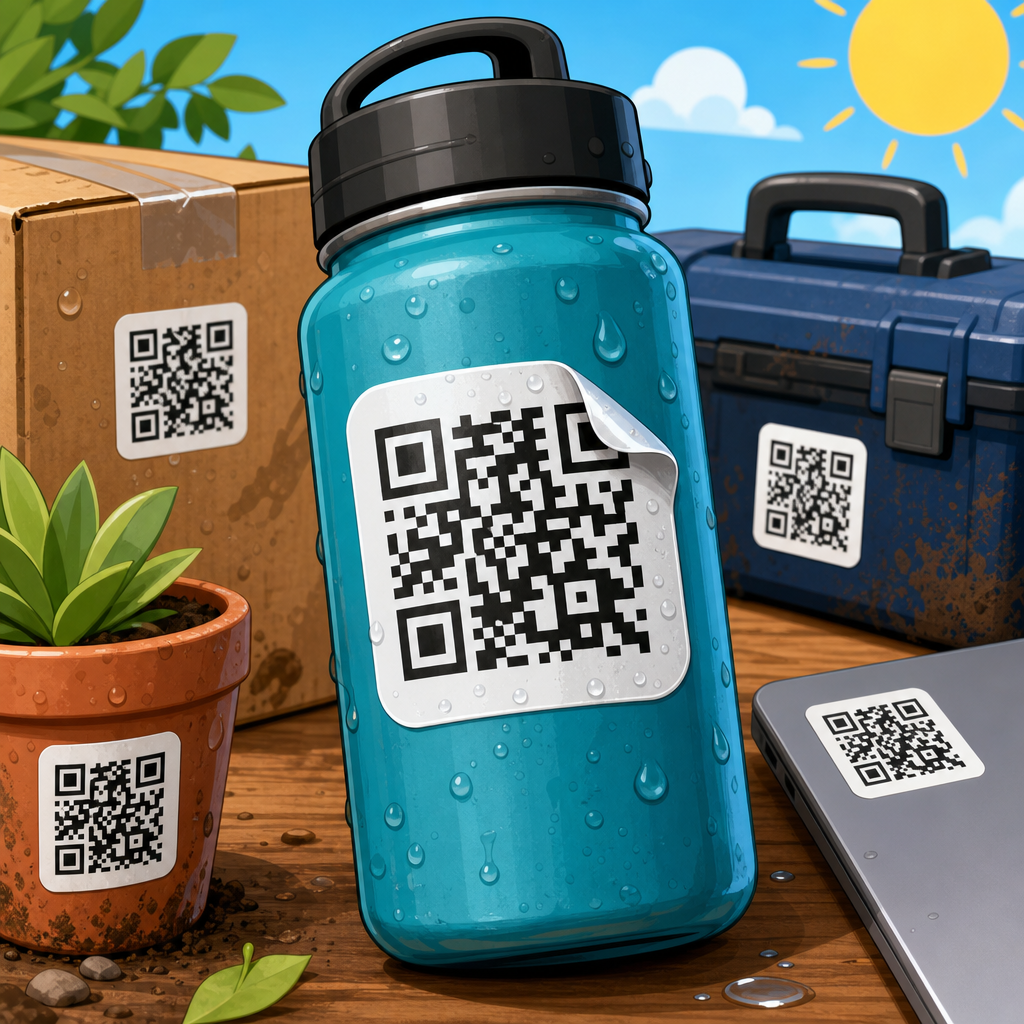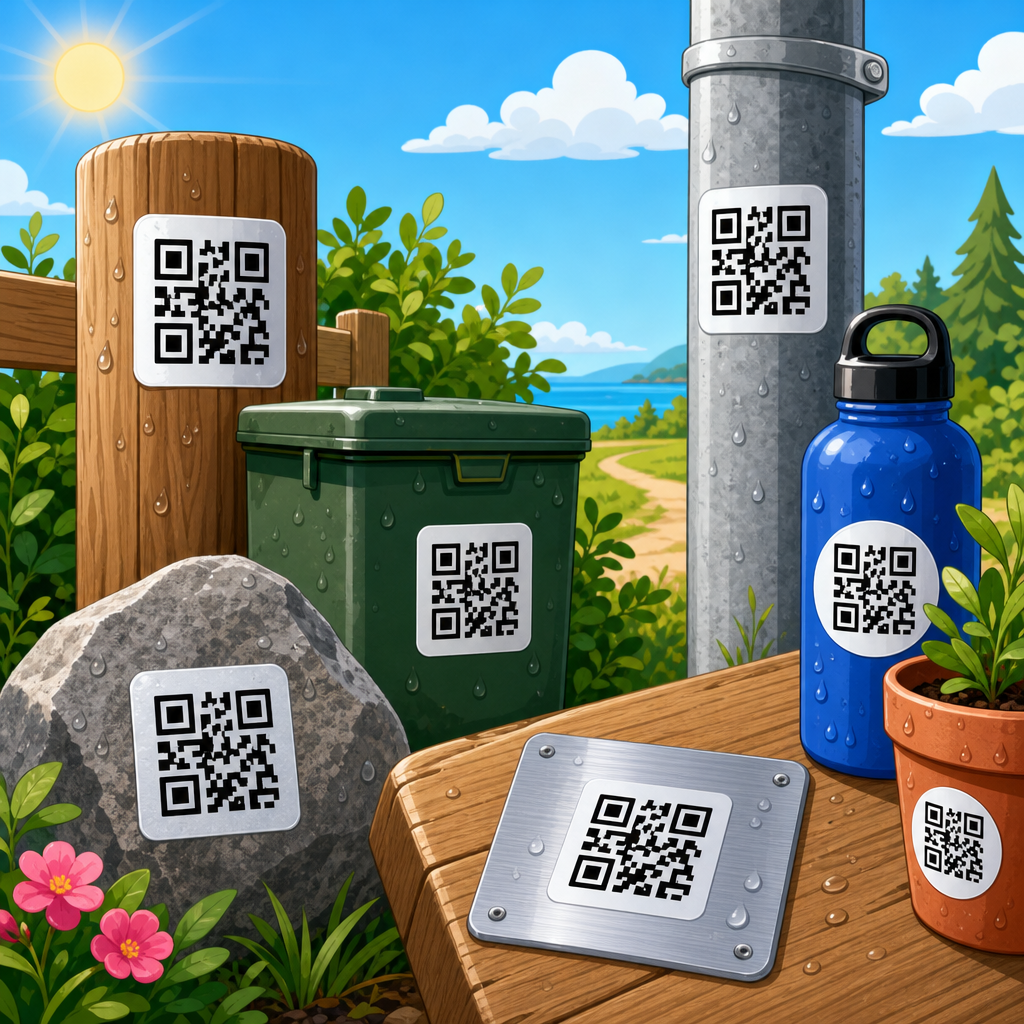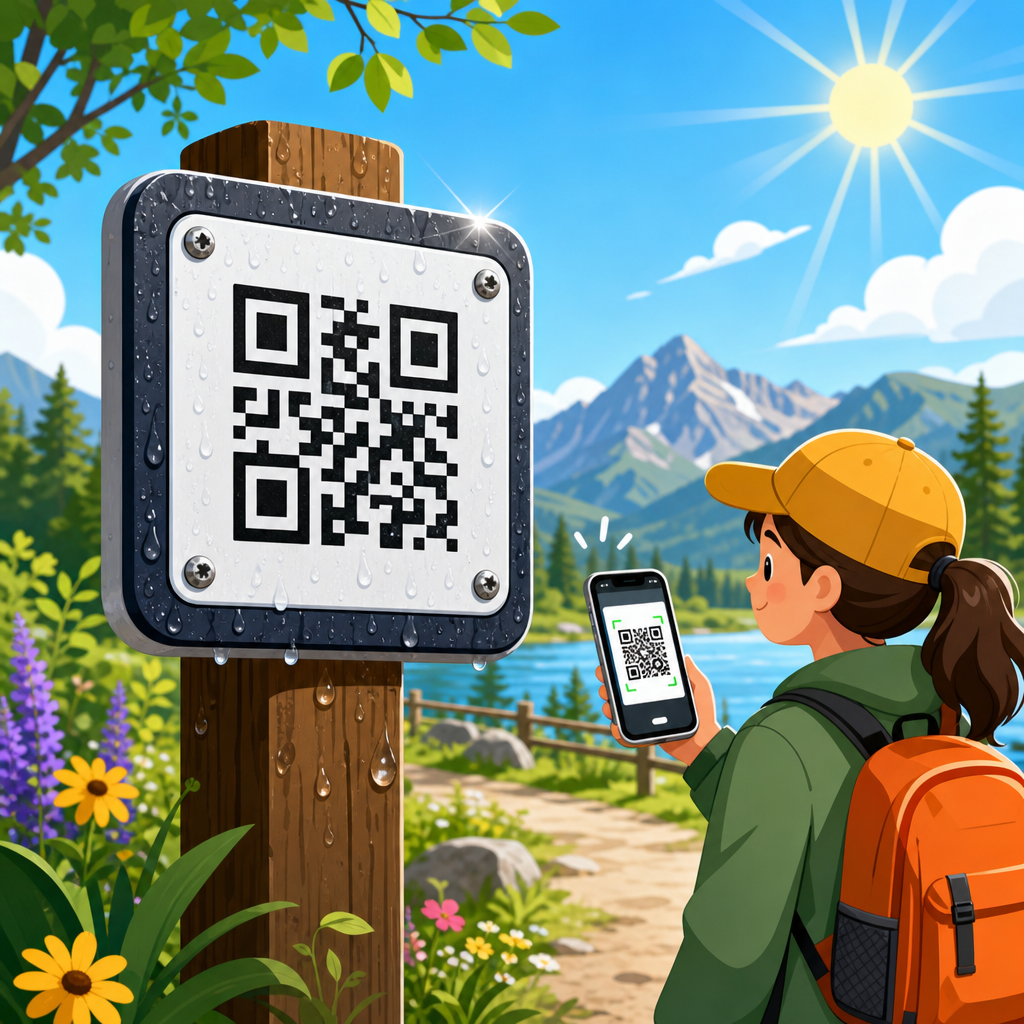
Outdoor QR codes fail for predictable reasons: sunlight degrades inks, moisture attacks adhesives, abrasion destroys contrast, and poor placement makes scanning unreliable long before the material physically breaks. If you need a QR code to survive on equipment, signs, packaging, vehicles, trails, construction sites, or exterior retail displays, durable QR code solutions depend on matching the code design, substrate, print method, protective finish, and installation method to the actual environment. In my work with printed codes on industrial labels and public-facing signage, the longest-lasting results never come from one magic material; they come from a system. This hub explains how to make QR codes last outdoors, what “durable” really means, which materials and finishes perform best, how to test lifespan before rollout, and where each linked topic in the broader QR Code Design, Printing & Materials cluster fits.
A durable outdoor QR code is a scannable code engineered to maintain contrast, shape integrity, adhesion, and readability under weather exposure. The key terms matter. Substrate is the base material, such as anodized aluminum, polyester label stock, rigid PVC, acrylic, or stainless steel. Overlaminate is the protective film applied over the printed surface. UV resistance describes how well inks, pigments, plastics, and adhesives withstand ultraviolet radiation from sunlight. Chemical resistance matters when cleaners, oils, salt spray, fertilizers, or fuels are present. Abrasion resistance measures how well the code tolerates rubbing, scraping, foot traffic, or handling. Scan reliability is the practical result: can an ordinary smartphone camera still decode the symbol quickly from the intended distance and angle?
This matters because outdoor QR codes often support high-value tasks. A code on a park sign may deliver maps and safety guidance. A code on a solar installation may connect technicians to manuals and maintenance records. A code on outdoor menus, real estate signage, utility assets, rental equipment, and museum exhibits may drive customer interactions or compliance workflows. When the code fails, users blame the brand, the site, or the process. Replacement costs also add up fast. Reprinting and reinstalling hundreds of labels can cost far more than specifying the correct material at the start. The rest of this guide gives you a practical framework for durable QR code solutions, from design through field testing and maintenance.
Start with the outdoor risk profile, not the QR code artwork
The first step is defining the exposure class. “Outdoors” is too broad to guide material selection. A QR code under a covered entry experiences very different stress than one mounted on a south-facing metal enclosure in Arizona, a marina dock, or a ski resort trail marker. I usually classify projects by five variables: UV intensity, moisture, temperature swings, abrasion, and chemicals. UV intensity is highest on sun-exposed south- and west-facing surfaces. Moisture includes rain, condensation, washdown, and freeze-thaw cycles. Temperature swings matter because expansion and contraction can crack coatings or weaken adhesive bonds. Abrasion comes from touching, cleaning, sand, dust, and moving equipment. Chemical exposure can include degreasers, road salt, chlorine, sunscreen, fuel, insect repellent, or agricultural chemicals.
Once the environment is clear, define the service life. A campaign sign expected to last three months calls for a different solution than an asset label expected to survive seven years. Also define scan conditions: typical viewing distance, mounting height, likely glare, and whether users scan while walking, driving slowly, or standing still. These details affect code size, quiet zone, finish, and contrast. A common field mistake is choosing a premium durable material but printing a code too small for the scan distance. Durability is not only weather survival; it is continued usability.
For practical planning, use a specification matrix. This prevents underbuilding or overspending. Short-term outdoor promotions may use laminated vinyl decals with outdoor-rated pigmented inks. Mid-term facility signs often perform better with UV-printed rigid panels plus anti-graffiti laminate. Long-life industrial identification commonly requires polyester or polycarbonate labels with resin thermal-transfer printing, or direct marking onto anodized aluminum or stainless steel. The best material choice is always tied to a stated exposure profile and replacement tolerance.
| Use case | Typical service life | Best-fit material approach | Main risk to manage |
|---|---|---|---|
| Event signage | 1–6 months | Laminated vinyl on rigid board | Rain and installation damage |
| Retail window or exterior wall code | 6–24 months | Outdoor vinyl or acrylic with UV laminate | Sun fade and glare |
| Park, trail, or public information sign | 2–5 years | Aluminum composite or anodized aluminum | Vandalism and weathering |
| Industrial asset tag | 5–10 years | Polyester, polycarbonate, or metal tag | Chemicals, abrasion, heat |
Choose materials and print methods built for sunlight, water, and abrasion
For durable QR code solutions, substrate choice drives most of the lifespan. Outdoor adhesive labels typically start with polyester, vinyl, or polycarbonate. Polyester is a strong general-purpose choice for asset labels because it resists tearing, humidity, and many chemicals better than paper. Polycarbonate is tougher for demanding industrial settings, especially when reverse-printed under a clear layer. Vinyl works well for decals and curved surfaces but can shrink over time if the film and adhesive are low grade. For rigid signs, anodized aluminum, aluminum composite panels, stainless steel, and UV-stable acrylic are common. Anodized aluminum performs especially well because the image can be embedded beneath the anodic layer, making it highly resistant to UV and wear.
Print method matters just as much. Dye-based inkjet prints generally fade fastest outdoors. Pigment inkjet, solvent, eco-solvent, latex, UV-curable ink, screen printing, and thermal-transfer resin all outperform dye inks in exterior use. In label production, thermal-transfer printing with resin ribbon on polyester remains one of the most dependable combinations for high-contrast machine-readable codes. For signage, screen printing still has advantages in long outdoor runs because thick ink deposits and durable inks can hold color and opacity well. UV flatbed printing is versatile for rigid substrates, but the exact ink set, cure profile, and laminate determine whether it merely looks good on day one or remains scannable after years in direct sun.
Protective layers extend life when chosen carefully. UV laminates reduce fading; hardcoats improve scratch resistance; anti-graffiti films help with solvent cleanup; and overlaminates can reduce moisture intrusion at ink edges. However, every layer changes reflectivity. Gloss films may increase color pop but create hot spots that interfere with smartphone scanning, especially under bright noon light. Matte and satin finishes are usually safer for codes intended for public scanning. In many projects, switching from gloss to matte improved first-attempt scan rates more than increasing code size.
Adhesive selection is often underestimated. Permanent acrylic adhesives usually outperform rubber-based systems outdoors because they handle UV and temperature cycling better. Surface energy also matters. A label that sticks perfectly to powder-coated metal may fail on textured polyethylene. On low-surface-energy plastics, mechanical fasteners, specialty adhesives, or rigid placards may be more reliable than standard decals. On masonry or rough wood, direct mounting of a panel usually beats any flexible label.
Design QR codes for outdoor scanning, not just indoor aesthetics
A beautiful QR code can still be a bad outdoor QR code. The design priority outdoors is robust decoding under imperfect conditions. That means high contrast, generous sizing, and a clean quiet zone. Black on white remains the benchmark because it gives camera software the strongest edge definition. Dark navy on pale cream can work, but only if tested in the actual light conditions. Reversing the code out of a dark background, embedding logos too aggressively, or using patterned fills reduces error tolerance. Even though QR codes include error correction, that margin should protect against wear and dirt, not compensate for decorative design choices.
Size should be tied to expected scanning distance. A useful rule in public signage is to increase the code significantly once users stand more than arm’s length away. If a sign is mounted at eye level and scanned from one to three feet, a code around 1.2 to 1.5 inches can be sufficient with good contrast. For wayfinding signs, parking areas, or storefront windows where people may scan from several feet away, much larger symbols are safer. Quiet zone is equally important; leave clear space around all four sides. In the field, crowded layouts are a common cause of scan failure because borders, photos, and text visually contaminate the code boundary.
Finish and mounting angle also affect performance. Outdoor scans fail more often from glare than from data complexity. A matte face, slight downward tilt, and avoiding direct reflection toward the user can materially improve read rates. If the sign must sit behind glass, test for double reflections and tint loss. For vehicle-mounted codes, account for curved surfaces, dirt accumulation, and movement. For trails and public sites, include a plain-language callout such as “Scan for map” so users know the code’s purpose without guessing.
Use dynamic QR codes when the linked destination may change, but host them on a stable domain you control. Dynamic codes preserve the printed asset while letting you update destinations, analytics, and redirects. That is crucial outdoors, where physical replacement is expensive. The durable print should outlast the marketing campaign, product revision, or document URL behind it.
Installation, testing, and maintenance determine real lifespan
Field performance is won or lost during installation. Surfaces must be cleaned with the correct method for the substrate, not whatever solvent is nearby. Oils, chalking paint, oxidation, and dust reduce bond strength. Adhesive labels should be applied within the manufacturer’s temperature range and with firm pressure to avoid trapped air and weak edge contact. Rigid signs need corrosion-resistant fasteners, isolation from galvanic corrosion when dissimilar metals meet, and mounting methods that do not warp the panel. Even a durable code becomes unscannable if screw placement intrudes into the quiet zone or if the panel bows and creates glare.
Testing should happen before full rollout. I recommend accelerated and real-world checks. For accelerated screening, ask suppliers about UV exposure testing, abrasion testing, chemical resistance, and adhesion data. Standards such as ASTM G154 for fluorescent UV exposure and common salt spray or taber abrasion tests provide useful comparability, though they never replace field trials. For real-world validation, install samples in the harshest likely orientation for at least several weeks. Then inspect fading, edge lift, scratching, and smartphone scan speed across multiple devices. A code that scans only when the phone is perfectly centered is already too fragile for public use.
Maintenance planning extends service life. Outdoor codes should be included in site inspections just like safety signs and labels. Clean them with approved, non-abrasive methods. Replace damaged panels before the failure becomes complete. If the code supports critical operations, provide a short fallback URL or asset number nearby. This is especially important in utilities, parks, manufacturing, and logistics, where access to data cannot depend on a single image remaining pristine forever.
As the hub for durable QR code solutions within QR Code Design, Printing & Materials, this page should connect your next decisions. From here, the most useful deeper topics are material-specific guides for metal QR code tags, outdoor label adhesives, laminates and coatings, QR code sizing for scan distance, anti-glare design, vandal-resistant signage, and testing methods for weatherproof labels. Use this article as the selection framework, then move into those subtopics based on your environment and service-life target.
The core lesson is simple: to make QR codes last outdoors, treat durability as a system rather than a print setting. Start with the exposure profile, define the required lifespan, choose a substrate and print method proven for that environment, protect the surface without introducing glare, and install the code so it stays flat, clean, and readable. Durable QR code solutions are rarely the cheapest option upfront, but they are almost always the lowest-cost option over the life of the asset because they prevent replacement labor, failed scans, and lost trust.
If you remember only a few points, remember these. High contrast beats decorative styling. Pigment, resin, screen, and properly specified UV print systems outperform basic dye prints outdoors. Polyester, polycarbonate, anodized aluminum, and other engineered sign materials last longer than paper or low-grade films. Matte protective finishes usually scan better than gloss in bright light. Adhesive choice must match the surface. And every specification should be validated with field testing, not assumptions. Outdoor durability is measurable, and the best results come from disciplined specification.
Before you order your next batch, audit the real conditions where the code will live: sun path, cleaning chemicals, touch frequency, scan distance, and replacement cost. Then use that information to select the right material stack and test it under realistic conditions. That step will do more for outdoor QR code lifespan than any aesthetic tweak. Build once, test well, and your QR codes will keep working long after ordinary prints have faded, peeled, or failed.
Frequently Asked Questions
1. What makes QR codes fail outdoors in the first place?
Outdoor QR codes usually do not fail because the QR pattern itself is flawed. They fail because the real-world environment slowly destroys the conditions required for reliable scanning. Sunlight is one of the biggest causes. Prolonged UV exposure can fade printed blacks, yellow white backgrounds, and reduce the contrast a camera needs to read the code quickly. Moisture is another major problem. Rain, humidity, condensation, and freeze-thaw cycles can weaken adhesives, lift label edges, and allow water to creep underneath the face material. Once that happens, the code may wrinkle, bubble, or detach completely.
Mechanical wear also matters more than many people expect. Outdoor QR codes placed on equipment, vehicles, kiosks, or public-facing signs often get scratched, scuffed, pressure-washed, or rubbed by hands, tools, dirt, and debris. Even if the material is technically still attached, abrasion can damage enough modules in the pattern to make scanning inconsistent. On top of that, poor placement often causes failure long before the label physically breaks. A code installed on a curved surface, low-light area, reflective panel, or spot that people cannot comfortably approach may be hard to scan from day one. In practice, a durable outdoor QR code depends on the full system: code size, contrast, material, print process, overlaminate or protective coating, adhesive or mounting method, and placement in the actual use environment.
2. What materials and printing methods work best for outdoor QR codes?
The best material depends on where the QR code will live and what it will face. For general outdoor use, durable synthetic labels such as polyester or vinyl often perform better than paper because they resist water, tearing, and dimensional changes. For harsher settings like industrial sites, vehicle fleets, utility equipment, or long-term asset identification, metal nameplates, anodized aluminum, or engraved and laser-marked plates can provide much longer service life. If the code will be exposed to chemicals, constant friction, or frequent cleaning, rigid tags or embedded plates are often more reliable than standard adhesive labels.
Printing method matters just as much as substrate choice. Thermal paper labels and low-end office printing are rarely appropriate for sustained outdoor exposure. UV-stable screen printing, resin thermal transfer, laser marking, industrial inkjet with outdoor-rated inks, and photo-anodized metal processes generally hold up much better. The goal is to preserve sharp edges and strong contrast over time, because smartphones scan QR codes by detecting clean transitions between dark and light areas. If the print method produces fading, bleeding, or weak density, performance drops quickly. A protective finish can extend life further, but it needs to be chosen carefully. Clear laminates, hardcoats, UV-resistant coatings, and anti-graffiti films can protect against sunlight and abrasion, but an overly glossy finish may create glare that hurts scanning. The best outdoor QR code solutions are usually engineered combinations of compatible material, print method, and protective layer rather than a single “weatherproof” product.
3. How should I design an outdoor QR code so it stays easy to scan over time?
Outdoor QR code design should prioritize scan reliability over visual experimentation. Start with strong black-on-white contrast whenever possible. Decorative colors, transparent backgrounds, reversed codes, and heavily branded treatments may look appealing indoors, but outdoors they create unnecessary risk once dirt, fading, glare, or shadows enter the picture. Keep the quiet zone intact around the code, because that clear border helps scanning software distinguish the symbol from the surrounding design. Choose a size appropriate for the expected scanning distance. A code on a trail marker or construction sign generally needs to be larger than one placed on packaging or a handheld tool.
Error correction can also improve resilience, but it should not be treated as a substitute for durable construction. Higher error correction allows some damage without complete failure, which is useful outdoors where scratches or partial soiling are likely. Even so, if the surface becomes too faded, reflective, dirty, or distorted, the code can still become unreadable. It is also smart to keep the destination URL stable and ideally short, either through a managed redirect or a domain structure you control. That way, the physical code can remain in place even if the content behind it changes. Before full deployment, test prototypes in realistic conditions using multiple phone models, different lighting angles, and actual mounting surfaces. A QR code that scans perfectly on a desk can behave very differently once installed on textured metal, glass, painted concrete, corrugated plastic, or a curved vehicle panel outdoors.
4. Where should outdoor QR codes be placed for the most reliable scanning?
Placement has a huge impact on long-term performance. Even a highly durable QR code can fail as a practical tool if people cannot comfortably find it, approach it, light it, and frame it with their phone camera. Install the code at a natural scanning height and angle, avoiding awkward locations near the ground, overhead positions, or places where users must stand in traffic, mud, or direct glare to access it. Flat surfaces are usually better than heavily curved or textured ones because distortion can affect readability. If the code must go on a reflective or glossy substrate, use a finish that reduces glare and test it under bright sun as well as overcast conditions.
Environmental exposure should shape placement decisions too. Try to avoid spots that collect standing water, mud splash, road salt, grease, or constant abrasion. On vehicles and equipment, areas near handles, impact points, fuel doors, or frequent wash zones may not be ideal. On signs and retail displays, think about shade patterns, direct afternoon sun, and whether the code will be blocked by frames, plants, snow buildup, or temporary fixtures. On trails or parks, consider visibility in low-angle light, dust, and seasonal wear. Good placement also includes user intent. If someone is likely to scan while walking, driving by slowly, or standing several feet away, the code needs enough size and a location that supports that behavior safely and naturally. In many outdoor applications, smart placement adds more real-world durability than simply upgrading to a tougher material.
5. How can I make an outdoor QR code last as long as possible in harsh environments?
To maximize lifespan, treat the QR code as a specification problem, not just a printing task. Define the environment first: UV intensity, rain exposure, salt air, temperature swings, cleaning chemicals, abrasion, vandalism risk, and expected service life. A code meant to last six months on seasonal packaging requires a different approach than one intended to stay readable for years on heavy equipment or exterior wayfinding signage. Once those conditions are clear, choose a substrate and print process specifically rated for that environment. For long-term outdoor use, many organizations move beyond basic stickers and use industrial labels, laminated asset tags, or metal plates with permanent imaging methods.
Installation is equally important. Surface preparation can make or break performance. Dirt, oils, oxidation, moisture, and incompatible paint systems can all undermine adhesion. Follow the material manufacturer’s cleaning and application recommendations, including temperature ranges and cure times. Use edge sealing, mechanical fastening, recessed mounting, or tamper-resistant hardware where necessary. After installation, build in maintenance and inspection. A quick periodic check can catch fading, lifting, grime buildup, or surface damage before the code fully fails. It is also wise to keep a replacement workflow ready, with saved print files, sizing specs, destination URLs, and approved materials documented in advance. The longest-lasting outdoor QR code programs succeed because they combine durable materials, conservative design, proper placement, careful installation, and ongoing quality control rather than relying on any single weatherproof claim.