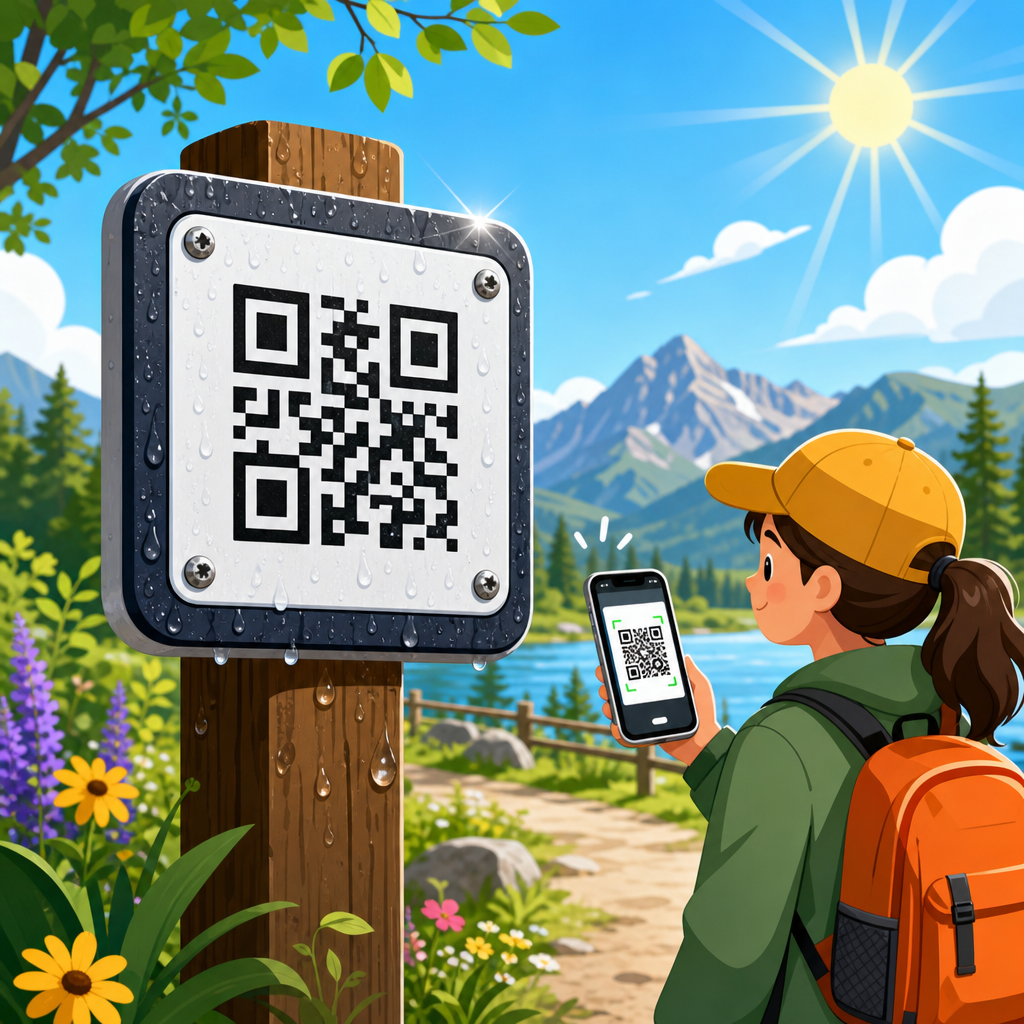
Scratch-resistant QR code stickers solve a practical problem: keeping scannable codes readable after repeated handling, cleaning, abrasion, sunlight exposure, and contact with rough surfaces. In the broad category of durable QR code solutions, these stickers are purpose-built labels made from tougher facestocks, stronger adhesives, and protective topcoats or laminates that preserve both the printed symbol and the contrast required for reliable scanning. They matter because a QR code is only useful when a phone camera can detect finder patterns, align the image, and decode the data quickly. Once scratching, chemical damage, or fading interrupts that process, the label stops doing its job. I have seen this firsthand on equipment tags, reusable packaging, restaurant table labels, and product care stickers, where a code that looked fine at installation failed within weeks because the material choice did not match the environment. A hub page on scratch-resistant QR code stickers therefore needs to answer the core buying and design questions clearly: what materials last, what print methods hold up, what surfaces need special adhesives, and how do you test durability before a rollout. Getting those decisions right reduces replacement costs, preserves customer access to information, and supports dependable tracking, maintenance, authentication, and marketing workflows across demanding real-world conditions.
What makes a QR code sticker scratch-resistant
A scratch-resistant QR code sticker combines three layers of performance. First is the facestock, typically polyester, polypropylene, or vinyl rather than uncoated paper. Polyester is the most common choice when you need high dimensional stability, resistance to moisture, and long service life on asset labels and industrial parts. Polypropylene is often selected for product packaging because it balances durability with lower cost and good print quality. Vinyl works well on curved or textured surfaces because it conforms more easily, though it can be softer than polyester and may need a stronger laminate in abrasive settings. Second is the print system. Thermal transfer printing with resin ribbons is widely trusted for durable QR labels because resin bonds well to synthetic materials and resists smearing better than wax or wax-resin blends. UV inkjet, screen printing, and laser marking are also used, depending on volume and substrate. Third is the surface protection: a laminate, varnish, or hard coat that shields the printed code from abrasion and cleaning chemicals while preserving contrast.
Scratch resistance is not just about surviving a key rubbed across the surface. In use, abrasion usually comes from repeated contact with boxes, tools, shelves, fingernails, conveyor guides, cleaning pads, or pocket friction. A code on a warehouse tote may be scanned hundreds of times while scraping against plastic bins. A code on gym equipment may be wiped with disinfectant multiple times a day. A code on an appliance can encounter grease, detergent, and incidental scratching from cookware or tools. In each case, durability depends on the whole construction, not one feature in isolation. A hard laminate over weak adhesive still fails if the edges lift. A strong adhesive over poor print quality still fails if the dark modules wear thin and lose density. Reliable durable QR code solutions start by matching the label structure to the exact stress profile of the application.
Best materials, adhesives, and print methods for durable QR code solutions
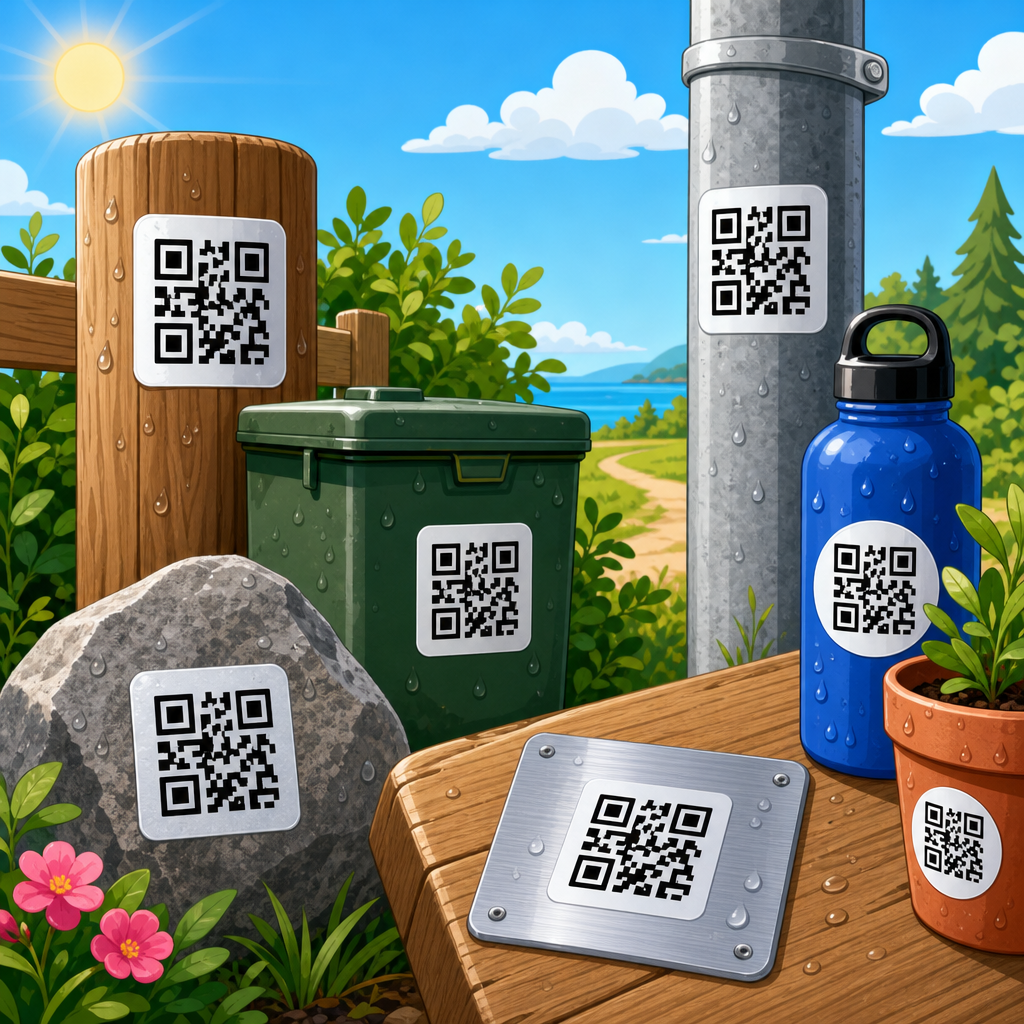
When teams ask which material is best, the honest answer is that the environment decides. For indoor assets, electronics, tools, and healthcare devices, white polyester with a permanent acrylic adhesive is usually the baseline recommendation because it resists tearing, moisture, and moderate chemicals. For consumer goods, bottles, and secondary packaging, biaxially oriented polypropylene, often called BOPP, is a common choice because it prints crisply and handles water exposure better than paper labels. For outdoor equipment, warning labels, and bins exposed to weather, UV-stable polyester or premium vinyl with an outdoor-rated laminate performs better. If the label must conform to powder-coated metal, low-surface-energy plastics, or lightly textured surfaces, the adhesive becomes just as important as the face material. High-tack acrylic adhesives are typically more durable over time than general-purpose rubber adhesives, especially where heat, UV exposure, or long service life are involved.
Print technology matters because scanner performance depends on sharp edges and high contrast. Resin thermal transfer is the workhorse for industrial durable QR stickers because it produces dense black marks on synthetics and stands up to rubbing, oils, and solvents better than direct thermal output. Direct thermal labels are convenient but are not a durable answer for scratch resistance; the image can darken, fade, or mar under heat and friction. UV inkjet can be excellent for branded labels and variable data runs, particularly when paired with a compatible coating system. Screen printing remains valuable when very thick ink deposits or specialty inks are required. Regardless of process, the code should be printed at a size that matches scanning distance, with sufficient quiet zone around the symbol and error correction selected with realism. Error correction helps when a code is partially damaged, but it does not compensate for a bad material stack or low-contrast print.
| Use case | Recommended facestock | Typical print method | Protection layer | Key reason |
|---|---|---|---|---|
| Indoor asset tags | White polyester | Thermal transfer with resin ribbon | Gloss or matte laminate | High abrasion resistance and stable scanning contrast |
| Consumer packaging | White BOPP | UV inkjet or flexographic | Varnish or laminate | Good durability with strong print quality at scale |
| Outdoor equipment | UV-stable polyester or vinyl | Thermal transfer or screen print | Outdoor-rated laminate | Better resistance to weathering and cleaning |
| Curved containers | Flexible vinyl or BOPP | UV inkjet | Flexible laminate | Conforms without edge lift |
Design rules that keep scratched QR codes scannable longer
Good material selection extends life, but design decisions determine how much damage a code can tolerate before it fails. The first rule is contrast. Black on white remains the most dependable option for camera-based scanning because smartphone autofocus and exposure systems handle it well. Reversed or highly stylized codes can work in controlled campaigns, but they reduce your margin for wear. The second rule is size. A tiny code may scan perfectly when new and then become unreadable after minor abrasion because a small scratch removes a larger percentage of critical modules. In practice, increasing the printed size by even a few millimeters can dramatically improve field reliability. The third rule is quiet zone protection. If the blank border around the code gets crowded by decorative graphics or trimmed too tightly, scratches near the edges interfere with code detection faster.
Error correction level deserves careful use. QR codes support several levels, commonly described as L, M, Q, and H. Higher settings allow more of the code to be restored if part of the symbol is damaged, making them useful for scratch-prone environments. However, they also increase symbol density for the same amount of data, which can shrink individual modules and make low-resolution printing or very small labels harder to scan. The practical solution is to keep the encoded payload lean. Dynamic QR codes help here because the label stores a short redirect URL rather than a long destination, reducing data density and leaving more tolerance for wear. I recommend testing the exact printed artwork on multiple phone models under real lighting, then repeating the test after abrasion and cleaning cycles. That simple discipline catches more failures than any software preview ever will.
Where scratch-resistant QR stickers work best in the field
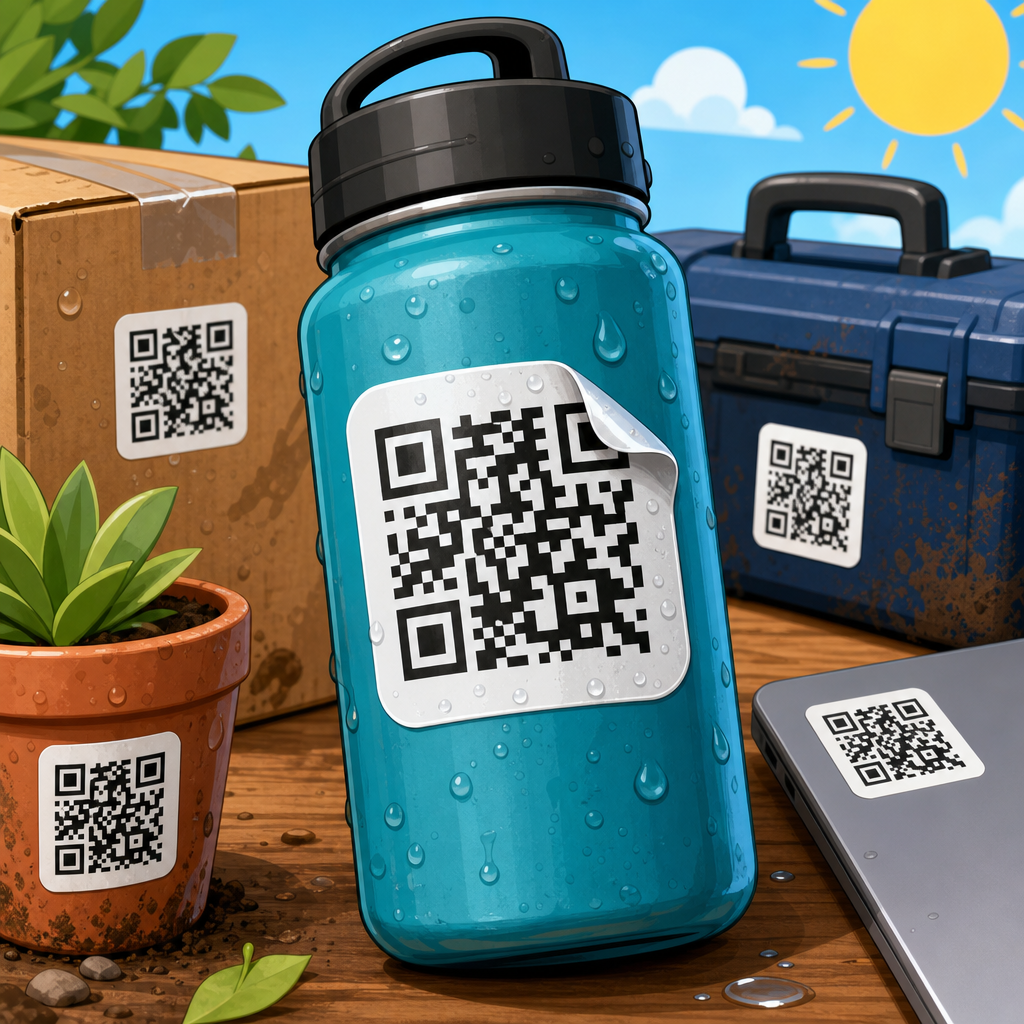
Scratch-resistant QR code stickers are especially valuable anywhere the label is handled often or expected to stay in service for months or years. Asset management is one of the clearest examples. Facilities teams place QR stickers on laptops, monitors, tools, forklifts, and test equipment so staff can scan for maintenance records, calibration logs, or chain-of-custody data. On a factory floor, ordinary paper labels quickly scuff against gloves and carts, but laminated polyester tags routinely last through daily use. Logistics and reusable packaging is another strong fit. Returnable totes, pallets, and bins move through loading docks, trucks, and wash cycles, so labels need abrasion resistance plus adhesive systems that survive humidity and temperature swings. In hospitality, QR stickers on tables, room directories, and check-in stations are touched and cleaned constantly. A scratch-resistant topcoat prevents the code from becoming hazy or gouged after repeated wiping.
Consumer-facing applications also benefit from durable QR code solutions when the code connects people to manuals, setup guides, authenticity checks, warranty registration, or refill programs. On appliances, power tools, sporting goods, and outdoor gear, the code may remain in place for years. If it fails, support costs rise because users cannot self-serve information. In healthcare and laboratories, durability is even more critical. Labels on carts, trays, specimen containers, and mobile devices are cleaned with aggressive disinfectants, and compliance depends on consistent identification. Retail environments use durable QR labels for shelf-edge interactions, backroom inventory, and anti-tamper packaging. Automotive service shops add them to equipment and customer intake workflows. Across all these uses, the pattern is the same: if the code supports an operational process rather than a short campaign, scratch resistance is not a premium extra. It is the standard needed to protect uptime, traceability, and customer experience.
Testing, compliance, and buying criteria before you order
The best way to choose scratch-resistant QR code stickers is to test a shortlist under the exact conditions they will face. Start with adhesion testing on the real substrate: powder-coated steel, HDPE, glass, corrugated, painted aluminum, or textured plastic all behave differently. Apply sample labels using consistent pressure, allow proper dwell time, and check for edge lift after temperature changes. Then evaluate abrasion resistance. Simple internal tests can include repeated rubbing with a dry cloth, a wet cloth, a fingernail, or packaging material, followed by scan checks on both iPhone and Android devices. For more formal programs, printers and material suppliers often reference test methods such as Taber abrasion, chemical resistance panels, and weathering exposure. Outdoor labels may be tied to UL recognized components or BS 5609-style marine and chemical durability expectations, depending on industry. Those references do not replace your own field testing, but they are useful proof points.
Buyers should also ask specific production questions. Is the code printed beneath a laminate or exposed on the surface? Which ribbon formulation is used for thermal transfer, and is it matched to the facestock? What is the adhesive service temperature range, and does it suit cold storage, warm equipment, or exterior exposure? Will the supplier verify scan grade or at least contrast consistency across a production run? Can they provide sequential numbering, tamper-evident constructions, removable options, or deadened adhesives for security applications? Price matters, but replacement labor often costs more than the sticker itself. I have seen teams save a few cents per label and then spend weeks re-tagging carts, bins, or installed products after premature failures. A good procurement process looks at total lifecycle cost: material, application time, expected service life, and the operational cost of a code that stops scanning when someone needs it most.
Building your durable QR code program from this hub
This hub on scratch-resistant QR code stickers sits within the wider subject of QR code design, printing, and materials because durability is never one decision. It is a system made of substrate, adhesive, print process, data strategy, and environment. The most effective durable QR code solutions begin with a plain question: what exactly will try to destroy this label? Once you know whether the threat is scraping, cleaning chemicals, UV light, moisture, temperature swings, or constant handling, the correct construction becomes much easier to specify. From there, use simple design discipline: high contrast, adequate size, realistic error correction, and short encoded payloads where possible. Then validate with physical testing, not assumptions. That approach consistently produces labels that scan faster, last longer, and cost less over their usable life.
The main takeaway is straightforward. Scratch-resistant QR code stickers are the right choice whenever a code supports an ongoing operational, service, or customer-access function. Polyester or BOPP facestocks, matched adhesives, resin thermal transfer or other durable print methods, and a protective laminate form the core toolkit. The right combination depends on your surface and environment, but the selection process should always be evidence-based. As you build out this subtopic, use this page as the starting point for deeper guidance on outdoor labels, chemical-resistant constructions, tamper-evident options, removable versus permanent adhesives, scan testing, and material selection by industry. If you are planning a rollout, test two or three constructions on the real product or asset before committing volume. That one step will prevent most failures and help you choose QR code stickers that stay readable long after ordinary labels have worn away.
Frequently Asked Questions
What are scratch-resistant QR code stickers, and how are they different from standard QR code labels?
Scratch-resistant QR code stickers are durable labels specifically engineered to keep a printed QR code readable even after repeated physical wear. Unlike standard paper or basic film labels, these stickers are typically made with tougher facestocks such as polyester, polypropylene, or vinyl, paired with stronger permanent adhesives and a protective layer such as a laminate, varnish, or topcoat. That construction helps shield the code from scratches, scuffs, cleaning chemicals, moisture, UV exposure, and everyday abrasion that can gradually damage the printed pattern.
The difference matters because QR codes depend on sharp contrast and clean geometry to scan correctly. A conventional label may look acceptable when first applied, but once the surface becomes scratched, dirty, faded, or partially worn away, scan reliability drops quickly. Scratch-resistant QR code stickers are designed to protect both the physical surface and the printed data underneath, helping maintain clear edges, dark-to-light contrast, and overall symbol integrity. In practical terms, they are the better choice for products, equipment, tools, reusable packaging, industrial assets, retail displays, and any environment where a code will be handled often or exposed to rough conditions.
Where are scratch-resistant QR code stickers most useful?
These stickers are most useful anywhere a QR code needs to remain scannable over time instead of only for short-term indoor use. Common applications include asset tracking labels on machinery, electronics, and tools; inventory and warehouse identification; product labels on bottles, containers, and packaging that are frequently touched; healthcare and laboratory environments where surfaces are cleaned regularly; and outdoor or semi-outdoor settings where sunlight, temperature swings, and moisture can weaken ordinary labels.
They are also especially valuable in customer-facing uses such as menu stickers, product information labels, warranty registration tags, and instructional decals. In those scenarios, repeated handling is expected, and a damaged code creates friction for the end user. If someone has to try multiple times to scan a code, or cannot scan it at all, the label has failed its purpose. Scratch-resistant construction helps avoid that problem by preserving readability in real-world conditions. As a rule, the more frequently the label is touched, cleaned, rubbed, transported, stacked, or exposed to environmental stress, the more worthwhile a scratch-resistant QR code sticker becomes.
What features should I look for when choosing a scratch-resistant QR code sticker?
Start with the material and surface protection. Durable facestocks like polyester and polypropylene generally outperform paper in demanding environments, while a clear protective laminate or topcoat adds another layer of defense against scratching and chemical contact. If the label will be used outdoors, UV resistance is important to reduce fading and contrast loss. If it will be cleaned often, look for resistance to water, alcohol, detergents, and other common cleaning agents. The print method also matters, because a high-quality print with strong density and crisp edges gives the QR code a better foundation for long-term scanning performance.
Adhesive selection is equally important. A highly durable QR label can still fail if it lifts at the edges or detaches from the surface. Choose an adhesive suited to the application surface, whether that is metal, plastic, glass, painted equipment, corrugated packaging, or textured materials. Also consider the size of the QR code, the amount of encoded data, and the expected scanning distance. A code that is too small or too dense may become harder to scan if even minor wear occurs. For the best results, combine durable materials, the right adhesive, proper code sizing, and enough error correction to provide resilience without overcrowding the symbol.
How do scratch-resistant QR code stickers stay scannable after wear and cleaning?
They stay scannable because they are designed to protect the two things scanners depend on most: surface integrity and print contrast. The protective top layer reduces direct damage from fingernails, tools, rubbing, and contact with rough surfaces. Instead of the printed QR pattern taking the abrasion, the outer coating or laminate absorbs much of that stress. At the same time, durable materials help resist wrinkling, tearing, and edge lifting, all of which can distort the code and interfere with scanning. Better inks and print processes further help preserve the sharp dark modules and clean white spaces that cameras need to interpret the symbol accurately.
Cleaning resistance is another major factor. In many workplaces and consumer settings, labels are wiped down repeatedly with water, disinfectants, or general-purpose cleaners. Standard labels may smear, fade, or break down under that routine. Scratch-resistant QR code stickers are built to tolerate more of that exposure, maintaining legibility through repeated maintenance cycles. They are not indestructible, but they provide a much wider margin of reliability. That extra durability is often the difference between a code that keeps working for months or years and one that becomes unreadable after a short period of normal use.
Can scratch-resistant QR code stickers be customized for different environments and business needs?
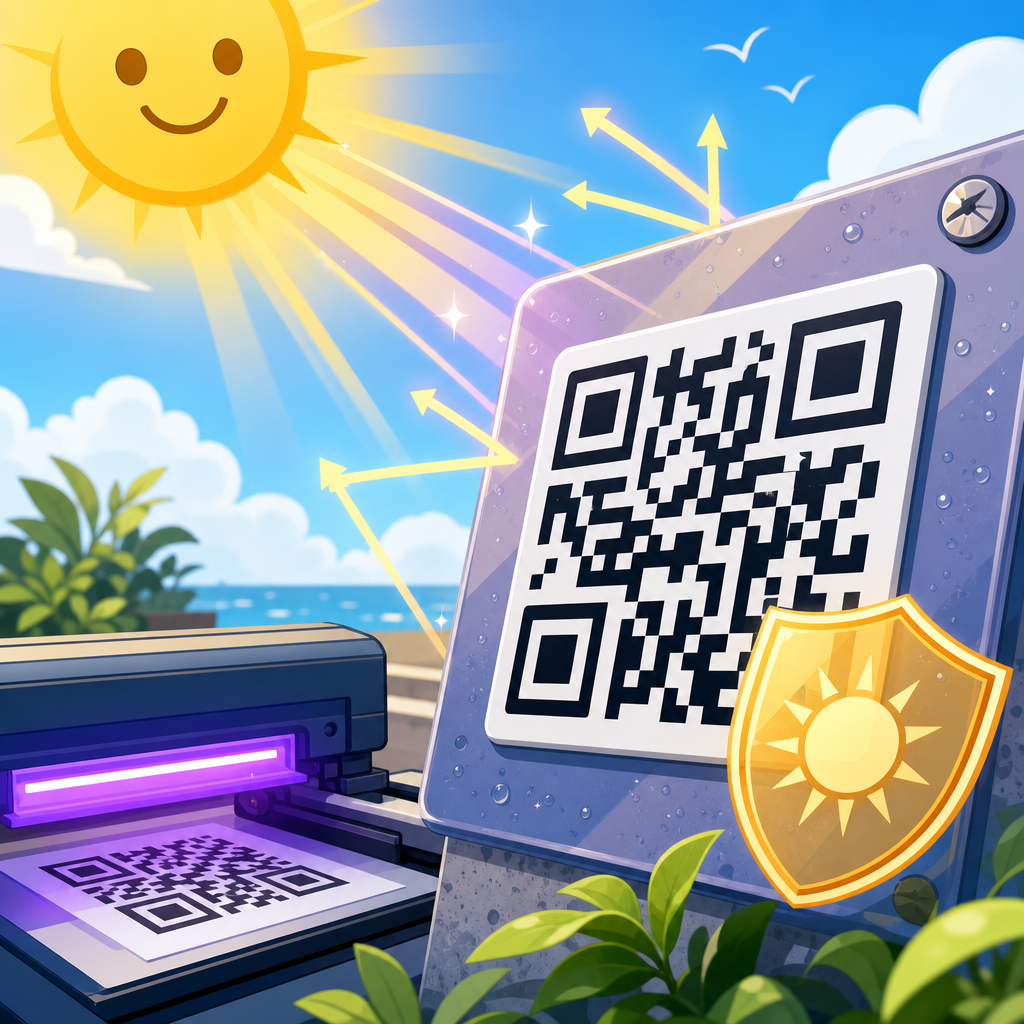
Yes, and customization is one of their biggest advantages. These stickers can be tailored by material, adhesive type, finish, thickness, shape, size, and print specifications to match the exact environment in which they will be used. For example, a business labeling indoor consumer products may choose a durable gloss or matte film with strong scratch resistance and good visual presentation, while an industrial operation may prioritize aggressive adhesive performance, chemical resistance, and survivability on rough or curved surfaces. Outdoor applications may require UV-stable materials and weather-resistant laminates to protect the code from fading and environmental exposure.
Customization also extends to the QR code itself. Businesses can choose static or dynamic QR codes, include branding elements around the label, add serial numbers or variable data, and pair the code with human-readable text for backup identification. The key is to maintain enough quiet space, contrast, and sizing so the code remains easy to scan even after prolonged use. When properly specified, a customized scratch-resistant QR code sticker can support marketing, operations, asset management, product traceability, service workflows, and customer engagement all at once. That makes it not just a tougher label, but a more dependable tool for long-term communication and tracking.