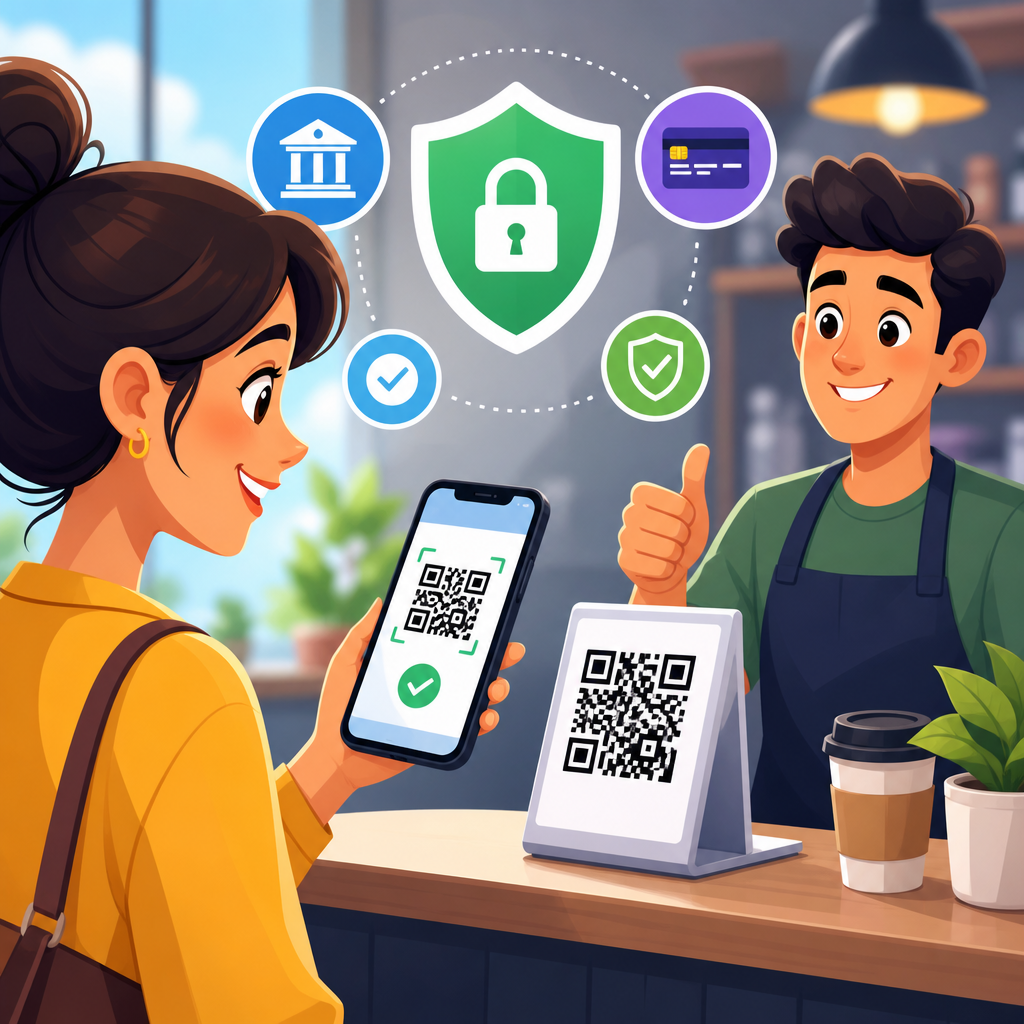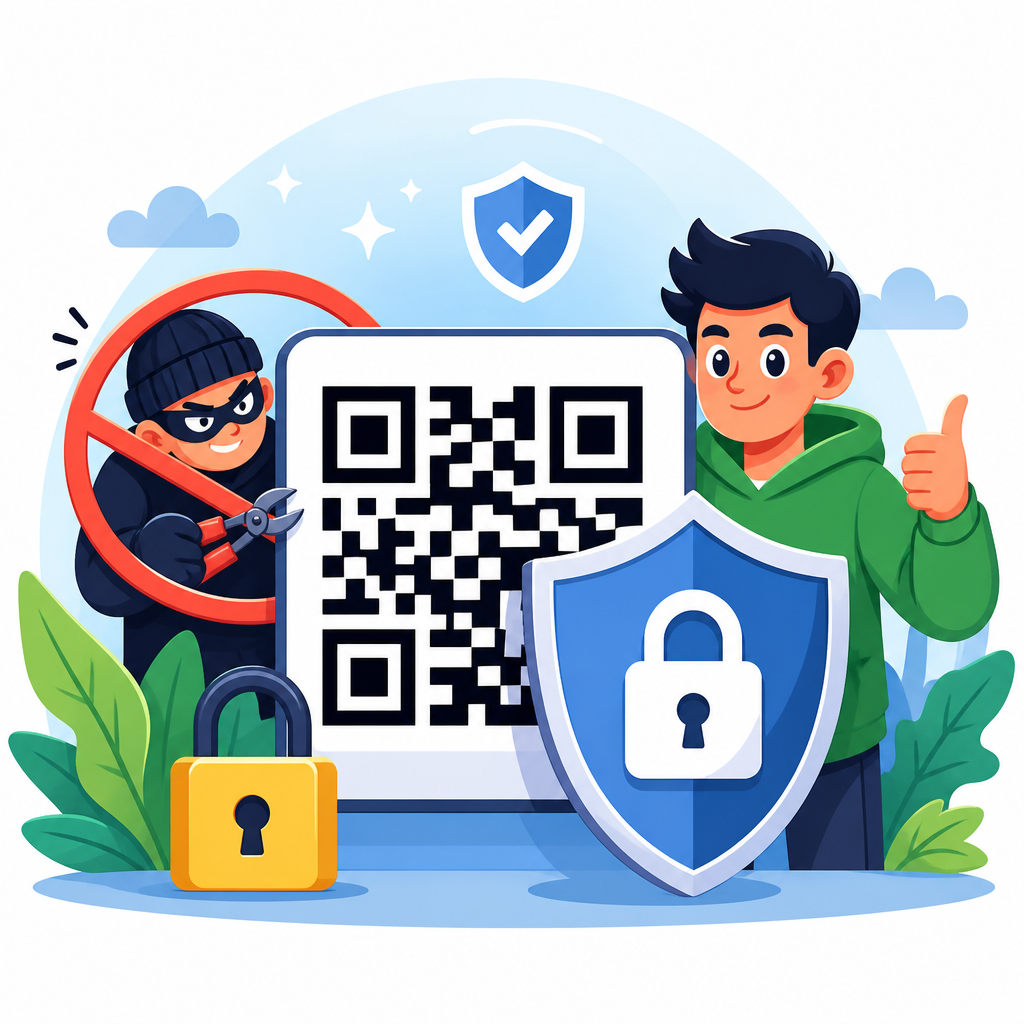
QR codes are now embedded in payments, menus, tickets, packaging, logistics labels, and customer support flows, which makes protecting them from tampering a practical security requirement rather than a niche concern. A QR code is a machine-readable matrix barcode that stores a destination such as a URL, payment payload, contact card, Wi-Fi credential, or tracking identifier. Tampering happens when the visible code, the printed surface around it, or the destination behind it is altered so that users scan something different from what the owner intended. In my work with marketing teams, facilities managers, and product security leads, I have seen the same pattern repeatedly: the code itself is cheap to produce, but the trust attached to it is expensive to rebuild after abuse.
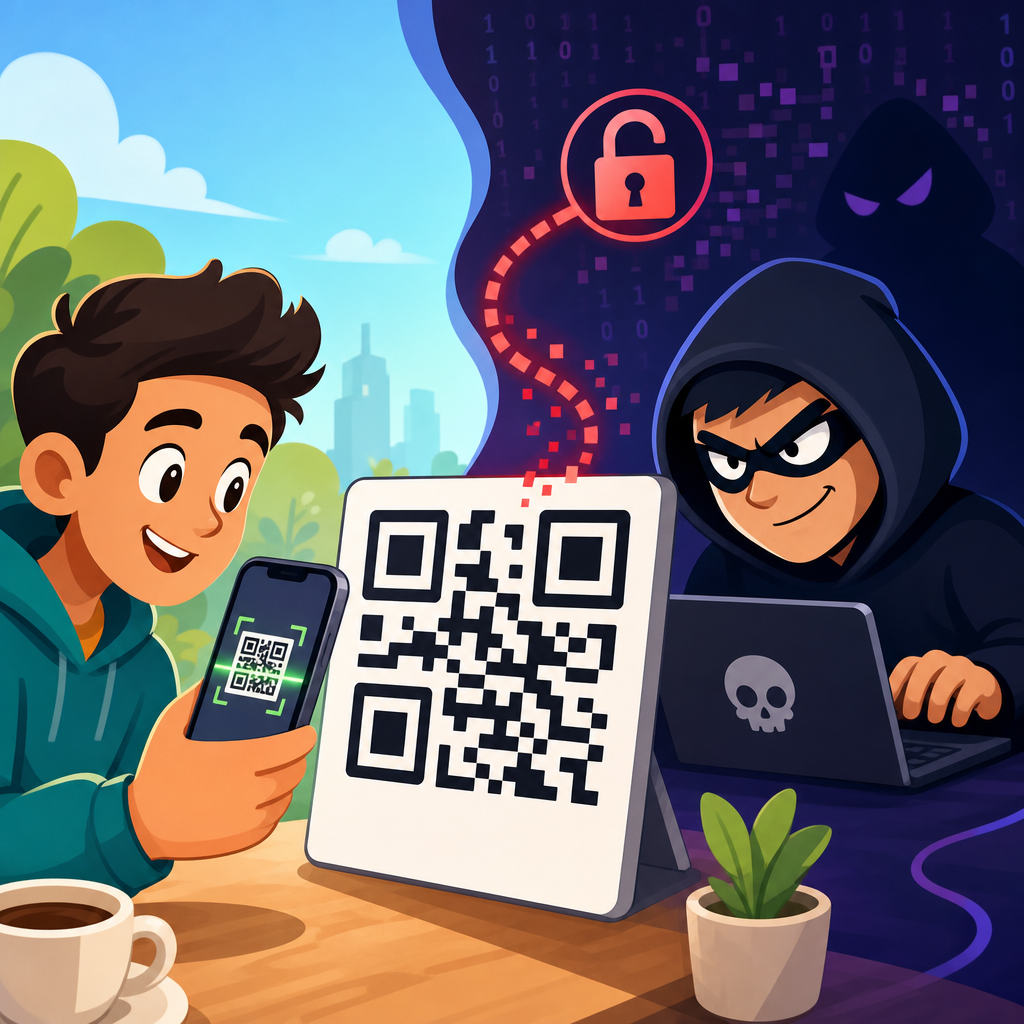
Understanding the threat starts with separating physical tampering from digital tampering. Physical tampering includes sticker swaps, label overlays, reprints, scratched surfaces, or repositioned codes on posters, kiosks, and packaging. Digital tampering includes changing the redirect target in a dynamic QR platform, compromising the short link behind a code, altering analytics parameters, or hijacking a landing page after the code has already been distributed. Both forms matter because users rarely inspect a QR code visually. They trust context: a restaurant table, a meter, a parcel, a concert gate, a medication box, or a public notice board.
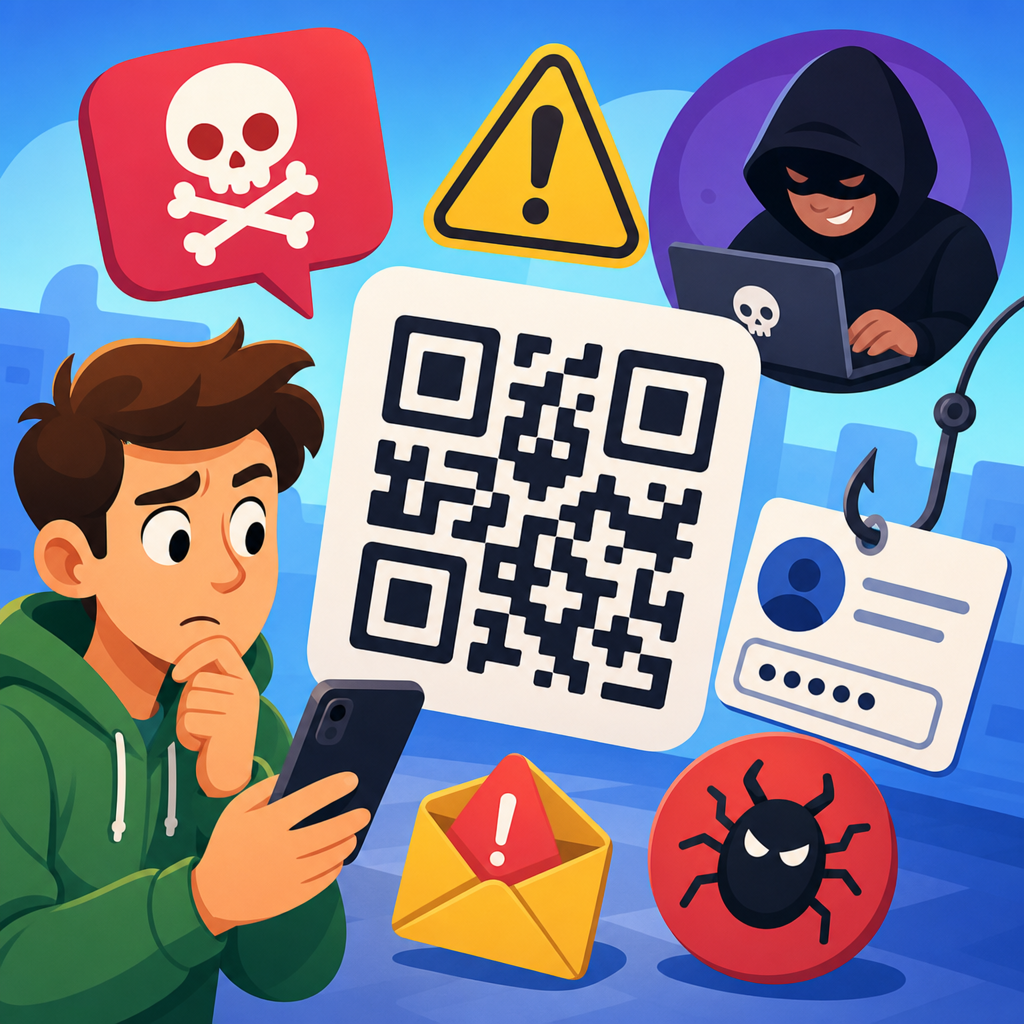
This matters because QR codes bridge the physical and digital worlds with almost no friction. A malicious replacement can route a diner to a phishing page, redirect a donation to a criminal wallet, capture credentials through a fake single sign-on page, or trigger a fraudulent payment request. The FBI warned consumers in 2022 about criminals replacing legitimate QR codes with malicious ones to steal financial information, especially in parking payment scams. Industry payment specifications also recognize the risk. EMVCo standards for merchant-presented QR payments focus on data integrity and ecosystem rules because a compromised payment payload can create immediate monetary loss.
Secure QR code practices are the set of design, printing, deployment, monitoring, and response controls that keep the code, its destination, and the user journey trustworthy. This hub article explains how to protect QR codes from tampering across the full lifecycle: choosing static or dynamic formats, hardening the destination, designing tamper-evident materials, placing codes intelligently, using managed redirects, monitoring scans for anomalies, training staff, and handling incidents fast. If you manage QR codes at scale, these are not optional details. They are the controls that preserve brand trust, reduce fraud exposure, and keep a simple scan from becoming a security weakness.
Know the Main QR Code Tampering Risks
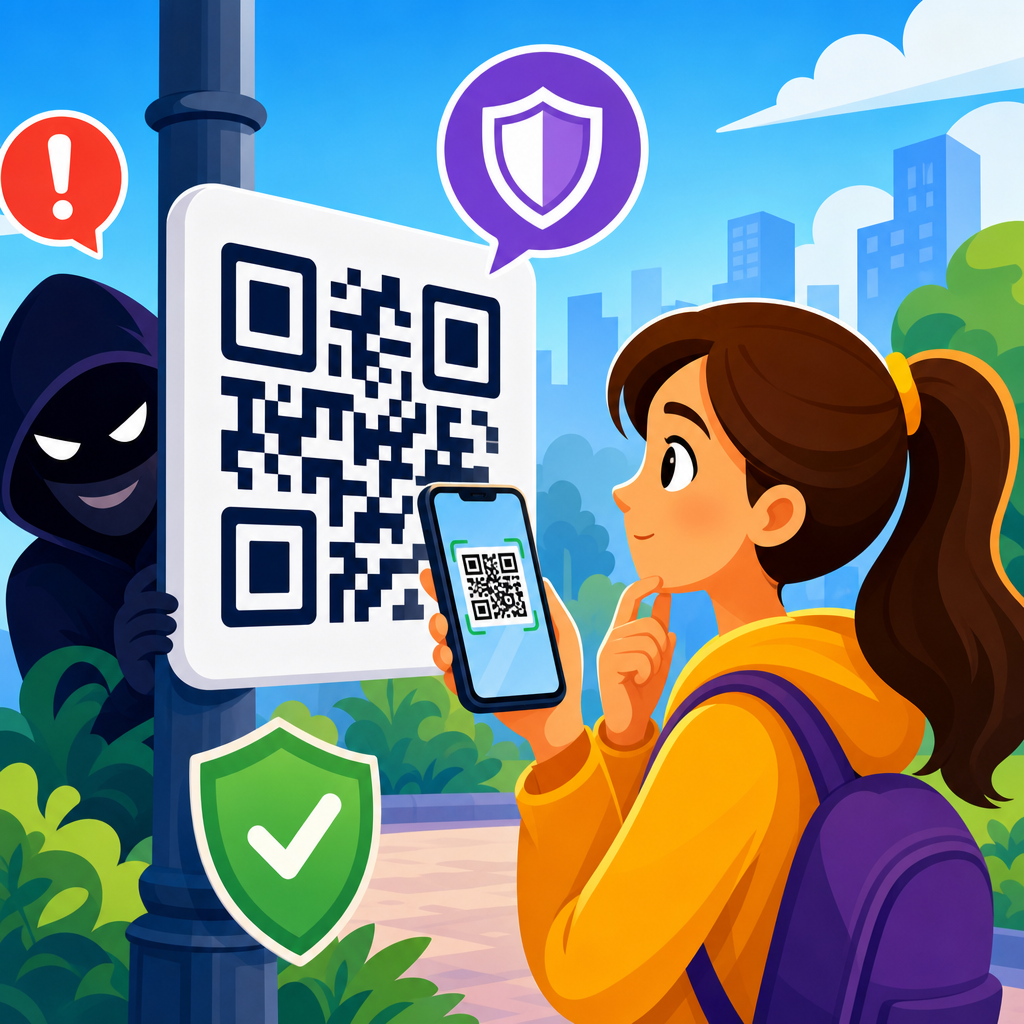
The first step is to identify what can actually be attacked. Most incidents fall into four categories. First, overlay attacks: a malicious actor prints a new code and places it over the original on a parking meter, poster, parcel locker, or tabletop sign. Second, substitution attacks: the attacker replaces the entire sign, label, or insert with a convincing copy. Third, destination hijacking: the visible code remains untouched, but the redirect service, DNS record, account credentials, or landing page content is changed. Fourth, context manipulation: the code is valid, but the surrounding text is edited to mislead users about what the scan will do.
Each category demands a different control. Overlay attacks are reduced by tamper-evident materials and frequent inspection. Substitution attacks require stronger asset management, serialized printing, and controlled distribution. Destination hijacking is addressed through account security, domain governance, TLS, and change control. Context manipulation is prevented with clear branding, fixed destination previews, and user education. I advise teams to map every QR use case against these categories before rollout. A payment sticker on a public meter has very different risk than an onboarding code printed inside a sealed hardware box.
Threat modeling should also include user behavior. Many scanners now show a destination preview before opening a link, but people often tap through quickly, especially when they are rushing to pay, enter an event, or access Wi-Fi. That means relying on the user to detect fraud is weak by design. Better protection comes from reducing attacker opportunity and making unauthorized changes obvious. A good security baseline assumes some users will not inspect the URL, some staff will miss routine checks, and some materials will spend months in uncontrolled public spaces.
Choose the Right QR Code Architecture
Static and dynamic QR codes have different security tradeoffs. A static QR code directly encodes the final destination or payload. That makes it simple, durable, and less dependent on a third-party platform. It also means any destination change requires reprinting. A dynamic QR code points to a short redirect URL managed through a platform, which allows destination changes, scan analytics, A/B testing, geo-routing, and campaign management. The tradeoff is clear: flexibility adds an attack surface because the redirect account, link rules, API keys, and DNS configuration must now be protected.
For low-risk, fixed destinations, static codes are often the safer choice. Examples include a product manual URL on packaging, a museum audio guide, or a sealed-device setup card where the target will not change. For campaigns, support flows, or omnichannel tracking, dynamic codes are usually justified, but only with mature controls. Use a provider that supports role-based access control, SSO, audit logs, domain verification, and exportable event history. If those features are absent, the convenience is not worth the risk for business-critical or payment-related deployments.
Another architectural choice is whether to use your own branded domain for redirects. You should. A branded short domain improves user trust, simplifies allowlisting, and gives you direct governance over DNS, certificates, and domain reputation. If you rely on a generic shared shortener, you inherit broader abuse risk and weaker brand recognition. In practice, I recommend a dedicated subdomain for QR traffic, such as scan.example.com, managed with strict DNS controls and monitored separately from the primary website. That creates a clean operational boundary and makes anomaly detection easier.
Secure the Destination Behind the Code
Protecting the printed square is only half the job. The destination must be hardened because many successful QR fraud incidents exploit weak web controls rather than the code itself. Start with HTTPS everywhere and HSTS on web destinations. Use a valid certificate from a trusted certificate authority and keep TLS configurations current. Then secure the content management process. Landing pages linked from QR codes should sit behind multi-factor authentication, least-privilege access, and documented approval workflows. If marketing can update a page in seconds, security needs visibility into what changed and when.
Redirect governance is especially important. Store redirect mappings in a system with version history, approval requirements, and audit logs. If a code will ever point to a payment page, lock the allowed destination patterns so editors cannot redirect to arbitrary domains. Where possible, create destination allowlists at the platform level. I have implemented this for retail and venue clients by restricting QR redirects to owned domains plus a small set of approved payment providers. That simple rule eliminates entire classes of account-abuse scenarios.
Domains should be protected with registrar locks, MFA on registrar accounts, DNSSEC where supported, and controlled access to DNS providers such as Cloudflare, Route 53, or Akamai. Compromise of DNS can silently reroute QR traffic without any change to the printed artifact. Web application firewalls, uptime monitoring, and content integrity checks add another layer. If the destination page is defaced or unexpectedly changed, operations should know before customers report it. Treat high-value QR destinations like production systems, not disposable campaign pages.
Make Physical Tampering Obvious and Difficult
Most public QR code abuse is opportunistic, so visible deterrence works. Use tamper-evident labels that fragment on removal, destructible vinyl for high-risk stickers, or security paper with void patterns that reveal lifting attempts. Laminated tabletop signs should include the code under the laminate, not as a surface sticker. For kiosks and meters, print the code directly onto the panel or behind a protective cover rather than attaching a simple adhesive label. If a sticker must be used, choose a material and adhesive designed for the environment, including moisture, heat, and UV exposure.
Design can help too. Add brand elements, clear destination text, and a human-readable short URL near the code so replacements are easier to spot. Use unique serial numbers or location identifiers printed beside each code. For example, a city parking department can print zone ID, meter ID, and the official payment domain next to every code. An attacker may copy the code image, but copying the entire managed visual system across hundreds of assets is harder. On product packaging, place QR codes inside sealed areas or under tear strips when the scan is intended for the buyer after opening.
Placement matters. Put codes where staff can inspect them easily and where unauthorized access is less convenient. Avoid low-light corners, exposed temporary stands, or crowded surfaces with many overlapping notices. In controlled facilities, include QR checks in opening and closing routines. In dispersed deployments like transit stops or vending fleets, combine site inspections with photo-based verification from field teams or contractors. A fast phone snapshot uploaded to a work order system creates a simple audit trail and helps prove when tampering occurred.
Build Operational Controls for Scale
Organizations with dozens or thousands of QR codes need inventory, ownership, and review cycles. Every code should have an asset record that includes its purpose, owner, destination, deployment date, physical location, print version, and replacement history. Without inventory, teams cannot answer basic questions during an incident: Which codes use this domain? Which ones are in public locations? Who approved the redirect? Asset records also support routine review so retired campaigns do not leave orphaned codes leading to outdated or unmaintained pages.
| Control | What it protects | Practical example |
|---|---|---|
| Asset inventory | Visibility into deployed codes | Spreadsheet or CMDB record for each location and destination |
| Audit logs | Unauthorized redirect changes | Platform log showing who changed scan.example.com/pay/102 |
| Tamper-evident materials | Physical overlays and swaps | Destructible vinyl on public payment kiosks |
| Destination allowlists | Malicious outbound redirects | Only company domains and approved processors permitted |
| Routine inspections | Time-to-detect physical fraud | Store managers verify table tents every morning |
| Anomaly monitoring | Abnormal scan behavior | Alert when one location suddenly shifts to a new country source |
Access control should mirror the business process. Creators may generate codes, but destination edits should require stronger permissions. Reviewers should be separate from deployers for high-risk uses such as payments, identity verification, or customer support authentication. Audit logs must be retained long enough to support investigations; ninety days is often too short for seasonal campaigns or slow-moving fraud. I prefer at least one year for operational logs tied to public-facing QR programs, with longer retention where legal or fraud requirements justify it.
Change management is equally important. A redirect update may look trivial, yet it can affect thousands of scans in minutes. Use approval workflows for production changes, especially when new domains, payment providers, or form handlers are introduced. If multiple departments use QR codes, publish a standard that defines approved platforms, branding requirements, review intervals, and escalation paths. Security succeeds when it becomes a repeatable operating model rather than an afterthought on each new poster or package run.
Monitor Scans and Respond Quickly to Anomalies
Monitoring turns QR protection from static prevention into active defense. Dynamic QR platforms and web analytics can reveal unusual patterns that suggest tampering or misuse. Watch for sudden changes in geography, device type, traffic volume, bounce rate, or destination conversion. For example, if a parking payment code at one downtown meter suddenly receives scans from multiple foreign IP ranges or shows an abrupt drop in successful checkouts, investigate immediately. That pattern can indicate a replacement sticker, a broken payment flow, or a malicious redirect.
Use alerting thresholds, not just dashboards. Security and operations teams should receive notifications when destination URLs change, when new admins are added, when TLS certificates near expiration, or when scan traffic deviates sharply from baseline. Pair platform analytics with server logs, WAF events, and synthetic tests that regularly scan production codes and verify the full user journey. In several deployments I have managed, simple synthetic scans every fifteen minutes caught expired pages and unintended redirects before customers noticed. The same method can flag malicious changes early.
Incident response should be documented before deployment. Define how to disable a compromised dynamic code, what field teams should replace physically, who contacts customers, and how forensic evidence will be preserved. If the code is static and tampered in the field, have replacement stock ready and a process to invalidate the old destination if possible. If payment fraud is involved, legal, finance, and fraud operations need immediate engagement. Speed matters because QR scams often exploit high-volume environments where losses compound fast.
Train Staff and Users Without Shifting All Responsibility to Them
Human awareness helps, but it is not the primary control. Staff should know how legitimate QR assets look, where to find the official inventory, and how to report suspicious labels or redirects. Frontline employees in stores, venues, hotels, and transportation sites are often the first to notice peeling stickers, mismatched branding, or customer complaints. Give them a simple checklist: verify the printed domain, inspect for overlays, compare serial numbers, and test-scan after cleaning or maintenance. Make reporting easy through the same ticketing or facilities channel they already use.
Users also benefit from clear guidance. Tell them what domain they should expect, whether the scan should open a browser or payment app, and what information you will never ask for after a scan. For example, a support QR code can state, “Official support links only open support.example.com and never request your password by form.” That kind of plain-language expectation setting reduces successful phishing. Still, user education should complement strong system design, not replace it. Secure QR code practices work best when users are protected even if they are distracted, hurried, or unfamiliar with technical warning signs.
Conclusion
Protecting QR codes from tampering requires a full-lifecycle approach: assess the threat, choose the right code architecture, secure the destination, make physical changes obvious, manage assets centrally, monitor for anomalies, and prepare to respond fast. The most effective programs do not depend on a single tactic. They layer controls so that if one safeguard fails, another still prevents harm or shortens detection time. In practical terms, that means branded domains, locked-down redirects, tamper-evident materials, inspections, analytics, and clear ownership.
The main benefit of strong secure QR code practices is trust at scale. Customers scan faster when experiences are consistent, teams recover quicker when issues occur, and fraud opportunities shrink because both the physical artifact and the digital path are controlled. Review your current QR deployments, rank them by risk, and tighten the highest-exposure use cases first. Start with payment, login, support, and public unattended locations, then apply the same standard across the rest of your QR program.
Frequently Asked Questions
What does QR code tampering actually mean, and why is it such a serious risk?
QR code tampering means changing any part of the QR experience so the person scanning it is sent somewhere other than the original, intended destination. That can happen in several ways. Someone may physically cover a legitimate code with a sticker that points to a fraudulent payment page, fake menu, malware download, or phishing form. In other cases, the printed material around the code may be altered to make a fake code appear legitimate. Tampering can also happen digitally if the destination URL, redirect, payment payload, or linked account behind the code is changed after the code has already been distributed.
This is a serious risk because QR codes are designed for speed and convenience. People scan them quickly in restaurants, on packaging, at events, in warehouses, on invoices, or during customer support interactions, often without carefully inspecting where they lead. That makes them attractive to attackers. A tampered code can redirect a payment, capture login credentials, install malicious software, disrupt logistics workflows, or damage trust in a brand. As QR codes become more common in payments, tickets, labels, and support flows, protecting them is no longer a niche issue. It is a practical part of fraud prevention, brand protection, and operational security.
What are the most effective ways to protect printed QR codes from being replaced or altered?
The best protection for printed QR codes comes from layering physical security, smart design, and inspection practices. Start by making replacement harder. Print codes directly onto packaging, labels, menus, tickets, or signage whenever possible, rather than using separate stickers that are easy to peel off and cover. If labels must be applied, use tamper-evident materials that tear, leave residue, or display a void pattern when removed. This makes interference easier to spot and discourages opportunistic attacks.
Design also matters. Place the QR code inside a branded area with recognizable colors, logos, typography, or microtext so a fake overlay is more obvious. Add nearby human-readable information, such as the official web domain or a short instruction telling users what they should expect after scanning. For example, if a code is meant to open a payment page, say so clearly and list the official merchant name or domain. This gives users a reference point and helps staff identify suspicious substitutions.
For high-risk use cases such as payments, event tickets, regulated products, or logistics labels, consider adding serial numbers, holographic elements, security cuts, or inspection seals around the code area. In operational settings, build routine visual checks into staff procedures, especially in public-facing environments where codes are exposed for long periods. A daily or shift-based inspection of table tents, posters, kiosks, parcel labels, or storefront signage can catch problems early. Physical protection is strongest when materials, design, and inspection all work together.
How can businesses secure the destination behind a QR code, not just the code itself?
Protecting the printed square is only half the job. The destination behind the code must also be secured because a legitimate-looking QR code can still become dangerous if its linked URL, redirect rule, account, or payload is altered. The first step is to keep destinations under your direct control. Use domains your organization owns, secure them with HTTPS, and avoid unnecessary redirect chains or third-party URL shorteners unless they are managed in a tightly controlled way. The more opaque the destination, the harder it is for users and internal teams to validate it.
Administrative security is equally important. Restrict who can edit QR-linked destinations, landing pages, payment instructions, and campaign settings. Use role-based access controls, strong passwords, and multi-factor authentication for the systems that manage those assets. Keep audit logs so you can see who changed what and when. If a QR code points to a payment workflow, support portal, ticket validation page, or tracking system, those applications should be monitored for unauthorized changes, unusual redirects, and suspicious account activity.
It is also wise to minimize risk at the destination itself. Create landing pages that clearly display your branding and explain the purpose of the page before asking for payment or sensitive information. For payment use cases, show the merchant identity clearly and use trusted processors. For customer support flows, avoid linking directly to pages that request credentials without context. You can further improve resilience with change monitoring, domain alerts, web application security controls, and regular testing to confirm that live QR codes still resolve exactly where they should. A secure QR strategy always treats the destination as part of the attack surface.
Are dynamic QR codes more secure than static QR codes?
Dynamic QR codes are not automatically more secure, but they can be safer to manage when used correctly. A static QR code permanently contains its final destination or payload, which means if the destination changes or is compromised, replacing every printed instance may be difficult or expensive. A dynamic QR code usually points to a managed redirect or service layer, allowing the organization to update the final destination without reprinting the code. That flexibility can be valuable during an incident because it lets you quickly reroute scans away from a compromised page or disable a code entirely.
However, dynamic codes also introduce an additional control point, and that control point must be secured. If an attacker gains access to the platform or account managing the redirect, they may be able to change destinations at scale. That means the security of the management dashboard, hosting environment, API access, and administrative workflows becomes critical. Strong authentication, access restrictions, audit logging, domain ownership, and vendor due diligence all matter here.
In practice, the safer option depends on the use case. Static codes can be appropriate when the payload is fixed, simple, and unlikely to change, such as a product identifier or a verified internal reference. Dynamic codes are often better for campaigns, menus, support journeys, and payment-related experiences where destinations may need maintenance, rotation, analytics, or emergency shutdown. The key point is that neither format is secure by default. Security comes from governance, monitoring, and how well the entire QR ecosystem is controlled.
What should users and organizations do if they suspect a QR code has been tampered with?
If a user suspects tampering, they should stop before completing the action. Do not enter login credentials, payment details, or personal information on a page reached from a questionable scan. Check the visible code and surrounding surface for signs of overlays, mismatched branding, peeling labels, unusual instructions, or poor print quality. If the scan opens a URL preview, inspect the domain carefully before proceeding. When in doubt, navigate to the organization’s website manually, use a saved app, or ask a staff member for confirmation through an official channel.
Organizations should respond as if tampering could affect both security and trust. First, remove or disable the affected code immediately if possible. If the issue involves a dynamic destination, redirect scans to a safe holding page or suspend the link. Then investigate the scope: determine whether the problem is physical replacement, unauthorized destination changes, compromised accounts, or a broader campaign affecting multiple locations or assets. Review logs, inspect nearby materials, and verify other live QR codes in the same environment.
Communication is also important. If customers, guests, or employees may have been exposed, provide clear guidance on what happened, what signs to watch for, and which official channels are safe to use. For payment or credential theft concerns, advise affected people to contact their bank, reset passwords, or monitor accounts as appropriate. After containment, improve controls so the same issue is less likely to happen again. That may include tamper-evident materials, stronger destination security, more frequent inspections, staff training, and better monitoring. A fast, transparent response can limit fraud and preserve confidence even when an incident occurs.