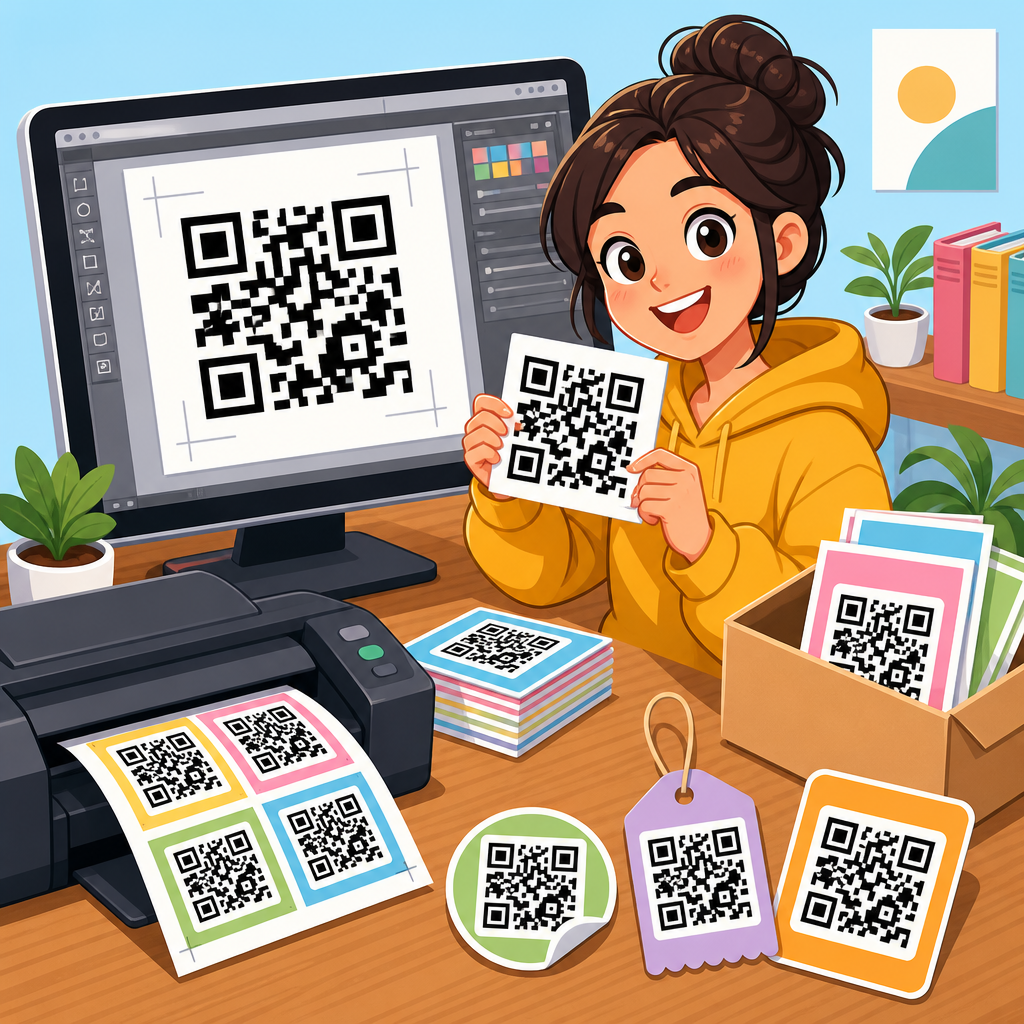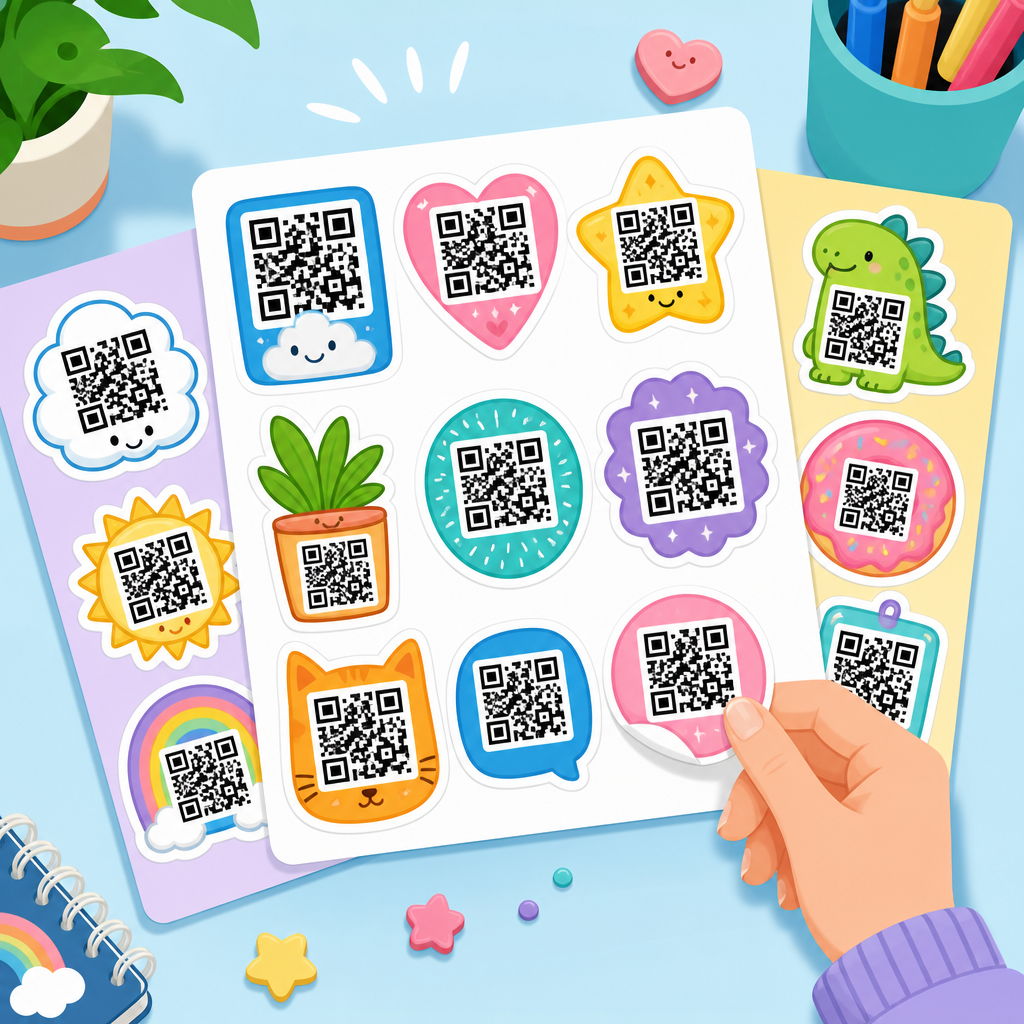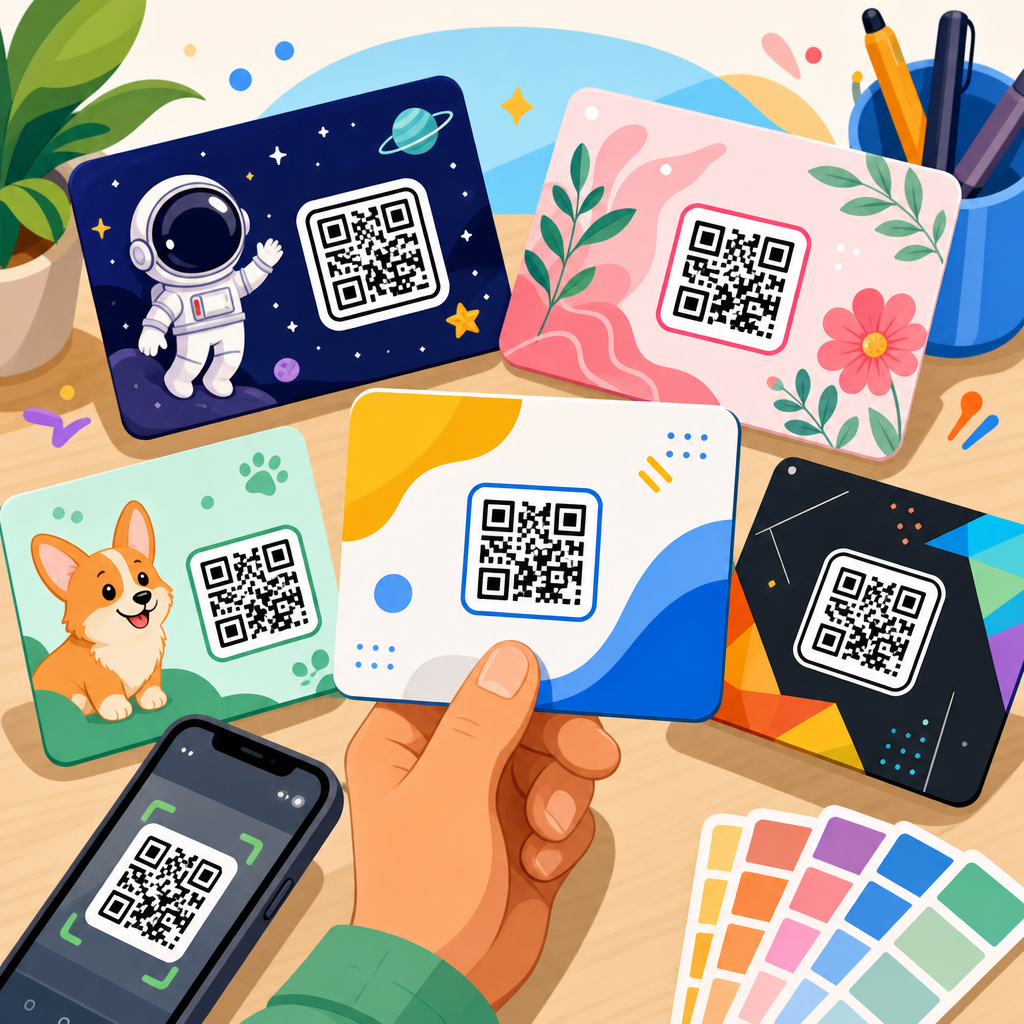
Downloadable QR code marketing kits give teams a practical way to launch campaigns faster, keep branding consistent, and avoid the common production mistakes that make codes hard to scan. In this context, a marketing kit is a packaged set of ready-to-use assets such as printable posters, social media graphics, email banners, packaging inserts, event signage, landing page copy, measurement templates, and brand guidelines built around one or more QR codes. The downloadable part matters because modern campaigns move across channels quickly, often involving marketers, designers, sales staff, franchise operators, and retail partners who all need approved files immediately. I have used these kits for store openings, product launches, restaurant table tents, trade show lead capture, and direct mail follow-up, and the pattern is always the same: when assets are centralized and standardized, execution gets faster and results improve.
For businesses building a QR code resource library, this hub page sits at the center of the downloadable assets category because it connects strategy to production. A static QR code sends users to a fixed destination, while a dynamic QR code can be edited later and usually supports analytics such as scans by device, time, and location. That distinction shapes the kit itself. Static codes are useful for permanent packaging and low-risk destinations; dynamic codes are better for campaigns where offers, landing pages, or attribution settings may change. A strong kit also addresses error correction level, quiet zone spacing, contrast ratio, file format selection, print specifications, and call-to-action wording. Those details are not cosmetic. They determine whether a code scans in dim restaurant lighting, on corrugated boxes, in a moving subway station, or from a billboard viewed through a phone camera at a distance.
The reason downloadable QR code marketing kits matter now is simple: QR behavior has matured from novelty to habit. Consumers scan to join loyalty programs, view menus, redeem offers, authenticate products, pay invoices, register warranties, and unlock app content. According to multiple retail and payments studies, smartphone camera scanning is now mainstream across both iOS and Android devices, which means friction has fallen while expectations have risen. People assume the experience will be instant, mobile-friendly, and relevant. If the poster scans to a desktop page, if the social post uses a low-resolution PNG, or if the flyer lacks a clear benefit statement, performance drops. A well-built kit prevents those failures by bundling the right files, instructions, and tracking conventions so every team member can publish assets confidently and consistently.
What a downloadable QR code marketing kit should include
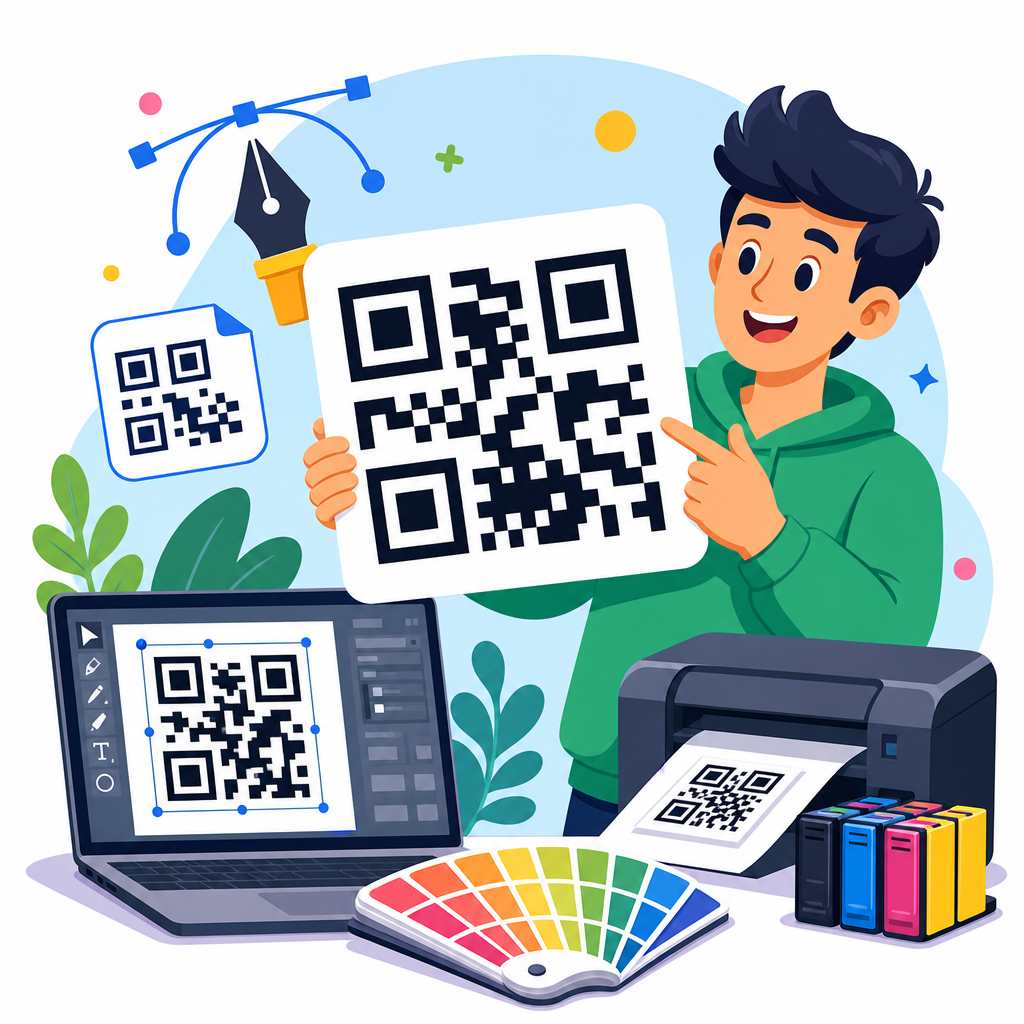
The best downloadable QR code marketing kits are comprehensive but modular. They contain master artwork, channel-specific variations, and an instruction layer that explains correct use. At minimum, I recommend including vector files such as SVG, EPS, or PDF for print; high-resolution PNG files for digital placements that do not require scaling; and a plain black version for maximum compatibility. Add alternate lockups with logo treatments only when scan testing confirms reliability across older devices and lower light conditions. Every kit should also contain a short usage guide covering minimum size, safe clear space, preferred background colors, print bleed notes, and prohibited alterations such as stretching, rotating, or overlaying text inside the code area.
Beyond the code itself, the highest-performing kits include campaign copy. That means approved headlines, subheads, CTA options, disclaimers, UTM-tagged destination URLs, and landing page modules matched to the audience. For example, a restaurant promotion kit may include “Scan to view today’s lunch special,” a table-tent template, an Instagram Story graphic, a staff script, and a measurement sheet for daily scan volume versus offer redemption. An ecommerce replenishment kit might include package insert cards, post-purchase email banners, SMS follow-up copy, and a mobile landing page that opens a prefilled cart. Teams often underestimate how much consistency in messaging affects scan intent. If the benefit is not explicit, scans decline even when visibility and placement are strong.
A useful hub page should also steer readers toward adjacent asset types. Downloadable assets are not only image files; they include editable templates in Canva, Figma, Adobe Illustrator, and PowerPoint, plus checklists, naming conventions, and campaign calendars. Franchise systems, multi-location retailers, universities, and field marketing teams benefit most from these packaged resources because distributed operators need speed without sacrificing brand control. In practice, the kit should act like a lightweight operating system for QR deployment: standardized files in shared folders, documented ownership, version history, replacement procedures for expired offers, and an archive of retired codes to avoid accidental reuse.
Core asset categories and when to use each one
Different channels need different downloadable QR code assets because viewing distance, lighting, printing method, and user intent all change. Print collateral includes posters, flyers, shelf talkers, brochures, business cards, inserts, stickers, and point-of-sale displays. These assets work best when the user can pause and scan at close range. Event assets include booth backdrops, badge cards, lanyard inserts, presentation slides, and lead-capture signage. Packaging assets include labels, inserts, hang tags, and box panels, where permanence matters and dynamic destinations offer flexibility. Digital assets include social graphics, paid ad variations, webinar slides, marketplace images, and email modules, all of which require special care because users often view them on the same device they would use to scan. In those cases, clickable links and native buttons may outperform visible QR codes.
Landing page assets deserve equal attention because the scan experience does not end at the code. Every kit should pair distribution files with a destination framework: fast mobile pages, concise value proposition, clear first action, privacy notice when collecting data, and analytics events for scans, clicks, scroll depth, and conversions. On recent retail campaigns I have run, the QR asset itself accounted for only part of the lift. The real gains came from matching the asset to a purpose-built mobile page. A code on an in-store sign that opened a generic homepage consistently underperformed a page with store-specific inventory, map directions, and a single claimable offer. Downloadable kits should therefore package the front-end creative and the destination logic together, not as separate workstreams.
| Asset type | Best use case | Preferred file format | Key caution |
|---|---|---|---|
| Poster or flyer | Retail, events, lobbies | PDF, SVG | Maintain contrast and minimum print size |
| Packaging insert | Reorder, warranty, onboarding | AI, PDF, EPS | Use dynamic code for changing destinations |
| Social graphic | Cross-device promotion | PNG, JPG | Do not rely on QR if viewers use one device |
| Email banner | Print-to-digital bridge | PNG | Clickable button is usually more effective |
| Table tent or menu card | Restaurants, hospitality | PDF, SVG | Test in low light and with glossy finishes |
Design and production standards that protect scan performance
A downloadable QR code marketing kit is only as strong as its production rules. The most important design requirement is contrast: dark modules on a light background remain the safest choice. White codes on dark fields can work, but only with disciplined testing. The code must retain a quiet zone, the blank margin surrounding it, because phone cameras need that separation to detect the pattern. Error correction settings matter too. Higher error correction allows some damage or logo integration, but it increases density, which can hurt scanning when the code prints small. I usually reserve decorative treatments for campaigns with generous space and simple destinations. For constrained placements like bottle neck tags or loyalty cards, plain codes outperform styled versions.
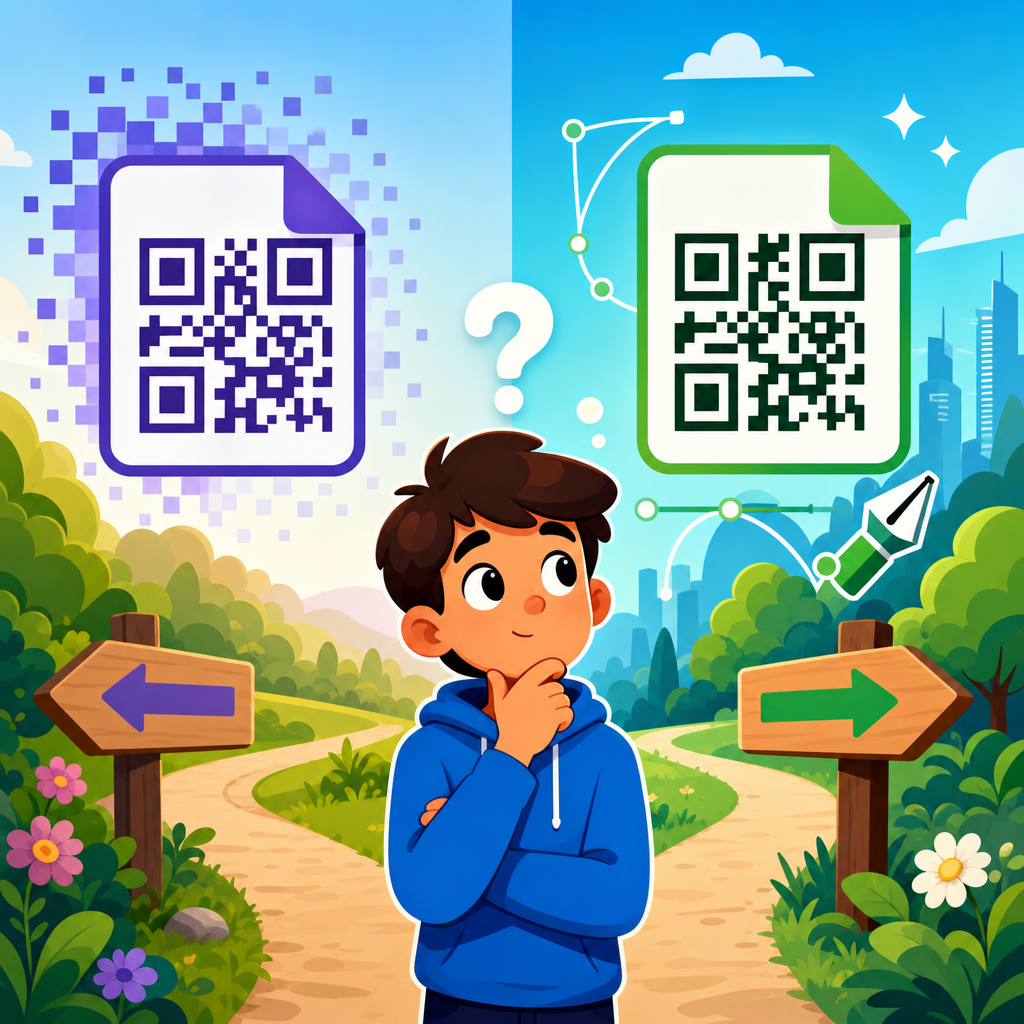
File format selection is another frequent source of trouble. Vector formats are essential for print because they scale cleanly on large signage and remain crisp for professional production. PNG files are acceptable for digital use when exported at sufficient resolution, but screenshotting a code from a dashboard often creates blur, compression artifacts, or accidental cropping. Kits should specify exact export settings, recommended dimensions, and naming structures such as campaign-channel-size-version. Production notes should also address material finishes. Glossy laminates, metallic inks, embossing, and curved surfaces can all reduce scan reliability. In packaging, I prefer matte finishes and flat panels whenever possible, with a human-readable short URL as fallback for accessibility and resilience.
Call-to-action design deserves the same rigor as code generation. “Scan me” is weaker than a benefit-led instruction such as “Scan for setup video,” “Scan to claim 15% off,” or “Scan to check in.” The CTA should answer three questions immediately: what the user gets, how long it takes, and whether there is any cost or sign-up required. I have repeatedly seen scan rates improve simply by replacing vague prompts with direct, low-friction language. For accessibility, use readable type sizes, avoid burying the code in clutter, and provide nearby text alternatives. Teams creating resource libraries should make these rules part of every downloadable kit so local users do not have to rediscover them by trial and error.
Tracking, governance, and version control for reusable kits
Measurement turns downloadable assets into a real marketing system. Dynamic QR platforms such as Bitly, QR Code Generator Pro, Flowcode, Beaconstac, and Uniqode typically support editable destinations and scan analytics, but the raw scan number is not enough. Each kit should define a tracking taxonomy before any files are downloaded. That includes UTM parameters, campaign IDs, market codes, asset names, date ranges, and ownership fields in a central sheet or dashboard. If a company has ten regions using the same poster template, the code destination should still distinguish where the scan came from. Without that structure, reporting becomes anecdotal and optimization slows because nobody can tie results back to a placement, a CTA variant, or a location.
Governance matters just as much as analytics. A QR code marketing kit should have a clear source of truth, ideally within a digital asset management system, cloud drive with permissions, or brand portal. Each file needs version labeling, approval status, expiry date, and replacement instructions. This is especially important for limited-time offers, regulated industries, and organizations with many independent operators. I have seen expired event registration codes remain live on signs months after a campaign ended simply because local teams downloaded files once and never received an update notice. Good governance solves this with dynamic redirects, archive folders, and deprecation workflows. It also prevents the opposite problem: duplicate code creation by different departments, which fragments data and confuses customers.
Security and privacy should be part of the kit architecture, not an afterthought. If the code opens a form, coupon, payment page, or account area, the landing page must use HTTPS, load quickly, and disclose how any personal data will be used. QR phishing has made some users cautious, so brand consistency and recognizable domains build trust. Include destination previews in campaign mockups and train frontline staff to explain what the code does. For organizations creating a sub-pillar around downloadable assets, these governance templates, naming standards, and compliance checklists are some of the most valuable resources to publish because they help teams scale QR responsibly, not just creatively.
How to build a resource hub that supports every downloadable asset article
As the hub for downloadable assets within a larger QR code resources library, this page should guide readers from broad concepts to task-specific tools. The most helpful structure groups content by use case, asset type, and skill level. New users need starter templates, print specs, CTA examples, and a quick testing checklist. More advanced users want editable campaign kits, measurement frameworks, packaging guidance, and multi-location governance. Supporting articles can branch into poster templates, business card QR files, retail signage packs, event lead capture kits, restaurant table tent downloads, email and social bundles, packaging insert templates, and analytics spreadsheets. The hub should explain how these pieces fit together so readers understand when to download a single file versus a full campaign package.
From an editorial perspective, consistency is critical. Use shared terminology for static versus dynamic codes, keep file descriptions precise, and state compatibility clearly for Canva, Figma, Adobe Illustrator, InDesign, PowerPoint, or Google Slides assets. Every downloadable page should answer practical questions up front: what is included, who it is for, how to customize it, what print or export settings to use, and how to test before launch. In my experience, the best resource centers also include preview images, sample outcomes, and troubleshooting notes. That extra clarity reduces support requests and increases adoption because users can self-serve with confidence. When the hub connects all those resources cleanly, it becomes more than a directory; it becomes the operating guide for QR execution across the organization.
Downloadable QR code marketing kits work because they reduce friction at every stage: planning, design, approval, production, launch, and measurement. The strongest kits package more than a scannable square. They include channel-ready files, persuasive CTAs, mobile-first destinations, tracking standards, governance rules, and testing instructions that protect scan performance in real environments. Whether the goal is retail conversion, event registration, product onboarding, restaurant ordering, or post-purchase retention, the same principle holds: standardized assets create faster deployment and better outcomes. If you are building out your QR Code Resources, Templates & Tools library, start by organizing downloadable assets into clear categories, publish complete kits instead of isolated files, and make every download immediately usable. That approach saves time, supports local teams, and turns QR campaigns into repeatable infrastructure rather than one-off creative projects.
Frequently Asked Questions
What is a downloadable QR code marketing kit, and what should it include?
A downloadable QR code marketing kit is a packaged collection of ready-to-use campaign assets built around one or more QR codes, designed so teams can launch promotions quickly without having to create every piece from scratch. Instead of generating a QR code and then separately designing posters, social graphics, signage, inserts, and tracking materials, the kit brings everything together in one organized file set. That makes it easier for marketing teams, sales teams, franchise locations, event staff, and external partners to use the same approved materials while maintaining a consistent brand experience.
A strong kit typically includes both creative assets and operational guidance. On the creative side, that often means printable posters, flyers, point-of-sale signs, packaging inserts, email banners, social media graphics, digital ads, event signage, presentation slides, and landing page copy that supports the scan action. On the operational side, it should include the QR code files themselves in the right formats, size guidance, print specifications, placement recommendations, campaign instructions, calls to action, brand rules, and performance measurement templates. Some kits also include UTM tracking structures, naming conventions, testing checklists, and editable source files so teams can localize content without breaking the core campaign design. The best downloadable kits do more than provide artwork; they create a repeatable system for launching QR-based campaigns accurately and efficiently.
Why are downloadable QR code marketing kits useful for teams managing multiple campaigns or locations?
Downloadable kits are especially valuable when multiple people, departments, or locations need to execute the same campaign. Without a kit, each team may create its own version of a poster, choose a different call to action, resize the QR code improperly, or send traffic to the wrong destination. That creates inconsistency, slows down rollout, and increases the risk of avoidable scan failures. A downloadable kit solves this by giving everyone access to the same approved assets and instructions, which helps standardize campaign execution from the start.
This matters even more for organizations with distributed operations such as retail chains, restaurant groups, franchises, field marketing teams, trade show staff, and regional sales offices. When a kit is downloadable, teams can access files immediately, use the latest version, and deploy materials without waiting on repeated design requests. It reduces dependency on internal creative resources for every variation and shortens the time between campaign planning and launch. It also improves quality control because the code placement, contrast, spacing, and messaging have already been considered. In practical terms, that means fewer production mistakes, faster approvals, stronger brand consistency, and more reliable measurement across channels and locations.
How do downloadable QR code marketing kits help prevent common QR code production mistakes?
One of the biggest advantages of a well-built QR code marketing kit is that it reduces the errors that often make codes difficult or impossible to scan. Many scanning issues happen during production rather than code generation. For example, teams may shrink the code too much, place it on a busy background, remove the quiet zone, distort the proportions, use low contrast colors, export low-resolution files, or print on reflective materials that interfere with readability. These are common mistakes, and they can hurt campaign performance even when the destination link itself is correct.
A good downloadable kit prevents those issues by supplying approved file types such as SVG, PNG, or PDF, along with clear usage rules. It should specify minimum sizes for print and digital formats, define required padding around the code, recommend high-contrast color combinations, and explain where the code should and should not be placed. It should also include examples of strong calls to action, because a code that scans perfectly can still underperform if people do not understand why they should scan it. Some kits go further by including preflight checks, scan-testing instructions across different devices, and mockups for real-world placements such as storefront windows, packaging, table tents, posters, or email footers. By giving teams both the assets and the standards, downloadable kits help protect scannability before materials ever reach the public.
What file formats and assets are most important in a downloadable QR code marketing kit?
The most important formats depend on where the campaign will appear, but in most cases a complete kit should support print, digital, and editable production needs. For the QR code itself, vector files such as SVG, EPS, or print-ready PDF are essential because they scale cleanly for large signage and professional printing. High-resolution PNG files are useful for web pages, presentations, email graphics, and quick-use digital placements. If teams or partners need to make localized edits, layered design files such as Adobe Illustrator, Photoshop, Canva templates, or presentation templates can make rollout much easier while preserving brand consistency.
Beyond the code files, the kit should include assets tailored to actual use cases. That often means posters in common print sizes, social posts in platform-ready dimensions, story graphics, email headers, web banners, landing page modules, event booth signage, product insert cards, direct mail elements, and internal instruction sheets. Measurement tools are just as important as visual materials, so the kit should ideally include destination URLs, UTM-tagged link structures, campaign naming guidance, analytics templates, and reporting fields for scan volume, conversion actions, and channel performance. A strong kit is not just a folder of graphics; it is a campaign deployment package that helps teams publish, test, track, and optimize QR-driven marketing in a structured way.
How should businesses measure the success of a campaign using a downloadable QR code marketing kit?
Success should be measured beyond simple scan counts. While total scans provide a useful top-line view of engagement, they only tell part of the story. The real question is whether the QR code helped move people toward a meaningful business outcome. Depending on the campaign, that might include purchases, form submissions, coupon redemptions, app downloads, event registrations, menu views, appointment bookings, product page visits, or time spent on a landing page. A downloadable marketing kit becomes much more valuable when it includes the measurement framework needed to connect scans to those results.
Businesses should start by assigning a clear purpose to each QR code placement and using trackable destination links with structured campaign parameters. That allows teams to compare performance by channel, location, asset type, audience segment, or time period. For example, a packaging insert may generate fewer scans than a store poster but produce a much higher conversion rate, which makes it more valuable. It is also smart to monitor operational metrics such as scan-to-landing-page load speed, bounce rate, device mix, and completion rate on the destination page. If the kit is being used across multiple teams or regions, reporting consistency matters as much as the numbers themselves. Standardized templates, naming conventions, and dashboards make it easier to identify which assets work best and where adjustments are needed. In short, the most effective way to measure a QR kit campaign is to track scans, downstream actions, and asset-level performance together so decisions are based on outcomes, not just activity.