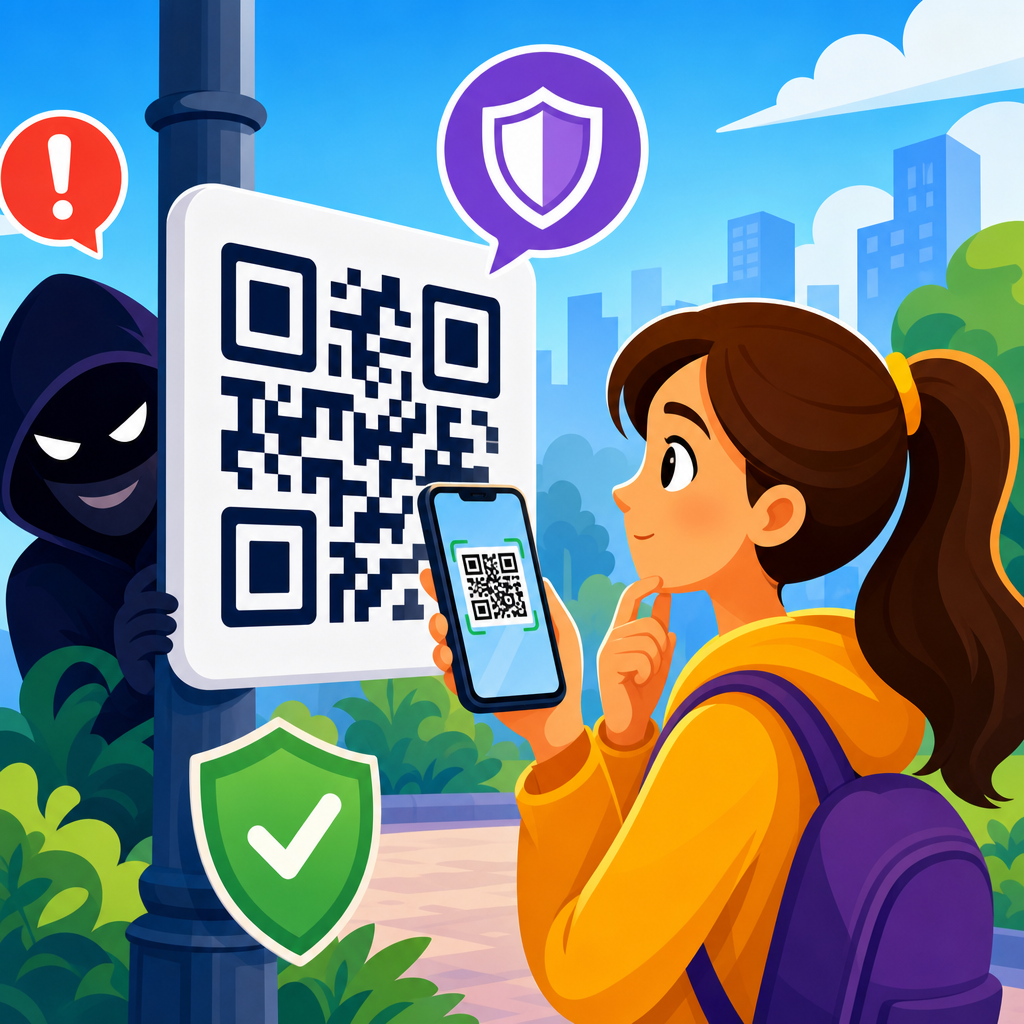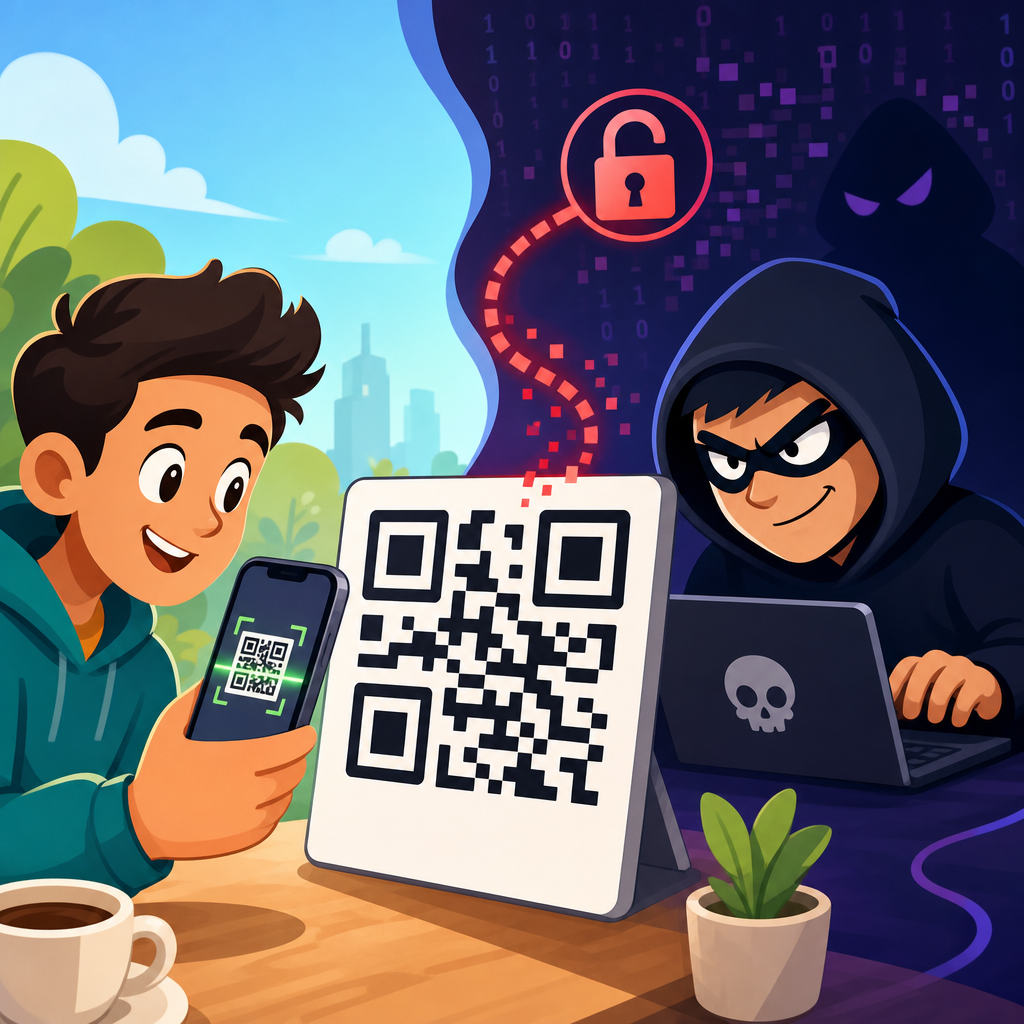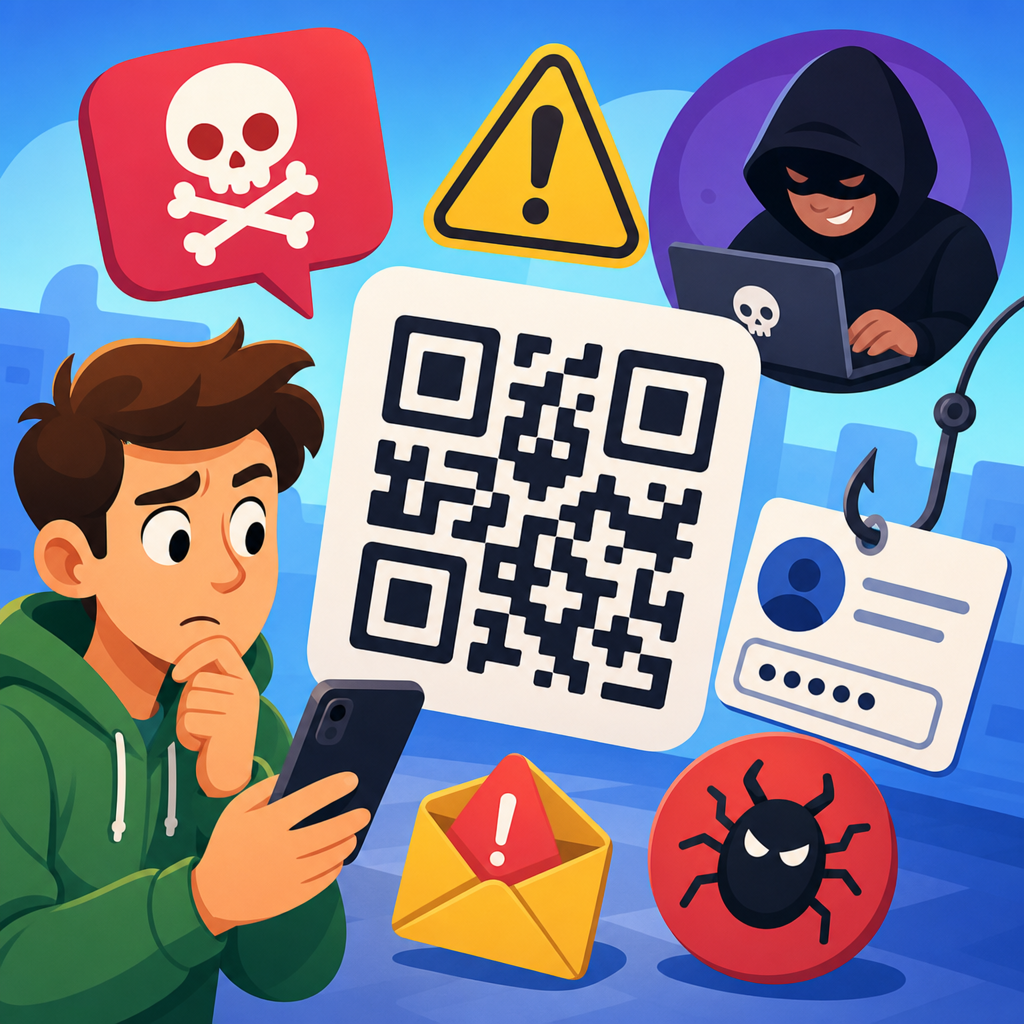
QR codes are safe for businesses when they are created, distributed, scanned, and governed with the same security controls applied to any other digital touchpoint. A quick response code is simply a machine-readable symbol that stores data such as a URL, contact card, payment string, coupon identifier, or device configuration command. The code itself is not malicious; the risk comes from what it points to, who controls it, and how employees or customers interact with it. Businesses use QR codes on packaging, restaurant tables, invoices, posters, event badges, direct mail, and product manuals because they reduce friction between an offline moment and an online action. That convenience explains why safety matters. A compromised code can redirect a customer to a phishing page, trigger an unwanted payment request, or collect personal information through a fake form. In my work reviewing campaign assets and customer journeys, the safest QR code programs are never treated as a design detail. They are managed like a miniature web platform, with domain controls, analytics oversight, change management, and clear incident response steps. If you are asking, “Are QR codes safe?” the practical answer is yes, but only when the business treats them as part of its cybersecurity and privacy program rather than as a shortcut for marketing.
Business leaders also need to separate physical security from digital security. A QR code printed on a storefront window can be tampered with using a sticker. A dynamic QR code routed through a link management platform can be changed later without reprinting. A customer may trust a code because it appears on branded material, yet still be exposed if the destination page is poorly secured, loaded on an unmaintained domain, or designed to capture excessive data. That is why QR code safety sits at the intersection of brand governance, web security, fraud prevention, and customer experience. It affects conversion rates, payment integrity, compliance exposure, and reputation. For companies building a broader QR code security and privacy strategy, this hub explains the main risks, the controls that matter most, the tradeoffs between static and dynamic QR codes, and the operational practices that keep campaigns safe at scale.
What makes a QR code safe or unsafe for a business?
A safe QR code is one that leads users to an intended, verified, and secure destination, with minimal opportunity for tampering or misuse. In practice, that means the code resolves to a business-controlled domain using HTTPS, the destination content is maintained, and the user understands what action is expected. An unsafe QR code is usually not dangerous because of the image pattern itself. It becomes risky when it conceals a deceptive destination, routes through a compromised redirect, triggers a payment or login flow without proper verification, or is placed where attackers can replace it. This is the same trust problem seen with shortened links, but amplified by the fact that people cannot visually inspect the destination before scanning.
For businesses, QR code risk usually falls into five categories. First is phishing, often called quishing, where a code opens a fake login page for Microsoft 365, Google Workspace, payroll, or banking. Second is payment fraud, where altered codes route money to an attacker-controlled wallet or account. Third is privacy overcollection, where the landing page asks for more personal data than is necessary for the transaction. Fourth is brand impersonation, where counterfeit packaging or posters use lookalike codes. Fifth is operational drift, where old codes continue pointing to expired domains or pages that have been repurposed. I have seen companies spend heavily on print campaigns only to discover that a forgotten redirect pointed users to a parked domain full of ads. That is a security issue and a trust issue at the same time.
Common QR code threats businesses need to understand
The most common threat is malicious redirection. Attackers place sticker overlays on parking meters, restaurant tables, public kiosks, and retail displays so scanners reach a fraudulent page instead of the intended one. The Federal Trade Commission has warned consumers about QR code scams in payment and account verification contexts, and law enforcement agencies routinely issue alerts when fake codes appear in public spaces. Businesses should assume that any code displayed in an unattended location can be physically altered. Protective design choices help, but regular inspection and employee awareness are essential.
Another major threat is credential theft. Because mobile users often complete tasks quickly, a QR code that opens a realistic sign-in page can capture usernames, passwords, and even multifactor prompts. Email security vendors such as Microsoft and Cisco have both highlighted growth in QR-based phishing because codes can evade simple text-based detection methods. The business consequence is not limited to the employee who scanned the code. A compromised account can lead to invoice fraud, data exposure, and lateral movement inside cloud systems.
Payment manipulation is equally serious. Businesses increasingly use QR codes for account-to-account payments, mobile wallets, invoice settlement, and self-service checkout. Standards such as EMV QR Code Specification provide structure for payment data, but implementation still matters. If a merchant prints a code that encodes a static destination account, anyone who replaces it can divert funds. If the workflow sends customers to a payment page, the page must display merchant identity clearly and use transport encryption. In regulated sectors, that payment path may also need fraud monitoring, device intelligence, and strong customer authentication depending on geography and method.
Privacy risk often receives less attention, yet it is central for businesses collecting leads, registrations, feedback, support requests, or health-related information through QR codes. A code that opens a form can become a data collection endpoint. If the form lacks a privacy notice, consent language, retention rules, or access controls, the issue is not the QR code but the noncompliant process it enabled. I advise teams to map every code to a data purpose and retention policy before launch, especially when codes appear in physical spaces where people may feel nudged to scan without context.
Static vs dynamic QR codes: which is safer?
Static QR codes directly encode the final destination or payload. Once printed, they cannot be changed without producing a new code. Dynamic QR codes encode a short URL or redirect that can be updated later through a management platform. Neither type is automatically safer in every scenario. Static codes reduce dependence on a third-party redirect service and eliminate one layer where links can be changed. Dynamic codes offer stronger control because a business can update destinations, pause a campaign, rotate links, and collect analytics without reprinting materials. For most organizations running ongoing campaigns, dynamic QR codes are safer because they support governance and incident response, but only if the redirect platform is reputable and properly secured.
| Factor | Static QR Codes | Dynamic QR Codes |
|---|---|---|
| Change control | Cannot edit destination after printing | Destination can be updated centrally |
| Incident response | Requires reprint or physical removal | Can disable or reroute immediately |
| Third-party dependency | Low if using direct business URL | Higher because redirect platform matters |
| Analytics | Limited to landing page analytics | Usually includes scan data and device context |
| Long-term maintenance | Risk if destination URL changes later | Easier to preserve working links over time |
When choosing between them, ask a simple question: what happens if the target needs to change tomorrow? If the answer is expensive reprinting, static may create more business risk than security benefit. On the other hand, if you use dynamic codes, verify ownership of the custom domain, enable multifactor authentication on the platform account, restrict editor permissions, and document who can change destinations. A dynamic QR code managed carelessly is less safe than a static code printed to a stable, well-secured URL.
How businesses can make QR codes safe in practice
The strongest control is destination ownership. Every business QR code should resolve to a domain the business controls, not a generic link shortener with weak visibility. A custom subdomain such as go.brand.com or scan.brand.com improves trust and simplifies monitoring. Use HTTPS everywhere, maintain valid TLS certificates, and avoid unnecessary redirect chains. Keep landing pages lightweight and mobile-friendly so users do not bounce before they can verify the page. If the scan initiates a payment, display the merchant name, amount, and purpose clearly before completion. If the scan opens a login page, challenge whether that login should exist at all on mobile and whether a safer deep link or one-time token could be used instead.
Physical protection matters too. Print QR codes in ways that make tampering obvious. Use branded frames, surrounding text, serial identifiers, or microcopy such as “Only scan codes that show brand.com in your browser.” On posters and menus, place codes where employees can inspect them regularly. For high-risk use cases such as invoices or public payment stations, pair the code with a human-readable URL and transaction reference so a customer has a second path to verify authenticity. Some organizations also use tamper-evident labels or integrate codes into packaging designs that are hard to cover cleanly with a sticker.
Operational governance is where many programs succeed or fail. Maintain a QR code inventory with owner, purpose, destination, campaign dates, physical locations, vendor dependencies, and decommission date. Review active codes on a schedule, just as you would review public web pages or DNS records. In larger companies, route new QR requests through marketing operations and security review together. That prevents a common problem I have encountered: teams generating ad hoc codes through free tools, then losing control of where those codes point or whether the service will remain available.
Privacy, compliance, and customer trust considerations
QR code safety is not only about blocking scams. It is also about collecting and processing data responsibly. If a code opens a lead form, warranty registration, patient intake page, or employee survey, the business must disclose what data is collected, why it is needed, how long it will be retained, and who can access it. Depending on jurisdiction, laws such as the GDPR, CCPA, and sector-specific rules may apply. The easiest mistake is to treat a QR campaign as temporary and skip the privacy review that a standard web form would receive. Regulators do not view it that way. If the code starts a data collection journey, all normal obligations still apply.
Analytics require special care. Dynamic QR platforms often record timestamp, approximate location, device type, operating system, and referral context. That can be valuable for campaign measurement, but businesses should collect only what is necessary and ensure contracts with vendors cover data handling, breach notification, and retention. If analytics are combined with customer profiles, loyalty systems, or payment data, internal access should be restricted and logged. Customers tend to trust QR experiences when the landing page immediately explains what will happen next. They distrust codes that open a generic form with no brand context, no privacy explanation, and no obvious support contact.
Best tools, standards, and policies for secure QR deployments
Businesses do not need exotic technology to secure QR codes, but they do need disciplined use of established controls. Use a reputable QR management platform or your own redirect infrastructure. Protect administrative access with multifactor authentication, single sign-on where possible, and role-based permissions. Monitor destination URLs with standard web security practices, including vulnerability scanning, uptime alerts, certificate monitoring, and content review. For payment use cases, align implementations with recognized payment standards and provider guidance. For internal workflows, use mobile device management and phishing-resistant authentication to reduce the damage from credential harvesting attempts.
Policy should be equally concrete. Define who may generate codes, approved use cases, naming conventions, required domain patterns, review cadence, and retirement steps. Train frontline staff to recognize sticker overlays and suspicious redirects. Train finance teams never to trust QR-based payment changes without independent verification. Include QR-specific scenarios in incident response playbooks: who disables a dynamic code, who checks physical locations, who notifies customers, and how evidence is preserved. The businesses that handle QR codes well are rarely the ones with the fanciest design. They are the ones with clear ownership, tight domain control, and a repeatable review process.
Are QR codes safe for businesses? Yes, when businesses control the destination, protect the management layer, inspect physical placements, and respect privacy obligations. The biggest mistake is thinking of a QR code as a harmless image rather than a doorway into payments, logins, marketing funnels, and data collection. Safe programs start with verified domains and secure landing pages, then add governance: inventory, permissions, monitoring, tamper checks, and retirement rules. Dynamic QR codes are often the safer operational choice because they support rapid changes and incident response, but only if the platform itself is secured. Static codes remain useful for stable destinations where long-term URL control is certain.
The practical takeaway is simple. Treat every business QR code like a public link with a physical wrapper. If you would not publish an unaudited redirect, an unmanaged form, or an unverified payment page, do not hide it behind a scannable square. Review your current codes, document owners, confirm destinations, and remove anything you cannot verify. Then build a standard for future campaigns so safety is designed in from the start. A careful QR code strategy protects customers, reduces fraud exposure, and preserves the trust that makes scanning convenient in the first place.
Frequently Asked Questions
Are QR codes inherently safe for businesses to use?
Yes, QR codes themselves are generally safe for businesses because a QR code is simply a machine-readable way to store information such as a website address, payment string, contact card, coupon identifier, or device setup command. The symbol itself is not dangerous in the way malware is dangerous. The real security issue depends on the destination encoded in the code, who created it, who can edit it, where it is displayed, and how people interact with it. In practical terms, QR codes should be treated like any other digital touchpoint, such as a clickable link in an email, a button on a website, or a short URL in a text message.
For businesses, that means QR code safety is less about the graphic image and more about governance and control. If a company generates codes through trusted platforms, points them to secure destinations, monitors those destinations over time, and trains employees and customers on what to expect, QR codes can be a low-risk and highly effective tool. Problems usually arise when businesses use codes without oversight, allow redirects to be changed without approval, or fail to detect tampering in physical locations. With proper controls in place, QR codes can be used confidently for marketing, payments, support, ticketing, logistics, and customer engagement.
What are the biggest security risks businesses should watch for with QR codes?
The biggest risks usually involve destination abuse, physical tampering, and weak operational controls. A QR code can send someone to a phishing page, fake login screen, fraudulent payment flow, or malicious file download if the linked content is compromised or intentionally deceptive. This is especially important for dynamic QR codes, where the visible image may stay the same while the destination can be changed behind the scenes. If access to that destination is not tightly controlled, an attacker or unauthorized insider could quietly redirect traffic without changing the printed code.
Physical replacement is another major concern. A scammer may place a sticker with a fake QR code over a legitimate one on a poster, parking meter, restaurant table, or product display. Customers often scan quickly and trust what appears to be an official sign, which makes tampering effective if businesses are not routinely inspecting printed materials. In internal business settings, QR codes can also create risk if they link to device configuration profiles, software downloads, Wi-Fi credentials, or internal portals without proper authentication and review.
There are also privacy and compliance considerations. Some QR campaigns collect user data, trigger app downloads, or track location and engagement behavior. If businesses do not disclose data practices clearly or secure collected information properly, the issue becomes broader than QR safety alone and moves into consumer trust and regulatory exposure. The takeaway is straightforward: the code is not the threat by itself, but the surrounding process can introduce risk if it is not managed carefully.
How can a business make its QR codes more secure?
The best approach is to apply the same security discipline used for websites, payment pages, and digital campaigns. Start by creating QR codes only through approved tools and trusted vendors. Point them to HTTPS-secured destinations on domains your business controls whenever possible. Limit who can generate, edit, or replace QR code destinations, especially for dynamic codes. Access should be restricted through role-based permissions, strong passwords, and ideally multi-factor authentication. If a code links to sensitive actions such as payments, account access, downloads, or device onboarding, the linked destination should have its own security controls as well.
Governance matters just as much as technology. Keep an inventory of where QR codes are used, what each one does, when it was deployed, and who owns it internally. Review active codes on a schedule to confirm they still point to the intended destination and have not been abandoned. For printed codes in public locations, include tamper-evident placement, regular visual inspections, and branding cues that help users recognize official materials. Many businesses also add a visible plain-text URL near the code so users can verify the destination before interacting.
It is also smart to think about the user experience from a security standpoint. Avoid sending users directly into confusing login screens, unexplained payment pages, or downloads with little context. Instead, route scans to branded landing pages that clearly explain what the user is about to do. Logging and analytics are useful too, not just for marketing performance but for detecting anomalies such as unexpected traffic spikes, scans from unusual regions, or sudden changes in conversion behavior. In short, secure QR code use comes from combining technical safeguards, clear ownership, destination monitoring, and regular review.
Are QR codes safe for payments, customer sign-ins, and other sensitive business uses?
They can be, but the level of safety depends on how carefully the underlying process is designed. For payments, QR codes are widely used and can be secure when they direct users to legitimate, encrypted payment systems operated by trusted providers. The key is that the business must control the payment destination, verify the provider’s security practices, and protect against code replacement in physical locations. A secure payment QR experience should make it obvious who is being paid, how much is being charged, and which processor is handling the transaction. If those details are vague or inconsistent, trust drops quickly and fraud risk rises.
For sign-ins and account-related actions, businesses should be more cautious. A QR code that opens a login page is not unsafe by default, but it can be exploited if users are trained to scan without verifying the site. This is why branded domains, HTTPS, and strong anti-phishing design are so important. If the QR code is part of an authentication workflow, it should work alongside established protections such as single sign-on, session management, expiring tokens, and multi-factor authentication. QR codes are best viewed as a delivery mechanism, not as a security control on their own.
For other sensitive functions such as employee onboarding, Wi-Fi access, support portals, or software setup, the same rule applies: the QR code should only initiate a secure, well-governed process. Businesses should avoid encoding overly sensitive information directly into a static code when that information could be exposed or copied. Instead, use the code to point to a secure system that validates the user, provides the necessary context, and logs the interaction. When the surrounding workflow is designed properly, QR codes can support sensitive tasks safely and efficiently.
What should businesses tell employees and customers about scanning QR codes safely?
Businesses should give practical, simple guidance that reinforces trust without creating unnecessary fear. Employees and customers should know that an official QR code will usually appear in a branded, expected context and lead to a recognizable destination. Encourage people to pause before scanning codes posted in public places, especially if a sticker looks newly added, poorly aligned, or placed over an existing code. If the scanning device previews a link before opening it, users should check that the domain looks legitimate and matches the business name or campaign they expect.
It is also helpful to set expectations clearly. Tell people what a specific QR code is for, whether it should lead to a menu, invoice, payment page, event check-in, support page, or product details. The more context users have, the less likely they are to be tricked by a fake substitute. For employee use cases, training should cover phishing awareness, safe handling of QR-linked downloads or configuration prompts, and reporting procedures if something looks suspicious. Employees should know not to assume a QR code is safe simply because it appears in an office, retail location, or printed document.
For customers, transparency builds confidence. Businesses can display official URLs near QR codes, explain what happens after scanning, and provide alternative ways to access the same content for anyone who prefers not to scan. If a business ever discovers a compromised or tampered QR code, it should remove it quickly, investigate where else the issue may exist, and communicate clearly if customers may have been affected. In the long run, the safest QR code strategy combines secure deployment with user education, because informed users are far less likely to fall for malicious redirects or fake payment requests.