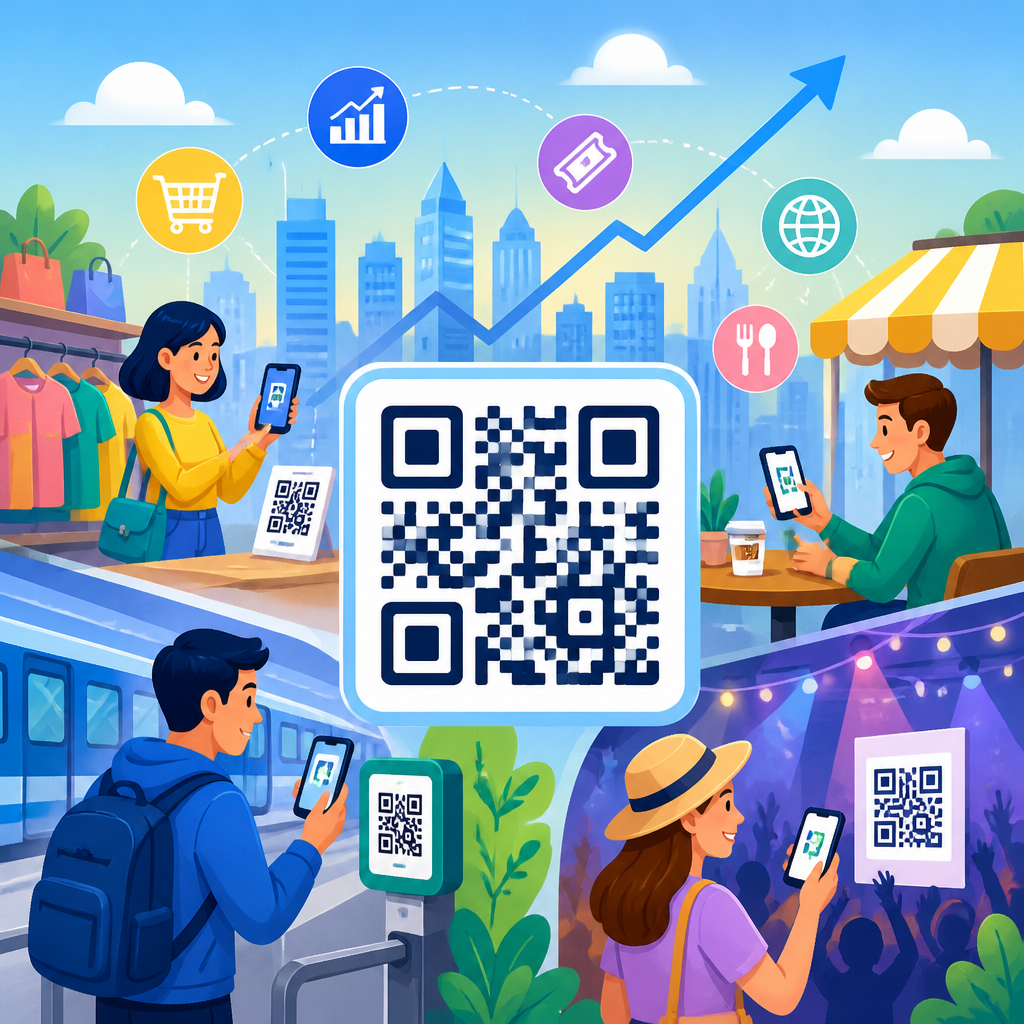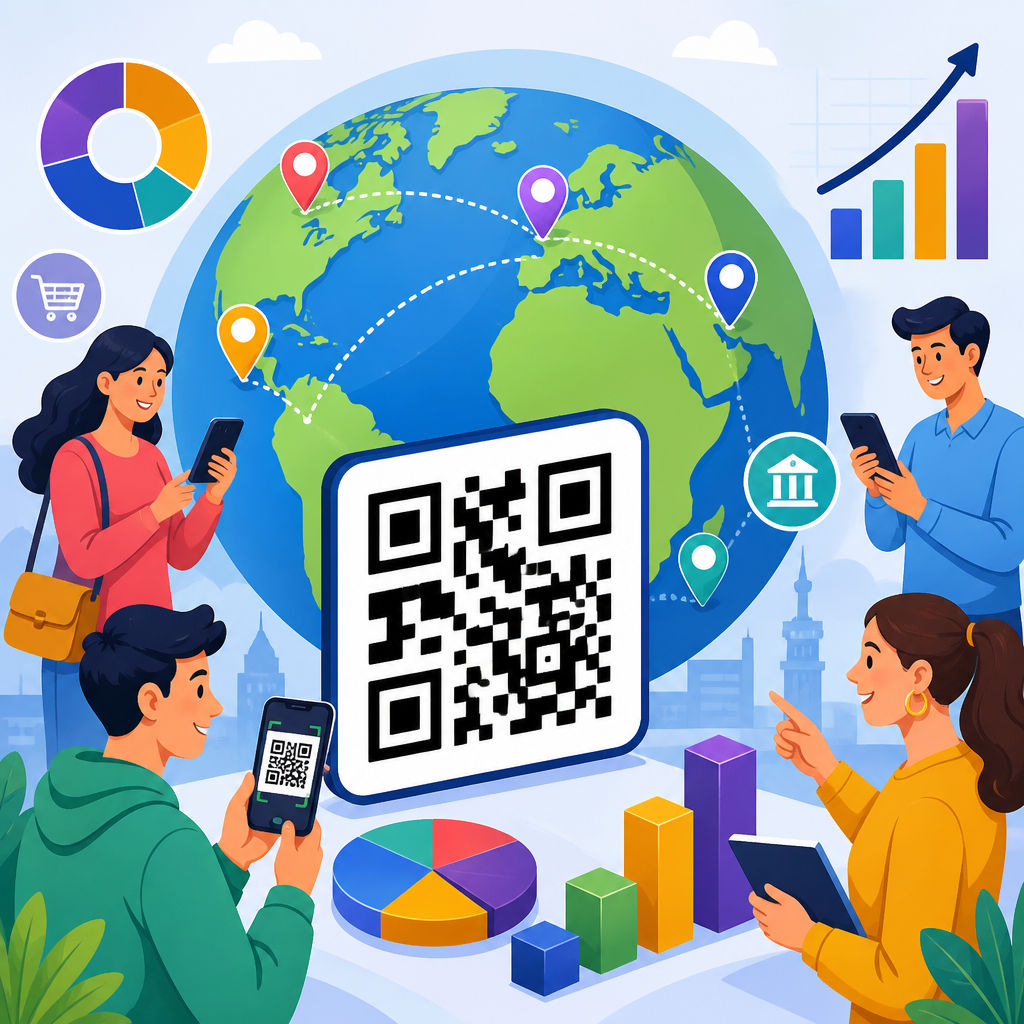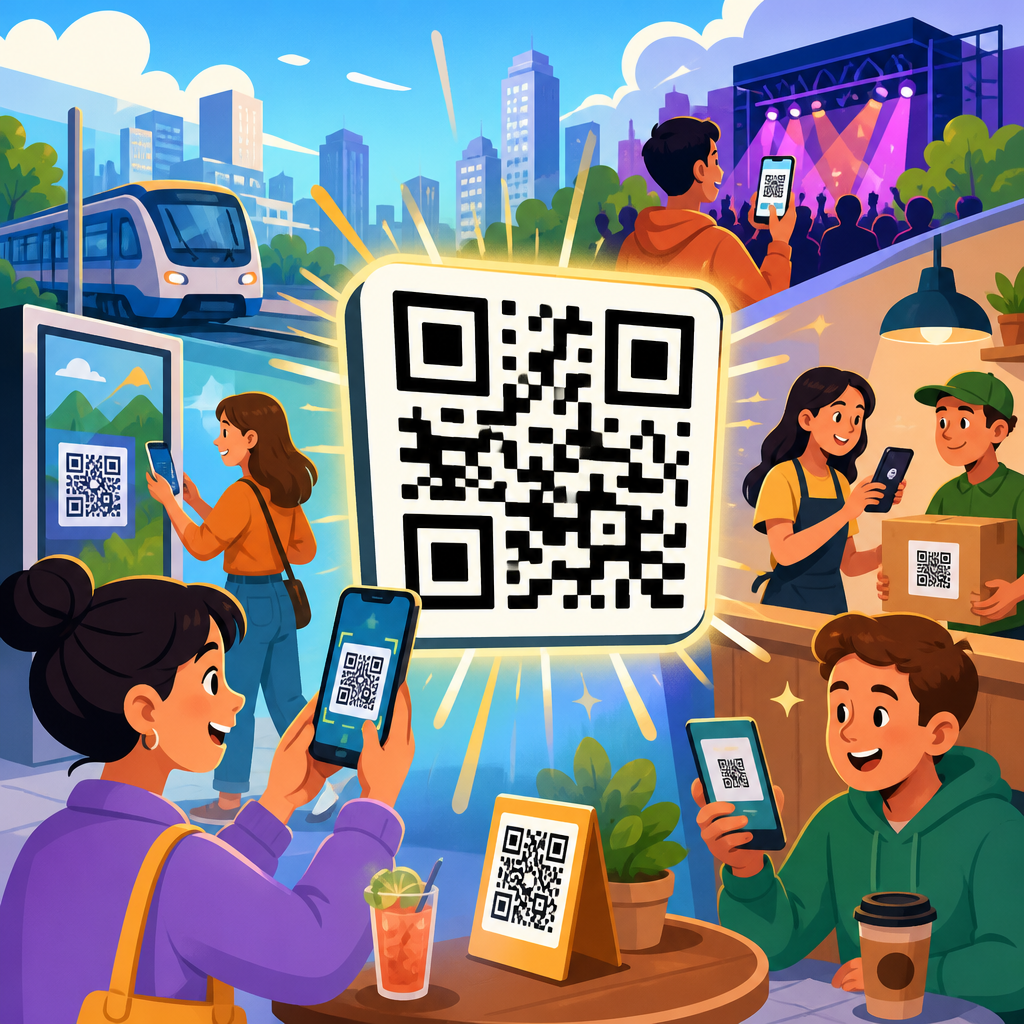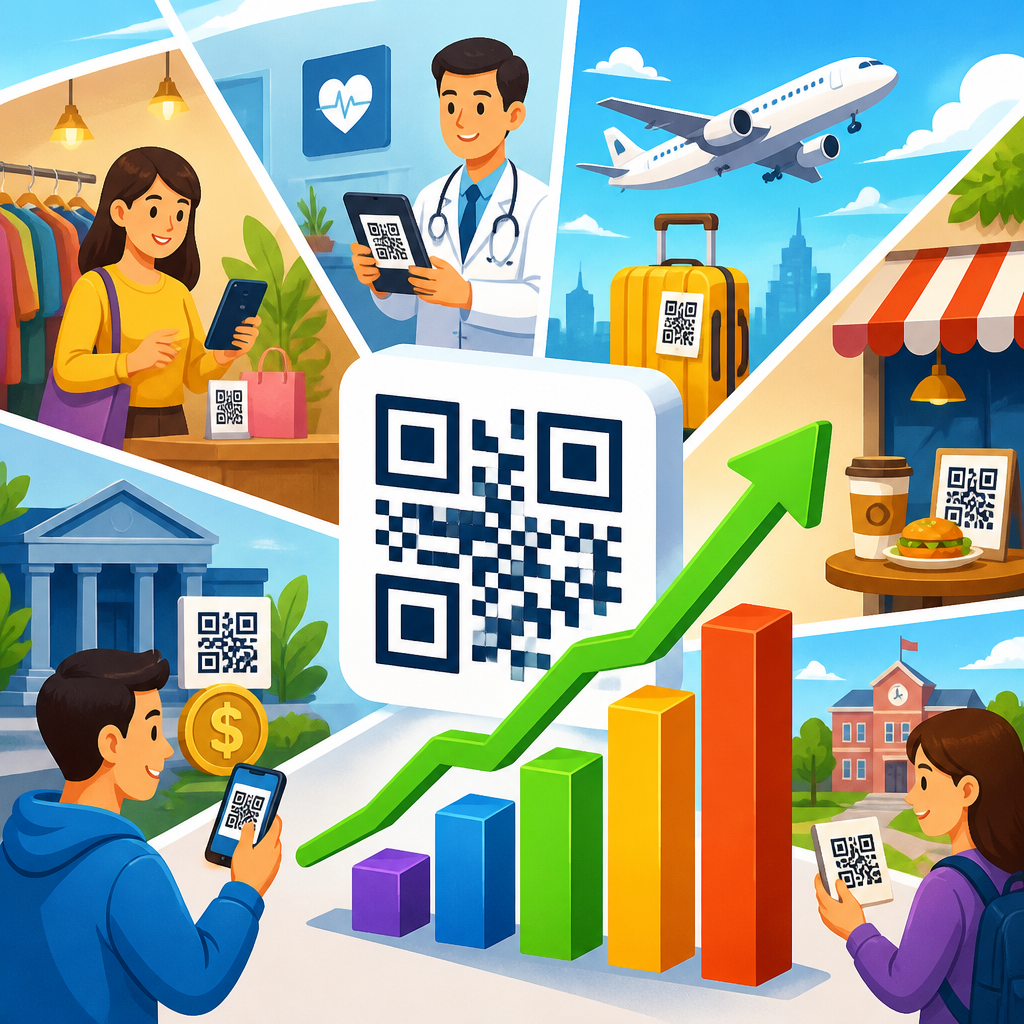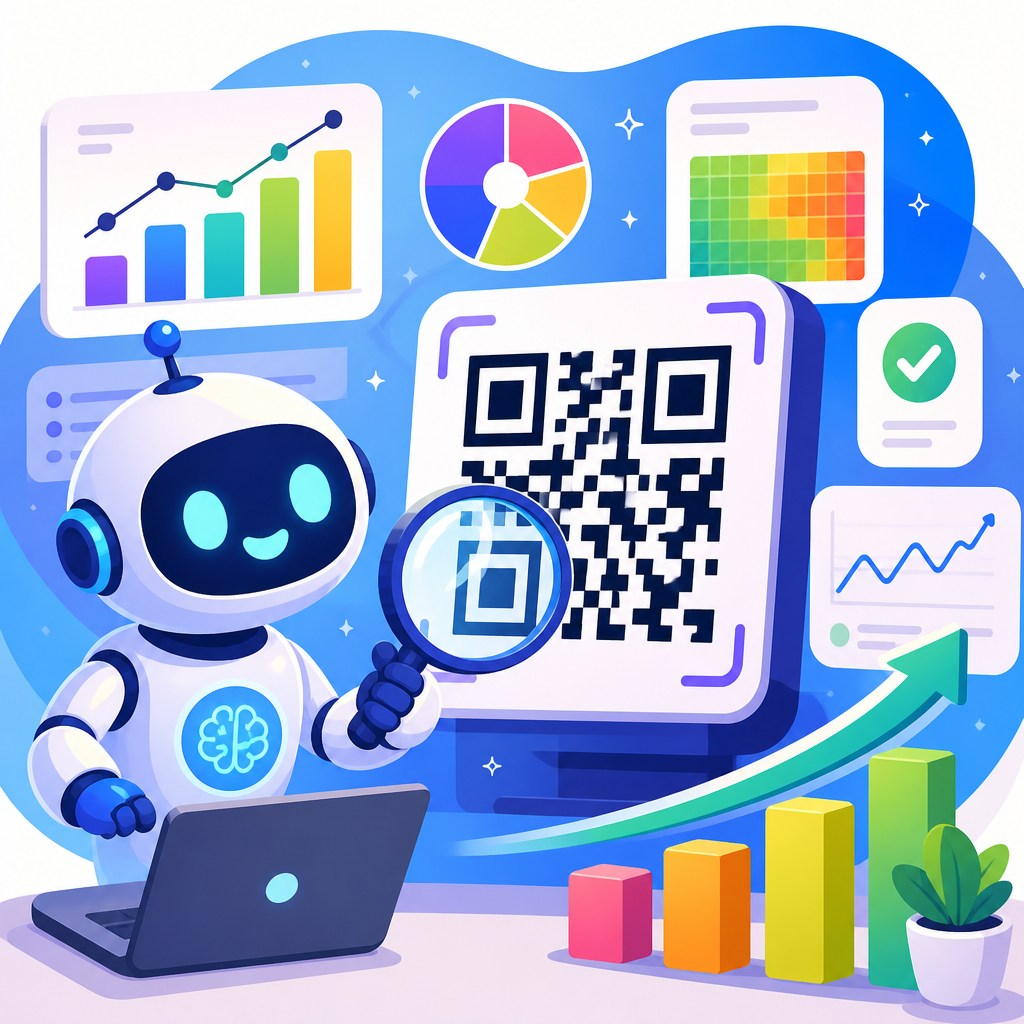
Using AI to optimize QR code performance has moved from an experimental tactic to a practical growth strategy for brands, publishers, retailers, and event teams that rely on measurable offline-to-online engagement. In simple terms, QR code performance means how reliably a code scans, how often people scan it, what they do afterward, and whether the campaign achieves a business goal such as purchases, signups, app installs, or support deflection. AI improves each stage by analyzing scan behavior, predicting design risks, personalizing destinations, detecting fraud, and automating testing at a scale that manual workflows rarely match.
I have worked on QR programs for packaging, retail displays, direct mail, and field events, and the pattern is consistent: most underperforming codes do not fail because QR technology is weak; they fail because teams publish static experiences, ignore context, and measure only scans instead of outcomes. A code placed on a shelf talker behaves differently from one printed on a bus shelter or embedded in a restaurant menu. AI helps model those differences. It can identify which call to action drives more scans, which landing page loads fastest on lower-end phones, and which geographies produce suspicious traffic spikes that deserve review.
For a hub article on QR Codes plus AI, the key idea is straightforward. AI does not replace the fundamentals of QR deployment. You still need sufficient contrast, quiet zones, error correction, mobile-friendly destinations, and analytics governance. What AI adds is decision quality. It turns scattered campaign data into recommendations that improve scan rate, completion rate, and return on print spend. That matters because QR codes now sit at the center of packaging, connected products, ticketing, restaurant ordering, patient education, and omnichannel attribution. As usage expands, the teams that optimize intelligently will outperform teams that treat QR as a one-time graphic asset.
How AI improves QR code design, placement, and scan reliability
The first job of optimization is making sure a QR code scans quickly in real conditions. AI can evaluate design variables before anything is printed. Computer vision models test contrast ratios, logo intrusion, module density, blur tolerance, and likely scan success at different distances. In practice, this prevents common mistakes such as shrinking a code too far on flexible packaging, placing it over reflective laminate, or using brand colors that look distinct to a designer but collapse under low light. A reliable code is not just technically valid; it is robust across camera quality, glare, motion, and inconsistent network conditions.
Placement decisions also benefit from prediction. If you have historical scan data, AI models can estimate performance by surface type, viewing angle, and dwell time. In one retail rollout I supported, endcap signage outperformed shelf-edge labels not because the offer changed, but because shoppers had a full second longer to frame the code without obstructing other customers. AI can quantify that kind of contextual effect. It can compare eye-level placement against lower placement, estimate expected scans per thousand impressions, and flag combinations likely to underperform before production budgets are committed.
Generative design tools can help produce variations faster, but they should be constrained by scanning rules. The best workflow uses a QR generator with dynamic destination support, then validates every variation with device testing. Established platforms such as Bitly, QR Code Generator Pro, Uniqode, and Adobe Express can fit into this process, while teams often pair them with analytics from Google Analytics 4 and heat mapping or experimentation tools on the destination page. AI adds value when it narrows the design set to the versions most likely to scan and convert, not when it creates novelty for its own sake.
Using predictive analytics to increase scan rate and conversion rate
Once a code is live, AI optimization shifts from readability to performance forecasting. The most useful models connect scan events to downstream outcomes. Instead of asking, “How many scans did we get,” strong teams ask, “Which variables increased qualified sessions, purchases, or completions?” Features might include location, time of day, weather, campaign creative, placement type, operating system, page load time, and referral path. With enough history, machine learning can reveal which combinations consistently produce stronger outcomes than simple aggregate reporting would show.
For example, a restaurant chain can compare table tents, window decals, takeout packaging, and loyalty emails containing QR codes. A basic dashboard shows scans by source. An AI model can go further and predict that takeout packaging scans lead to larger average order values on weekend evenings, while table tent scans are more effective for loyalty enrollment during weekday lunch. That insight changes budget allocation. Instead of printing more of everything, the brand prints the right codes in the right places and serves the right landing experiences to each audience segment.
Prediction is especially valuable for dynamic QR codes because the destination can change without reprinting. If an AI system detects declining conversion from a poster campaign, it can recommend a shorter form, a lighter page, or a region-specific offer. If scans surge in one city after a local event, the destination can pivot to inventory at the nearest store. This is where QR codes become a responsive media channel rather than a fixed bridge. The code on the surface stays the same; the experience behind it gets smarter as more data arrives.
| Optimization area | What AI analyzes | Typical action | Business impact |
|---|---|---|---|
| Scan reliability | Contrast, size, glare, camera tolerance | Adjust design, materials, or print specs | Fewer failed scans and lower wasted impressions |
| Placement | Viewing angle, dwell time, foot traffic context | Move code to higher-visibility surfaces | Higher scan rate per impression |
| Destination experience | Load time, bounce rate, form abandonment | Swap to faster pages or shorter flows | Higher conversion rate after scan |
| Audience targeting | Location, device, timing, prior behavior | Personalize landing pages and offers | More relevant sessions and better revenue per scan |
| Fraud monitoring | Anomalous geography, bot patterns, fake redirects | Flag, block, or reroute suspicious traffic | Cleaner data and lower brand risk |
Personalization, dynamic destinations, and AI-driven user journeys
The biggest performance gains usually come after the scan. A static destination treats every user the same, even though context varies sharply. AI personalization can tailor the landing page using geolocation, device type, language, campaign source, previous visits, and inventory availability. A beverage brand can route stadium attendees to a sweepstakes page while sending grocery shoppers to store locators and coupons. A manufacturer can show installation guides to existing customers and product demos to new prospects, using the same printed code family but different rules behind the redirect layer.
This is not guesswork. Recommendation systems have long improved ecommerce and media engagement, and the same logic works for QR journeys. If mobile Safari users on older iPhones abandon a heavy page, AI can steer them to a lighter destination. If repeat scanners tend to seek support, the system can surface troubleshooting and reduce call center load. If first-time users from direct mail convert better on prefilled forms, the page can prioritize that template. These adjustments often look small individually, but together they raise completion rates materially.
Personalization must still respect privacy and regulation. Teams should avoid collecting more data than needed, publish clear consent language where applicable, and align tracking with frameworks such as GDPR and CCPA. In healthcare, finance, and other regulated sectors, minimizing personal data and securing redirects is essential. AI should be used to improve relevance and operational efficiency, not to create opaque targeting that users cannot reasonably understand. The strongest programs pair personalization with governance so that performance gains remain sustainable.
AI for QR code testing, attribution, and continuous improvement
High-performing QR programs run as ongoing experiments. AI speeds testing by identifying which variables matter most and by reducing the sample waste that comes from random trial design. You can test call-to-action copy, code size, surrounding whitespace, destination page layout, incentive type, and redirect logic. Multi-armed bandit methods are particularly useful because they shift traffic toward winning variants while the test is still live. That approach is often better than a rigid 50/50 split when print impressions are expensive and campaign windows are short.
Attribution also becomes sharper when AI is layered over campaign analytics. QR codes often sit in channels that marketers once called hard to measure, such as packaging, out-of-home media, brochures, and in-store displays. With dynamic parameters, event tagging, and modeled attribution, AI can estimate incremental lift more accurately. A cosmetics brand, for instance, can connect package scans to tutorial views, add-to-cart events, and repeat purchases over time. A B2B company can tie trade show badge scans and brochure QR scans to CRM records in Salesforce or HubSpot, revealing which physical touchpoints influence pipeline creation.
Continuous improvement depends on data quality. Every scan event should capture timestamp, campaign ID, destination version, and device attributes that are appropriate to collect. Redirect logs must be clean, bot traffic should be filtered, and analytics definitions should be stable across teams. AI will amplify strong measurement, but it will also amplify messy data if governance is weak. In my experience, the fastest gains come when marketing, product, analytics, and print vendors agree on naming conventions and success metrics before assets are produced.
Security, fraud detection, and operational safeguards
As QR usage rises, so does abuse. Attackers place fraudulent stickers over legitimate codes, create lookalike destinations, or exploit short links to hide malicious redirects. AI is increasingly useful for detecting these patterns. An anomaly model can flag sudden scan spikes from impossible locations, repeated device fingerprints, or traffic that reaches the redirect but never loads the destination like a human visitor would. Computer vision can also compare field photos from retail audits against approved assets to identify tampering on posters, shelf displays, or kiosks.
Operationally, secure QR performance starts with domain control and redirect hygiene. Brands should use recognizable domains, HTTPS everywhere, and managed link infrastructure rather than disposable shorteners. If dynamic redirects are in play, role-based access and change logs are mandatory. For high-risk environments, such as ticketing or payments, signed payloads and token validation reduce spoofing risk. AI supports these controls by prioritizing alerts and surfacing the patterns most likely to indicate fraud, but it does not replace basic security architecture.
There is also a reputational dimension. If users scan a code and land on a broken, misleading, or suspicious page, trust erodes immediately. That damage can be disproportionate in healthcare, public services, and premium retail. The safest approach is to pair AI monitoring with simple user experience signals: fast load times, clear branding, concise value propositions, and visible contact paths. Reliable performance is not only a technical metric; it is a trust signal that affects whether people scan the next code your brand publishes.
AI is making QR codes more measurable, adaptive, and profitable, but the winning formula is still disciplined execution. Start with scan fundamentals, use dynamic QR infrastructure, connect scans to business outcomes, and let AI guide design, placement, personalization, testing, and security. The result is not merely more scans. It is better scans from the right audiences, followed by faster, more relevant experiences that convert.
For teams building a QR Code Trends and Innovations strategy, this topic deserves hub status because it touches every adjacent use case: smart packaging, retail media, contactless service, event operations, and product support. The common pattern is clear. AI helps you predict what will work, detect what is failing, and improve what happens next. That creates a measurable advantage in any channel where a physical code starts a digital journey.
If you manage QR campaigns today, audit one live program this week. Check scan reliability, redirect logic, landing page speed, segmentation rules, and anomaly alerts. Then prioritize the one improvement an AI workflow can automate or predict better than your current process. That is the fastest path to stronger QR code performance.
Frequently Asked Questions
How does AI improve QR code performance in practical terms?
AI improves QR code performance by helping teams optimize every step between code creation and final conversion. At the most basic level, performance depends on whether a QR code scans quickly and reliably across different devices, lighting conditions, print sizes, surfaces, and placements. AI can analyze historical scan data, device types, environmental conditions, and design variables to identify which combinations lead to stronger scan rates and fewer failures. Instead of relying on guesswork, marketers and operators can use AI-driven insights to choose better sizes, contrast levels, error correction settings, destination formats, and placement locations.
Beyond scanability, AI also improves engagement after the scan. It can detect patterns in when people scan, where they scan, what types of users convert, and which landing pages lead to action. For example, if one QR code placement in a store consistently drives more product views while another generates more completed purchases, AI can surface that difference quickly and recommend adjustments. It can also segment audiences based on behavior and route users to more relevant experiences, such as localized pages, personalized offers, support content, app install prompts, or event-specific schedules.
In practice, this means AI turns QR codes from static access points into measurable, adaptable conversion tools. Teams can test multiple variants, identify underperforming assets faster, predict which campaigns are likely to succeed, and continuously refine user journeys. The result is better scanning reliability, higher engagement, more conversions, and a clearer understanding of offline-to-online performance.
What metrics should businesses track when using AI for QR code optimization?
Businesses should track metrics across the full QR code journey, not just the raw number of scans. Scan volume is useful, but on its own it does not explain quality or business impact. A stronger measurement framework starts with scan rate, unique scans, repeat scans, scan-to-visit rate, time of scan, device type, operating system, geography, and location context. These metrics help reveal where engagement is happening and whether the code is accessible to the intended audience.
Next, teams should measure post-scan behavior. Important indicators include bounce rate, time on page, page depth, click-through rate, form completions, purchases, app installs, coupon redemptions, support article views, and any other action tied to campaign goals. If the purpose of the QR code is lead generation, then qualified lead submissions matter more than total scans. If the goal is support deflection, then successful self-service resolution rates may be the key outcome. AI is especially useful here because it can connect scan behavior to downstream results and identify which variables most influence conversion.
It is also important to track operational and technical metrics. These may include scan failure rates, load speed after the scan, destination page performance, and differences by code version or placement. AI models can compare all of these signals at scale and detect anomalies early, such as a drop in scans from a specific region, a sudden decline in Android conversions, or poor performance from a particular print batch. When businesses combine top-of-funnel, mid-funnel, and conversion metrics, AI can generate more accurate recommendations and make QR code optimization significantly more actionable.
Can AI help increase QR code scan rates and conversions at the same time?
Yes, and that is one of the most valuable reasons to use AI in QR code strategy. Increasing scan rates without improving conversions can create activity without business value, while focusing only on conversions may overlook scanning barriers that limit reach. AI helps balance both objectives by examining the complete user journey and identifying where friction exists before and after the scan.
On the scan-rate side, AI can evaluate design and placement factors that influence whether people notice and successfully scan the code. It can compare the performance of different call-to-action phrases, code sizes, surrounding visuals, print materials, placement heights, and lighting conditions. For example, a model may show that codes placed near checkout counters with a clear incentive outperform codes printed lower on packaging with no supporting message. That insight can lead to immediate changes that boost visibility and scanning behavior.
On the conversion side, AI can improve what happens after the scan. It can recommend faster landing page layouts, more relevant messaging, localized content, personalized product suggestions, or shorter forms. It can also help determine whether different audience segments respond better to discounts, educational content, app prompts, or support pathways. By combining behavioral analysis with ongoing testing, AI helps teams optimize for both entry and outcome. In other words, it does not just drive more scans; it helps make those scans more likely to result in a meaningful action.
What types of businesses benefit most from AI-optimized QR codes?
Almost any organization that depends on measurable offline-to-online engagement can benefit, but some sectors see especially strong results. Retailers use AI-optimized QR codes to connect shelf displays, packaging, receipts, and in-store signage to product information, reviews, loyalty programs, and promotions. AI helps them understand which placements lead to browsing versus buying, and which customer segments are most likely to convert after a scan.
Publishers and media brands also benefit because QR codes can bridge print and digital content. A magazine, catalog, brochure, or out-of-home ad can drive users to videos, subscriptions, bonus content, or special offers. AI makes these campaigns more effective by identifying which creative formats, topics, and placement strategies produce higher engagement. Event teams use AI to improve ticketing flows, on-site navigation, sponsor activations, session check-ins, and post-event follow-up. With enough data, AI can reveal which touchpoints generate attendance, lead capture, app downloads, or sponsor interactions.
Healthcare providers, restaurants, consumer packaged goods brands, logistics teams, real estate companies, and customer support organizations can also gain substantial value. In these cases, QR codes may be used for menus, instructions, product education, maintenance records, property tours, patient information, or self-service support. AI helps these organizations reduce friction, personalize experiences, and measure real outcomes rather than treating all scans as equal. The businesses that benefit most are usually the ones willing to connect QR performance data to broader operational and revenue goals.
What are the best practices for implementing AI in a QR code campaign?
The best approach starts with a clear business objective. Before applying AI, teams should define what success looks like: more purchases, better lead quality, higher app installs, greater support deflection, improved in-store engagement, or stronger event participation. Once the goal is defined, the campaign should be set up to capture the right data across scans, sessions, user actions, and conversions. AI is only as useful as the signals it can analyze, so proper tracking, tagging, attribution, and dashboarding are essential from the beginning.
Next, businesses should test intentionally. Rather than launching one QR code and hoping for results, create structured variations in design, placement, call to action, destination page, incentive, and audience segment. AI can then compare outcomes across those variables and surface patterns much faster than manual reporting alone. Dynamic QR codes are often especially helpful because they allow teams to update destinations and routing logic without reprinting materials. This makes optimization more flexible and lowers the cost of iteration.
It is also important to keep the user experience simple and fast. Even the best AI model cannot overcome a poor landing page, slow load time, or confusing post-scan flow. The destination should match the promise of the QR code, work well on mobile devices, and minimize unnecessary steps. Finally, teams should review performance continuously, not as a one-time campaign report. AI works best as an ongoing optimization layer that detects trends, predicts opportunities, and helps refine strategy over time. When paired with strong creative, reliable tracking, and a conversion-focused experience, AI can make QR code campaigns significantly more effective and more measurable.