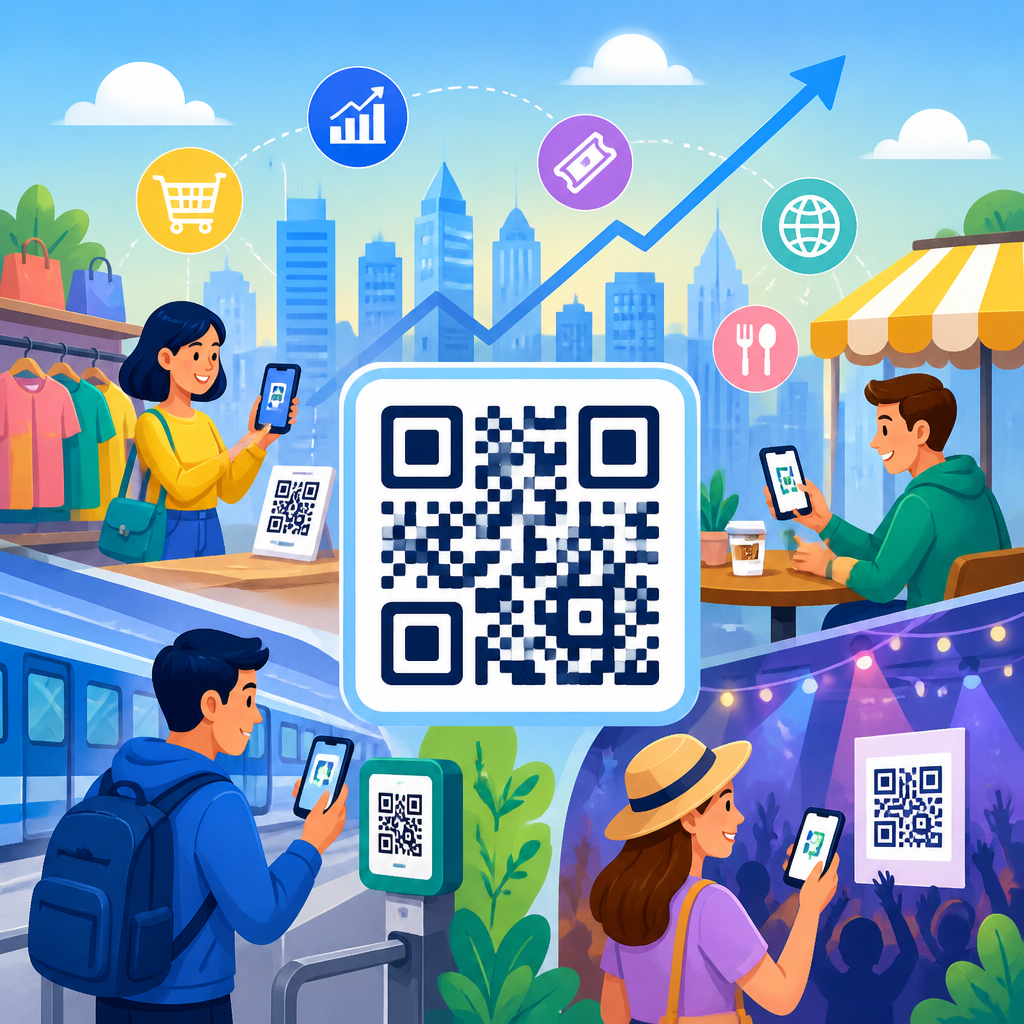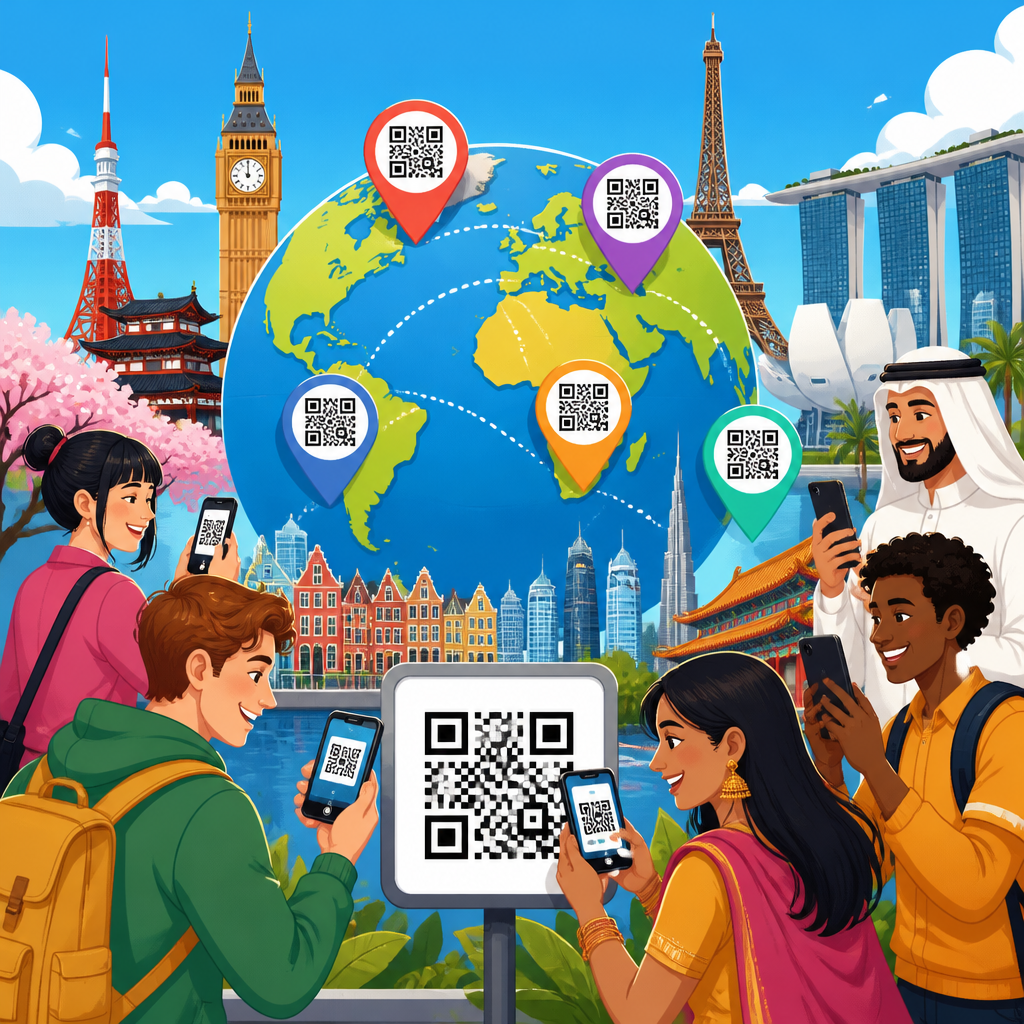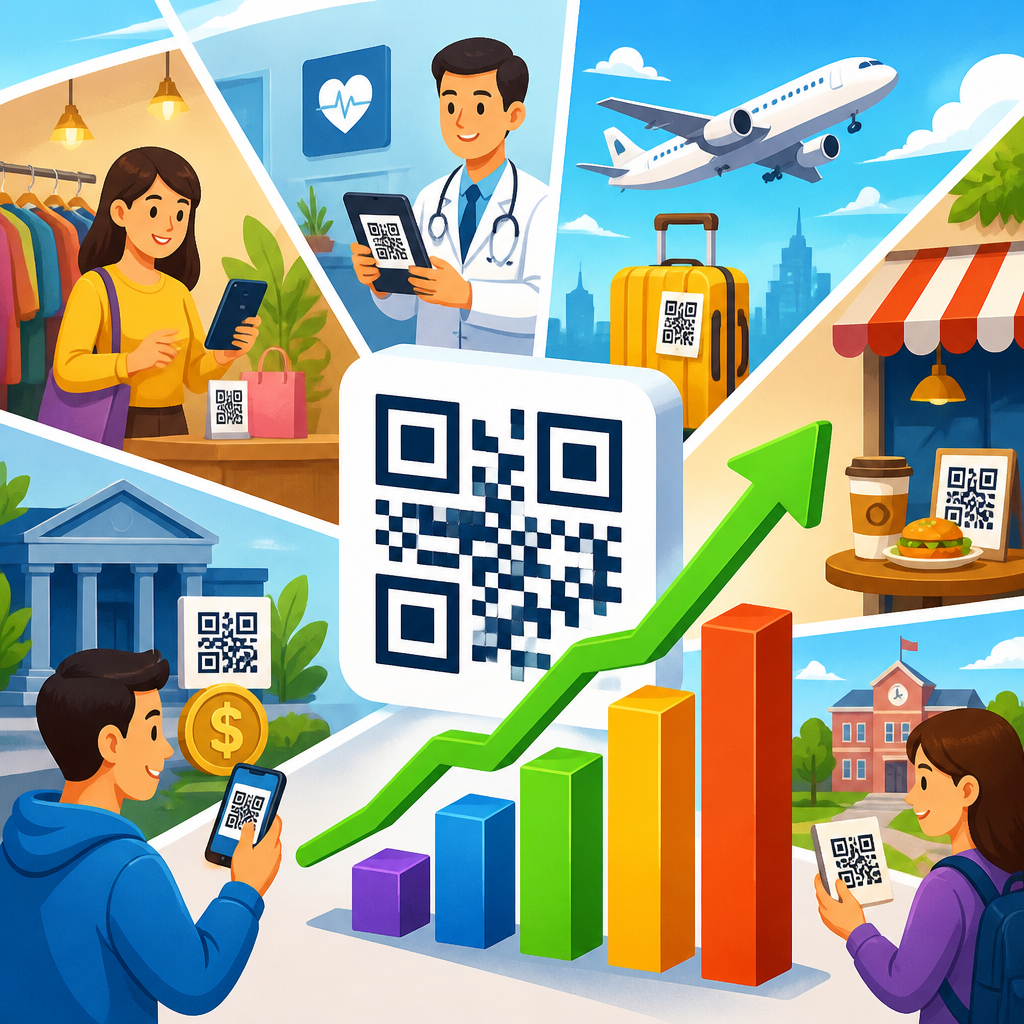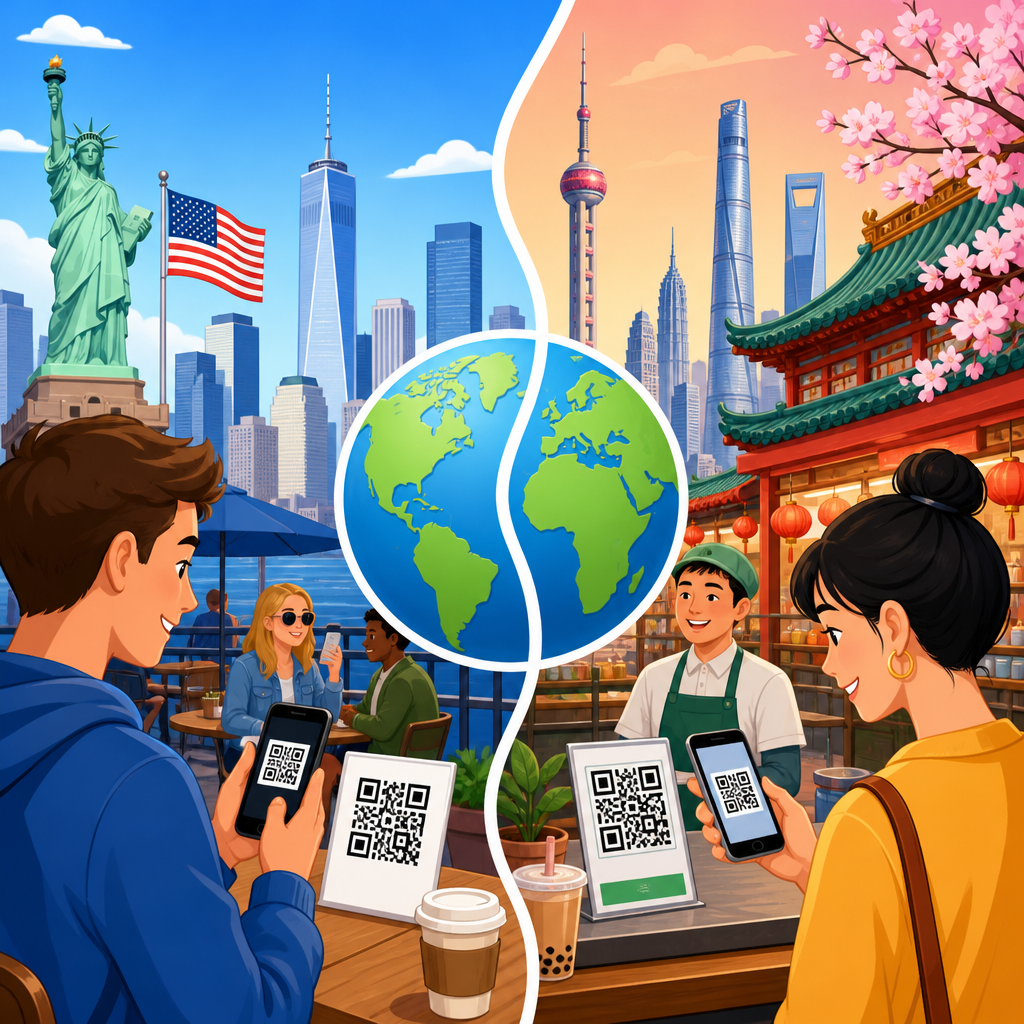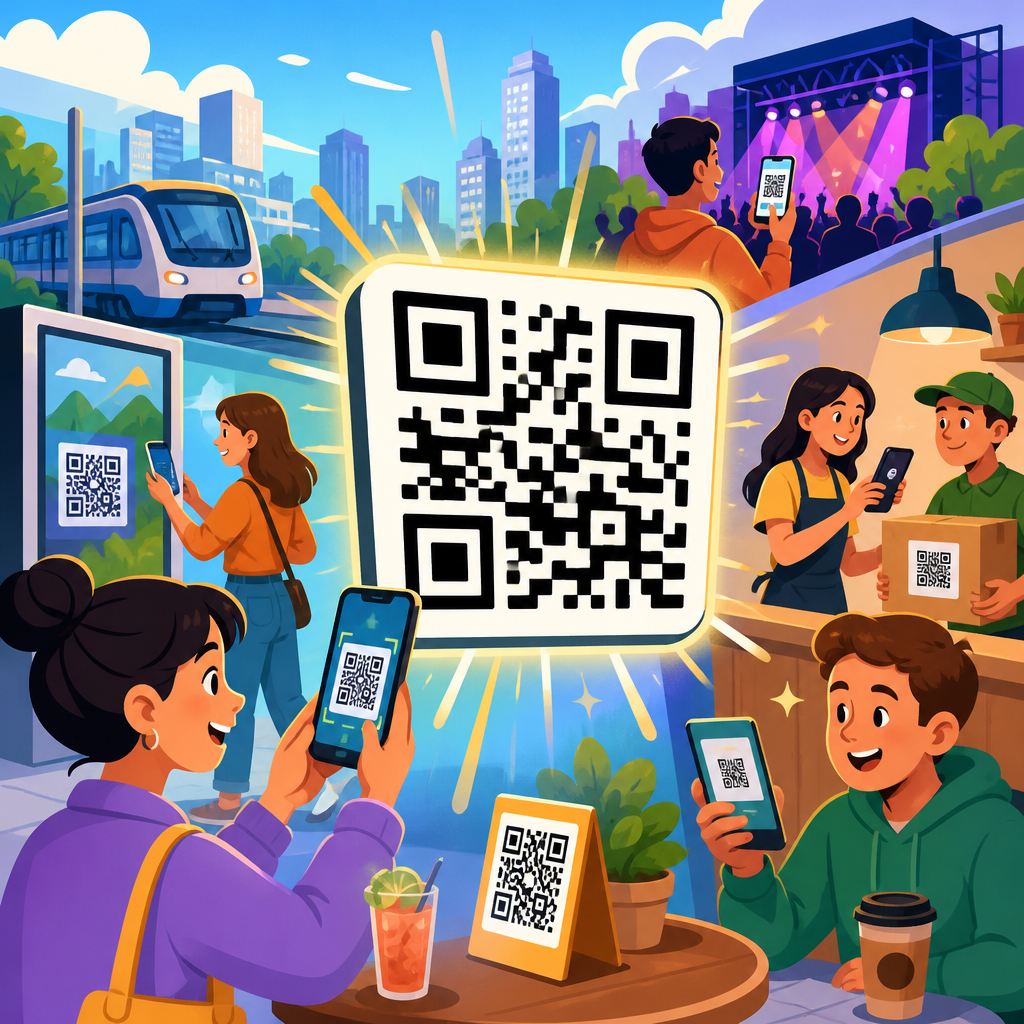
QR codes are booming again because they solve a modern problem with unusual efficiency: they connect physical spaces to digital actions in a single scan. A QR code, short for Quick Response code, is a two-dimensional barcode that stores data such as a URL, payment credential, product identifier, or app action. Unlike traditional one-dimensional barcodes, QR codes hold more information and remain readable even when partially damaged because of built-in error correction. I have worked on retail rollouts, restaurant ordering systems, and event check-in flows that depended on QR performance in real-world conditions, and the pattern is clear: adoption rises when friction falls. Smartphones now include native camera scanning, mobile payments are mainstream, and businesses need low-cost ways to bridge offline and online experiences.
The current resurgence is not a fad driven by novelty. It is rooted in infrastructure, behavior, and economics. During the pandemic, consumers learned to scan codes for menus, health forms, transit updates, and contactless payments. Many of those habits stayed because they were genuinely useful. At the same time, merchants discovered that a printed square could replace expensive hardware, shorten queues, capture first-party data, and update information without reprinting entire materials. Global QR code adoption trends now span payments, logistics, manufacturing, healthcare, consumer packaged goods, marketing, and public services. Countries with established mobile wallet ecosystems use QR codes for daily transactions, while other markets use them for authentication, onboarding, and product information. The technology matters because it reduces cost per interaction, supports measurable attribution, and works across devices without requiring users to remember web addresses or install dedicated scanners.
Understanding why QR codes are growing again requires looking beyond the symbol itself. The real story is ecosystem maturity. Camera software recognizes codes instantly. Payment networks support interoperable formats. Dynamic QR platforms let teams change destinations after printing. Security practices such as branded short links, HTTPS destinations, and domain verification reduce risk. Standards from organizations such as ISO and GS1 are pushing QR codes from marketing accessory to core data carrier in commerce. For companies building within QR Code Trends & Innovations, this topic acts as a hub because it explains the demand drivers behind every related article, from payment innovation to packaging traceability. If you want to understand where QR codes are headed globally, start with the forces making them practical at scale.
Smartphones and behavior change turned scanning into a default action
The first reason QR codes are booming again is simple: users no longer need instructions. A decade ago, campaigns failed because many people lacked scanning apps, mobile pages loaded slowly, and the payoff after scanning was often weak. Today, iPhone and Android devices scan natively through the camera, broadband and 5G reduce delay, and users expect the physical world to trigger digital experiences. That combination matters more than design trends. In deployment reviews I have run for stores and venues, scan completion rates rise sharply when users recognize the next step immediately. A customer sees a table tent, opens the camera instinctively, taps the banner, and lands on a mobile page in seconds. That feels natural now.
Behavior shifted further when contactless interactions became normalized. Restaurants replaced printed menus. Offices used QR visitor registration. Museums added audio guides without shared devices. Airlines and rail operators embedded service updates and boarding flows in codes. Once millions of people learned the gesture, scanning stopped feeling like a workaround. It became part of digital literacy, similar to tapping a card or sharing a link. This is a crucial global adoption trend: successful technologies often expand when they piggyback on habits users already understand. QR codes now ride on smartphone camera behavior, not on a separate learning curve.
Payments made QR codes indispensable in many markets
If one category explains the scale of QR growth, it is payments. In China, QR-based wallets reached mass adoption years ago through Alipay and WeChat Pay, training consumers to scan merchant-presented codes and display customer codes for acceptance. India accelerated QR payment usage through the Unified Payments Interface, where interoperable systems and low-cost merchant acceptance changed small business economics. Street vendors, taxis, and neighborhood shops could accept digital payments without expensive card terminals. Southeast Asia followed with national and regional schemes that promoted interoperability, including PromptPay in Thailand and DuitNow in Malaysia. These systems made QR payments ordinary, not premium.
The economics are powerful. Card acceptance hardware can be costly for micro-merchants, especially where margins are thin. A printed QR standee costs little, can be deployed in hours, and supports instant account changes if managed dynamically. For merchants, settlement speed, lower onboarding barriers, and compatibility with mobile wallets matter more than visual novelty. For consumers, QR payments are attractive because they work with accounts they already use. The result is a reinforcing loop: more merchants accept QR, more users trust and expect QR, and network effects accelerate adoption. In markets where cards remain dominant, QR still fills gaps for peer-to-peer payments, bill pay, donations, parking, and self-service checkout.
| Region | Primary QR growth driver | Typical use cases | Adoption pattern |
|---|---|---|---|
| China | Wallet ecosystem maturity | Retail payments, transit, super apps | Daily mainstream usage across urban and rural commerce |
| India | Interoperable real-time payments | Merchant payments, P2P, bill pay | Rapid expansion among small merchants through low-cost acceptance |
| Southeast Asia | National payment rails and tourism | Retail, cross-border payments, food service | Strong uptake where wallets and banks support shared standards |
| Europe | Utility and compliance use cases | tickets, invoices, product information | Steady growth tied to mobile banking and public services |
| North America | Marketing, ordering, authentication | Menus, app downloads, coupons, packaging | Rebound after contactless behavior became familiar |
Retail, restaurants, and events proved the business case
Global QR code adoption trends are easiest to see where transactions are frequent and operational savings are visible. Restaurants use codes to launch menus, allergen information, loyalty enrollment, and pay-at-table experiences. The strongest implementations do not stop at a PDF menu. They connect to point-of-sale systems, personalize offers, and update inventory in real time. Retailers use shelf-edge QR codes for reviews, product comparisons, assembly videos, and click-and-collect links. At events, organizers deploy QR for ticketing, badge retrieval, lead capture, and post-session content. Each use case replaces manual steps with a measurable digital path.
In practice, the business case often rests on flexibility. A dynamic QR code can redirect from a campaign landing page to a local store locator, then to a seasonal offer, without changing printed assets. Marketers value that because creative lead times are long and distribution is expensive. Operations teams value analytics: scan counts by location, time, device, and campaign source. That visibility helps teams test placement, contrast, call-to-action language, and destination design. When I have audited underperforming campaigns, the problem is usually not the code itself. It is tiny print size, poor lighting, weak destination pages, or a generic prompt like “scan me” instead of a clear promise such as “Scan to see ingredients and today’s price.”
Packaging, supply chains, and standards are expanding the role of QR
The next wave goes beyond consumer engagement. Packaging and supply chain programs increasingly use QR codes as a structured data layer. GS1 has been promoting the transition to two-dimensional barcodes in retail, often described through Sunrise 2027 initiatives, so brands can encode richer product information at point of sale and throughout logistics. That shift matters because a single code can support batch numbers, expiration dates, serial numbers, recall data, and consumer-facing content. For food, pharmaceuticals, cosmetics, and electronics, this improves traceability and transparency at the same time.
Manufacturers also use QR codes on components, cartons, and pallets for work-in-progress tracking and quality control. Hospitals label medication, wristbands, and equipment for safer verification workflows. Governments place QR codes on permits, tax documents, and identity-linked records to speed validation. None of these examples depend on marketing trends. They depend on standardization, reliability, and machine readability. As standards mature, QR codes become infrastructure. That is one reason adoption feels broader today than in the early 2010s. Businesses are not just experimenting with QR campaigns; they are redesigning data flows around scanable identifiers.
What limits adoption: security, usability, and regional differences
QR growth is real, but it is not automatic. Security remains the biggest trust issue. Attackers can place malicious stickers over legitimate codes, redirect users to phishing pages, or exploit shortened links that hide the final destination. The practical response is straightforward: use recognizable domains, HTTPS, visible brand cues, tamper-resistant placement, and destination pages that match user expectations. Staff training matters too. In physical audits, I tell operators to inspect high-traffic QR signage as they would card readers or locks. A compromised code is not a design issue; it is a security incident.
Usability also determines results. Codes need sufficient size, contrast, quiet zone spacing, and sensible placement. ISO/IEC specifications and printer proofs exist for a reason. A code on a moving bus shelter needs different treatment from one on product packaging viewed at arm’s length. Destination design matters equally. If the landing page is slow, intrusive, or not mobile optimized, scan intent collapses. Regional differences shape adoption as well. In some countries, QR codes are associated primarily with payments; in others, they are linked to menus, tickets, or authentication. Effective programs respect those expectations rather than assuming one global behavior pattern. The winners localize both the code experience and the value proposition.
How businesses should approach the next phase of QR strategy
Companies planning for the next phase should treat QR codes as part of a connected customer and operations system, not as isolated graphics. Start with the job the scan should accomplish: payment, product education, identity verification, service activation, or data capture. Then choose the right code type, destination architecture, analytics stack, and governance model. Dynamic QR management platforms are useful when destinations will change, but static codes remain appropriate for stable links and offline resilience. Track scan-to-completion rates rather than scans alone, because a scan that never converts reveals friction downstream. Pair codes with plain-language prompts, strong visual hierarchy, and tested mobile destinations.
For this sub-pillar topic, the main lesson is clear. Global QR code adoption trends are being driven by convenience, payment infrastructure, standards, and measurable business outcomes. Smartphones removed the usability barrier, contactless behavior normalized scanning, and interoperable payment systems gave merchants a reason to adopt at scale. Retailers, restaurants, manufacturers, and public services now use QR codes because they are flexible, inexpensive, and increasingly standardized. The resurgence is durable where the scan leads to genuine utility. Review your current customer journeys, identify one high-friction offline step, and test whether a well-designed QR experience can remove it today.
Frequently Asked Questions
Why are QR codes becoming popular again?
QR codes are booming again because they solve a very current problem with remarkable efficiency: they bridge the physical world and digital actions in a single step. Instead of asking someone to type a web address, search for a product, download an app, enter payment details, or manually save contact information, a QR code lets them do it instantly with one scan. That convenience matters more today because consumers expect low-friction interactions whether they are shopping in stores, ordering at restaurants, attending events, making payments, or accessing product information.
Another major reason for their resurgence is that smartphone cameras now support QR scanning natively. In the past, users often needed a separate app, which created friction and reduced adoption. Once Apple and Android devices made scanning easier through built-in camera features, QR codes became far more practical for everyday use. Businesses also accelerated their use during periods when contactless experiences became essential, and many consumers became comfortable scanning codes for menus, payments, check-ins, and promotions. Since then, QR codes have remained popular because they are fast, inexpensive to deploy, easy to update through dynamic code platforms, and versatile across retail, packaging, marketing, logistics, and customer service.
What makes QR codes more useful than traditional barcodes?
The biggest difference is that QR codes can store much more information than traditional one-dimensional barcodes. A standard barcode usually holds a limited numeric identifier that must be matched to a database entry, while a QR code can directly contain a URL, payment request, product details, contact card, authentication token, Wi-Fi credentials, or app action. That makes QR codes much more flexible for consumer-facing and operational uses.
QR codes are also easier to scan from different angles and distances because of their square, two-dimensional design. They include built-in positioning markers that help cameras recognize them quickly, and they use error correction so they can still be read even if part of the code is scratched, smudged, or obscured. This is a major practical advantage in retail, warehouses, packaging, outdoor signage, and high-traffic public settings where labels do not always remain perfect. In real-world applications, that combination of high data capacity, resilience, and fast scan performance makes QR codes more powerful than older barcode formats for any use case that goes beyond simple inventory identification.
How are businesses using QR codes today?
Businesses are using QR codes in far more ways than many people realize. In retail, they appear on shelf tags, packaging, signage, receipts, and product displays to connect shoppers to product specs, reviews, loyalty offers, how-to videos, subscription options, or reorder pages. Restaurants use them for menus, ordering, and payment. Event organizers use them for digital tickets, check-in, attendee verification, and interactive schedules. Manufacturers and logistics teams use them for tracking parts, tracing inventory movement, linking to service documentation, and supporting quality control processes.
They are also effective in marketing because they convert offline attention into measurable digital engagement. A poster, flyer, storefront window, direct mail piece, or product package can drive someone to a landing page, limited-time offer, app install, lead form, or social campaign with almost no friction. Dynamic QR codes are especially valuable because the destination can be updated without changing the printed code itself, which allows teams to adjust campaigns, fix links, localize experiences, and gather analytics such as scan volume, time, location, and device type. This mix of convenience, flexibility, and measurability is a major reason companies continue investing in QR-based experiences.
Are QR codes safe to use?
QR codes themselves are not inherently dangerous, but like any link-based technology, they can be used responsibly or maliciously. A QR code simply stores information, and when that information points to a website, payment flow, login page, or file download, the real security question becomes whether the destination is trustworthy. For that reason, users should treat scanned QR codes with the same caution they would use when clicking a link in an email or text message. If a code appears on a tampered sticker, in an unverified public location, or directs to a suspicious-looking website, it is best not to proceed.
For businesses, QR code safety comes down to strong implementation practices. Use recognizable branding, secure HTTPS destinations, clear call-to-action language, and trusted QR management tools. If codes are placed in public, inspect them regularly to make sure no one has replaced or covered them. For payments and authentication, use well-designed pages and domain names customers can easily recognize. When done correctly, QR codes are a safe and effective tool, but trust depends on transparency, secure destinations, and good operational controls.
Will QR codes keep growing in the future?
Yes, all signs suggest that QR codes will continue to grow because they fit naturally into the way modern consumers and businesses interact. They are simple, low-cost, cross-platform, and highly adaptable. As more physical products, locations, and experiences gain digital layers, the need for a fast connection point will only increase. QR codes are one of the most practical tools for that job because they do not require specialized hardware, expensive implementation, or complicated user education. If someone has a smartphone, they can usually scan a code and take action immediately.
The future growth of QR codes is especially likely in areas such as contactless payments, smart packaging, product authentication, omnichannel retail, customer support, healthcare, transportation, and connected manufacturing. They also align well with first-party data strategies because businesses can use scans to guide users into owned digital experiences instead of relying entirely on third-party platforms. As companies look for more measurable, flexible, and user-friendly ways to connect offline touchpoints to online outcomes, QR codes will remain highly relevant. Their resurgence is not just a short-term trend; it reflects a durable shift toward faster, simpler, and more connected customer interactions.