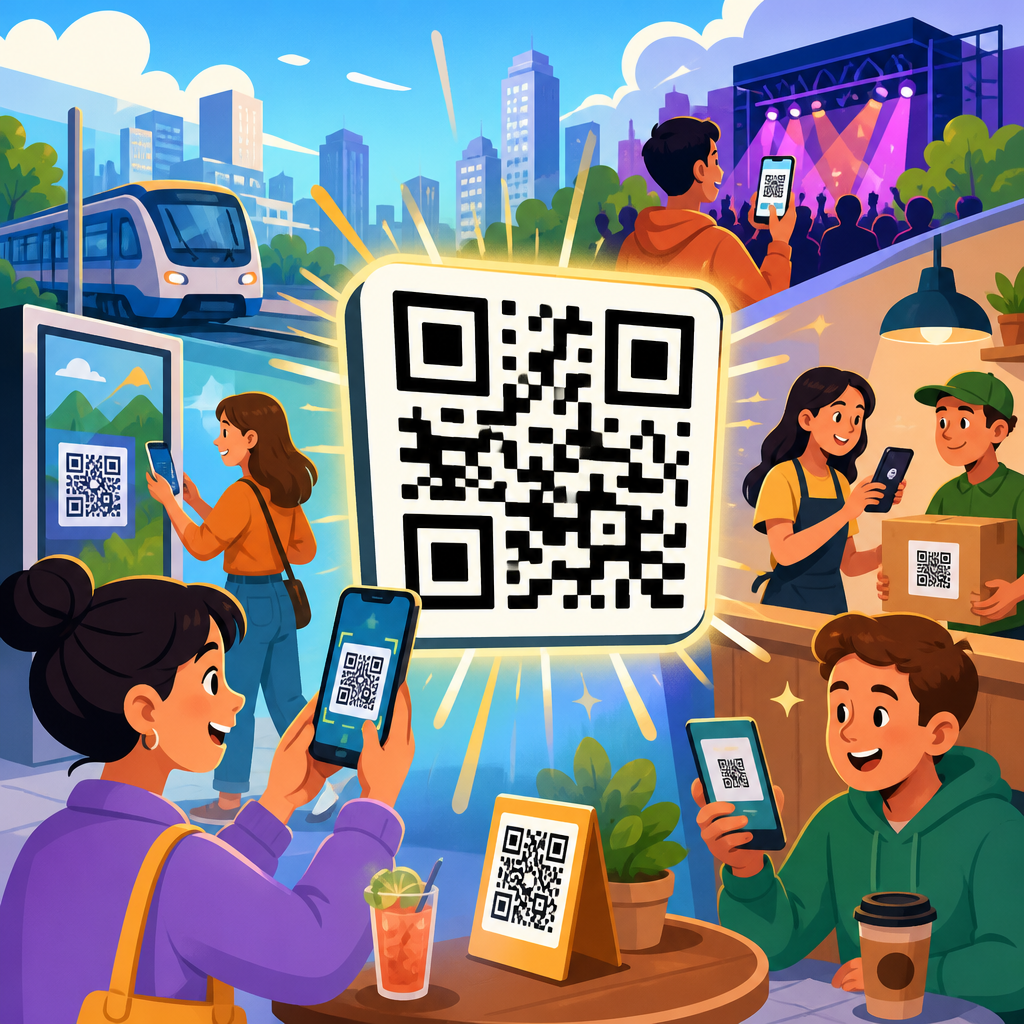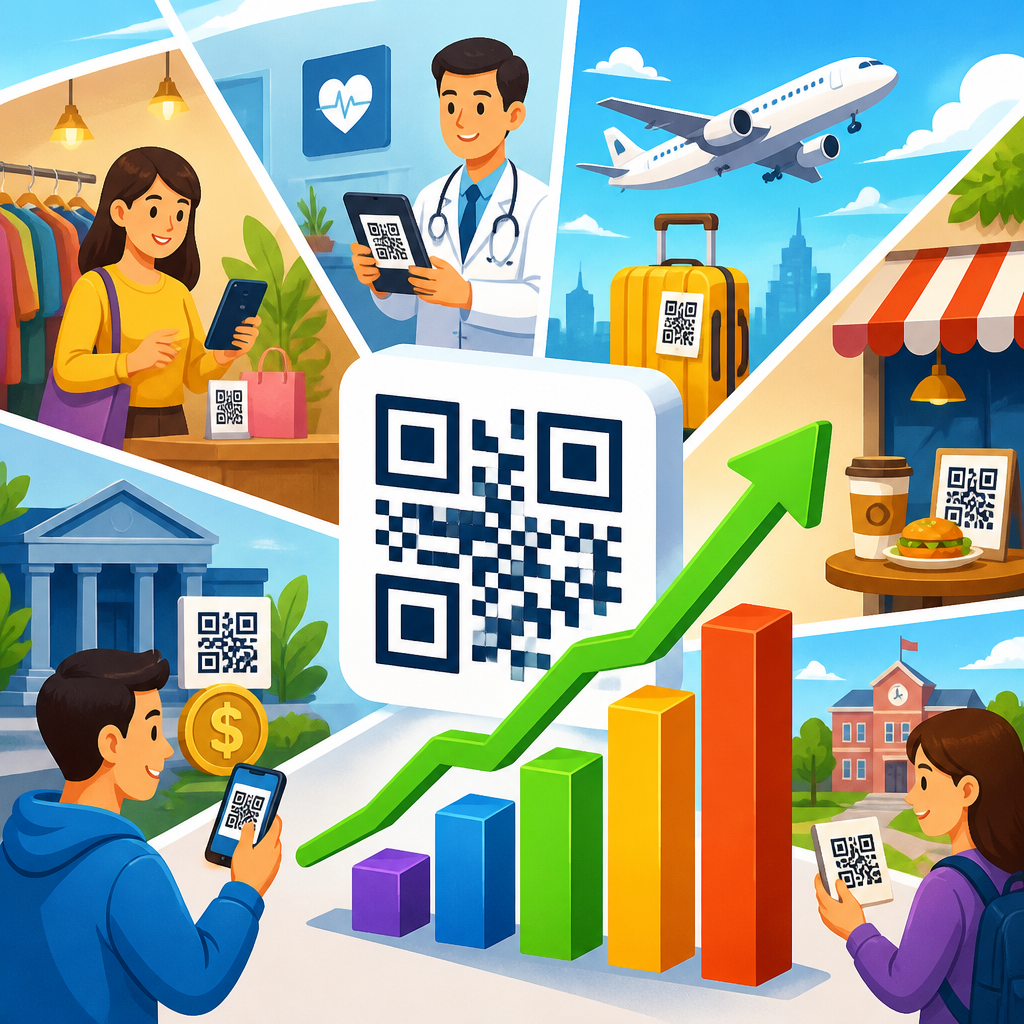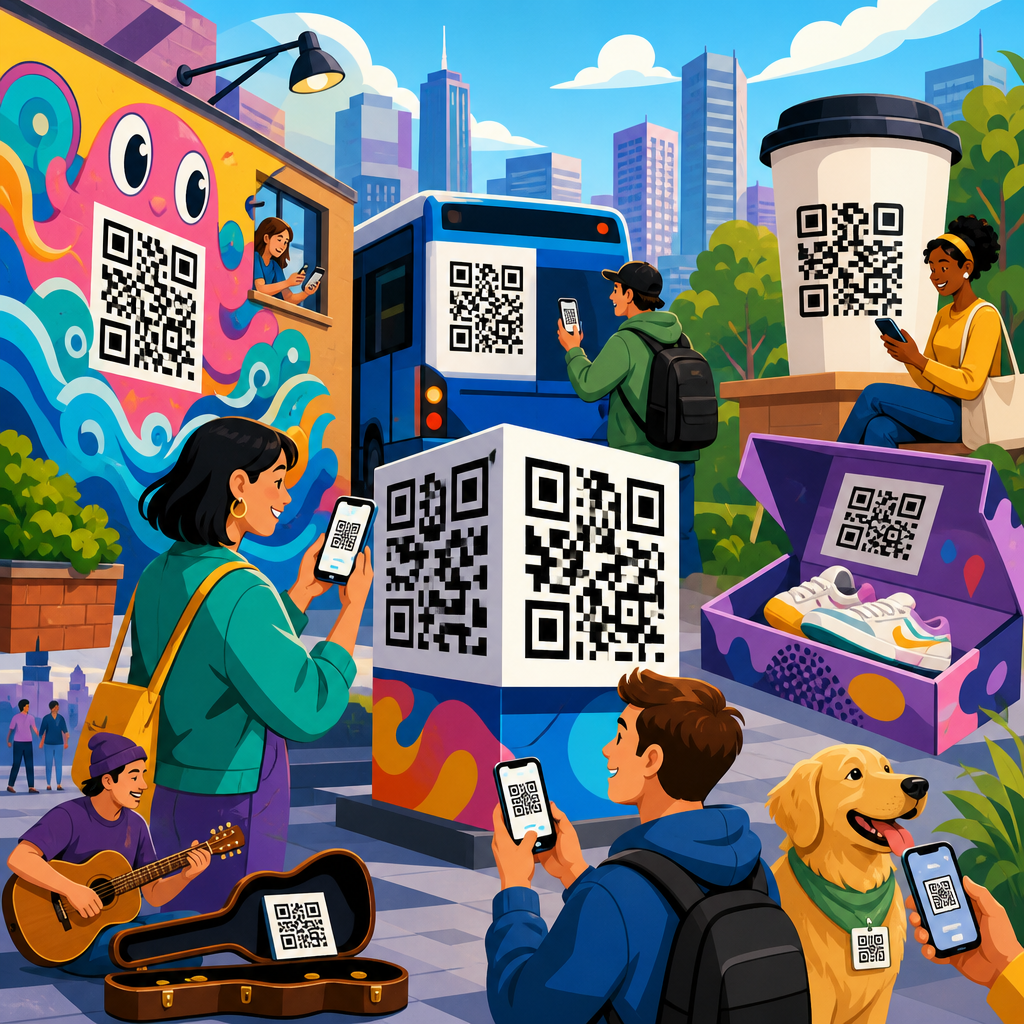
QR codes have moved from industrial tracking labels to one of the most flexible bridges between physical spaces and digital experiences, and the most innovative QR code campaigns of all time show exactly why. A QR code, short for Quick Response code, is a two dimensional matrix barcode that stores data such as a URL, payment request, app deep link, contact record, coupon, or authentication token. What makes it powerful is not the pattern itself but the context around it: where it appears, what it promises, and how frictionless the next step feels after a scan.
I have worked on QR driven product launches, retail packaging programs, and event activations, and the pattern is consistent. The campaigns that perform best do not treat the code as decoration. They use it as a clear call to action, connect it to a mobile optimized destination, and give the scanner an immediate reason to continue. That might be convenience, entertainment, access, savings, verification, or participation. When those elements align, a small printed square becomes a measurable customer journey.
This matters because consumer behavior changed permanently during the smartphone era and accelerated during the pandemic. Restaurants replaced printed menus with scans, payment providers normalized tapless checkout, and brands learned that packaging, signage, and even television screens could become clickable media. According to widely cited mobile usage research from Statista and app analytics providers, smartphone penetration in many markets now exceeds three quarters of the adult population, making camera based interactions routine rather than novel. The result is a much larger design canvas for marketers, publishers, retailers, museums, healthcare systems, and public agencies.
For a hub page about emerging use cases, the key idea is simple: innovation in QR campaigns usually comes from pairing the code with a problem worth solving. The problem might be low shelf engagement, limited product information, long ticketing lines, uncertain authenticity, weak attribution from offline media, or poor post purchase retention. The code becomes innovative when it reduces effort and adds value in that exact moment. The campaigns below are important not because they were flashy, but because they expanded what businesses believed QR codes could do.
Why the best QR code campaigns worked
The strongest campaigns shared five traits I now treat as nonnegotiable in strategy reviews. First, the scan trigger was obvious. People knew what they would get before opening the camera. Second, the landing experience was fast, mobile first, and usually no more than one or two actions away from the reward. Third, the placement matched intent, such as a code on packaging for product details or on out of home media for immediate signups. Fourth, the value exchange was concrete. Fifth, the campaign could be measured through dynamic links, UTM parameters, first party analytics, and conversion events in tools like Google Analytics 4, Adobe Analytics, Branch, or AppsFlyer.
These principles explain why some famous executions became reference points. They were not simply QR codes in public. They transformed static media into interactive media. They also made attribution from physical touchpoints more reliable. A direct mail piece, poster, shelf talker, concert screen, or product label could now carry its own path into the digital stack, connecting scans to sessions, purchases, account creation, or content consumption. That closed loop changed budget conversations because offline no longer had to be a measurement blind spot.
Campaigns that turned packaging into a digital product layer
One of the most significant shifts in QR innovation happened on product packaging. Brands in food, beverage, beauty, and consumer electronics began using codes not just for generic website traffic but for specific after scan outcomes: ingredient transparency, tutorials, recipe ideas, warranty registration, loyalty enrollment, and serialized authentication. In my experience, packaging scans tend to outperform broad awareness placements because intent is already high. The customer has the item in hand and wants reassurance or extra utility.
Coca Cola has repeatedly used connected packaging to support promotions, music, and mobile experiences, helping establish the bottle or can as an entry point rather than an endpoint. In beauty, L’Oréal and other major brands have linked packs to shade matching guides, usage videos, and sustainability details. In premium goods, luxury labels and sneaker brands have attached unique QR identifiers to support authenticity checks and ownership records. This matters in markets where counterfeiting harms both consumers and brand equity. A generic barcode cannot do that job nearly as well as a dynamic or serialized QR system tied to a cloud database.
The lesson from these campaigns is that emerging use cases on packaging work best when they answer a purchase stage question. Before purchase, the scan can explain ingredients, sourcing, fit, or product comparisons. At purchase, it can activate coupons, instant win mechanics, or buy now pay later links. After purchase, it can support setup, care instructions, refill subscriptions, and community content. Packaging has become persistent media, and the smartest brands design it that way from the start.
QR codes in public spaces, retail, and out of home media
Some of the most cited examples of QR code creativity came from public environments where the code solved a situational need. Tesco’s virtual store in South Korea is the classic case. Commuters in subway stations scanned product images and codes from wall displays to build grocery orders while waiting for trains. The breakthrough was not the visual novelty. It was the recognition that idle time in transit could become shopping time. The campaign aligned context, convenience, and fulfillment, and it remains a benchmark for retail media strategy.
Another influential example came from Coinbase’s Super Bowl advertisement, which displayed a bouncing QR code on screen and drove massive traffic to a promotional landing page. Opinions were mixed on the user experience because the destination later strained under demand, but the campaign proved that a simple scan mechanic could dominate cultural attention when curiosity was high. Television, once considered mostly upper funnel, became immediately actionable. That single execution pushed many brands to rethink connected TV, sports sponsorships, and live event inventory.
Retailers have also used shelf and storefront codes to extend limited physical space. A code near a display can unlock expanded assortments, reviews, compatibility guides, and store specific promotions. During labor shortages and high foot traffic periods, these scans reduced pressure on staff by answering common questions instantly. Museums, transit agencies, and city tourism boards applied the same logic with multilingual information layers. In each case, the code added a digital service layer to a fixed physical asset.
| Campaign type | Primary user need | Typical scan destination | Why it stands out |
|---|---|---|---|
| Connected packaging | Product information and post purchase support | Tutorial, authenticity page, loyalty signup | Turns every unit sold into measurable media |
| Transit and public retail | Convenient shopping during idle time | Cart builder or local store page | Converts waiting time into purchase intent |
| Broadcast and live events | Immediate participation | Promo landing page or app install flow | Makes one to many media directly actionable |
| Tickets and access control | Speed and verification | Entry validation or wallet pass | Reduces friction while improving traceability |
| Payments and donations | Fast checkout | Payment request or wallet app | Removes hardware and card entry barriers |
Event, ticketing, and entertainment campaigns that changed expectations
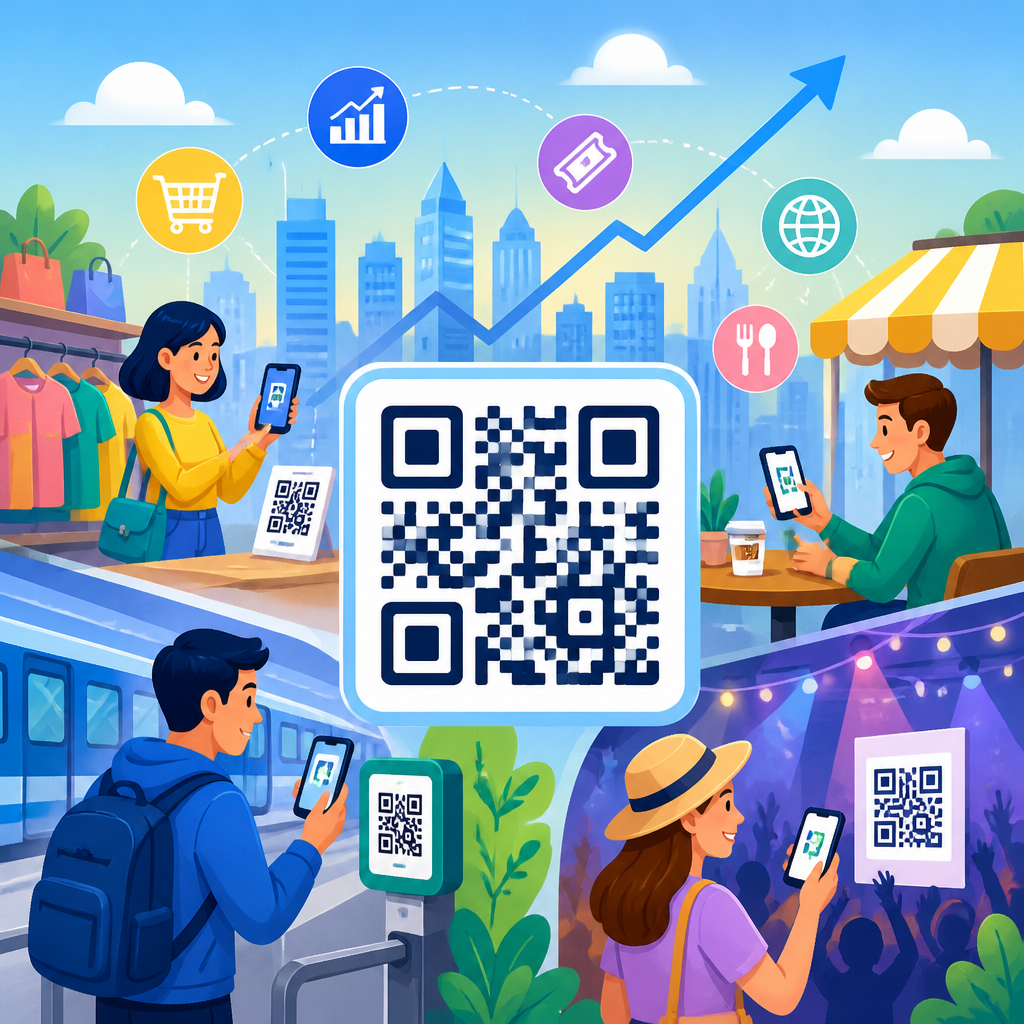
QR codes became indispensable in events because they compress identity, access, and engagement into a single mobile moment. Ticketmaster, Eventbrite, airlines, and venue operators normalized QR based entry years ago, but the more innovative campaigns went further. Festivals and conferences tied attendee badges or app screens to personalized agendas, sponsor activations, lead retrieval, session feedback, and networking. Instead of a code being only a gate credential, it became a portable interaction key throughout the event.
Entertainment brands embraced this model quickly. Film posters, album drops, and concert screens started directing fans to exclusive trailers, merchandise, presales, and augmented experiences. Spotify Codes, while visually distinct from standard QR formats, trained consumers to expect scan based music access. On stage and in fan zones, codes gave artists a way to turn live attention into measurable fandom actions such as playlist saves, SMS signups, and merchandise purchases. For marketers, the important point is that attribution improved because each artist, venue, screen, or city could carry its own unique destination parameters.
When I audit event campaigns, the winners nearly always reduce one of three frictions: waiting, searching, or typing. If attendees can enter faster, find sessions faster, and claim offers faster, scan rates rise and complaints fall. That practical benefit matters more than novelty. Innovation in event QR strategy is usually operational excellence disguised as a cool experience.
Payments, trust, and service workflows as emerging use cases
Many of the most durable QR innovations have little to do with promotion and everything to do with utility. QR based payments transformed commerce in markets such as China, India, and parts of Southeast Asia, where Alipay, WeChat Pay, and UPI applications made scan to pay a daily habit. In those ecosystems, the code is not a campaign gimmick. It is infrastructure. The lesson for brands is profound: when consumers already trust scanning as a payment behavior, adding marketing, loyalty, and receipts on top becomes much easier.
Service workflows are another major frontier. Healthcare providers use QR codes for patient intake, appointment check in, medication information, and discharge instructions. Manufacturers place codes on equipment for maintenance logs, digital manuals, and spare parts ordering. Real estate agents attach them to signs for virtual tours and lead capture. Schools use them for attendance, resource access, and parent communication. Restaurants moved from emergency menu replacements to broader table service systems that support ordering, tipping, allergen data, and feedback collection.
Trust focused applications are especially important as regulation and consumer scrutiny increase. A QR code linked to a verified data source can support traceability claims, batch level recall notices, recycling guidance, or regulatory disclosures. In food and pharmaceuticals, that can mean faster access to lot specific information. In luxury and collectibles, it can mean a stronger provenance record. Not every use case requires blockchain or advanced serialization, but many benefit from secure redirects, access controls, and audit logs.
How to build a QR code campaign that is actually innovative
Innovation is usually the result of disciplined execution, not a dramatic graphic treatment. Start with the user moment. Ask what question the person has when encountering the code and what action they are willing to take on a phone in less than a minute. Then choose the correct code architecture. Static codes are fine for permanent destinations that will never change. Dynamic codes are better for campaigns because they allow redirects, analytics, A/B testing, and updates without reprinting assets.
Next, design for scanability and trust. Follow established standards from major QR generators and mobile platform guidance: strong contrast, adequate quiet zone, sensible size relative to scanning distance, and no distortion that compromises readability. Add plain language near the code that states the benefit, such as Scan for setup video or Scan to verify authenticity. Branded codes can lift attention, but only if testing confirms reliable scanning across older devices, low light conditions, and cracked screens. I have seen beautiful codes fail in stores because the creative team prioritized style over error correction and print fidelity.
Finally, measure the full journey. Use campaign specific URLs, event tracking, and downstream conversion goals. Compare placement performance, completion rates, bounce rates, and repeat scans. If the code drives app installs, connect mobile measurement through Branch or AppsFlyer. If it supports ecommerce, tie scans to revenue, average order value, and assisted conversions in GA4 or your commerce platform. The most innovative QR code campaigns of all time did not just create buzz. They created reusable systems that improved customer experience and produced data teams could act on.
QR code innovation is no longer about proving that people will scan. That question has been settled across retail, events, payments, healthcare, and media. The real challenge is using the format with enough strategic precision that each scan feels worthwhile. The landmark campaigns in this space succeeded because they respected context, minimized friction, and delivered an immediate payoff. Whether the goal was grocery ordering in a subway station, a broadcast promotion during the Super Bowl, a product tutorial on packaging, or a frictionless event check in, the code worked because it solved a clear problem at the exact moment the user had it.
For teams building a sub pillar around emerging use cases, the opportunity is broad and still expanding. Connected packaging can deepen post purchase engagement. Out of home media can become directly attributable. Ticketing and venue operations can turn access points into personalized service journeys. Payments and trust workflows can blend convenience with verification. Those are not isolated tactics; they are part of a larger shift in which everyday physical surfaces become interactive channels.
The most valuable takeaway is practical. Treat every QR code as a product experience, not just a link. Define the audience, promise a specific benefit, engineer a fast mobile destination, and measure what happens after the scan. If you do that consistently, your campaign is far more likely to join the shortlist of examples people cite when discussing the most innovative QR code campaigns of all time. Start by auditing one existing customer touchpoint this week and redesign it around a single, high value scan action.
Frequently Asked Questions
What makes a QR code campaign truly innovative rather than just functional?
A functional QR code simply sends someone from a printed surface to a digital destination. An innovative QR code campaign does much more: it uses the scan as part of a larger experience that feels timely, useful, memorable, and easy to act on. The best campaigns do not treat the QR code as decoration or a generic link shortcut. Instead, they build a clear bridge between a physical moment and a digital action that adds real value for the user.
In practice, innovation usually comes from context, creativity, and execution working together. Context means the code appears in the right place at the right time, such as on product packaging, outdoor ads, event signage, retail displays, or even live broadcasts where people are already primed to engage. Creativity means the campaign gives people a reason to scan, whether that is unlocking exclusive content, accessing a personalized offer, participating in an interactive game, making a purchase instantly, or joining a cause. Execution means the landing experience is fast, mobile-friendly, visually consistent with the campaign, and designed around a single clear next step.
The most innovative QR code campaigns also remove friction. They shorten the distance between curiosity and action. Instead of asking users to remember a website, search for a brand later, or download something before engaging, they let people respond in the moment. That is why standout campaigns often combine QR codes with personalization, social sharing, augmented reality, real-time promotions, mobile payments, or location-aware content. The innovation is not in the code itself. It is in how the code transforms attention into meaningful interaction.
Why have some of the most successful QR code campaigns become so memorable?
The most memorable QR code campaigns succeed because they turn a simple scan into an experience people want to talk about. They usually tap into a strong emotional or practical trigger: surprise, convenience, exclusivity, entertainment, urgency, or usefulness. When a campaign feels like a natural extension of the environment it appears in, the QR code becomes less of a tech feature and more of a gateway to something rewarding.
Memorable campaigns also tend to have a very clear value exchange. People instantly understand what they get by scanning. That might be instant access to a limited-edition product drop, behind-the-scenes content, interactive storytelling, event registration, loyalty rewards, or a faster path to purchase. The reason these campaigns stick in people’s minds is that they respect attention. They do not make users work hard to figure out what happens next.
Another major reason is shareability. Many of the most innovative QR code campaigns are designed to extend beyond the first scan. A person scans a code in a store, on a billboard, or during a live event and then shares the experience on social media, with friends, or across messaging apps. This amplifies the campaign far beyond the original placement. Strong visual design also plays a role. Whether the code is integrated into packaging, transformed into part of a larger image, or used in a bold public installation, the presentation can help the campaign stand out while still remaining scannable. In short, the campaigns people remember are the ones that pair utility with storytelling and make interaction feel immediate and worthwhile.
What are common elements shared by the most innovative QR code campaigns of all time?
Although the creative concepts vary widely, the strongest QR code campaigns usually share a few core ingredients. First, they have a clear purpose. Every great campaign knows exactly what success looks like, whether that means driving purchases, increasing app downloads, generating leads, collecting first-party data, improving event engagement, or extending a brand story beyond the physical space. Without that clarity, even visually impressive campaigns can underperform.
Second, they give people a compelling reason to scan right away. The prompt matters. The best campaigns do not rely on the audience already wanting to engage. They communicate a strong call to action such as “Scan to unlock,” “Scan to claim,” “Scan to watch,” or “Scan to enter.” That directness reduces hesitation and increases participation. Third, they provide a seamless mobile experience after the scan. If the landing page is slow, confusing, poorly designed, or irrelevant to the promise made in the physical ad, the entire campaign loses momentum.
Top-performing campaigns also use dynamic QR codes and analytics to improve results over time. Dynamic codes allow marketers to change the destination URL without reprinting the code, which is especially valuable for long-running outdoor, retail, or packaging campaigns. Analytics reveal scan volume, time-based behavior, device patterns, and sometimes geography, helping teams understand what is working and where optimization is needed. Finally, the best campaigns are integrated into a broader marketing system. The QR code is rarely acting alone. It is often supported by email, social media, paid media, influencer partnerships, retail staff training, or post-scan retargeting. That full-funnel thinking is one of the biggest reasons the most innovative campaigns outperform simple one-off executions.
How do brands measure whether a QR code campaign is actually successful?
Success starts with defining the outcome before the campaign launches. A brand cannot judge performance accurately if the only metric is total scans. Scan volume is useful, but it is only the first signal. A campaign might attract many scans and still fail to generate meaningful business results if people do not convert after landing on the destination. That is why the best brands connect QR code performance to deeper goals such as purchases, sign-ups, coupon redemptions, bookings, app installs, video completions, store visits, or loyalty enrollments.
Marketers typically evaluate a QR code campaign across several layers. The first layer is engagement: how many people scanned, when they scanned, where scans were concentrated, and what devices they used. The second layer is post-scan behavior: bounce rate, time on page, click-through to the next step, form completion, add-to-cart activity, or content interaction. The third layer is outcome-based performance: revenue generated, leads captured, cost per acquisition, customer retention, or lift in brand awareness. If the QR code is used across multiple placements, such as packaging, print ads, direct mail, and in-store displays, segmenting results by placement can reveal which environments are driving the highest quality engagement.
Brands also look at qualitative indicators. Did customers mention the experience in reviews or social conversations? Did the campaign generate press coverage or user-generated content? Did it strengthen the brand’s reputation for innovation, convenience, or creativity? For the most innovative QR code campaigns, success is often both measurable and perceptual. The strongest examples deliver hard performance data while also changing how people experience the brand. That combination is what turns a campaign from technically effective into strategically important.
What can marketers learn from the most innovative QR code campaigns when planning their own?
The biggest lesson is that a QR code should never be treated as the idea by itself. It is a delivery mechanism, not the entire campaign. Marketers get the best results when they start by identifying the audience’s moment of need, curiosity, or intent and then design the QR code experience around that behavior. In other words, begin with the user journey, not the symbol. Ask what someone is doing when they see the code, what motivation they have to scan, and what action should happen immediately after.
Another key takeaway is to reduce friction everywhere. The call to action should be obvious, the reward should be relevant, and the post-scan destination should load quickly and work perfectly on mobile. If the campaign requires too many steps, asks for too much information too early, or delivers something weaker than promised, response rates will drop fast. Marketers should also think carefully about placement, size, contrast, and testing. Even the smartest concept can fail if the code is difficult to notice or scan in real-world conditions.
Perhaps most importantly, the best campaigns show that QR codes work best when they support a broader strategic objective. They can connect packaging to loyalty programs, events to immersive content, signage to payments, print to shoppable experiences, or outdoor media to live digital interactions. When used this way, QR codes become one of the most flexible tools in modern marketing because they turn static surfaces into measurable, updatable touchpoints. Marketers who learn from the most innovative campaigns focus on relevance, speed, usability, and clear value. That is what transforms a simple scan into a high-performing brand experience.