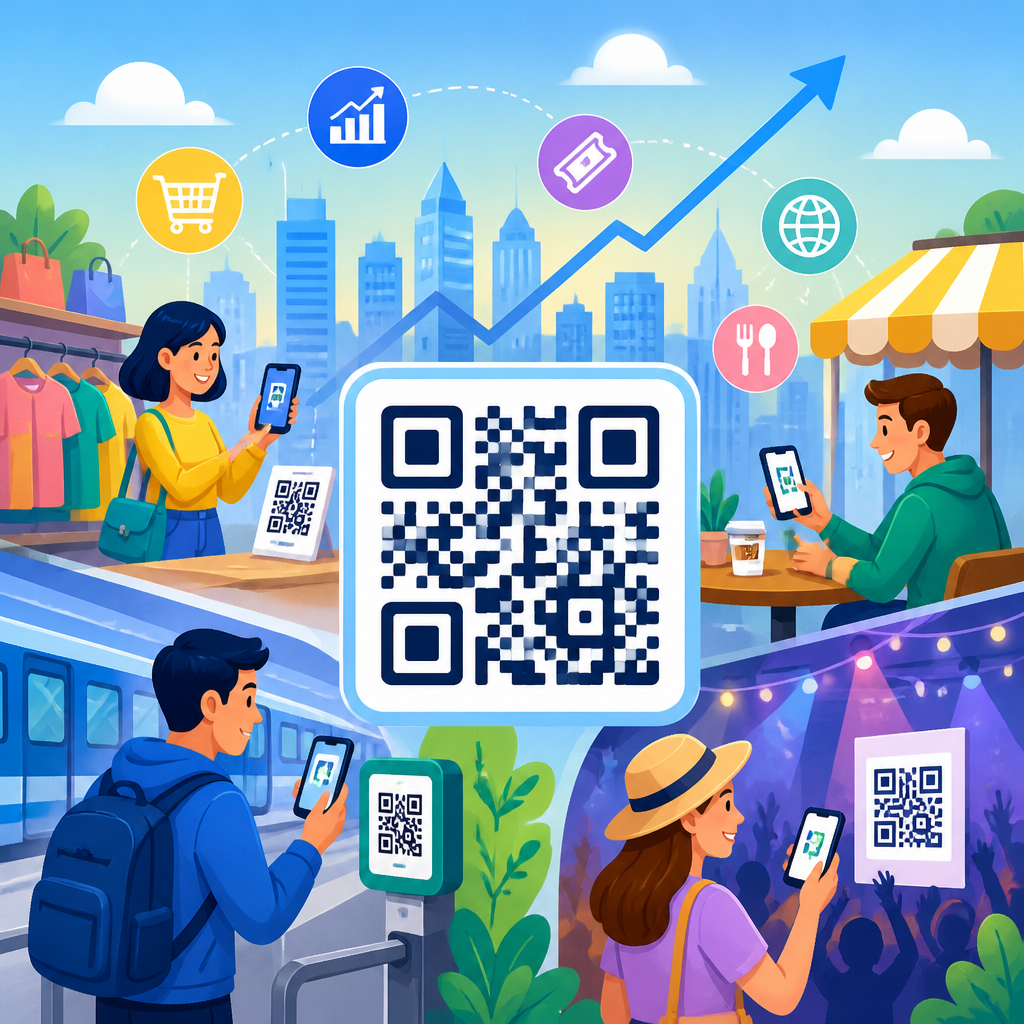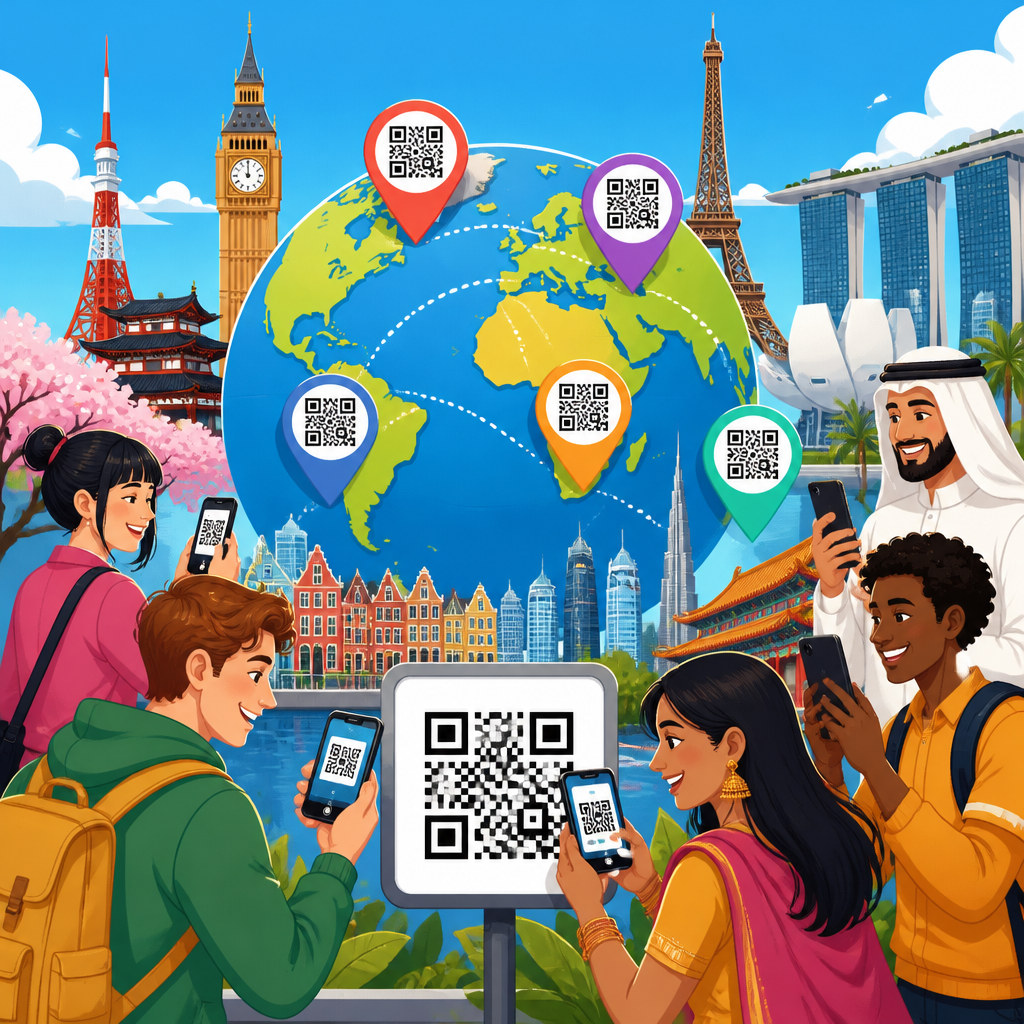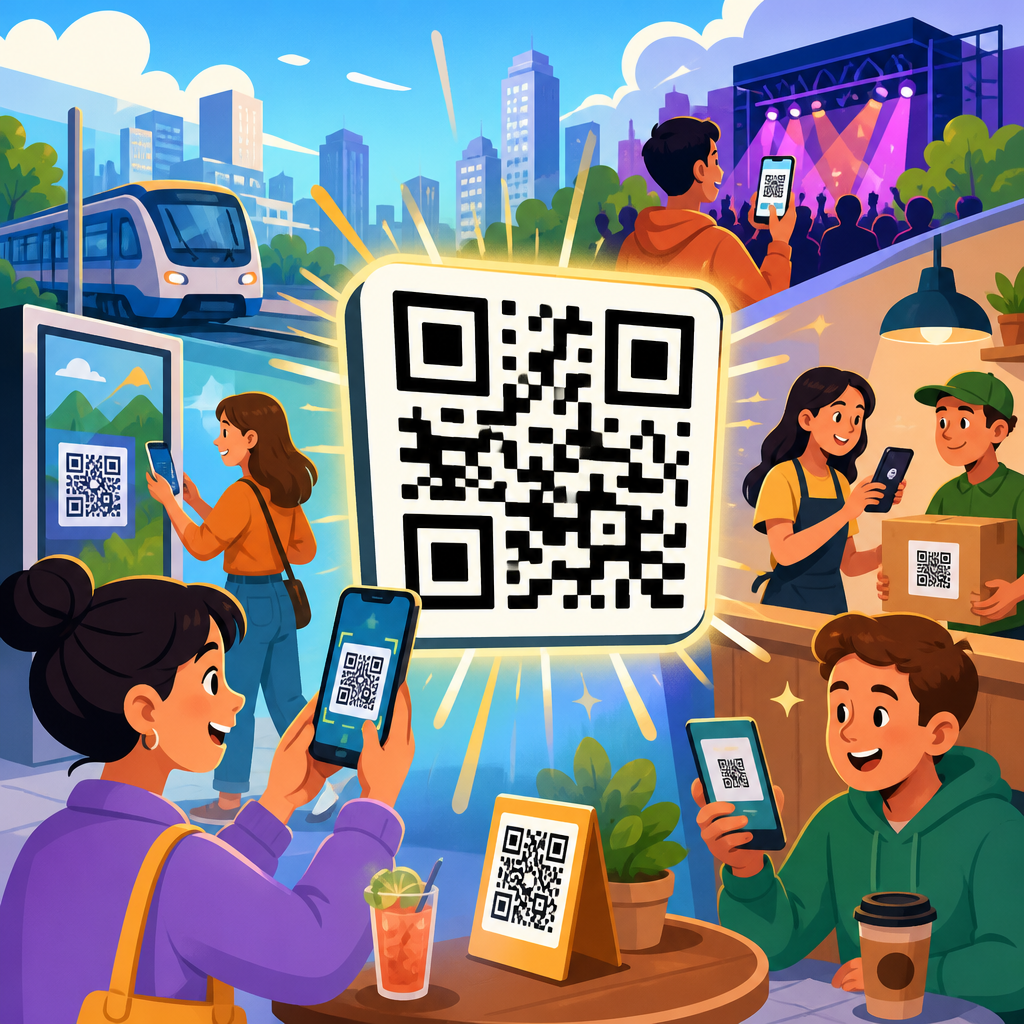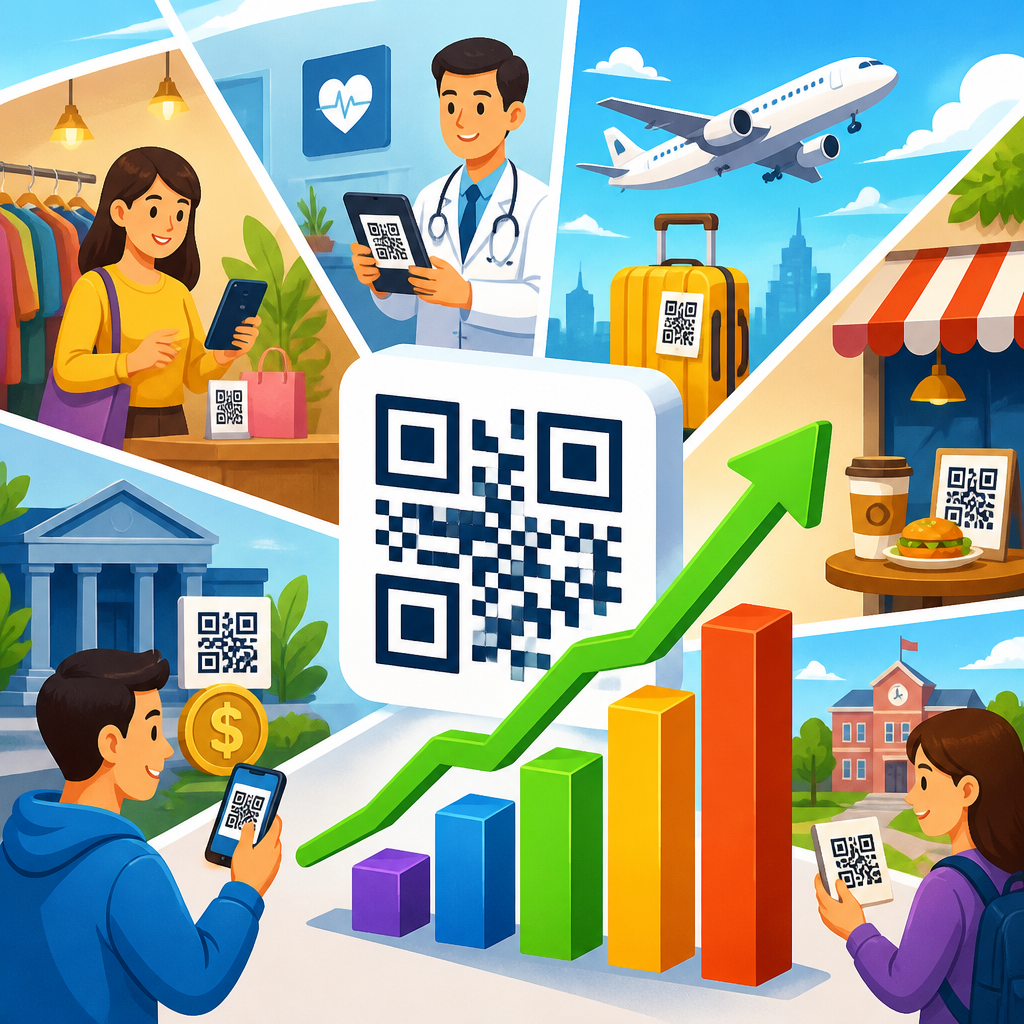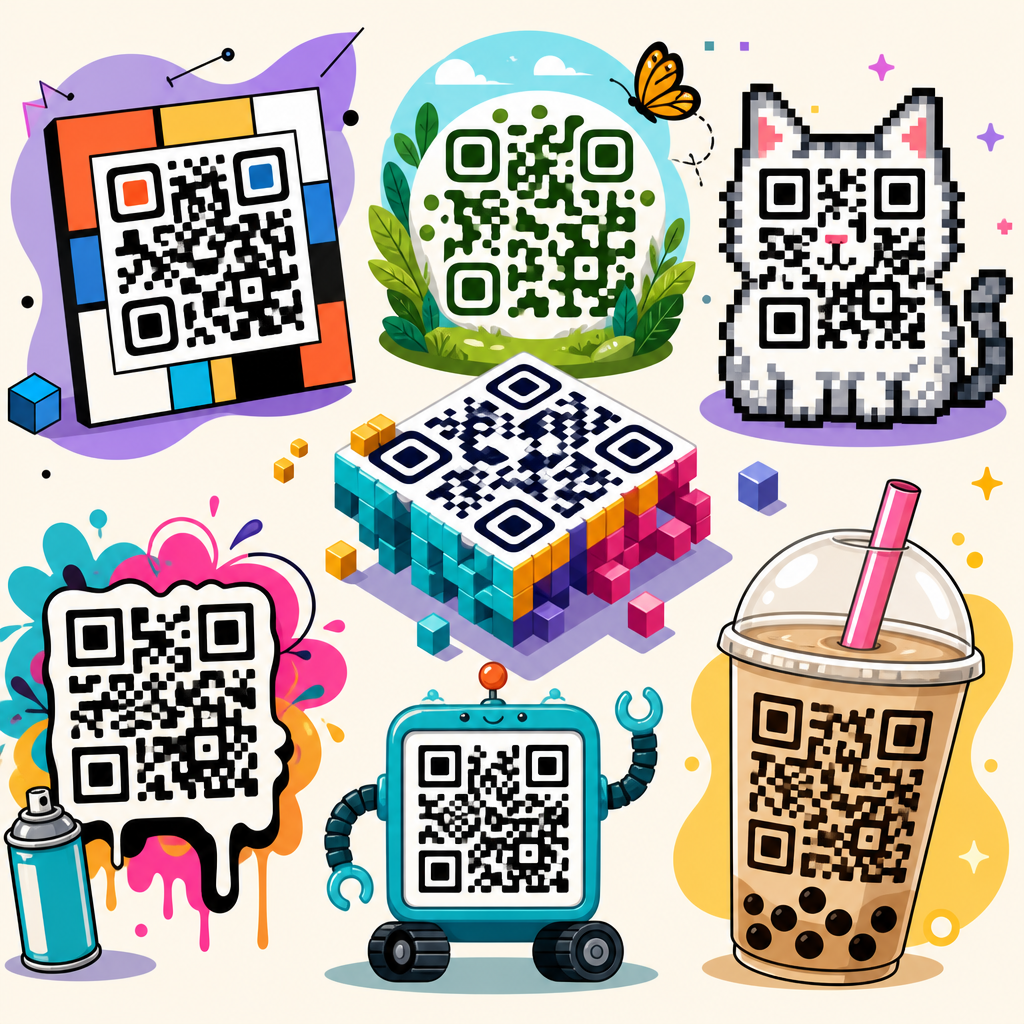
Experimental QR code designs and concepts are reshaping how brands, museums, manufacturers, educators, and software teams think about the simple square matrix once used mainly for payments and plain web links. A QR code, short for Quick Response code, is a two dimensional barcode that stores data in a pattern of dark and light modules readable by cameras and industrial scanners. Experimental design in this context means altering the visual treatment, placement, payload, or interaction model of the code while preserving reliable scan performance. Emerging use cases refer to newer applications beyond menus and business cards, including augmented reality triggers, serialized packaging, product authentication, contextual learning, connected public spaces, and adaptive campaigns that change destination based on time or location.
This topic matters because QR codes now sit at the intersection of physical media, mobile computing, and customer data. In recent projects, I have seen teams treat the code as both a functional access point and a designed interface element. That shift creates opportunity, but it also raises hard questions about readability, standards compliance, analytics, accessibility, and trust. A beautiful code that fails under low light or on curved packaging is not innovative; it is broken. On the other hand, a well tested experimental QR implementation can increase scans, shorten user friction, and connect offline touchpoints with measurable digital outcomes.
For a sub pillar hub on QR code trends and innovations, the most useful approach is to map the leading experimental directions, explain where they work in practice, and clarify the tradeoffs. The central idea is simple: successful experimentation keeps the code scannable first, then layers in design, context, and intelligence. That principle applies whether the code appears on a luxury label, a transit shelter, a classroom worksheet, or a stadium screen. The sections below cover the core emerging use cases, the technical decisions behind them, and the operational standards that separate durable concepts from short lived gimmicks.
Branded visual codes that function as design assets
The most visible experimental QR code trend is the branded code designed to look like part of the creative rather than an afterthought dropped into a corner. Designers now customize finder patterns, module shapes, color palettes, embedded logos, and background illustrations to align with packaging and campaign identity. Adobe Illustrator plugins, Figma components, and specialized generators such as QR Code Monkey, Beaconstac, and Flowcode make these treatments easy to prototype. The hard part is not creation; it is maintaining error correction, contrast ratio, quiet zone integrity, and camera recognition across iOS and Android devices.
In packaging work, I have found that moderate customization usually outperforms aggressive redesign. Rounded modules, subtle brand color shifts, and logo placement inside the central safe area can work when the symbol uses high error correction and generous size. Problems start when marketers reverse contrast, print metallic inks, or crowd the quiet zone with decorative borders. ISO/IEC 18004 remains the baseline reference for QR code symbol structure, and it matters even in creative work. If the code is printed on textured stock, corrugate, fabric, or curved bottles, test scans should include distance, glare, motion blur, and partially obstructed conditions. Experimental appearance is valuable only if scan success stays dependable in the real environment.
Branded visual codes are especially effective in retail, hospitality, and event promotion because they reduce the psychological gap between art and utility. When users recognize that the code belongs to the experience, they are more willing to engage. That said, visual styling should never remove a clear call to action. “Scan to view ingredients,” “Scan for seat upgrade options,” and “Scan to unlock AR” consistently outperform unlabeled codes because people understand the immediate reward. As a hub topic, branded QR design connects directly to deeper articles on packaging, campaign testing, and visual optimization.
Dynamic QR codes for adaptive campaigns and measurable offline media
Dynamic QR codes are one of the most important emerging use cases because they separate the printed symbol from the destination URL. Instead of encoding the final webpage directly, the code points to a short redirect managed through a platform. That structure allows teams to change the landing page after printing, run A/B tests, apply UTM parameters, and track scans by device, time, geography, or campaign asset. In omnichannel marketing, this turns static posters, direct mail, point of sale displays, and out of home ads into measurable media placements.
I have used dynamic codes in retail pilots where the same printed shelf talker needed different destinations by season. In spring, the code opened a product comparison page; during a promotion, it redirected to a coupon landing page; after the promotion ended, it pointed to a review and replenishment flow. The customer saw one stable printed object, while the team retained operational flexibility. That is the practical strength of the format. It reduces waste, preserves creative, and extends campaign life without reprinting every asset.
Adaptive behavior can go further. A dynamic code can route users based on language preference, opening a localized page for Spanish speakers or a country specific product catalog for international visitors. Event operators can use one code on signage and change the destination from schedule information in the morning to food ordering at midday and feedback collection after sessions end. The tradeoff is governance. Redirect chains, privacy policies, and analytics configuration must be managed carefully. If a provider goes down or a link expires, every printed touchpoint fails at once. For that reason, enterprises often pair dynamic QR strategies with documented ownership, link monitoring, and fallback pages.
Authentication, traceability, and connected product identity
Another major experimental direction is using QR codes as carriers of product identity rather than simple traffic drivers. In manufacturing, food systems, pharmaceuticals, and luxury goods, brands are attaching unique or serialized QR codes to individual units, batches, or cases. A consumer scan might verify authenticity, show origin data, provide lot specific documentation, or reveal chain of custody information. Internally, the same code can support warehouse operations, recalls, service history, and warranty activation. This is where QR moves from marketing accessory to infrastructure component.
Several standards and initiatives make this especially relevant. GS1 Digital Link allows identifiers such as GTIN, batch, serial, and expiration data to be encoded in web compatible formats that can support both consumer and supply chain use. For brands preparing for next generation barcoding at point of sale, the experimental phase is already underway. A single symbol can increasingly serve multiple functions: checkout, traceability, and post purchase engagement. In practice, that requires disciplined data management. If serial ranges, master data, or resolver rules are wrong, the elegant promise of connected packaging collapses into customer confusion.
Authentication programs benefit from QR codes when they are paired with tamper evidence, secure serialization, and fraud logic rather than treated as standalone proof. Counterfeiters can copy a visible code if the backend does not validate scan frequency, geography, and expected lifecycle. A luxury brand, for example, may flag the same serial being scanned across multiple countries in a short window. A wine producer may link the code to vineyard provenance, bottling date, storage guidance, and importer details. These implementations create trust because the code becomes a gateway to verifiable product context, not just another branded sticker.
Immersive experiences in education, culture, and public space
Experimental QR code concepts are also expanding in museums, campuses, tourism, and civic environments where the code acts as a bridge from place to layered information. In museums, a small code next to an object can launch curator commentary, conservation footage, high resolution images, multilingual labels, or accessibility support such as captions and audio description. In universities, QR codes on lab equipment, classroom doors, and printed syllabi can connect students to safety procedures, booking systems, assignment resources, and wayfinding. These are not superficial add ons; they reduce friction at the exact moment a user needs context.
Public space implementations work best when the destination is tightly matched to physical location. A code at a historical marker should not dump visitors on a generic homepage. It should open the precise story of that site, ideally optimized for mobile, fast on cellular networks, and available in multiple languages. Tourism boards increasingly combine QR codes with geofenced content, audio walks, and AR overlays so visitors can stand in one place and compare current streetscapes with archival imagery. The experimental element lies in the orchestration of context, not simply in the code graphic itself.
| Use case | What the user gets | Operational requirement | Main risk |
|---|---|---|---|
| Museum object label | Audio, captions, deep catalog data | Stable CMS and multilingual content | Weak mobile connectivity |
| Product package | Authenticity, care instructions, offers | Serialized data and resolver logic | Copied codes without validation |
| Transit shelter poster | Real time schedules or promotions | Dynamic routing and uptime monitoring | Broken redirects after campaign changes |
| Classroom worksheet | Video explanation or quiz | Accessible landing pages and permissions | Students blocked by login friction |
For accessibility, teams should remember that QR codes are visual triggers and therefore need adjacent human readable instructions, sufficient size, and sensible placement. In a gallery, mounting a code too low or too close to reflective glass reduces usability. In classrooms, printed codes should not be the only path to required material because not every learner can scan easily in every setting. Strong experimental design expands access; it does not assume a single mode of interaction.
AR triggers, generative content, and responsive environments
One of the most discussed innovations is the use of QR codes as launch points for augmented reality, personalized content, and responsive physical environments. A code on packaging can open a WebAR experience that places a 3D model on a kitchen counter, shows assembly instructions anchored to a product, or starts an interactive game tied to a promotion. Because modern smartphones can scan QR codes natively, the entry barrier is lower than with dedicated apps. This makes QR a practical on ramp for immersive experiences that would otherwise suffer from download friction.
In campaign testing, the strongest AR uses are utility driven. Furniture brands can connect the code on a hangtag to room visualization. Cosmetics packaging can launch a tutorial matched to the exact SKU. Industrial equipment manuals can open overlay instructions for maintenance crews. Novelty alone rarely sustains repeat use. The experience must solve a real question faster than text or video alone. Performance is equally important. Heavy assets, unsupported browsers, and poor lighting calibration can make the moment feel fragile. Teams should preload lightweight scenes, compress 3D files, and provide a fallback page when AR fails.
Generative content adds another layer. A restaurant may print one code on the table that opens a menu adapting to time of day, inventory status, and dietary preferences. A stadium can route fans to personalized concessions, seat upgrades, or replay clips based on section and event timing. Smart buildings are beginning to place QR codes on rooms and assets so visitors can request support, report maintenance issues, or receive context specific instructions. In these cases, the code is not merely a link; it is a stable interface token inside a changing software system. That pattern will likely define many future emerging use cases.
How to evaluate experimental QR code concepts before scaling
The best experimental QR implementations pass a disciplined review before rollout. Start with scan reliability: symbol size, error correction level, contrast, quiet zone, print process, substrate, and expected scanning distance. Then validate destination performance, analytics, privacy, and content relevance. I recommend field testing with at least several phone models, including older cameras, under the actual lighting and motion conditions where scans will occur. A code that works flawlessly from a desktop printout can fail on glossy freezer packaging or an outdoor banner in midday sun.
Next, define success metrics tied to the use case. For marketing, that may mean scan through rate, landing page completion, assisted conversion, or coupon redemption. For education, it may be resource access rate or reduced support questions. For authentication, focus on valid serial resolution, anomaly detection, and customer service outcomes. Governance matters just as much as design. Assign ownership for redirects, content updates, analytics dashboards, and incident response. Experimental concepts often break not because the idea was weak, but because no one owned the operational details after launch.
Finally, scale only what earns user trust. Explain what happens after the scan, use secure domains, avoid deceptive redirects, and respect consent when collecting data. If the code leads to an app store, say so. If it triggers location aware content, disclose the benefit clearly. Emerging use cases succeed when the interaction feels helpful, immediate, and dependable. For organizations building a broader QR code trends and innovations program, this hub should guide the next questions: which design treatments improve scans, which industries gain the most from serialized identity, and which immersive experiences solve real problems instead of chasing novelty.
Experimental QR code designs and concepts are no longer fringe ideas. They are becoming a practical layer of connected packaging, adaptive media, product trust, education, and immersive service design. The key lesson across every emerging use case is consistency: the most successful experiments protect scanability, match the destination to the physical moment, and support the experience with strong data and governance. When those elements align, a QR code can do far more than open a webpage. It can identify a product, personalize a journey, document provenance, teach in context, and connect static surfaces to live digital systems.
For teams exploring this subtopic within the broader QR code trends and innovations landscape, the smartest next step is to treat this page as a decision framework. Start with the user need, choose the least complex implementation that solves it, and test relentlessly in the real environment. Branded styling, dynamic routing, serialization, public information layers, and AR triggers all have legitimate roles, but each succeeds for different reasons. If you are planning new QR initiatives, map your use case, define performance standards, and build a pilot that proves both usability and operational reliability before you scale.
Frequently Asked Questions
What makes a QR code design “experimental” instead of just decorative?
An experimental QR code goes beyond surface styling and rethinks how the code looks, behaves, or fits into a user experience. A decorative QR code may simply add brand colors, a logo, or a custom frame while preserving a familiar square layout. Experimental QR code design, by contrast, often changes the visual structure, embedding method, scan context, payload logic, or interaction flow in ways that challenge standard expectations. That can include blending the code into product packaging, turning it into a gallery installation, adapting its appearance to a physical surface, linking it to dynamic content, or designing it as part of a multi-step digital interaction rather than a single static destination.
In practice, experimental concepts can involve customized module shapes, unusual color pairings, layered storytelling, AR-enabled scan outcomes, location-aware redirects, serialized manufacturing codes, educational experiences, or machine-readable patterns built into textiles, metal, ceramics, or architectural environments. The key difference is intent: the design is not only trying to look better, but also to test new possibilities in branding, information delivery, accessibility, user engagement, or system integration. Experimental QR work asks how far the format can be pushed while still remaining reliably scannable by phones, kiosks, or industrial scanners.
How far can you customize a QR code before it stops scanning reliably?
Customization has real limits, and successful experimental QR code design always respects the technical rules that make the symbol readable. A QR code works because scanners can detect contrast, alignment patterns, timing patterns, module spacing, and a consistent matrix structure. Once those core features become too distorted, obscured, or low contrast, scan reliability drops quickly. Designers can safely modify many visual details, but they should preserve the quiet zone around the code, maintain strong contrast between dark and light areas, avoid covering critical finder patterns, and test the code across multiple devices, lighting conditions, print sizes, and scanning apps.
Error correction helps, but it is not a license for extreme alteration. QR codes can recover from a certain amount of damage or visual interference, which is why some branded designs still scan even with logos or artwork placed in the center. However, higher error correction usually means a denser code, and denser codes can become harder to scan at small sizes or on textured surfaces. Experimental concepts should therefore be treated as engineering as much as graphic design. Best practice is to prototype several versions, measure scan speed, check performance at different distances, and validate use cases such as glossy labels, curved packaging, dim museums, factory floors, or classroom handouts. If an artistic treatment undermines usability, the design has crossed the line from innovative to impractical.
Where are experimental QR code concepts being used most effectively today?
Some of the strongest use cases are appearing in branding, museums, manufacturing, education, and software product design. Brands use experimental QR codes to make packaging more interactive, connecting physical products to storytelling, authentication, loyalty programs, ingredient traceability, or limited-edition digital experiences. Museums and cultural institutions use them to deepen interpretation by linking objects to audio, conservation records, artist commentary, multilingual content, or immersive overlays without overwhelming gallery walls with printed text. Manufacturers are experimenting with durable, serialized, and direct-part-marked QR implementations for tracking components, maintenance histories, and quality workflows across supply chains.
In education, experimental QR concepts are helping bridge print and digital learning. Teachers and instructional designers use them in lab stations, textbooks, field activities, and classroom displays to trigger videos, quizzes, augmented reality content, or differentiated learning paths. Software teams are also pushing the format into more advanced territory through dynamic redirects, device-specific onboarding, contextual support links, cross-platform login flows, and product-led activation experiences. What makes these examples effective is not novelty alone, but relevance. The best experimental QR deployments solve a practical problem, reduce friction, or create a richer interaction that would be harder to deliver through conventional labels, menus, posters, or URLs.
What are the biggest design and usability challenges with experimental QR codes?
The biggest challenge is balancing creativity with scan performance. Experimental QR codes often aim to feel seamless, branded, artistic, or physically integrated, but scanners still need a clear machine-readable structure. That creates tension between visual ambition and technical reliability. Problems commonly emerge when contrast is too weak, the code is too small, materials create glare, the surface is curved or textured, or the design removes too much of the recognizable pattern users expect to scan. Even when a code is technically readable, users may ignore it if it does not look like a QR code or if there is no clear reason to engage with it.
There are also context and trust issues. Users want to know what will happen after scanning, especially as security awareness has grown around unknown links. Experimental QR concepts should therefore include clear calls to action, concise value cues, and ideally recognizable destination branding. Accessibility matters as well. People with older devices, shaky connectivity, lower vision, or unfamiliarity with scanning behavior can be excluded by overly stylized designs. Environmental conditions are another factor: a museum wall, warehouse label, product carton, lecture slide, and outdoor sign all create different scanning constraints. The most effective teams address these risks early through cross-functional testing that includes design, engineering, production, and real-world user validation rather than assuming a visually impressive mockup will succeed in deployment.
What should brands and teams consider before launching an experimental QR code campaign or product feature?
They should begin with purpose, not aesthetics. Before exploring unusual forms or interactions, define what the QR code needs to accomplish: drive conversions, authenticate a product, teach a concept, unlock support content, connect physical inventory to software, or create a memorable campaign moment. Once the objective is clear, teams can choose the right payload type, such as a static URL, dynamic redirect, vCard, app deep link, serialized identifier, or database-connected workflow. This step matters because experimental QR concepts often succeed or fail based on backend logic as much as front-end design. A beautifully customized code offers little value if the linked content is weak, slow, irrelevant, or difficult to use on mobile devices.
Teams should also plan for production realities, governance, and measurement. That includes print size standards, material testing, contrast checks, scan analytics, fallback experiences, link management, version control, and maintenance of the destination content over time. Security and privacy should be reviewed carefully, especially for user tracking, product authentication, educational environments, or manufacturing systems. It is equally important to think about longevity: will the code still function after a campaign ends, a web page changes, or a software architecture evolves? The strongest experimental QR implementations are not gimmicks. They are durable systems that combine visual innovation, technical discipline, clear user value, and operational planning. When those elements align, experimental QR code designs can become far more than a novelty and instead serve as a practical bridge between physical objects and digital intelligence.