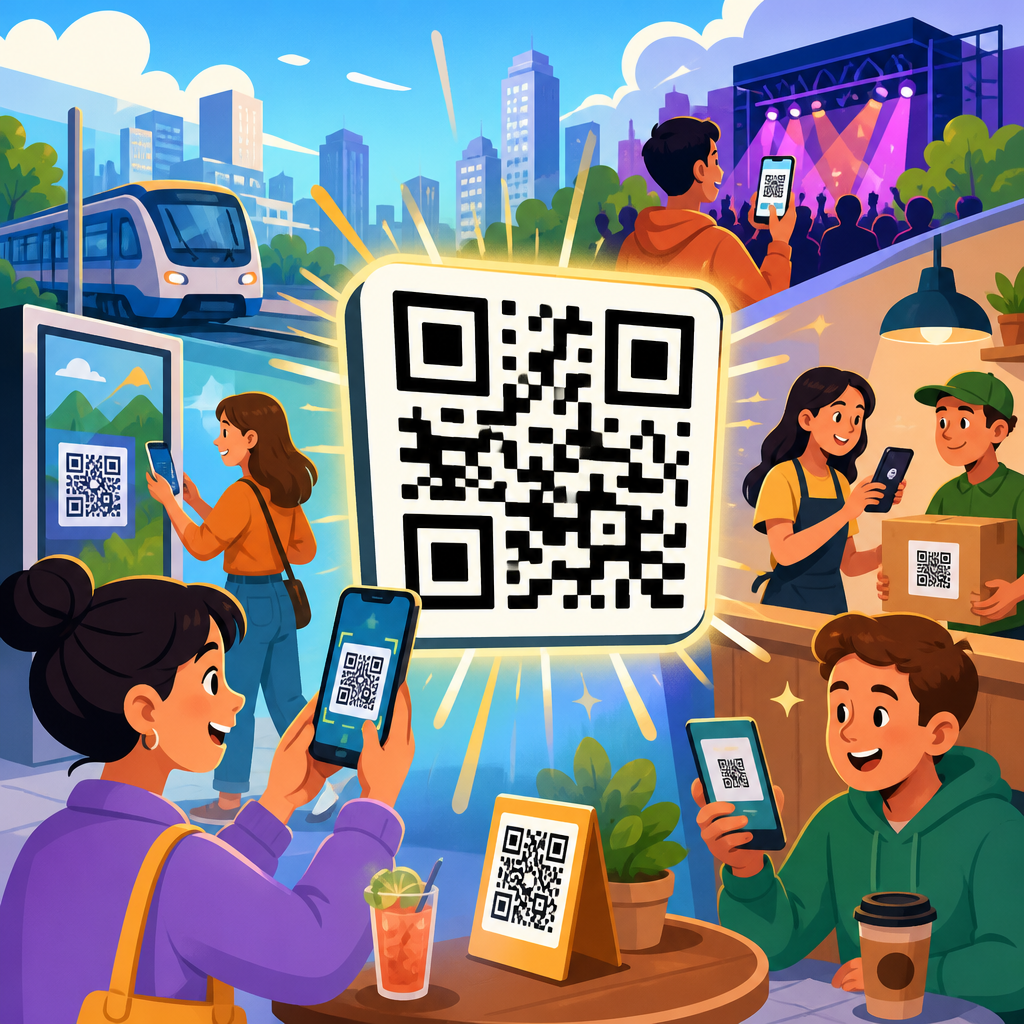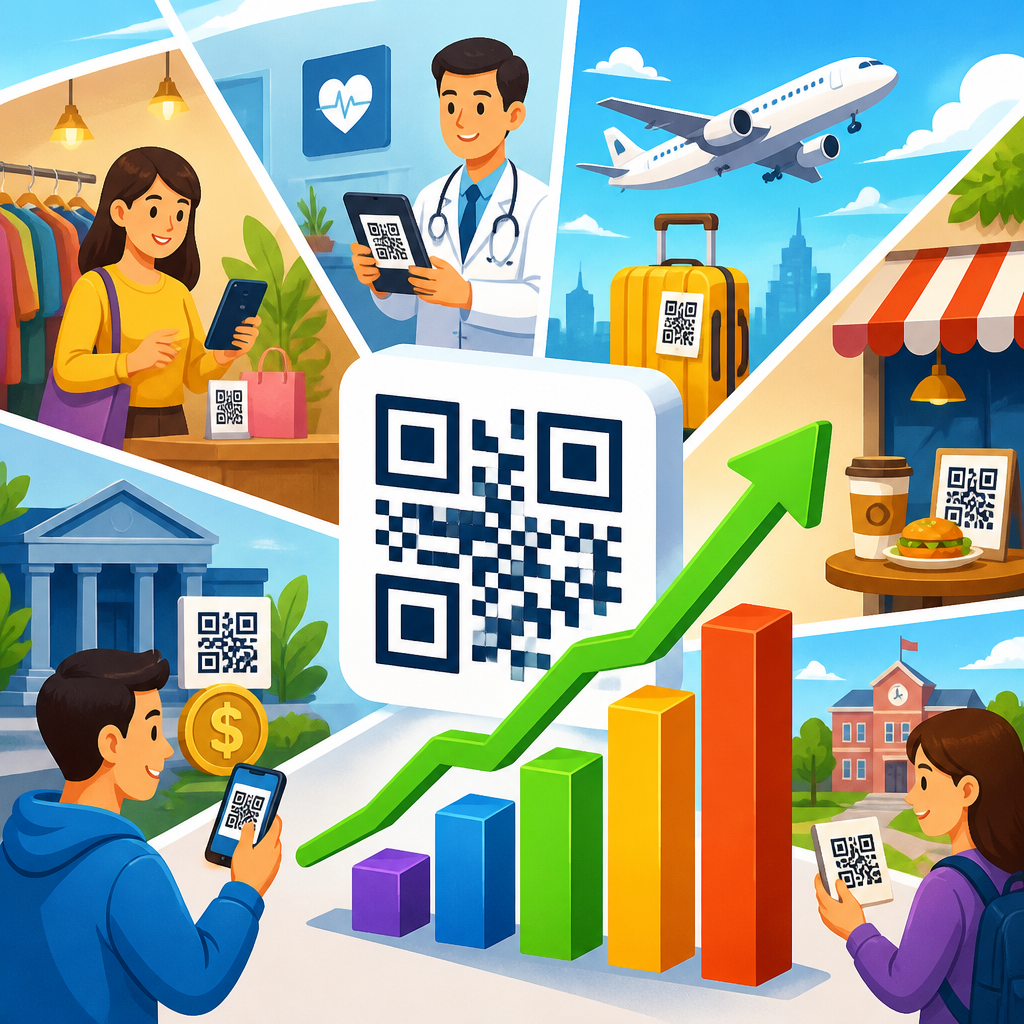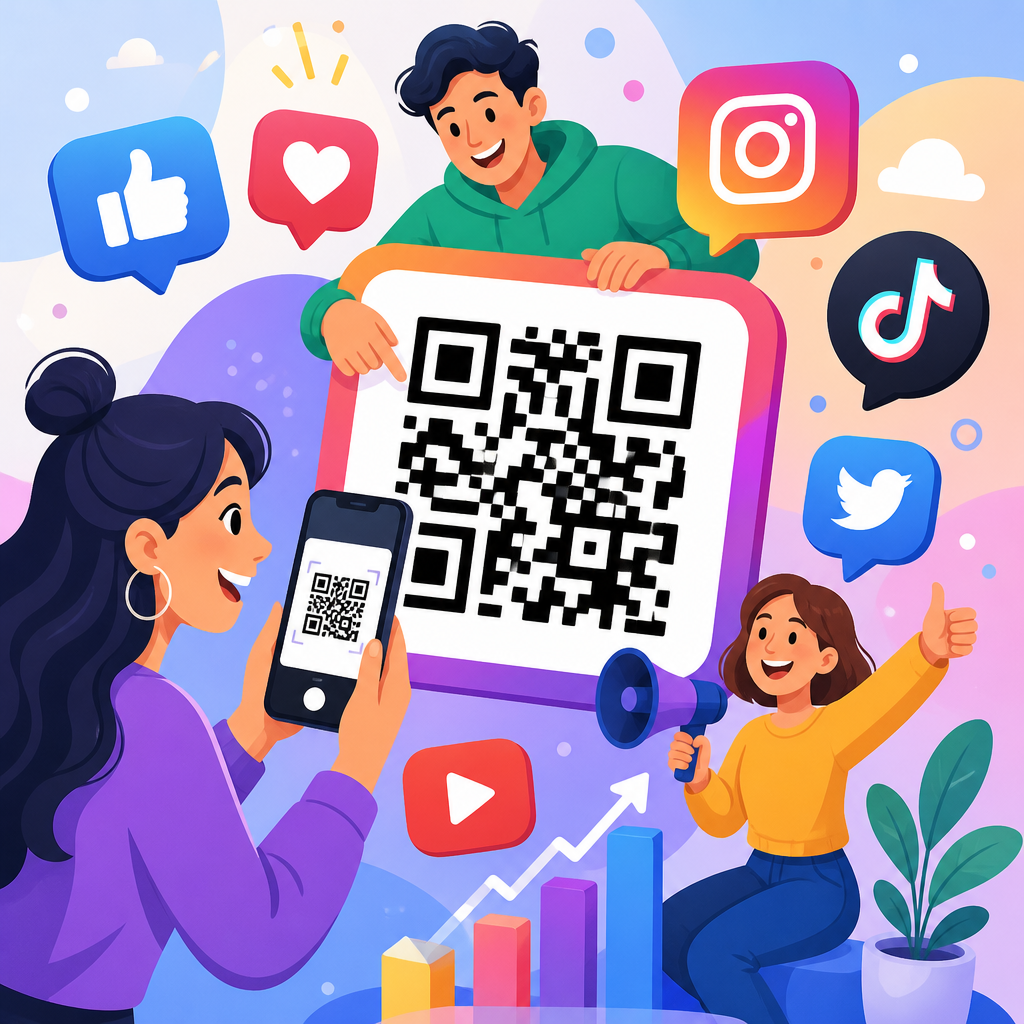
QR codes have moved from a niche convenience to a core bridge between physical touchpoints and digital engagement, and that shift is reshaping social media marketing worldwide. A QR code, or Quick Response code, is a two-dimensional barcode that stores a URL, file, payment instruction, app action, or other data that a smartphone camera can read instantly. In social media marketing, the code typically sends someone from packaging, signage, print, events, television, or product displays directly to a profile, post, campaign landing page, video, form, or social commerce experience. The appeal is simple: one scan removes typing friction and converts offline attention into measurable online action.
Global QR code adoption trends matter because they reveal how consumers now move between real-world environments and digital platforms. I have worked on campaigns where a code on a retail shelf lifted Instagram story views, where a conference badge scan doubled LinkedIn connections, and where restaurant table tents funneled customers into short-form video contests. Those results were not accidental. They reflected larger market changes: smartphone camera improvements, widespread mobile payments, stronger consumer comfort with scanning, and platform features that reward immediate interaction. When marketers understand where adoption is growing, which regions lead behavior change, and how people actually use scans, they can design campaigns that fit current habits instead of outdated assumptions.
The strongest way to think about QR codes in social media marketing is as a conversion layer. They do not replace content strategy, community management, or paid distribution. They connect physical discovery to social action with less drop-off. That connection is especially valuable in an era when audiences encounter brands everywhere: on product labels, out-of-home ads, livestreams, trade show booths, direct mail, menus, and creator merchandise. As global QR code adoption accelerates, the brands that win are the ones that treat the scan as the beginning of a useful experience, not a gimmick. This article explains the global adoption patterns, the regional differences, the social use cases, the measurement standards, and the practical steps marketers should follow to build better campaigns.
Why Global QR Code Adoption Is Accelerating
Global adoption is rising because several barriers that once limited QR use have largely disappeared. Ten years ago, many users needed a separate scanning app, mobile landing pages were often poor, and consumers did not always trust where a code would lead. Today, Apple and Android devices include camera-based scanning by default, mobile websites are faster, and people regularly use QR for menus, payments, tickets, authentication, and app logins. Pandemic-era contactless behavior also normalized scanning in everyday settings, and that behavior stayed in place after emergency restrictions eased.
Industry data consistently shows broad momentum. Payment and commerce studies from Juniper Research, GSMA, and national banking groups have documented sustained growth in QR-enabled transactions and interactions, particularly in Asia-Pacific and Latin America. The exact figures vary by market and methodology, but the direction is unmistakable: more people scan more often, and they do so for more purposes than before. In practical campaign terms, that means a code printed on a package or displayed in a video no longer requires heavy education. The user already understands the behavior. The marketer’s job is to make the destination relevant enough to justify the scan.
Another driver is platform convergence. Social platforms, payment apps, messaging apps, and e-commerce tools increasingly support linked journeys. A QR code can open a TikTok challenge page, a WhatsApp chat, a YouTube short, an Instagram profile, a Facebook lead form, or a product page with embedded social proof. Because these destinations are already mobile native, the experience feels immediate. This alignment between hardware, user habit, and platform design is why QR code adoption has become durable rather than cyclical.
Regional Patterns in QR Code Usage
Adoption is global, but it is not uniform. Asia-Pacific remains the most mature environment for QR-driven behavior, led by China’s early integration of codes into payments, super apps, and everyday retail. In China, codes became infrastructure: people scan to pay, join groups, follow official accounts, redeem offers, and verify products. That depth matters for marketers because it created a consumer expectation that scanning should unlock utility instantly. India has followed with massive QR familiarity through UPI payment flows, merchant displays, and mobile-first commerce. Southeast Asian markets, including Indonesia, Thailand, Vietnam, and Singapore, also show strong growth, driven by wallet adoption, retail digitization, and creator-led commerce.
Europe presents a different pattern. QR use is widespread, but consumer motivation often centers on information access, ticketing, hospitality, packaging, and omnichannel retail rather than super app ecosystems. During the pandemic, restaurant menus normalized scanning across the region. Since then, marketers have extended that behavior into loyalty, social follows, app downloads, and product education. North America saw a later but meaningful acceleration. The United States and Canada shifted from sporadic campaign use to mainstream adoption through restaurant menus, mobile wallets, CTV advertising, event activations, and packaging. Latin America has become one of the most important growth regions, especially where fintech, mobile payments, and social commerce are advancing together. Brazil and Mexico stand out because QR behavior often overlaps with messaging-led sales journeys and creator influence.
| Region | Primary Adoption Drivers | Common Social Media Marketing Uses |
|---|---|---|
| Asia-Pacific | Mobile payments, super apps, retail integration | Official account follows, livestream commerce, in-store promotions |
| Europe | Menus, ticketing, packaging, tourism | Product education, campaign landing pages, loyalty sign-ups |
| North America | CTV, events, restaurants, direct mail | Profile follows, short-form video campaigns, lead capture |
| Latin America | Fintech growth, messaging commerce, smartphone usage | WhatsApp journeys, influencer activations, coupon redemption |
| Middle East and Africa | Mobile-first access, payments, telecom services | Event engagement, mobile offers, customer support entry points |
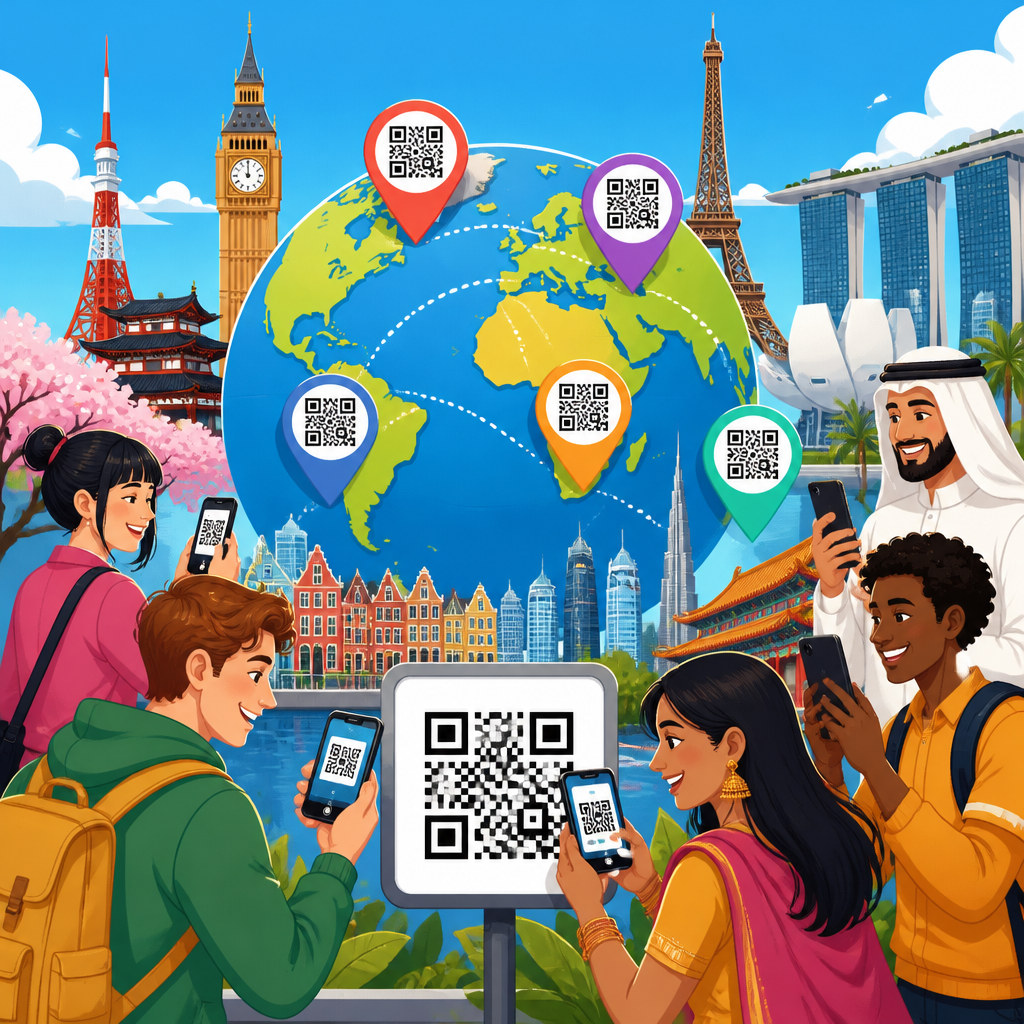
These differences shape execution. A campaign that succeeds in Tokyo or Shanghai may fail in Berlin or Chicago if it assumes the same app habits, payment norms, or privacy expectations. Global brands need regional routing, translated calls to action, and platform-specific destinations. The strongest teams I have worked with build one strategic framework and then localize the scan experience by market.
How QR Codes Fit Social Media Marketing Trends
QR codes are rising alongside three social media trends: short-form video dominance, social commerce expansion, and measurable offline-to-online attribution. In short-form video, codes appear on creator packaging, product inserts, event screens, and point-of-sale displays to move people directly into challenge pages, reels, shorts, or behind-the-scenes content. A cosmetics brand, for example, can place a code on secondary packaging that opens a tutorial reel library featuring creators using that exact shade. This reduces search friction and keeps the customer inside the content ecosystem most likely to influence repeat purchase.
In social commerce, the code acts as a purchase accelerator. A shopper sees a physical product, scans, and lands on a social storefront, creator review carousel, or live shopping reminder. Beauty, food, apparel, consumer electronics, and beverage brands use this pattern effectively because visual proof matters. The code does not need to send every user to a homepage. It should send them to the most persuasive next step: user-generated content, a social-exclusive bundle, or a product page anchored by creator endorsements. That targeting is what turns QR from access tool to revenue tool.
The attribution trend is equally important. Marketers have long struggled to measure how out-of-home media, print, packaging, and events influence social engagement. Dynamic QR codes help solve that problem by assigning unique destinations or parameters to each placement. One code on a window display can be tracked separately from the same campaign on a mailer, booth wall, or TV screen. When paired with analytics platforms, UTM tagging, and first-party data capture, scans become visible in the reporting stack. That visibility helps justify budget and improves creative decisions over time.
Best Use Cases Across Channels
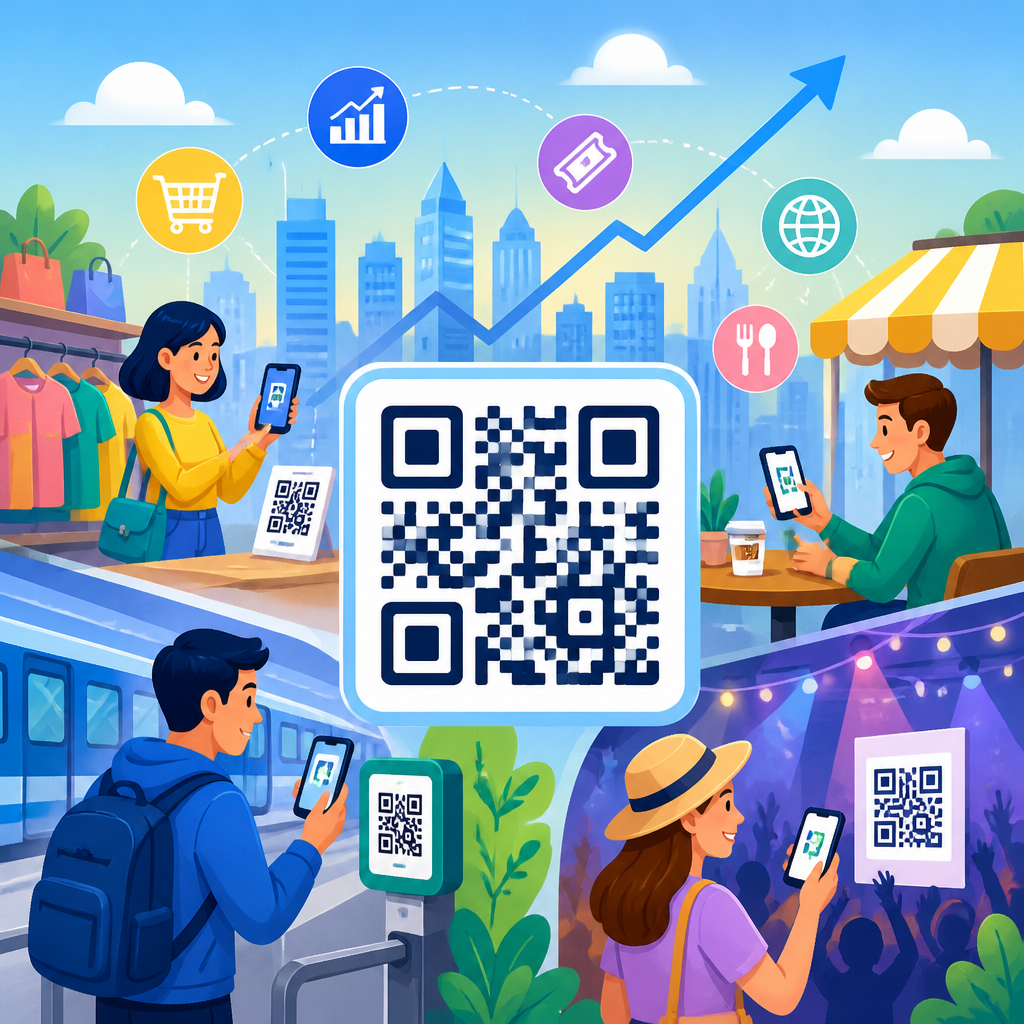
The most effective use cases connect context, intent, and destination. On product packaging, QR codes work best when they open something useful after purchase or at the moment of consideration: tutorials, care instructions, ingredient transparency, loyalty enrollment, or a branded social challenge. In retail signage, they support comparison shopping by opening product demos, influencer reviews, or limited-time offers. At events, they streamline booth engagement by connecting attendees to speaker clips, community groups, downloadable resources, and follow-up forms linked to social profiles.
Out-of-home advertising is another strong channel, but it requires discipline. People scan billboards, transit ads, and digital screens only when the offer is immediate and the code is large enough to capture quickly. I have seen campaigns fail because the creative team treated the code as decorative. A successful OOH QR execution uses clear contrast, a short value proposition, and a destination optimized for fast completion. Television and connected TV can also perform well, especially for app installs, coupons, and second-screen social engagement, but only when the code remains on screen long enough and the landing path is frictionless.
Hospitality, restaurants, higher education, sports, and nonprofit organizations also benefit. A university can place QR codes across campus tours that open student ambassador videos on social platforms. A sports team can use seat-back or concourse signage to drive fans into halftime polls, fan cams, and membership communities. A nonprofit can connect direct mail to donor stories, volunteer reels, and impact dashboards. In each case, the code creates a practical bridge from awareness to participation.
Measurement, Governance, and Execution Standards
Strong QR strategy depends on measurement and governance, not just design. Use dynamic codes whenever possible so destinations can be updated without reprinting assets. Apply structured UTM parameters that identify source, medium, campaign, placement, and creative version. In analytics tools such as Google Analytics 4, Adobe Analytics, HubSpot, or Salesforce Marketing Cloud, define events for scan landings, video views, follow actions, sign-ups, and purchases. This lets teams evaluate scan rate, engagement rate, conversion rate, and downstream revenue rather than stopping at raw traffic.
Execution standards matter because small mistakes can ruin performance. Maintain high contrast, adequate quiet zones, and a code size appropriate for distance. Follow established barcode guidance such as ISO/IEC 18004 for QR code symbology and test across iOS and Android devices under realistic lighting conditions. Avoid sending scans to generic homepages. The destination should match the promise on the creative exactly. If the sign says “Watch the recipe,” the scan should open the recipe video, not a corporate landing page with multiple choices. That alignment improves trust and conversion.
Governance also includes privacy and security. Use HTTPS destinations, branded short links where appropriate, and clear consent language when collecting personal data. Some users remain cautious about unknown codes because malicious redirects exist. Brands should counter that concern with recognizable branding, plain-language calls to action, and consistent destination domains. Accessibility matters too: pair the code with a visible URL or alternate path so users who cannot scan still reach the content.
What Smart Marketers Should Do Next
The biggest lesson from global QR code adoption trends is that scanning behavior is now mainstream enough to support serious social media marketing, but success depends on precision. Marketers should treat QR as an owned conversion path, map each code to a clear user intent, and localize campaigns for regional habits. They should prioritize destinations that answer immediate questions, showcase social proof, or capture first-party demand. They should also connect QR reporting to broader channel analytics so offline media gets proper credit.
For a sub-pillar hub under QR Code Trends and Innovations, this topic points to a larger strategic truth: QR performance improves when teams study adjacent subjects such as dynamic versus static codes, packaging design, restaurant adoption, event engagement, payment behavior, and retail attribution. Each of those areas deepens the same core capability—turning a simple scan into measurable action. That is why global QR code adoption trends deserve hub status. They provide the market context that makes every specialized implementation more effective and easier to justify.
If you are building or revising a social media marketing program, audit every physical customer touchpoint and ask one direct question: where would a scan remove friction and create value right now? Start with one high-intent use case, instrument it carefully, compare results by placement and audience, and expand from evidence. QR codes are no longer experimental. Used well, they are one of the clearest ways to connect the physical world to social engagement at global scale.
Frequently Asked Questions
1. Why are QR codes becoming so important in social media marketing?
QR codes have become important in social media marketing because they solve a major friction problem: they move people from an offline moment to an online action almost instantly. Instead of asking someone to remember a brand name, type a long URL, search for a profile, or look up a campaign later, a QR code creates a direct path from a physical touchpoint to a digital destination. That matters in a marketing environment where attention is short, competition is high, and convenience often determines whether a user engages or moves on.
What makes this shift especially significant is that social media no longer lives only inside apps. Brands now build audience journeys across retail shelves, packaging, in-store signage, events, direct mail, out-of-home advertising, product inserts, restaurant tables, television spots, and influencer activations. QR codes act as the bridge between those physical environments and social platforms, helping brands turn passive exposure into measurable interaction. A customer can scan a code on a product label and immediately land on an Instagram campaign, a TikTok challenge, a creator collaboration page, a WhatsApp chat, or a social commerce offer.
Another reason QR codes matter is that they improve tracking and campaign measurement. Marketers can assign unique QR codes to different placements, regions, products, or promotions and then evaluate which touchpoints generate the most visits, follows, video views, sign-ups, or conversions. That level of attribution is extremely useful when trying to understand how offline media contributes to social media growth and revenue. In short, QR codes are becoming central because they combine speed, accessibility, omnichannel reach, and measurable performance in a way that fits modern consumer behavior.
2. How are brands using QR codes across different social media campaigns?
Brands are using QR codes in a wide range of campaign formats, from awareness to engagement to conversion. One common use is sending people directly to a social media profile or specific post. For example, a brand might place a QR code on packaging that leads to its Instagram page for product tutorials, or on event signage that opens a TikTok hashtag challenge. This approach is simple, but it is powerful because it reduces the number of steps between exposure and participation.
Another major use case is interactive campaign activation. At live events, pop-up shops, trade shows, and sponsorships, QR codes can unlock augmented reality filters, entry forms, giveaway pages, exclusive behind-the-scenes content, or creator-led videos. In retail settings, a shopper might scan a code next to a product display and be taken to user-generated reviews, influencer demonstrations, or short-form social videos that help them make a purchase decision. This is especially effective because it combines the credibility of social proof with the immediacy of in-person discovery.
Brands also use QR codes to support social commerce and community building. A code can direct users to a limited-time offer promoted on social media, a product drop announcement, a shoppable video, a Messenger or WhatsApp support channel, or a loyalty signup page connected to a social campaign. Some companies even create segmented experiences by printing different QR codes for different markets, product lines, or audience groups, allowing them to personalize messaging and better measure outcomes. The broader trend is clear: QR codes are no longer just links; they are strategic gateways into tailored social experiences.
3. What are the biggest benefits of using QR codes for social media engagement and conversions?
The biggest benefit is reduced friction. Every extra step in a user journey creates an opportunity for drop-off, and QR codes remove several of those steps at once. When a person sees a product, ad, sign, or display and can immediately scan to reach a social media destination, the transition feels natural and fast. That often leads to stronger engagement rates compared with asking users to manually search for a brand or campaign.
QR codes also support stronger intent capture. A scan is usually an active signal that a person wants more information, wants to participate, or is ready to take the next step. That makes QR-driven traffic especially valuable for marketers. Instead of broad impressions alone, brands gain access to visitors who have shown immediate interest. Once on the destination page, those users can be encouraged to follow a profile, watch a video, join a challenge, claim an offer, submit content, or complete a purchase. This makes QR codes useful not only for awareness but for moving users deeper into the funnel.
Measurement is another major advantage. Dynamic QR codes allow marketers to update destinations without reprinting materials, and they often provide scan data that can be analyzed by time, location, campaign asset, or device behavior. Combined with platform analytics and conversion tracking, this helps brands understand how physical media contributes to digital performance. Finally, QR codes are versatile and cost-effective. They can be printed on nearly any medium, adapted for short-term or long-term campaigns, and integrated into both small business promotions and large global brand strategies. For social media teams under pressure to connect offline marketing with digital results, that flexibility is extremely valuable.
4. What are the best practices for creating effective QR code campaigns for social media?
Effective QR code campaigns start with a clear goal. Before creating the code, brands should decide exactly what they want the user to do: follow a social profile, watch a video, join a contest, unlock exclusive content, message the brand, or buy a product. The destination should match the context of the scan. Someone scanning from packaging may want product tips or community content, while someone scanning at an event may expect live engagement, interactive features, or a timely offer. The more relevant the landing experience is to the environment, the better the performance tends to be.
Design and usability also matter. A QR code should be large enough to scan easily, placed where lighting and camera access are realistic, and supported by a short call to action that explains the value of scanning. “Scan to watch tutorials,” “Scan to join our TikTok challenge,” or “Scan for exclusive launch content” will usually outperform a code with no explanation. Users need a reason to act. Marketers should also test codes on multiple devices, confirm that the landing page is mobile-optimized, and make sure the final destination loads quickly. A poor mobile experience can erase the benefit of the scan.
Brands should also think strategically about tracking and optimization. Using dynamic QR codes, campaign parameters, and unique codes for different placements makes it easier to identify what is working. It is also wise to keep the destination focused rather than sending traffic to a generic homepage. In many cases, a dedicated landing page or deep link performs better because it aligns directly with the campaign message. Finally, creative consistency is important. The visual style, offer, and messaging connected to the QR code should feel like a seamless extension of the social campaign, not a disconnected extra step. The best QR code experiences feel immediate, useful, and intentional.
5. What trends are shaping the future of QR codes in social media marketing?
One major trend is deeper omnichannel integration. QR codes are increasingly being used not as one-off tools but as part of connected customer journeys that span packaging, retail, events, paid media, influencer content, email, and social platforms. This means brands are designing campaigns where each scan contributes to a broader relationship, whether that involves community building, loyalty participation, content discovery, or commerce. As consumers move fluidly between physical and digital environments, QR codes are becoming an essential infrastructure layer in that journey.
Personalization is another important trend. Brands are moving toward segmented and dynamic QR experiences that adapt based on product type, geography, season, campaign source, or audience behavior. A code on one package might lead first-time users to an introductory social experience, while another might guide returning customers to loyalty perks or exclusive creator content. This shift makes QR codes more than static links; they become adaptive entry points that support more relevant messaging and stronger conversion performance.
We are also seeing growth in social commerce, creator collaboration, and interactive media tied to QR usage. Codes are increasingly directing users to shoppable videos, livestreams, limited-edition drops, user-generated content hubs, and messaging-based brand interactions. At the same time, improved smartphone scanning behavior and consumer familiarity have lowered adoption barriers significantly. Looking ahead, the brands that benefit most will be the ones that treat QR codes as strategic engagement tools rather than simple technical shortcuts. In social media marketing, the future of QR codes is not just about being scannable; it is about being meaningful, measurable, and seamlessly connected to the customer experience.