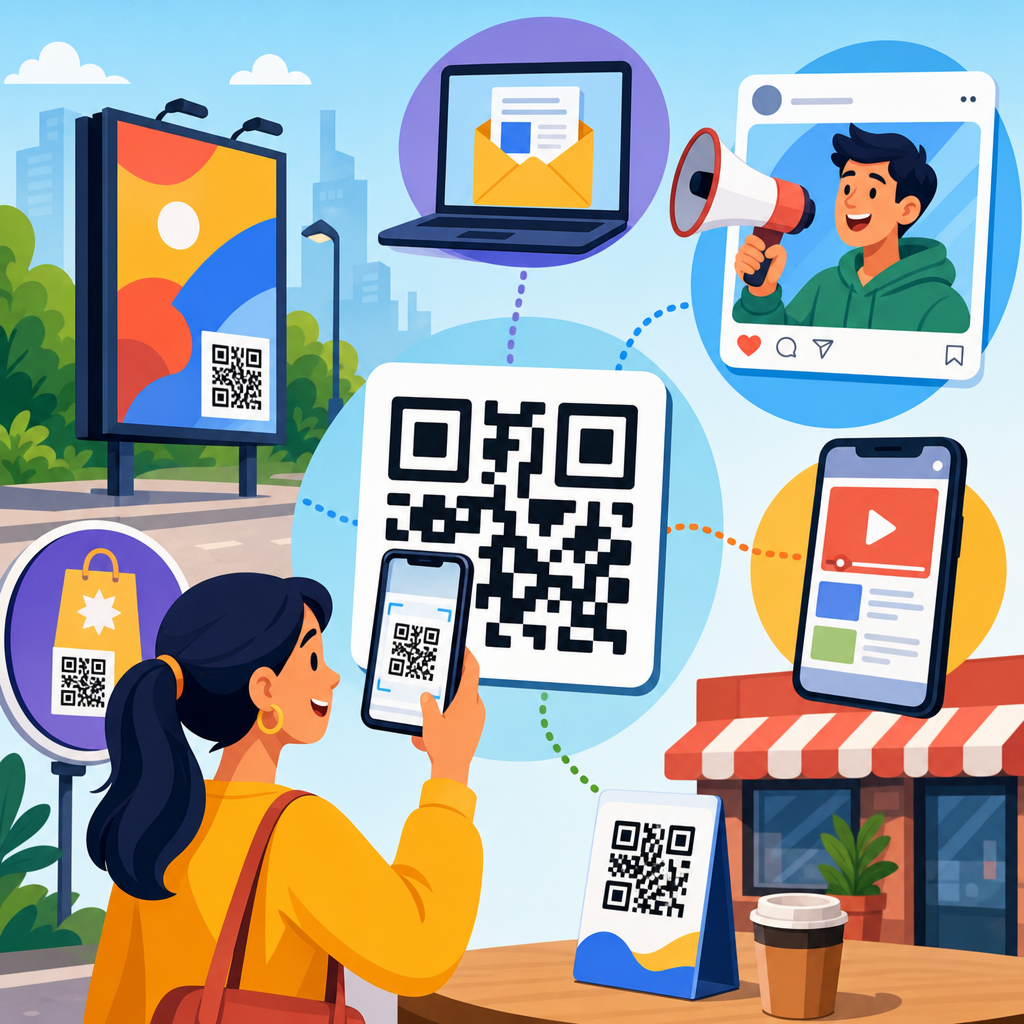
QR codes for hybrid marketing campaigns turn physical touchpoints into measurable digital journeys, giving brands a practical way to connect print, packaging, retail spaces, events, and direct mail with online content, commerce, and customer data. A hybrid marketing campaign combines offline exposure with online action, so a poster can lead to a landing page, a product label can open a how-to video, and an event badge can trigger lead capture in a CRM. In my work planning retail promotions and event activations, QR codes have been the fastest way to close the gap between attention and action because nearly every smartphone can scan them instantly through the native camera. That convenience matters. When a customer must type a URL, search manually, or download an app first, conversion drops. When a code opens the exact next step, friction shrinks and attribution improves.
For marketers building offline-to-online integration, QR codes matter because they solve three persistent problems at once: access, measurement, and continuity. Access improves because a scan is easier than remembering a brand name seen on a transit ad. Measurement improves because each code can map to a unique URL with UTM parameters, dynamic redirects, and campaign-level analytics. Continuity improves because the post-scan experience can be tailored to the location, audience segment, or stage of the funnel. A restaurant table tent can open a menu, loyalty sign-up, and review request. A B2B tradeshow booth can route attendees to a product selector, meeting scheduler, and gated case study. A catalog can send shoppers directly to in-stock SKUs rather than a generic homepage.
This hub article covers how to use QR codes across offline-to-online integration in a disciplined way: strategy, channel selection, experience design, tracking, compliance, and optimization. The goal is not to add a code everywhere. The goal is to place scannable calls to action where intent already exists, then deliver a mobile experience that completes the job. The strongest campaigns do this with clear messaging, fast load times, first-party data capture, and measurable business outcomes.
What QR Codes Do in Offline-to-Online Integration
A QR code is a two-dimensional matrix barcode that stores data, most commonly a URL. In marketing, the code itself is not the strategy; it is the bridge. It takes a person from a physical object to a digital destination without manual input. That bridge is especially valuable in channels where audiences are interested but not yet ready to act, such as out-of-home advertising, in-store displays, product packaging, brochures, receipts, and event signage.
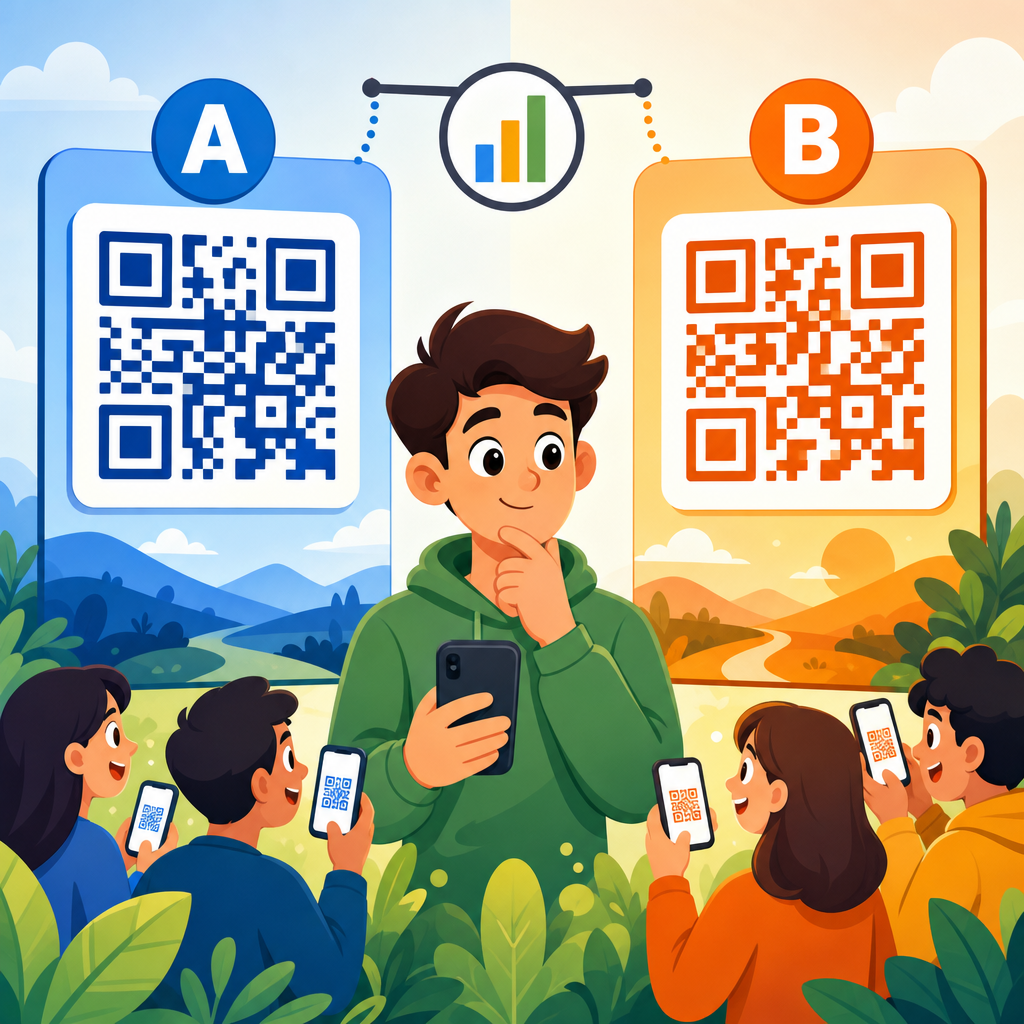
Used well, QR codes support several jobs. They can drive traffic to landing pages, enable purchases, collect leads, trigger app installs, unlock coupons, launch augmented experiences, gather reviews, register event attendance, and connect a customer to support content. Dynamic QR codes are usually the better option for campaigns because the destination can be changed after printing, making them useful for seasonal promotions, inventory changes, A/B tests, or regional variations. Static codes still have a place for permanent destinations such as Wi-Fi access or evergreen product documentation, but they limit optimization once distributed.
The key strategic shift is to think in pathways, not placements. A QR code on packaging should not send everyone to the homepage. It should answer the most likely need at that moment: setup instructions, refill ordering, warranty registration, ingredient sourcing, or loyalty enrollment. In a hybrid campaign, every scan should feel like a continuation of the physical experience, not a detour.
Where QR Codes Work Best Across Hybrid Campaign Channels
Not every offline asset deserves a QR code, and not every environment produces the same scan behavior. The best-performing placements usually share three traits: the audience has enough dwell time to notice the code, there is a clear value exchange, and the mobile destination matches immediate intent. In-store signage works because shoppers are already comparing products. Direct mail works because the recipient can scan in a low-distraction setting. Event badges and booth graphics work because attendees want information quickly without carrying printed materials.
Packaging is one of the most underused channels. A box, label, or insert reaches the customer at the exact moment of ownership, when engagement is high. I have seen onboarding completion rates rise when setup videos, FAQ pages, and replacement-part ordering were all accessible from a single post-purchase QR destination. Restaurants, consumer packaged goods brands, and electronics manufacturers use this approach to reduce support costs while deepening retention.
Out-of-home placements can work, but only under the right conditions. Transit shelters, elevators, gym screens, and point-of-sale displays often outperform highway billboards because scanning distance, lighting, and safety are manageable. For B2B, conferences and field events remain especially strong because the user intent is explicit: learn more, compare vendors, book a demo, or download technical material.
| Channel | Best QR Objective | Example Destination | Common Mistake |
|---|---|---|---|
| Product packaging | Post-purchase engagement | Setup guide, refill order page, loyalty sign-up | Sending to the homepage |
| Direct mail | Response and conversion | Personalized offer page with prefilled form | Using a generic, non-personalized landing page |
| Retail signage | Product education | Comparison chart, reviews, store inventory lookup | Placing codes too low or without context |
| Events and trade shows | Lead capture | Demo booking, case study hub, contact exchange | Gating everything before showing value |
| Receipts and inserts | Retention and review generation | Review request, care instructions, referral program | Offering no incentive or explanation |
How to Design a QR Code Campaign That Converts
High-performing QR codes are built around intent, visibility, and message clarity. Start with the user question. What does the person want right now? If the answer is “learn whether this product fits my needs,” link to a concise mobile page with features, social proof, and a store locator or add-to-cart option. If the answer is “redeem an offer,” send the scanner directly to the coupon, not to a navigation-heavy site.
The call to action next to the code matters as much as the code itself. “Scan to see colors in your room,” “Scan for installation video,” and “Scan to get today’s event slides” outperform vague prompts like “Scan me.” In field tests, I have repeatedly seen scan rates improve when the benefit is explicit and immediate. Good creative also preserves technical readability: sufficient quiet zone, strong contrast, non-distorted shape, and a physical size appropriate for scanning distance. A useful rule is to increase code size by roughly one inch for every ten feet of scanning distance, then validate in real conditions.
The landing page must be mobile-first. That means compressed images, fast Core Web Vitals, thumb-friendly forms, and content that aligns with the promise made offline. If the print piece advertises a free sample, the mobile page should open with the sample offer, not force users to hunt for it. Keep the path short. Each extra field or click reduces completion rate. Where possible, use deferred deep linking into an app, wallet pass delivery, location-aware pages, or prefilled forms from personalized URLs.
Measurement, Attribution, and Martech Integration
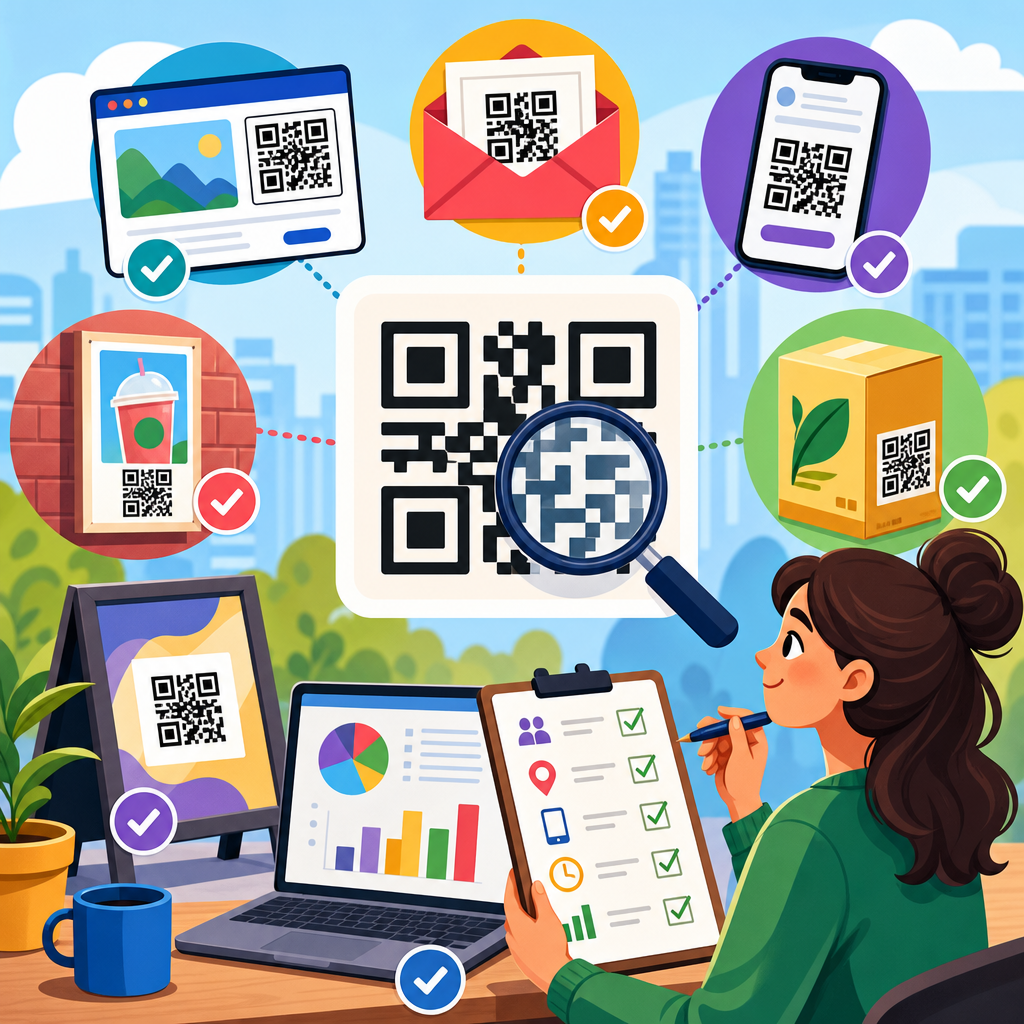
One reason QR codes are central to offline-to-online integration is that they make traditional offline media measurable. Each code should resolve to a dedicated campaign URL structure with UTM parameters for source, medium, campaign, content, and when relevant, placement or store identifier. Dynamic QR platforms such as Bitly, Flowcode, QR Code Generator Pro, and Beaconstac add redirect control, scan analytics, and device or location data. Google Analytics 4 can then attribute sessions, conversions, and engagement events to the scan source.
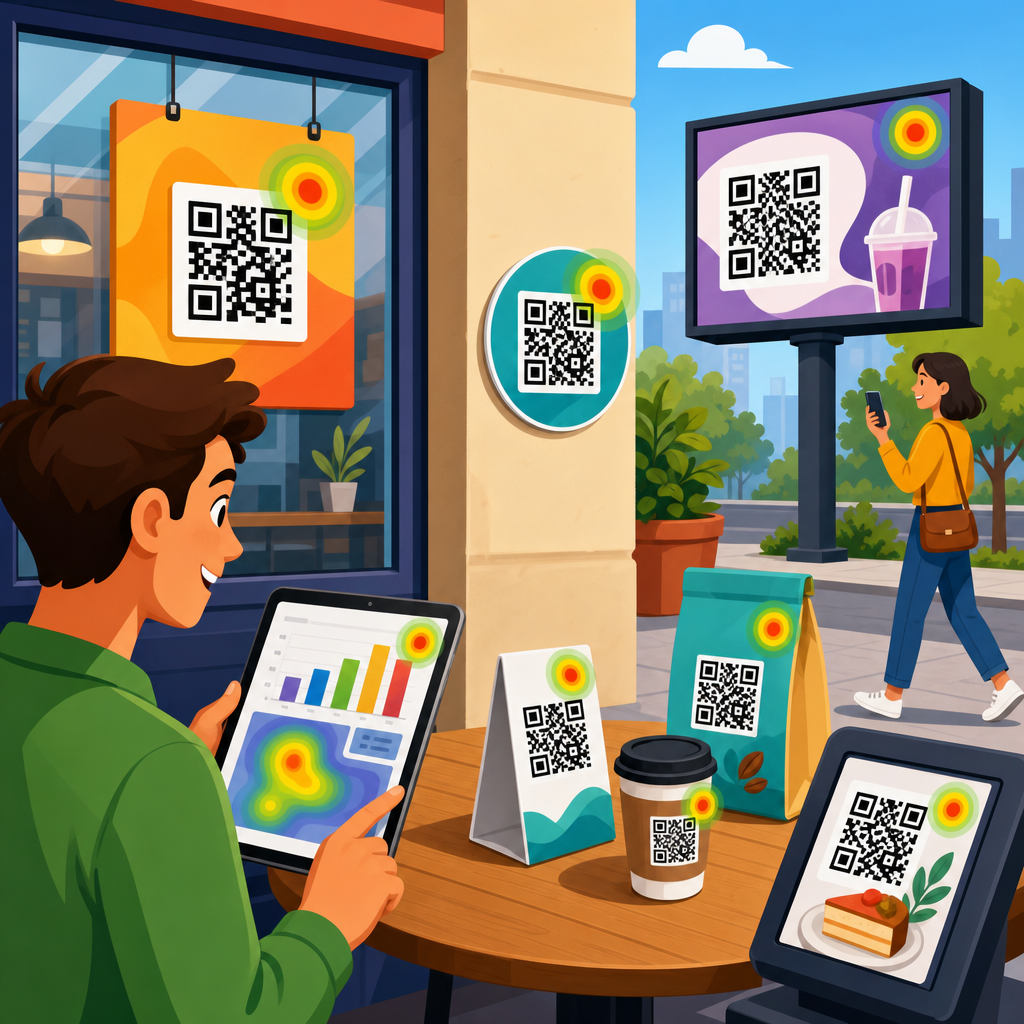
For more mature programs, connect scan behavior to a CRM or marketing automation platform such as HubSpot, Salesforce, Marketo, or Klaviyo. This turns anonymous scans into lead or customer signals once a form, purchase, or login occurs. At events, a booth code can trigger a hidden field identifying the trade show, product interest, and rep territory. In retail, store-specific codes can reveal which locations generate the most digital engagement, helping teams compare footfall against post-scan revenue. For direct mail, variable data printing allows unique QR codes per recipient, enabling household-level response analysis while preserving a smooth user experience.
Attribution still requires discipline. A scan is not automatically a conversion, and not every conversion should be credited solely to the code. Use holdout tests where possible. Compare locations with and without codes, or rotate offers to isolate lift. If a packaging QR experience increases repeat purchase rate or lowers support tickets, those operational outcomes matter as much as top-line click metrics.
Use Cases by Industry and Funnel Stage
Different industries use QR codes differently because customer intent changes by context. In retail, upper-funnel placements such as window displays or print ads often direct to lookbooks, store maps, or product launches. Mid-funnel shelf talkers link to comparisons, reviews, or ingredient transparency. Lower-funnel tags connect to coupons, buy-online-pickup-in-store pages, or wallet-based offers. Beauty brands frequently use codes to match shade finders and tutorial videos. Home improvement retailers use them to attach installation guidance and compatibility charts to complex products.
In hospitality and restaurants, QR codes moved beyond contactless menus and now support reservation flows, loyalty enrollment, feedback collection, and localized promotions. Hotels place codes in rooms for spa bookings, late checkout requests, or city guides. Healthcare and pharma teams use them carefully for patient education, refill reminders, copay support, and device instructions, typically with legal review and strict destination control. In manufacturing and B2B, machine labels, brochures, and booth panels can link to spec sheets, CAD files, maintenance videos, and distributor locators.
For nonprofit and public sector organizations, hybrid campaigns often center on accessibility and immediacy. A museum placard can open audio narration in multiple languages. A transit authority poster can launch service alerts. A fundraising mailer can send donors to a prefilled giving page. In each case, the strongest QR implementation reduces friction at the exact moment a person is most likely to act.
Common Mistakes, Compliance, and Optimization
The biggest QR code mistakes are simple and expensive: poor placement, generic destinations, slow pages, and missing analytics. Codes placed behind reflective glass, on curved surfaces, in low contrast, or where mobile service is weak will underperform no matter how strong the offer is. Another frequent error is creative over-customization. Branded colors and logos are useful only if they preserve scan reliability across devices. Always test on iPhone and Android models, under varied lighting, and from realistic distances.
Security and trust also matter. Users have learned to be cautious about unknown links, so the surrounding copy should identify the brand and destination clearly. Short links should be branded when possible. For regulated sectors and privacy-sensitive campaigns, disclose what data is collected, avoid unnecessary form fields, and ensure consent flows comply with applicable laws such as GDPR and CCPA. If minors may scan the code, content governance becomes even more important.
Optimization should be continuous. Test different calls to action, destination formats, and offers. Compare a coupon page against a product explainer, or a video-first landing page against a short comparison table. Monitor scan-to-session rate, bounce rate, form completion, assisted revenue, and downstream retention. The best hybrid marketing campaigns treat QR codes as living infrastructure rather than printed decoration. Audit codes quarterly, update redirects when products change, and retire dead-end experiences before they erode trust.
QR codes for hybrid marketing campaigns work because they connect real-world attention to digital action with less friction than any other widely available tool. They are effective on packaging, direct mail, retail signage, events, receipts, and service environments because they meet users where intent already exists. The code is only the entry point, though. Results come from matching each placement to a clear promise, a fast mobile destination, and a measurable next step.
For teams building an offline-to-online integration program, the priority is straightforward. Choose placements with natural dwell time. Use dynamic codes whenever the campaign may change. Write explicit calls to action. Build landing pages around the exact moment of need. Track every scan with campaign parameters, then connect outcomes to analytics and CRM systems so offline media can be optimized with the same rigor as paid search or email.
This sub-pillar hub should guide every related workflow in QR code marketing and strategy, from packaging engagement and event lead capture to direct mail response and retail education. When you treat QR codes as part of the customer journey instead of a novelty, hybrid campaigns become more useful for customers and more accountable for marketers. Review your current offline assets, identify the moments where a scan would remove friction, and launch one tightly measured QR experience that solves a real customer need.
Frequently Asked Questions
What are QR codes for hybrid marketing campaigns, and why are they so effective?
QR codes for hybrid marketing campaigns are scannable links that connect offline marketing assets directly to digital experiences. In practice, they turn a printed postcard, in-store display, product package, event sign, brochure, or sales handout into a measurable entry point to a landing page, video, product configurator, coupon, form, app download, or checkout page. That is what makes them especially powerful in hybrid campaigns: they bridge physical attention and digital action without asking the customer to type a URL, search for a brand, or take extra steps.
They are effective because they reduce friction at the exact moment interest is highest. If someone is already looking at a shelf talker in a retail aisle, reading a direct mail offer at home, or standing at a trade show booth, a QR code gives them an immediate path to continue the journey on their phone. That speed matters. The fewer obstacles between discovery and response, the more likely a user is to engage, convert, or share information.
They are also effective because they make offline media more accountable. Traditional physical channels often struggle with attribution, but a well-managed QR code can show scan volume, time of day, device type, campaign source, location trends, and downstream actions such as form fills, purchases, or sign-ups. This allows marketers to compare placements, optimize creative, and understand which physical touchpoints are actually driving results. In a hybrid strategy, that visibility helps align brand awareness goals with measurable performance outcomes.
How can brands use QR codes across print, packaging, retail, events, and direct mail?
Brands can use QR codes differently depending on the setting, the customer intent, and the next best action they want to encourage. In print advertising, a QR code can move a reader from awareness to engagement by opening a campaign landing page, product collection, or limited-time offer. In direct mail, it can personalize the experience by sending recipients to a location-specific page, pre-filled form, or unique promotion tied to a household or customer segment.
On packaging, QR codes can support both marketing and customer experience. A code on a product label can link to setup instructions, ingredient details, user guides, warranty registration, tutorial videos, loyalty enrollment, replenishment ordering, or cross-sell recommendations. This is especially useful when packaging space is limited but customers still need rich product information. It also extends the relationship beyond the purchase by creating a post-sale digital touchpoint.
In retail spaces, QR codes can enhance in-store decision-making. They can be placed on shelf displays, end caps, window signage, fitting rooms, and point-of-sale materials to deliver product comparisons, customer reviews, styling ideas, stock checks, promotional offers, or buy-online-pickup options. At events and trade shows, they can streamline lead capture, booth engagement, session registration, speaker downloads, and CRM integration. For example, a badge scan or booth sign can direct attendees to a form, demo request page, or digital catalog while tracking which activations generated the strongest interest.
The key is to match each QR code to the context of the physical interaction. Someone scanning from a package after purchase needs different content than someone scanning from a bus shelter ad during initial awareness. Strong hybrid campaigns do not treat every scan the same; they design the destination experience around the moment, the medium, and the likely customer question.
What should a QR code lead to in order to improve conversions and customer engagement?
A QR code should lead to a destination that is highly relevant, mobile-friendly, and tightly aligned with the promise of the physical touchpoint. One of the most common mistakes in hybrid marketing is sending every scan to a generic homepage. That usually creates friction and weakens performance because the user has to search for the next step. A much better approach is to route the scan to a focused landing page built specifically for the campaign, audience, or asset.
The best destination depends on the campaign objective. If the goal is lead generation, send users to a short form with a clear benefit, such as access to a demo, sample, quote, or event follow-up. If the goal is commerce, direct them to a product page, cart-ready offer, or category page with a simple path to purchase. If the goal is education, link to a how-to video, buyer guide, comparison chart, or onboarding flow. If the goal is retention, route to loyalty sign-up, product registration, care instructions, or reorder tools.
To improve conversions, the destination should load quickly, display well on mobile devices, and make the next action obvious. Strong pages use concise messaging, a single primary call to action, and continuity with the original physical asset so the user immediately knows they are in the right place. It is also smart to tailor pages by channel, location, or audience segment when possible. A code on premium packaging might open a different experience than a code on a mass-market flyer, even if both support the same brand. Relevance drives response, and the landing experience is where hybrid marketing either fulfills the promise of the scan or wastes it.
How do you track and measure the performance of QR codes in a hybrid marketing campaign?
Measurement starts with structured campaign planning. Each QR code should be tied to a specific asset, audience, placement, and objective so scan data can be interpreted correctly. Instead of reusing one code everywhere, it is usually better to create unique or segmented codes for different channels such as store posters, event booths, packaging runs, direct mail versions, or publication placements. That allows marketers to compare performance by environment and understand which physical touchpoints generate the most meaningful digital behavior.
At a basic level, brands can track scans, unique users, time patterns, device trends, and general geographic signals. More advanced setups connect the scan to analytics platforms, marketing automation systems, e-commerce reporting, and CRM records. That makes it possible to measure not only scan activity but also what happened afterward: page engagement, form submissions, coupon redemptions, purchases, repeat visits, lead quality, and pipeline contribution. In event and sales contexts, QR interactions can be especially valuable when tied to lead capture workflows and follow-up sequences.
The most useful reporting goes beyond raw scan volume. A code with fewer scans may outperform a high-traffic code if it produces stronger conversion rates, larger order values, or more qualified leads. Marketers should evaluate the full journey, including scan-to-visit rate, bounce rate, conversion rate, revenue per scan, and downstream customer actions. Testing also matters. Small changes in placement, call-to-action language, destination page design, incentive, or code size can significantly affect results. When QR codes are treated as measurable campaign assets rather than simple links, they become a practical source of optimization data across both offline and online channels.
What are the best practices for creating QR codes that people will actually scan?
The first best practice is clarity of purpose. People are far more likely to scan when they know exactly what they will get. A QR code by itself is not a strategy; it needs a strong call to action such as “Watch the demo,” “Claim your in-store offer,” “See available sizes,” or “Download the event guide.” Specific language sets expectations and gives users a reason to act. If the value is vague, scan rates usually suffer.
Design and placement are just as important. The code should be large enough to scan easily, printed with strong contrast, and positioned where people can access it without awkward angles, poor lighting, or heavy movement. A code on a retail shelf should be reachable from a normal standing distance. A code on a street poster should account for how quickly someone can notice and scan it. A code on packaging should not be hidden in a seam, wrapped around a curve, or placed where it gets damaged in transit. Testing in real-world conditions is essential before launch.
It is also important to think through the mobile experience after the scan. If the landing page is slow, cluttered, or not optimized for small screens, the campaign loses momentum. Brands should use dynamic QR codes when flexibility is needed, because they allow destination updates without reprinting physical materials. That is useful for time-sensitive promotions, inventory changes, event schedules, seasonal campaigns, or A/B testing. Finally, marketers should respect trust and privacy expectations by linking to secure destinations, being transparent about data capture, and avoiding unnecessary form friction. The best-performing QR codes feel useful, immediate, and effortless, which is exactly what a strong hybrid marketing campaign is supposed to deliver.