How to link physical products to digital experiences is now a core question in modern marketing because packaging, labels, receipts, displays, and product inserts no longer end at the shelf. They act as bridges into websites, apps, loyalty programs, support centers, and post-purchase communities. Offline-to-online integration is the discipline of connecting a tangible object to a measurable digital action, usually through QR codes, NFC tags, short URLs, serialized identifiers, or augmented reality triggers. In practice, it means a bottle can open a recipe library, a sofa tag can launch assembly videos, or a medicine carton can verify authenticity and deliver safety instructions in the customer’s language.
This matters because the physical world still drives a huge share of purchase decisions, while digital channels capture the data, engagement, and retention that brands need to grow efficiently. I have worked on packaging-driven campaigns where a simple scan lifted product registration rates, reduced support calls, and exposed weak points in onboarding copy that were invisible in e-commerce analytics alone. A product in someone’s hand creates intent that is often stronger than a generic ad click. If the next step is frictionless, brands can turn that moment into education, conversion, first-party data, and repeat purchase behavior.
For companies building a QR code marketing and strategy program, this topic is the hub because every downstream tactic depends on it. Connected packaging, in-store activation, warranty enrollment, interactive manuals, and authenticated resale all begin with the same design problem: give the customer a clear reason to move from object to screen. The best programs combine strong calls to action, reliable mobile landing pages, governance over links and redirects, and measurement standards that tie scans to business outcomes. When done well, physical products become persistent media channels that continue working long after the initial sale.
What offline-to-online integration includes
Offline-to-online integration includes every mechanism that turns a physical touchpoint into a digital experience with a defined user outcome. The most common entry point is the QR code because smartphone cameras read it instantly and no special hardware is required. NFC works well for premium packaging, event credentials, and tamper-aware applications, but it depends on device compatibility and usually costs more per unit. Short URLs, alphanumeric codes, and image recognition remain useful when print space is limited or scan conditions are poor. The method matters less than the architecture behind it: a durable destination, mobile-first experience, analytics, and clear consent handling.
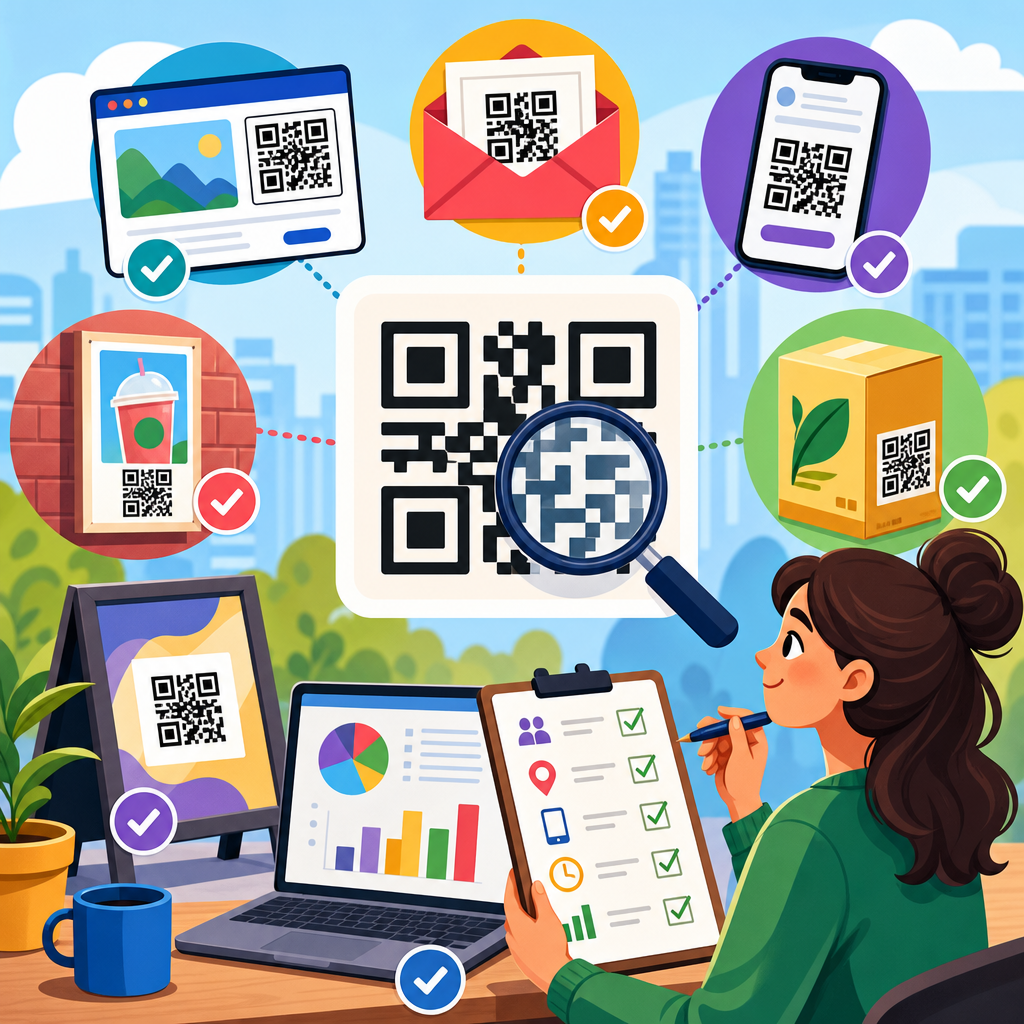
A complete program maps touchpoints across the customer journey. Before purchase, shelf talkers and window displays can route people to comparison guides or store locators. At purchase, receipts and point-of-sale materials can offer loyalty enrollment or digital coupons. After purchase, packaging and inserts can launch setup instructions, care guidance, refill reminders, communities, and referral flows. In regulated sectors such as healthcare, food, and electronics, connected experiences can also support traceability, ingredient transparency, safety updates, and compliance content. The key principle is relevance. A buyer scanning a carton wants the next useful step, not a generic homepage.
Why brands connect products to digital experiences
Brands connect physical products to digital experiences for three practical reasons: better customer experience, better measurement, and better lifecycle value. Customer experience improves when information appears at the moment of need. A furniture brand can replace a dense paper manual with step-by-step assembly videos. A cosmetics label can provide shade matching tutorials and ingredient explanations. A beverage can link to cocktail recipes, recycling instructions, or music playlists tied to a campaign. These are not novelty features. They reduce confusion, shorten time to value, and make the product feel supported after the sale.
Measurement improves because scans, taps, and registrations create attributable events. Unlike a passive package sitting on a shelf, a connected package can tell you which market generated interest, which creative drove action, and which product variant produces the highest registration rate. Dynamic QR platforms such as Bitly, QR Code Generator PRO, Scanova, and Flowcode typically provide scan counts, timestamps, device type, and location approximations. When integrated with analytics tools and CRM systems, those events can be tied to revenue, retention, and service outcomes. That closes the loop between offline media investment and online performance.
Lifecycle value increases because the relationship continues after checkout. I have seen warranty registration pages evolve into onboarding sequences, then into review requests, subscription offers, and replenishment reminders. A connected product can support upsell without feeling intrusive if the offer follows demonstrated behavior. Someone who scans a printer setup guide may later need ink. Someone who activates a skincare regimen may benefit from refill timing based on typical usage intervals. The physical item becomes an owned channel that performs across acquisition, activation, retention, and advocacy.
Choosing the right connection method
The right connection method depends on cost, context, durability, and user intent. QR codes are usually the default choice because they are inexpensive, printable at scale, and easy to test. They perform especially well on packaging, posters, direct mail, receipts, and in-store displays. Best practice is to use dynamic codes managed through redirects rather than hard-coding final URLs into artwork. Dynamic routing allows you to update destinations, localize by market, and preserve scan continuity if pages change. It also supports campaign-level reporting without reprinting materials.
NFC is strongest when tap convenience and perceived quality matter. Luxury goods, event badges, smart posters, and product authentication are common use cases. Because NFC chips cost more and can be affected by materials such as metal, deployment requires tighter operational planning. Serialized codes are better for anti-counterfeit and traceability scenarios because each product can carry a unique identity. That is valuable for warranties, recalls, secondary markets, and supply-chain visibility. Augmented reality triggers can create immersive experiences, but they should follow a clear business goal. If AR does not simplify learning, deepen product understanding, or drive sales, it often becomes an expensive distraction.
| Method | Best use cases | Main advantages | Main limitations |
|---|---|---|---|
| QR code | Packaging, print, retail displays, receipts | Low cost, universal, easy to update dynamically | Needs visible code and clear scan prompt |
| NFC tag | Premium products, events, authentication | Fast tap interaction, strong perceived quality | Higher unit cost, material compatibility issues |
| Short URL/code | Audio ads, tiny labels, fallback access | Works without camera, easy to type | More friction, prone to entry errors |
| Serialized ID | Warranties, traceability, anti-counterfeit | Product-level identity and verification | Operational complexity and data management |
Designing the digital experience after the scan
The scan is not the strategy. The landing experience is. High-performing offline-to-online integration starts by matching destination content to user intent. A shopper scanning in store may need product comparison, reviews, stock availability, or a promotion. A buyer at home may need setup, troubleshooting, registration, or replenishment. These are different jobs, and sending both users to the same generic page lowers conversion. Mobile performance is nonnegotiable. Google’s Core Web Vitals are still useful guardrails: pages should load quickly, remain visually stable, and respond immediately to taps.
Clear value exchange is equally important. Customers will scan when the outcome is obvious: “Watch assembly in 2 minutes,” “Check authenticity,” “Unlock care guide,” or “Register for extended warranty.” Vague prompts like “Scan me” underperform because they do not explain the benefit. Once on page, keep forms short, use autofill where possible, and sequence requests for data instead of asking everything at once. If consent is required for marketing follow-up, separate it cleanly from essential service steps. Trust increases when users understand why data is being requested and what they receive in return.
Content should also reflect where the code lives. A QR code on a shipping box can trigger order-specific tracking or setup. A code on a food package can open nutrition details, sourcing information, allergens, and recipe ideas. A code inside a product insert can initiate post-purchase onboarding. In multilingual markets, geolocation and browser language detection can help route visitors, but always offer a visible language switcher. Customers notice when a brand respects context. They also notice when a scan sends them into dead ends, app store traps, or pages that require unnecessary downloads.
Using connected packaging and retail media effectively
Connected packaging works best when the package already has a role in decision-making or product use. Consumer packaged goods brands often use front-of-pack codes for promotions and side-panel codes for deeper education. A coffee roaster can place one code near the brand story for sourcing transparency and another near brewing guidance for post-purchase utility. Electronics brands commonly print setup links on the quick-start card, not only on the outer box, because users need support after unboxing. These placement choices materially affect scan rate because they align with moments of intent.
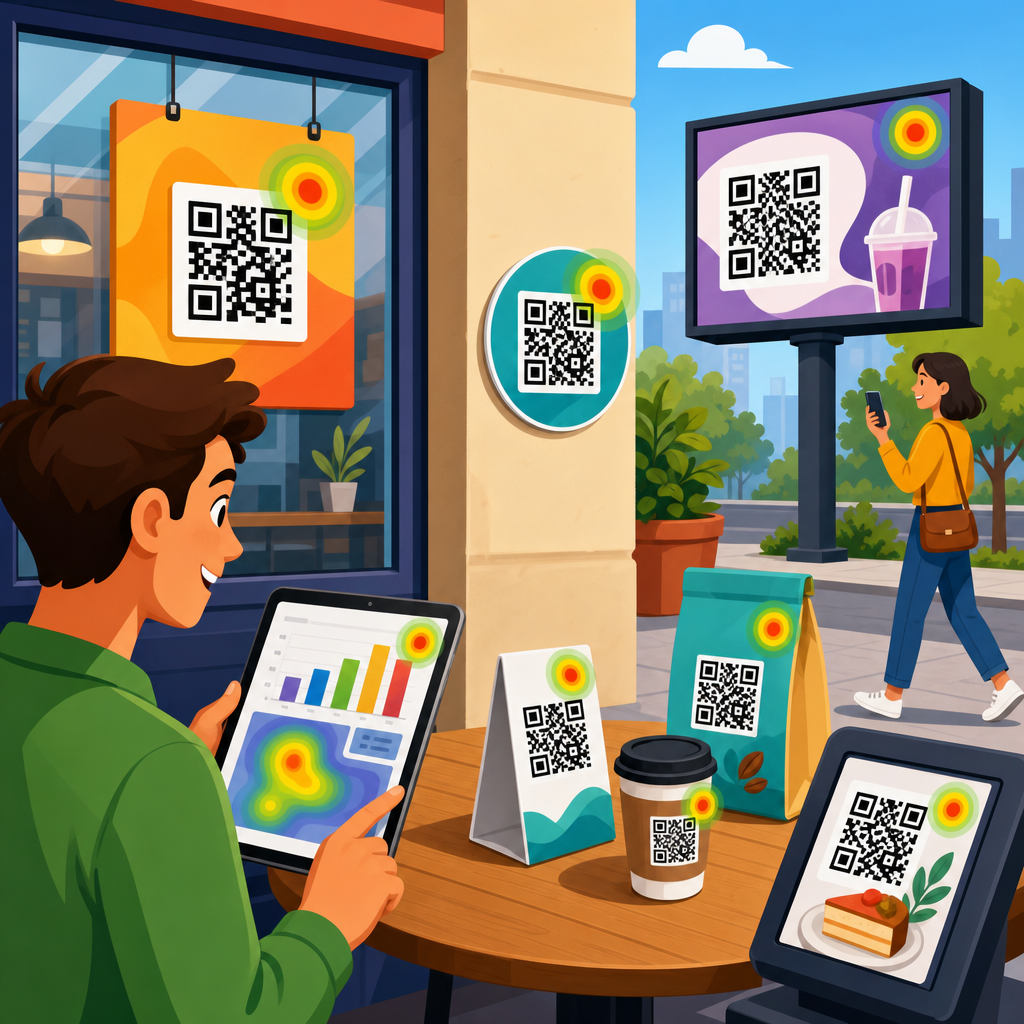
Retail environments add another layer. Endcaps, shelf blades, freezer doors, and product demo stations can convert physical browsing into measurable digital consideration. In one in-store pilot I helped evaluate, codes on shelf talkers outperformed codes on hanging signs because they were closer to the product and easier to scan one-handed. Lighting, glare, code size, and quiet zones mattered more than the creative team expected. The lesson was simple: physical execution affects digital results. Testing print contrast, placement height, and call-to-action language is just as important as optimizing the landing page.
Retail media networks are making this even more important. Brands increasingly pay for in-store placements that need proof of performance. A connected display can bridge that gap by measuring scans, coupon saves, and downstream purchases. The cleanest implementations use campaign parameters, redirect rules, and store-level identifiers so analysis can distinguish creative, region, and retailer. That structure allows marketers to compare a display in pharmacy chains versus supermarkets, or a packaging code versus a receipt code, and then adjust spend based on evidence rather than assumptions.
Measurement, governance, and operational risks
Reliable measurement starts with naming conventions and durable link governance. Every code should map to a documented owner, touchpoint, market, product, and intended outcome. Use a redirect layer you control, not a vendor destination that becomes unusable if a subscription lapses. I recommend keeping a central inventory of codes with metadata, print locations, launch dates, and retirement rules. This prevents common failures such as duplicate codes across campaigns, broken redirects after website migrations, and untracked scans from agencies publishing assets outside agreed standards.
Success metrics should go beyond scan volume. Scan-through rate by impression opportunity, landing-page engagement, registration completion, add-to-cart rate, support deflection, repeat purchase, and customer lifetime value are more meaningful. For service use cases, measure reduction in call center volume, lower return rates, or faster time to successful setup. For loyalty use cases, track first-party data capture quality and downstream purchase frequency. Where possible, connect offline identifiers to analytics platforms such as GA4, Adobe Analytics, Segment, HubSpot, or Salesforce so performance can be evaluated across channels, not in isolated dashboards.
Operational risks are real. Printed codes can be placed incorrectly, destination pages can be unpublished, and fraudsters can overlay malicious stickers on public displays. Brands should establish QA checks before print approval, after installation, and during campaign flight. Security teams may require domain allowlists, HSTS, and monitoring for suspicious redirect changes. Accessibility matters too: tiny codes, low-contrast printing, or instructions that assume perfect vision exclude users. Good offline-to-online integration is not only clever marketing. It is disciplined execution supported by governance, security, and inclusive design.
How this hub connects the wider strategy
Offline-to-online integration is the organizing layer for the rest of a QR code marketing and strategy program because it defines where scans happen, why they happen, and what systems must support them. From here, teams can go deeper into connected packaging, in-store QR code campaigns, product authentication, loyalty enrollment, digital manuals, event activations, and post-purchase lifecycle automation. Each of those topics deserves its own article, but they all depend on the same foundation: a clear user benefit, a reliable bridge from print to mobile, and a measurement framework that connects scans to business outcomes.
The main benefit is durable utility. Physical products already occupy attention at meaningful moments, and digital experiences can extend that value with education, service, trust, and revenue. Start with one high-intent touchpoint, define the user job clearly, launch with dynamic routing and strong analytics, then improve based on observed behavior. Brands that treat packaging and retail surfaces as active media channels will build stronger customer relationships than brands that leave those assets silent. Audit your products, identify the best scan moments, and design the next useful step.
Frequently Asked Questions
What does it mean to link physical products to digital experiences?
Linking physical products to digital experiences means turning a tangible item such as packaging, labels, receipts, shelf displays, manuals, or product inserts into a gateway for online interaction. Instead of a product existing only at the point of sale, it becomes part of a connected journey that continues on a website, inside an app, through a loyalty program, within a support portal, or inside a branded community. This connection is usually created with tools like QR codes, NFC tags, short URLs, serialized identifiers, or augmented reality triggers that prompt a measurable digital action.
In practical terms, the goal is to move a customer from holding or viewing a product to taking a meaningful next step online. That next step could be registering the product, watching setup instructions, unlocking exclusive content, joining a rewards program, verifying authenticity, requesting support, or making a repeat purchase. For brands, this creates a direct line between offline exposure and digital engagement. For customers, it adds convenience, relevance, and continuity. The product stops being the end of the experience and becomes the starting point for a broader relationship.
What are the most effective ways to connect a physical product to a digital destination?
The most effective method depends on the customer context, the environment, and the action you want people to take. QR codes are one of the most common options because they are inexpensive, easy to print, and familiar to most consumers. They work well on packaging, receipts, signage, and inserts, especially when the goal is to send someone to a landing page, product instructions, a promotion, or a loyalty signup form. NFC tags are another strong option, particularly when you want a faster, tap-based experience or a more premium interaction. These are often used in higher-value products, smart packaging, authentication programs, or in-store displays.
Short URLs remain useful when customers may want to type in a destination manually, especially on printed materials where scanning is less likely. Serialized codes are especially valuable when each unit needs a unique identity for registration, warranty tracking, anti-counterfeit verification, or personalized content delivery. Augmented reality can also be effective when the goal is product visualization, storytelling, education, or entertainment, although it generally requires more creative and technical investment than a simple scan or tap experience.
The best implementations usually combine the access method with a clear call to action and a highly relevant destination. A QR code by itself is not a strategy. It needs supporting copy that tells the customer exactly why they should scan, such as “Watch setup in 30 seconds,” “Register for your warranty,” or “Unlock member rewards.” The destination should also match the moment. Someone standing in a store may need product comparison or reviews, while someone at home may need onboarding, support, or replenishment options. Strong offline-to-online integration is less about the technology alone and more about choosing the right trigger for the right audience at the right stage of the journey.
How can brands make sure customers actually engage with QR codes, NFC tags, or other product-linked experiences?
Engagement starts with relevance and clarity. Customers are much more likely to scan, tap, or visit when the value is immediate and obvious. If the packaging simply displays a QR code with no explanation, response rates are often low. If the packaging says, “Scan for installation help,” “Tap to verify authenticity,” or “Scan to get 15% off your next order,” customers immediately understand the benefit. The incentive does not always need to be a discount. It can be convenience, faster support, exclusive content, product education, personalization, or access to a community.
Placement also matters. The code, tag, or URL should appear where the customer naturally pauses and where the requested action makes sense. On the front of packaging, the focus may be pre-purchase education. Inside the box, the focus may shift to onboarding or registration. On a receipt, the best action may be review collection, reorder reminders, or loyalty enrollment. The design should make the trigger easy to notice without making it feel cluttered or confusing. Strong visual hierarchy, simple instructions, and mobile-friendly landing pages all improve performance.
Just as important, the digital destination must be frictionless. If a scan leads to a slow page, a generic homepage, or a form with too many required fields, customers drop off quickly. The experience should be optimized for mobile, fast to load, and tailored to the exact product or campaign. Deep linking can help return users directly to the right place inside an app. Personalized landing pages can make the interaction feel more useful and more credible. Finally, testing is essential. Brands should measure scans, taps, visits, conversions, and drop-off points so they can refine messaging, placement, and destination design over time. Engagement is rarely maximized on the first attempt; it improves through iteration.
What kinds of digital experiences work best after a customer scans or taps a product?
The most successful digital experiences are the ones that align with customer intent at that specific moment. For a newly purchased product, setup guides, how-to videos, FAQs, care instructions, and warranty registration are often highly effective because they reduce friction and improve satisfaction right away. For retail browsing, a scan might lead to product specifications, comparison tools, user reviews, ingredient details, sustainability information, or a store locator. In post-purchase scenarios, the experience might focus on loyalty rewards, reorder options, referral programs, service requests, or access to brand communities.
Authentication and transparency experiences are also increasingly important. A unique code or NFC interaction can verify that a product is genuine, confirm its origin, show batch details, or provide supply chain transparency. This is especially valuable in industries such as luxury goods, cosmetics, food and beverage, supplements, electronics, and pharmaceuticals. In these categories, digital experiences are not just marketing tools; they also support trust, compliance, and customer protection.
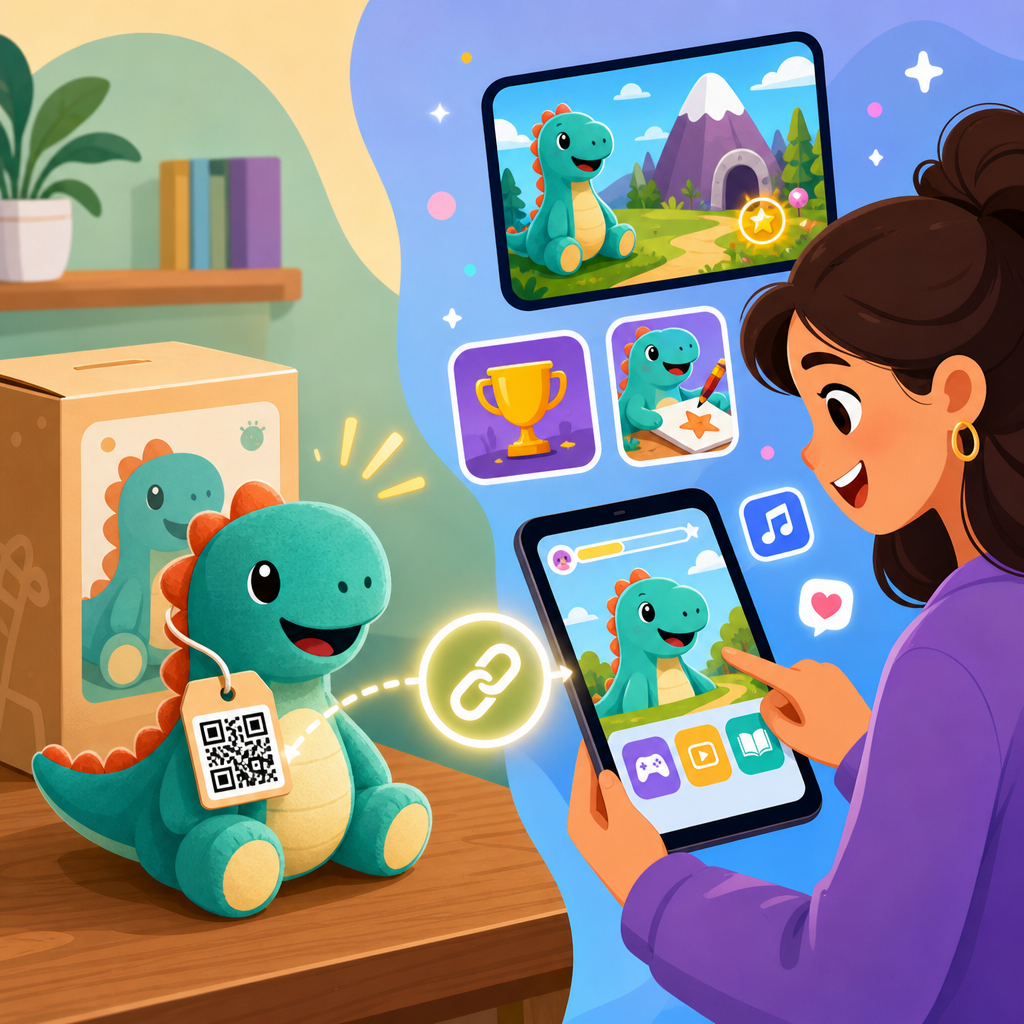
Brands can also create richer engagement through personalization. A serialized product can unlock content specific to that item, region, language, or customer segment. A connected experience can remember past interactions and recommend accessories, tutorials, or replenishment timing based on usage patterns. Community-driven experiences can encourage customers to share photos, leave reviews, join challenges, or access member-only content. The key is to think beyond a one-time click. The strongest digital experiences extend the relationship, solve a real problem, and create an ongoing reason for the customer to return.
How do you measure the success of linking physical products to digital experiences?
Success should be measured across both engagement and business impact. At the engagement level, brands typically track scans, taps, visits, unique users, repeat interactions, time on page, completion rates, and click-through behavior. These metrics show whether the physical trigger is being noticed and whether the destination experience is compelling. If a large number of people scan but quickly leave, the issue may be the landing page, the message match, or the speed and usability of the experience. If very few people engage at all, the issue may be placement, visibility, timing, or the value proposition.
At the business level, stronger metrics include product registrations, loyalty enrollments, support deflection, repeat purchases, subscription signups, referrals, review submissions, and customer lifetime value. For some brands, success may be tied to lower return rates because better onboarding content helps customers use the product correctly. For others, the priority may be stronger first-party data collection, better attribution from physical campaigns, or improved authentication rates in markets where counterfeiting is a concern. The right measurement model depends on the objective behind the connection.
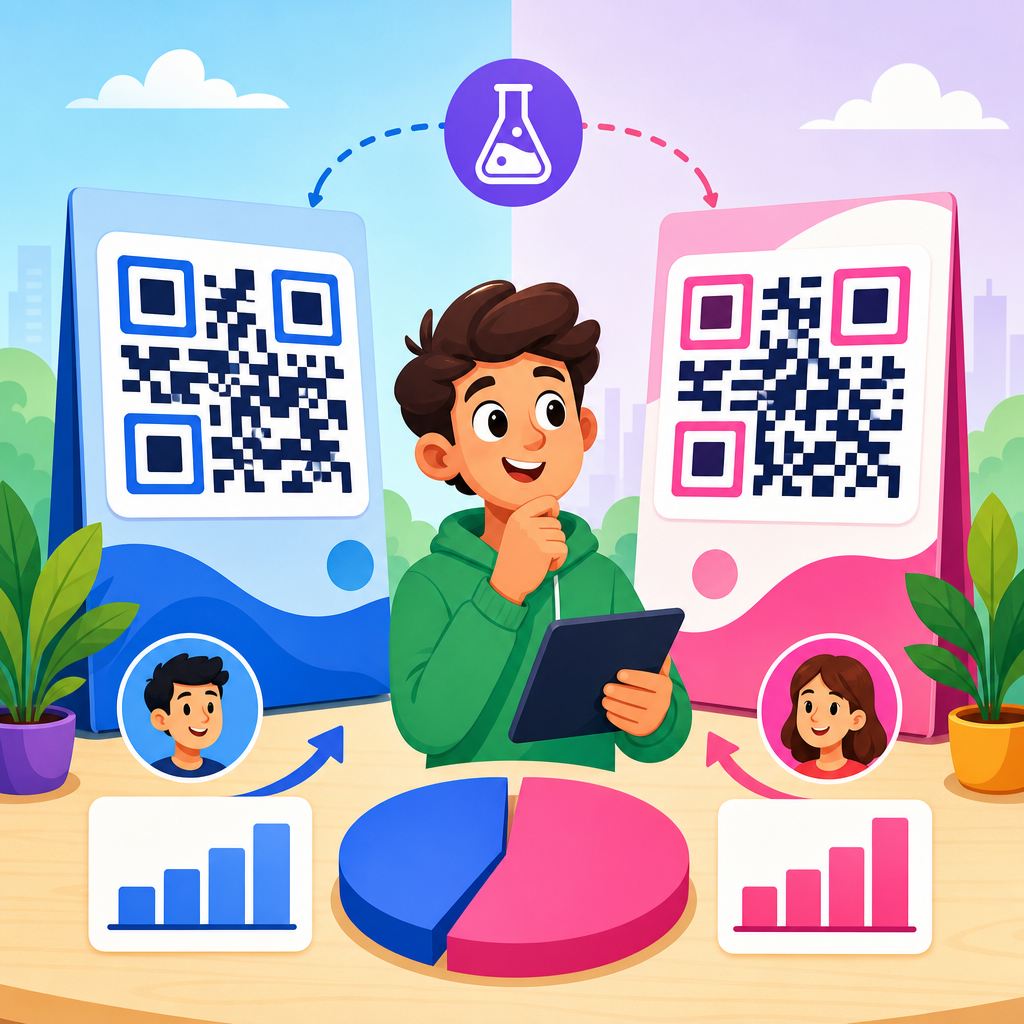
It is also important to segment performance by channel, product line, geography, retailer, and customer journey stage. A code on packaging may perform differently from a code on an in-store display, and a post-purchase insert may drive different outcomes than a shelf talker or receipt message. A/B testing can help compare calls to action, creative treatments, and destination formats. Over time, the most mature programs connect offline touchpoints to CRM, analytics, and marketing automation systems so brands can see not only who engaged, but what those users did next. That closed-loop visibility is what transforms offline-to-online integration from a tactical feature into a measurable growth strategy.