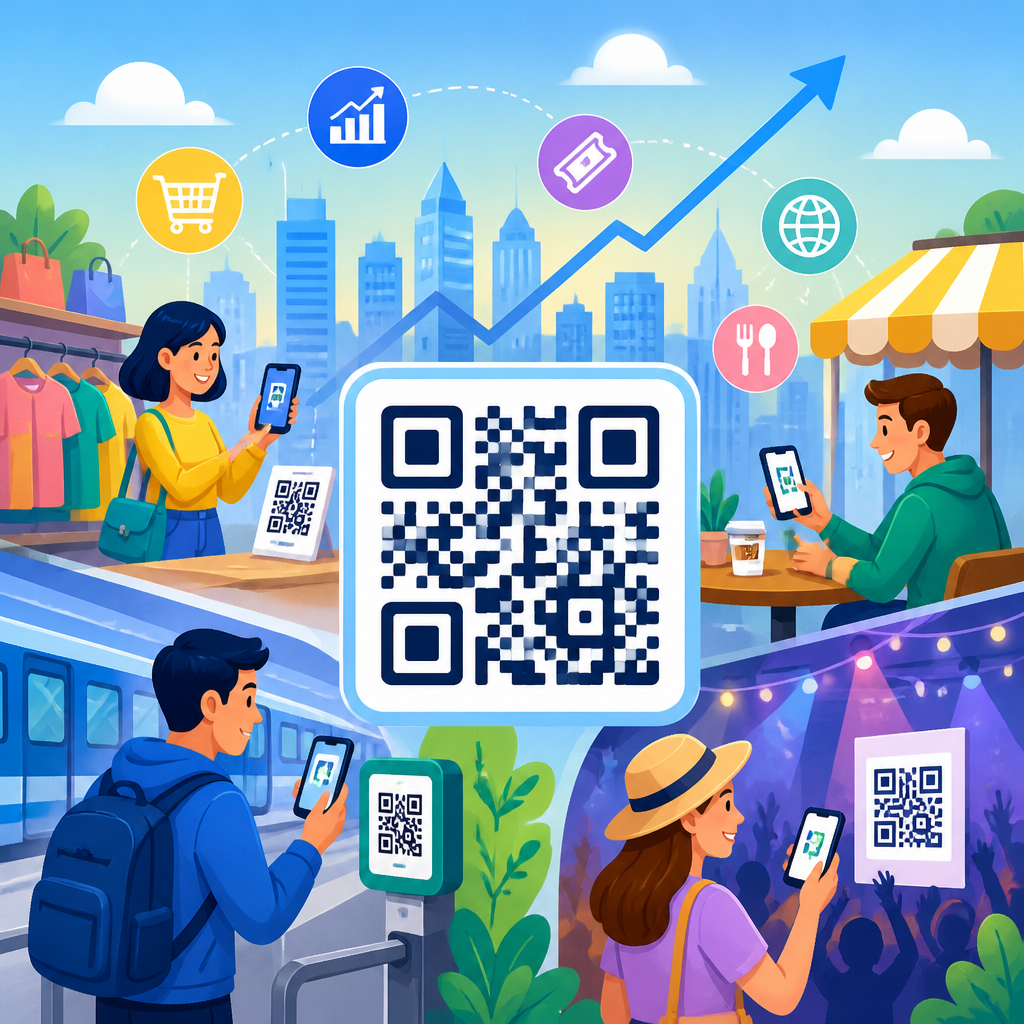
QR codes for community engagement initiatives have moved far beyond simple website links, becoming practical infrastructure for participation, feedback, fundraising, education, and neighborhood coordination. A QR code is a scannable matrix barcode that connects a printed or digital touchpoint to an online action, while community engagement initiatives are organized efforts that invite residents, members, donors, volunteers, or local stakeholders to participate in shared goals. Put together, they create a low-friction bridge between the physical world and digital interaction. I have seen this shift firsthand in municipal outreach, nonprofit events, school programs, and business improvement districts, where the most successful campaigns used QR codes not as gimmicks, but as carefully planned response mechanisms tied to specific community outcomes.
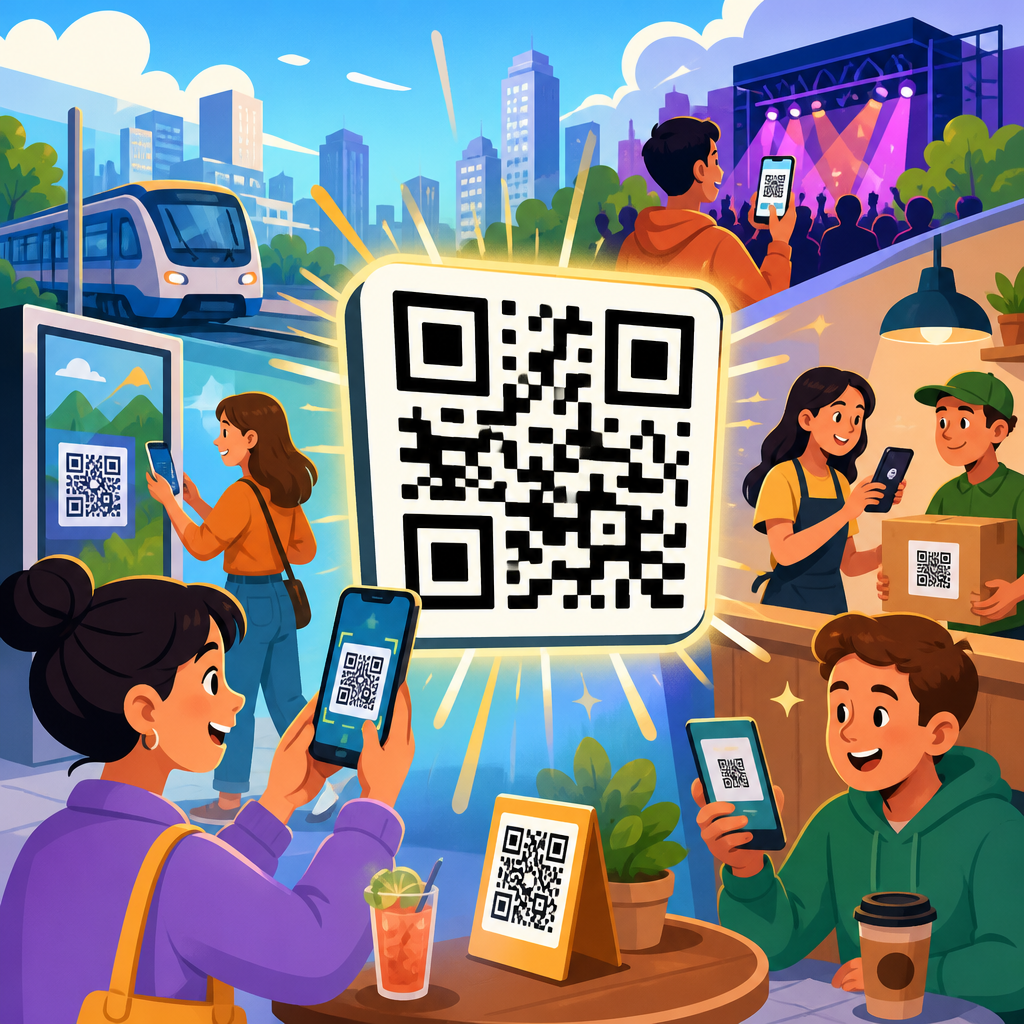
This matters because engagement often fails at the point of action. People may support a park cleanup, public health clinic, arts festival, or local planning meeting, but they do not always remember a long URL, download an app, or fill out paper forms later. A well-placed QR code reduces those barriers in seconds. Someone standing at a bus stop can report a safety issue. A parent at a school open house can sign up for updates. A visitor at a farmers market can vote on future programming. A resident reviewing a street redesign poster can access a multilingual survey immediately. In each case, the code turns passive attention into measurable participation.
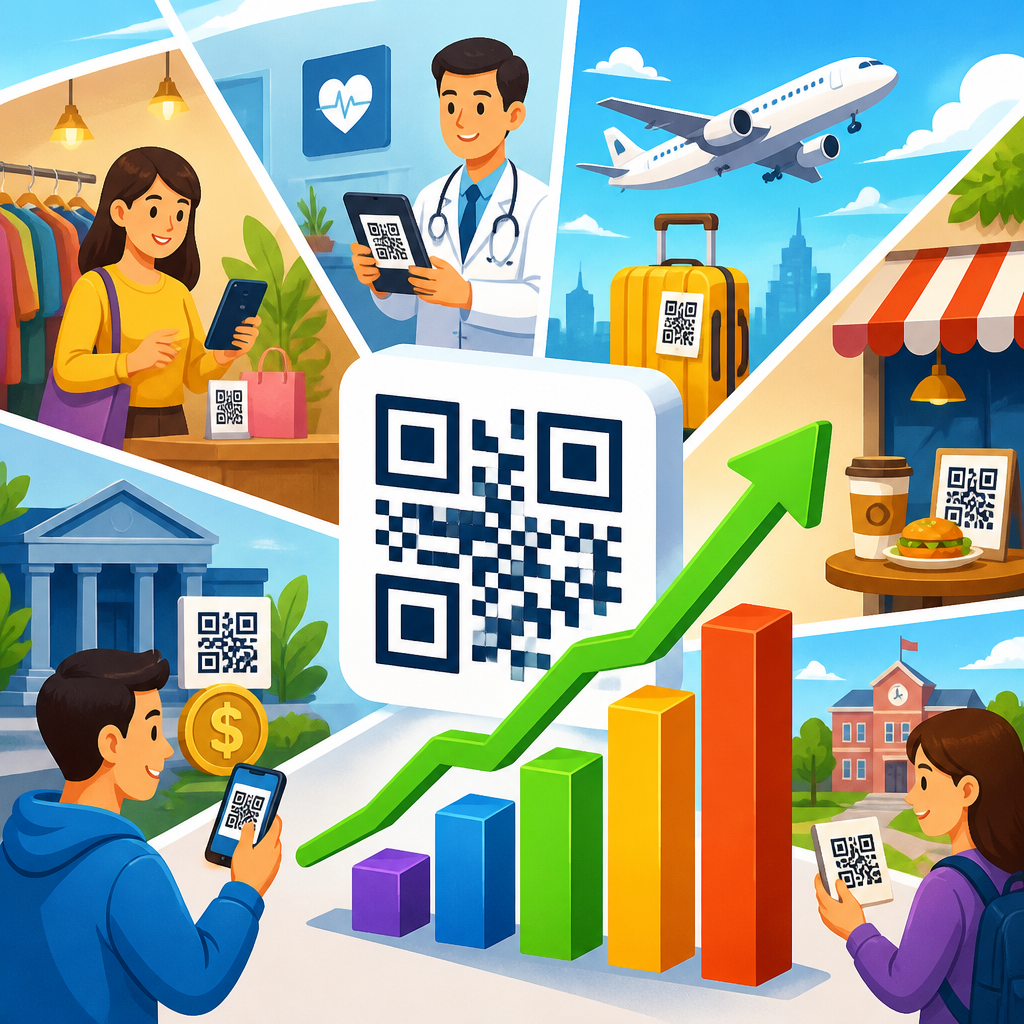
For organizations building modern outreach programs, QR codes also solve a strategic problem: they make offline engagement trackable. With dynamic QR code platforms such as Bitly, QR Code Generator Pro, Flowcode, Uniqode, or Beaconstac, teams can update destinations without reprinting materials, segment scans by location, and measure conversion rates by campaign. That makes QR codes especially useful in emerging use cases, where experimentation matters. Community groups can test whether a mural tour attracts more engagement than a text-heavy flyer, or whether a donation prompt works better on event signage than on mailed newsletters. The best results come when the code supports a clear value exchange, respects privacy, and is embedded in a broader communication plan.
Why QR codes work for community engagement
QR codes work because they remove friction at the exact moment a person is most interested. In engagement design, timing is often more important than persuasion. If someone encounters a cleanup registration poster in a library lobby, a code lets them act before interest fades. If residents are reviewing a development proposal at a town hall, a code beside the display can open maps, timelines, meeting minutes, and comment forms on their phones. This immediacy increases participation because it matches intent with convenience.
They also work across demographics better than many organizations expect. Smartphone camera scanning is now native on both iOS and Android, so no separate app is usually required. During recent public information projects I worked on, older residents who initially said they were “not tech people” still scanned codes successfully when signage included a short instruction such as “Open your camera and point it here.” Accessibility improved further when the landing page offered large text, translation options, and a phone alternative. In practice, the technology gap is less about scanning and more about designing inclusive destinations after the scan.
Another reason QR codes fit community engagement is versatility. One code can direct users to a volunteer signup, event schedule, donation form, petition, transit map, oral history archive, or emergency update page. Dynamic codes support changes in real time, which is essential for weather-dependent events, public service alerts, or fast-moving campaigns. Static codes still have value for permanent installations such as plaques, memorials, or trail markers, but for most active initiatives, dynamic management is the more reliable choice.
Emerging use cases shaping the field
The strongest emerging use cases are those that connect place-based interaction with measurable civic or social outcomes. In local government, QR codes are increasingly used on construction notices, park signage, utility bills, and transit shelters to collect service requests and resident sentiment. Instead of asking people to navigate a city website later, agencies can route them directly to issue reporting forms, participatory budgeting pages, or multilingual explainers. This shortens the path from observation to response.
Nonprofits are using QR codes to build donor and volunteer pipelines in environments where attention is brief. At community fairs, food drives, and fundraising walks, printed signs can direct visitors to recurring donation options, impact dashboards, or volunteer orientation videos. Museums, historical societies, and cultural districts use them to layer storytelling onto physical spaces, allowing visitors to hear oral histories, see archival photos, or support preservation campaigns. In schools and campuses, QR codes help parents and students access tutoring resources, club registration, counseling information, and event calendars without sorting through multiple portals.
Health and social service organizations are also expanding use cases. Community clinics place QR codes on posters, prescription inserts, and outreach tables to guide people to screening schedules, eligibility checkers, transportation support, or telehealth intake forms. Housing groups use them in lobbies and mailers for maintenance reporting, tenant workshops, and legal aid referrals. Faith communities use them in bulletins and notice boards for prayer requests, meal trains, and emergency assistance applications. What unites these examples is not the code itself, but the design principle behind it: meet people where they already are, in language they understand, at the exact moment action makes sense.
Practical applications by initiative type
Different community engagement initiatives require different QR code strategies. The table below reflects patterns I have seen repeatedly across campaigns with strong scan-to-action performance.
| Initiative type | Best QR code use | Typical destination | Key metric |
|---|---|---|---|
| Public meetings | Instant feedback during or after sessions | Survey, agenda packet, translation page | Response rate |
| Volunteer programs | Fast onboarding from posters and booths | Signup form, calendar, waiver | Completed registrations |
| Neighborhood improvement | Issue reporting in specific locations | 311 form, map pin, photo upload tool | Qualified submissions |
| Cultural initiatives | Storytelling and donations on site | Audio tour, archive, contribution page | Time on page and gifts |
| Public health outreach | Appointment and resource access | Clinic schedule, intake form, FAQ | Appointments booked |
| Youth and schools | Parent communication and program enrollment | Forms, calendars, resource hubs | Enrollments and opt-ins |
For public meetings, the strongest pattern is using multiple codes, each tied to a distinct action. One may open meeting materials, another may submit comments, and a third may provide interpretation resources. This reduces confusion and improves data quality. For volunteer programs, one prominent code paired with a concise value proposition often performs best: “Join Saturday’s river cleanup in under one minute.” The destination should begin with dates, location, and time commitment, not a long organizational introduction.
Location-specific initiatives benefit from granular tracking. A business improvement district can place unique dynamic codes on different blocks to learn which areas generate the most safety reports or event interest. A trail conservancy can measure which trailheads drive the highest educational engagement. A school district can compare scans from gym banners, printed flyers, and parent-teacher event displays to determine which channels actually move families to sign up. These are not vanity metrics. They are operational signals that help teams allocate staff time, translation resources, and print budgets more effectively.
How to design QR code campaigns people actually use
Successful campaigns start with one question: what should the person do immediately after scanning? If that answer is vague, the campaign will underperform. Every QR code should correspond to a single primary action, supported by a landing page built for mobile completion. Keep forms short, place the main button near the top, and load critical information first. Google’s Core Web Vitals still matter in practice; slow mobile pages kill conversions, especially at outdoor events where connectivity may be uneven.
Context is equally important. People do not scan abstract codes; they scan because the surrounding message gives them a reason. Effective calls to action are concrete: “Report a pothole,” “Vote on playground designs,” “Get free health screening times,” or “Hear residents tell this neighborhood’s story.” Add visual cues, a short URL fallback, and plain-language instructions. If a campaign serves multilingual communities, the landing page should ask for language preference instantly or detect it responsibly. For printed materials, maintain sufficient contrast, quiet space around the code, and a size large enough for the scanning distance. A common rule is at least one inch square for close-range use, though larger is safer on posters, banners, and street signage.
Trust signals are essential in community settings. Residents are more likely to scan when the code appears on branded materials with recognizable logos, official program names, and concise privacy explanations. If data collection is involved, say what will happen next. For example: “Your contact information will only be used for event updates and volunteer coordination.” In sensitive contexts such as health, housing, or youth services, limit required fields and avoid pushing users into account creation unless necessary. Low-friction design increases both participation and trust.
Measurement, governance, and common pitfalls
The most effective organizations treat QR codes as a managed engagement channel, not a print accessory. That means assigning ownership, naming conventions, destination standards, and reporting schedules. Dynamic QR code governance should include an inventory of active codes, where they are placed, who can edit destinations, and what happens when a campaign ends. Without that discipline, teams lose track of links, send residents to outdated pages, or create security risks through unmanaged redirects.
Measurement should connect scans to outcomes, not just traffic. Useful metrics include unique scans by location, completion rates for forms, appointment bookings, volunteer attendance, donations, and repeat participation. UTM parameters combined with analytics platforms such as Google Analytics 4, Matomo, or Adobe Analytics can distinguish performance across posters, direct mail, utility inserts, event signage, and partner venues. In one outreach program I helped evaluate, a poster in a laundromat produced fewer scans than a flyer at a school pickup line, but the laundromat scans converted to workshop attendance at a much higher rate. That changed where the organization invested its next print run.
Common pitfalls are predictable. Codes fail when they point to desktop pages, expired forms, or generic homepages that force users to hunt for relevant information. They fail when signage lacks a compelling reason to scan, when mobile service is weak and no fallback exists, or when organizations assume that one code can serve every audience equally well. They also fail when privacy is treated casually. Community engagement depends on confidence. If residents believe scanning will expose them to spam, surveillance, or confusing follow-up, participation drops quickly. The remedy is straightforward: match each code to a clear purpose, maintain the destination, disclose data practices plainly, and review performance regularly.
The future of QR codes in community engagement
Looking ahead, the most important trend is not more QR codes, but smarter integration with community systems. Codes are increasingly linked to CRM platforms, event tools, GIS layers, donor databases, and messaging workflows. A resident who scans a code on a vacant-lot proposal might receive project updates by text, attend a workshop, and later complete a feedback survey, all within one connected record. A visitor who scans a heritage trail marker might unlock an audio story, share it socially, and become a member. This continuity turns scattered interactions into sustained participation.
Newer use cases will keep expanding around hyperlocal information, multilingual access, and lightweight service delivery. Expect broader use in mutual aid networks, resilience planning, local climate adaptation, public art, senior services, and neighborhood commerce. The organizations that benefit most will be the ones that pair simple scanning with disciplined content operations, inclusive design, and outcome-based measurement. QR codes are not a substitute for relationships, but they are an efficient mechanism for starting, deepening, and documenting those relationships at scale.
For any team exploring QR codes for community engagement initiatives, the practical next step is to build one focused pilot. Choose a high-intent moment, define one primary action, create a mobile-first destination, and track completion from scan to outcome. Then improve based on real behavior. When used with that level of care, QR codes become more than convenient links. They become reliable tools for listening, informing, mobilizing, and strengthening community participation across emerging use cases.
Frequently Asked Questions
What are QR codes for community engagement initiatives, and why are they so effective?
QR codes for community engagement initiatives are scannable codes placed on flyers, posters, mailers, banners, signs, handouts, event tables, or digital screens that connect people directly to a specific action. Instead of asking residents or supporters to type in a long web address, search for a form, or remember a campaign name, the QR code takes them straight to the next step. That next step might be a volunteer sign-up page, a neighborhood survey, a donation form, an event registration page, a community resource guide, a petition, a multilingual information hub, or a calendar of upcoming meetings.
They are effective because they remove friction at the exact moment interest is highest. If someone sees a cleanup event poster in a park, scans the code, and can register in seconds, the initiative captures intent before it fades. The same principle applies to fundraising, feedback collection, educational outreach, and civic participation. QR codes also work well in community settings because they bridge offline and online engagement. A printed notice on a bulletin board can become interactive, measurable, and adaptable without reprinting the entire message every time a link changes.
Another reason they are so useful is flexibility. A single campaign can use different QR codes for different audiences, locations, or goals. For example, one code on a school flyer might lead parents to youth programming information, while another at a library directs residents to a digital inclusion survey. This makes outreach more relevant and easier to track. When used thoughtfully, QR codes become more than a convenience; they function as practical infrastructure for community participation, helping organizations meet people where they already are.
How can organizations use QR codes to increase participation in local programs and events?
Organizations can use QR codes to make joining a program or event feel immediate, simple, and low-effort. The most effective approach is to connect each code to one clear action rather than a generic homepage. For example, a flyer for a neighborhood town hall should lead directly to the RSVP page, event details, accessibility information, and directions. A poster for a food drive might link to a volunteer shift calendar. A code at a community festival could open a live schedule, map, and vendor list. The easier the path from scan to action, the more likely people are to participate.
Placement matters just as much as destination. QR codes should appear where people naturally pause and pay attention: building entrances, transit shelters, schools, clinics, recreation centers, faith-based organizations, apartment lobbies, and event check-in tables. They can also be added to printed newsletters, direct mail campaigns, yard signs, ID badges, and presentation slides. For in-person gatherings, organizations often use QR codes to streamline sign-ins, distribute follow-up materials, collect instant feedback, or invite people to join future initiatives before they leave.
Strong participation also depends on context. A QR code should always include a short call to action that tells people exactly what they will get by scanning. Phrases like “Register for the workshop,” “Share your ideas,” “Apply for assistance,” or “See upcoming volunteer dates” outperform vague prompts. It also helps to reassure users that the process will be quick and mobile-friendly. If the linked page loads fast, is easy to navigate on a phone, and avoids unnecessary form fields, organizations typically see better completion rates.
For ongoing initiatives, QR codes can support the full engagement journey rather than just a single event. Someone might first scan a code to learn about a project, later scan another to attend a meeting, and then use a follow-up code to provide feedback or donate. In that way, QR codes help build repeated, measurable touchpoints that move people from awareness to participation to long-term involvement.
What are the best practices for creating QR codes that people will actually scan?
The best QR codes are easy to notice, easy to trust, and easy to use. First, make sure the destination is worthwhile. People are far more likely to scan when the benefit is specific and immediate. A code that promises “Take the 2-minute survey,” “Access free community resources,” or “Join the volunteer list” gives users a clear reason to act. Sending people to a general homepage often reduces results because it forces them to search for the relevant information after scanning.
Design and usability also matter. The code should be large enough to scan comfortably from the expected viewing distance, printed clearly, and placed against a clean, high-contrast background. Crowding it with too much text or placing it in a visually cluttered area can lower scan rates. It is usually helpful to leave enough white space around the code and test it on multiple phone types before launching. If the campaign serves a multilingual audience, the surrounding instructions should be translated, and the landing page should offer language options immediately.
Trust is another major factor. Community members are more likely to scan a code when it is associated with a recognizable organization, program, or venue. Adding a logo, organization name, or short explanation nearby can reduce uncertainty. For example, a code labeled with the name of a local nonprofit, school district, or municipal department feels more credible than an unlabeled code on its own. In some cases, including a short URL beneath the code is helpful for people who prefer to type the address instead.
It is also important to optimize the landing experience. The page should load quickly, work well on mobile devices, use readable text, and present the main action immediately. Long forms, confusing menus, and slow pages create drop-off even when scans are high. Finally, test and measure performance. Track where codes are placed, which versions get scanned most often, and what percentage of scans lead to completed actions. That data helps organizations improve campaign messaging, placement, and user experience over time.
Can QR codes help with feedback, fundraising, and education in community outreach efforts?
Yes, and these are some of the strongest use cases. For feedback, QR codes make it much easier to collect input from residents and stakeholders in real time. At a public meeting, workshop, open house, or local event, attendees can scan a code to answer a short survey before they leave. This often produces more responses than asking people to follow up later. Organizations can gather opinions on proposed projects, service quality, budget priorities, neighborhood concerns, accessibility needs, or future program ideas. Because the process is fast and mobile-friendly, feedback becomes more continuous and less dependent on formal meetings alone.
For fundraising, QR codes reduce the number of steps between interest and contribution. A donor who sees a campaign sign, annual report, event program, or thank-you display can scan and give immediately using a phone. This is especially helpful for grassroots organizations, mutual aid groups, school foundations, local arts programs, and neighborhood improvement campaigns that rely on community support. The donation page can be tailored to the specific campaign and include suggested giving amounts, impact messaging, recurring donation options, and social sharing prompts. By shortening the path to action, QR codes can improve conversion rates and support impulse giving at moments of emotional connection.
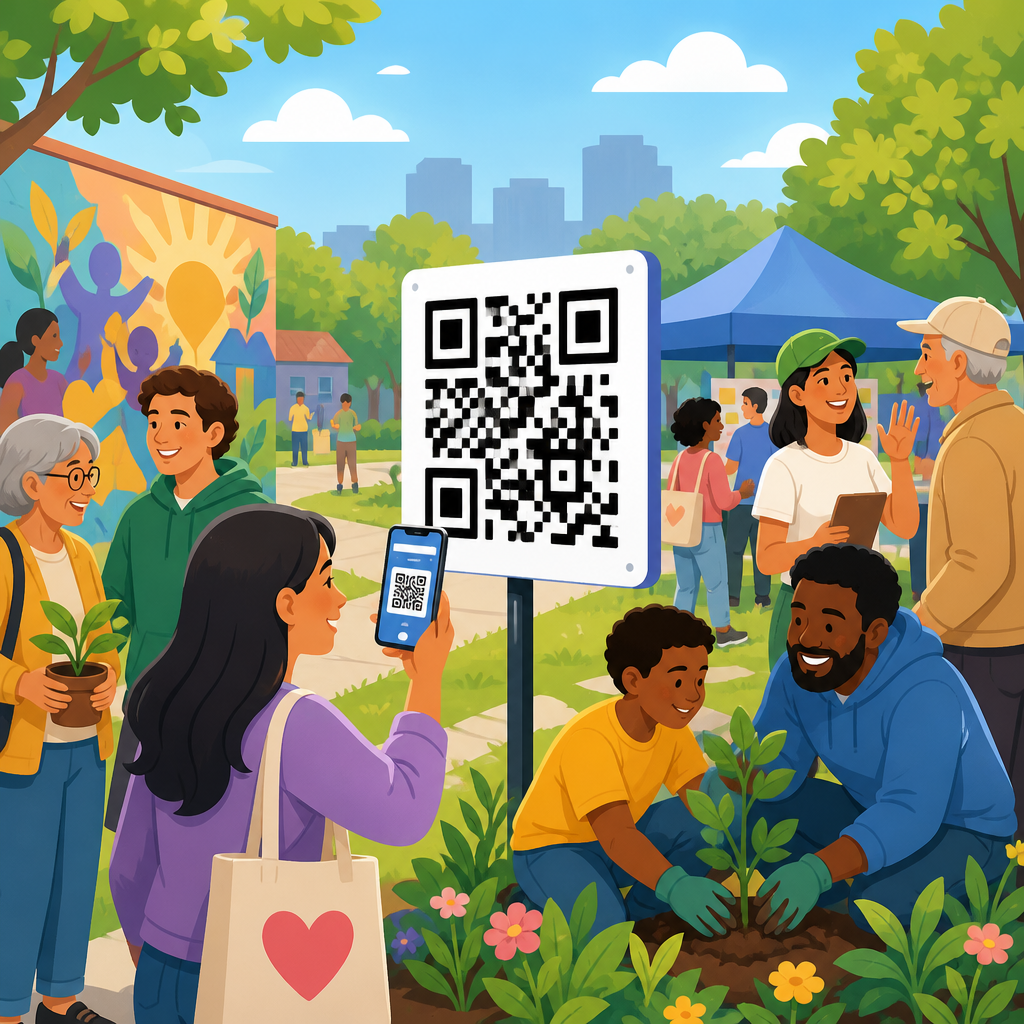
Educational outreach is another major advantage. QR codes can connect community members to how-to guides, service directories, health information, tenant resources, emergency preparedness materials, instructional videos, youth program details, or historical and cultural storytelling. In physical spaces, they can turn bulletin boards, exhibits, murals, gardens, libraries, and public installations into interactive learning tools. For example, a code in a community garden might link to planting workshops and nutrition resources, while a code at a historical marker could open oral histories or multilingual background information.
What makes QR codes especially powerful across these functions is that they allow outreach to be both accessible and measurable. Organizations can update linked content without replacing printed materials, respond quickly to changing community needs, and see which topics generate the most interest. When paired with strong content and a clear purpose, QR codes become a practical way to listen, raise support, and share knowledge at scale.
What challenges should organizations consider before using QR codes in community engagement campaigns?
While QR codes are highly useful, they are not automatic solutions, and organizations should plan for a few important challenges. The first is accessibility and digital equity. Not every community member has a smartphone, reliable mobile data, or comfort using digital tools. That means QR codes should support engagement, not replace other participation options. Printed phone numbers, short web addresses, in-person sign-up methods, paper forms, and staff assistance should still be available. The goal is to expand access, not create a barrier for people who prefer or require another format.
Another challenge is relevance. A QR code only works when it leads to something meaningful, fast, and easy to use. If the landing page is outdated, confusing, hard to read on mobile, or disconnected from the message on the sign, people may lose trust quickly. Campaigns also underperform when too many different actions are competing for attention. In most cases, each code should have one primary goal and a simple path to completion.
Privacy and data handling deserve close attention as well. If a QR code links to surveys, registration forms, or donation pages, organizations should be transparent about what information is being collected and how it will be used. This is especially important when working with youth, vulnerable populations, or sensitive community issues. Secure platforms, clear consent language, and responsible data practices help protect participants and strengthen credibility.</