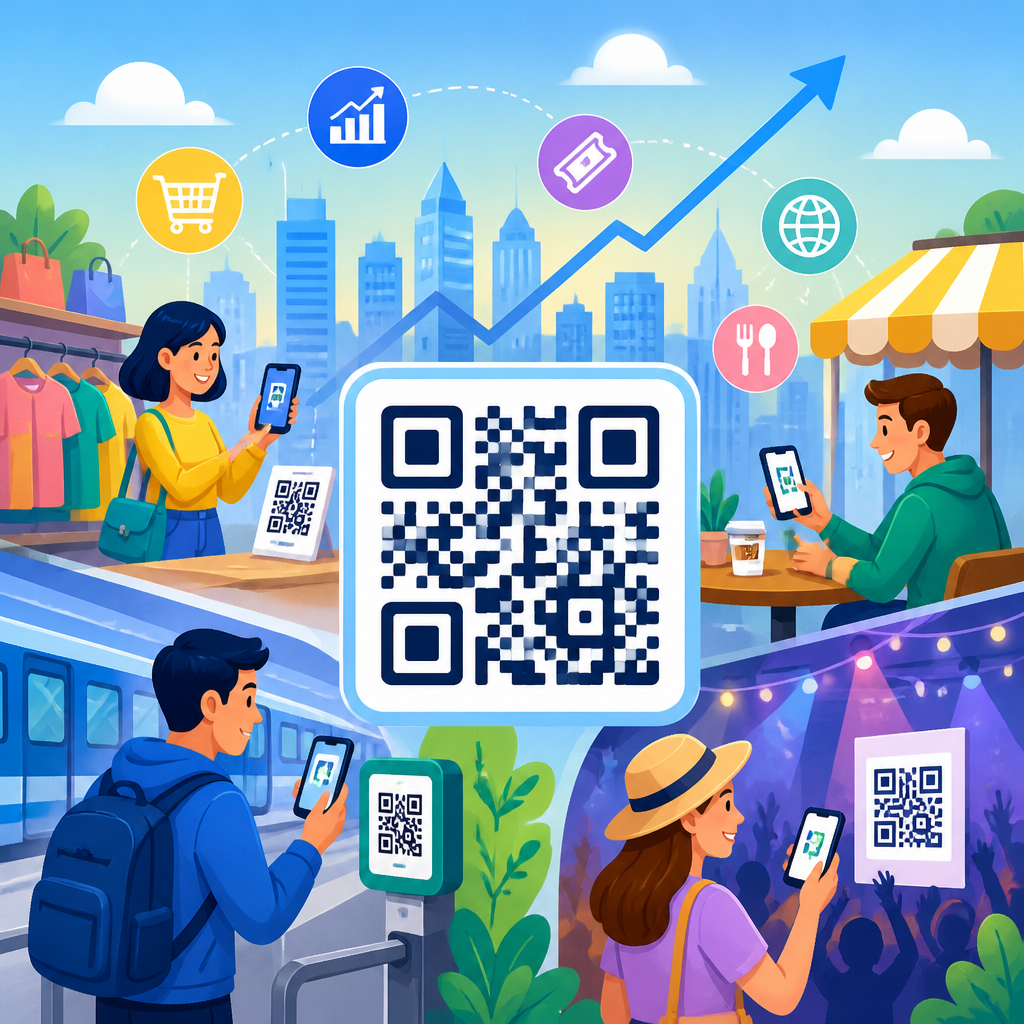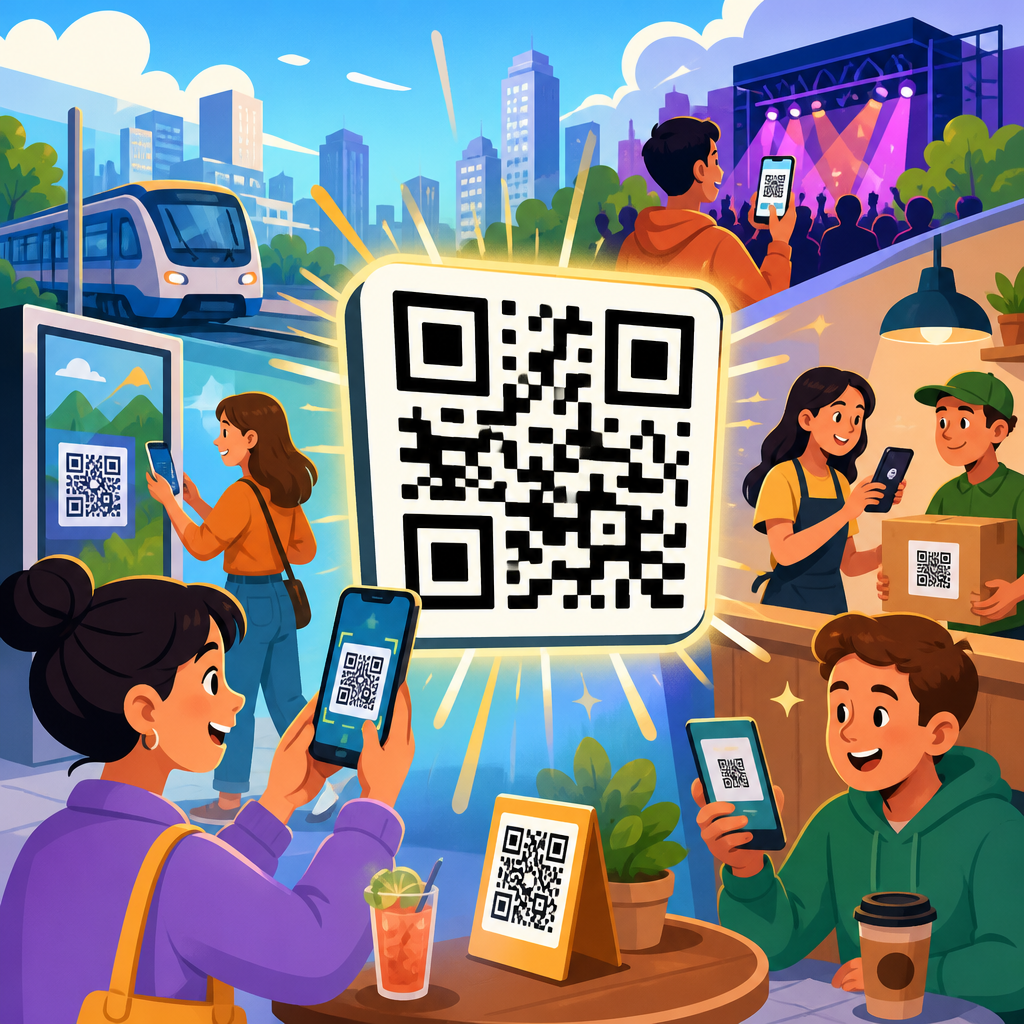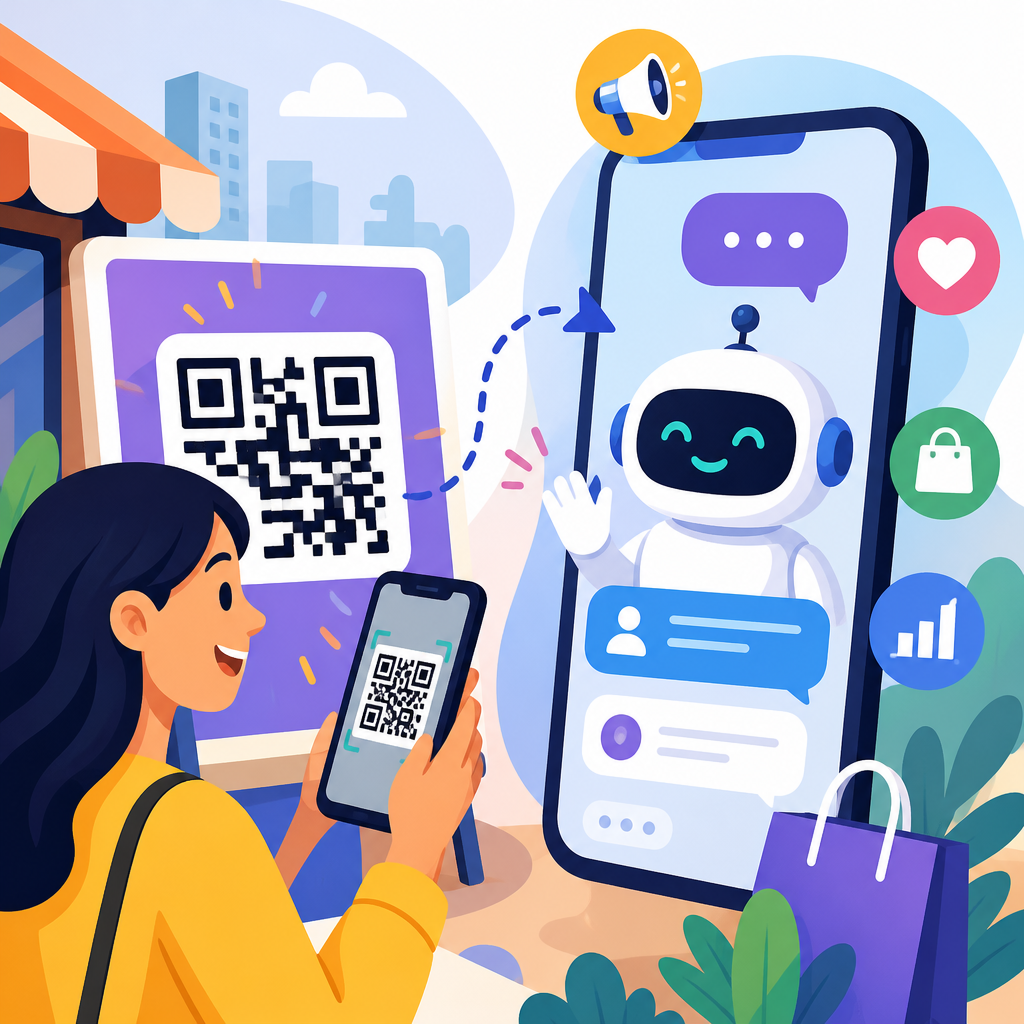
QR codes and chatbots have converged into a practical marketing channel that links physical attention to digital conversation in a single scan. A QR code is a machine-readable image that opens content, triggers an app action, or passes structured data from an offline surface into a digital experience. A chatbot is software that conducts a text or voice conversation, usually inside SMS, WhatsApp, Instagram, Messenger, web chat, or a branded app. When those two tools work together, marketers gain a fast path from poster, package, receipt, shelf tag, event badge, direct mail piece, or storefront sign into a guided exchange that can answer questions, capture intent, qualify leads, personalize offers, and move a customer toward purchase or support.
This matters because attention is fragmented and traditional landing pages often leak traffic. I have seen campaigns lose half their visitors between a scan and a form because the destination page loaded slowly, asked for too much, or failed to match the context of the moment. A conversational flow fixes that mismatch. Instead of forcing someone to navigate menus, the brand can greet the scanner with a relevant first message such as, “Looking for sizing, ingredients, pricing, or live help?” That interaction feels lighter than a static page, especially on mobile, and it creates a measurable sequence of micro-conversions rather than one binary outcome.
QR codes plus AI expands the value further. AI can classify intent, summarize product information, recommend the next step, route service requests, draft follow-up messages, and adapt copy by audience segment. The result is not simply a smarter chatbot. It is a new bridge between offline discovery and digital revenue, with better attribution than many traditional channels. For brands exploring QR code trends and innovations, this combination is now a core capability because it supports commerce, customer service, lead generation, loyalty, and first-party data collection without requiring an app download.
Why QR codes and chatbots work so well together
The pairing works because each tool solves the other’s weakness. QR codes excel at instant access from the physical world, but by themselves they are passive. Chatbots excel at guiding a user step by step, but they need a low-friction entry point. A scan provides intent-rich traffic at the exact moment of interest, and the chatbot converts that intent into a conversation with structured choices, open questions, and automated actions. In practice, this means a wine label can open a bot that explains tasting notes, food pairings, and nearby stockists; a clinic poster can route patients to appointment booking or aftercare instructions; and an event booth can qualify attendees before handing the hottest leads to sales.
Another reason the model performs is context. The QR code can be placed where the customer’s need is already clear. A code on retail packaging suggests post-purchase support, replenishment, or cross-sell. A code on a bus shelter suggests quick discovery and urgency. A code on a trade show badge suggests networking or account-specific follow-up. Because the source context is known, the conversation can start with fewer questions and more relevance. That usually improves completion rates, reduces abandonment, and creates cleaner analytics than sending every user to the same generic landing page.
How AI changes the chatbot experience after the scan
AI upgrades the experience in three concrete ways: understanding, generation, and orchestration. Understanding means the system can detect user intent from short or messy inputs such as “need refill,” “is this gluten free,” or “book same place as last time.” Generation means it can craft natural answers, personalized suggestions, and summaries from large product catalogs or knowledge bases. Orchestration means it can decide what should happen next, including retrieving account data, pushing a coupon, escalating to a human agent, or sending the user to checkout. In strong implementations, AI does not replace the flow logic; it strengthens it by making the flow more responsive and less brittle.
I recommend a hybrid design rather than a fully open bot for most marketing use cases. Start with a structured first turn that offers clear options, then let AI handle the free-text questions that sit between those choices. This protects conversion while preserving flexibility. For example, a furniture retailer can open with “Track order, assembly help, care guide, or shop matching items,” then allow free-form questions like “Will this fit through a 30-inch door?” The AI can answer from indexed product specs and still keep the customer inside a governed experience.
Best use cases across the customer journey
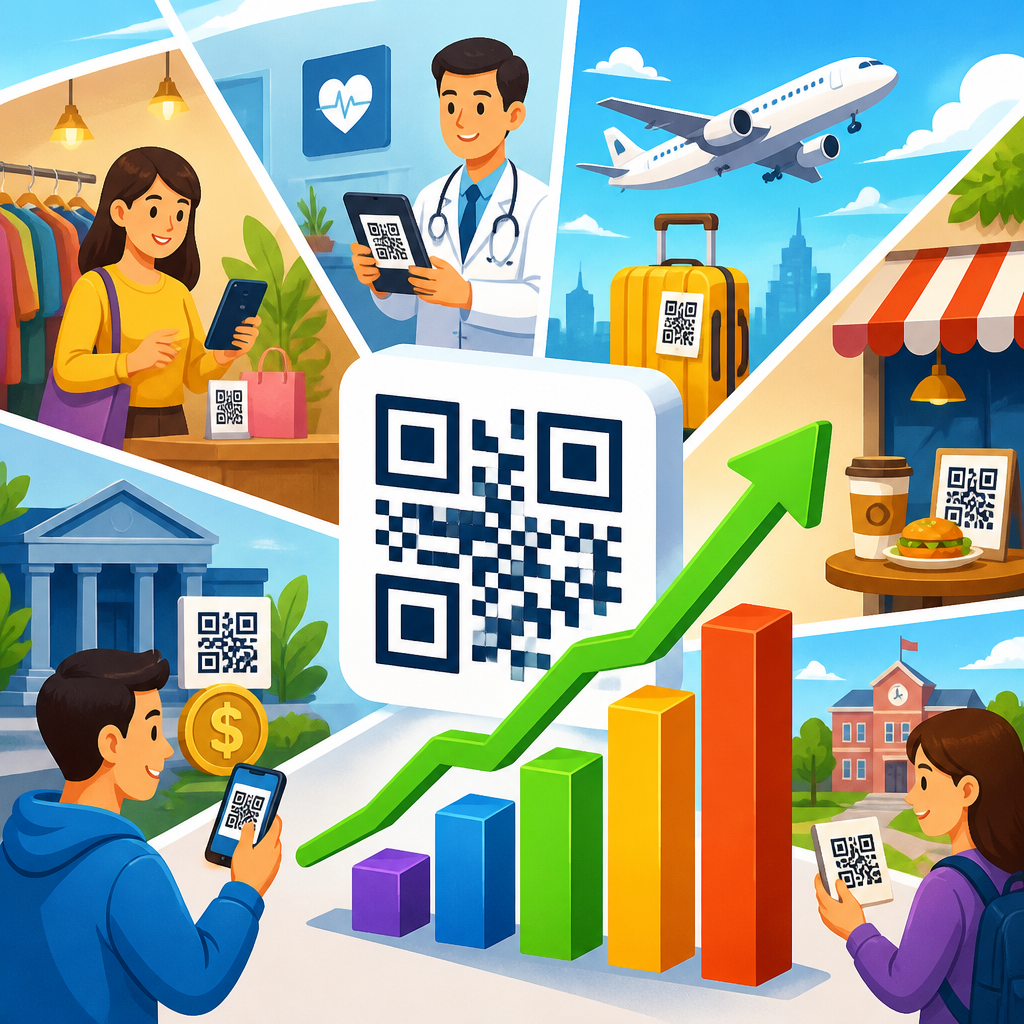
The strongest QR code plus chatbot programs map to distinct customer moments. In awareness, codes on out-of-home ads, flyers, and product displays can launch a conversational quiz, giveaway entry, or personalized recommendation. In consideration, a code on packaging or signage can answer comparison questions, explain ingredients, show testimonials, or surface financing options. In conversion, a bot can prefill a cart, issue a time-bound offer, confirm inventory, or book an appointment. After purchase, it can handle setup, returns, warranty registration, replenishment reminders, and loyalty enrollment. Each moment has different copy, different success metrics, and different compliance needs.
Healthcare, hospitality, education, and B2B each show the pattern differently. A hotel can place room QR codes that open a concierge bot for towels, dining, checkout, and local recommendations. A university can print codes on campus signs that guide students to admissions FAQs, tour booking, and scholarship deadlines. A manufacturer can put dynamic codes on equipment manuals that connect technicians to troubleshooting bots trained on service documentation. In all three cases, the code is not the campaign. The conversation is the campaign, and the code is the trigger that makes it immediate.
Designing the scan-to-chat journey
Performance depends on details. The code must be large enough, high contrast, and placed where a user can scan comfortably without glare or awkward angle. The call to action must describe the benefit, not the mechanism. “Scan for your shade match” beats “Scan me.” The landing destination should open the right channel based on device and user preference: web chat for low friction, WhatsApp for persistence, SMS for broad reach, or an in-app bot for authenticated tasks. Dynamic QR codes are essential because they let teams change the destination, run tests, and track scans without reprinting materials.
The first five seconds matter most. I usually build the opening around three components: confirmation of context, one clear value statement, and a small set of next actions. If the code is on a sunscreen bottle, the bot should say something like, “You scanned our SPF 50. I can help with skin type, ingredient questions, application tips, or reordering.” That greeting immediately reassures the user they are in the right place and reduces the mental work required to continue. From there, use short answer buttons, progressive disclosure, and quick exits to a human when stakes are high.
Measurement, attribution, and optimization
One advantage of this channel is measurable intent. A robust setup tracks scan volume, unique scanners, location, device type, session start rate, drop-off points, conversation completion, qualified leads, purchases, bookings, assisted revenue, and human handoff rate. Tools such as Google Analytics 4, Bitly, QR code platforms with dynamic routing, Meta event tracking, Twilio, Manychat, Intercom, HubSpot, and Salesforce can all contribute data. The most useful reporting ties every code placement to a business outcome, not just a scan count. A store window code with fewer scans but higher appointment bookings may be more valuable than a poster with broad curiosity traffic.
| Placement | Primary user intent | Best chatbot goal | Core KPI |
|---|---|---|---|
| Product packaging | Usage, support, reorder | Education and retention | Repeat purchase rate |
| Retail signage | Compare and decide | Conversion assistance | Assisted sales |
| Direct mail | Offer response | Lead capture | Qualified lead rate |
| Events and trade shows | Information exchange | Qualification and routing | Meeting bookings |
Optimization should be continuous. Test the call to action near the code, the first bot message, button labels, channel destination, incentive type, and fallback paths. Compare a direct offer against a consultative opener. Compare a web chat start with a WhatsApp start. Segment by placement because the same script rarely wins everywhere. I have seen a simple change from “Learn more” to “Get your exact fit in 30 seconds” double conversation starts on packaging because it made the payoff concrete. Treat each QR placement like its own mini funnel with a distinct audience and objective.
Privacy, compliance, and operational limits
Marketers should be realistic about constraints. AI chatbots can hallucinate, route incorrectly, or mishandle edge cases if they are not grounded in approved content. Sensitive industries must add guardrails, human review paths, and clear disclosures. If personal data is collected, consent and retention rules apply. SMS and WhatsApp communications have platform policies. In Europe, GDPR requires a lawful basis and transparent processing. In California, CCPA adds disclosure and access obligations. Accessibility also matters: provide readable text alternatives, avoid placing codes where disabled users cannot reach them, and ensure the linked experience works with screen readers and keyboard navigation.
Operational readiness often decides success more than model quality. Someone must own knowledge base updates, escalation rules, offer governance, and analytics reviews. Customer support and marketing need shared definitions for what counts as a resolved case, a qualified lead, or an acceptable response time. Human agents need transcript history when conversations are handed off. If that operational layer is weak, the channel feels fragmented no matter how advanced the AI sounds. If it is strong, the experience feels seamless and earns trust.
Building this subtopic into a scalable content hub
As a hub topic within QR code trends and innovations, QR codes plus AI should branch into focused articles that answer narrower search intent and support internal navigation. Useful spokes include dynamic versus static QR codes for conversational campaigns, WhatsApp QR marketing, QR codes on packaging, event lead capture with QR bots, retail shelf labels and AI assistants, measurement frameworks, compliance checklists, and prompt design for support bots. This hub should define the channel, explain strategy, and point readers toward implementation details by use case, industry, and platform. That structure helps both human readers and search systems understand the topical depth of the site.
A practical editorial approach is to keep this page broad and authoritative while refreshing it as tools and behaviors change. Link outward to platform-specific guides, case studies, and templates, then pull insights back into the hub through updated examples and benchmark ranges. Over time, that creates a durable resource: the hub explains why the channel matters, the supporting articles explain how to execute it, and together they signal comprehensive coverage of QR code innovation instead of isolated blog posts.
QR codes plus chatbots are no longer a novelty. They are a reliable way to turn offline attention into measurable digital conversation, and AI makes that conversation more useful, more responsive, and more commercially effective. The key terms are simple, but the strategic value is substantial: a QR code captures intent in the moment, a chatbot reduces friction, and AI improves relevance at scale. When those pieces are combined thoughtfully, brands can answer questions faster, qualify demand more accurately, and create smoother paths from discovery to action.
The most successful programs share a pattern. They start with a clear customer moment, place the code where intent already exists, open with a concise and relevant first message, and measure outcomes beyond raw scans. They use dynamic QR codes, governed AI, and strong operational handoffs. They respect privacy, accessibility, and channel policy limits. Most importantly, they do not treat the code as decoration. They treat it as a gateway into a purpose-built experience designed around what the user wants right now.
If you are building a modern QR code strategy, make QR codes plus AI a priority within your roadmap. Audit your physical touchpoints, choose one high-intent use case, script a tight scan-to-chat flow, and track the business result. Then expand into adjacent moments with better personalization and stronger attribution. That is how this emerging channel becomes a dependable growth engine rather than a one-off experiment.
Frequently Asked Questions
What does it mean to use QR codes and chatbots as a single marketing channel?
Using QR codes and chatbots as one marketing channel means connecting an offline moment directly to a live digital conversation. Instead of sending someone from a poster, package, flyer, receipt, sign, or product label to a generic homepage, the QR code can launch a chatbot experience that starts with context already attached. That context might include where the scan happened, which campaign the person saw, what product they were looking at, or what offer was promoted. The result is a smoother customer journey: a person notices something in the physical world, scans once, and immediately enters a guided interaction instead of having to browse, search, or fill out a form.
This matters because it reduces friction at exactly the point where attention is highest. Traditional offline-to-online marketing often loses momentum when the next step is unclear or too broad. A chatbot fixes that by greeting the user, answering questions, qualifying intent, recommending products, collecting lead details, booking appointments, sharing coupons, or handing off to a human agent when needed. In practical terms, QR codes capture interest, and chatbots convert that interest into a measurable conversation. For marketers, that creates a more direct path from awareness to engagement, while also generating first-party data and clearer attribution than many traditional print or in-store campaigns.
Why are QR code chatbot campaigns effective for modern marketing?
QR code chatbot campaigns are effective because they match current customer behavior: people move constantly between physical and digital environments, and they expect immediate, mobile-friendly interactions. A QR code is one of the fastest ways to bridge that gap. A chatbot then keeps the interaction going in a format people already use every day, such as SMS, WhatsApp, Instagram, Messenger, or web chat. Together, they create a low-friction conversion path that feels natural rather than forced. Someone can scan from product packaging, a direct mail piece, an event booth, a table tent, or retail signage and instantly ask questions, get personalized guidance, or claim an offer.
They are also effective because they support both scale and personalization at the same time. A single campaign can handle large scan volumes while tailoring responses based on source, location, product line, language, customer segment, or campaign code. That means marketers can run broad awareness campaigns without losing relevance at the point of interaction. In addition, every scan and conversation can be tracked more precisely than many offline channels, making it easier to measure performance by placement, creative, time of day, and downstream outcomes. From a business perspective, this combination improves engagement, reduces drop-off, supports lead generation and sales, and provides actionable insights that can be used to refine future campaigns.
What are the best use cases for QR codes linked to chatbots?
The strongest use cases are the ones where customers benefit from immediate help, context, or next-step guidance. In retail and consumer goods, QR codes on packaging can connect buyers to setup instructions, FAQs, warranty registration, cross-sell recommendations, loyalty enrollment, or replenishment reminders. In hospitality and restaurants, a code can open a chatbot that handles reservations, menu questions, promotions, feedback, or location-specific service requests. At events and trade shows, codes on booths, badges, or printed materials can qualify leads, share schedules, capture contact information, and route high-intent prospects to sales representatives in real time.
Service businesses also gain a lot from this model. Real estate firms can place codes on signs to launch a chatbot that shares listing details, schedules tours, and answers financing questions. Healthcare providers can use codes for appointment booking, intake instructions, and patient education, as long as privacy requirements are handled correctly. Education, nonprofits, travel, automotive, and local businesses can all use QR-based chat flows for inquiries, donations, route planning, test drive scheduling, support, and customer follow-up. The key is to design the interaction around user intent at the moment of the scan. If the chatbot solves a real need quickly, the channel feels useful rather than promotional.
How should businesses design a high-converting QR code and chatbot experience?
A high-converting experience starts with message match. The promise near the QR code should clearly explain what happens after the scan and why it is worth doing. Vague calls to action like “Scan here” are much weaker than specific prompts such as “Scan to get a 10% coupon,” “Scan to compare plans,” or “Scan to ask a product expert.” Once the chatbot opens, the first message should immediately confirm that the user is in the right place and guide them toward a small set of useful actions. The best flows are simple, fast, and intentional. They avoid overwhelming people with too many options, and they use quick replies, concise prompts, and logical branching to move the conversation forward.
Context and continuity are equally important. The chatbot should know the campaign source whenever possible so it can tailor the opening, offer, language, and recommendations. Mobile usability is essential, since most scans happen on phones. That means fast-loading destinations, platform-appropriate chat entry points, concise copy, and forms kept to a minimum. Businesses should also define the conversion goal before launching: lead capture, purchase, booking, support resolution, coupon redemption, or another measurable action. From there, they should test code placement, incentive strength, CTA wording, conversation length, and handoff rules to human support. The highest-performing campaigns usually feel less like a funnel and more like helpful guided assistance delivered at the right moment.
What metrics should marketers track to measure the success of a QR code chatbot campaign?
Marketers should measure performance across the full journey, not just the scan. The first layer includes scan volume, unique scans, scan rate by placement, time-based activity, device type, and location data where available. These metrics help evaluate how visible and compelling the QR code itself is. The second layer focuses on conversation engagement: chatbot open rate after scan, response rate to the first prompt, completion of key steps, drop-off points, average interaction length, repeat visits, and escalation to a human agent. These indicators show whether the experience is actually holding attention and moving people toward a useful outcome.
The most important layer is business impact. That includes leads captured, qualified leads, purchases, appointment bookings, coupon redemptions, email or SMS opt-ins, support deflection, average order value, and revenue influenced by the campaign. It is also valuable to compare performance by QR code placement, creative version, channel destination, and audience segment to identify what is driving better results. Because this channel often begins offline, attribution setup matters a lot. Dynamic QR codes, campaign parameters, unique identifiers, and CRM or marketing automation integration can help tie conversations back to specific assets and outcomes. When tracking is done well, businesses can see not only how many people scanned, but also which physical touchpoints created meaningful conversations and which conversations produced real commercial value.