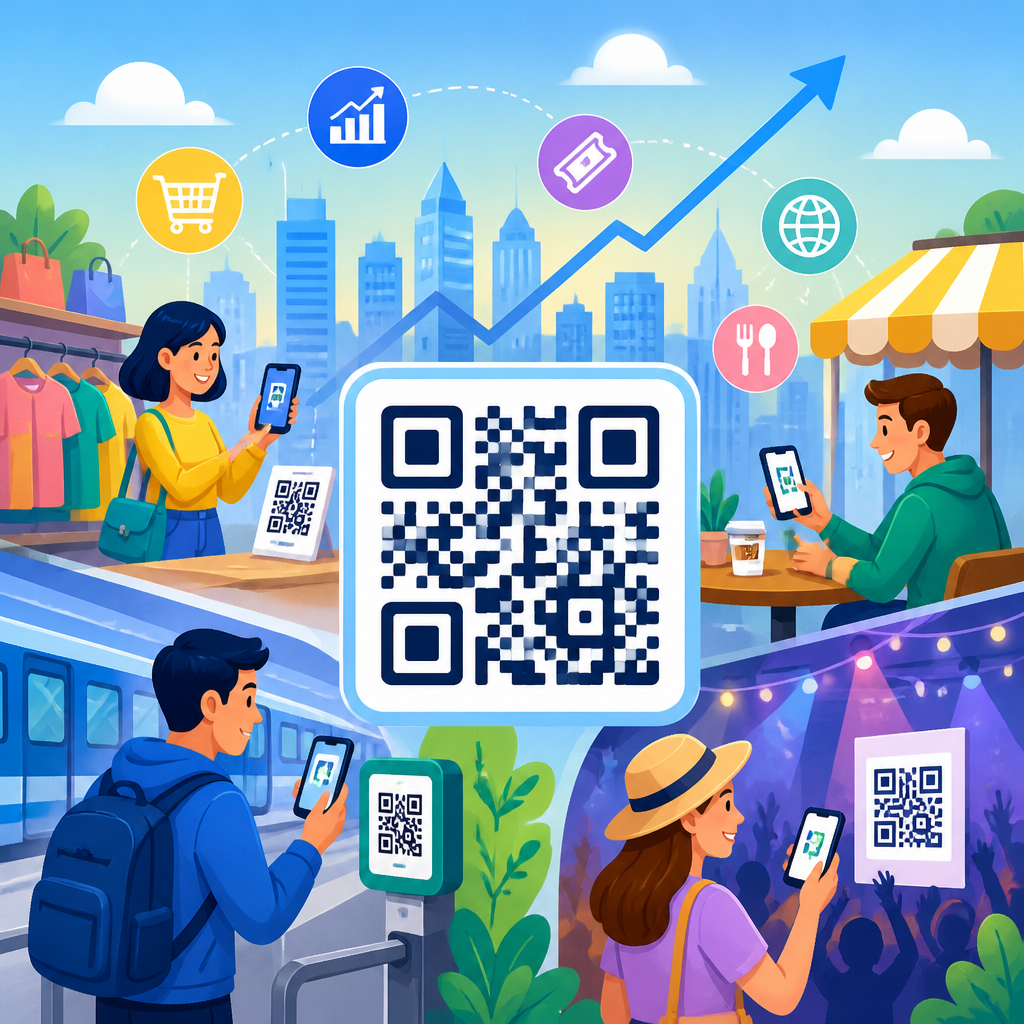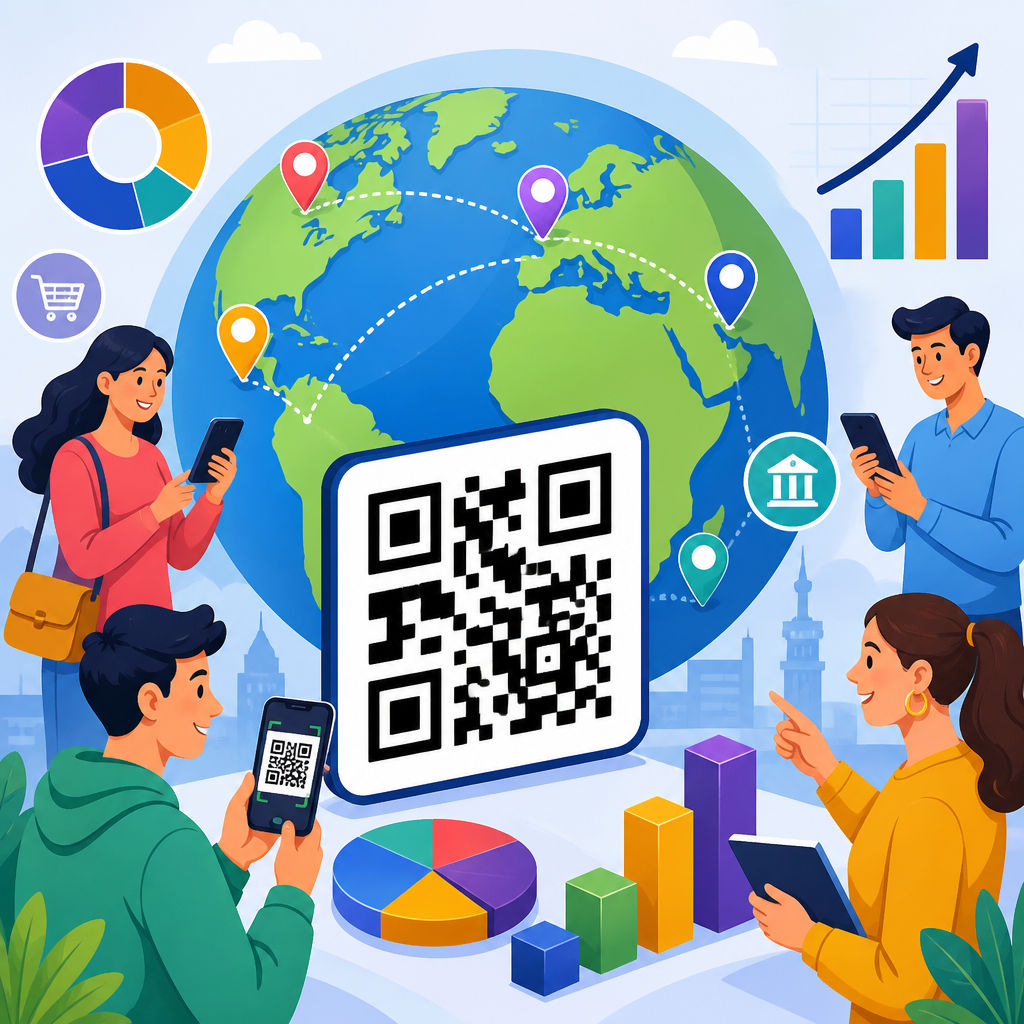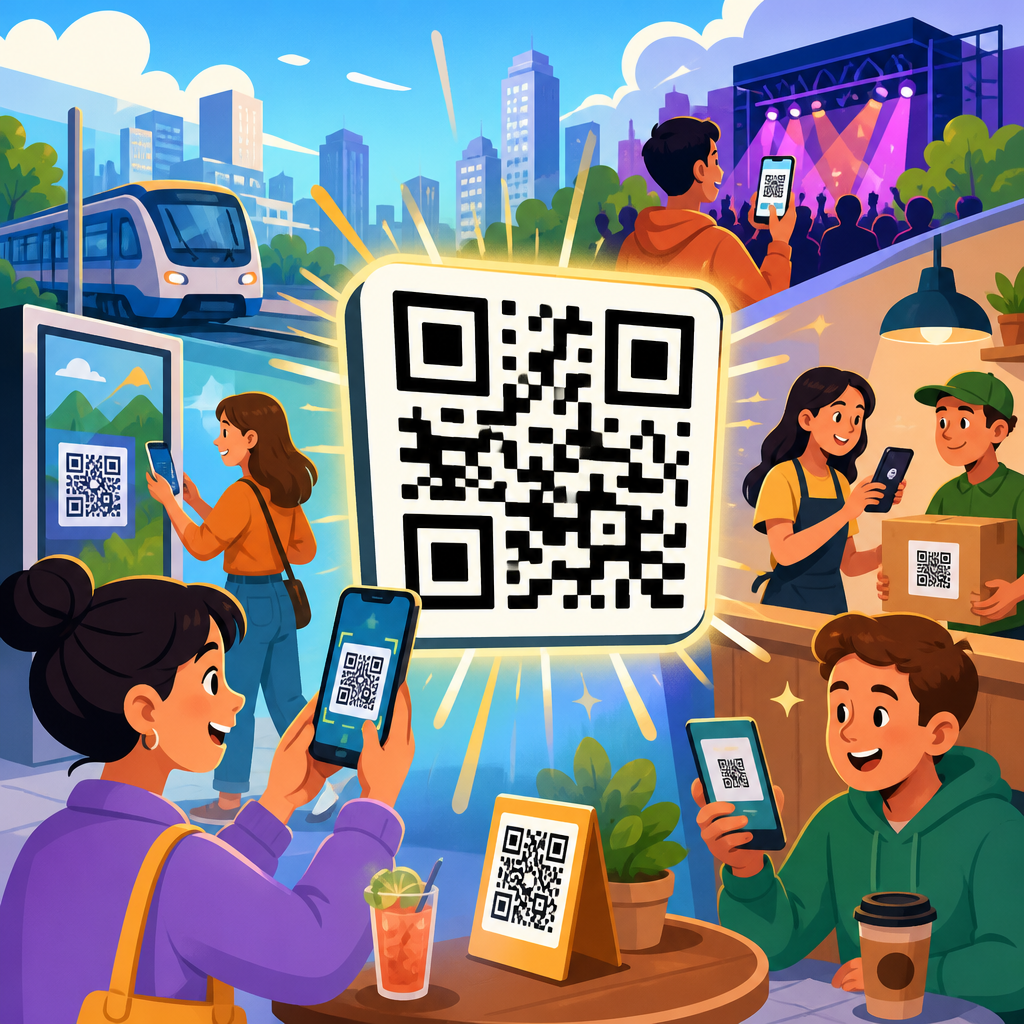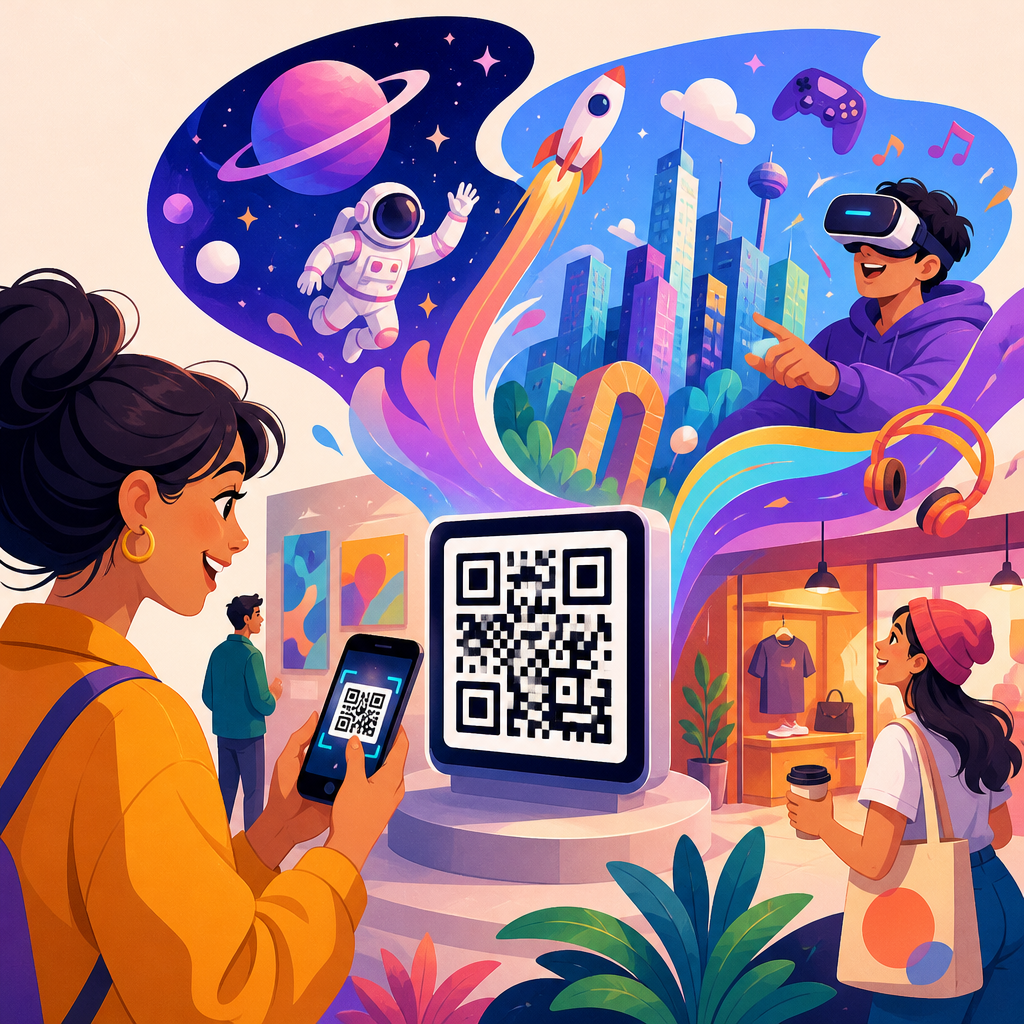
QR codes for immersive brand experiences have moved far beyond simple links, becoming a practical bridge between physical touchpoints and digital storytelling. A QR code is a two-dimensional matrix barcode that stores data such as URLs, app intents, payment tokens, or product identifiers. “Immersive brand experience” refers to any interaction that pulls a customer deeper into a brand world through video, augmented reality, gamification, personalized content, or commerce. Put together, the concept is straightforward: scan a code on packaging, signage, merchandise, or a screen, and a static object suddenly becomes interactive, measurable, and contextual. For brands trying to connect offline attention with online action, that shift matters.
I have worked on QR deployments for retail displays, event activations, restaurant menus, product packaging, and post-purchase onboarding, and the pattern is consistent. The best-performing campaigns do not use the code as a gimmick. They use it as a low-friction entry point into a useful experience. That might mean unlocking an AR try-on, verifying product authenticity, opening a location-aware offer, joining a loyalty flow, or launching a guided setup sequence after purchase. Because smartphone cameras now scan QR codes natively on iOS and Android, the barrier to entry is much lower than it was a decade ago. Adoption accelerated during the pandemic, but the technology’s staying power comes from convenience, not novelty.
This topic sits at the center of emerging use cases because QR codes solve three business problems at once. First, they reduce friction: no app download, no typing a long URL, no searching for the right page. Second, they improve measurement: marketers can track scans by time, location, device, and campaign variant when using dynamic QR platforms. Third, they expand creative range: a code can route users into immersive content tailored to context, customer segment, or product SKU. For a sub-pillar on QR code trends and innovations, this hub matters because it connects the underlying technology to real customer journeys, operational requirements, and measurable outcomes across industries.
Brands also care about QR because they can update experiences without reprinting assets when they use dynamic codes. A code printed on a box can first drive launch content, then later switch to troubleshooting, replenishment, or loyalty enrollment. That flexibility is especially valuable in distributed channels like retail, out-of-home advertising, hospitality, live events, and direct mail. It also supports internal linking across a broader content ecosystem: packaging can lead to ingredient stories, sustainability pages, warranty registration, and community content from one physical object. The result is not merely a scan. It is a continuing relationship built from a moment of intent.
Why QR Codes Are Becoming the Interface for Physical-to-Digital Brand Journeys
QR codes are gaining ground because they function as a universal interface. Near-field communication, branded apps, and custom hardware can also create immersive interactions, but QR has a structural advantage: it works on nearly every modern smartphone with no specialized setup. That universality matters in environments where brands do not control the device, the operating system, or the user’s willingness to install software. In practice, a customer standing in a store aisle, at a concert, or in front of a poster will only engage if the next step feels immediate.
The strongest QR journeys are context dependent. On product packaging, the code can answer “What is this, how do I use it, and why should I trust it?” On event signage, it can answer “What happens next, where do I go, and what exclusive content can I unlock?” On restaurant tables, it can answer “What should I order, and can I personalize the experience?” When I audit campaigns that underperform, the issue is rarely the code itself. The issue is weak intent matching. If the user expects utility and gets a generic homepage, scan rates and downstream conversion fall quickly.
Dynamic QR infrastructure makes these journeys more sophisticated. Platforms such as Bitly, QR Code Generator PRO, Beaconstac, Flowcode, and Uniqode allow teams to update destinations, apply UTM parameters, segment traffic, and test variants without changing the printed code. That operational layer is what turns a visual marker into a marketing system. When paired with analytics tools like Google Analytics 4, CRM platforms, and CDPs, brands can attribute offline interactions to online behaviors more reliably than with many traditional print campaigns.
Emerging Use Cases Across Retail, Packaging, Events, Hospitality, and Media
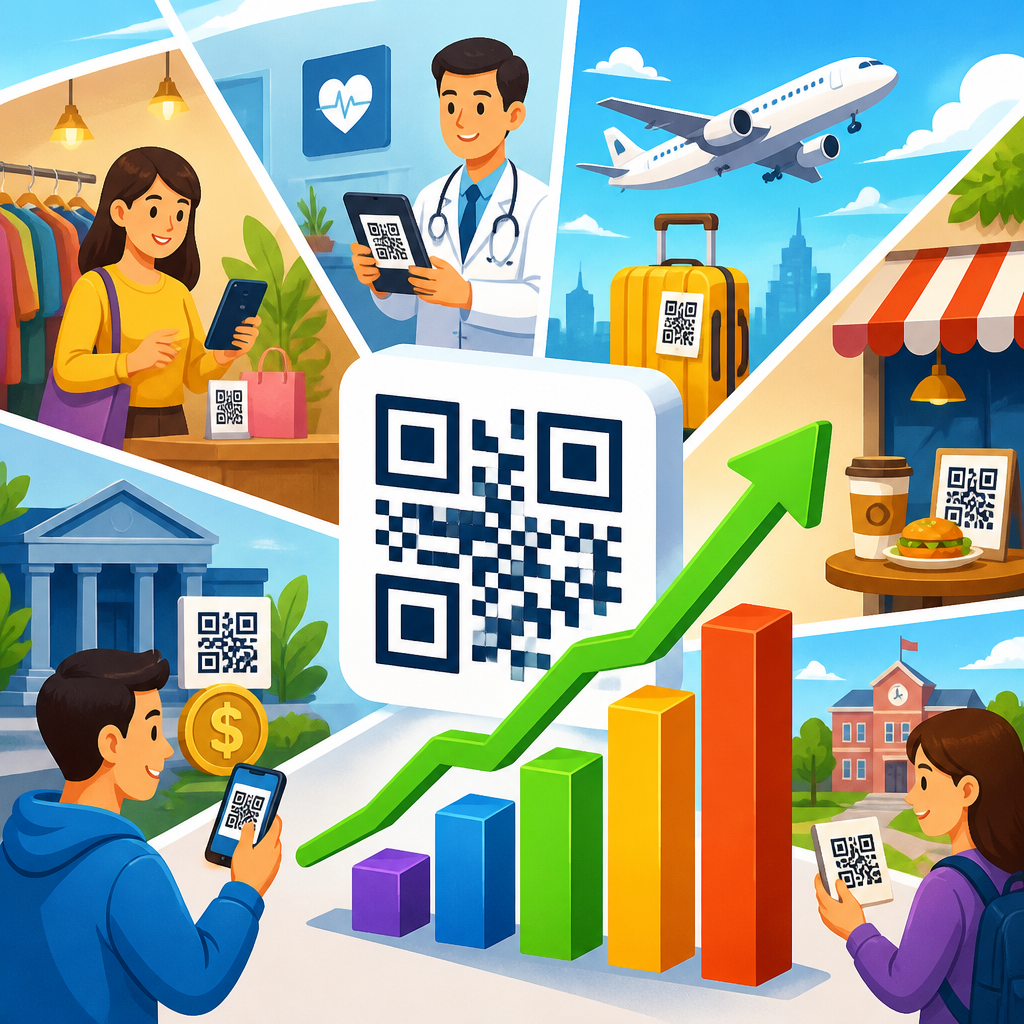
Retail is one of the clearest examples of immersive QR use. Shelf talkers and endcaps can launch comparison guides, user reviews, demos, or virtual try-on experiences that help shoppers decide in the aisle. Beauty brands use QR codes on testers and displays to open shade finders or skin diagnostic quizzes. Furniture retailers use them to trigger AR placement tools so customers can preview scale and fit at home. In these cases, the code does not just provide information. It reduces decision risk, which directly improves conversion.
On packaging, emerging use cases are even broader. Food brands are linking codes to sourcing stories, allergen data, recipes, and traceability records. Consumer electronics brands use them for setup videos, warranty registration, and accessories cross-sell. Fashion and luxury companies increasingly use serialized QR codes for digital product passports, authentication, care guidance, and resale support. In Europe, digital product passport initiatives are pushing more brands to think beyond compliance and toward customer-facing transparency. A single package can now support education, trust building, support, loyalty, and remarketing.
Live events and experiential marketing benefit because QR codes compress queues and expand participation. A festival poster can launch an interactive schedule, a scavenger hunt, or exclusive backstage content. A conference badge can connect attendees to speaker decks, networking profiles, and booth experiences. Sports venues can place codes on seats, concourses, and merchandise stands to open instant replays, player stats, mobile ordering, or limited-edition drops. These activations feel immersive because they tie content to time and place, turning the venue into a responsive media environment.
Hospitality and food service have evolved well beyond menu access. Hotels use QR codes in rooms for digital concierge services, spa bookings, local guides, and personalized upsell flows. Quick-service restaurants use table tents and tray liners for games, loyalty sign-up, and reorder shortcuts. Beverage brands embed codes into labels to launch cocktail tutorials, music playlists, or social challenges. Publishers and out-of-home advertisers also use QR as a second-screen bridge, letting posters and print spreads deliver video, commerce, or extended editorial experiences without sacrificing visual simplicity.
| Channel | Immersive QR Use Case | Primary Customer Benefit | Business Outcome |
|---|---|---|---|
| Retail display | AR try-on or product demo | Better purchase confidence | Higher conversion rate |
| Product packaging | Traceability, setup, loyalty enrollment | Useful post-purchase support | Retention and first-party data |
| Live events | Interactive map, scavenger hunt, exclusive drops | Deeper participation | Engagement and sponsorship value |
| Hospitality | Digital concierge or mobile ordering | Faster service | Upsell and operational efficiency |
| Print and OOH | Video storytelling or shoppable landing page | More context instantly | Trackable offline attribution |
Designing an Immersive QR Experience That People Actually Want to Scan
The creative and technical details determine whether a campaign succeeds. Start with a clear value exchange. The user should know what they will get before scanning: “See it in your room,” “Unlock a recipe,” “Verify authenticity,” or “Get 10% off your next order.” Vague calls to action underperform. So do QR placements that are hard to reach, poorly lit, or too small for the scanning distance. A practical rule is to size the code based on expected distance and test it on multiple devices, camera apps, and network conditions before launch.
Landing experience matters as much as scanability. Pages should load fast, respect mobile UX conventions, and align tightly with the promise on the asset. If the code launches AR, WebAR solutions can remove app friction, but teams should still provide fallback content for unsupported devices. If the scan opens video, include captions and lightweight streaming options. If the destination captures leads, keep forms short and explain how data will be used. Every extra second of load time or unnecessary field reduces completion rate.
Brand safety and trust are nonnegotiable. Consumers are increasingly aware that malicious QR codes exist, especially in public spaces. Use recognizable domains, HTTPS, and branded short links where possible. On packaging and premium goods, secure or serialized QR implementations can help deter tampering and counterfeiting. Teams should also coordinate with legal, IT, and privacy stakeholders when campaigns collect personal data, use geolocation, or connect to loyalty systems. An immersive experience must feel seamless, but the back end must still meet governance requirements.
Measurement, Personalization, and the Operational Stack Behind Modern QR Campaigns
Measurement starts with defining the right outcome. Scan volume is useful, but it is only a top-of-funnel signal. Strong programs track scan-through rate by placement, engagement time, completion rate on the destination experience, assisted conversion, repeat scans, and downstream actions such as sign-ups, purchases, registrations, or support deflection. In my experience, the most valuable insight often comes from comparing contexts. The same code creative can perform very differently on packaging, in-store displays, and direct mail because user intent changes by channel.
Personalization makes QR especially powerful. A dynamic code can direct users based on language, location, time of day, device type, inventory status, or campaign cohort. For example, a national beverage brand can place one code design across millions of cans while routing consumers in different regions to local sweepstakes, retailer tie-ins, or event schedules. A cosmetics brand can vary the post-scan experience by SKU so each package opens the exact tutorial or replenishment flow for that product. This is where QR shifts from link delivery to journey orchestration.
The operational stack usually includes a QR management platform, analytics, a CMS or landing page builder, tag management, and integrations with CRM or marketing automation tools. Governance matters because codes often live longer than campaigns. Someone must own redirects, sunset dates, destination QA, and archive procedures. Broken codes on packaging create customer frustration and erode trust. The best teams maintain a registry of live assets, destination URLs, print locations, and campaign owners so they can update experiences quickly without losing control.
Common Pitfalls, Compliance Considerations, and What Comes Next
Several mistakes appear repeatedly. Brands send scans to homepages instead of purpose-built pages. They hide the code in visually busy layouts without an explicit prompt. They forget cellular dead zones at trade shows or stadiums. They fail to test Android and iPhone behavior, deep links, or in-app browsers. They launch immersive experiences that are visually impressive but slow, inaccessible, or impossible to use one-handed. Each of these issues lowers adoption, and unlike many digital errors, a mistake on printed material can linger for months.
Compliance and accessibility deserve equal attention. If a QR flow collects personal information, consent and disclosure standards apply just as they would on any mobile web form. If alcohol, health, or financial products are involved, regulated claims must remain compliant after the scan, not just on the printed asset. Accessibility is also essential. Provide text alternatives, ensure contrast, support screen readers on landing pages, and avoid making critical information available only through the code. A QR experience should extend access, not create a barrier.
Looking ahead, the next wave of immersive brand experiences will combine QR codes with AR, loyalty identity, digital product passports, and AI-driven personalization. That does not mean every campaign needs advanced technology. It means brands should design for progressive enhancement. Start with a fast mobile destination and a compelling reason to scan. Then add richer layers like 3D visualization, contextual recommendations, post-purchase onboarding, or authenticated ownership experiences where they improve utility. The organizations that win will treat QR not as a trend, but as durable infrastructure for connecting physical moments to measurable digital value.
QR codes for immersive brand experiences work because they align convenience, creativity, and accountability in one familiar interaction. They give marketers a practical way to turn packaging, displays, print, venues, and products into gateways for richer stories and more useful services. They also give customers something important: immediate value in context, without friction. That is why this emerging use case deserves a central place in any QR code trends and innovations strategy.
The key lessons are simple. Match the scan destination to user intent. Use dynamic codes so experiences can evolve. Build fast, mobile-first landing pages with clear calls to action. Measure business outcomes, not just scans. Protect trust with secure domains, accurate disclosures, and reliable maintenance. When brands follow those principles, QR programs support discovery, conversion, service, loyalty, and attribution across the full customer lifecycle.
As a hub for emerging use cases, this topic should guide your next steps across retail, packaging, events, hospitality, and media. Audit your current physical touchpoints, identify where customers need information or interaction most, and test one focused QR experience with a measurable goal. Then expand what works. Done well, a small square can become one of the most versatile interfaces in modern brand building.
Frequently Asked Questions
What are QR codes for immersive brand experiences, and how are they different from standard QR code campaigns?
QR codes for immersive brand experiences are scannable codes designed to do much more than send someone to a homepage or product page. They act as entry points into richer, more interactive brand journeys that connect physical spaces, packaging, print materials, retail displays, events, and products with digital content such as augmented reality experiences, behind-the-scenes video, interactive storytelling, product education, loyalty rewards, instant purchasing, or personalized offers. In practice, that means a customer might scan a code on packaging to see a product come to life in AR, unlock a limited-edition experience, watch a creator-led demonstration, or enter a branded game tied to a campaign.
The main difference from standard QR code use is intent and depth. A standard campaign often treats the QR code as a shortcut to information. An immersive campaign treats the QR code as a gateway into a brand world. Instead of simply delivering a link, it delivers a moment: discovery, entertainment, utility, or personalization. That distinction matters because consumers increasingly expect convenience and engagement at the same time. When executed well, these QR codes help brands create continuity between offline attention and online action, reducing friction while making the interaction memorable. They also allow marketers to adapt landing experiences by audience, location, device, time of day, or campaign objective, turning a simple scan into a dynamic, measurable customer touchpoint.
How can brands use QR codes to create more immersive and memorable customer experiences?
Brands can use QR codes to add layers of content and interaction at nearly every customer touchpoint. On product packaging, a QR code can unlock tutorials, sourcing information, style guides, recipes, or interactive product stories that make the item feel more valuable and distinctive. In retail environments, codes can trigger virtual try-ons, expert recommendations, comparison tools, or location-specific offers. At events, they can simplify check-in, deliver schedules, launch scavenger hunts, enable social sharing, or reveal exclusive media tied to booths, exhibits, or performances. In out-of-home advertising and direct mail, they can transform static creative into personalized microsites, video messages, instant coupon redemption, or shoppable experiences.
The most effective immersive uses typically combine utility with emotion. For example, a beauty brand might place a QR code on a display that opens an AR shade matcher and then recommends products based on the user’s selection. A food brand might use a code to show the origin story of ingredients, followed by chef-led recipe content and one-click reorder options. A sportswear brand could connect codes on in-store signage to athlete stories, training challenges, and loyalty rewards. These experiences work best when the scan leads to content that feels native to the customer’s context. If the person is in a store aisle, the content should help them decide or imagine ownership. If they are at an event, the content should deepen participation. If they are at home with packaging, the content should extend product use and brand affinity. The QR code itself is simple, but the experience behind it should feel intentional, fast, mobile-first, and worth the scan.
What types of immersive content work best behind a QR code?
The strongest content behind a QR code is content that delivers immediate value without forcing the user through unnecessary steps. Mobile-optimized video is one of the most reliable formats because it is easy to consume, visually engaging, and effective for product storytelling, demonstrations, testimonials, and campaign narratives. Augmented reality is also a strong fit when it helps a user visualize something, interact with packaging, explore a space, or participate in a branded experience. Gamified content can be highly effective for increasing dwell time and repeat engagement, especially when tied to prizes, loyalty points, collectibles, or social sharing. Personalized landing pages, quiz flows, and guided product selectors perform well when the goal is to match people with relevant options or offers.
Commerce-enabled experiences also work especially well because they shorten the path from inspiration to action. A QR code can open a prefilled cart, launch a limited-drop product page, reveal a bundle offer, or connect directly to payment options. Educational content is another valuable category, particularly for products that benefit from setup guidance, ingredient transparency, use-case inspiration, or care instructions. The best choice depends on what the customer needs at the moment of scanning. If the context is discovery, storytelling and AR may be ideal. If the context is decision-making, reviews, comparisons, and demos may be stronger. If the context is retention, loyalty rewards, community access, and post-purchase support can deliver more impact. The content should not be immersive just for novelty’s sake; it should align with the campaign goal and genuinely improve the customer experience.
How do you measure the success of a QR code campaign built around immersive brand experiences?
Measuring success starts by defining what the experience is supposed to accomplish. If the goal is awareness, brands should look at scan volume, unique users, reach by placement, and engagement with top-of-funnel content such as video views or AR launches. If the goal is conversion, more meaningful metrics include click-through rate to product pages, add-to-cart actions, purchases, coupon redemptions, sign-ups, or completed app downloads. If the goal is retention or loyalty, metrics such as repeat scans, time spent, return visits, reward participation, and customer profile enrichment become more important. Because immersive campaigns often sit between physical and digital channels, they are especially useful for closing attribution gaps that would otherwise be hard to track.
Beyond raw scan counts, brands should pay close attention to downstream behavior. A high number of scans with low engagement may indicate weak creative, poor load speed, or a mismatch between what the code promises and what it delivers. On the other hand, even a modest number of scans can be highly successful if the audience is qualified and the conversion rate is strong. It is also helpful to segment performance by placement type, geography, product line, audience cohort, and device. Dynamic QR codes are particularly valuable because they allow marketers to update destinations and compare results without reprinting physical assets. A disciplined measurement framework usually includes UTM parameters, analytics events, funnel tracking, A/B testing, and, when relevant, CRM or commerce integration. In short, success is not just that people scanned; it is that the scan led to meaningful interaction and measurable business outcomes.
What are the best practices for designing QR code experiences that feel seamless, trustworthy, and on-brand?
First, make the reason to scan obvious. People are far more likely to engage when the call to action clearly states what they will get, such as “See it in AR,” “Unlock exclusive content,” “Get your personalized shade match,” or “Shop the look instantly.” The promise should be specific, and the experience should deliver on it immediately. Second, ensure the destination is fast, mobile-friendly, and simple to navigate. Most scans happen on smartphones, often in distracted environments, so slow pages, cluttered layouts, mandatory app downloads, or lengthy forms can quickly kill engagement. Ideally, the experience opens in the browser, loads quickly, and places the primary interaction above the fold.
Trust is equally important. Use branded landing pages, secure URLs, and clear visual continuity so users know they are engaging with the real brand. The QR code itself should be easy to scan, printed at an appropriate size, placed where lighting and camera access are realistic, and tested across devices and operating systems. From a brand perspective, the content behind the code should reflect the same tone, design system, and messaging found elsewhere in the campaign. Personalization should feel helpful rather than intrusive, and any data collection should be transparent and compliant with privacy expectations. It is also smart to build in analytics, fallback experiences for older devices, and a plan for updating content over time. The best QR code experiences feel effortless: a customer notices the code, understands the benefit, scans it instantly, and enters an experience that is useful, engaging, and unmistakably connected to the brand.