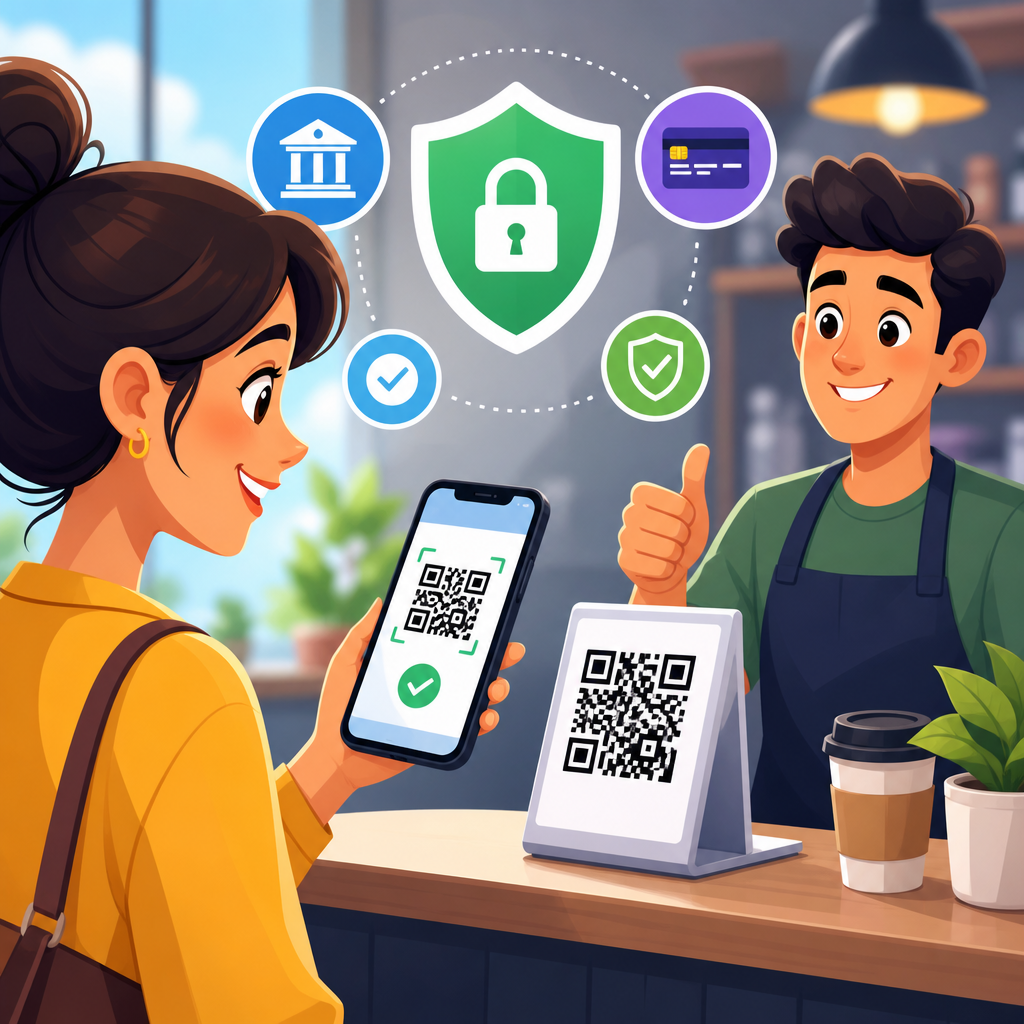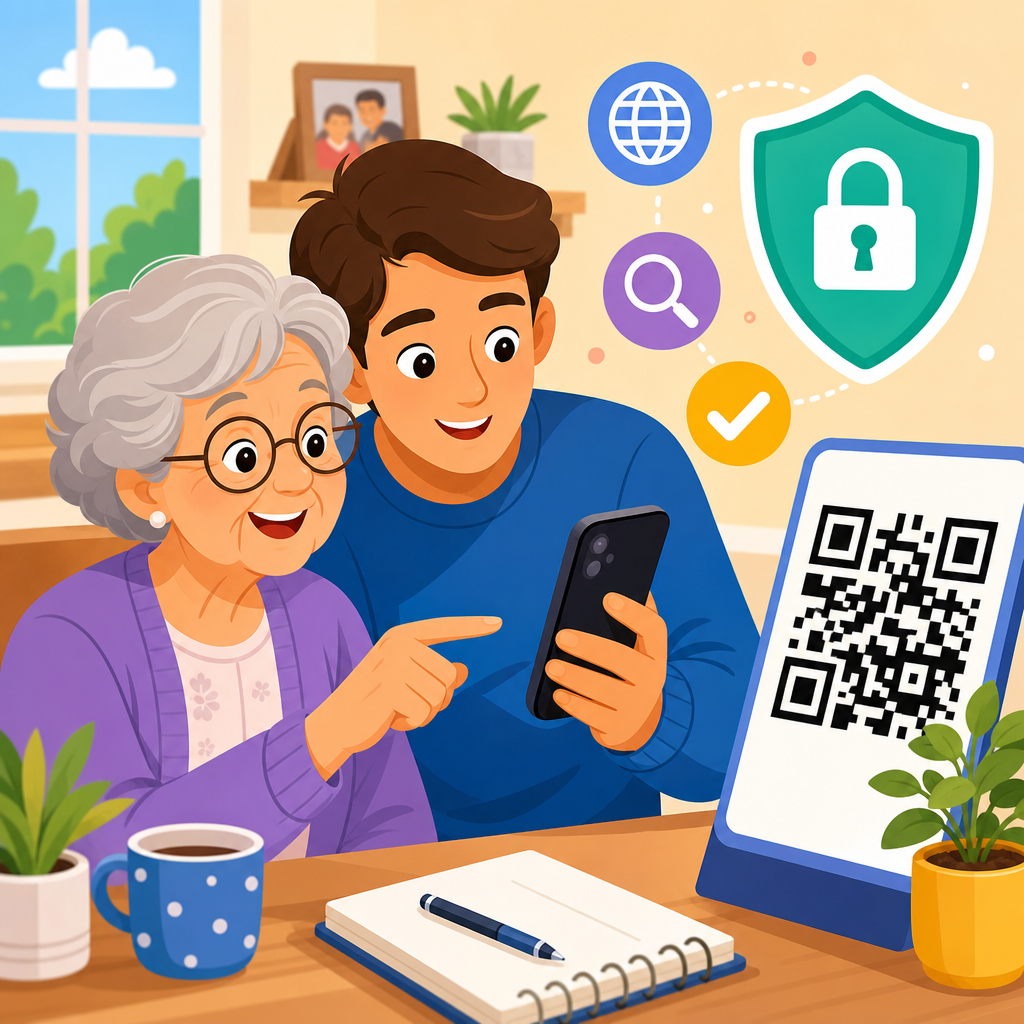
QR code safety for seniors and beginners starts with one simple truth: a QR code is only a shortcut, not a guarantee of trust. A QR code, or Quick Response code, is a square barcode that stores a web link, phone number, payment request, contact card, Wi-Fi login, or other machine-readable data. When a smartphone camera reads that pattern, it opens the encoded action in seconds. That convenience explains why restaurants, pharmacies, transit systems, utility providers, and family members use QR codes every day. It also explains why scammers use them. I have trained older adults and first-time smartphone users on this exact issue, and the same problem appears again and again: people assume the printed square itself has been verified. It has not.
Safe scanning tips matter because QR codes hide the destination until after the scan. A normal web link can be inspected before clicking, but a QR code often pushes the user directly to a browser, payment page, app store listing, or form. Criminals take advantage of that hidden step with fake parking meters, counterfeit package notifications, phishing pages that mimic banks, and malicious stickers placed over legitimate codes in public spaces. The Federal Trade Commission and major banks have repeatedly warned consumers about QR-driven phishing, sometimes called quishing. Seniors and beginners face extra risk not because they are careless, but because modern scams are designed to remove the pause that usually triggers skepticism.
This article serves as a practical hub for safe scanning tips within the broader QR code security and privacy topic. The key terms are straightforward. A legitimate QR code points to a real destination from a trusted source. A malicious QR code sends you to a fake site, prompts an unsafe download, starts a payment to a criminal, or collects personal data you did not intend to share. Privacy risk is different from outright fraud: even a real QR code can gather location, device details, email addresses, or purchase behavior. Understanding that distinction helps people make better choices. The goal is not to fear every QR code. The goal is to scan deliberately, verify before acting, and know what warning signs deserve an immediate stop.
For seniors and beginners, the best protection is a repeatable process, not technical jargon. If you can learn to pause, preview, verify, and proceed only when the request makes sense, you can use QR codes safely for menus, event check-ins, coupons, medicine information, product setup, and family photo sharing. The sections below explain how to judge a code before scanning, what to check after scanning, how to avoid payment and login traps, which phone settings improve safety, and when to stop altogether. Think of this guide as the foundation page for every other safe scanning topic: it gives you the rules that apply whether the code is on a flyer, a text message, a package label, or a sign taped to a parking machine.
What Makes a QR Code Risky
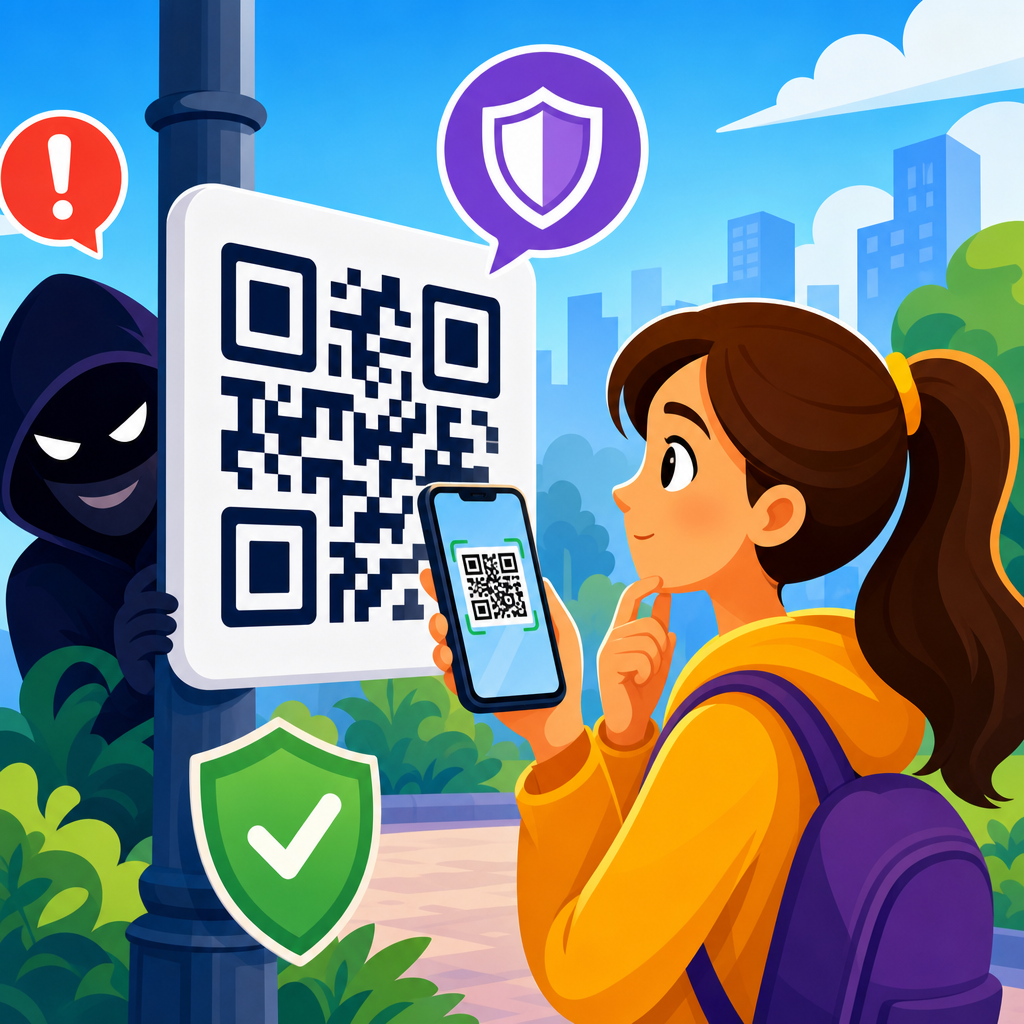
A QR code becomes risky when the source is uncertain, the purpose is unclear, or the action requested is unusually urgent. In practice, the most common dangers are phishing, payment fraud, fake app downloads, and unnecessary data collection. I see the highest failure rate when people scan codes placed in public where anyone could swap the original. A sticker on a gas pump, a poster in a train station, or a sign on a restaurant table can be replaced in seconds. If a code looks crooked, layered over another code, poorly printed, or newly taped onto a permanent fixture, treat it as suspicious. Physical tampering is one of the easiest QR scams to execute because it requires almost no technical skill.
Digital delivery can be even more convincing. Attackers now send QR codes by email, text message, social media direct message, and printed letters. The message often claims there is a missed package, account problem, unpaid toll, tax issue, medical form, or security alert. The code directs the target to a site that asks for a password, bank card, or one-time verification code. Beginners often believe the QR code is safer than a clickable link because it feels indirect. It is not. It is just another way to deliver a destination. If the message itself is unexpected, emotional, or urgent, the QR code inside it should be treated with the same suspicion as any unknown link.
Another risk is overtrust in branding. Scammers copy logos, colors, and page layouts from banks, delivery firms, and government offices with remarkable accuracy. A QR code printed on a convincing letterhead can still lead to a criminal site. That is why source verification matters more than appearance. Real organizations generally provide multiple contact methods and published web addresses. If a code claims to be from your utility company, compare it with the company website you already know, your last paper bill, or the phone number printed on the back of your official card. Trust must come from independent confirmation, not from the design wrapped around the code.
Safe Scanning Tips Everyone Can Follow
The safest scanning habit is to stop for five seconds before pointing your camera. Ask four questions: Who created this code, why am I being asked to scan it, what should happen next, and is there a safer alternate route? If you cannot answer those questions, do not scan. When a code is legitimate, the context usually makes sense. A museum exhibit code may open audio notes. A medicine package code may lead to product instructions from the manufacturer. A family member may text a code for a shared photo album after telling you about it. Risk rises when the request is out of context, such as a parking code on a handwritten sign or a bank verification code sent without any action on your part.
After you scan, read the destination carefully before tapping through. Many phones now show a preview of the web address. That preview is your safety window. Look for a domain that matches the real organization, not a lookalike. For example, a bank should send you to its exact primary domain, not a version with extra words, misspellings, random numbers, or a different ending. Attackers rely on small visual tricks such as replacing letters, adding hyphens, or using longer domains that hide the real owner. If the destination is shortened or unclear, close it and visit the organization another way. Never feel obligated to continue just because the scan succeeded.
Use the camera app built into your phone whenever possible instead of a random third-party scanner app. Native camera scanning on iPhone and Android devices is generally safer because it is maintained by Apple, Google, or the device maker and integrated with operating system protections. Years ago, many scanner apps asked for excessive permissions, displayed aggressive advertising, or bundled tracking software. That does not mean every scanner app is unsafe, but beginners rarely need one. Keeping the process simple reduces exposure. If your phone does not support native scanning well, install a reputable app from a known publisher, check the reviews, and avoid any app asking for unrelated permissions such as microphone or contact access.
Never enter passwords, banking details, Social Security numbers, Medicare information, or one-time login codes on a page reached from an unexpected QR code. This rule alone blocks many attacks. If the page claims your account is locked, your delivery failed, or your payment needs confirmation, leave the page and contact the organization directly using a saved bookmark, the official app, or a phone number you already trust. In training sessions, I tell people to separate the alert from the response. The alert may arrive by QR code, but the response should happen through your own independent channel. That one behavioral change dramatically reduces phishing success because the scammer loses control of the conversation.
How to Verify Before You Scan or Pay
Verification should be practical, not burdensome. Start by checking the physical environment. Is the code printed professionally and placed where you would expect it? Is there a company name, customer support number, or readable URL nearby? Does the sign explain the purpose in plain language? Legitimate organizations usually provide context because they want completion rates to be high. Criminals prefer vagueness and speed. If you are asked to scan for parking, compare the code with the parking provider name on the machine and confirm the rate on the official sign. If you are at a medical office, ask the receptionist whether the code is theirs before using it. Direct human confirmation is underrated and highly effective.
For digital messages, verify by going around the message. If an email says your streaming subscription needs an update and provides a QR code, open the official app separately and check your account there. If a text says a package is waiting, use the retailer order page or known carrier website instead of scanning. This independent-path method is standard security practice because it breaks the attacker’s funnel. In business settings, companies now train employees to verify invoice payment changes by phone because email can be spoofed. The same principle applies to consumers and QR codes. You do not need to decode every scam; you just need to stop relying on the suspicious path provided.
| Situation | Safer action | Reason |
|---|---|---|
| Parking meter code on a sticker | Use the official parking app or machine website typed manually | Public stickers are easy to replace |
| Email says bank account is locked | Open the bank app or call the number on your card | Prevents phishing and credential theft |
| Restaurant table QR menu | Check that the server confirms the code belongs to the restaurant | Prevents redirection to fake payment pages |
| Package delivery text with QR code | Track the order in the retailer account you already use | Most delivery scam messages are unsolicited |
| Event flyer with registration code | Visit the organizer’s official site from a search result you trust | Confirms the event and protects personal data |
Payment deserves special caution because QR codes are widely used for peer-to-peer transfers, donation pages, invoices, and digital wallets. A real payment code can be convenient; a fake one can send money instantly to the wrong person with little chance of recovery. Before paying, confirm the merchant name, amount, and payment processor shown on the screen. If the code launches a wallet app, read every confirmation screen slowly. At farmers markets and charity drives, I recommend asking the seller or volunteer to show the matching business name inside the payment app. If a donation sign lists no legal organization name, no website, and no receipt method, skip it. Transparency is a core sign of legitimacy.
Phone Settings and Habits That Improve QR Code Safety
Good device hygiene strengthens every safe scanning tip. Keep your phone operating system, browser, and banking apps updated because security patches close known weaknesses. Use screen lock protection with a strong passcode, fingerprint, or face unlock so a stolen phone cannot easily expose scanned links, saved passwords, or payment apps. Turn on automatic updates if you are comfortable doing so. On most modern phones, built-in browsers and app stores also screen some dangerous destinations and downloads. Those protections are imperfect, but they help. In my experience, outdated devices create unnecessary risk because users miss warning features that newer software provides, including clearer link previews and stronger anti-phishing detection.
Password hygiene matters too. Use a password manager if possible, because it can refuse to autofill credentials on the wrong website. That may sound advanced, but it creates a simple benefit for beginners: if the manager does not recognize the site, stop and investigate. Enable multifactor authentication on important accounts, especially email, banking, and shopping platforms. However, remember that multifactor codes should never be typed into a page reached from an unverified QR code. Those codes can be stolen in real time. Email security is especially important because email often serves as the recovery path for other accounts. Protecting the inbox reduces damage even if one scam attempt gets through.
Privacy settings also deserve attention. Some QR destinations ask for camera, location, contact, or notification permissions that are unrelated to the task. Decline anything unnecessary. A coupon page does not need your microphone. A restaurant menu does not need your contacts. If a site forces a permission that feels excessive, leave. On Android and iPhone, you can review app permissions and browser privacy settings at any time. Using a private DNS service, encrypted browsing, or content-blocking browser can improve privacy, but these are secondary defenses. The primary safety habit is still judgment. Technical tools reduce exposure; they do not replace the need to verify sources and think before submitting information.
Common QR Code Scams and How to Respond
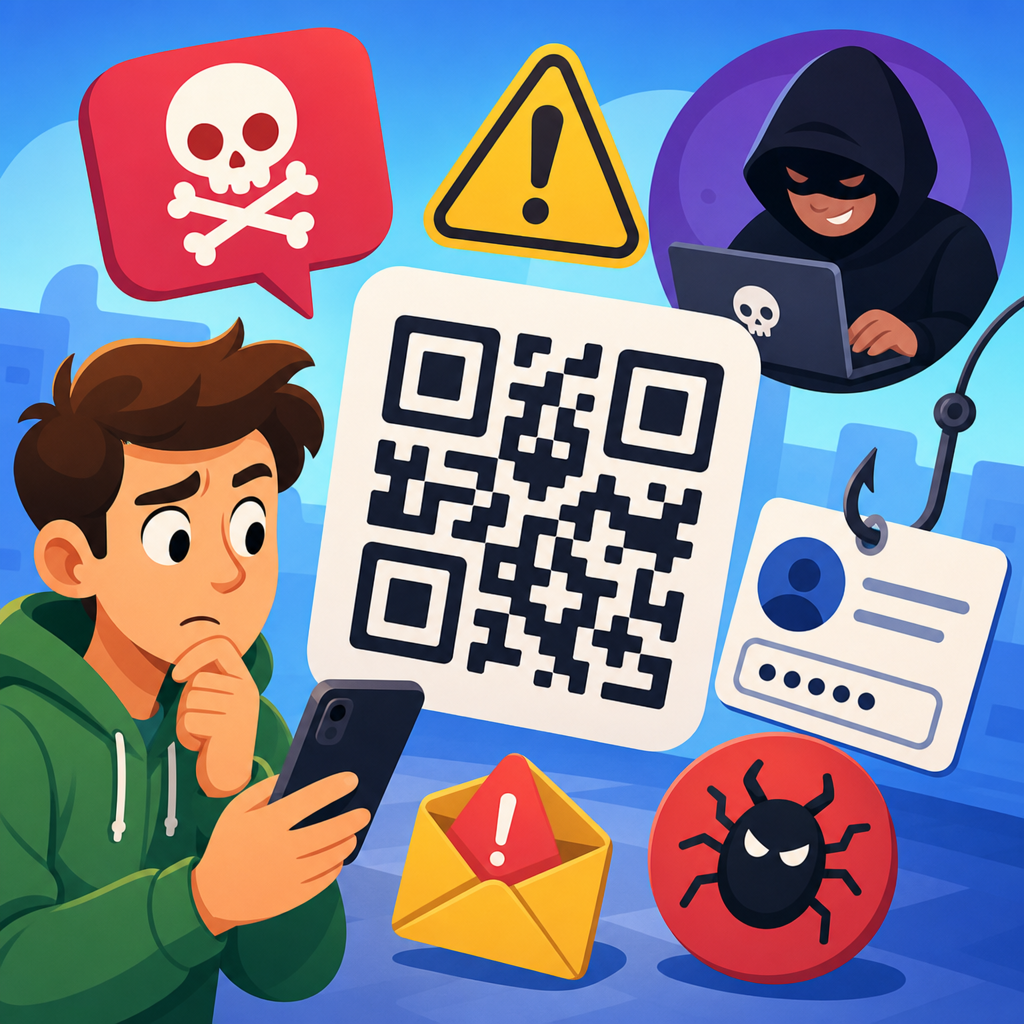
The most common QR code scam for consumers is credential phishing. You scan a code that claims to fix an account issue, then land on a sign-in page almost identical to the real one. The page steals your username, password, and sometimes your multifactor code. The second common scam is payment diversion, where a fake code routes money to a criminal wallet or payment account. Third is malware distribution, usually framed as a required app, document, or security update. A fourth category is data harvesting: the page is technically functional but asks for more personal information than needed. These scams work because the code compresses several decisions into one quick action.
If you think you scanned a malicious code, respond immediately but calmly. Close the page. Do not continue tapping around. If you entered a password, change it from a trusted device or trusted route right away. If the password was reused elsewhere, change those accounts too, starting with email and financial services. If you submitted card details, call the card issuer and ask about monitoring, card replacement, or transaction reversal. If you sent money through a payment app, report the transaction inside the app at once. Run a device security scan if you downloaded anything, and remove unfamiliar apps. Document the date, screenshot the page if safe to do so, and report the incident to the impersonated organization.
For seniors, family support can be turned into a safety advantage without giving up independence. Create a simple rule: any unexpected QR code involving money, passwords, taxes, healthcare, or account recovery gets a second opinion before action. That second opinion can come from an adult child, trusted friend, banker, caregiver, or tech support line from the organization itself. Beginners benefit from the same rule. Confidence should come from process, not speed. People often feel embarrassed after a close call, but reporting suspicious codes helps everyone. When restaurant staff remove a fake sticker or a church volunteer replaces a compromised donation sign, a quick question may prevent dozens of losses.
QR codes are useful tools, but they are safest when treated like hidden links that must earn your trust before you act. For seniors and beginners, the core method is consistent: pause before scanning, verify the source, inspect the destination, avoid entering sensitive information from unexpected pages, and use independent contact methods for anything involving money or accounts. Public stickers, urgent messages, and requests for payment or login details deserve extra skepticism. Built-in phone cameras, updated software, password managers, and multifactor authentication all help, yet none of them replace careful judgment. The strongest protection is a repeatable habit that makes scanning deliberate rather than automatic.
As a hub for safe scanning tips, this guide establishes the rules that apply across menus, parking meters, printed mail, emails, package alerts, donations, medical forms, and event registrations. The benefit is practical peace of mind: you can still enjoy the convenience of QR codes without surrendering security or privacy. When in doubt, do not scan, do not pay, and do not sign in. Visit the organization through a trusted app, typed web address, saved bookmark, or phone number you already know. Share these steps with a parent, neighbor, or anyone new to smartphones, then make them part of your routine the next time a square code appears in front of you.
Frequently Asked Questions
What is a QR code, and why can it sometimes be risky to scan one?
A QR code is a square, machine-readable barcode that quickly sends your phone to a website or triggers another action, such as opening a payment screen, saving contact information, joining a Wi-Fi network, or calling a phone number. The important thing to remember is that the code itself does not prove that the destination is safe. It is simply a shortcut. That means a scammer can create a QR code that looks just as legitimate as one from a bank, pharmacy, utility company, parking meter, or delivery service.
The risk comes from what happens after the scan. A malicious QR code may lead to a fake website designed to steal passwords, payment details, or personal information. It may start a payment request to the wrong person or company. In some cases, it may encourage you to download an unsafe app or call a fraudulent support number. For seniors and beginners, the safest mindset is this: treat a QR code the same way you would treat a link in an email or text message. Before opening it, ask where it came from, why it is being used, and whether you were expecting it. If anything feels rushed, unfamiliar, or too urgent, stop and verify first.
How can seniors and beginners tell whether a QR code is safe before scanning it?
The safest approach is to check the source before you ever point your camera at the code. A QR code is more trustworthy when it comes from a place you already know and expect, such as a printed bill from your utility company, a sign inside a recognized medical office, a restaurant menu placed by staff, or a family member who clearly explains what it is for. Be more cautious with codes found on random posters, text messages from unknown numbers, social media posts, emails asking for urgent action, or stickers placed over existing signs. Scammers often place fake codes on parking meters, public bulletin boards, and payment kiosks because people are in a hurry and less likely to double-check.
Many phones also show a preview of the web address before opening it. Take a moment to read that address carefully. Look for misspellings, strange extra words, unusual endings, or a web address that does not match the business it claims to represent. For example, a code claiming to be from a bank should not send you to a long, unfamiliar address full of random letters. If you are asked to log in, pay immediately, share private information, or install an app, slow down and verify through another method. You can call the company using a phone number from an official statement or type the known website address directly into your browser instead of using the QR code.
What should someone do immediately after scanning a QR code?
After scanning, pause before tapping anything. Your first job is to review what the phone is asking you to do. If the code opens a website, check the web address carefully and make sure it matches the company or person you expected. If it opens a payment screen, confirm the payee name, amount, and purpose before sending money. If it offers a phone call, app download, contact save, or Wi-Fi connection, think about whether that action makes sense in the situation you are in. Safe use is less about the scan itself and more about what you approve next.
If anything seems unusual, close the page and do not continue. Warning signs include pressure to act fast, requests for passwords or one-time codes, poor spelling, odd logos, or offers that seem too good to be true. It is also wise to avoid entering sensitive details after scanning a code from a public place unless you independently confirm the destination. A good rule for beginners is simple: scan, inspect, verify, then decide. That extra few seconds can prevent account theft, payment fraud, and other scams.
Are QR code payment scams common, and how can people avoid them?
Yes, QR code payment scams are a real concern because they are easy for criminals to set up and easy for people to trust in the moment. A scammer can replace a legitimate payment code with a fake sticker or send a code by text pretending to be a business, charity, landlord, or government agency. Once the code is scanned, the payment may be routed directly to the scammer. Because QR payments happen quickly, victims may not notice the problem until after the money is gone.
To stay safe, never send money just because a QR code makes it convenient. Always verify who is receiving the payment. Check the business name, recipient details, and reason for the charge. If you are paying in person, look closely to see whether the code appears tampered with, covered by a sticker, or placed in an unusual location. If you receive a payment QR code by email or text, contact the business using a trusted phone number or website to confirm it is legitimate. Seniors and beginners should be especially careful with urgent payment requests involving tolls, missed deliveries, unpaid bills, parking fines, or tech support. Scammers often use urgency to stop people from slowing down and checking details.
What are the best everyday QR code safety habits for seniors and people new to smartphones?
The best safety habits are simple, repeatable, and easy to remember. First, scan only when you know who provided the code and why. Second, look at the destination before opening it, especially if your phone offers a preview. Third, never enter passwords, banking details, Social Security information, or one-time security codes on a page you reached through a suspicious or unexpected QR code. Fourth, keep your phone updated so you have the latest security protections. Fifth, if a QR code asks you to install an app, connect to a network, or send money, verify the request independently before proceeding.
It also helps to create a personal routine. If you are unsure, ask a trusted family member, caregiver, friend, or staff member for a second opinion. Use official apps and type known website addresses yourself when possible. Avoid scanning codes sent by strangers or posted in places where anyone could have swapped them. Most importantly, do not let embarrassment or pressure override caution. Scammers succeed when people feel rushed, confused, or afraid of making a mistake. Taking a moment to stop and verify is not inconvenient; it is one of the smartest digital safety habits anyone can build.