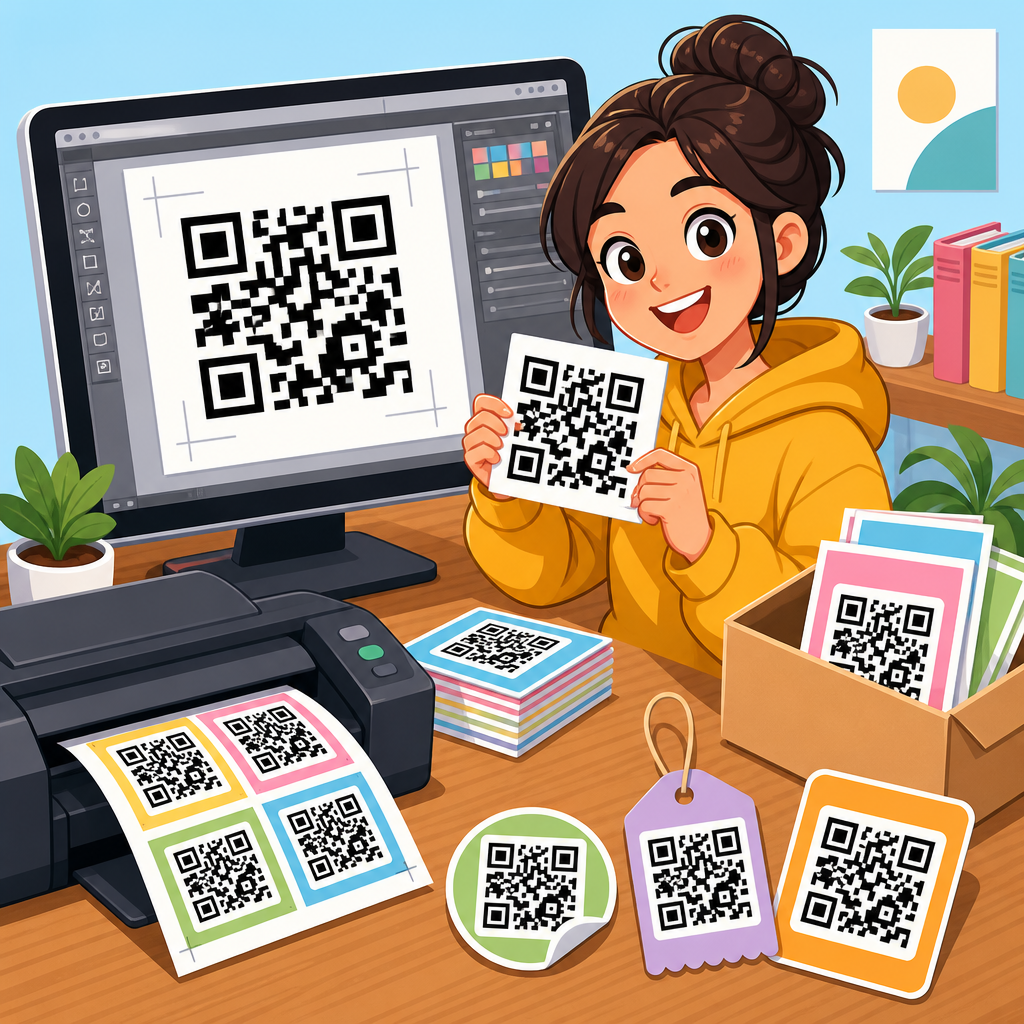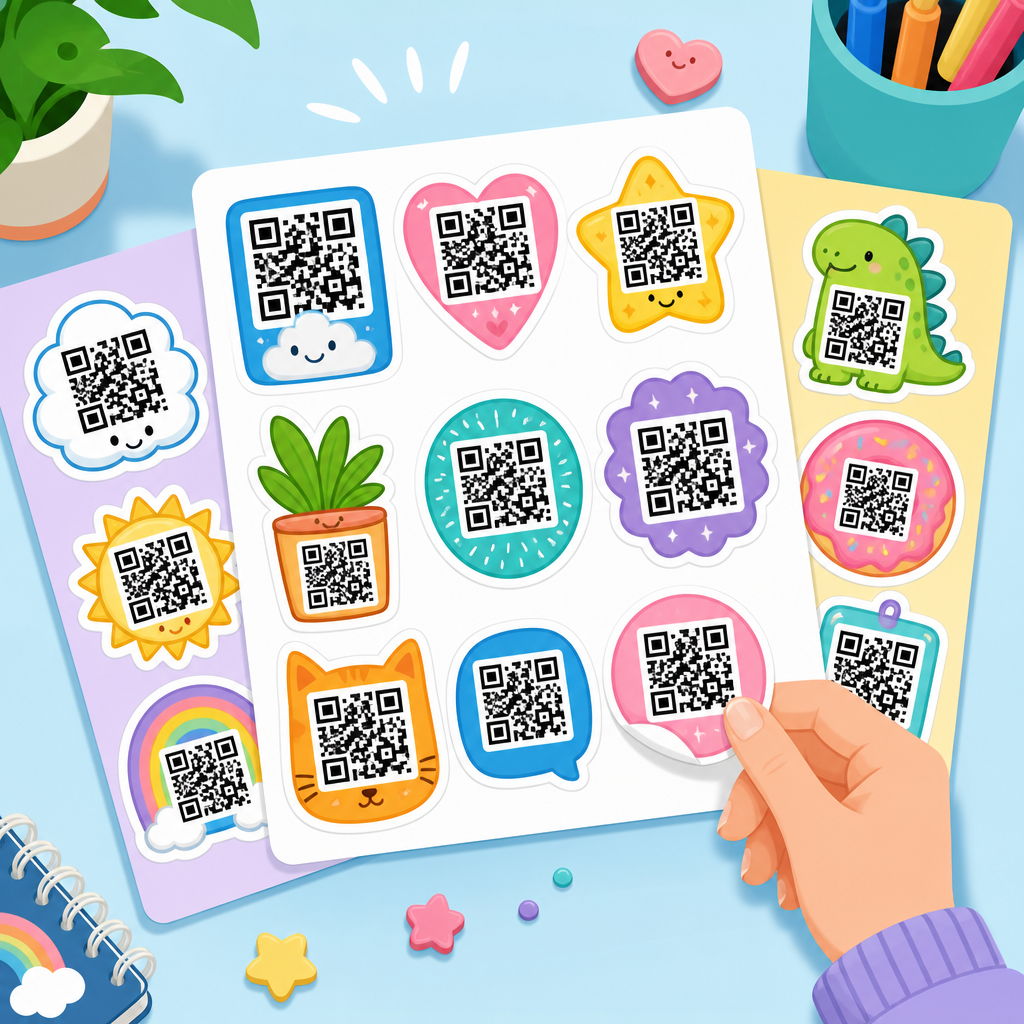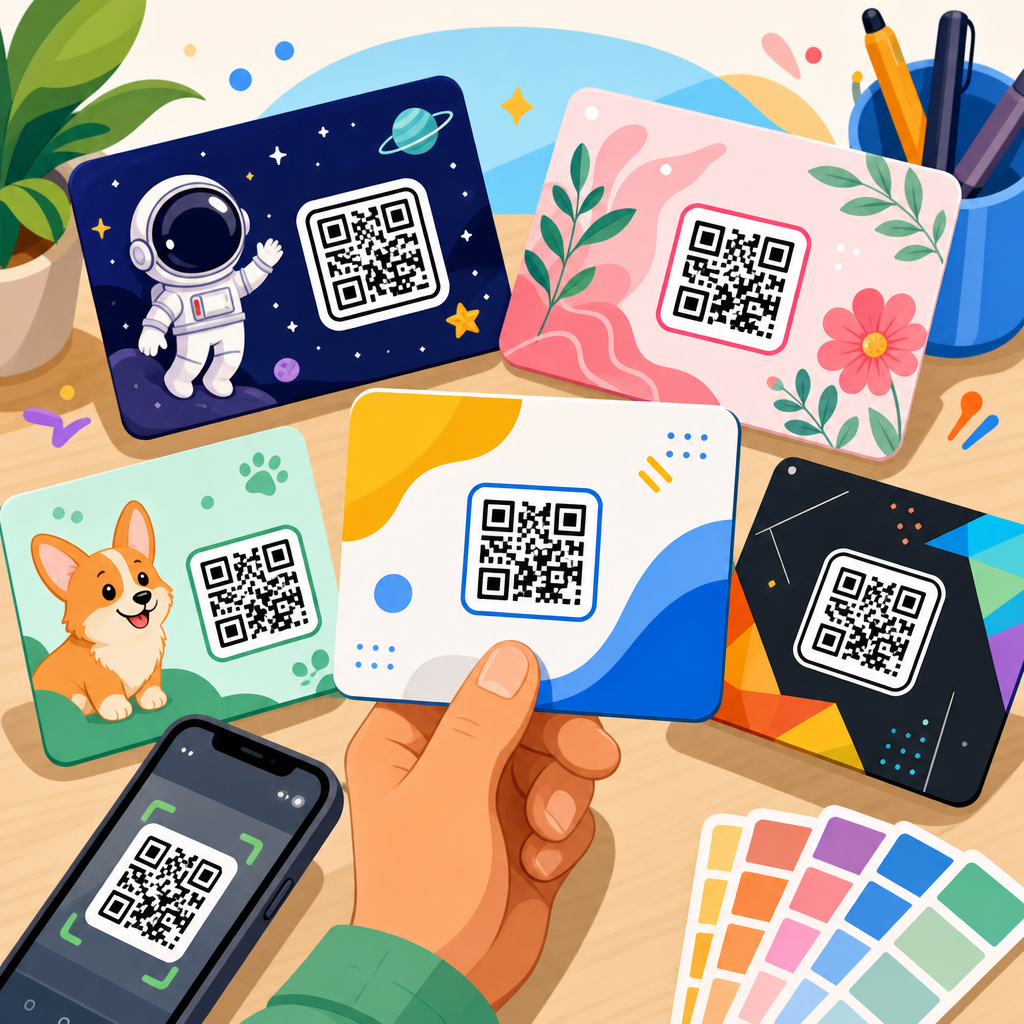
QR code poster downloads for marketing give teams a fast way to turn a scannable link into a physical campaign asset that can be printed, shared, and measured. In practice, a QR code poster is a designed layout, usually delivered as a PDF, PNG, SVG, or editable template, that combines a call to action, brand styling, and a machine-readable code leading to a landing page, coupon, video, menu, app download, lead form, or event registration. I have used these assets for retail windows, trade show booths, restaurant table tents, warehouse signage, and campus promotions, and the same pattern holds across every use case: the poster succeeds only when design, scan reliability, and campaign tracking are planned together. That is why downloadable assets matter. They save production time, reduce layout mistakes, help non-designers launch campaigns, and create consistency across locations. For a broader library, this hub connects naturally to QR code templates, QR code generator tools, print sizing guides, editable marketing collateral, and campaign tracking resources. If you need a simple definition, think of this subtopic as the collection of ready-to-use files and template packs that help marketers produce printable QR materials quickly without sacrificing quality, compliance, or performance measurement.
What downloadable QR code poster assets include
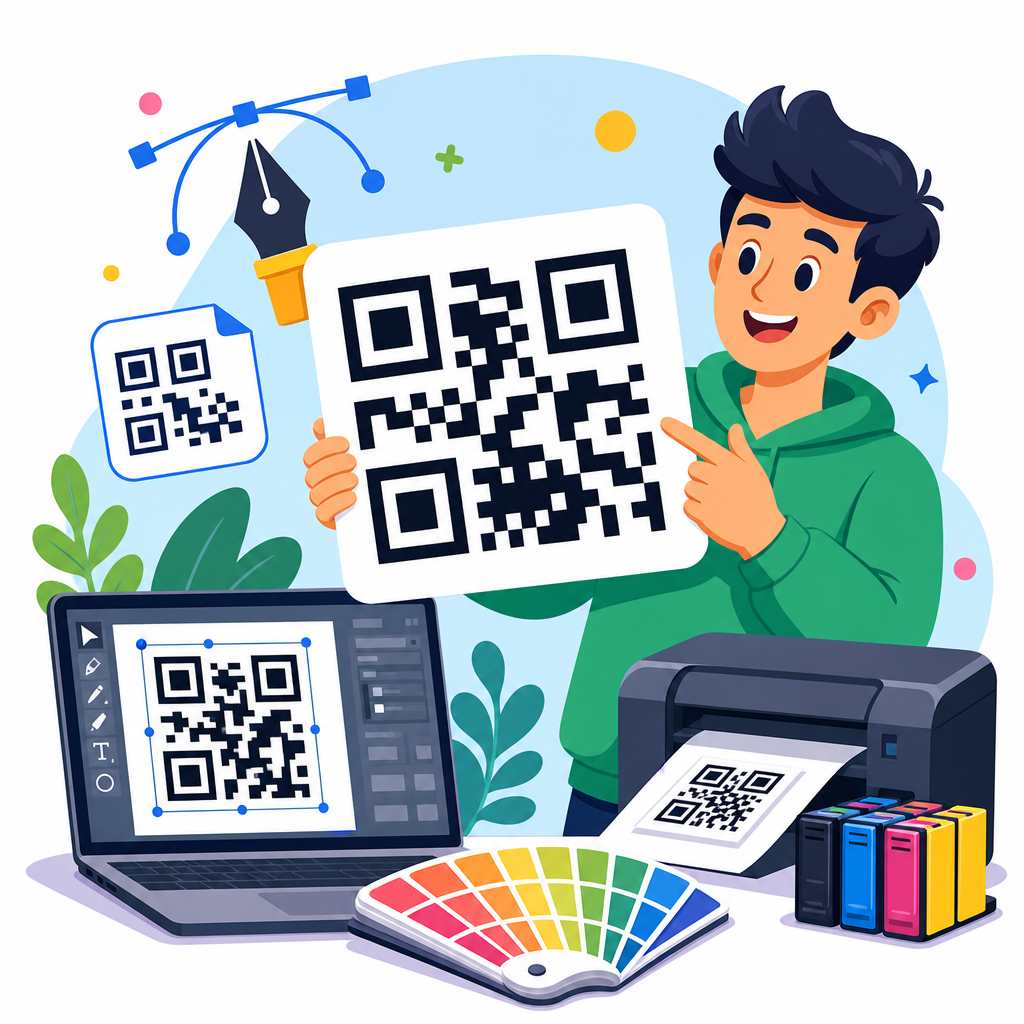
Downloadable assets cover more than a single poster file. A strong resource library usually includes print-ready PDFs for standard sizes such as A4, US Letter, A3, 11×17, and poster formats like 18×24 inches; vector files in SVG, AI, or EPS for large-format printing; raster exports in PNG for office printers; and editable layouts in Canva, Adobe Express, Figma, Illustrator, or PowerPoint for quick brand updates. In my own campaigns, editable source files are often more valuable than static downloads because franchisees, field marketers, and store managers need to swap a headline, update a local URL, or change a QR destination without rebuilding the design from scratch.
The best poster downloads also include the assets surrounding the code. That means clear CTA blocks such as “Scan to claim 15% off,” image placeholders, logo zones, brand color controls, and room for legal or privacy text when data capture is involved. Campaign-ready templates often bundle matching pieces: flyers, countertop signs, event placards, shelf wobblers, and digital screen versions. This matters because customers move between channels. Someone might first see a poster in a store window, then revisit the same offer from a social post or an email footer. Consistent downloadable assets help maintain recognition and improve conversion rates across those touchpoints.
File quality is non-negotiable. A poster that looks fine on a laptop can fail in production if the QR code is low resolution, compressed, or exported with anti-aliasing that interferes with modules, the tiny square elements a scanner reads. For dependable print results, vector codes are safest. If you must use raster, export at high resolution and test at intended print size from multiple devices. I advise teams to keep a master asset folder containing the live destination URL, the generated code in SVG and PNG, print proofs, brand fonts, and a short deployment sheet listing where each poster version will be used.
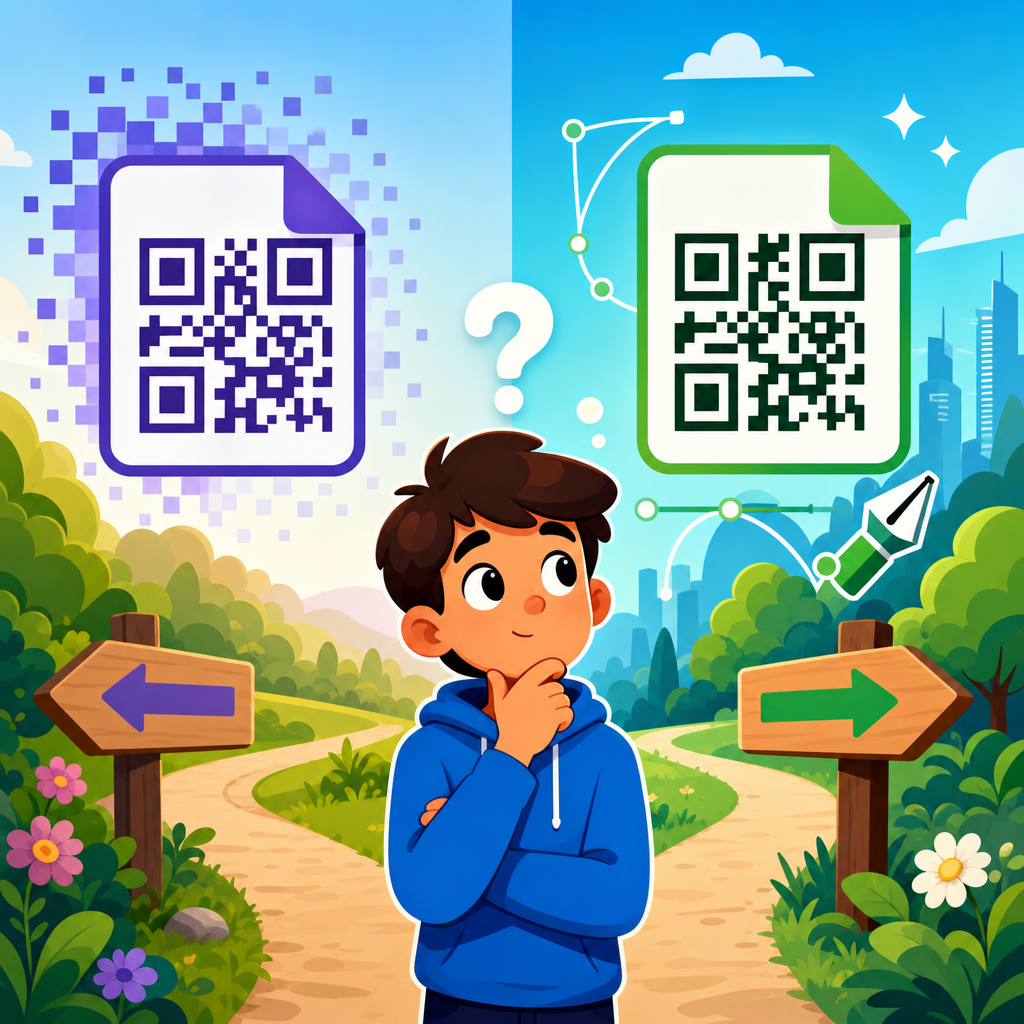
How to choose the right QR code poster download format
The right format depends on where the poster will appear, who will edit it, and how often the campaign will change. PDF is the standard for print shops because it preserves layout, fonts, and bleed settings. SVG is ideal for scaling QR codes without quality loss, especially for storefront posters, exhibition panels, and wall graphics. PNG works for quick in-office printing but is less flexible for large output. Canva and PowerPoint templates are useful for distributed teams because they lower the design barrier, while Figma and Illustrator give greater control over brand systems and production details.
Marketers should also distinguish between static and dynamic QR campaigns. Static codes point directly to one final URL and cannot be changed after printing. Dynamic codes route through a management platform, allowing you to update the destination, add UTM parameters, and view scan analytics without reprinting the poster. For marketing, dynamic codes are usually the better download option because physical collateral has a longer shelf life than most campaign URLs. I have seen static-code posters become unusable after a landing page was retired, while dynamic-code versions stayed active through multiple seasonal promotions with only the redirect updated.
Accessibility and environment also affect format choice. A bus shelter poster needs larger type, stronger contrast, and weather-resistant production notes. A restaurant tabletop sign needs compact dimensions and shorter viewing distance. Event posters often need multilingual versions and fast brand edits. Before downloading or customizing any template, confirm scanning distance, lighting conditions, expected foot traffic, and whether users will likely scan while moving. These variables influence code size, margin, CTA wording, and whether your asset should include a shortened vanity URL as a fallback.
Design rules that improve scans and conversions
A QR code poster is not successful because it exists; it succeeds because people notice it, understand why they should scan, and can complete the scan instantly. Start with a direct headline that answers the user’s question. “Scan for the menu,” “Scan to join the waitlist,” and “Scan to download the event guide” perform better than vague lines such as “Discover more.” The next requirement is contrast. Black on white remains the most reliable combination. Brand colors can work, but low contrast, gradients, shadows, transparent overlays, and busy image backgrounds reduce readability.
Quiet zone spacing is another critical rule. The empty margin around the code helps scanners detect it quickly, and trimming too close is a common print mistake. Size matters too. A practical field rule is that the code should measure roughly one inch for every ten inches of scanning distance, though testing in the real environment is the final authority. Error correction settings can protect readability if part of the code is covered by design elements, but excessive styling is risky. Rounded modules, center logos, and decorative frames may look polished yet weaken performance, especially on lower-end phone cameras.
Conversion depends on what surrounds the code. Every strong poster download should include a visible benefit, a short supporting line, and a trust cue. For example, “Scan to book a free consultation in 30 seconds” tells the user exactly what happens next. A trust cue might say, “No app required,” “Secure form,” or “Takes you to our official site.” Where relevant, add an incentive such as a limited-time discount or downloadable guide. I also recommend placing a human-readable URL beneath the code. It improves accessibility, reassures skeptical users, and gives people an alternate path if scanning fails.
| Poster setting | Recommended file type | Key design priority | Common mistake |
|---|---|---|---|
| Retail window | PDF plus SVG | Large code, bold CTA, glare testing | Code too small behind reflective glass |
| Trade show booth | SVG or EPS | Distance readability, fast lead capture | Overstyled code on textured backdrop |
| Restaurant table sign | PDF or PNG | Short-range scan speed, wipe-clean layout | Crowded text around the code |
| Campus flyer | Clear offer, tear-resistant print, reposting ease | No fallback URL after damage |
Best use cases for QR code poster downloads in marketing
Retail is one of the clearest use cases. Window posters can drive after-hours traffic to a product page, loyalty signup, or store locator. In one campaign I worked on for a regional chain, a simple “Scan to check today’s in-store offers” poster reduced the gap between foot traffic and ecommerce by giving passersby a low-friction way to continue shopping when the store was closed. Restaurants use downloadable QR poster templates for menus, review requests, reservation links, and limited-time offers. The strongest restaurant designs keep the task singular; a menu poster should lead only to the menu, not a crowded link page full of distractions.
Events and trade shows benefit from QR poster downloads because setup windows are short and messaging changes often. Booth posters can route visitors to speaker schedules, demo bookings, prize entries, or digital brochures, reducing the need for printed handouts. Real estate teams use them on site boards to share listings, video tours, mortgage calculators, and booking forms. Gyms, healthcare clinics, museums, universities, and local governments also rely on downloadable assets for registration, wayfinding, policy updates, and multilingual information. Each example works because the poster solves a real moment-of-need with one scan.
B2B marketers should not ignore physical QR collateral. Office lobby posters, direct mail inserts, showroom signage, and partner co-marketing displays can move prospects into product tours or consultation forms. In account-based programs, I have seen personalized QR posters at executive roundtables link each company to a tailored microsite, making the physical welcome sign part of the digital experience. The same logic applies to nonprofit fundraising, tourism, and internal communications. Posters become stronger when they reduce friction, answer one immediate question, and send users to a mobile-first page built for the exact context in which the scan happens.
Tracking performance and maintaining asset libraries
Downloadable QR code poster assets are only valuable if teams can measure results and keep versions organized. The baseline setup should include dynamic QR management, campaign naming conventions, and analytics tags such as UTM_source, UTM_medium, and UTM_campaign. If a poster drives to an owned website, connect scans to Google Analytics 4 and define events for page views, form starts, purchases, coupon claims, or bookings. If the code opens a platform-native experience, such as an app store or map listing, track downstream conversions using the reporting tools available in that ecosystem. The point is simple: scans are not the goal. Outcomes are.
Version control becomes essential once a business has multiple locations, languages, seasons, or offers. I recommend a central folder structure that separates master templates, approved exports, retired campaigns, and local variants. Name files consistently, such as brand-campaign-location-size-date-version. Keep a changelog noting who edited the destination URL, which print size was used, and when proofs were tested. This level of discipline prevents the common problem of old posters remaining in circulation after an offer expires. It also supports compliance when campaigns include regulated claims, pricing disclosures, or personal data collection notices.
Maintenance should include routine scan tests. Check poster performance on iPhone and Android devices, under bright and low light, from the expected scanning distance, and after the piece has been installed behind glass or laminated. Review analytics for anomalies such as sudden drop-offs, unusually short sessions, or high bounce rates that suggest a mismatch between the poster promise and the landing page. Over time, your downloadable asset hub should expand beyond files into operational guidance: print specs, CTA examples, destination page checklists, and internal links to generator tools, poster templates, size calculators, and testing procedures.
How this hub supports a complete downloadable asset strategy
As a sub-pillar within QR code resources, templates, and tools, this hub should act as the starting point for every printable marketing asset tied to a QR campaign. That means organizing content around the practical decisions users make: which poster size to download, which file format to use, how to edit templates, how to print without damaging scan performance, and how to track results after launch. Supporting articles can branch into niche topics such as restaurant QR menu posters, real estate sign riders, event registration signage, editable Canva templates, bulk asset packs for franchise systems, and print troubleshooting for glossy surfaces or outdoor placements.
The value of a hub page is that it prevents fragmented decision-making. Instead of finding a template in one place, a scanner testing tip in another, and analytics guidance elsewhere, marketers get one authoritative overview with clear paths to specialized resources. That structure improves campaign speed and consistency, especially for multi-location businesses where local teams need approved downloads they can use without waiting on designers. When the library is built well, even small organizations can produce professional QR posters that align branding, user intent, and performance measurement.
The key takeaway is straightforward: QR code poster downloads for marketing work best when they are treated as campaign systems, not isolated files. Choose formats that match production needs, design for scan reliability before visual flair, write a direct call to action, and connect every poster to a measurable destination. Build your downloadable asset library with editable templates, print-ready exports, and documented standards, then test every version in the real world before rollout. If you are building or expanding a QR code resource center, start with poster downloads, because they bridge the physical and digital journey in a way few assets can. Audit your current materials, replace weak static files with trackable versions, and create a hub that gives your team faster launches and better results.
Frequently Asked Questions
1. What is a QR code poster download, and how is it used in marketing?
A QR code poster download is a ready-to-use marketing asset that combines a scannable QR code with visual design elements such as branding, a headline, supporting copy, and a call to action. Instead of sharing only a raw QR image, marketers use a poster format to turn the code into a complete campaign piece that can be printed or distributed digitally. These posters are commonly delivered as PDF, PNG, SVG, or editable template files so teams can choose the right format for commercial printing, in-house production, email sharing, social promotion, or quick revisions.
In practical marketing use, a QR code poster helps bridge offline attention and online action. A person might scan a poster in a retail window, at a trade show booth, inside a restaurant, on a community bulletin board, or at an event check-in area. The code can direct them to a product page, coupon, lead form, event registration page, menu, app store listing, video, or landing page tailored to the campaign. Because the poster includes messaging and design context, it usually performs better than a standalone QR code by clearly telling people what they will get when they scan.
For marketing teams, the real value is speed and consistency. A downloadable poster lets you turn a destination link into a physical campaign asset quickly, while keeping branding and measurement in place. That means you can launch promotions faster, distribute the same campaign across multiple locations, and track engagement in a more organized way. In short, a QR code poster download is not just a file—it is a practical tool for converting real-world visibility into measurable digital interactions.
2. Which file format is best for a QR code poster download: PDF, PNG, SVG, or an editable template?
The best format depends on how the poster will be produced and who needs to work with it. PDF is often the most practical all-purpose choice because it is easy to share, prints reliably, and preserves layout, fonts, and positioning. For many businesses, especially those sending artwork to a local print shop or printing standard posters internally, PDF is the preferred final output. It offers a dependable “ready for production” format and minimizes accidental design changes.
PNG is useful when you need a raster image for quick deployment in presentations, internal approvals, social posts, or lightweight digital sharing. It can work well for simple print needs too, but image resolution matters. If a PNG is too low resolution, the poster may print poorly and the QR code may become harder to scan. For that reason, PNG is usually better suited to digital use or short-run printing when exported at high quality.
SVG is often the strongest option when scalability matters. Because it is a vector format, it can be resized without losing clarity, which is especially valuable for QR codes and typography. If you are producing posters in multiple sizes, creating large-format signage, or working with a designer who needs flexibility, SVG is an excellent choice. It helps preserve sharp edges and clean scanning performance across a range of dimensions.
Editable templates are ideal when teams want to customize headlines, logos, colors, offers, or calls to action for different campaigns or locations. They are especially useful in multi-location marketing, franchise systems, recurring events, or retail environments where the core structure stays the same but the details change. If you expect revisions, localization, seasonal offers, or frequent updates, an editable template can save time and keep brand execution more consistent. In most cases, the smartest workflow is to use an editable source file for customization and then export a final PDF or SVG for production.
3. How do you design a QR code poster so people actually scan it?
An effective QR code poster starts with a clear value proposition. People scan when they understand what they will get and why it is worth the effort. That means the headline and call to action should do more than say “Scan me.” Stronger examples include “Scan for 20% Off,” “Scan to View the Menu,” “Scan to Register,” or “Scan to Watch the Demo.” Specificity reduces friction and gives the viewer an immediate reason to engage.
Placement, size, and contrast are also critical. The QR code should be large enough to scan comfortably from the expected viewing distance, and it should sit in an uncluttered area of the layout. Good contrast between the code and the background is essential for reliable scanning. In most cases, a dark code on a light background is the safest choice. Overly decorative treatments, low-contrast colors, or busy imagery behind the code can interfere with readability, even if the poster looks visually impressive.
Strong posters also maintain visual hierarchy. The viewer should first notice the benefit, then the action, then the code. Supporting text can help answer basic questions, such as what happens next, whether a coupon expires soon, or whether no app is required. Branding matters too, but it should support the conversion goal rather than overpower it. A logo, brand color palette, and on-message design can increase trust, especially in public spaces where people need confidence that the scan is legitimate.
Finally, testing is non-negotiable. Scan the code on multiple devices, under different lighting conditions, and from the actual placement distance. If the destination page loads slowly or is not mobile-friendly, the poster will underperform regardless of how attractive the design is. The best-performing QR code posters combine a clear offer, scan-friendly design, mobile-optimized destination, and real-world testing before launch.
4. Can QR code poster downloads be tracked and measured for campaign performance?
Yes, and that is one of the biggest reasons marketers use QR code posters in the first place. A QR code can act as a measurable bridge between physical exposure and digital action. By connecting the code to a trackable URL, campaign-specific landing page, or analytics-enabled destination, teams can monitor scans, traffic, conversions, and other engagement metrics. This makes QR posters especially valuable for retail promotions, event marketing, local campaigns, direct response offers, and out-of-home placements where traditional attribution can be difficult.
The most useful measurement setups usually include campaign parameters, unique destination links, or dynamic QR code management. For example, you might create separate posters for store windows, trade show booths, packaging inserts, and counter displays, each tied to a distinct URL or tracking parameter. That lets you compare performance by channel, location, message, or offer. Instead of guessing which placement drove results, you get clearer visibility into what people scanned and what they did afterward.
Dynamic QR codes can add even more flexibility because they allow you to change the destination URL without reprinting the poster, while keeping the same visible code. This is particularly useful for ongoing campaigns, seasonal promotions, or situations where a landing page may change over time. It also helps if you discover that a page needs optimization after launch. Rather than discarding printed materials, you can update the destination and preserve the campaign investment.
To get the most accurate insights, marketers should look beyond scan counts alone. Scans are useful, but deeper metrics such as bounce rate, form completions, coupon redemptions, purchases, registrations, or app installs provide a better view of business impact. In other words, the strongest measurement strategy treats the QR poster not just as a scan tool, but as the entry point to a broader conversion funnel.
5. Where should businesses place QR code posters for the best marketing results?
The best placement depends on where your audience has both the time and motivation to scan. High-performing locations are typically areas where people naturally pause, wait, browse, or make decisions. Retail windows are a classic example because they capture attention even outside business hours and can direct passersby to promotions, product catalogs, store locators, or limited-time offers. Trade show booths are another strong use case, since QR posters can move visitors quickly to lead forms, demo videos, spec sheets, or meeting booking pages without requiring printed handouts.
Restaurants, cafes, and hospitality venues often use QR posters near entrances, counters, tables, or pickup areas to connect people to menus, loyalty offers, reviews, or online ordering. Event organizers place them at registration desks, venue entrances, breakout rooms, or sponsor displays to drive schedules, speaker information, surveys, or networking sign-ups. Offices, campuses, clinics, gyms, and community spaces can also benefit when the poster points to something immediately useful, such as appointment booking, facility information, onboarding resources, or promotions.
Context matters as much as foot traffic. A QR poster placed in a busy area will not perform well if people have no room to stop or no reason to engage. The message should match the moment. Someone in a queue may be willing to scan for a coupon, video, or sign-up form. Someone walking quickly past a doorway may only respond to a very simple, high-value prompt. Distance, lighting, glare, and mounting height also affect performance, especially in window displays and large-format environments.
The most effective approach is to treat placement as a testable variable. Start with a few strategically chosen locations, use distinct tracking links where possible, and compare results. Over time, you will learn which environments generate the most scans and which destinations convert best. That data-driven refinement is what turns a simple QR code poster download into a repeatable and scalable marketing asset.