QR code marketing gives businesses a fast, measurable way to connect offline attention with online action. A QR code, short for Quick Response code, is a two-dimensional barcode that a smartphone camera can scan to open a webpage, launch an app, download a file, save contact details, or trigger another digital experience. In marketing, that simple scan turns a package, poster, receipt, direct mail piece, storefront sign, event badge, or product label into a clickable touchpoint. I have used QR codes across retail campaigns, trade show programs, restaurant menus, and local service promotions, and the same lesson appears every time: when the destination is useful and the call to action is clear, scan rates rise and attribution becomes easier.
Businesses care about QR code marketing because customer journeys no longer follow a neat line from ad to website to sale. People move between physical and digital environments constantly. They notice a product on a shelf, compare reviews on their phone, revisit the brand later from an email, and purchase after seeing a reminder in store. QR codes reduce friction at these moments by removing the need to type a URL or search manually. They also create a measurable bridge between print and digital channels, which is valuable when budgets are scrutinized and every campaign needs clearer evidence of performance.
Not all QR codes work the same way. Static QR codes point to a fixed destination that cannot be changed after printing. Dynamic QR codes point to a short redirect URL managed through a platform, allowing the destination, tracking parameters, or campaign logic to be updated without replacing the printed code. For businesses running ongoing promotions, dynamic codes are usually the better choice because they support analytics, A/B testing, and operational flexibility. Common metrics include scans, unique scans, scan time, device type, operating system, approximate location, bounce rate on the landing page, and downstream conversion events tracked through analytics platforms.
Effective QR code marketing is not about placing codes everywhere. It is about matching the code to user intent, channel context, and business objective. A code on packaging should answer a different need than a code on a trade show banner. A restaurant table tent may drive menu views, loyalty signups, or review requests, while a B2B brochure code may open a case study, product configurator, or meeting scheduler. The strategy matters because poor implementation creates dead ends, low trust, and wasted impressions. Strong implementation creates convenience, richer first-party data, and smoother paths to conversion across the entire customer journey.
How QR code marketing strategies work in practice
The best QR code marketing strategies start with a specific action, not the code itself. Before generating anything, define the job the scan should perform: collect leads, redeem an offer, educate buyers, register attendees, gather reviews, drive app installs, or support post-purchase onboarding. Then choose the placement based on the moment of intent. I have seen a retailer improve scan engagement simply by moving a QR code from the bottom corner of a shelf talker to eye level beside the price message, paired with the direct instruction “Scan for ingredient details and coupons.” The code did not change; the user context did.
Landing page design is equally important. A scan should open a mobile-optimized destination that loads quickly, states the benefit immediately, and minimizes form friction. If the code promises a discount, the page should show the offer without forcing users through unnecessary navigation. If the code appears on product packaging, the page should support the product just purchased with setup instructions, warranty registration, or how-to videos. Marketers often lose performance by sending all scans to a homepage. A homepage may be acceptable for brand awareness, but it is rarely the highest-converting choice for campaign traffic.
Dynamic QR codes also make campaign management more disciplined. Because the destination can be changed later, businesses can print at scale without locking themselves into one offer or URL structure. Redirect links can include UTM parameters for source, medium, campaign, content, and placement, allowing clean reporting inside Google Analytics 4, Adobe Analytics, HubSpot, or similar systems. That data helps answer practical questions: Which store poster drove the most scans? Did packaging scans lead to repeat purchases? Did direct mail scans convert better than in-store signage? Good QR code strategy turns each printed asset into a testable media unit.
High-impact use cases across industries
Retail remains one of the strongest environments for QR code marketing because products, shelves, and packaging naturally create moments of curiosity. Brands use shelf tags to explain features, compare models, and deliver coupons. Consumer packaged goods companies place codes on labels to share recipes, sourcing details, loyalty rewards, and replenishment links. Beauty brands often connect scans to shade finders or tutorial videos, while electronics companies use codes for setup guides and accessory recommendations. In each case, the code extends limited physical space with deeper digital content while collecting valuable behavior data.
Restaurants and hospitality businesses use QR codes differently. The obvious example is the digital menu, but the stronger strategy usually goes beyond replacement. Tabletop codes can route guests to menu pages segmented by lunch, dinner, or drinks, then invite loyalty enrollment or limited-time offers after ordering. Hotels use room and lobby codes for service directories, spa bookings, late checkout requests, and local recommendations. Event organizers place codes on badges, booths, signage, and session slides to capture leads, share speaker materials, or book demos. Healthcare providers use them for intake forms, appointment reminders, patient education, and prescription refill workflows, provided privacy and compliance rules are respected.
B2B marketers often underuse QR codes because they associate them with consumer promotions, yet trade shows, print collateral, direct mail, and field sales leave clear opportunities. A manufacturer can put a QR code on a product spec sheet that opens a CAD file library or a quote request form. A SaaS company can place codes on conference banners linking to a benchmark report or interactive product tour. Real estate agents use yard signs and property brochures to launch listing pages, video walkthroughs, financing calculators, and booking forms. The common theme is utility: the code should remove effort at a high-intent moment.
Choosing the right campaign goals, placements, and offers
Businesses get better results when they align QR code marketing strategies with funnel stage. At the top of the funnel, scans should reward curiosity with something lightweight such as a story, comparison chart, video, or useful guide. In the middle of the funnel, the destination should help evaluation through testimonials, product details, calculators, or case studies. At the bottom of the funnel, scans should support action with coupons, appointment booking, cart prefill, or one-click contact methods. Post-purchase scans can drive onboarding, support, reviews, referrals, and replenishment. When the intent match is strong, conversion friction falls.
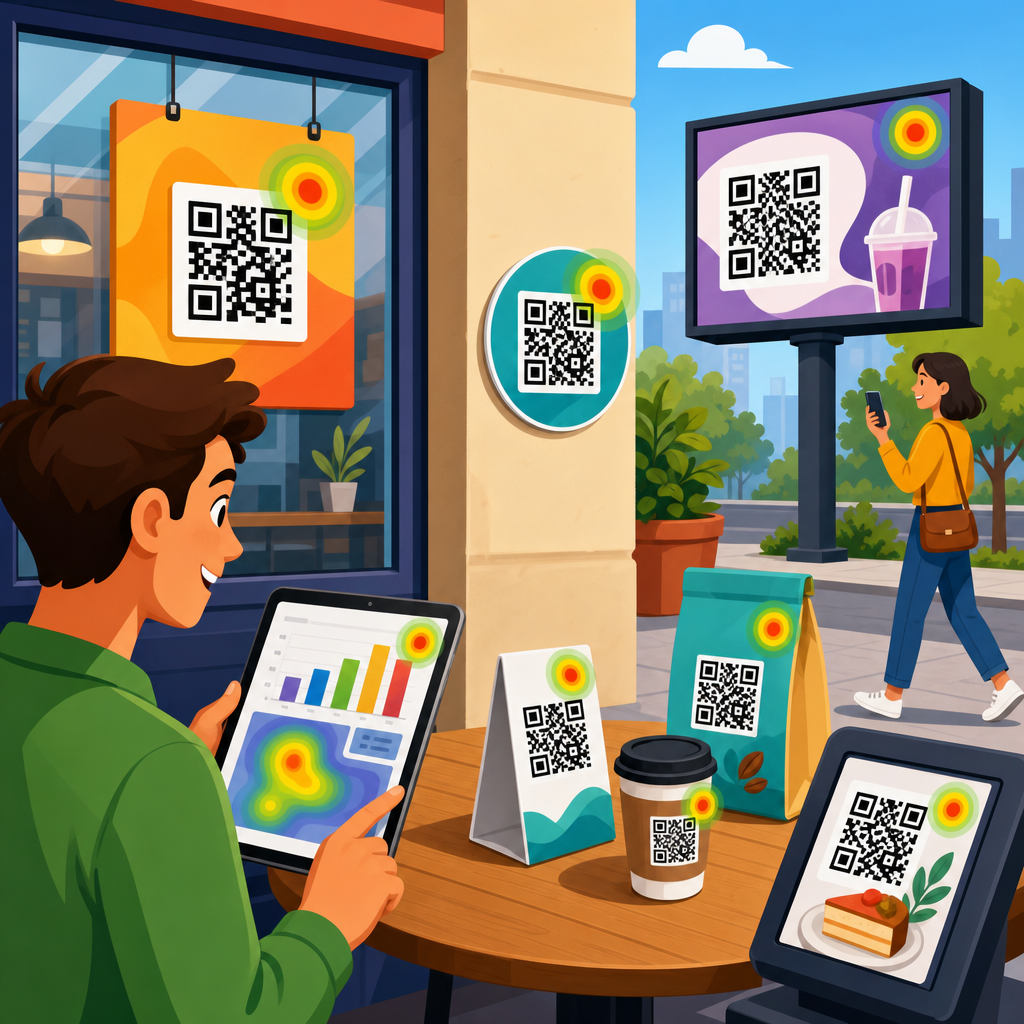
Placement decisions deserve the same rigor as media buying. Codes work best where a person can stop long enough to scan, has enough signal to load the page, and can understand the value within a second or two. Transit ads may generate interest, but a code on a fast-moving bus side is less practical than one at a station platform. Window decals should be large enough for scanning through glass and glare. Packaging codes should avoid folds and curved seams that distort the pattern. Print materials need a quiet zone around the code and sufficient contrast, typically dark code on a light background.
| Placement | Best objective | Typical offer or destination | Main caution |
|---|---|---|---|
| Product packaging | Education, retention, repeat purchase | How-to video, warranty, reorder page | Avoid sending buyers to a generic homepage |
| In-store signage | Consideration, promotion | Coupon, comparison guide, loyalty signup | Place at eye level with a clear CTA |
| Direct mail | Lead generation, appointment booking | Landing page with personalized offer | Use memorable copy that explains the benefit |
| Events and trade shows | Lead capture, content delivery | Demo request, case study, deck download | Train staff to reference the code verbally |
| Receipts and invoices | Reviews, referrals, support | Feedback form, referral program, help center | Do not ask for too much immediately after purchase |
Offers should feel proportionate to the action you ask for. Customers will scan for immediate utility, convenience, or value. Strong examples include “Scan for installation in 60 seconds,” “Scan to compare models,” “Scan for 10% off today,” or “Scan to book a fitting.” Weak examples are vague lines such as “Scan me” with no reason, or offers that lead to long forms before the promised value appears. The best call to action names both the action and the outcome. That principle consistently improves scan-through rates in print, packaging, and event environments.
Measurement, testing, and optimization
QR code marketing becomes strategically useful when it is measurable beyond raw scans. A scan is only the first event. The real question is what happened next. For that reason, businesses should connect QR destinations to analytics and conversion tracking from the start. At minimum, use campaign-tagged URLs, event tracking for key page actions, and a dashboard that separates total scans from unique scans. Then compare those interactions with sessions, engaged sessions, form completions, purchases, bookings, and revenue. Without this setup, teams may celebrate high scan counts even when bounce rates are high and business impact is low.
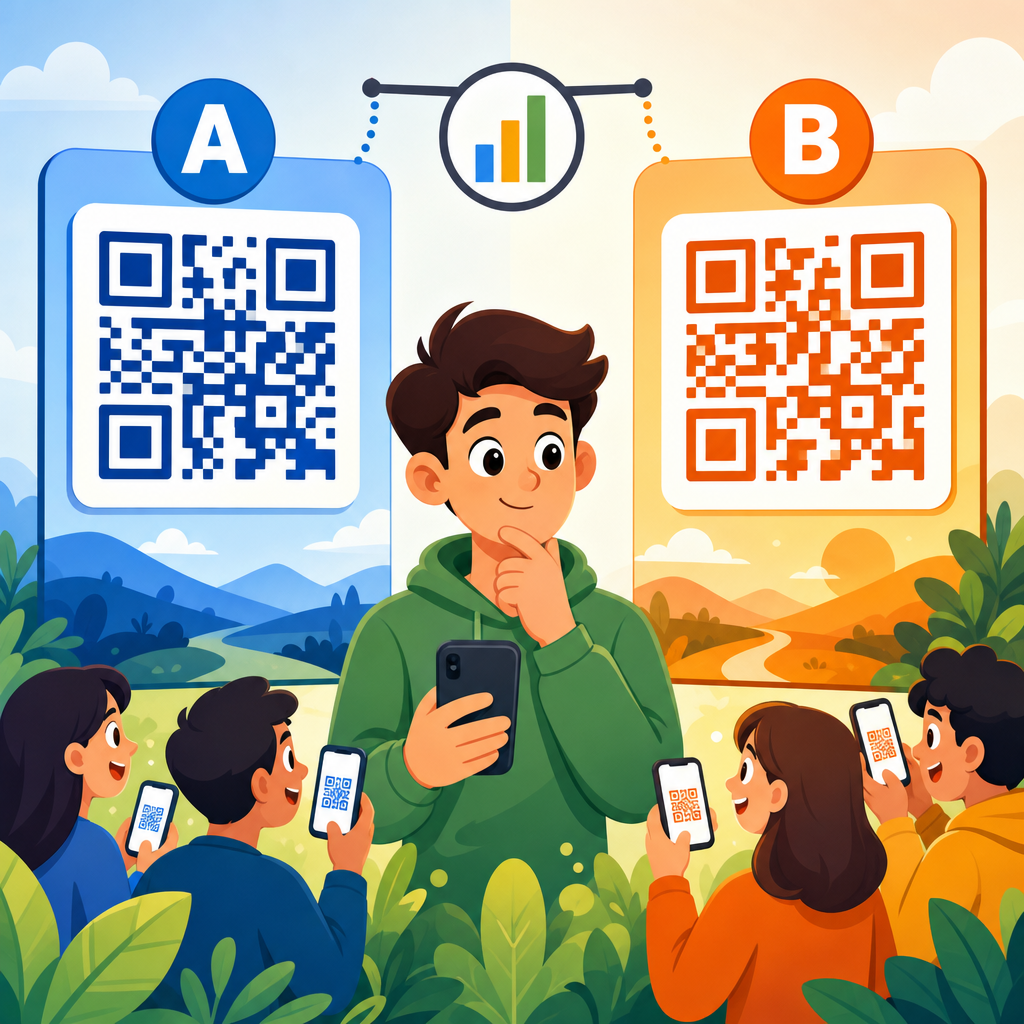
Testing should focus on variables with the largest effect on intent and friction. In my work, the highest-yield tests are usually call to action wording, placement height, landing page relevance, and incentive structure. Design customization matters, but less than marketers often assume. A branded QR code with a logo can help trust if contrast remains strong, yet the copy around the code usually drives more difference than color changes alone. Test one meaningful variable at a time when sample size is limited. If store locations, mail drops, or event booths differ significantly, segment reporting so conclusions are not distorted by context.
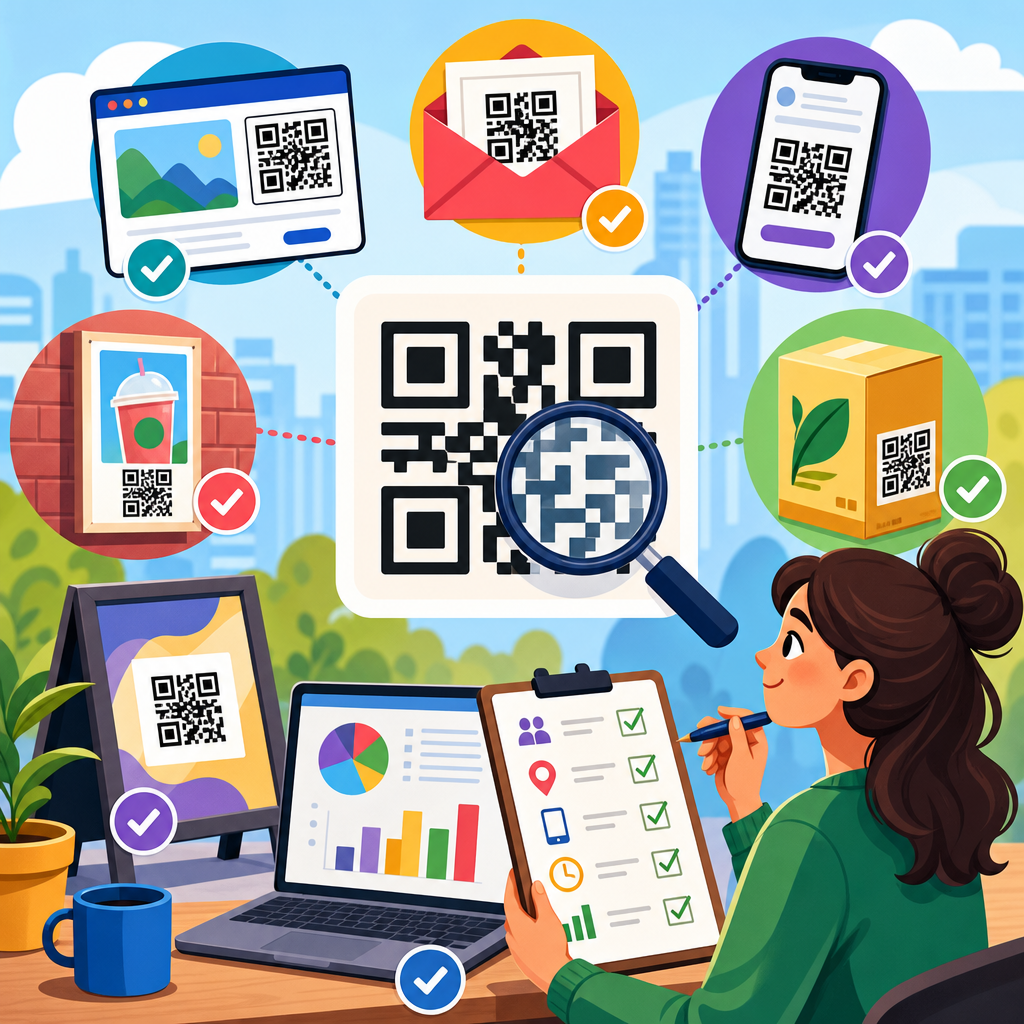
Operational governance matters too. Every printed code should have an owner, a documented destination, expiration rules, and a backup plan if the landing page changes. Broken redirects damage trust quickly. I recommend maintaining a campaign inventory in a shared spreadsheet or project tool that lists code IDs, placements, launch dates, destination URLs, UTM conventions, and reporting notes. Teams with dozens of active QR assets need this discipline, especially when agencies, designers, printers, and local operators are all involved. Good governance turns QR campaigns from isolated tactics into a reliable performance channel.
Common mistakes, compliance issues, and future trends
The most common QR code marketing mistake is treating the code as the strategy. A visually attractive code cannot rescue a weak offer, poor placement, or irrelevant landing page. Other frequent errors include linking to non-mobile pages, printing codes too small, reducing contrast with decorative backgrounds, and failing to explain why someone should scan. Another mistake is ignoring environment. A code in a subway tunnel with poor signal may need a lightweight page or a fallback SMS option. Accessibility matters as well; pair the code with a short URL or alternative instructions so people have another route.
Trust and compliance require equal attention. Because users cannot see a destination before scanning, brands should provide clear visual cues and use recognizable domains. Secure pages should load over HTTPS, and any personal data collection must follow applicable privacy rules such as GDPR or CCPA. Healthcare, finance, and regulated industries must be especially careful about where codes lead and what data is requested. Avoid embedding sensitive personal information directly inside a static code. If a payment flow is involved, use established processors and standard fraud controls. QR phishing is real, so brand consistency and destination transparency are essential safeguards.
Looking ahead, QR code marketing will remain valuable because it supports first-party data collection and omnichannel measurement without requiring expensive hardware. More brands are connecting scans to loyalty systems, progressive web apps, wallet passes, and personalized landing experiences. Restaurants are pairing scans with reorder history, retailers are linking codes to real-time inventory and reviews, and manufacturers are using them for digital product passports tied to sustainability disclosures and service records. The businesses that benefit most will not be the ones that use the most QR codes. They will be the ones that design the clearest utility, measure the full journey, and keep improving the experience after every scan.
Conclusion
QR code marketing works when it reduces friction, matches user intent, and connects physical touchpoints to useful digital experiences. The fundamentals are straightforward: choose a clear objective, use dynamic codes when flexibility and tracking matter, place the code where scanning is practical, pair it with a direct call to action, and send traffic to a fast mobile destination built for that exact context. From packaging and retail signage to direct mail, events, hospitality, healthcare, and B2B sales materials, the most effective QR code marketing strategies focus on convenience and relevance rather than novelty.
For businesses building a broader QR code marketing and strategy program, this topic should serve as the hub. Each use case can branch into deeper work on landing page design, analytics setup, print specifications, loyalty integration, compliance, and industry execution. Start with one high-intent placement, instrument it properly, and learn from real scan behavior before expanding. Done well, QR codes create measurable customer journeys that are easier to optimize and easier for customers to complete. Audit your current touchpoints, identify one friction point, and launch a QR campaign that solves it clearly.
Frequently Asked Questions
1. What is QR code marketing, and why is it valuable for businesses?
QR code marketing is the practice of using QR codes to connect a physical marketing asset with a digital action. When someone scans the code with a smartphone camera, they can be taken to a landing page, product page, coupon, video, app download, contact card, form, menu, payment screen, or another online experience. That makes a printed item instantly interactive. Instead of asking people to type a long URL or search for a brand later, a QR code removes friction and gives them a fast path from interest to action.
For businesses, the value is both practical and measurable. QR codes help bridge offline and online marketing by turning packaging, posters, receipts, direct mail, event signage, business cards, and storefront displays into trackable touchpoints. They can increase convenience for customers, improve campaign response rates, and support a wide range of goals such as lead generation, product education, coupon redemption, email signups, app installs, and purchases. They also provide performance data, including scans by date, location, device, and campaign, depending on the platform used. In short, QR code marketing is valuable because it is low-cost to deploy, easy for customers to use, versatile across industries, and effective at moving people from attention to engagement.
2. Where should a business use QR codes in its marketing campaigns?
Businesses should place QR codes anywhere customers naturally pause, read, compare, wait, or make decisions. Strong examples include product packaging, retail shelf displays, storefront windows, restaurant tables, menus, receipts, direct mail pieces, flyers, event booths, conference badges, print ads, brochures, business cards, invoices, vehicle wraps, and in-store signage. The best placement depends on the customer journey. If a person is discovering the brand, the QR code might lead to a brand story or introductory offer. If they are close to buying, it might open product details, reviews, pricing, or a checkout page. If they have already purchased, it could link to setup instructions, care guides, loyalty enrollment, or referral offers.
The key is to match the code’s destination to the moment and intent of the audience. A QR code on packaging can provide tutorials, ingredient details, warranty registration, or cross-sell recommendations. A code on a poster can drive event registration or limited-time promotions. A code on a receipt can request feedback or encourage repeat purchases with a discount. A code at a trade show can collect leads without paper forms. Businesses get the best results when they think strategically about context: what is the customer trying to do right now, and what would make the next step easier? When that alignment is strong, QR codes feel useful rather than gimmicky.
3. What makes a QR code campaign successful?
A successful QR code campaign usually comes down to clarity, relevance, and follow-through. First, the user needs a clear reason to scan. “Scan here” is not enough on its own. Businesses should tell people exactly what they will get, such as “Scan to see pricing,” “Scan for 15% off,” “Scan to watch the demo,” or “Scan to download the guide.” A specific value proposition increases trust and response rates. Second, the destination experience must match the promise. If the code leads to a generic homepage instead of the expected offer or content, users are more likely to drop off. The landing page should be mobile-friendly, load quickly, and make the next action obvious.
Design and placement also matter. The QR code should be large enough to scan easily, printed with good contrast, and positioned where lighting, distance, and angle support quick scanning. It should not be buried in clutter or placed where people are moving too quickly to use it. Using dynamic QR codes can improve campaign flexibility because the destination can be updated without reprinting the code. Tracking is another major success factor. Businesses should use campaign-specific links, analytics, and testing so they can measure scans, conversions, and downstream actions. Finally, successful campaigns treat QR codes as part of a broader marketing system, not as isolated tools. The code should support a clear objective, a targeted audience, and a well-designed customer experience from first scan to final conversion.
4. How can businesses track and measure the performance of QR code marketing?
Businesses can measure QR code marketing by tracking both scan activity and post-scan outcomes. At the most basic level, a QR code platform can show how many scans occurred, when they happened, and sometimes where they came from and what devices were used. That gives marketers immediate feedback on engagement. More advanced measurement comes from linking QR codes to dedicated landing pages, UTM parameters, CRM workflows, and conversion events in analytics tools. This allows businesses to see not just who scanned, but what happened next, such as form submissions, purchases, downloads, bookings, phone calls, or coupon redemptions.
The most useful metrics depend on campaign goals. If the purpose is awareness, scan volume and unique users may be enough. If the goal is lead generation, form completion rate matters more. If the code supports sales, then conversion rate, revenue per scan, average order value, and return on ad spend become more important. Businesses should also compare performance by placement and creative version. For example, a QR code on product packaging may outperform one on a receipt, or one call to action may generate more qualified leads than another. Testing different destinations, messaging, and offers can reveal what drives action. The real strength of QR code marketing is that it makes offline marketing more measurable, giving businesses better insight into what is working and where to optimize.
5. What are the most common QR code marketing mistakes businesses should avoid?
One of the most common mistakes is sending users to a poor destination. If the QR code opens a non-mobile-friendly page, a slow-loading page, or a generic homepage with no clear next step, the campaign loses momentum immediately. Another frequent issue is lack of context. People are much more likely to scan when they know what they will receive and why it is worth their time. Vague instructions, weak offers, or missing calls to action reduce engagement. Businesses also make avoidable technical mistakes, such as using codes that are too small, low-contrast, distorted, or placed on curved or reflective surfaces that are hard to scan.
Other problems are more strategic. Some businesses use static QR codes when dynamic ones would give them more flexibility and better analytics. Others fail to test the code in real-world conditions before launch, which can lead to broken links or frustrating user experiences. Security and trust can be overlooked too. Users may hesitate to scan if the surrounding branding looks unprofessional or if the destination is unclear. Finally, many businesses stop at scans and fail to think about the full conversion path. A QR code is only the entry point. To generate real results, the post-scan experience must be relevant, easy to navigate, and tied to a meaningful business objective. Avoiding these mistakes helps QR codes perform as practical, reliable tools rather than novelty features.