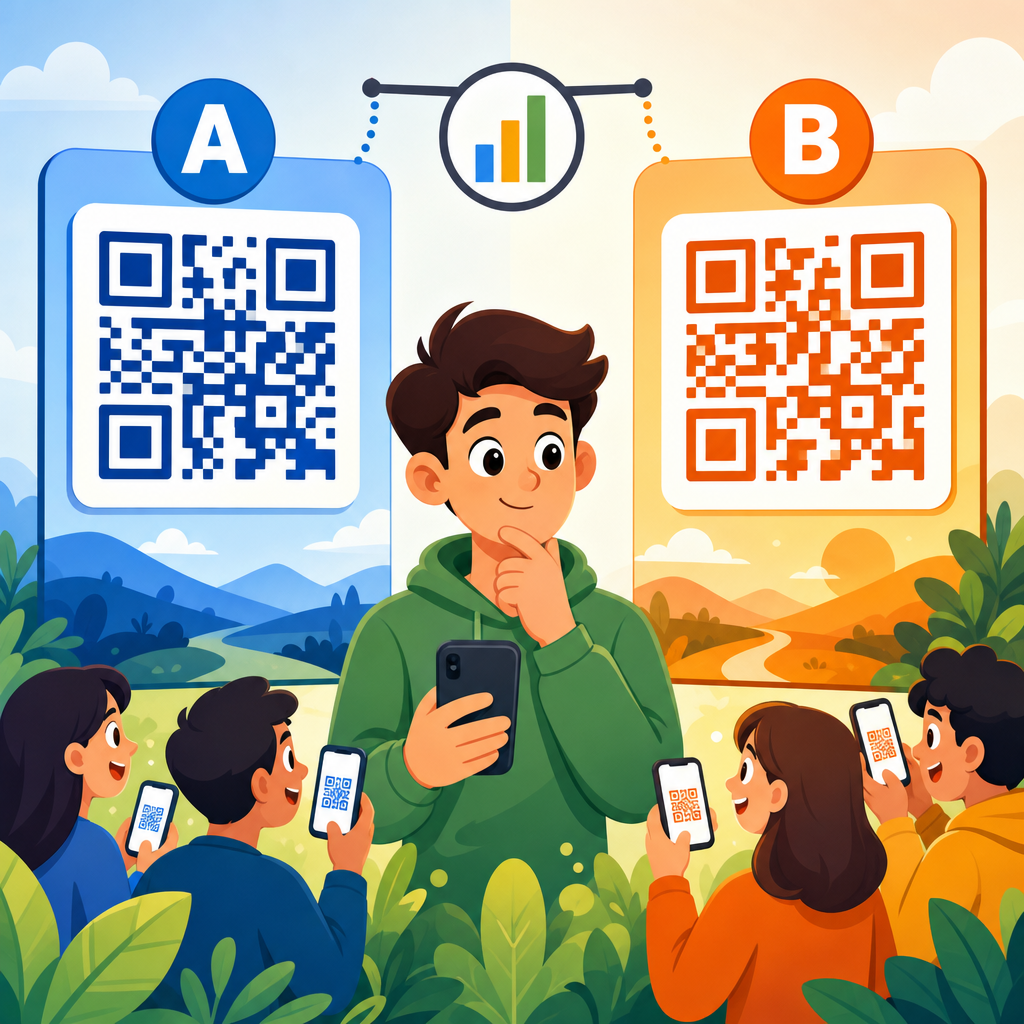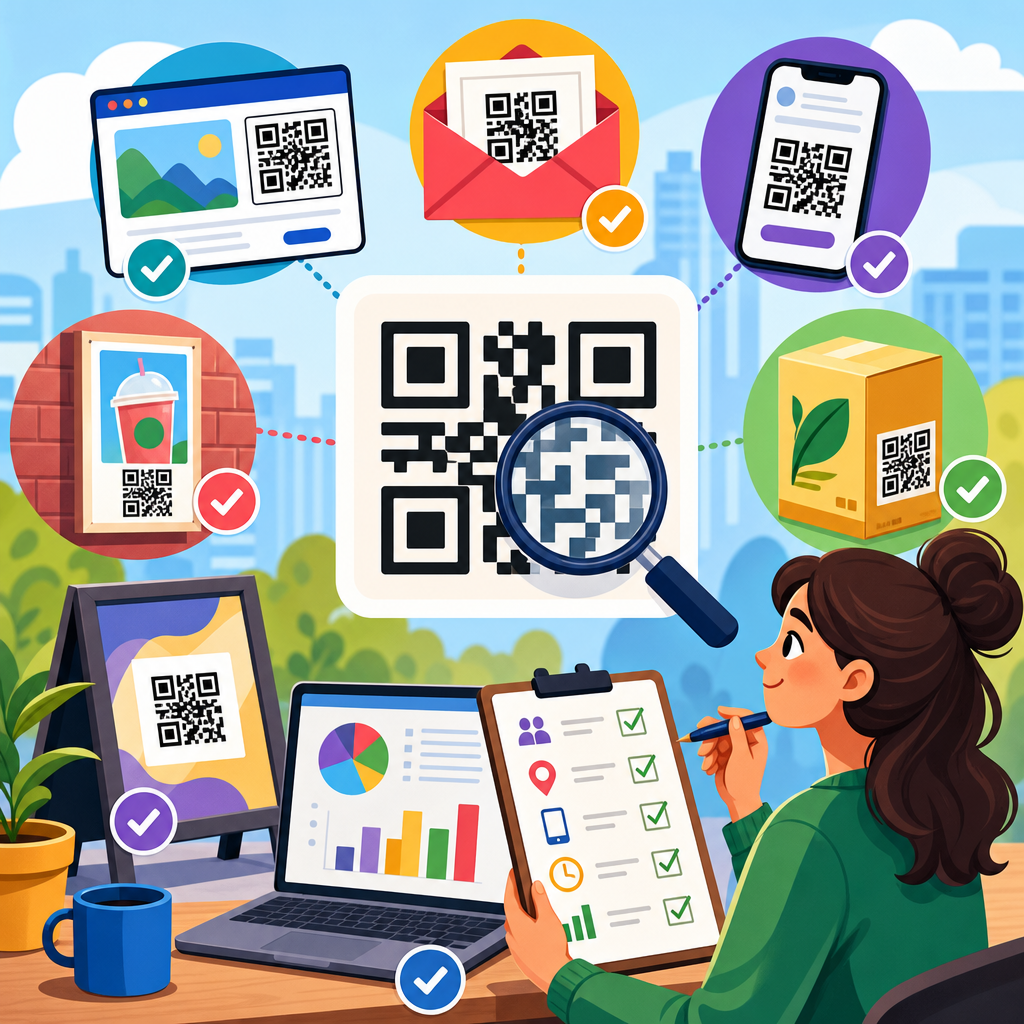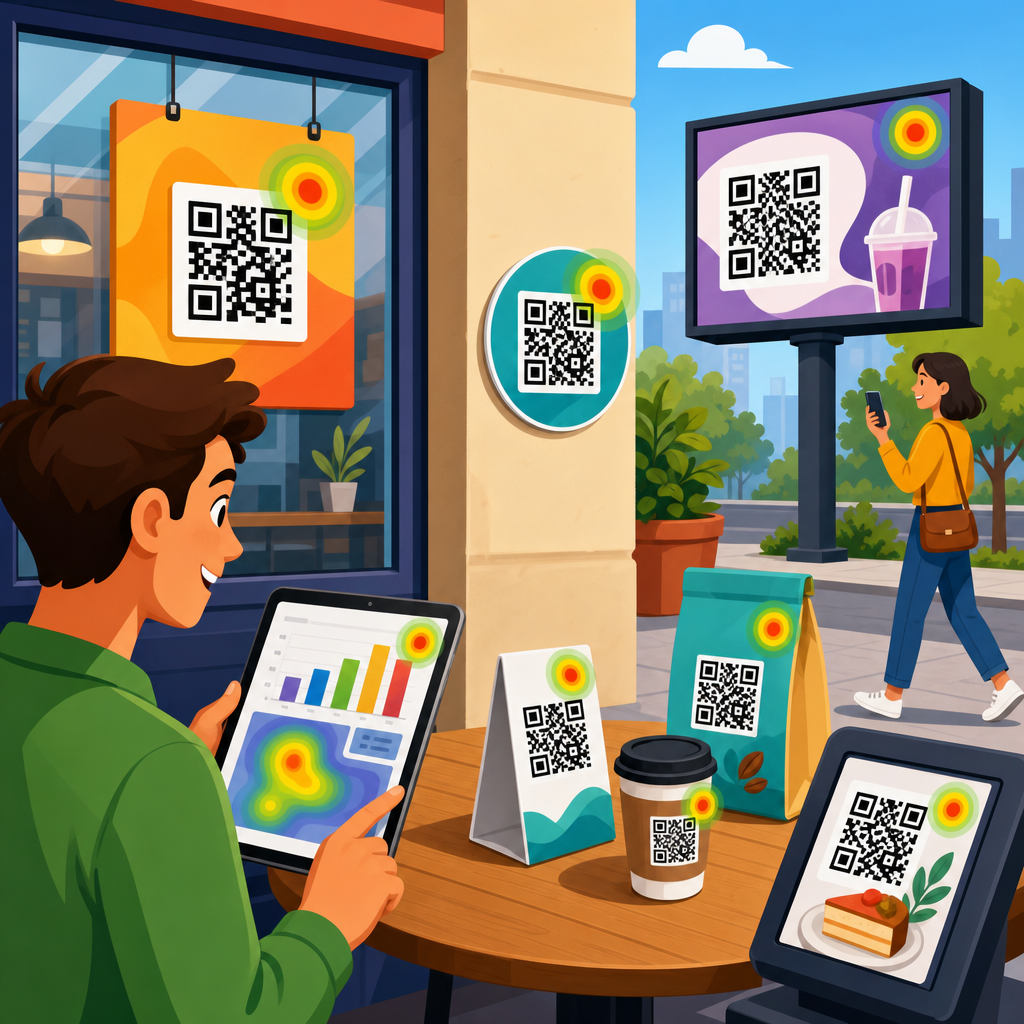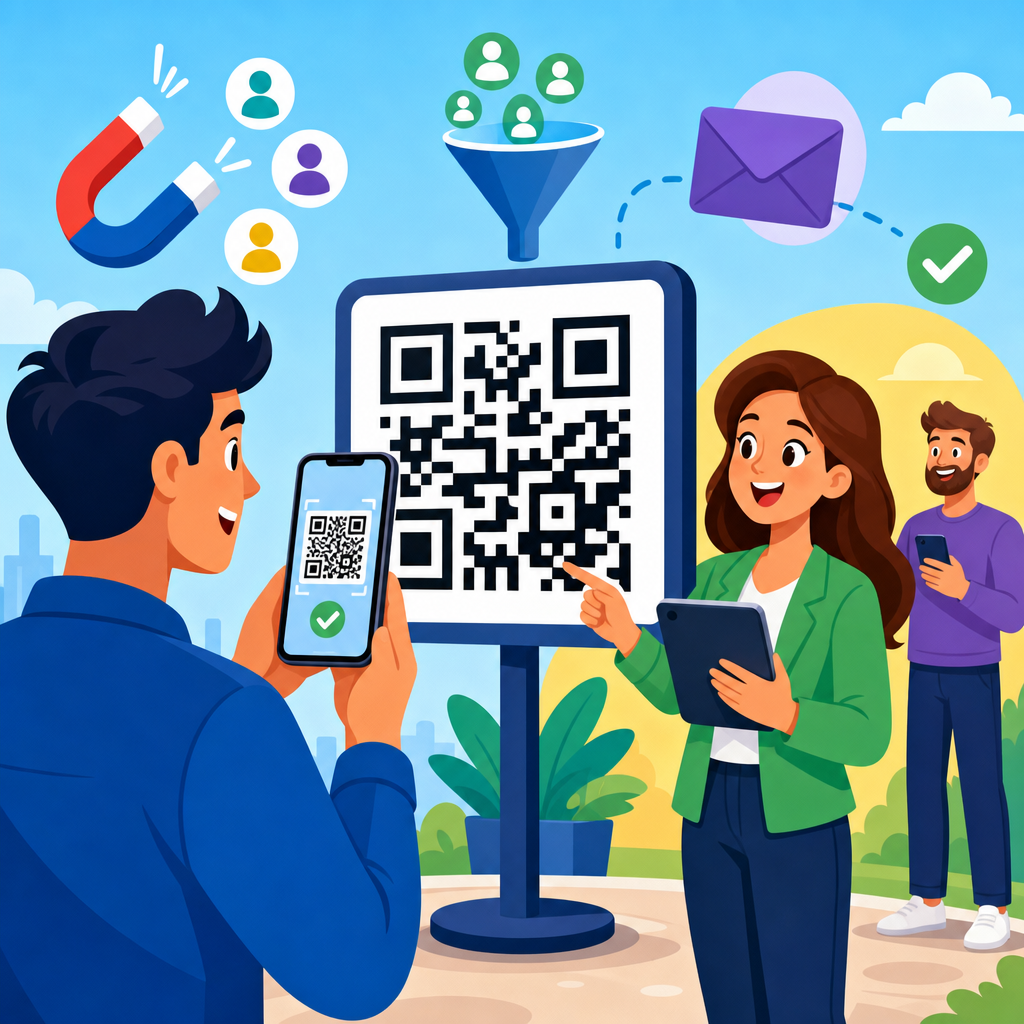
QR codes have become one of the most practical tools for turning offline attention into measurable online lead generation. A quick scan can send a prospect from a product package, trade show booth, direct mail postcard, storefront window, restaurant table, vehicle wrap, or sales flyer to a landing page where they subscribe, request a quote, book a demo, or claim an offer. In simple terms, a QR code is a scannable matrix barcode that a smartphone camera can read, while lead generation is the process of attracting potential customers and capturing their contact information so a business can continue the conversation. When those two ideas are combined well, QR code marketing strategies create a low-friction bridge between physical marketing and digital conversion.
I have used QR campaigns for event booths, retail promotions, field sales teams, and local service businesses, and the pattern is consistent: results improve when the code is tied to a specific intent instead of a generic homepage. A homepage forces visitors to navigate. A purpose-built landing page answers the immediate question behind the scan. That matters because most scans happen in fast, distracted moments. Someone is standing in a lobby, walking through a conference hall, opening a package, or glancing at a poster on a train platform. If the destination does not match the context, conversion rates fall quickly.
QR code lead generation matters now because smartphone adoption is universal, camera scanning is native on iPhone and Android, and marketers are under pressure to prove return on spend across both physical and digital channels. Modern dynamic QR code platforms make this possible by allowing marketers to update destinations without reprinting assets, apply UTM parameters for analytics, segment by campaign source, and track scans by time, device, and location. That means a printed sign can become a measurable acquisition channel rather than an awareness tactic that disappears into guesswork. For businesses investing in print, packaging, events, out-of-home media, or in-person sales, QR codes are no longer a novelty. They are conversion infrastructure.
As a hub for QR code marketing strategies, this guide explains how to use QR codes for lead generation from planning through measurement. It covers the core campaign types, landing page structure, offer design, placement, tracking, compliance, and common mistakes. The goal is straightforward: help you build QR experiences that earn scans, capture qualified leads, and connect smoothly to your broader sales funnel.
Build the campaign around one conversion goal
The most effective QR code marketing strategies start with one clear action. Before generating a code, decide whether the scan should produce a newsletter signup, consultation request, coupon redemption, event registration, app download, waitlist join, gated content opt-in, financing application, or product demo booking. Mixing several goals on one destination page weakens performance because users have to choose instead of act. In lead generation, clarity outperforms variety.
Match the goal to the stage of intent. For cold audiences, a low-commitment offer works best: a buying guide, checklist, contest entry, sample request, or first-order discount. For warmer prospects who already know the brand, ask for a higher-intent action such as scheduling a call or requesting pricing. A realtor’s yard sign, for example, can send scanners to a listing page with a short form for showing requests. A B2B software company at a trade show can offer an industry benchmark report and route submissions into its CRM for follow-up by territory. A dental office can place a code in its reception area that links to a new-patient special and appointment form. Different environments create different levels of readiness, so the lead magnet must fit the moment.
Use dynamic QR codes rather than static codes for nearly every serious campaign. Static codes permanently embed one destination, which is acceptable for simple evergreen links but limiting for optimization. Dynamic codes let you change the URL later, pause a campaign, fix broken links, rotate offers, or route by location. Platforms such as Bitly, Beaconstac, QR Code Generator Pro, Flowcode, and Uniqode also support analytics dashboards and campaign labeling. That flexibility is essential when printed materials stay in circulation for months.
Create landing pages that convert fast on mobile
A QR code cannot rescue a weak landing page. Because nearly all scans occur on mobile devices, the destination must load quickly, explain value immediately, and ask only for the information needed at that stage. A strong mobile landing page includes a specific headline, one primary benefit statement, concise supporting copy, one visible call to action, social proof if available, and a short form. If the page takes more than a few seconds to load, demands too many fields, or buries the form beneath long copy, users abandon.
Keep forms lean. For top-of-funnel offers, name and email are often enough. If sales qualification is necessary, add one or two fields such as company size, ZIP code, or product interest. Every extra field reduces completion rate, especially on a phone keyboard. In my campaigns, replacing a seven-field form with a three-field form routinely doubled submissions without destroying lead quality because the follow-up process handled qualification later.
Message match is equally important. The words next to the QR code should closely match the headline on the landing page. If a sign says “Scan for 15% Off Your First Visit,” the landing page should repeat that exact offer above the fold. This reduces cognitive friction and confirms that the scan worked as expected. Add trust signals where appropriate: secure form notices, privacy language, review ratings, customer logos, or a brief statement about how the information will be used. For regulated industries such as healthcare and financial services, route forms through compliant systems and avoid collecting unnecessary sensitive data.
Use placement, context, and incentives to increase scans
Where and how the QR code appears heavily influences scan rate. A code printed tiny in a cluttered layout will underperform even if the offer is strong. Best practice is to provide sufficient quiet space around the code, high color contrast, and a clear instruction that tells users what they get. “Scan me” is weak. “Scan to get the full pricing guide” or “Scan to claim your free sample” is stronger because it explains the benefit.
Placement should account for distance, lighting, and dwell time. At trade shows, codes belong on booth counters, demo screens, staff badges, and takeaway cards where visitors can scan while waiting or chatting. In retail, shelf talkers and endcaps work well because shoppers are already evaluating options. For restaurants, table tents and takeout packaging create a natural pause for scanning. On direct mail, the code should sit near the main offer and above the fold of attention, not buried near legal copy. On vehicles and billboards, use extreme caution: these placements often produce low-quality visits if people cannot safely scan in the moment. A memorable short URL may be the better complement there.
Incentives need to feel immediate and proportional. Consumers will share an email address for a discount, exclusive content, loyalty points, a giveaway, a warranty activation benefit, or early access. B2B audiences respond to calculators, case studies, implementation checklists, templates, and research reports. The highest-performing offers solve a real problem connected to the environment. A home services company can place a code on a leave-behind flyer offering a seasonal maintenance checklist and estimate request. A manufacturer can attach a code to product packaging for installation guidance plus registration, turning a support touchpoint into a lead capture opportunity for accessories, maintenance plans, or reorder reminders.
Choose the right QR code strategy for each channel
Different channels call for different QR code marketing strategies. The table below summarizes common approaches and the lead generation logic behind them.
| Channel | Best QR Offer | Lead Goal | Key Tracking Method |
|---|---|---|---|
| Trade shows | Demo booking or gated report | Capture high-intent prospects quickly | UTM campaign plus CRM source field |
| Direct mail | Discount, quote request, or personalized landing page | Convert offline recipients into attributable leads | Unique code by mail segment |
| Retail signage | Coupon, product comparison, or loyalty signup | Influence purchase and capture repeat buyers | Scan data plus redemption code |
| Packaging | Registration, tutorial, refill reminder | Extend post-purchase relationship | Product SKU and post-purchase flow tag |
| Restaurants | VIP club, feedback incentive, or catering inquiry | Build first-party audience | Location-specific landing page |
| Field sales materials | Case study, pricing sheet, meeting scheduler | Shorten follow-up cycle | Rep-specific QR destinations |
Personalization can lift performance further. Instead of one universal code for all print pieces, assign codes by location, audience segment, sales rep, or product line. A franchise brand can give each store its own code and landing page so local teams can measure results accurately. A university can create separate QR flows for undergraduate programs, graduate admissions, and campus visits. A SaaS company can print different codes on vertical-specific collateral for healthcare, finance, and retail prospects, each linking to tailored proof points and forms. This structure improves attribution and makes follow-up more relevant.
When campaigns scale, document naming conventions, redirect logic, and asset inventory. Teams often lose visibility once dozens of codes are deployed across posters, packaging, brochures, and partner materials. A simple spreadsheet or project management system should record the code owner, live destination, creation date, print asset, audience, and success metric. This prevents orphaned campaigns and ensures old materials do not send leads to expired pages.
Track scans, qualify leads, and connect data to revenue
A scan is not the goal; a qualified lead and downstream revenue are the goal. Measurement should therefore extend beyond code-level analytics. Start with standard campaign tracking using UTM parameters in the destination URL so visits appear correctly in Google Analytics 4, Adobe Analytics, or your preferred platform. Distinguish channel, campaign, asset, and audience. For example, a postcard campaign might use source=directmail, medium=qr, campaign=spring-hvac, and content=offer-a. That structure allows meaningful reporting across channels.
Next, connect form submissions to a CRM such as HubSpot, Salesforce, Zoho, or Pipedrive. Pass the QR campaign parameters into hidden fields so the lead source survives the handoff. This is the step many teams miss. If the campaign data stops at web analytics, marketing can count scans and form fills, but sales cannot tie opportunities back to the original asset. Once CRM attribution is in place, you can compare lead-to-opportunity rate by campaign and identify which placements generate buyers rather than browsers.
Lead qualification should also reflect context. Someone who scans a booth code and requests pricing is different from someone who scans a coffee shop flyer for a giveaway. Use progressive profiling, lead scoring, or simple routing rules to prioritize follow-up. High-intent scans should trigger immediate outreach or an automated scheduling option. Lower-intent leads may enter an email nurture sequence. Speed matters: multiple studies have shown that fast response improves conversion, and QR campaigns often create a narrow window of attention because the user acted in a physical moment that may not repeat.
Avoid common mistakes that kill QR lead generation
The most common failure is sending every scan to the homepage. Other frequent problems include using static codes when campaigns need flexibility, printing codes too small, placing them where there is poor connectivity, failing to add a benefit-focused call to action, and launching without testing on multiple devices. Before anything goes live, scan the code with iPhone and Android cameras, test the page on cellular data, check redirect behavior, confirm form notifications, and verify analytics events.
Design errors matter too. Overly stylized codes can become unreadable, especially when logos, gradients, or low contrast interfere with scan reliability. Follow established QR generation standards and test the final printed size, not just the on-screen file. For print production, use vector formats when possible and avoid compressing the code into blurry raster images. Quiet zone, error correction level, and contrast are not cosmetic details; they determine usability.
Another mistake is ignoring privacy and consent. If the landing page collects personal data, disclose what users will receive and how their information will be used. For SMS follow-up, obtain explicit consent and document it. For email marketing, comply with applicable laws and provide proper opt-out mechanisms. Trust directly affects conversion. People will scan and submit when the exchange feels legitimate and valuable.
Conclusion: turn every physical touchpoint into a measurable lead source
QR codes work for lead generation when they are treated as part of a complete conversion system, not as decorative add-ons. The winning formula is consistent: one clear goal, a relevant offer, a fast mobile landing page, thoughtful placement, strong tracking, and disciplined follow-up. When those elements line up, a poster, package, flyer, counter sign, or booth display can become a reliable source of attributable leads.
As the hub for QR Code Marketing Strategies, this article maps the fundamentals that support every related tactic: event QR campaigns, direct mail QR optimization, packaging QR journeys, retail QR promotions, restaurant loyalty capture, and sales collateral tracking. The central lesson is simple. The code itself is only the gateway. Real performance comes from aligning audience intent, message, destination, and measurement.
If you are building or improving a QR lead generation program, start with one campaign you can measure end to end. Choose a high-visibility physical asset, attach a compelling offer, create a dedicated mobile page, and track the lead through your CRM to revenue. Then optimize based on scan rate, form completion, lead quality, and sales outcome. Done this way, QR codes become one of the most efficient tools in modern marketing strategy.
Frequently Asked Questions
1. How do QR codes help with lead generation?
QR codes help with lead generation by creating a fast, low-friction bridge between offline marketing and online conversion points. Instead of asking someone to manually type a long web address, search for your brand, or remember an offer later, a QR code lets them scan and instantly arrive at a landing page designed to capture their information. That landing page might encourage them to subscribe to a newsletter, request a quote, download a guide, register for an event, book a demo, or redeem a limited-time promotion.
This matters because lead generation usually succeeds or fails based on convenience and timing. When a person notices your business on a product label, trade show sign, restaurant table tent, postcard, window display, or sales flyer, their interest is often highest in that moment. A QR code allows you to act on that attention immediately. The scan becomes the handoff point from curiosity to action, which can significantly increase response rates compared with asking prospects to take extra steps later.
QR codes also make offline campaigns more measurable. With the right setup, you can track how many people scanned the code, when they scanned, where the traffic came from, and how many of those visitors completed your lead form or offer. That gives businesses clearer data on which physical marketing assets are performing well. In other words, QR codes do not just generate leads more efficiently; they also provide useful insight into campaign performance, audience behavior, and return on investment.
2. Where should I place QR codes to generate the most leads?
The best placement depends on where your audience is most likely to notice your message and be willing to act right away. Strong lead-generation placements usually combine visibility, relevance, and a clear next step. Common examples include product packaging, direct mail pieces, event booths, retail counters, storefront windows, restaurant menus or table displays, vehicle wraps, brochures, posters, invoices, handouts, and sales presentations. In each case, the QR code should appear where the prospect has enough time and context to scan without feeling rushed.
For example, at a trade show, a QR code on booth signage can send attendees to a lead form, giveaway entry, or demo request page. On a postcard, it can lead to a personalized offer or consultation booking page. In a storefront window, it can capture after-hours foot traffic by directing passersby to a quote form or product catalog. On packaging, it can turn buyers into ongoing leads by offering extended warranties, product tutorials, loyalty rewards, or special discounts in exchange for contact details.
Placement works best when the code is supported by a compelling call to action. People are far more likely to scan when they know exactly what they will get. Instead of simply displaying a code by itself, pair it with text such as “Scan to get a free estimate,” “Scan to claim 15% off,” “Scan to book a demo,” or “Scan to download the buyer’s guide.” That message provides motivation and sets expectations. Also make sure the code is easy to scan, printed at an appropriate size, and placed in good lighting or high-contrast environments so the user experience is smooth.
3. What should happen after someone scans a QR code?
After someone scans a QR code, they should land on a page that is directly aligned with the message, offer, and context that prompted the scan. This is one of the most important parts of successful QR-code lead generation. If a prospect scans a code expecting a coupon, consultation, demo, or download and lands on a generic homepage, you create friction and lose conversions. The destination should feel like a natural continuation of the offline message.
A high-converting landing page should be mobile-friendly, fast-loading, and focused on one primary action. Since most QR scans happen on smartphones, the page must be easy to read and navigate on smaller screens. Keep the headline clear, explain the value of the offer quickly, and use a simple form that only asks for the information you truly need. For top-of-funnel offers, that might just be a name and email address. For quote requests or demos, you may need a few more fields, but shorter forms typically improve completion rates.
You should also reinforce trust and motivation on the landing page. Include benefit-driven copy, customer testimonials, social proof, clear privacy assurances, and a strong call to action. If appropriate, offer an incentive such as a discount, free consultation, downloadable checklist, or early access resource. After the form is submitted, guide the lead to a thank-you page that confirms the action and outlines next steps. This could include scheduling options, a resource download, or a follow-up email confirmation. In short, the scan should lead to a focused, mobile-optimized conversion experience designed to turn interest into a real lead.
4. How can I track and measure QR code lead generation performance?
Tracking QR code performance starts with using the code as a campaign-specific entry point rather than a generic link. Ideally, each QR code should direct users to a dedicated landing page or a URL with tracking parameters so you can identify the exact source of traffic. That allows you to compare performance across channels, locations, and creative formats. For example, you might use separate QR codes for a trade show banner, a direct mail campaign, a product insert, and a storefront poster, even if they promote similar offers.
The key metrics to monitor include total scans, unique visitors, landing page conversion rate, form completions, booked appointments, downloads, and resulting sales opportunities. If you connect your landing page forms to a CRM or marketing automation platform, you can go beyond simple scan counts and evaluate lead quality as well. That means you can measure not only how many people scanned, but also how many became qualified leads, responded to follow-up emails, scheduled calls, or eventually purchased.
It is also helpful to analyze timing, device behavior, and geographic trends when available. Those insights can reveal when your audience is most responsive and which placements produce the strongest engagement. Over time, testing different calls to action, offers, landing page layouts, and code placements will help you improve results. The real advantage of QR-based lead generation is that it brings measurable digital analytics into offline marketing. When properly tracked, QR codes turn printed materials and physical spaces into data-rich lead sources that can be optimized just like online ads.
5. What are the best practices for using QR codes effectively in lead generation campaigns?
The most effective QR code campaigns are built around clarity, relevance, and ease of use. Start with a specific goal. Decide whether you want people to subscribe, request a quote, book a demo, join a loyalty program, download a resource, or claim a special offer. That goal should shape the call to action, the destination page, and the follow-up process. QR codes perform best when there is one obvious next step and one clear benefit for the user.
Use dynamic QR codes whenever possible so you can update the destination URL without reprinting the code. This gives you flexibility if you want to revise your offer, test different landing pages, or fix a broken link. Always make sure the code is large enough to scan easily and placed in a spot where people can realistically access it. A code on a moving vehicle, for instance, may have branding value but limited practical scan potential unless viewed while parked. Testing is essential: scan the code on multiple devices, in different lighting conditions, and from realistic distances before launching the campaign.
From a conversion standpoint, pair the code with a strong value proposition and a mobile-optimized landing page. Tell people exactly why they should scan, what they will receive, and how long it will take. Avoid sending traffic to a homepage or to a cluttered page with too many choices. Keep forms short, make buttons easy to tap, and ensure the experience loads quickly. Finally, follow up promptly once a lead is captured. Even the best QR code campaign only creates opportunity; strong lead nurturing through email, phone outreach, retargeting, or sales follow-up is what turns that opportunity into revenue. When used strategically, QR codes become far more than a convenience feature—they become a reliable tool for capturing intent, measuring response, and growing your lead pipeline.