QR code generator pricing varies far more than most buyers expect, and the difference between a good-value plan and an expensive mistake usually comes down to understanding what you are actually paying for. A QR code generator is the software used to create scannable codes that send users to a website, menu, app store listing, PDF, contact card, payment page, or other digital destination. Pricing refers not only to the monthly or annual subscription fee, but also to limits on dynamic codes, scan volumes, analytics depth, team seats, branding controls, export formats, API access, and support. In practice, I have seen companies choose a low-cost tool for a simple campaign, then discover later that changing the destination, tracking scans by location, or keeping branded codes active requires a higher tier. That is why pricing matters. For marketers, operations teams, restaurants, retailers, event organizers, and agencies, the right QR code generator affects campaign flexibility, reporting quality, brand consistency, and long-term operating cost. This guide explains how QR code generator pricing works, what features are usually bundled at each level, where hidden costs appear, and how to compare QR code generators with confidence before you commit.
How QR Code Generator Pricing Models Usually Work
Most QR code generators use one of four pricing models: free, freemium, subscription, or enterprise contract. Free tools typically support static QR codes only. A static QR code contains fixed data, such as a URL embedded directly in the code, and that destination cannot be edited after printing. For one-off uses like linking to a homepage or Wi-Fi credentials, a static code can be sufficient. Freemium tools often let you create a few dynamic QR codes, but limit scans, analytics, export quality, or custom branding. Subscription plans are the most common model for professional use. They are usually billed monthly or annually and organized by feature tiers. Enterprise contracts add higher limits, API access, security review, account management, and custom terms.
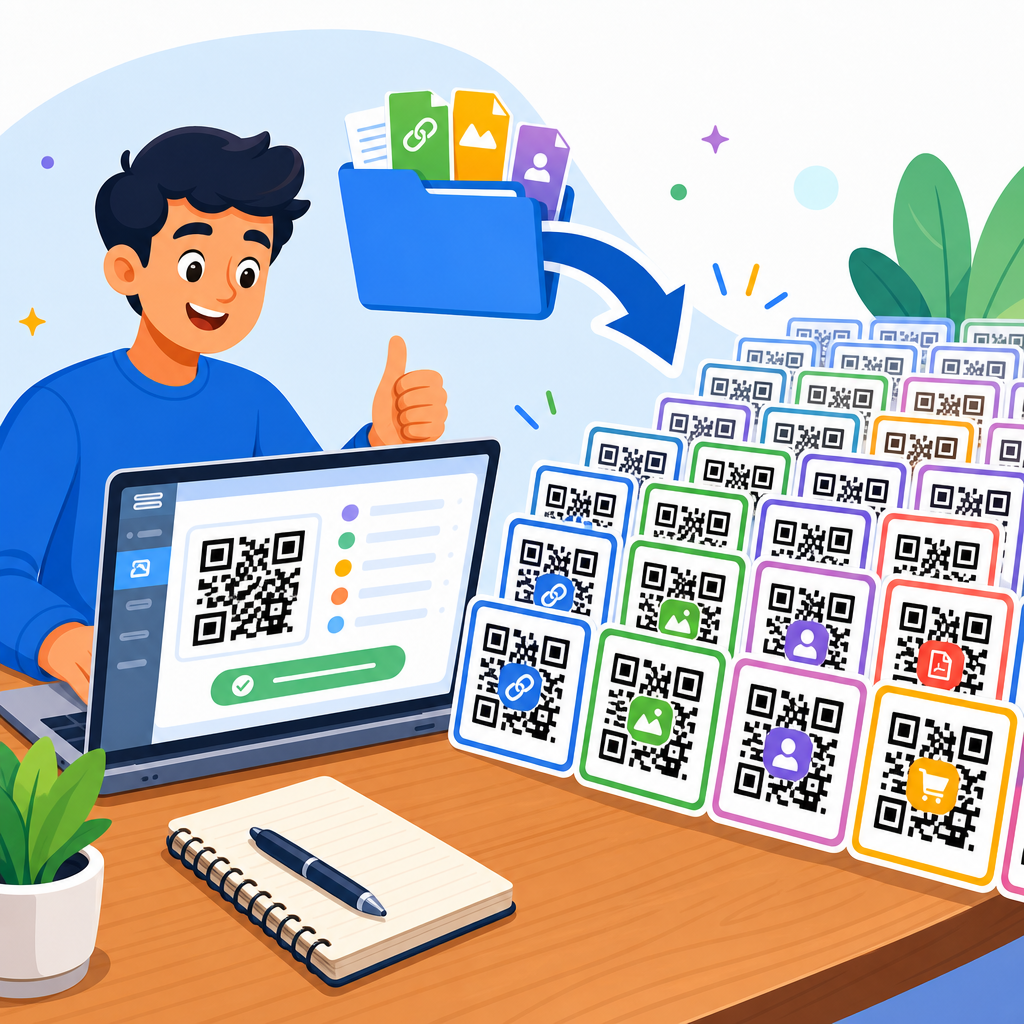
The biggest pricing distinction is static versus dynamic QR codes. Dynamic codes route users through a short redirect URL controlled by the platform, allowing you to update the destination later without changing the printed code. That single capability is what makes many businesses upgrade. In live campaigns, destination changes are common. Menus change, seasonal landing pages expire, app links need regional routing, and event pages shift after registration closes. If your process depends on flexibility, dynamic QR code pricing deserves close attention. Another key driver is analytics. Basic tools may only count total scans. Better platforms break down scans by time, device type, rough location, operating system, and campaign. For any team measuring conversion or offline attribution, analytics quality matters as much as code creation.
Billing structure also influences value. Some vendors charge by number of QR codes created, others by active dynamic codes, and others by scan volume. A tool may look inexpensive until you realize archived codes still count toward your limit, or that high-traffic campaigns trigger overage fees. I have audited QR programs where the platform cost doubled because old codes were never deactivated and departments kept opening separate accounts. The lesson is simple: pricing is rarely just about the sticker price. It is about the total cost of operating QR codes over time.
What Features Actually Drive the Cost
When you compare QR code generator pricing, several features consistently move a plan from budget to premium. The first is dynamic editing, which is essential for campaigns that change. The second is analytics depth. Serious reporting includes unique versus total scans, timestamped activity, geographic data, UTM support, and exportable reports. The third is design control. Many businesses want brand-colored codes, custom frames, logos, and high-resolution exports such as SVG, EPS, or PDF for print production. Cheap tools often support PNG only, which can create quality issues on signage, packaging, or large-format displays.
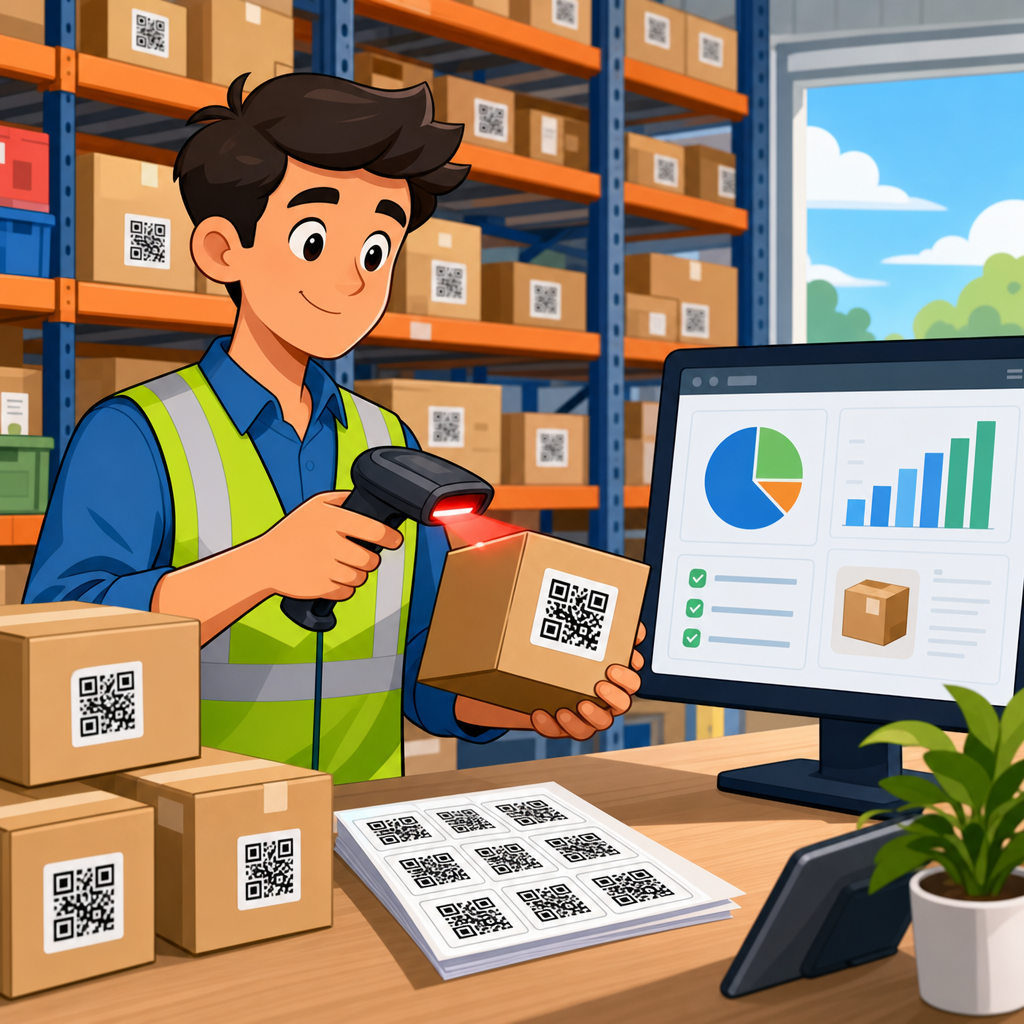
Security and reliability are also major cost drivers. Reputable platforms maintain stable redirect infrastructure, HTTPS links, and protections against broken destinations. If you run QR codes on packaging, field assets, or paid media, uptime is not optional. Team features matter too. Agencies and larger companies often need shared folders, approval workflows, user permissions, and white-label reporting. Those capabilities are usually reserved for higher plans. API access is another dividing line. If you need to generate hundreds of codes automatically for inventory labels, event badges, direct mail personalization, or franchise locations, the API can save hours of manual work, but it usually raises the price.
Support quality deserves more weight than buyers give it. A low-cost provider may offer only email support with slow turnaround. A mid-market or enterprise tool may include onboarding, migration help, and faster service-level expectations. If QR codes are tied to revenue, support has real economic value. Consider a restaurant chain with dynamic menu codes across 120 locations. If a redirect breaks on a Friday afternoon, delayed support can affect sales that same day. In other words, premium pricing sometimes reflects operational risk reduction, not just extra features.
Typical Price Tiers and What You Can Expect
Although pricing changes often, the market tends to follow recognizable bands. Free plans usually include unlimited static codes or a small number of dynamic codes with visible platform branding, weak analytics, and limited export options. Entry paid plans often fall around $5 to $20 per month and are aimed at freelancers, small businesses, and simple campaigns. These plans generally include a modest number of dynamic QR codes, basic analytics, and logo support. Mid-tier plans often range from roughly $20 to $80 per month. This is where most growing businesses land because the plans add better reporting, more active codes, higher scan limits, team access, and stronger design tools. Advanced or agency plans commonly run from about $80 to $300 per month, especially when they include white labeling, bulk creation, advanced tracking, or multiple users. Enterprise pricing can rise from several hundred dollars per month into custom annual contracts depending on volume and security requirements.
| Plan level | Typical monthly range | Common inclusions | Best fit |
|---|---|---|---|
| Free | $0 | Static codes, basic downloads, little or no analytics | Personal or one-time use |
| Entry | $5-$20 | Limited dynamic codes, simple analytics, logo support | Small businesses |
| Mid-tier | $20-$80 | More active codes, better reports, team tools, higher limits | Marketing teams |
| Advanced | $80-$300 | Bulk creation, white label, API, multi-user controls | Agencies and multi-location brands |
| Enterprise | Custom | Custom volume, security review, SLA, account management | Large organizations |
These ranges are not guarantees, but they are useful benchmarks when reviewing QR code generators. Named tools in the market, including QR Code Generator Pro, Beaconstac, Flowcode, Bitly, Scanova, BL.INK, and Uniqode, package features differently, so direct comparison requires reading plan details closely. One vendor may be cheaper for low scan volume, while another becomes more cost-effective once you need bulk creation or stronger analytics.
Hidden Costs and Common Pricing Traps
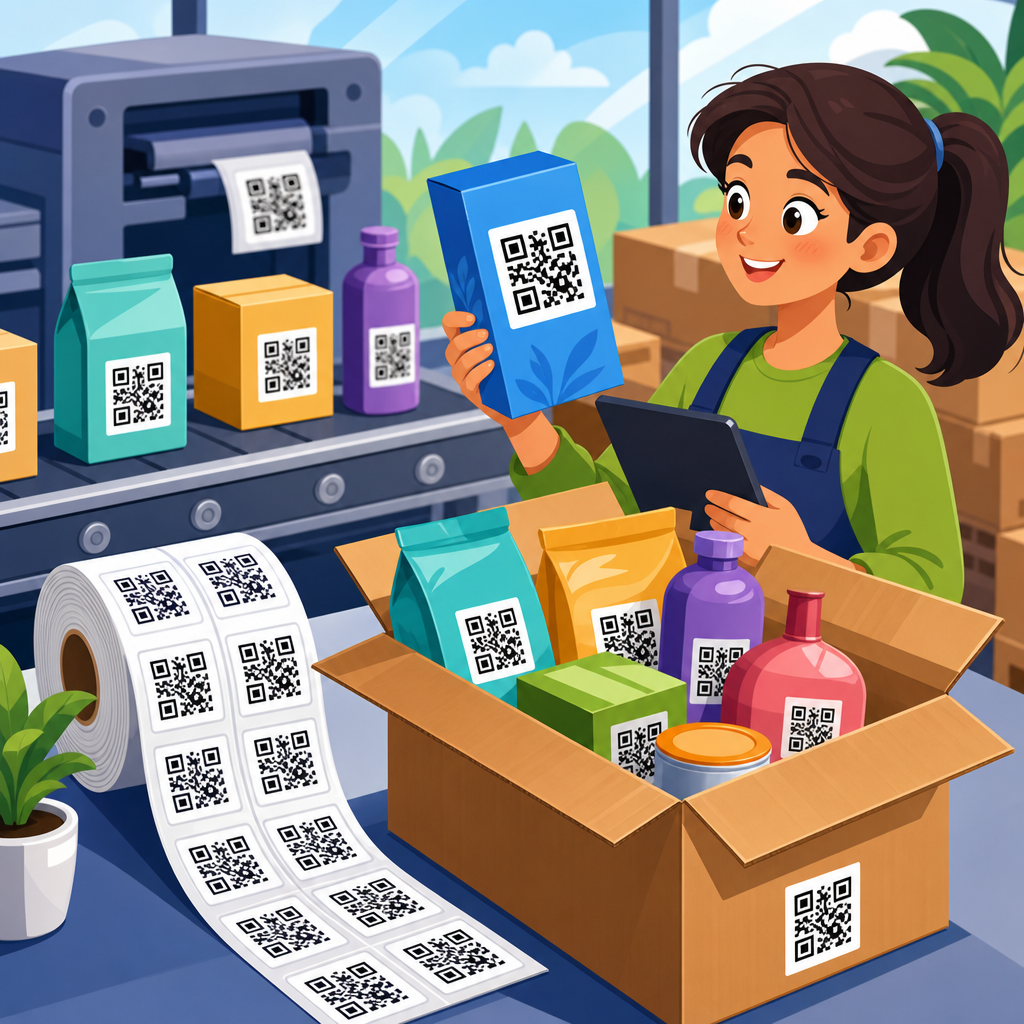
The most common pricing trap is assuming a dynamic QR code remains active forever after you cancel. Many platforms pause or deactivate dynamic redirects when a paid subscription ends. That can be completely reasonable contractually, but it becomes a problem if the buyer did not understand the dependency. If you print QR codes on packaging, posters, manuals, menus, or retail displays, cancellation risk must be part of the cost calculation. A static code has no ongoing software dependency, while a dynamic code often does. Buyers should ask directly: what happens to active QR codes if the plan changes, pauses, or ends?
Scan caps are another hidden issue. Some providers advertise unlimited code creation but restrict monthly scans or throttle analytics on lower tiers. For a local café, that may not matter. For a retail promotion or conference badge program, it matters immediately. Export limitations also cause frustration. Marketers may discover the plan does not include vector files needed by printers, or that logos are disabled on lower tiers. White-label reporting, custom domains, password protection, lead forms, retargeting pixels, and folder organization are other features often placed behind higher-priced plans.
Free trials deserve scrutiny. I have tested platforms where the onboarding experience looked excellent until the trial ended and the most important features vanished. During evaluation, build a real checklist: dynamic editing, analytics export, custom domain support, API documentation, user permissions, and file formats. If a platform fails one mission-critical item, a low price does not make it a bargain. Also check billing terms. Annual pricing can reduce monthly cost substantially, but only if you are confident in long-term usage. For seasonal campaigns or short events, monthly billing may be safer even at a higher nominal rate.
How to Compare QR Code Generators for Real Business Use
The best comparison method starts with your use case, not the vendor grid. Ask what the code must do six months after launch, not just on day one. If you are printing a code on product packaging, permanence and redirect reliability matter more than novelty design options. If you are running a restaurant menu, editability and mobile landing page speed matter most. If you are an agency, account structure, white labeling, and bulk management become essential. In every case, begin with required outcomes, then map pricing to those needs.
Next, test analytics with a real workflow. Create a code, scan it from multiple devices, add UTM parameters, and verify whether the platform reports scans in a way your team can actually use. Good analytics should answer basic operational questions quickly: which locations are driving scans, which campaigns convert, and whether print placements are worth repeating. If reports are hard to export or impossible to segment, the feature may be technically present but practically weak. I also recommend checking whether the platform integrates with Google Analytics, CRM tools, or marketing automation systems if attribution matters to you.
Print quality and scanning reliability should be evaluated in realistic conditions. Generate branded codes, print them at different sizes, and test them on Android and iPhone devices under indoor and outdoor lighting. Some heavily customized codes look attractive on screen but scan poorly in the field. A reputable provider will allow enough error correction and contrast control to preserve usability. Finally, assess governance. Who can create codes, who can edit destinations, and who sees analytics? For teams, pricing without permission controls often creates workflow problems later.
Choosing the Right Plan for Small Businesses, Agencies, and Enterprises
Small businesses usually do best with a low or mid-tier plan that includes dynamic editing, no intrusive branding, decent analytics, and vector exports. A bakery with QR codes on table tents and packaging does not need an enterprise contract, but it does need the ability to update landing pages and track scans by campaign. In my experience, the ideal small-business plan is one that prevents reprinting costs. If changing a destination saves one reprint job, the subscription often pays for itself.
Agencies should evaluate account architecture before price. Managing multiple clients inside a single dashboard, separating assets cleanly, assigning permissions, and exporting reports with client branding can justify a more expensive plan. Agencies also benefit from bulk generation and templates, especially for franchise groups, real estate signage, local event campaigns, or direct mail programs with many variations. A lower-cost tool that forces manual work often becomes the expensive option in labor terms.
Enterprises need more than volume discounts. They should review security, governance, SSO support, API limits, uptime expectations, contract terms, and data handling. A large retailer or healthcare network may also need regional controls, audit logs, and procurement-approved hosting standards. At that level, QR code generator pricing becomes part software subscription and part risk management decision. The cheapest provider is rarely the best provider when thousands of codes are active across stores, packaging runs, service documentation, and customer communications.
QR code generator pricing is easiest to evaluate when you treat it as an operational decision rather than a simple software purchase. The core questions are straightforward: do you need static or dynamic codes, how important are analytics, how many users and campaigns must the platform support, and what happens if your subscription changes? Once you answer those questions, the market becomes easier to navigate. Free tools suit basic static use. Entry plans work for small projects. Mid-tier plans usually offer the best balance for growing businesses. Advanced and enterprise plans earn their cost when automation, governance, branding, and reliability matter at scale.
As the hub for QR Code Generators reviews and comparisons, this page should guide your next steps across the broader QR Code Creation and Tools category. Use it as your baseline when comparing specific vendors, feature sets, and contracts. The smartest buyers look beyond monthly price and measure total value: flexibility after printing, reporting quality, team efficiency, and long-term code reliability. If you are choosing a platform now, build a shortlist, test each tool with a real campaign scenario, and select the plan that fits your actual workflow, not just the cheapest headline number.
Frequently Asked Questions
What factors have the biggest impact on QR code generator pricing?
The biggest pricing differences usually come from features, usage limits, and how much flexibility a business needs after a code is created. At the most basic level, some platforms charge very little for static QR codes, which point to a fixed destination and cannot be edited later. Prices increase when you need dynamic QR codes, because those allow you to change the destination URL or content without reprinting the code. That is a major advantage for marketing campaigns, restaurant menus, product packaging, event promotions, and any use case where updates may be needed over time.
Beyond static versus dynamic functionality, pricing is often shaped by code volume, scan limits, analytics depth, team access, branding tools, and integrations. One plan may look affordable until you realize it only includes a small number of dynamic codes or caps monthly scans. Another may cost more upfront but include detailed reporting, custom domains, lead capture, password protection, scheduled redirects, bulk creation, API access, and white-label options. These extras matter because they can directly affect campaign performance, reporting accuracy, and how professionally the codes fit into your brand experience.
Billing structure also plays a major role. Many providers advertise a low entry price, but the real cost changes depending on whether you pay monthly or annually, whether there are add-on fees for advanced analytics or extra users, and whether overage charges apply when you exceed code or scan limits. In practice, the true price of a QR code generator is not just the subscription number on the pricing page. It is the total cost of getting the number of codes, scans, editing flexibility, branding control, and reporting capabilities your business actually needs.
Why are dynamic QR codes usually more expensive than static QR codes?
Dynamic QR codes cost more because they provide ongoing functionality after the code has been generated. With a static code, the information is hard-coded into the image itself. If the destination changes, the code must be recreated and redistributed. That works fine for simple, permanent uses, but it becomes expensive and inconvenient when printed materials, packaging, signage, or menus are already in circulation. Dynamic codes solve that problem by routing scans through a managed platform, allowing the destination to be updated without changing the printed QR code.
That flexibility adds value, but it also increases the provider’s operational costs. The platform must maintain redirect infrastructure, store campaign settings, process scan activity, and often deliver real-time analytics such as scan counts, device types, locations, and timestamps. Many platforms also include advanced options with dynamic codes, including A/B routing, time-based redirects, geolocation targeting, expiration dates, editable content, retargeting pixels, and user-level permissions. Those are not just minor conveniences; they are business tools that support active campaigns and ongoing optimization.
For buyers, the key question is not whether dynamic codes cost more, but whether they save more than they cost. In many cases, they do. If a business can avoid reprinting signage, update a broken link instantly, redirect traffic to a seasonal offer, or measure campaign performance in detail, the higher subscription fee can quickly be justified. The risk comes when companies pay for dynamic capabilities they never use, or assume every use case needs them. The best-value plan is the one that matches how often you expect to edit destinations, track scans, and manage campaigns over time.
What should you look for in a QR code generator pricing plan beyond the monthly fee?
The monthly fee is only the starting point. A smart evaluation looks at what the plan actually includes and where limitations may create extra costs later. One of the first things to check is the number of dynamic QR codes allowed. Some low-cost plans include only a handful, which may not be enough for multiple campaigns, products, locations, or departments. Scan limits are just as important. A plan may appear budget-friendly until a successful campaign pushes you over the cap and triggers restricted performance, forced upgrades, or overage fees.
You should also review analytics carefully. Some providers include only basic scan counts, while others offer location data, device breakdowns, time-of-scan trends, campaign attribution, and exportable reports. If QR codes are part of a serious marketing, operations, or customer engagement strategy, better reporting can be worth paying for. Branding features matter too. Custom short URLs, logo insertion, color customization, branded landing pages, and white-label presentation can have a strong effect on trust and user experience, especially for consumer-facing campaigns.
Other important pricing details include user seats, collaboration tools, file hosting limits, bulk generation options, integration support, and API access. Enterprise buyers should also ask about security, uptime guarantees, customer support levels, and contract terms. A plan that seems inexpensive can become costly if it lacks responsive support, forces manual workflows, or makes it difficult to scale. The best way to compare plans is to estimate your real usage over the next 6 to 12 months and match that forecast against code limits, scan volume, reporting needs, and operational requirements.
Is a free QR code generator good enough, or is a paid plan usually worth it?
A free QR code generator can be good enough for simple, low-risk use cases, especially when you only need static codes that point to a permanent destination. For example, if you are creating a code for a personal website, a one-time flyer, or a page that is unlikely to change, a free tool may do the job perfectly well. The appeal is obvious: no subscription, quick setup, and minimal complexity. For basic use, that can be a practical and cost-effective choice.
However, free tools often become limiting once QR codes are part of a business process or marketing campaign. Many free platforms do not provide dynamic editing, detailed analytics, branded URLs, team management, bulk creation, or dependable support. Some may place restrictions on scan volume, insert platform branding, or offer limited control over how long the code remains active. In the worst cases, users create codes without realizing the service may later require payment to maintain certain features or continue using dynamic redirects. That can lead to unexpected disruption if the code is already printed on materials customers rely on.
A paid plan is usually worth it when reliability, flexibility, measurement, and brand control matter. Businesses often benefit from being able to edit destinations, monitor usage, organize multiple campaigns, and maintain a consistent branded experience. The value is especially clear when QR codes are used on packaging, in stores, at events, in paid advertising, or across distributed teams. The right decision depends on the stakes. If a broken or uneditable code would create lost revenue, customer confusion, or reprint costs, paying for a solid platform is often the cheaper option in the long run.
How can you tell if a QR code generator plan is a good value or an expensive mistake?
A good-value plan aligns closely with your actual use case, while an expensive mistake usually happens when buyers pay for features they do not need or overlook limitations that become costly later. Start by identifying exactly what you need the QR codes to do. Do you need static or dynamic codes? How many codes will you manage? How many scans do you realistically expect per month? Will multiple team members need access? Do you need analytics, branding, bulk generation, integrations, or API support? Once those requirements are clear, it becomes much easier to spot whether a plan is appropriately priced or padded with unnecessary features.
You should also pay attention to pricing transparency. A strong provider makes it easy to understand code limits, scan allowances, renewal terms, feature tiers, and upgrade thresholds. An expensive mistake often starts with vague plan descriptions, hidden restrictions, or marketing language that makes entry-level pricing look better than the real-world cost. Trials and demos can be useful here. They reveal whether the platform is intuitive, whether analytics are actually useful, and whether core features are locked behind higher tiers than expected.
Finally, think in terms of total business impact rather than subscription price alone. A plan that costs more but prevents reprint expenses, supports campaign optimization, and delivers dependable reporting may be the better value. On the other hand, a cheap plan that limits scans, lacks editability, or fails under real usage can become expensive fast. The most reliable way to avoid overpaying is to compare plans against your specific operational needs, expected growth, and the consequences of failure. In QR code generator pricing, value is not about choosing the lowest number. It is about paying for the capabilities that protect performance, flexibility, and long-term usability.