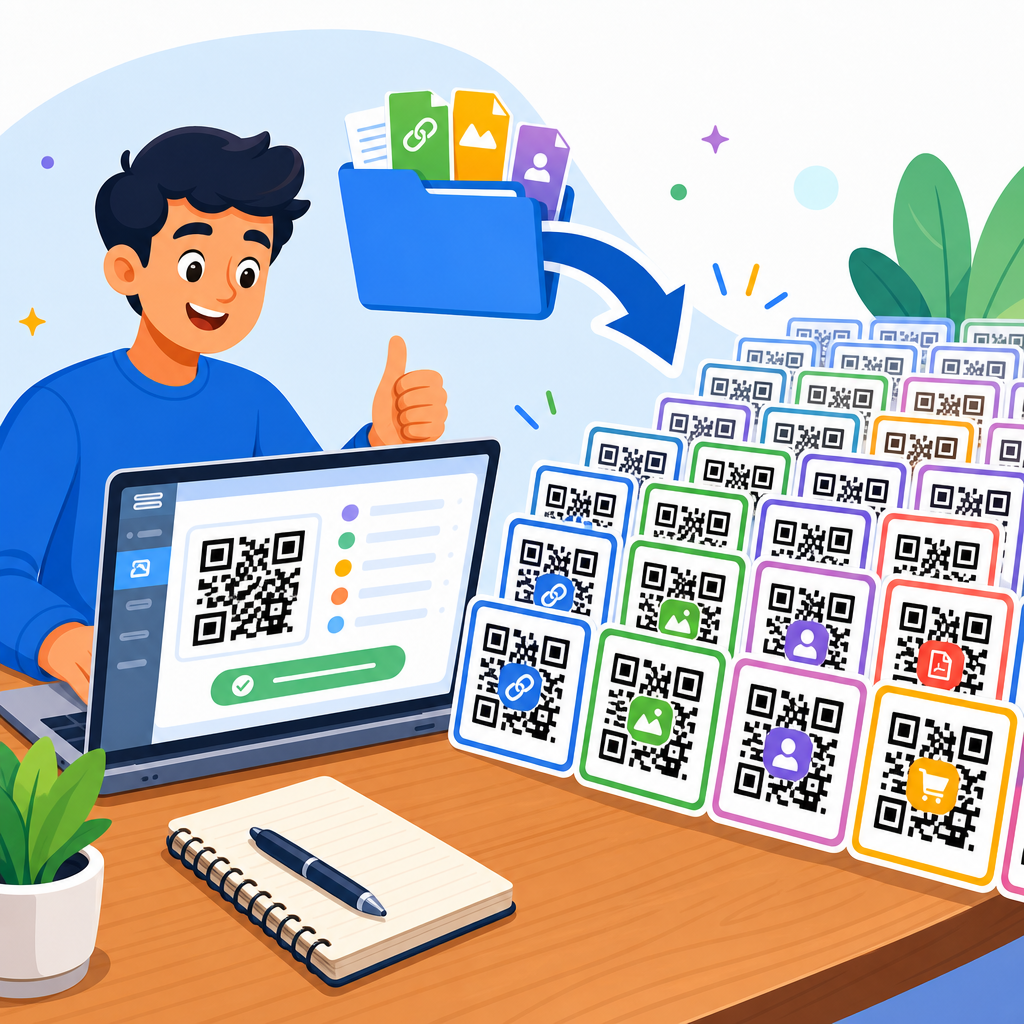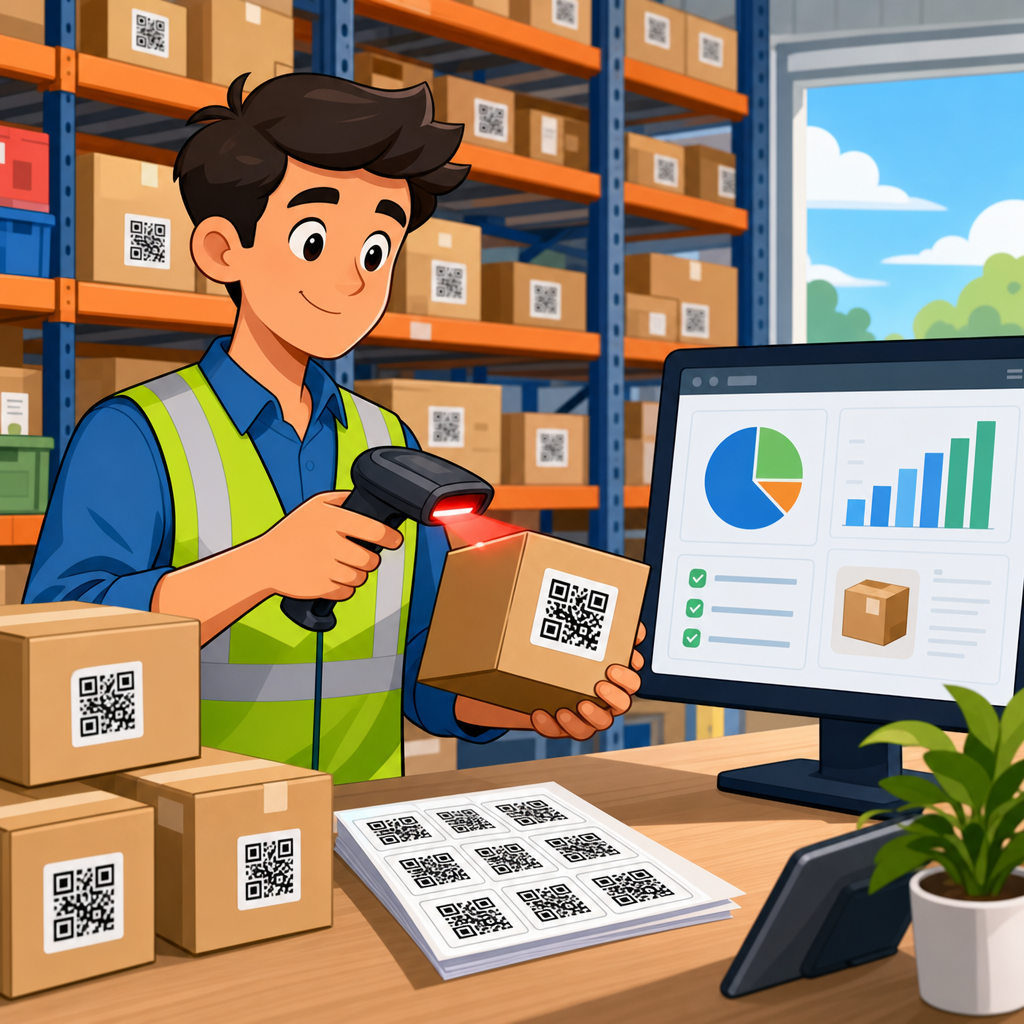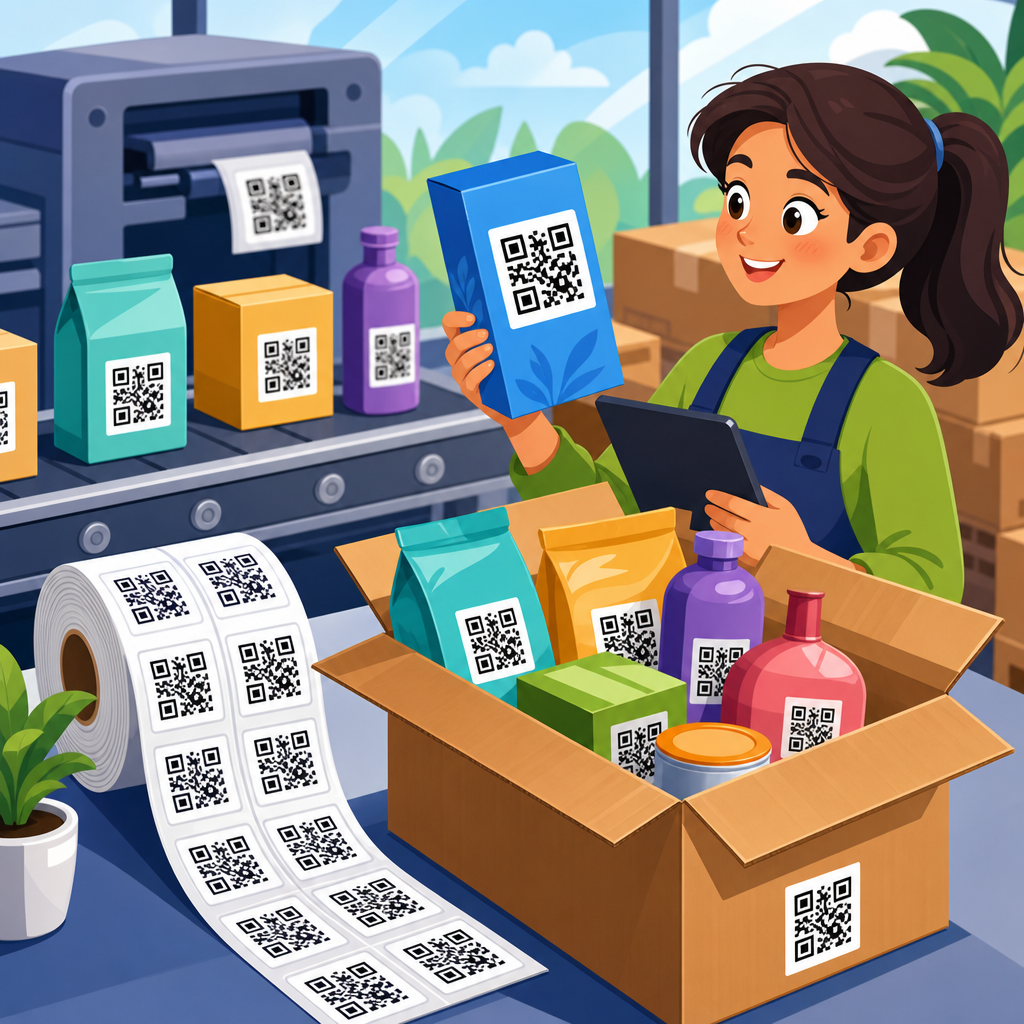
Bulk QR code generation is the fastest way to create hundreds or thousands of scannable codes without building each one by hand, and for any organization managing packaging, event badges, menus, coupons, inventory labels, or direct mail, it quickly becomes a core operational process rather than a minor design task. A bulk QR code generator takes a spreadsheet or database of destinations, converts each record into a unique code, and outputs image files or print-ready assets at scale. In practice, I have seen teams move from days of repetitive manual work to a single controlled batch run that produces every code, filename, and tracking field in one pass. That shift matters because bulk QR code creation affects speed, accuracy, analytics, print quality, and governance all at once.
To evaluate the best tools for bulk QR code generation, it helps to define the types of QR codes involved. Static QR codes point directly to fixed content, such as a URL, phone number, Wi-Fi credential, vCard, or plain text, and once printed they usually cannot be edited. Dynamic QR codes route through a managed short link so the destination can be changed later, often with scan analytics, device data, location insights, and campaign tagging. Batch creation may involve only URLs, but in more mature workflows it also includes variable data, naming conventions, error correction settings, export formats such as PNG, SVG, EPS, or PDF, and integration with CRM, product, or marketing systems.
This topic matters because scale introduces failure points. A single mistyped URL in a hand-built campaign is irritating; a thousand incorrect codes on packaging is expensive. The best bulk QR code generators reduce that risk through CSV import, preview validation, template controls, API access, and asset organization. They also support real production requirements: vector exports for commercial printing, dynamic redirection for post-launch edits, scan tracking for attribution, and permissions for teams that need oversight. As the hub page for bulk QR code creation, this guide explains which tools are strongest, what features actually matter, where each option fits, and how to choose a setup that will still work when your next batch grows tenfold.
What Makes a Bulk QR Code Generator Good
The best tools for bulk QR code generation share a small set of capabilities that matter far more than flashy templates. First, they must import structured data cleanly. CSV upload is the baseline, but the stronger platforms also map fields, preserve unique identifiers, and let you generate codes from multiple columns, such as a base URL plus product SKU or campaign code. Second, they need dependable export options. For digital use, PNG may be enough. For packaging, signage, or label presses, SVG, EPS, or print-ready PDF is often mandatory because vectors remain sharp at any size.
Third, bulk QR code creation tools should give you control over dynamic behavior and analytics. If a code is likely to outlive the campaign asset around it, dynamic redirection is worth paying for because it lets you update the destination without reprinting the code. I generally recommend dynamic codes for packaging, retail displays, real estate signs, and event assets that may need last-minute changes. Fourth, the platform should include validation. At minimum, you want duplicate detection, malformed URL flags, and sample previews before final export. Enterprise teams also need folders, naming rules, user permissions, and audit history to avoid asset sprawl.
Finally, the tool must fit the workflow around the code, not just the code itself. Designers may care about brand styling and Adobe Illustrator compatibility. Operations teams may need API-based generation from an inventory system. Marketers may prioritize UTM parameters, scan dashboards, and retargeting integrations. If you are publishing thousands of codes a month, support quality also matters. When I have helped teams compare vendors, the winning platform is rarely the one with the most decorative options; it is the one that prevents mistakes, exports reliably, and scales without forcing people into manual cleanup.
Best Tools for Bulk QR Code Generation
Several platforms stand out for bulk QR code creation, but they serve different buyers. QR Code Generator PRO is widely used because it combines dynamic QR management, analytics, team features, and a straightforward bulk upload workflow. For marketing-led organizations that want a polished interface and campaign reporting, it is a practical choice. Uniqode, previously known as Beaconstac, is especially strong for business use cases involving dynamic codes, access controls, API automation, and compliance-conscious environments. I have found it well suited to larger teams that need both scale and governance.
QR Batch focuses directly on high-volume generation from spreadsheets and is attractive when speed and simplicity matter more than broad campaign software. Labeljoy is useful when the output is tightly tied to labels, barcodes, and print layouts, especially in warehousing or retail operations. For users already living inside design workflows, Adobe InDesign with data merge and QR generation can be effective for variable print pieces, though it is less of a QR management platform and more of a production method. There are also API-first services and open-source libraries for custom systems, which can be ideal for software teams but require more testing and maintenance.
| Tool | Best for | Key strength | Main limitation |
|---|---|---|---|
| QR Code Generator PRO | Marketing teams | Dynamic codes plus analytics | Cost rises with scale |
| Uniqode | Business and enterprise use | Security, API, team controls | More features than small teams need |
| QR Batch | Fast spreadsheet-based batches | Simple high-volume generation | Lighter campaign management |
| Labeljoy | Labels and print workflows | Barcode and label layout tools | Less focused on scan analytics |
| Adobe InDesign | Variable print production | Precise layout control | Needs manual process design |
| Custom API or library | Product and engineering teams | Full automation and flexibility | Requires development resources |
If you need an all-around recommendation, Uniqode and QR Code Generator PRO are the strongest managed platforms for most organizations, while QR Batch is a good fit when the need is primarily mass creation from tabular data. If the project is manufacturing labels or serialized product assets, Labeljoy or a custom workflow tied to your database can be more efficient than a marketing-first tool. The right decision depends less on the code itself than on who owns the process, how often codes change, and whether analytics are mission-critical.
Dynamic vs Static Bulk QR Codes
For bulk QR code generation, the dynamic-versus-static decision affects budget, flexibility, and risk. Static codes are simple: each record in the CSV becomes a direct encoded destination. They are fine for permanent information that will not change, such as machine IDs, internal asset tags, or a stable product documentation page. They also avoid ongoing subscription dependence because the code does not rely on a redirect service. If your organization wants one-time generation with no future platform tie-in, static QR codes can be the correct choice.
Dynamic bulk QR codes are usually better for public-facing campaigns because they let you edit the destination after printing. That matters when a landing page moves, inventory changes, tracking tags need adjustment, or a campaign needs A/B routing by market. Dynamic systems also support analytics, often including total scans, unique scans, device type, operating system, timestamp, and approximate location based on IP. In retail and events, I have repeatedly seen dynamic codes prevent expensive reprints when a URL structure changed late in production. That alone can justify the subscription cost.
The tradeoff is dependency. With dynamic QR codes, the redirect infrastructure must remain active, fast, and secure. If the vendor account lapses or redirects are not managed correctly, the printed asset can fail even though the QR image itself still scans. That is why vendor reliability, redirect performance, and export portability matter. For many teams, the best approach is mixed: static for internal or permanent identifiers, dynamic for customer-facing assets where analytics or future edits are likely.
Features That Matter in Real Bulk QR Workflows
When comparing bulk QR code tools, focus on the features that affect production outcomes. Bulk import should support CSV or spreadsheet upload with field mapping, not just a single text column. Naming rules matter because files become unmanageable quickly if every export is called generic-001. Error correction settings are also important. QR codes use four common levels: L, M, Q, and H. Higher correction allows more damage or logo obstruction but increases code density, which can reduce readability at small print sizes. Good tools expose this setting clearly and preview the result before export.
Customization should be approached carefully. Brand colors, logos, and frame text can improve response rates, but only if contrast remains strong and the quiet zone is preserved. A reliable bulk QR code generator lets you apply a style template across a batch while still protecting scanability. Export flexibility is another practical requirement. For offset print or packaging vendors, SVG and EPS are often preferred. For office workflows, PNG and PDF may be enough. If your printer asks for CMYK-ready assets, confirm that the platform or your design workflow can handle that conversion cleanly.
Analytics and integrations separate lightweight generators from operational platforms. Marketing teams benefit from UTM-tagged destinations, Google Analytics reporting consistency, and dashboard filters by campaign or date. Product and operations teams often need API endpoints, webhooks, or integration with Airtable, Zapier, HubSpot, Salesforce, or inventory systems. In my experience, the hidden cost in bulk QR code creation is not generating the images; it is reconciling them with the systems that track products, contacts, or locations. Tools that maintain identifiers from import through export save substantial cleanup time.
How to Choose the Right Tool for Your Use Case
The easiest way to choose among bulk QR code generators is to start with the output environment. If the codes are going onto product packaging, prioritize vector export, batch validation, dynamic redirects, and long-term account stability. If they are for event badges or tickets, speed of generation, unique IDs, and the ability to tie each scan back to a person or seat may matter more. Restaurant groups creating QR menus need easy destination updates and location-level management. Warehouses generating shelf, bin, or equipment tags may value one-time static code creation and label printing more than analytics.
Next, estimate volume and ownership. A marketing manager producing a few hundred campaign codes per quarter can work comfortably in a managed SaaS platform. A manufacturer generating tens of thousands of serialized codes may need API automation, version control, and direct database linkage. Security is another deciding factor. If the QR codes connect to internal tools, regulated documents, or customer records, ask about access controls, SSO, audit logs, and data residency. Larger teams also benefit from approval workflows, since a bad redirect or malformed import can cascade across an entire print run.
Budget should be tied to reprint risk and labor savings, not only subscription price. A platform that costs more per month may still be cheaper if it prevents one packaging error or automates a process that used to consume staff time. I advise teams to run a pilot with a realistic sample dataset, print the smallest intended size, test on older phones as well as new ones, and verify analytics before committing. That approach exposes limitations early and makes the final vendor choice much more defensible.
Common Mistakes in Bulk QR Code Creation
The most common bulk QR code mistake is assuming generation equals readiness. Teams upload a CSV, download a zip file, and send it straight to print without checking scan behavior, naming consistency, destination accuracy, or size constraints. Every bulk batch should be tested on multiple devices, under different lighting conditions, and at the actual final print size. Another frequent problem is overdesign. Dark codes on light backgrounds usually scan best; when brands insist on low-contrast palettes, heavy logo overlays, or decorative shapes, scan reliability drops. A beautiful code that fails at checkout or on a poster is not a successful asset.
Another mistake is ignoring redirect governance. Dynamic QR codes are powerful, but they need ownership. Someone should control domain settings, redirect edits, expiration policies, and account renewals. I have seen organizations lose track of dynamic assets after staff turnover, leaving printed materials dependent on orphaned accounts. File organization is equally important. Each code should map to a unique record with a durable identifier, destination history, and usage context. Without that structure, later updates become guesswork.
Finally, many teams overlook internal knowledge sharing. A hub around QR code creation should link to related guidance on QR code sizing, print testing, dynamic QR code strategy, QR code analytics, and design best practices so each project does not start from zero. Standard operating procedures reduce errors dramatically. If your organization generates codes regularly, document your import format, approved styles, minimum size rules, and testing checklist, then keep those standards alongside the tool itself.
Bulk QR code generation is not just a convenience feature; it is the foundation for reliable QR operations at scale. The best tools for bulk QR code generation combine clean data import, strong export formats, dependable dynamic management, and enough governance to keep large batches accurate over time. For most business users, managed platforms such as Uniqode or QR Code Generator PRO offer the best balance of scale, analytics, and control. For spreadsheet-heavy jobs, QR Batch is efficient. For label-centric environments, Labeljoy or a custom system may be the better fit. The point is not to pick the most popular tool; it is to pick the one that matches your print requirements, ownership model, and need for future edits.
If you remember only three things, remember these. First, choose dynamic codes for public-facing assets that may change, and static codes for permanent destinations. Second, test every batch at real size before release, especially when using custom styling. Third, treat naming, validation, and redirect governance as core parts of bulk QR code creation, not admin details. Those practices prevent the expensive mistakes that usually get blamed on the technology.
Use this hub as your starting point for building a dependable bulk QR workflow, then map out your next step: compare tools with a pilot dataset, define your testing standard, and document how your team will manage codes after launch. That process will save time immediately and protect every campaign, label, package, or sign that depends on a scan working the first time.
Frequently Asked Questions
What should I look for in the best tools for bulk QR code generation?
The best bulk QR code generation tools do much more than simply turn a list of URLs into image files. At a minimum, they should let you upload structured data from a spreadsheet, CSV, or database export, map the correct fields to each QR code, and generate large batches consistently without formatting errors. Strong tools also support multiple QR code types, including website links, PDFs, vCards, app download pages, Wi-Fi credentials, coupon destinations, and custom landing pages. If your team is creating codes for packaging, inventory labels, event badges, menus, or direct mail, flexibility in data inputs is essential because every use case has different content and production requirements.
Beyond data handling, print and output options matter just as much. A high-quality bulk QR platform should export in formats that fit your workflow, such as PNG, SVG, PDF, or print-ready sheets. Vector outputs are especially useful when codes will be resized for packaging or signage, because they preserve scan quality better than low-resolution raster images. You should also evaluate customization features like logo insertion, color control, frame templates, naming conventions, and batch file organization. These seem like small details until you are managing hundreds or thousands of assets across multiple campaigns or departments.
For organizations that rely on QR codes operationally, analytics, dynamic editing, and automation are often the deciding factors. Dynamic QR code support lets you change the destination after printing, which is valuable for campaigns, rotating menus, and product packaging. Analytics can reveal scan volume, device type, geography, and performance over time. More advanced platforms may offer API access, user permissions, audit trails, or integrations with CRM, inventory, event, or marketing systems. In short, the best tool is not just the one that creates codes quickly; it is the one that fits your data process, print workflow, compliance needs, and long-term scale.
Why is bulk QR code generation better than creating QR codes one by one?
Creating QR codes one at a time may seem manageable at very small volumes, but it quickly becomes inefficient and error-prone as soon as you are working with dozens, hundreds, or thousands of records. Bulk generation eliminates repetitive manual work by allowing you to upload a complete dataset and let the platform automatically create a unique QR code for each entry. This saves significant time, especially for teams producing event badges, product labels, restaurant table markers, shipment inserts, coupon campaigns, or serialized assets where every code needs to point to a different destination.
Accuracy is another major advantage. Manual creation increases the likelihood of copy-and-paste mistakes, broken links, inconsistent file names, and version confusion. With a bulk QR code generator, the workflow is typically structured around one source of truth, such as a spreadsheet or database export, so each code is tied directly to a row of data. This approach improves consistency across large runs and makes it easier to validate outputs before printing or deployment. For businesses where QR codes affect customer access, inventory tracking, or marketing attribution, reducing avoidable errors is not just convenient; it is critical.
Bulk generation also improves operational scalability. Once a process is set up, teams can repeat it for future campaigns, product lines, locations, or seasonal updates without rebuilding everything manually. Many tools support templates, dynamic codes, automated naming, and batch exports, making it possible to turn QR code production into a repeatable workflow instead of an ad hoc design task. That is why bulk QR code generation is often viewed as a core operational capability for growing organizations, not just a shortcut for saving a few hours.
Are dynamic QR codes important when generating codes in bulk?
Yes, dynamic QR codes are often extremely important in bulk generation because they add flexibility after the codes have already been printed, distributed, or embedded into materials. A static QR code sends users directly to a fixed destination that cannot be changed later. A dynamic QR code, by contrast, typically points to a short redirect link managed by the platform, which means you can update the final destination without changing the printed code itself. For bulk projects involving packaging, posters, mailers, menus, product inserts, or event materials, this can prevent expensive reprints and reduce the risk of outdated destinations.
Dynamic functionality is especially useful when your content changes over time. A restaurant may update menu links, a retailer may rotate product promotions, an event organizer may revise schedules, and a manufacturer may redirect users to new support pages or compliance documents. If you are generating hundreds or thousands of QR codes at once, the ability to make edits later can protect your investment and simplify campaign management. It also helps teams respond faster when URLs break, product pages move, or promotions end earlier than expected.
Another major benefit is tracking. Many dynamic QR code platforms provide analytics that show scan counts, locations, devices, and engagement trends. This is valuable for measuring the performance of direct mail, in-store displays, coupons, and packaging campaigns. That said, static QR codes still have their place. If you need a permanent destination, do not require analytics, and want a simpler setup with no dependency on a platform redirect, static codes may be enough. The right choice depends on whether flexibility and measurement are more important than simplicity and permanence.
How do I make sure bulk-generated QR codes remain scannable and print-ready?
Scannability starts with the quality of the source data and the technical settings used during generation. First, make sure every destination in your spreadsheet or database is valid, properly formatted, and tested. Broken URLs, inconsistent protocols, extra spaces, or malformed text fields can cause problems even if the QR code image itself is generated correctly. Next, choose a reliable tool that produces high-resolution or vector outputs and allows you to control size, error correction, margins, and file format. For print applications, SVG and PDF are often preferred because they scale cleanly without losing sharpness.
Design choices also affect whether a code scans reliably in real-world conditions. High contrast is essential, with dark code elements on a light background being the safest standard. While branded colors and logos can work well, overly stylized designs, low contrast combinations, crowded logo overlays, or decorative frames can interfere with scanners. Quiet zone spacing, which is the empty margin around the code, should never be removed just to save space in a layout. If codes will be printed small on packaging, badges, or labels, test the minimum size carefully based on expected scanning distance and device quality.
Finally, always validate before mass production. Run a sample batch and test codes across multiple phone types, lighting conditions, print materials, and use environments. A code that scans on a desktop preview may perform differently on glossy packaging, curved bottles, textured labels, or low-light event signage. If your project involves thousands of units, a preflight process is essential: verify the data, inspect the output files, test random samples, and confirm that naming and record matching are correct. The best bulk QR workflows treat testing as part of production, not as an afterthought.
Which organizations benefit most from using bulk QR code generation tools?
Bulk QR code generation is valuable for any organization that needs to create many unique scannable assets quickly and consistently. Retail and consumer goods brands use it for packaging, product authentication, promotions, warranty registration, and post-purchase support. Event teams rely on bulk QR generation for attendee badges, ticketing, session check-ins, sponsor activations, and venue navigation. Restaurants and hospitality groups use it for menus, table-specific ordering links, feedback pages, loyalty programs, and local promotions. In each of these environments, generating codes individually would slow down operations and increase the chance of mistakes.
It is also highly useful in logistics, manufacturing, education, healthcare, and nonprofit outreach. Warehouses and inventory teams may link QR codes to SKU records, storage locations, maintenance logs, or internal tracking systems. Manufacturers can apply unique codes to components, manuals, service instructions, or quality-control records. Schools and universities may generate QR codes for student IDs, room access, library systems, event participation, or campus resources. Healthcare and nonprofit organizations can use bulk codes for patient information workflows, campaign materials, donations, appointment access, or multilingual resource distribution. Whenever each record needs its own code, bulk generation becomes the efficient solution.
Even smaller organizations benefit once their QR code use expands beyond a simple one-off campaign. A local business with multiple store locations, a growing e-commerce brand, or a regional event organizer may suddenly need hundreds of codes tied to different products, tables, offers, or contacts. At that point, a bulk QR code tool is not just about speed; it is about building a process that is repeatable, organized, and scalable. The more QR codes become tied to operations, customer experience, or measurable marketing results, the more valuable the right bulk generation platform becomes.