Choosing the best QR code generators with logo customization is no longer a niche design decision; it is a practical marketing, operations, and brand-control requirement for businesses that rely on scannable links across print and digital channels. A QR code generator creates a machine-readable code that opens a URL, downloads a file, stores contact details, or triggers another action when scanned by a smartphone camera. Logo customization adds a branded image in the center of the code, often alongside color changes, custom frames, and editable short links. In my experience implementing QR campaigns for retail displays, event badges, packaging inserts, restaurant menus, and direct mail, the generator matters far more than most teams expect. The wrong tool can weaken scan reliability, limit analytics, or lock important codes behind expensive plans. The right platform balances design flexibility, error correction, dynamic editing, file export quality, campaign reporting, and governance for teams. This matters because QR codes now sit at the intersection of brand identity, offline attribution, mobile user experience, and operational efficiency. A code on a poster is not just a square image; it is a distribution point, a measurable call to action, and often a permanent asset printed at scale. If the logo obscures too much data, scans fail. If redirects are not managed well, old materials become useless. If analytics are shallow, teams cannot judge placement performance. This hub article reviews the core criteria, compares leading categories of tools, and explains how to choose a QR code generator with logo customization that fits real business use, not just a quick demo.
What makes a QR code generator good for logo customization
The best QR code generators with logo customization share a few nonnegotiable traits. First, they preserve scanability while allowing branding. A high-quality platform automatically increases error correction, protects quiet zones, and warns when contrast or logo size may reduce successful scans. This is essential because QR codes depend on position markers, module contrast, and decoding redundancy. In practical terms, a logo should usually occupy a modest central area, supported by high error correction, rather than covering a large percentage of the pattern. Good tools guide users instead of letting them produce attractive but unreliable codes.
Second, strong platforms separate static and dynamic QR code creation clearly. A static QR code stores the final destination directly in the pattern and cannot be edited later. A dynamic QR code uses a short redirect URL so the destination can change without reprinting the code. For businesses, dynamic functionality is usually worth paying for because campaigns evolve, landing pages change, and localized routing becomes necessary. I have seen teams save thousands in reprint costs simply by changing the redirect behind a code already printed on boxes and brochures.
Third, logo customization must include professional export options. PNG is suitable for web use, but SVG, EPS, or PDF are often necessary for print, signage, and packaging workflows. If a platform only exports low-resolution raster files unless you upgrade, that limitation becomes painful when designers need billboard-ready assets or precise vector scaling. The best vendors also support transparent backgrounds, margin control, and format presets for design software.
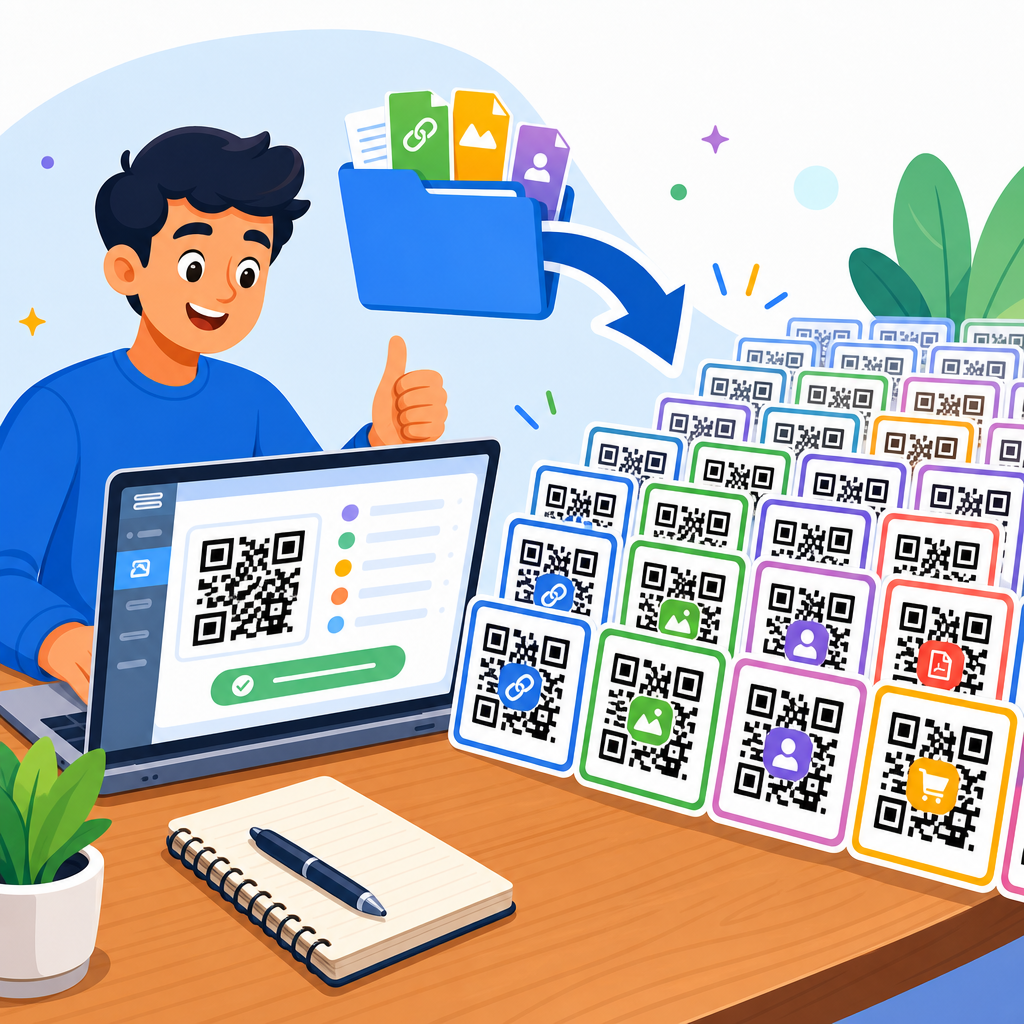
Finally, the generator should offer analytics and administration. At minimum, teams need scan counts, time trends, device data, and geographic information. Larger organizations often need folders, user permissions, UTM parameter handling, API access, and bulk generation. These are not edge features. They are what separate a novelty tool from a dependable QR code management platform.
Core features to compare before choosing a platform
When comparing QR code generators with logo customization, evaluate features in the order they affect business outcomes, not just visual appeal. Scan reliability comes first. Look for automatic validation, live smartphone testing support, and sensible constraints on logo size, colors, and pattern styling. Rounded modules and gradient fills can work, but only when the generator keeps enough contrast and structure intact. Some flashy tools allow extreme styling that performs poorly under glare, low light, curved surfaces, or cheap printing.
Editing flexibility is next. Dynamic QR codes should let you change destinations, pause campaigns, rotate URLs, add expiration dates, and route by device, language, or geography where needed. Analytics quality should follow. The strongest platforms show unique versus total scans, location trends, operating systems, and time-series reporting. Better systems integrate with Google Analytics via UTM tagging or native connectors, making offline-to-online attribution easier.
Pricing structure deserves careful review because many vendors advertise free QR code generation but charge for essential functions later. A free plan may permit logo insertion yet watermark the code, cap scans, remove analytics, or deactivate dynamic links after a trial. Always confirm what happens to printed codes if a subscription lapses. For a business asset embedded in packaging or menus, continuity is critical.
| Feature | Why it matters | What to look for |
|---|---|---|
| Logo support | Maintains brand consistency | Center image upload, sizing controls, scan warnings |
| Dynamic editing | Prevents costly reprints | Editable destinations, redirect management, link history |
| Analytics | Measures campaign performance | Unique scans, geography, device data, exportable reports |
| File exports | Supports print and digital production | SVG, EPS, PDF, high-resolution PNG |
| Team features | Improves governance at scale | Folders, roles, API, bulk creation, naming rules |
| Reliability controls | Reduces failed scans | Error correction, contrast checks, quiet zone protection |
Support quality also matters more than buyers assume. If a code fails on a product label already in distribution, fast technical help is invaluable. Established vendors often provide documentation on print sizes, minimum module dimensions, and testing procedures that newer tools omit.
Best types of QR code generators with logo customization
Rather than forcing every business toward one brand, it is more useful to understand the main categories of QR code generators and where each excels. Dedicated enterprise QR platforms are best for organizations running many dynamic codes across departments. These services typically include advanced analytics, access controls, editable redirects, and stronger compliance documentation. They are appropriate for franchises, consumer brands, universities, logistics teams, and agencies managing codes for multiple clients.
Marketing-focused QR platforms suit businesses that treat each code as a campaign touchpoint. They often provide landing page builders, retargeting pixels, custom domains, and conversion tracking. For example, an events team might use one code for attendee check-in, another for agenda downloads, and a third for sponsor lead capture, all with branded frames and centralized reporting. In these cases, logo customization is only one part of a broader attribution workflow.
Design-first generators appeal to small businesses, creators, and local operators who want attractive branded codes without a steep learning curve. These tools often make it easy to upload a logo, pick colors, and export a clean asset quickly. They can be a smart choice for a café menu, salon appointment card, or boutique packaging insert, provided scan testing is solid and the subscription terms are clear.
Developer-oriented services are best when QR creation needs to plug into apps, CRMs, order systems, or ticketing workflows. I have used API-based generators for bulk creation of serialized product labels and personalized event passes. In those setups, the logo remains consistent, but each code points to a unique endpoint. The best vendors document API rate limits, payload formats, authentication, and dynamic management thoroughly.
Open-source or one-off free generators have a place, but mostly for static, low-risk use. If you need a Wi-Fi code for an office wall or a simple vCard for internal use, they may be enough. They are rarely ideal for long-lived marketing assets because support, analytics, redirect control, and governance are limited.
How leading platforms differ in real-world use
In day-to-day work, the differences between popular QR code generators become obvious quickly. Some platforms excel at safe branded design. They let you add a logo, frame, and brand color while keeping the finder patterns untouched and preserving a proper quiet zone. That restraint is valuable. Codes that are slightly less decorative but scan instantly from awkward angles usually outperform more artistic designs in the field.
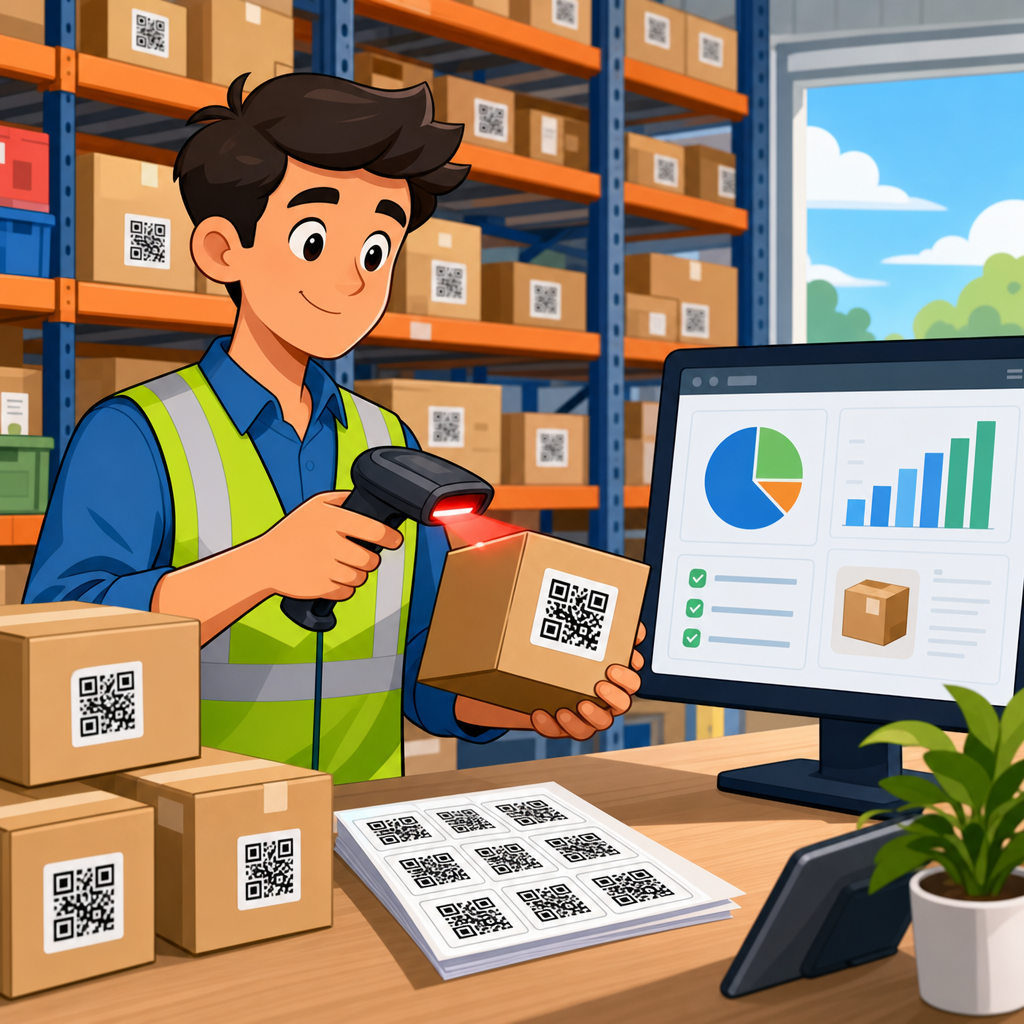
Other platforms stand out because of analytics maturity. For store signage, trade show booths, or packaging campaigns, seeing scans by hour, city, and device can reveal practical insights. A retailer might learn that shelf-talker codes drive more scans in the evening, while package insert codes convert better several days after purchase. Without analytics, the code is just a link. With analytics, it becomes measurable media inventory.
Some vendors differentiate through brand management. Agencies and multi-location businesses often need reusable templates, folders, custom domains, and role-based permissions. A restaurant group, for example, may want each location manager to edit menu links without touching corporate campaign codes. Better platforms support this with permissions and naming conventions, reducing the risk of accidental changes.
Pricing and permanence are also major differences. Certain tools offer affordable entry plans but restrict exports or archive dynamic codes when billing changes. Others cost more yet provide stable infrastructure, stronger SLAs, and enterprise support. For anything printed in volume, I advise clients to value continuity over small monthly savings. A failed redirect on ten thousand product boxes is more expensive than a premium subscription.
Finally, user experience varies considerably. A platform that helps nontechnical staff create brand-safe, testable codes in minutes often wins over a technically superior but cumbersome system. The best choice is not always the feature-heavy option; it is the tool your team can operate consistently without creating risky assets.
Best practices for branded QR codes that actually scan
Logo customization only works when the code remains easy to scan under real conditions. Use dark modules on a light background whenever possible. High contrast is still the safest rule, especially for print. Keep a clear quiet zone around the code; crowding it with text, borders, or busy design elements reduces recognition. If you add a logo, keep it centered and modest in size, and rely on high error correction rather than visual guesswork.
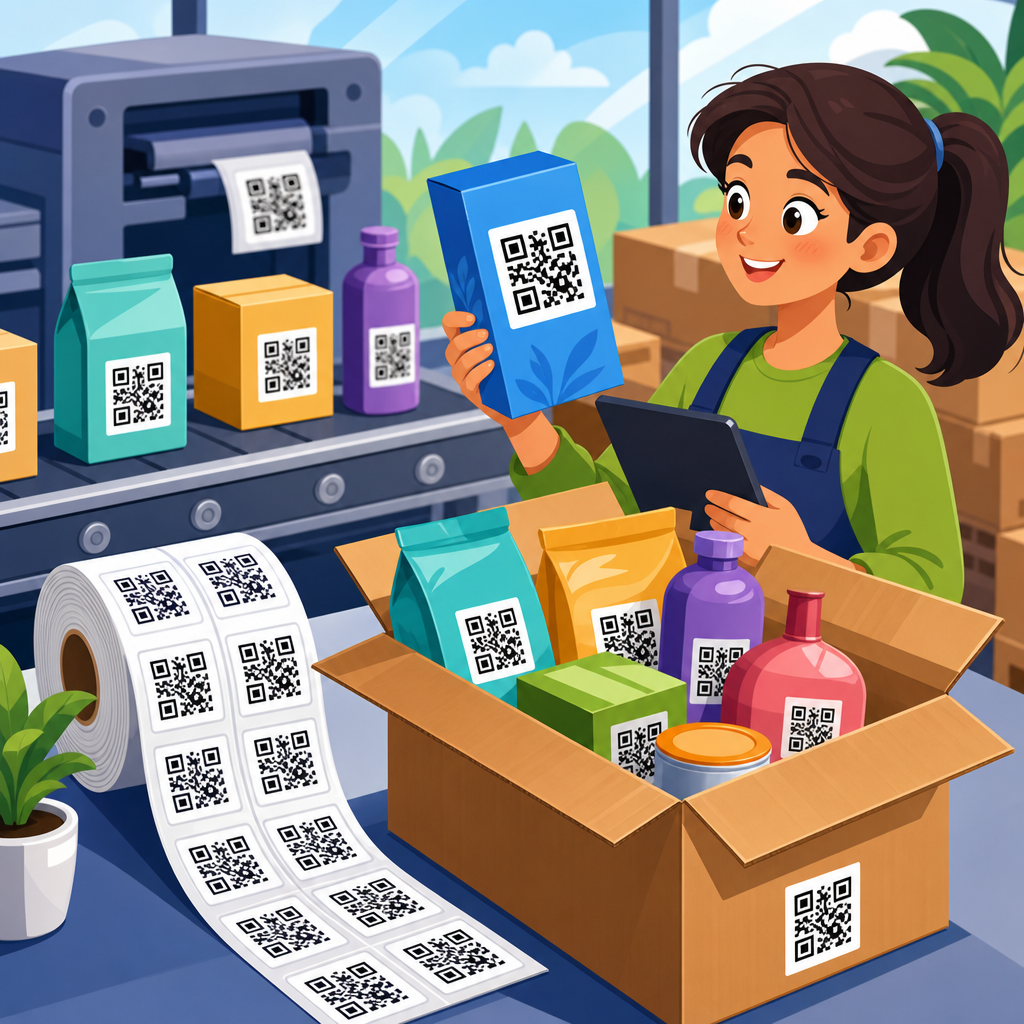
Print context matters. A code that scans perfectly on a laptop screen can fail on matte cardboard, curved bottles, reflective posters, or textured labels. Test using multiple phones, both iPhone and Android, at realistic distances and lighting conditions. For packaging, test prototypes after final finishing processes such as lamination or varnish. I have seen perfectly designed codes become unreliable after metallic ink and gloss effects introduced glare.
Destination experience matters too. A QR code should lead to a mobile-optimized page that loads quickly and matches the promise near the code. If the printed call to action says “View the menu,” do not send users to a homepage and force them to hunt. Clear alignment between code, call to action, and landing page consistently improves scan completion and downstream conversions.
Tracking should be intentional. Add UTM parameters for campaign analysis, but keep governance tidy so reports remain readable. Use naming conventions by channel, location, and date. For large programs, maintain an inventory sheet or platform folder structure showing owner, destination, print location, and retirement date. Branded QR codes are assets, not disposable graphics.
How to choose the right generator for your business
Start with your use case. If you need one branded code for a brochure, a simple design-focused generator may be enough. If you manage restaurant menus, retail displays, packaging, or field operations, choose a platform with dynamic editing and analytics. If multiple people will manage codes, prioritize permissions, folders, and clear audit trails. If codes must be created programmatically, shortlist vendors with stable APIs and documentation.
Then review ownership risk. Ask what happens if you downgrade, cancel, or exceed plan limits. Confirm export rights, redirect permanence, custom domain options, and data retention. For regulated industries or larger enterprises, ask about hosting, privacy controls, and security practices. A QR code may look simple, but the redirect layer can become business-critical infrastructure.
Next, run a controlled test. Create the same branded code in two or three shortlisted tools. Print them at intended sizes, place them in realistic environments, and compare ease of design, export quality, analytics clarity, and scan performance. This side-by-side test usually reveals more than feature lists do.
The best QR code generator with logo customization is the one that protects reliability while supporting branding, editing, and measurement over time. Use this hub as your starting point, then evaluate platforms against your actual workflow, print conditions, and reporting needs. Choose carefully, document your standards, and test every code before launch. That discipline will give you branded QR codes that look professional, scan quickly, and keep delivering value long after they are printed.
Frequently Asked Questions
What should I look for in the best QR code generators with logo customization?
The best QR code generators with logo customization should balance branding, scan reliability, ease of use, and long-term control. At a minimum, look for a platform that lets you upload your logo, adjust colors, choose frame styles, and customize the destination type, such as a website URL, PDF, vCard, app link, menu, or landing page. Good tools also provide enough error correction to keep the code scannable even after placing a logo in the center. That matters because adding a logo changes the code structure, and low-quality generators can produce designs that look attractive but fail in real-world scanning conditions.
You should also pay close attention to whether the generator supports dynamic QR codes. Dynamic codes allow you to change the destination later without reprinting the code, which is extremely useful for marketing campaigns, packaging, signage, and business cards. Analytics are another major advantage. Many top platforms show scan counts, device type, time, and sometimes location data, helping businesses measure campaign performance and customer engagement.
Other important factors include export quality, especially SVG, EPS, or high-resolution PNG formats for print use; team or brand management features; password protection or access controls; and compliance with privacy or enterprise requirements if you are using the codes at scale. In short, the best QR code generator is not just the one with the nicest design options. It is the one that helps you create branded codes that scan consistently, can be updated when needed, and fit into your broader marketing or operational workflow.
Does adding a logo to a QR code make it harder to scan?
Adding a logo can affect scannability, but when it is done correctly, a logo-customized QR code can still scan very reliably. QR codes are built with error correction, which means part of the code can be obscured or damaged while remaining readable by a smartphone camera. Reputable QR code generators use this error correction intelligently, allowing a logo to be placed in the center without breaking functionality. The problem usually appears when the logo is too large, the contrast is too low, or the design becomes overly stylized.
For best results, the QR code should maintain strong contrast between the foreground and background, usually dark shapes on a light background. The quiet zone, which is the blank space around the outer edges of the QR code, should also remain intact. Many failed scans happen not because of the logo itself, but because users crop the edges too tightly, use gradients that reduce contrast, or add decorative shapes that confuse scanners. It is also common to see problems when codes are printed too small or placed on reflective, curved, or poorly lit surfaces.
The safest approach is to use a trusted generator, keep the logo proportionate, select a high error correction level, and test the final code across multiple devices and camera apps before publishing it. A well-designed branded QR code should feel seamless to the end user. If the code looks polished and scans on the first try, the logo becomes an asset rather than a risk.
Are dynamic QR codes better than static QR codes for branded business use?
In most professional settings, dynamic QR codes are the better option because they offer flexibility, control, and measurement after the code has already been printed or distributed. A static QR code permanently stores the destination inside the code itself. That can work for simple, unchanging uses, but if the URL changes, the file is updated, or a campaign needs to point somewhere new, the code has to be replaced everywhere it appears. That creates unnecessary cost and friction, especially for packaging, posters, brochures, table tents, product labels, and storefront displays.
Dynamic QR codes solve that problem by using a short redirect that can be edited later in the generator dashboard. This means the physical code stays the same while the destination can be updated behind the scenes. For businesses using logo-customized QR codes as part of brand campaigns, this is a major advantage. It allows marketing teams to correct errors, swap landing pages, run seasonal promotions, localize content, or A/B test experiences without redesigning printed materials.
Dynamic codes also usually come with analytics, which is one of the biggest reasons businesses choose premium QR platforms. Being able to track scans over time turns a QR code from a passive graphic into a measurable channel. If your goal is long-term brand consistency and campaign optimization, dynamic QR codes are generally the smarter choice. Static codes still have value for simple permanent uses, but dynamic codes usually provide much better business utility.
How important are design features like colors, frames, and custom shapes in a QR code generator?
Design features are important, but they should support function rather than overpower it. Colors, frames, call-to-action labels, and custom shapes can improve brand consistency and increase scan rates when used thoughtfully. For example, adding a frame with text like “Scan to View Menu” or “Scan for Offer” gives users immediate context and often performs better than a plain code with no explanation. Brand-aligned colors can also make the QR code feel more intentional and integrated into packaging, signage, ads, or event materials.
That said, not every design enhancement is equally valuable. The most important design goal is still scan reliability. Some generators allow aggressive customization that may look impressive in a mockup but become unreliable in practice. Rounded dots, gradient fills, unusual eye patterns, or low-contrast color combinations can all introduce issues, especially in poor lighting or on older phone cameras. That is why the best QR code generators combine customization tools with scan-safe defaults and preview testing.
For most businesses, the ideal setup is moderate customization: use brand colors with strong contrast, include a clean logo, add a clear frame or CTA if appropriate, and export in a print-ready format. This creates a professional branded look without sacrificing usability. In other words, design features matter most when they improve recognition and engagement while preserving the core purpose of the code, which is fast, dependable scanning.
Which businesses benefit most from QR code generators with logo customization?
Almost any organization that uses offline-to-online engagement can benefit from QR code generators with logo customization, but the biggest gains typically appear in industries where trust, recognition, and repeated scanning matter. Retail brands use them on packaging, shelf displays, and in-store signage to drive customers to product pages, promotions, loyalty programs, or reviews. Restaurants use branded QR codes for digital menus, ordering, reservations, and feedback collection. Real estate teams place them on signs, brochures, and listing materials to connect prospects directly to property tours or agent contact information.
They are also highly effective for events, healthcare, education, hospitality, field services, and professional services. Event organizers use them for registration, schedules, venue maps, and sponsor activations. Hotels can direct guests to check-in pages, service requests, or local recommendations. Schools and training organizations use them for resource access, assignment links, or campus navigation. Sales teams and consultants often add branded QR codes to business cards, presentations, and print collateral to create a smoother path from first impression to action.
The logo component matters because it helps reinforce legitimacy and brand recall. When users see a recognizable brand mark inside a QR code, they are often more comfortable scanning it, especially in public spaces where trust matters. A customized code can also look significantly more polished than a generic black-and-white square, which makes a difference in customer-facing materials. For businesses that care about presentation, conversion, and brand control, logo-customized QR codes are not just a visual upgrade. They are a practical tool for making scannable experiences feel more credible, more measurable, and more aligned with the brand itself.