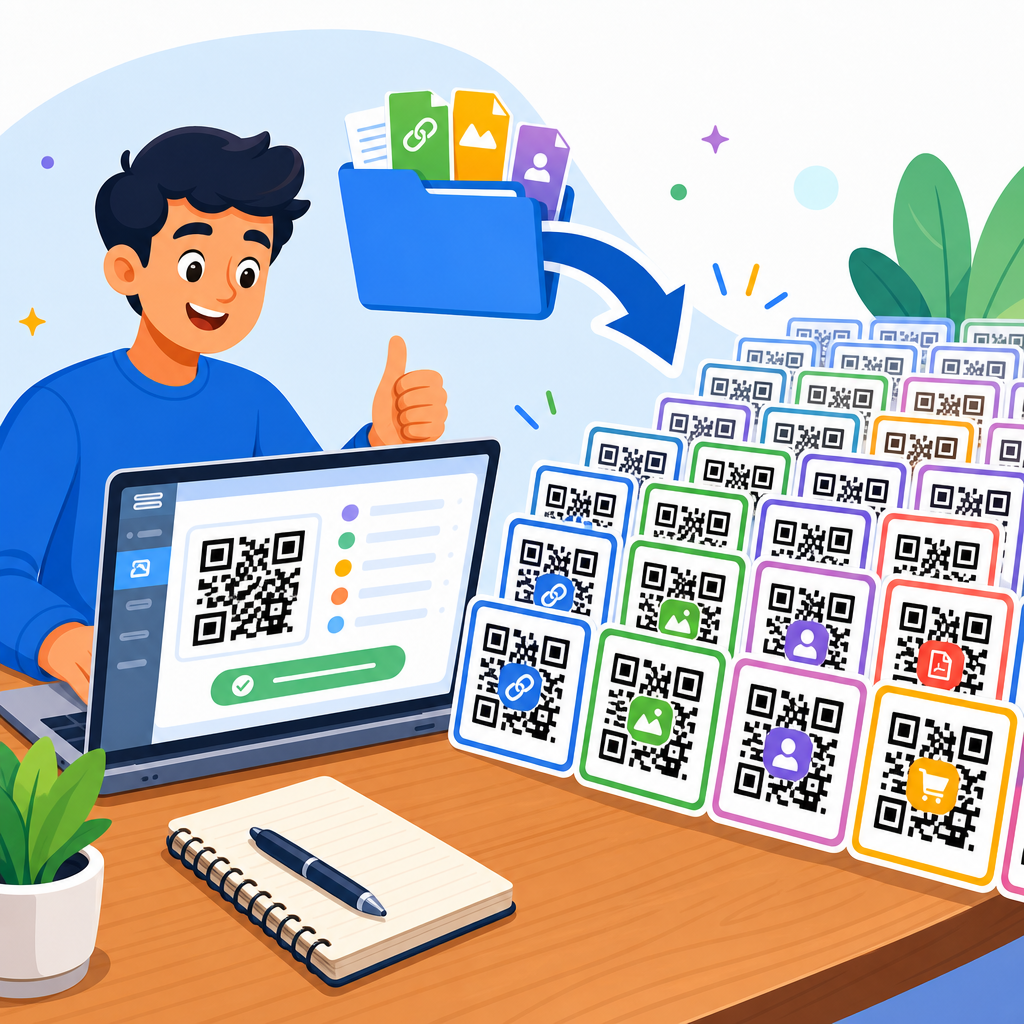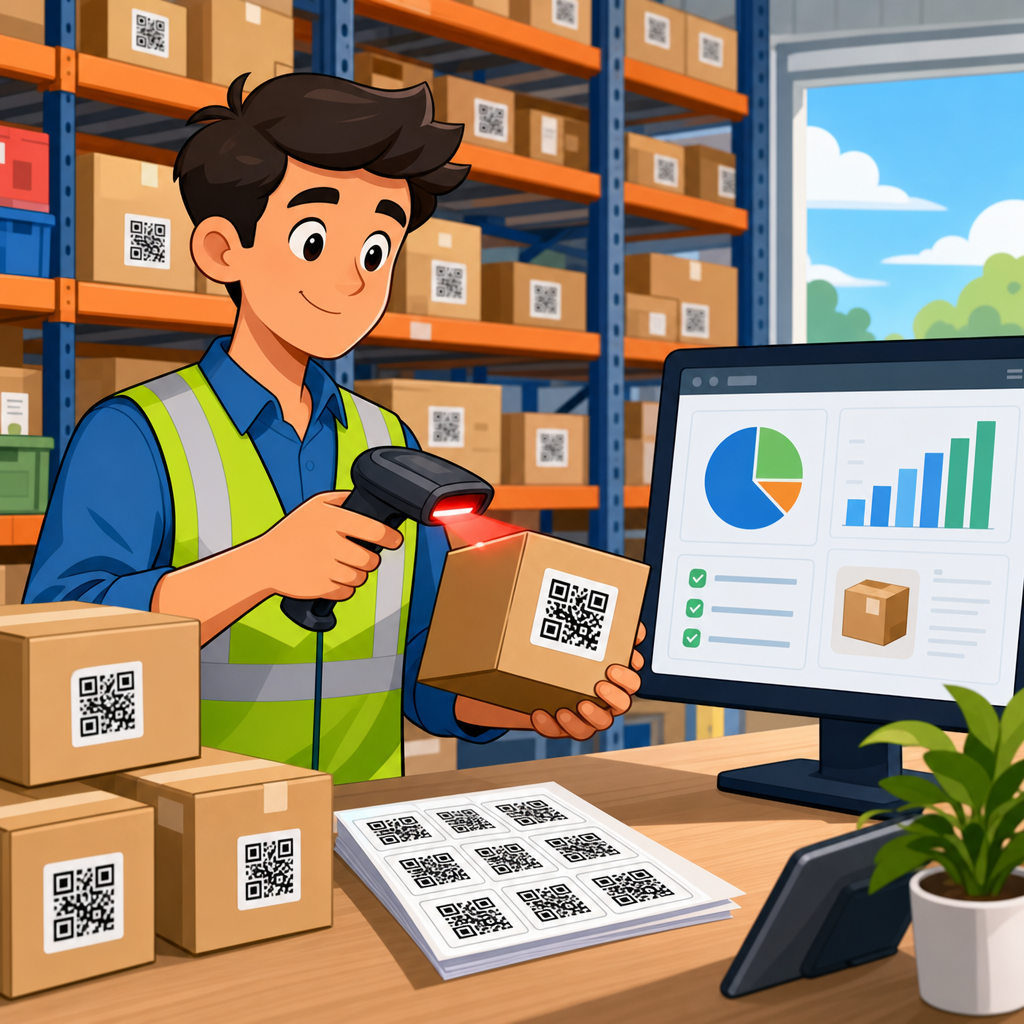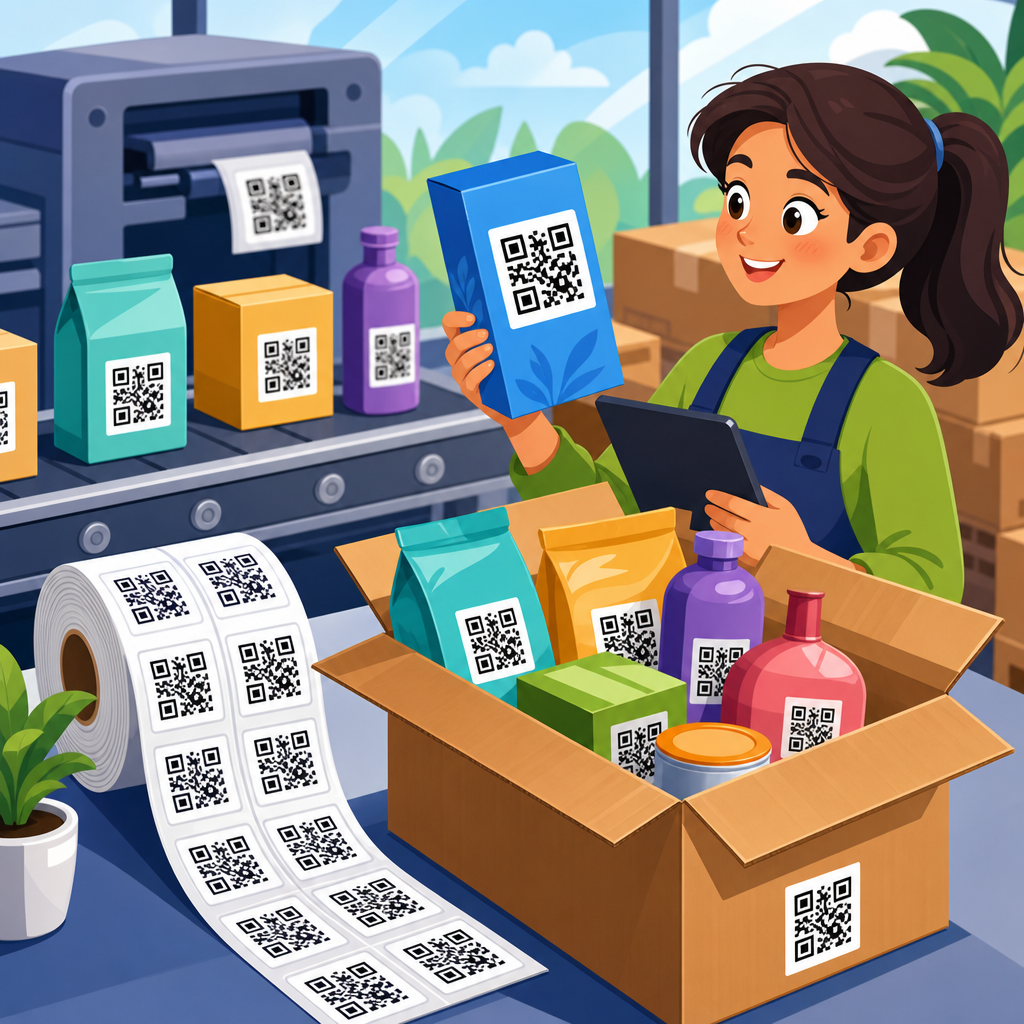
Bulk QR code creation has moved from a niche operational task to a core marketing, logistics, and product-labeling workflow. If you manage packaging runs, event badges, restaurant menus, retail shelf tags, direct mail, or asset tracking, generating one code at a time is inefficient and risky. The best QR code generators for bulk creation streamline production by letting teams create hundreds or thousands of codes from a spreadsheet, template, database export, or API. In practice, that means fewer manual errors, faster deployment, and easier governance when different departments need consistent branding, redirect rules, and scan analytics.
A bulk QR code generator is a platform that creates many QR codes in one batch rather than through individual manual entry. Some tools produce static codes, where the destination is permanently embedded. Others create dynamic codes, where the short URL or redirect can be edited later without reprinting the code. That distinction matters. Static codes are usually cheaper and simpler for long-term fixed destinations, while dynamic codes are essential when campaigns change, inventory moves, or compliance pages require updates. Teams comparing QR code generators also need to evaluate export formats, variable data support, folder structures, access controls, API coverage, and print-readiness.
I have used bulk QR platforms for packaging projects, conference operations, and serialized label programs, and the wrong choice always shows up later in production. A marketing-friendly interface may look fine in a demo, then fail when you need 20,000 unique codes tied to product SKUs, UTM parameters, and region-specific landing pages. A low-cost generator may export PNG files, but your print vendor may require SVG, EPS, or PDF with bleed-safe sizing guidance. This hub article explains the best QR code generators for bulk creation, how they differ, which use cases they fit, and what to prioritize before you commit.
What the Best Bulk QR Code Generators Must Do
The best platforms share a short list of non-negotiable capabilities. First, they support batch import from CSV, Excel, Google Sheets, or an API. Second, they let you map data fields to each code, such as URL, campaign name, serial number, vCard details, or Wi-Fi credentials. Third, they offer dependable export options, ideally including PNG for quick use and SVG, PDF, or EPS for professional printing. Fourth, they provide error correction controls and enough customization to preserve scan reliability while still matching brand requirements. Fifth, they include management features such as folders, tags, analytics, redirect editing, expiration rules, and team permissions.
Security and governance are often overlooked in reviews of QR code software. For enterprise use, they matter as much as design options. If a platform supports custom domains, SSO, audit logs, role-based access, and bulk redirect updates, it is much more suitable for organizations handling many stakeholders or regulated content. I also look for rate limits, API documentation quality, uptime commitments, and how the vendor handles deleted or archived codes. A platform may advertise unlimited generation, but if destination management is clumsy, operations become expensive in staff time. Good QR code management software reduces total workflow friction, not just initial code output.
Another critical requirement is realistic testing support. High-volume QR campaigns fail when code density is too high, contrast is weak, or logos occupy too much finder area. The best generators document minimum size recommendations, quiet zone requirements, and supported use cases for dynamic versus static codes. Some even include scan simulation, short-link health checks, or download packages named by source data so print teams can verify files quickly. For teams building a broader QR Code Creation & Tools stack, these details shape downstream success more than headline pricing.
Top Platforms for Bulk QR Code Generation
Several platforms consistently stand out for bulk QR code creation, but they serve different priorities. QR TIGER is strong for marketers who need dynamic QR codes in bulk, folder organization, editable destinations, and straightforward CSV workflows. Uniqode, previously Beaconstac, is particularly strong for enterprise programs because it combines bulk generation, security controls, analytics, API access, and integrations suited to larger teams. Bitly is not a pure QR-first platform, yet its QR capability is valuable when link management and branded short domains are already central to your campaigns.
Scanova remains a practical choice for organizations wanting dynamic codes, campaign management, and a clean interface without the complexity of a heavier enterprise suite. QR Code Generator Pro by Egoditor is well known, especially among marketing teams and agencies, because it supports branded designs, dynamic editing, and campaign analytics with a polished user experience. Me-QR and QR.io appeal to smaller businesses due to lower entry costs and easy setup, though teams should inspect export quality, analytics depth, and support responsiveness before using them in high-stakes print production.
For developers or operations teams, goQR, ZXing-based utilities, and custom API-led stacks can work when you need pure generation more than campaign management. However, these options often shift responsibility for hosting redirects, analytics, governance, and support onto your team. In real deployments, that tradeoff is acceptable for internal inventory systems or manufacturing labels, but less attractive for public-facing campaigns where marketers need self-service editing. The best option depends on whether your priority is print production, analytics, governance, API scale, or cost control.
| Platform | Best for | Bulk capability | Key strength | Main limitation |
|---|---|---|---|---|
| Uniqode | Enterprise teams | CSV, API, dynamic campaigns | Security, analytics, governance | Higher cost for small teams |
| QR TIGER | Marketing campaigns | Bulk dynamic QR from spreadsheets | Usability and campaign flexibility | Advanced enterprise controls vary by plan |
| Scanova | Mid-market operations | Batch generation and management | Balanced features and ease of use | Less extensive ecosystem than larger vendors |
| Bitly | Teams centered on link management | QR tied to short links and branded domains | Strong URL governance | Not as QR-specialized for print workflows |
| QR Code Generator Pro | Brand-focused teams | Bulk creation with design controls | Polished design and analytics | Pricing can rise with scale |
How Leading Tools Compare in Real Use Cases
For product packaging, dynamic QR codes are usually the safest choice because URLs, compliance pages, and promotional destinations change. I have seen manufacturers save reprint costs by using dynamic batches linked to SKU-specific landing pages that later redirected by region. In that environment, Uniqode and QR TIGER tend to perform well because batch management and editable destinations are central. If each code must correspond to a serial number or lot record, API support or structured CSV mapping becomes essential. A tool that only creates generic campaign codes will not handle serialized packaging programs cleanly.
For events, the priorities shift. Conference organizers often need unique QR codes for badges, check-in flows, lead retrieval, agenda links, or sponsor activations. Here, output speed, naming consistency, and easy download packaging matter more than deep enterprise controls. Scanova and QR Code Generator Pro are often easier for event teams to adopt quickly, while Bitly becomes useful when every code should align with a branded link structure. The operational question is simple: can staff generate, label, test, and distribute thousands of files without confusion the week before the event?
For asset tracking and internal operations, static QR codes can be enough if the destination is a stable internal URL or identifier. In warehouses and facilities, the emphasis is durability, readability, and cost efficiency rather than marketing analytics. Open-source or API-led tools may fit better here, especially when the QR image is only one part of a larger label generated by an ERP, WMS, or maintenance system. In these cases, a sophisticated campaign dashboard matters less than deterministic output and integration reliability. Matching the platform to the operational context prevents overbuying and underdelivering.
Static vs Dynamic Bulk QR Codes
One of the most common questions buyers ask is whether static or dynamic QR codes are better for bulk creation. The answer is straightforward. Static codes are better when the destination never changes, there is no need for scan analytics, and long-term independence from a subscription matters. Dynamic codes are better when you need editable redirects, campaign reporting, A/B testing, geolocation rules, device-based routing, or scan troubleshooting. For most customer-facing bulk QR programs, dynamic wins because it protects against future change.
That said, dynamic codes create platform dependency. If your vendor subscription lapses or the redirect service degrades, scans may stop working or become less manageable. This is why I recommend reviewing service terms, export ownership, and custom domain support before purchasing. A custom domain gives you more control over link continuity and brand trust. It also reduces the risk that a generic short domain becomes flagged or unfamiliar to users. Static QR codes avoid those concerns, but they transfer risk in another way: any URL mistake, campaign shift, or compliance update requires reprinting.
The practical rule is to choose static for durable internal labels, permanent educational resources, and fixed URLs that are unlikely to change. Choose dynamic for marketing, packaging, support flows, menus, and anything regulated or seasonal. Many organizations ultimately use both. Their best QR code generator for bulk creation is the one that handles each mode clearly, lets teams separate governance rules, and makes it obvious which codes are safe to print permanently.
Features That Matter Most Before You Buy
Bulk generation speed alone should not determine your decision. The better evaluation criteria are variable data handling, file output quality, redirect management, analytics clarity, and administrative control. If your spreadsheet has columns for URL, filename, campaign, product, market, and owner, the platform should map those fields predictably and preserve that naming through exports. This sounds minor until you hand 8,000 image files to a printer or operations team. Clean filenames and metadata save hours and reduce costly mix-ups.
Analytics should be specific enough to guide decisions, not just decorative. Strong tools report scans over time, device type, approximate geography, and campaign source, while also accounting for bot filtering and duplicate scans where possible. Branded customization is useful, but readability comes first. Reliable generators enforce contrast, quiet zones, and logo-size limits. On print projects, I prefer vector exports and documented minimum size guidance. If a vendor cannot explain how its styled codes hold up on corrugated packaging, glossy menus, or outdoor signage, that is a warning sign.
Support quality is another hidden differentiator. When bulk QR production goes wrong, it often happens close to launch. Responsive support, implementation help, and clear documentation can be more valuable than a minor price difference. Teams should also review integrations with Zapier, HubSpot, Salesforce, Google Analytics, and warehouse or product information systems where relevant. The broader your QR Code Generators reviews and comparisons process, the more obvious it becomes that success depends on workflow fit, not feature count alone.
How to Choose the Right Generator for Your Team
Start by defining volume, ownership, and lifecycle. Ask how many codes you need per batch, who edits destinations, how long the codes must stay active, and whether public analytics are required. A local restaurant chain updating seasonal menus has very different needs from a medical device manufacturer managing multilingual instructions for use. Once that scope is clear, shortlist platforms by deployment model: self-serve SaaS for speed, enterprise SaaS for governance, or API-first infrastructure for deep integration.
Next, run a realistic pilot. Use actual spreadsheet fields, actual print dimensions, and actual landing pages. Test scan performance on older Android phones, newer iPhones, low light, glossy material, and moderate distance. Verify that export naming, foldering, and redirect editing work as expected. Review how the platform handles mistakes. Can you bulk pause codes, swap destinations, export analytics, or reassign ownership without creating duplicates? The best pilot reveals these operational details before procurement and design teams are fully committed.
Finally, compare total cost, not just subscription price. Include staff time, support needs, custom domain setup, API usage, analytics retention, and reprint risk. The best QR code generator for bulk creation is the one that remains reliable after launch, when teams need to update destinations, answer scan-performance questions, and maintain order across many campaigns. If you are building out your broader QR Code Creation & Tools program, use this page as the hub for deeper reviews, side-by-side comparisons, and implementation guides tailored to specific industries.
Choosing among the best QR code generators for bulk creation comes down to operational fit. Uniqode leads for enterprise governance and scale, QR TIGER is especially effective for marketing-led dynamic campaigns, Scanova offers a balanced mid-market option, Bitly makes sense when link management is already central, and QR Code Generator Pro serves teams that care deeply about branded execution. Smaller or developer-focused tools can also work, but only when their limitations match the use case. Bulk QR creation is not just about making many codes quickly; it is about maintaining accuracy, flexibility, and scan reliability across the full lifecycle.
The safest buying approach is to evaluate static versus dynamic needs first, then confirm spreadsheet mapping, export quality, analytics, and administration. If you print at scale, insist on vector output and test on real materials. If you manage public campaigns, prioritize editable redirects, custom domains, and governance. If you run internal labels, integration and deterministic output may matter more than dashboard polish. Those priorities will usually narrow the field faster than any generic top-ten list.
Use this hub as your starting point for QR Code Generators reviews and comparisons within the larger QR Code Creation & Tools category. Build a shortlist, run a pilot with real data, and choose the platform that supports your workflow after launch, not just during setup. That is how bulk QR code programs stay efficient, accurate, and durable.
Frequently Asked Questions
What is a bulk QR code generator, and how is it different from a standard QR code tool?
A bulk QR code generator is a platform designed to create large numbers of QR codes in a single workflow instead of requiring users to build each code one at a time. Standard QR code tools are usually fine for occasional use, such as making a single code for a website, PDF, or menu. But when a business needs hundreds or thousands of unique QR codes for packaging, event credentials, product labels, shelf tags, mailers, or asset management, manual generation quickly becomes slow, inconsistent, and error-prone.
The key difference is automation and scalability. Bulk QR code generators typically let teams upload a spreadsheet, import a CSV file, connect to a database, use a template, or generate codes through an API. Each row of data can produce a unique QR code tied to a specific URL, serial number, product ID, attendee profile, location, or campaign parameter. This makes the process much more efficient and reduces the chance of naming mistakes, duplication, or missed records.
Many of the best tools also include production-focused features such as batch export, variable data handling, naming conventions, design controls, dynamic QR options, scan analytics, and print-ready output formats. In real-world operations, those features matter because bulk creation is rarely just about making images. It is about maintaining data accuracy, keeping branding consistent, and ensuring every code works correctly across packaging runs, promotional campaigns, logistics workflows, and customer-facing materials.
Which features matter most when choosing the best QR code generator for bulk creation?
The most important features depend on how your team will use the codes, but a few capabilities consistently separate basic tools from strong bulk QR code platforms. First, look for flexible import methods. A good platform should support CSV or spreadsheet uploads at minimum, and ideally also offer API access, template-based generation, or integrations with systems your team already uses. This is essential if you are managing ongoing workflows rather than a one-time batch.
Second, evaluate data handling and output controls. The platform should let you map fields cleanly, generate unique codes from variable data, and export in formats that match your production environment, such as PNG, SVG, PDF, or ZIP batches. For teams printing labels, product packaging, badges, or in-store signage, vector exports and high-resolution output are especially important. If naming conventions and file organization matter to your operation, batch labeling and structured downloads can save significant time.
Third, consider whether you need static or dynamic QR codes. Dynamic QR codes allow you to change the destination after printing, which is valuable for marketing campaigns, product updates, redirect management, and scan analytics. Static codes can be better for permanent use cases where simplicity and long-term independence are priorities. The best bulk tools clearly support both and make it easy to understand the tradeoffs.
Finally, pay close attention to validation, reliability, and user permissions. Error checking during upload, duplicate prevention, scan testing, and role-based access controls are all highly useful in team environments. If multiple departments are creating QR codes at scale, governance matters. A platform that helps prevent bad URLs, malformed data, or inconsistent code styles can reduce costly reprints and operational mistakes.
Are dynamic QR codes better than static QR codes for bulk creation projects?
Dynamic QR codes are often the better choice for bulk creation projects, but not always. Their biggest advantage is flexibility. With a dynamic QR code, you can print thousands of labels, mail pieces, or product inserts and still change the destination later without replacing the physical code. That is extremely useful for campaigns that evolve over time, products with changing documentation, regional offers, event scheduling updates, or customer support resources that may move to a new URL.
Dynamic codes also tend to support scan tracking, device-level insights, time-based reporting, and campaign analysis. For marketing teams, this is a major advantage because it turns QR code deployment into a measurable channel. In bulk scenarios, that visibility becomes even more valuable because teams can compare performance across locations, product lines, stores, versions, or audience segments using unique codes generated from a shared template.
That said, static QR codes still have a place. They are generally simpler, often require no ongoing subscription, and are useful when the destination will never need to change. Examples include permanent equipment tags, internal references, fixed product IDs, or manufacturing use cases where the QR code encodes data directly rather than pointing to a managed short link. For some organizations, static codes also reduce dependence on a third-party platform for long-term access.
The right answer depends on the lifecycle of the printed item and the level of control you need after distribution. If your project benefits from redirects, analytics, or destination updates, dynamic QR codes are usually the stronger option. If permanence, simplicity, and self-contained data matter more, static codes may be the better fit. The best bulk QR code generators make both options practical and let teams choose based on operational needs rather than forcing a one-size-fits-all approach.
How do businesses avoid errors when generating QR codes in bulk?
Avoiding errors in bulk QR code generation starts with clean source data. Before creating any codes, businesses should validate spreadsheet columns, standardize URL formatting, confirm product IDs, and remove duplicates. Even a strong QR platform cannot fully compensate for messy inputs. If one row contains a broken link, wrong SKU, or typo in a destination path, that mistake can scale across an entire print run. For that reason, data review is just as important as the code generation tool itself.
The next step is to use platforms that include batch validation and preview controls. A reliable bulk QR code generator should allow users to map fields carefully, inspect sample outputs, and catch formatting problems before exporting thousands of files. Some tools also flag invalid URLs, unsupported characters, or repeated entries. These safeguards are especially valuable in workflows involving multiple departments, agencies, or data sources.
Testing is another critical layer. Businesses should scan a representative sample before approving production, ideally across multiple devices and lighting conditions. If the codes will be printed on labels, packaging, badges, or mailers, test scans should reflect real-world size, materials, contrast, and placement. A QR code that works on a computer screen may fail if printed too small, distorted by glossy packaging, or placed on a curved surface. Bulk creation success depends not just on correct data, but also on practical scan performance.
Finally, organizations should document their workflow. That includes version control for source files, clear naming structures for exported assets, approval checkpoints, and ownership of final QA. In large-scale use cases, process discipline prevents confusion and helps teams trace any issue back to its source quickly. The best bulk QR code tools support this by offering organized exports, audit-friendly workflows, and integrations that reduce manual handling between creation and deployment.
What types of teams and use cases benefit most from bulk QR code generation?
Bulk QR code generation is especially valuable for teams that manage high-volume physical or customer-facing materials. Marketing departments use it for personalized direct mail, campaign tracking, print advertising, and regional promotions. Event teams rely on bulk generation for attendee badges, check-in systems, schedule links, sponsor activations, and venue navigation. Restaurants and hospitality groups use it to update menus, property guides, table identifiers, and guest service resources at scale.
Retail and product teams also benefit significantly. Bulk QR codes can connect shelf tags to product pages, packaging to setup guides, labels to warranty information, or in-store displays to promotions. Manufacturers use them for serial tracking, work-in-progress visibility, compliance labeling, and documentation access. Logistics and operations teams depend on them for asset tracking, inventory workflows, location mapping, and handoff processes. In each of these examples, the real value comes from generating many unique codes quickly while preserving consistent formatting and dependable data relationships.
Large organizations are not the only ones that benefit. Small businesses and growing brands can also save time and reduce risk by moving away from one-by-one generation. If a team is launching multiple SKUs, running segmented campaigns, or printing variable data at scale, bulk creation often becomes the more practical and more accurate approach. It also makes future scaling easier because the workflow is already structured around templates, imports, and repeatable processes.
In short, any organization that needs speed, consistency, and traceability across many QR codes should consider a bulk-first tool. The more records, variants, locations, or printed assets involved, the more valuable that approach becomes. Instead of treating QR code creation as a repetitive manual task, businesses can turn it into a reliable production workflow that supports marketing performance, operational efficiency, and long-term scalability.