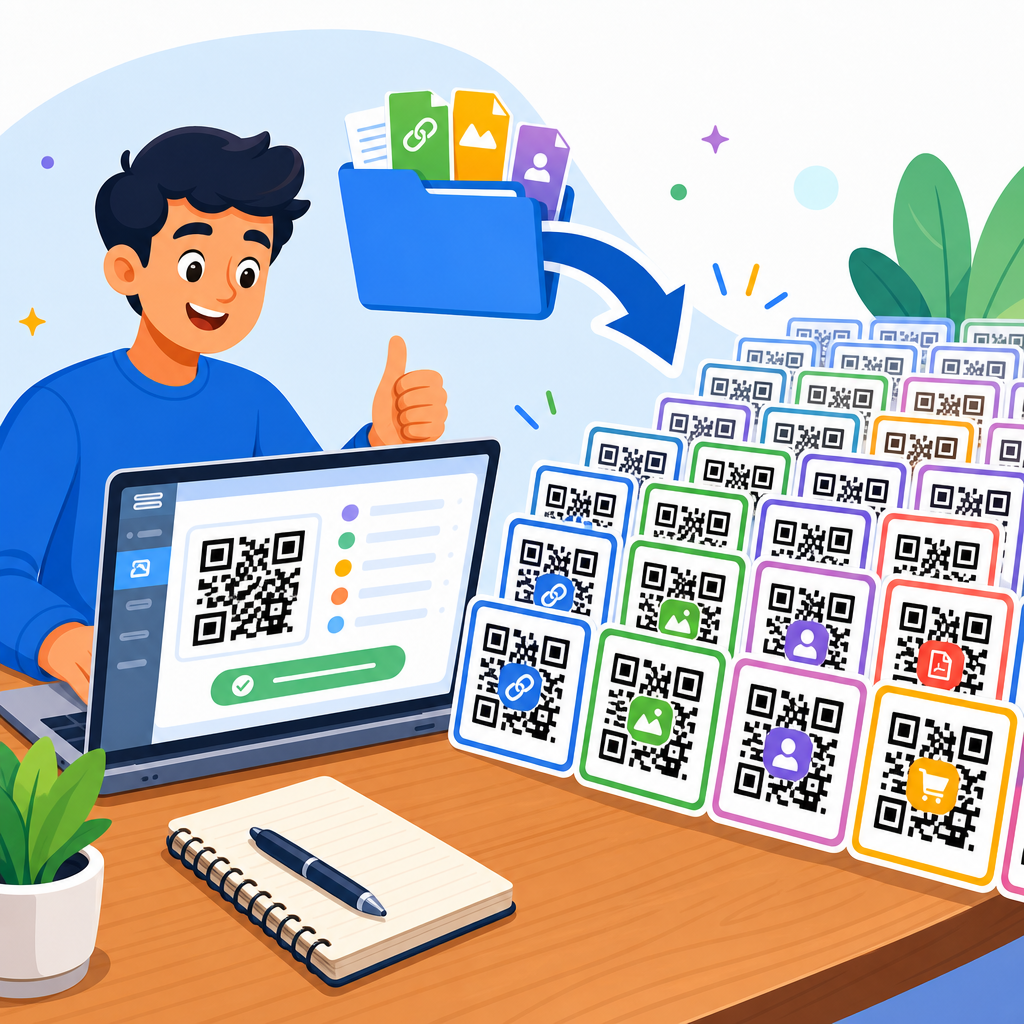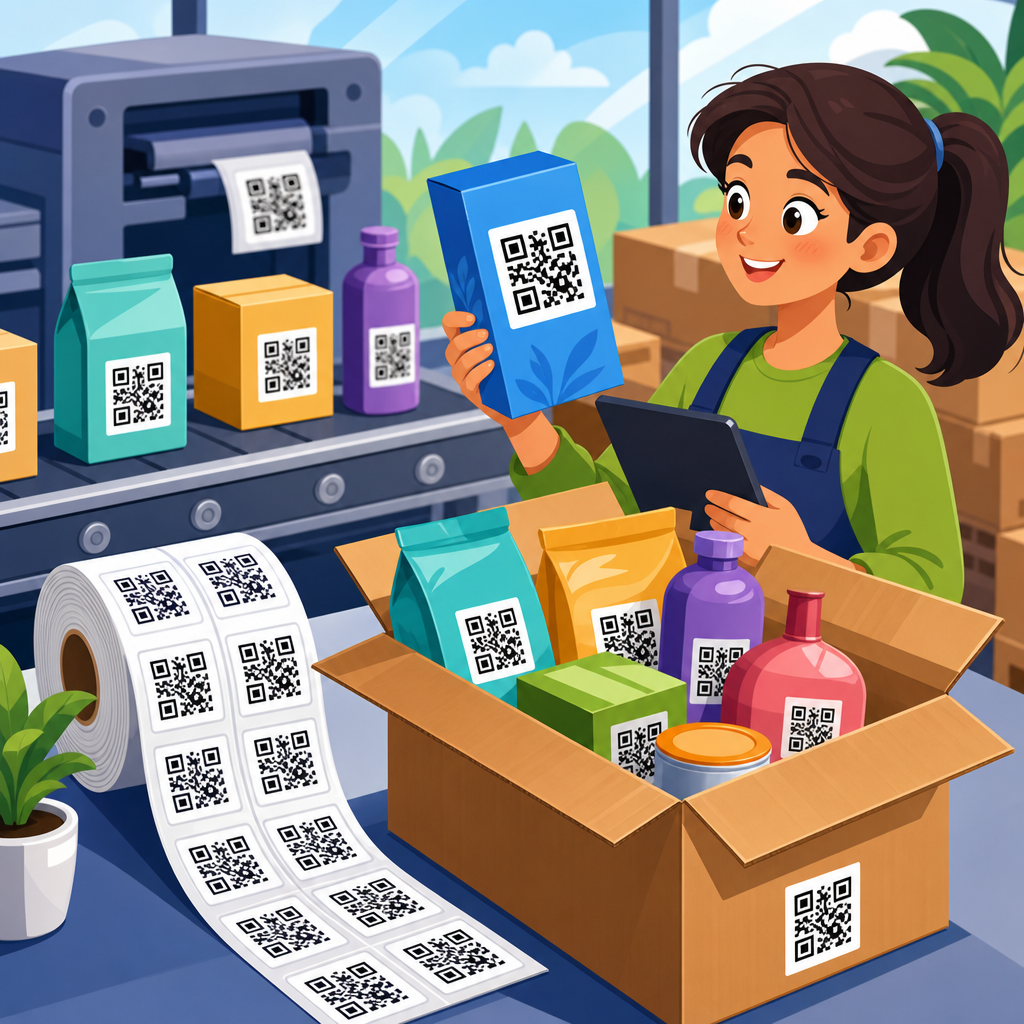
Choosing the best QR code generators for agencies is not a minor software decision; it affects campaign tracking, client reporting, brand control, security, and how quickly a team can launch creative across print, packaging, events, retail, and paid media. In agency work, a QR code generator is more than a tool that turns a URL into a square image. It is a platform for creating static and dynamic QR codes, assigning destinations, customizing design, organizing assets, setting expiration rules, managing access for multiple stakeholders, and measuring scans in a way clients can understand. I have used QR platforms for product launches, restaurant menus, direct mail drops, real estate brochures, and out-of-home campaigns, and the difference between a basic generator and an agency-ready system becomes obvious fast. Agencies need reliability, white-label presentation, permissions, analytics, bulk creation, and integrations with design and reporting workflows. They also need confidence that a code printed on ten thousand mailers will still resolve correctly months later. This hub article reviews the leading categories of QR code generators for agencies, explains what features matter most, compares common options, and shows how to choose the right platform based on client volume, campaign complexity, and reporting needs.
What agencies should look for in a QR code generator
The best QR code generator for agencies combines creative flexibility with operational control. At minimum, agencies should separate static from dynamic QR codes. Static codes hard-code the destination and cannot be edited after printing. Dynamic codes route through a short URL managed by the platform, which means you can change the destination later, add UTM parameters, pause campaigns, or redirect traffic by geography or device. For agency work, dynamic codes are usually essential because client requirements change after assets are already live. If a restaurant updates its menu link, a retailer swaps a landing page for a seasonal promotion, or an event organizer changes registration software, dynamic routing prevents expensive reprints.
Analytics quality matters just as much as generation. Useful platforms show scans over time, approximate location by IP, device type, operating system, and referral context. The strongest tools make it easy to isolate scans by campaign and export results for client reports. Agencies should also evaluate team features: folders, naming conventions, user roles, approval flows, and account hierarchies. A freelancer running five local clients can work inside one shared workspace. A mid-size agency handling fifty accounts needs cleaner separation. Branding controls are another priority. Some platforms support custom domains for dynamic links, logo insertion, frame templates, color editing, and downloadable vector files such as SVG, EPS, or PDF for print production. Without those options, design teams end up rebuilding assets or compromising readability.
Security and durability should not be overlooked. Reliable QR code generators use HTTPS redirects, maintain strong uptime, and provide clear ownership of codes if an employee leaves or a contract ends. I always check whether codes stop working when a subscription lapses, because some platforms tie dynamic redirects directly to billing status. Agencies should also ask about password protection, access logs, API support, bulk upload, and integrations with Google Analytics 4, Zapier, Canva, HubSpot, or Bitly. These details determine whether the tool becomes a repeatable part of the agency stack or just another isolated app.
Leading types of QR code generators agencies use
Agency buyers usually encounter four broad categories of QR code generators. First are design-forward all-purpose platforms such as QR Code Generator Pro, Flowcode, and Beaconstac, which emphasize branded dynamic codes, analytics, templates, and polished user interfaces. These are often the fastest fit for marketing agencies because they balance usability with campaign reporting. Second are enterprise engagement platforms such as Uniqode, formerly Beaconstac in some market comparisons, where security controls, integrations, and large-scale management are more advanced. These suit agencies running high volumes across franchise networks, healthcare, financial services, or regulated environments.
Third are simple low-cost generators such as QRCode Monkey, ME-QR, or The QR Code Generator alternatives that excel for one-off production tasks. They are useful when an agency needs a static code quickly or a designer wants a visually customized asset without committing to a larger platform. The tradeoff is usually thinner analytics, fewer governance features, or limited white-labeling. Fourth are adjacent tools with QR features built into broader ecosystems, including Bitly, Canva, Adobe Express, and link management platforms. These can be practical for lightweight use, but they rarely match dedicated QR systems for batch operations and campaign governance.
In practice, agencies often use more than one type. A creative team may generate static codes in QRCode Monkey for packaging mockups while account managers maintain live campaign codes in Uniqode or QR Code Generator Pro. That hybrid model works if ownership is documented. Problems arise when codes are spread across personal logins, unpaid plans, and disconnected workspaces. The best agency setup standardizes one primary platform for all client-facing dynamic campaigns and uses secondary tools only for internal design exploration.
Top platforms compared for agency needs
Several names consistently appear when agencies compare QR code generators. Uniqode stands out for enterprise readiness, dynamic code management, and broad use cases across marketing, operations, and customer experience. It supports bulk creation, team management, and strong analytics, making it suitable for agencies with many active clients. QR Code Generator Pro is widely recognized and easy for clients to understand; its interface is approachable, design controls are solid, and it works well for agencies that need rapid deployment without heavy training. Flowcode is particularly strong for marketers focused on conversions and mobile-first campaigns. Its analytics and user experience are polished, and many agencies like its straightforward code creation for events, creators, and retail activations.
Beaconstac has long been favored in discussions of scalable dynamic QR code management, especially where integrations and security matter. Bitly is not a pure QR specialist, but agencies already using it for link management may appreciate having QR generation connected to branded short links. QRCode Monkey remains popular for free static design work because it exports high-resolution files and allows logo customization. However, it is not the strongest choice for serious multi-client reporting. Canva and Adobe Express are convenient for design teams producing posters, flyers, menus, and social assets, but their QR capabilities serve best as extensions of design workflows rather than full campaign systems.
| Platform | Best for | Main strengths | Main limitation |
|---|---|---|---|
| Uniqode | Agencies with many clients and dynamic campaigns | Bulk creation, analytics, security, team controls | Higher cost than simple tools |
| QR Code Generator Pro | General marketing agencies | Easy interface, branding options, dynamic codes | Advanced governance may be lighter than enterprise tools |
| Flowcode | Conversion-focused campaigns and events | Strong mobile experience, polished analytics | May be less flexible for complex account structures |
| Bitly | Teams already managing branded links | Link management plus QR in one platform | QR features are not as deep as dedicated platforms |
| QRCode Monkey | Free static design production | Custom styling, high-resolution exports | Limited agency reporting and workflow features |
No platform wins every category. The right choice depends on whether the agency values analytics depth, white-label presentation, design flexibility, compliance controls, or low cost. For most retained client work, a paid dynamic platform is worth the investment because reprinting collateral due to a broken or outdated destination is far more expensive than software fees.
Features that matter most in real client campaigns
Agencies often underestimate how many details affect QR performance after launch. File format support is one example. Designers usually need SVG or EPS for large-format print, while social teams may prefer PNG for digital use. Error correction is another overlooked setting. Higher error correction allows for logo overlays and some physical damage tolerance, but it also increases code density. On small labels or business cards, a dense code can become harder to scan. The best generators balance customization with technical safeguards so the design stays readable.
Destination flexibility is critical. Strong platforms let you point a code to a website, app store page, PDF, vCard, Wi-Fi login, form, coupon, video, or multi-link landing page. For agencies, redirect rules matter even more. A single code on product packaging might route to different content for the United States and Canada, or switch from pre-launch signup to post-launch purchase once inventory is live. Platforms with scheduled redirects and editable targets save time and protect campaign continuity.
Reporting should go beyond vanity metrics. Scan counts alone do not prove business impact. Agencies should connect QR traffic to GA4 events, CRM submissions, ecommerce sessions, or point-of-sale redemptions. For one retail client, we used dynamic QR codes on window signage and in-store shelf talkers, then matched scan trends against daily store promotions and campaign dates. The scans were helpful, but the real value came from seeing which product pages produced add-to-cart events. That level of visibility turns the QR code from a creative add-on into a measurable acquisition channel.
Account structure also matters in agency operations. Shared logins create risk, especially when staff turnover happens. The better approach is role-based access with client-specific folders, documented naming rules, and ownership under a master agency account. If clients request transfer at offboarding, the platform should support that cleanly. Agencies should test this process before standardizing a vendor.
How to match the platform to your agency model
A small creative studio serving local businesses can prioritize ease of use, attractive customization, and affordable dynamic codes. In that case, QR Code Generator Pro or Flowcode may be enough. A performance marketing agency managing QR codes across direct mail, packaging inserts, event booths, and franchise locations will usually need stronger analytics exports, APIs, and team permissions, making Uniqode or another enterprise-grade option more appropriate. If the agency primarily delivers design files and not ongoing campaign management, QRCode Monkey or Canva can still have a place for static production work.
The client mix should guide the decision. Restaurants need editable menu links and table-specific tracking. Real estate teams benefit from property-level dynamic codes that can be redirected when listings change. Healthcare clients may require stricter governance and caution around protected data, so using QR codes only as entry points to secure web flows is wiser than embedding sensitive information. Event marketers often need high scan reliability, short setup times, and live analytics by venue or asset type. Retail brands care about print durability, UTM consistency, and redirect flexibility during promotions. The more varied the use cases, the more valuable centralized campaign controls become.
Budget should be considered in terms of total campaign cost, not software line items alone. If a dynamic platform prevents one reprint of posters, menus, packaging sleeves, or trade show signage, it may pay for itself. I advise agencies to estimate expected client volume, required seats, number of live dynamic codes, and reporting frequency for the next twelve months. That forecast reveals whether a basic plan will become restrictive within a quarter.
Common mistakes agencies make when choosing QR tools
The most common mistake is selecting a generator based only on how the code looks. Visual customization matters, but scan reliability matters more. Dark foreground on light background, proper quiet zone spacing, tested print size, and realistic logo placement are nonnegotiable. Another mistake is using free personal accounts for client assets. That creates ownership confusion and can strand live campaigns when someone leaves the team. Agencies also fail when they skip physical testing. A code that scans perfectly on a laptop screen may fail on corrugated packaging, glossy restaurant tables, or a billboard viewed from several feet away.
Another frequent problem is poor measurement design. If every QR code points to the same bare URL without UTM discipline, the agency loses the ability to compare placements. Naming conventions should include client, campaign, asset type, location, and date. Redirect governance is equally important. Before launching dynamic codes, define who can edit destinations, who approves changes, and how updates are logged. Finally, agencies should verify subscription terms. Some vendors limit analytics history, export access, or the number of dynamic redirects per plan. Read the details before rolling the platform out to multiple clients.
Final recommendations for building your agency QR stack
The best QR code generators for agencies are the ones that support repeatable delivery, not just code creation. If your agency manages live campaigns and client reporting, choose a platform built around dynamic QR codes, analytics, access control, and branded exports. Uniqode, QR Code Generator Pro, and Flowcode are strong starting points because they cover the needs most agencies encounter in real work. If your team already relies heavily on branded short links, Bitly can be a sensible bridge. For purely static design production, QRCode Monkey remains useful, but it should not be the backbone of a multi-client program.
As a hub within QR Code Creation and Tools, this article should guide your broader evaluation process. From here, agencies should dive deeper into platform-specific reviews, pricing breakdowns, dynamic versus static QR code strategy, QR code design best practices, and campaign analytics implementation. The right stack depends on your clients, but the selection criteria are consistent: reliable dynamic routing, clear reporting, production-ready file exports, secure ownership, and workflows your team will actually use. Standardize one primary platform, document your naming and testing process, and connect scans to outcomes that clients value. That approach turns QR codes from a commodity graphic into a managed marketing channel. Audit your current toolset, shortlist two or three vendors, and run a live campaign trial before you commit.
Frequently Asked Questions
What should agencies look for in a QR code generator beyond basic code creation?
Agencies should evaluate a QR code generator as a campaign operations platform, not just a utility for turning links into scannable images. The most important distinction is whether the platform supports dynamic QR codes, which allow the destination URL or content to be updated after launch without reprinting the code. That matters for client work because creative timelines, landing pages, promotions, and tracking requirements often change after assets have already gone live in print, retail, direct mail, packaging, events, or out-of-home placements.
Beyond dynamic functionality, agencies should look for strong campaign management features. That includes folder structures, naming conventions, asset organization, bulk generation, downloadable file formats suitable for designers, and the ability to manage large volumes of codes across multiple clients and campaigns. A platform should also support brand customization, such as frame options, color control, logo placement, and scan reliability testing, so the finished QR code aligns with client brand standards without sacrificing performance.
Analytics and reporting are equally critical. The best QR code generators for agencies provide scan data, timestamps, device or operating system insights, location reporting where available, and easy export options for client reporting. If the platform integrates with analytics tools, CRM systems, tag managers, or marketing automation software, that can save a significant amount of manual work and improve attribution. Finally, agencies should review security, user permissions, white-label capabilities, uptime, redirect speed, and compliance standards. In practice, the best solution is the one that helps a team launch faster, report more clearly, maintain brand consistency, and reduce operational risk across many clients at once.
Why are dynamic QR codes so important for agency campaigns?
Dynamic QR codes are important because they give agencies flexibility after a campaign is already in market. With a static QR code, the destination is fixed forever. If a landing page changes, a product goes out of stock, a tracking link needs to be updated, or a campaign must be redirected to a new offer, the code itself becomes unusable unless the creative is reprinted or redistributed. That can be expensive and disruptive, especially for agencies managing print collateral, packaging, storefront signage, event materials, and paid media placements that cannot be easily replaced.
A dynamic QR code solves that problem by acting as an editable layer between the code and the final destination. Agencies can update URLs, swap landing pages, pause campaigns, apply expiration rules, route scans by time or location, and preserve the same physical code in market. This is especially useful in client environments where approvals are slow, campaign variables shift late, or multiple stakeholders need room to make changes after launch. It also allows agencies to test creative and optimize performance over time instead of being locked into one fixed destination.
Dynamic functionality also improves measurement. Since the QR code routes through a managed platform, agencies can collect scan analytics and create more accurate client reporting. That means scan volume, engagement timing, and campaign comparisons become easier to track across channels. For agencies, that combination of agility and data is the real value. Dynamic QR codes do not just provide convenience; they protect budgets, preserve campaign continuity, and make client work more adaptable in the real world.
How important are analytics and reporting features in a QR code generator for agencies?
Analytics and reporting are central to agency value because clients rarely want just a QR code; they want proof that the campaign performed. A strong QR code generator should help agencies move beyond “the code was scanned” to a more useful understanding of how and when engagement happened. Depending on the platform, that may include total scans, unique scans, scan timing, geography, device type, operating system, and performance trends over a campaign period. These insights help agencies evaluate creative placement, audience response, and landing page effectiveness.
For client reporting, usability matters almost as much as the data itself. Agencies benefit from dashboards that are easy to navigate, exports that can be shared with stakeholders, and filters that allow performance to be segmented by client, campaign, market, or date range. Some platforms also support UTM parameter management, integrations with analytics suites, or API access, which can make it easier to connect QR performance to broader campaign reporting. That is especially valuable when agencies need to tie scans to lead generation, purchases, event registrations, or in-store actions.
Good reporting also supports optimization. If one placement drives stronger engagement than another, or scans spike during certain time windows, agencies can adjust media, creative, and offers accordingly. Over time, those insights improve strategic recommendations and strengthen client trust. In a competitive agency setting, analytics are not a nice extra feature. They are part of how teams demonstrate impact, justify spend, and turn a QR code from a simple asset into a measurable marketing channel.
Can agencies safely customize QR codes with logos, brand colors, and design elements?
Yes, agencies can customize QR codes safely, but customization has to be handled with discipline. Many agencies want QR codes to feel more on-brand, especially for premium packaging, retail displays, event signage, direct mail, or paid creative where visual consistency matters. A good QR code generator will offer design controls such as color adjustments, eye shapes, frames, calls to action, and logo insertion. These features can make the code more recognizable and more aligned with client creative, which often improves adoption because the code looks intentional rather than generic.
However, not every visual change is safe. If contrast is too low, the logo covers too much of the code, the modules are overly stylized, or the quiet zone is reduced, scan performance can suffer. That creates a serious problem for agencies because a beautifully designed code that fails in real-world conditions undermines the entire campaign. The best QR code generators include preview and testing features to help teams balance branding with reliability. Agencies should test customized codes on multiple devices, under varied lighting conditions, at intended print sizes, and across the real materials where they will appear.
It is also wise to pair design customization with practical standards. Maintain strong contrast, preserve adequate error correction, avoid overcrowding the code, and use vector file outputs when possible for print quality. Include a clear call to action near the code so users know what they will get by scanning. In short, customization is valuable and often necessary for agency work, but it should be guided by scanability first. The best platforms make that balance easier by giving designers flexibility without encouraging risky design choices.
How do security, permissions, and client management features affect the best QR code generators for agencies?
These features matter far more than many teams expect, especially once an agency is managing multiple clients, campaigns, and internal contributors. In a small test campaign, a basic generator may seem sufficient. But in real agency operations, the ability to control who can create, edit, redirect, archive, or report on QR codes becomes essential. Role-based permissions help prevent mistakes such as changing the wrong destination URL, deleting active campaign assets, or exposing one client’s data to another team. For agencies with account managers, designers, media buyers, and analysts all involved, clear access controls create a safer and more efficient workflow.
Security also matters because QR codes often connect to paid media, client websites, lead generation forms, promotions, event registrations, and sometimes sensitive customer journeys. Agencies should look for secure account controls, reliable hosting, strong redirect infrastructure, audit logs where available, and a vendor with a clear approach to privacy and compliance. If the platform offers custom domains, SSL support, expiration settings, password protection for specific destinations, or safeguards against unauthorized changes, those features can reduce both brand risk and operational headaches.
Client management capabilities are just as important. The best QR code generators for agencies make it easy to organize assets by account, campaign, location, or team member. White-label portals, shareable dashboards, branded reports, and bulk management tools can significantly improve how agencies present their work and scale delivery. Instead of treating QR codes as scattered one-off assets, agencies can manage them as part of a structured client service model. That is what separates a platform that merely creates codes from one that genuinely supports agency growth, accountability, and long-term campaign management.