Best QR code generators for e-commerce help online stores turn packaging, receipts, product pages, storefront signage, and post-purchase emails into measurable customer touchpoints. A QR code generator is the software that creates scannable codes linking shoppers to a destination such as a product page, discount, app download, review form, return portal, or loyalty signup. In e-commerce, the best platforms do more than make a static image. They support dynamic redirects, scan analytics, campaign tagging, branded design, bulk creation, error correction, folder organization, API access, and export formats suitable for print and digital use. Those capabilities matter because retail QR campaigns live across many surfaces and often change after launch.
I have used QR platforms for packaging inserts, warehouse pick lists, point-of-sale cards, and retention campaigns, and the pattern is consistent: stores that treat QR codes as trackable infrastructure get better results than stores that treat them as decoration. A code on a box can drive reorder behavior. A code on an instruction card can reduce support tickets. A code in a thank-you insert can increase review volume if it lands on the right page, loads quickly, and tracks scans by source. As smartphone cameras now scan QR codes natively on iPhone and Android devices, the user friction is low. That makes generator choice important. The wrong tool can lock you into weak analytics, watermarked exports, poor redirect control, or pricing that escalates when campaign volume grows.
This hub article reviews the best QR code generators for e-commerce, explains how to compare them, and shows which tools fit specific store needs. It covers widely used platforms including QR Code Generator Pro, Uniqode, QR.io, Flowcode, Beaconstac, Bitly, Scanova, and Shopify-focused approaches. It also explains the difference between static and dynamic QR codes, what scan analytics really tell you, and how to avoid common implementation errors. If you run a DTC brand, marketplace business, subscription store, or omnichannel retail operation, this guide will help you choose a generator that matches your fulfillment workflow, campaign model, and reporting standards.
What e-commerce businesses need from a QR code generator
The best QR code generator for e-commerce must support conversion, attribution, and operational flexibility. At minimum, a store needs reliable dynamic QR codes so the destination URL can be changed without reprinting packaging or inserts. That matters when products go out of stock, landing pages change, UTM parameters need updating, or campaigns move from acquisition to retention. Dynamic codes also enable scan tracking, which lets a team compare performance by SKU, package type, region, channel, or season. Static codes are useful for permanent destinations like a homepage or Wi-Fi page, but they are usually the wrong default for retail campaigns because they cannot be edited after printing.
Brand control is the second requirement. E-commerce teams often place QR codes on premium packaging, catalog mailers, shelf talkers, and display inserts, so design flexibility matters. Look for custom colors with sufficient contrast, logo insertion, frame options, and export choices such as SVG, EPS, PNG, and PDF. For print, vector formats are essential because they scale without blurring. Error correction also matters. A stylized code with a center logo can still scan reliably if the generator balances design with error correction standards, commonly L, M, Q, and H. In practice, I recommend testing every branded code on multiple devices before approving a print run.
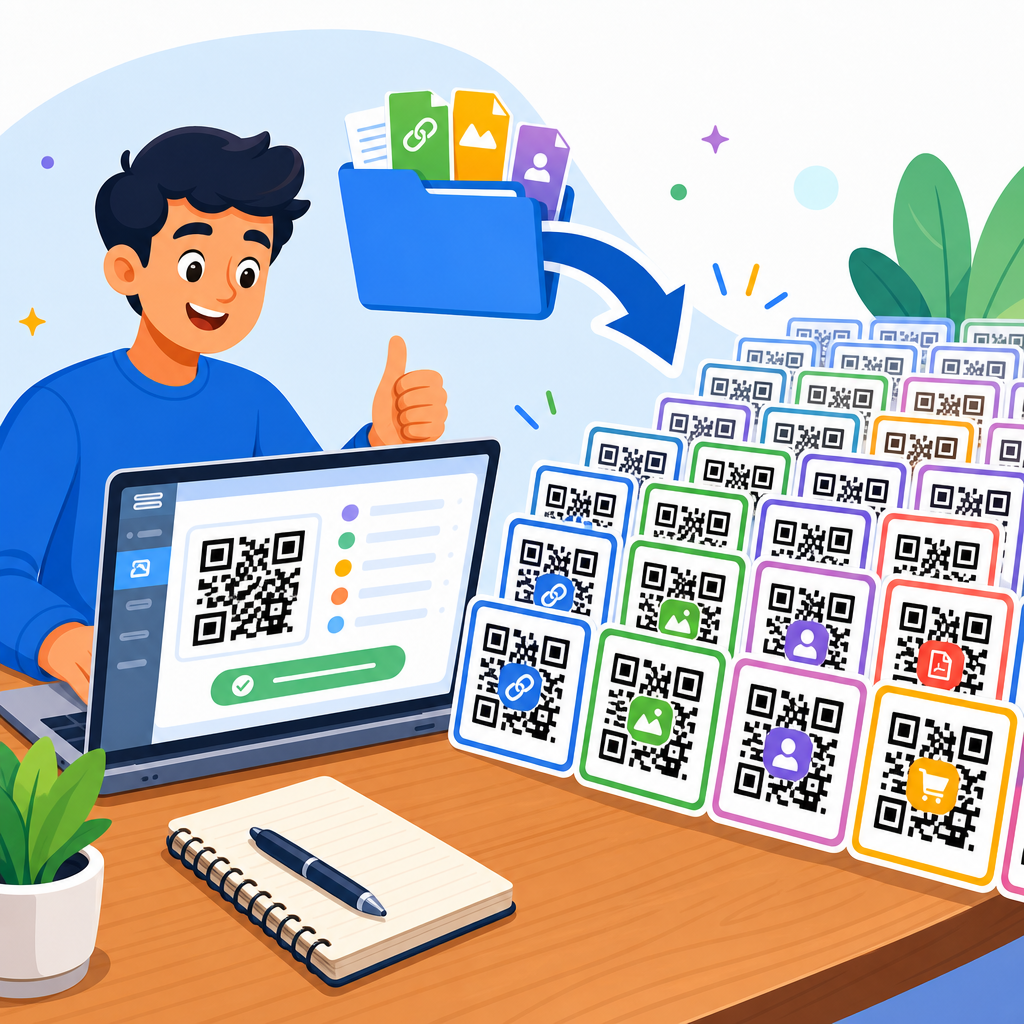
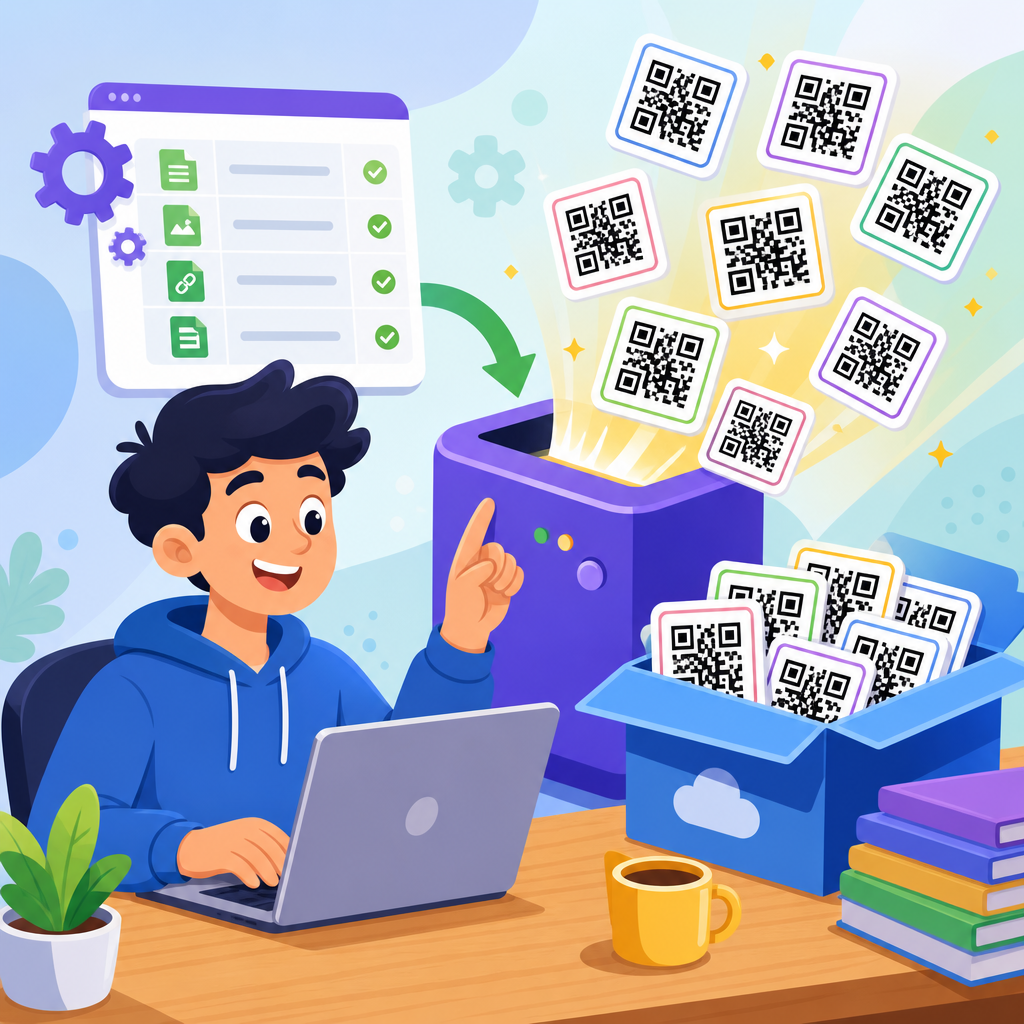
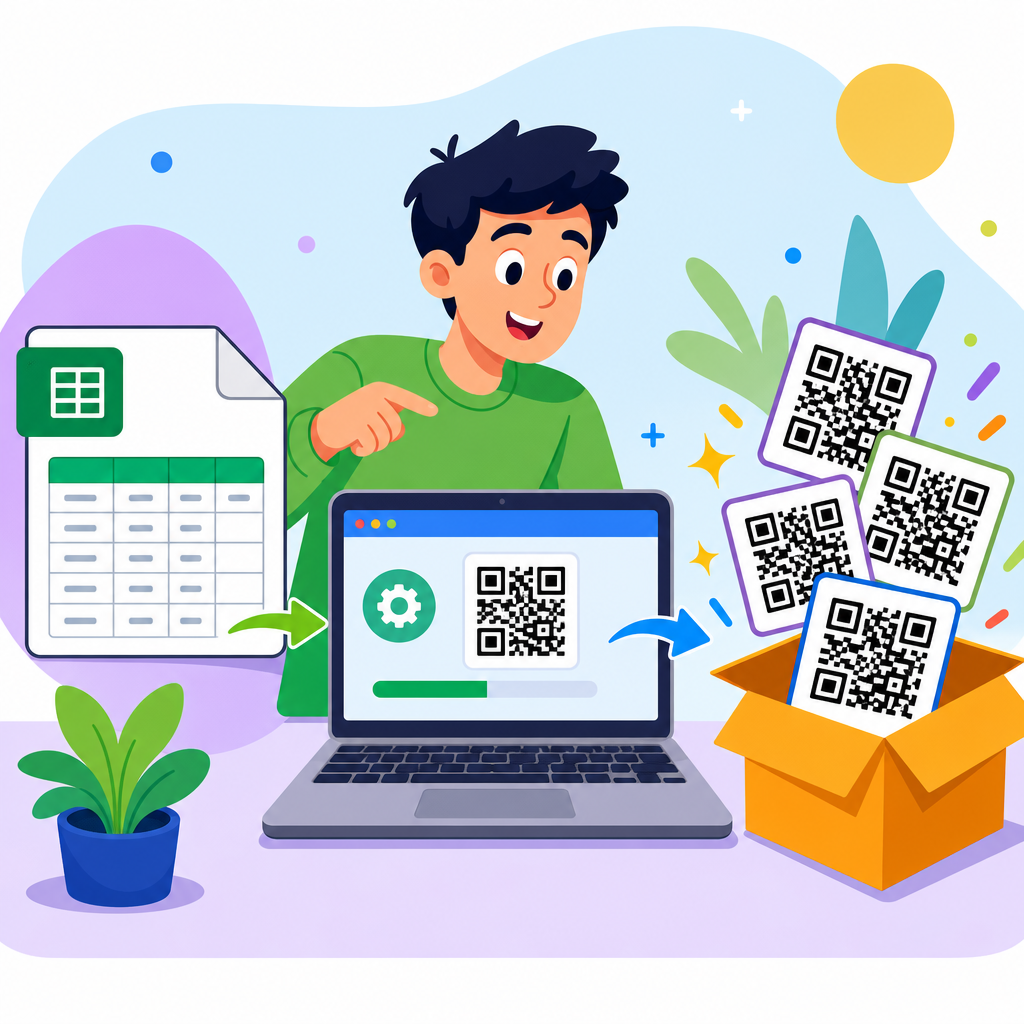
The third requirement is team usability. If you manage dozens or hundreds of SKUs, you need folders, naming conventions, bulk generation, templates, and role-based access. Agencies and in-house growth teams also benefit from APIs, webhooks, and integrations with Google Analytics 4, Shopify, Zapier, HubSpot, or Bitly. Security matters too, especially if codes route to payment pages, account portals, or gated B2B catalogs. Reputable generators offer custom domains, password protection on landing pages, and governance controls that reduce the chance of broken redirects or unauthorized edits.
Top QR code generators compared for online stores
Several platforms stand out, but they serve different priorities. Uniqode is strong for enterprise management, analytics, and bulk deployment. Beaconstac is well suited to larger marketing teams that need governance, integrations, and campaign control. QR Code Generator Pro is popular because it is easy to use and offers a broad feature set for marketers. Flowcode focuses on clean design and straightforward analytics, which makes it attractive for campaigns tied to social, events, or creator-driven retail. Scanova offers practical business features, dynamic code support, and solid campaign management. QR.io is widely known and simple to start with, though pricing and long-term value should be reviewed carefully. Bitly is not a dedicated QR-first platform, but for stores already managing short links and attribution there, its QR features can fit naturally.
Shopify merchants also need to consider native workflow. Shopify itself offers basic QR options for product linking, especially in point-of-sale and simple marketing use cases, but stores usually outgrow native functionality when they want dynamic redirects, deeper analytics, bulk SKU-level deployment, or non-Shopify landing pages. In those cases, a specialized QR generator paired with Shopify product URLs, discount links, Klaviyo flows, review pages, or return portals is more scalable. Amazon sellers and marketplace brands have another consideration: destination control may be limited by marketplace policies, so a branded intermediary landing page is often safer than linking directly to a volatile listing URL.
| Tool | Best for | Key strengths | Main limitation |
|---|---|---|---|
| Uniqode | Mid-market and enterprise retail | Bulk creation, analytics, API, strong management | Higher cost than entry-level tools |
| Beaconstac | Governed multi-team campaigns | Security, integrations, dynamic controls | Can be more platform than small stores need |
| QR Code Generator Pro | General marketing use | Ease of use, flexible code types, branded design | Advanced reporting may require higher tiers |
| Flowcode | Fast campaign launches | Simple setup, polished design, accessible analytics | Less depth for complex inventory structures |
| Scanova | Business campaigns and print | Dynamic codes, folders, practical exports | Interface is functional more than elegant |
| Bitly | Teams already using short links | Link management and attribution in one place | QR features are not as specialized |
If you need one short answer, Uniqode and Beaconstac are usually the strongest choices for scaling e-commerce QR operations, while QR Code Generator Pro and Flowcode are excellent for leaner teams that want speed and ease of use. Scanova is a dependable middle-ground option. Bitly makes sense when QR codes are one part of a broader link-management stack.
Best options by use case: packaging, retail, retention, and support
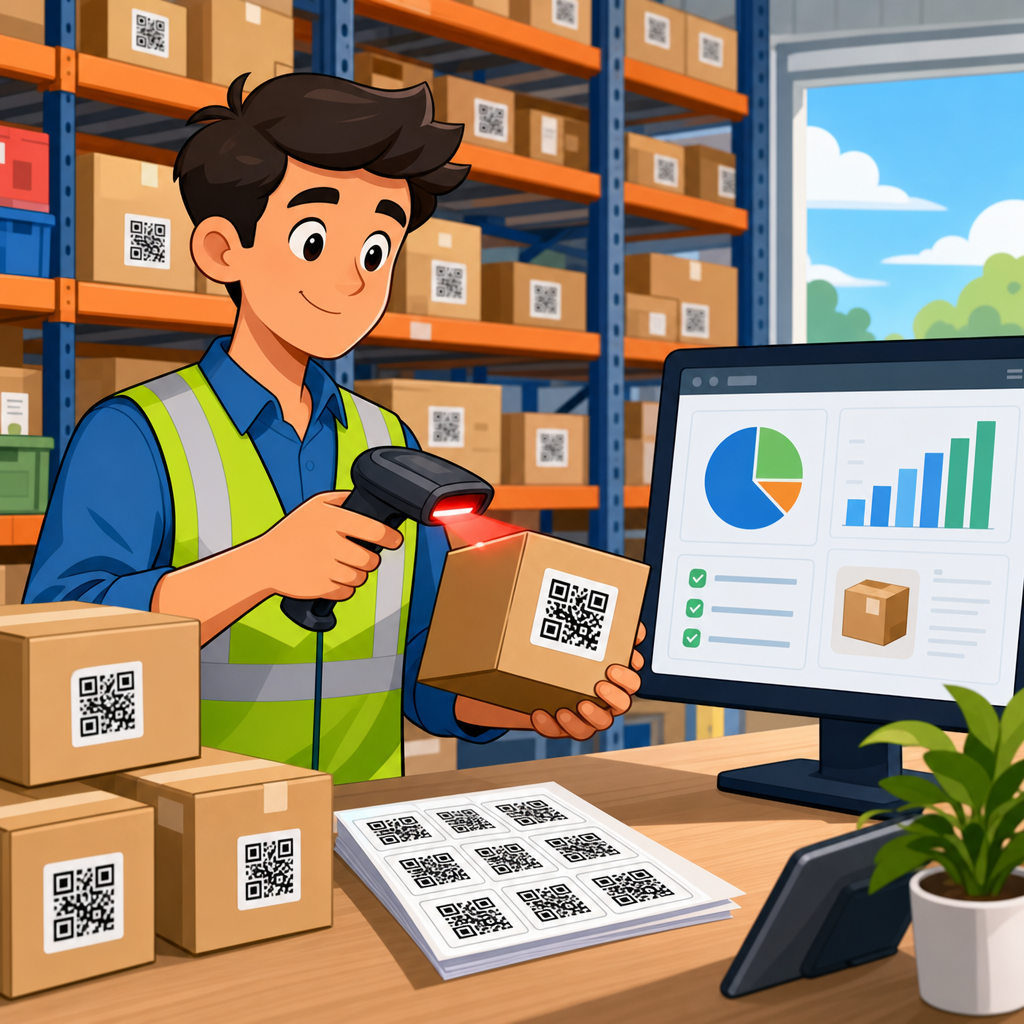
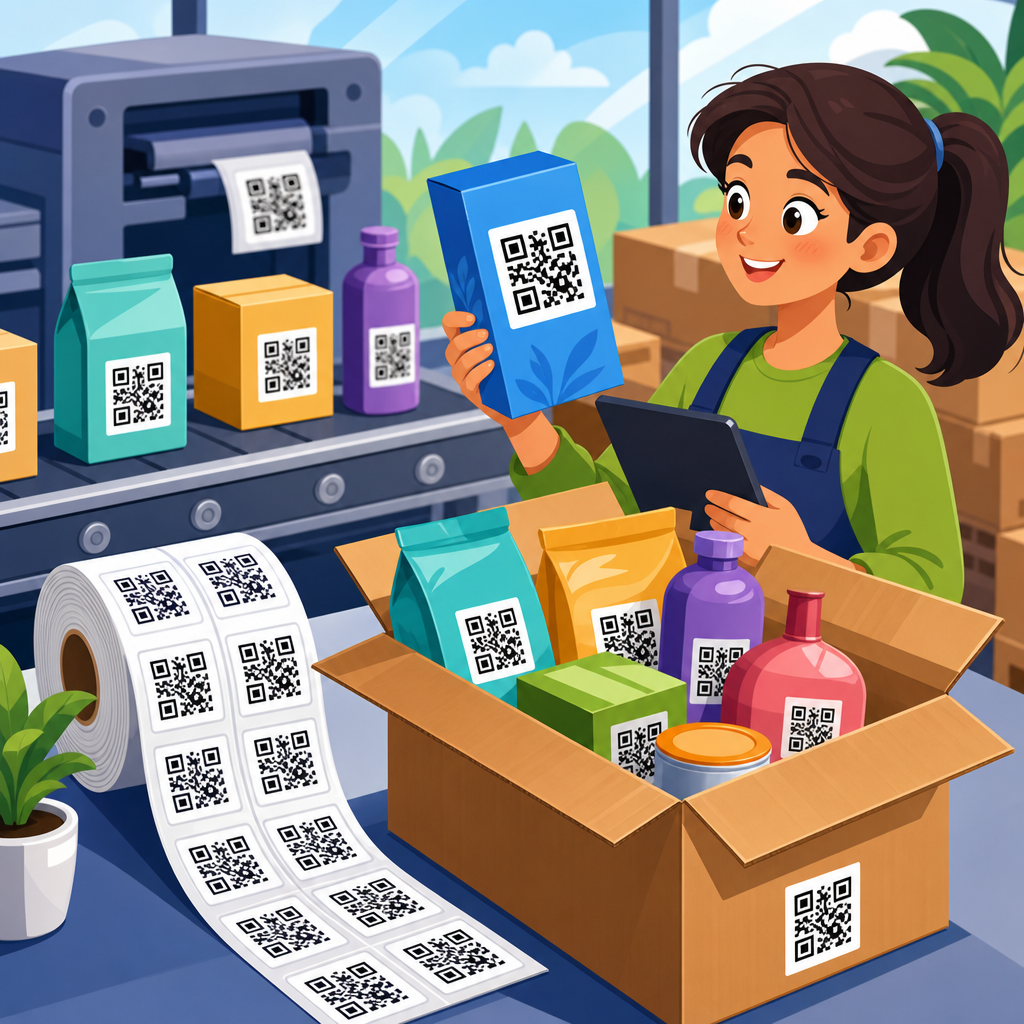
Packaging inserts are the most common e-commerce use case, and they demand dynamic editing and durable print quality. A code printed on a box insert may stay in circulation for months, so the destination must remain editable. For packaging, choose a platform with vector export, custom domains, and scan analytics by code. I have seen reorder campaigns perform best when the code leads to a mobile-optimized landing page with one clear action: reorder, register, review, or join loyalty. Uniqode, Beaconstac, and Scanova all handle this well. If your team ships many SKUs, bulk generation and naming discipline become critical because individual codes often map to product-specific help content or replenishment flows.
For omnichannel retail, where shoppers move between shelves, showroom displays, product tags, and online checkout, analytics granularity matters more. You need to know whether scans came from in-store signage, direct mail, event displays, or packaging. That means each placement should have its own dynamic code, even if every code points to the same page. Flowcode and QR Code Generator Pro are easy for campaign launches, while Beaconstac is stronger if multiple teams manage regional assets. If you run pop-ups or wholesale placements, codes linked to product education, care instructions, or stockist maps can bridge offline attention to online conversion.
Retention and customer support are different. Here the goal is often to reduce friction after purchase. A QR code on an insert can link to setup videos, FAQ pages, warranty registration, return instructions, or a subscription portal. This is where dedicated landing pages matter. Sending every customer to a generic homepage wastes scans. In my experience, support-focused QR campaigns lower ticket volume when the page answers one specific question immediately. For example, a beauty brand can print one code for shade-match guidance and another for refill subscriptions. A home-goods seller can route assembly questions to a model-specific video library. Any platform can create the code, but only a good workflow keeps destinations organized and measurable.
How to evaluate pricing, analytics, and technical fit
Pricing for QR code generators can be misleading because the headline plan rarely reflects full retail use. Some tools charge by dynamic code volume, some by scan limits, some by users, and some by advanced features such as custom domains, retargeting pixels, or bulk upload. Before choosing a plan, estimate how many unique codes you will need in a year, not just how many campaigns you have today. A store with 300 active SKUs, three packaging variants, and four regions may need thousands of unique dynamic codes if it wants clean attribution. Also confirm what happens if you cancel. With some platforms, dynamic codes stop working or become severely limited without an active subscription. That is a major risk for printed assets.
Analytics should answer practical questions: how many scans occurred, when they occurred, where they came from geographically, what devices were used, and what happened after the click. Native dashboard metrics are useful, but serious e-commerce teams should also append UTM parameters and verify behavior in GA4 or another analytics stack. A scan is not a sale. You need downstream event tracking for product views, add-to-cart actions, checkout starts, and completed purchases. If a generator supports custom domains, use them. Branded domains improve trust and create cleaner attribution than generic redirect domains, especially when customers preview the link or when ad blockers affect tracking.
Technical fit goes beyond analytics. Confirm export quality for print vendors, redirect speed, API availability, access controls, and support responsiveness. If you operate internationally, test local scanning behavior and mobile page performance on weak connections. If your store uses Klaviyo, Attentive, HubSpot, or Braze, map how QR traffic will enter lifecycle flows. If you rely on Shopify discount URLs, test every parameter. Small implementation details determine whether a QR campaign becomes a measurable revenue channel or just an attractive square on a package.
Common mistakes and the selection criteria that prevent them
The biggest mistake is picking a generator based on appearance alone. Most platforms can produce a visually acceptable QR code, but not all can support operational needs after launch. Another frequent mistake is overdesigning the code until scan reliability drops. Dark foreground on a light background remains the safest choice. Quiet zone spacing matters. Tiny codes on glossy packaging fail more often than teams expect. As a rule, test printed samples at real-world distance, under store lighting, and on mid-range Android devices, not only on the newest iPhone in the office.
Stores also lose data by reusing one code everywhere. If a code appears on a shipping box, insert card, showroom sign, and influencer leaflet, you cannot attribute performance accurately. Create separate dynamic codes for each placement and campaign. Another common error is linking directly to the homepage, where the user has to search for the promised offer. QR landing pages should match the scan context exactly. A warranty code should open warranty registration. A review code should open the review form or a dedicated review request page. A refill code should open the refill product or subscription signup.
When choosing a platform, use five criteria. First, reliability: dynamic redirects, uptime, and fast mobile resolution. Second, measurement: scan analytics plus clean integration with your core analytics platform. Third, scale: bulk creation, folders, API access, and user permissions. Fourth, brand control: vector exports, custom domain support, and design options that do not compromise scannability. Fifth, commercial fit: pricing that remains workable as your SKU count and regional campaigns grow. A tool that is cheap at ten codes can become expensive at one thousand. Evaluate the whole lifecycle before you commit.
Final recommendation for choosing the best QR code generator for e-commerce
The best QR code generator for e-commerce is the one that matches your store’s complexity, not the one with the flashiest template gallery. If you need enterprise-grade control, bulk deployment, and strong reporting, start with Uniqode or Beaconstac. If you want a capable all-around marketing tool that is easy to launch with, QR Code Generator Pro is a practical choice. If speed and simplicity matter most, Flowcode is strong. If your team wants dependable business features without a steep learning curve, Scanova is worth serious consideration. If QR codes sit inside a broader link management program, Bitly can be efficient.
Whatever platform you choose, default to dynamic codes for printed retail assets, use a custom domain when possible, create unique codes by placement, and track downstream conversions beyond the scan. Build landing pages that match the exact intent of the customer in that moment. Test every code on real devices before launch. These steps matter more than decorative styling, and they consistently separate high-performing QR campaigns from underperforming ones.
As the hub for QR Code Generators reviews and comparisons, this guide should help you narrow the field and choose the right tool for your packaging, acquisition, retention, and support workflows. The next step is simple: shortlist two or three platforms, run a small live campaign on real products, compare scans to revenue and support outcomes, and standardize on the tool that proves its value in your own store.
Frequently Asked Questions
What should e-commerce businesses look for in the best QR code generators?
The best QR code generators for e-commerce should do much more than create a basic scannable image. For online stores, the most important features usually include dynamic QR codes, scan analytics, easy destination editing, campaign tracking, and strong design controls. Dynamic codes are especially valuable because they let you change the URL or landing page after the code has already been printed on packaging, inserts, receipts, or in-store signage. That means a code used for a product launch can later point to a review request, a reorder page, or a seasonal promotion without needing to be reprinted.
Analytics are another essential feature. E-commerce brands benefit most from platforms that show scan counts, scan time, location data, device type, and campaign performance. These insights help store owners understand which physical and digital touchpoints are generating engagement. For example, a brand can compare whether QR codes on shipping boxes drive more repeat purchases than codes placed in post-purchase emails or product inserts. If the generator integrates with analytics tools or UTM tracking, it becomes much easier to attribute conversions and optimize campaigns.
Branding and usability also matter. A high-quality generator should allow custom colors, logos, frames, short URLs, and downloadable formats suitable for print and digital use. At the same time, customization should not reduce scan reliability. The best platforms make it easy to balance branding with technical performance. E-commerce teams should also consider bulk generation, team collaboration, folder organization, API access, and integration options if they manage a large product catalog or multiple campaigns. In short, the right generator is one that fits both immediate marketing needs and long-term growth.
Why are dynamic QR codes better than static QR codes for e-commerce?
Dynamic QR codes are generally better for e-commerce because they give brands flexibility long after the code is created. A static QR code sends users to a fixed destination that cannot be changed once printed or published. If the landing page changes, the promotion ends, or the product goes out of stock, the code may become outdated and unusable. That creates friction for shoppers and can waste marketing materials. Dynamic QR codes solve that problem by allowing the destination to be updated behind the scenes while the visible code stays the same.
This flexibility is especially useful in e-commerce, where campaigns often change quickly. A QR code printed on packaging can first direct buyers to setup instructions, then later be switched to a replenishment page, loyalty offer, or product education hub. A code on a receipt can lead to an order tracking page during fulfillment and later be repurposed for a review request or referral program. This ability to adapt makes dynamic QR codes a much better fit for ongoing customer lifecycle marketing.
Dynamic codes also tend to come with analytics, which is one of their biggest advantages. Rather than simply sending traffic somewhere, they let businesses measure scans, compare placements, and learn which assets perform best. That data is useful for improving conversion rates and customer retention. For most e-commerce brands, static QR codes make sense only for very simple, permanent destinations. If measurement, editing, optimization, and campaign management matter, dynamic QR codes are usually the smarter investment.
How can online stores use QR codes across packaging, receipts, and post-purchase marketing?
E-commerce brands can use QR codes throughout the customer journey to turn ordinary touchpoints into high-value engagement opportunities. On packaging, QR codes can link to product tutorials, care instructions, assembly guides, subscription reorders, related products, or loyalty signups. This is especially effective because the customer is already interacting with the product. Instead of sending them back to search on their own, the brand provides a direct path to useful content or the next purchase. Packaging codes can also reduce support requests by linking to FAQs or troubleshooting pages.
Receipts and packing slips are another strong use case. A QR code placed there can guide customers to order tracking, return portals, review forms, customer support, or a personalized discount for a future purchase. Because receipts are closely tied to a transaction, they are a natural place to encourage the next step in the relationship. For example, a beauty brand might use a receipt QR code to send customers to a product routine guide, while a pet supply store might use one for autoship enrollment or refill reminders.
Post-purchase emails and inserts can also benefit from QR integration, especially when brands want to bridge offline and digital experiences. A printed insert inside the shipment might promote an app download, community membership, referral reward, or warranty registration page. In-store signage for omnichannel retailers can connect window shoppers to online product pages or limited-time promotions. The key is to match each QR code with the customer’s context and intent. The best e-commerce strategies do not use one generic code everywhere. They create targeted QR destinations that support education, retention, upsells, and measurable conversion actions.
What analytics features matter most when choosing a QR code generator for e-commerce campaigns?
For e-commerce businesses, analytics are often what separate a basic QR code tool from a genuinely useful marketing platform. The most important metrics typically include total scans, unique scans, scan timestamps, geographic data, device or operating system information, and performance by campaign or code placement. These details help businesses see not just whether a code is being scanned, but where, when, and by whom. That level of insight is valuable when trying to understand customer behavior across packaging, direct mail, retail displays, and post-purchase materials.
It is also important to look for platforms that support UTM parameters, conversion tracking, and integrations with tools like Google Analytics or other reporting dashboards. A scan alone does not guarantee business impact. E-commerce teams need to know whether the customer who scanned a code actually signed up, purchased, downloaded an app, or submitted a review. The more closely QR data can be connected to broader campaign analytics, the easier it is to evaluate return on investment and justify continued use.
Segmentation and comparison features are especially useful for optimization. A strong QR code generator should help brands compare results by product line, shipping insert version, retail location, season, or audience segment. For example, a merchant might test whether a packaging QR code offering a loyalty reward outperforms one promoting social media follows. Another might compare scan rates between monochrome and branded code designs. These insights turn QR codes from simple links into measurable performance channels, which is exactly why advanced analytics should be a top priority for e-commerce teams.
Can branded QR codes improve trust and conversions for e-commerce businesses?
Yes, branded QR codes can improve trust and conversions when they are designed correctly. In e-commerce, shoppers are more likely to scan a code if it clearly looks connected to the brand they just purchased from or are considering buying from. A plain black-and-white code with no context can feel generic or uncertain, especially in crowded retail or packaging environments. By adding a logo, brand colors, a short call to action, and a frame that explains what the customer will get, businesses can make the code feel more legitimate and more appealing to scan.
Branding also supports consistency across the customer experience. If a customer receives a package, sees a branded insert, and notices a QR code styled to match the brand’s website and packaging, the interaction feels intentional rather than random. That consistency can reinforce professionalism and reduce hesitation. It also helps shoppers understand the value of scanning. A label such as “Scan for setup guide,” “Unlock 10% off your next order,” or “Register for loyalty rewards” gives customers a clear reason to engage, which can directly lift scan-through and conversion rates.
That said, branding should never compromise functionality. Overdesigned QR codes with poor contrast, crowded artwork, or oversized logos can become difficult to scan, especially in lower light or on curved packaging. The best QR code generators for e-commerce make it possible to customize the design while preserving readability and error correction. When done well, branded QR codes strengthen trust, improve visual appeal, and support better campaign results without sacrificing usability.