QR code conversion rate benchmarks matter because scans alone do not prove marketing success; the real measure is how often a scan turns into a desired action such as a purchase, form fill, app download, coupon redemption, menu order, or lead inquiry. In day-to-day campaign work, I have seen brands celebrate scan volume while missing the more important metric hiding underneath: post-scan conversion rate. That benchmark tells you whether the offer, landing page, audience, and placement are aligned. For a sub-pillar focused on QR code marketing and strategy, conversion optimization is the operating system. It connects creative decisions, media placement, analytics setup, and revenue outcomes.
A QR code conversion rate is typically calculated as conversions divided by unique scans or qualified landing page sessions generated by the code. Some teams also track scan-to-click, click-to-conversion, and assisted conversions to separate technical friction from offer performance. Benchmarks vary widely by channel, intent, device context, and industry. A code on product packaging behaves differently from one on a restaurant table tent or direct mail postcard. Time pressure, user motivation, trust, incentive strength, and page speed all influence results. That is why a useful benchmark is never a single universal number. It is a range tied to use case, traffic quality, and the conversion event being measured.
This article serves as a hub for conversion optimization within QR code marketing. It defines the benchmarks practitioners should use, explains what “good” looks like across common campaign types, and outlines the levers that reliably improve performance. It also highlights measurement standards, common mistakes, and practical testing methods. If you manage QR codes across print, packaging, retail, events, out-of-home, or in-store media, the goal is simple: move from counting scans to managing profitable outcomes with confidence.
What counts as a QR code conversion benchmark
A benchmark is a reference range you use to judge whether a campaign is underperforming, average, or outperforming similar efforts. For QR codes, the core benchmark is usually one of four metrics: scan rate, landing page engagement rate, primary conversion rate, and revenue per scan. Scan rate measures how many people exposed to the code actually scan it. Engagement rate tracks whether visitors stay, scroll, click, or interact meaningfully after the scan. Primary conversion rate measures the main outcome, such as checkout completion or lead submission. Revenue per scan translates performance into financial terms, which is often the clearest way to compare campaigns with different objectives.
In practice, I recommend setting benchmarks at three levels. First, use channel benchmarks, such as direct mail, product packaging, retail signage, restaurant tables, event booths, or paid print placements. Second, use funnel benchmarks, including scan-to-load rate, load-to-engagement rate, and engagement-to-conversion rate. Third, use business outcome benchmarks, such as cost per lead, average order value, or redemption value. This layered approach avoids false conclusions. A campaign can produce a strong scan rate and weak conversion rate because the call to action is compelling but the landing page is poor. The opposite can happen when a modest number of highly qualified users scan and convert at excellent rates.
Typical QR code conversion rate ranges by use case
There is no official global standard, but consistent campaign analysis shows workable ranges. For high-intent QR code traffic from packaging, receipts, product inserts, or in-store point-of-sale displays, landing page conversion rates often land between 8% and 20% for low-friction actions such as email signup, loyalty enrollment, or coupon claim. For ecommerce purchases, 2% to 6% from scan-generated sessions is common, with higher rates possible when users scan near the moment of purchase consideration. Direct mail QR codes usually convert in the 5% to 15% range for lead generation or offer redemption when targeting is strong and the incentive is clear. Event QR codes can exceed 20% for simple actions like brochure download or meeting booking because audience intent is concentrated.
Restaurant QR codes are a special case. Menu-view completion rates are high, but downstream conversion varies by order flow and service model. In hospitality programs I have reviewed, scan-to-order rates of 10% to 30% are realistic when the code takes guests directly into mobile ordering without requiring account creation. Real estate signs often deliver lower scan volume but respectable lead quality, with inquiry rates around 4% to 12% depending on location and price band. B2B trade show QR codes can produce lead form conversion rates above 15% when the post-scan asset is relevant and short forms are used. Outdoor advertising typically shows weaker direct conversion because the environment creates friction, but it can still generate efficient assisted conversions when campaigns use memorable offers and mobile-optimized pages.
| Use case | Common primary conversion | Typical conversion rate range | Main performance driver |
|---|---|---|---|
| Product packaging | Loyalty signup, product education, reorder | 8%–20% | Relevance at point of use |
| Direct mail | Lead form, coupon claim, appointment | 5%–15% | Targeting and offer strength |
| Retail signage | Coupon, product page, store app action | 6%–18% | Immediate purchase intent |
| Restaurant tables | Menu order, loyalty join | 10%–30% | Low-friction ordering flow |
| Trade shows and events | Meeting booking, asset download, demo request | 15%–25% | Concentrated audience intent |
| Real estate signage | Property inquiry, showing request | 4%–12% | Local demand and listing quality |
| Out-of-home advertising | Store visit, signup, app install | 1%–5% | Environmental friction |
These ranges should be treated as directional, not absolute. Incentives, brand trust, creative quality, weather, foot traffic, and mobile connectivity can shift results sharply. A supermarket shelf talker with a recipe offer may outperform a generic “learn more” code by several multiples. A luxury brand may see lower conversion volume but higher revenue per scan because the customer journey is longer and average order value is higher. The most useful benchmark is the median performance of your own past campaigns segmented by use case.
How to measure QR code conversions correctly
Reliable benchmarks start with clean instrumentation. Use dynamic QR codes so destinations can be updated without reprinting, and append structured UTM parameters to every destination URL. In analytics platforms such as Google Analytics 4 or Adobe Analytics, create separate channel rules or custom dimensions for QR traffic. Distinguish unique scans from total scans, because repeat scans from the same device can inflate top-line numbers. Configure server-side redirects where possible to preserve tracking and reduce load-time issues. If app opens are involved, use deferred deep linking tools such as Branch or AppsFlyer so mobile app conversions are attributed accurately.
Define one primary conversion per code and a short list of supporting events. For example, a QR code on packaging might have “subscription started” as the primary conversion and video play, ingredient page view, and retailer locator click as secondary events. That structure prevents reporting from becoming noisy. I also recommend setting a scan quality threshold. Exclude accidental opens that bounce in under a few seconds, and separate bot traffic if redirects are publicly exposed. For offline-to-online campaigns, tie redemption systems, point-of-sale data, CRM events, or call tracking back to the code identifier whenever possible. Otherwise, the benchmark will understate actual business impact.
Time window choice matters too. Immediate conversions may look weak for categories with longer consideration cycles such as healthcare, higher education, or home services. In those cases, review one-day, seven-day, and 30-day conversion windows. Compare last-click results against assisted conversion paths so QR performance is not undervalued. A poster in a subway station may trigger branded search later that evening rather than a direct purchase on the spot. Good benchmarking respects that reality instead of forcing all QR campaigns into a short, ecommerce-style attribution model.
What drives high or low QR code conversion rates
The biggest performance driver is intent at the moment of scan. People scanning a code on a product they already hold, a table where they want to order, or a personalized mail piece addressed to them are far closer to conversion than people passing a billboard at speed. The second driver is message match. The text around the code must tell users exactly what they will get after scanning. Specific calls to action such as “Get 15% off today,” “See ingredients and allergens,” or “Book a 10-minute demo” routinely outperform vague prompts like “Scan me” or “Learn more.”
Technical friction is the next major factor. Slow mobile pages, intrusive pop-ups, mismatched redirects, app store detours, and forms with too many fields reduce conversion fast. A difference of one or two seconds in mobile load time can meaningfully affect completion rates, especially on cellular networks. Trust signals also matter. Codes placed in low-trust environments or printed poorly may be ignored. Branded landing pages, HTTPS destinations, recognizable logos, and concise privacy language improve confidence. Finally, incentive design shapes response. Discounts can raise conversion volume, but exclusive content, utility, convenience, or instant service often produce stronger margins than blanket price cuts.
Audience fit often explains benchmark gaps that teams misread as creative failure. I have seen identical QR landing pages perform very differently across stores because shopper demographics, staff prompts, and placement height changed the scanning audience. Context is not a minor detail; it is part of the conversion system. Benchmarking should therefore include environmental notes, not just dashboard numbers.
Proven ways to optimize QR code conversion
Start with the offer. High-performing QR campaigns answer the user’s first question within seconds: what do I get now? Replace generic destinations with pages tailored to the scan context. Packaging codes should not land on a homepage; they should open a product-specific page with setup tips, warranty registration, reorder options, or how-to content. Event codes should prefill forms where possible and include calendar booking slots immediately. Restaurant codes should open the correct table, menu section, or payment flow. Reducing decision steps is the fastest route to higher conversion.
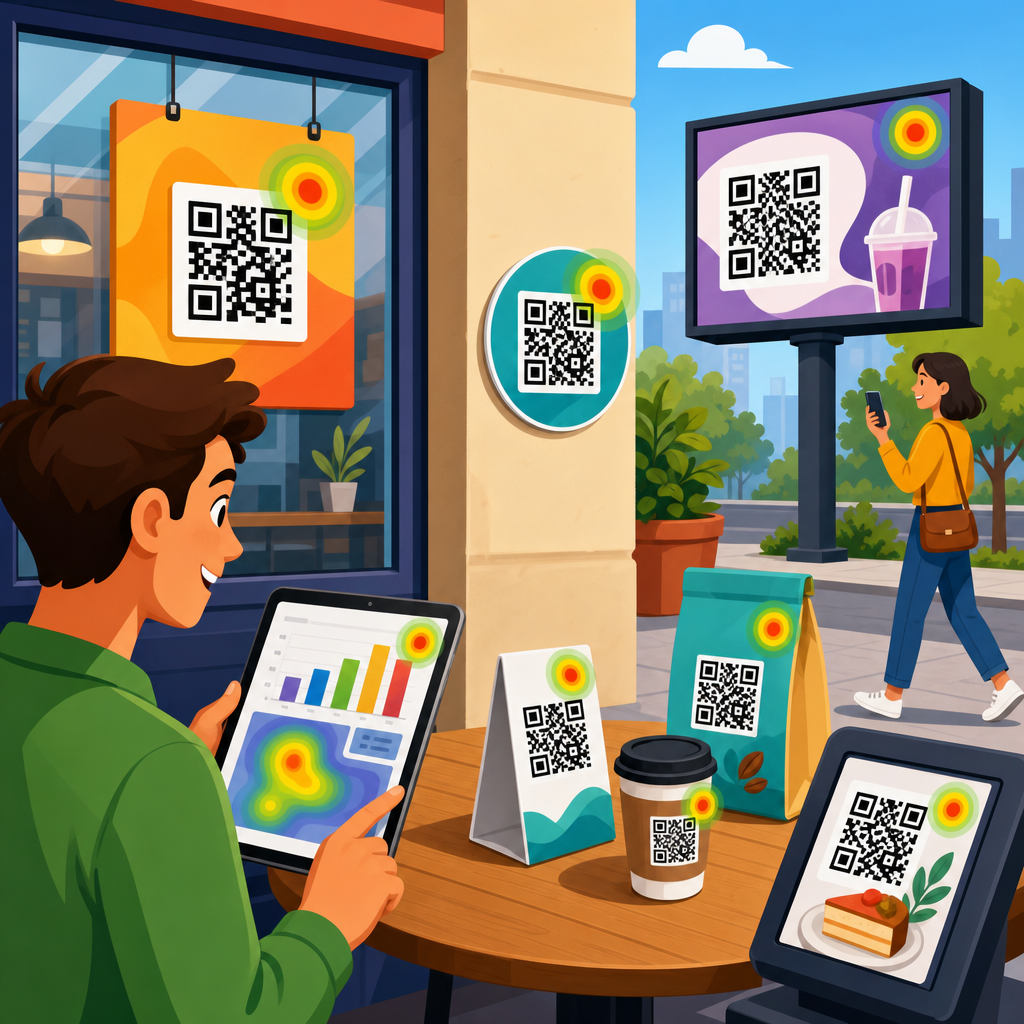
Next, optimize the creative and placement. Use a clear call to action, sufficient white space around the code, strong contrast, and a tested size appropriate to viewing distance. For print, error correction level, material reflectivity, and placement angle affect scannability. For store signage, eye-level placement and adjacency to the relevant product or action point usually outperform decorative placements. Add a short fallback URL for users whose cameras fail or who prefer manual entry. Then improve the landing page: compress images, remove unnecessary navigation, keep forms short, and align the headline with the exact promise made next to the code.
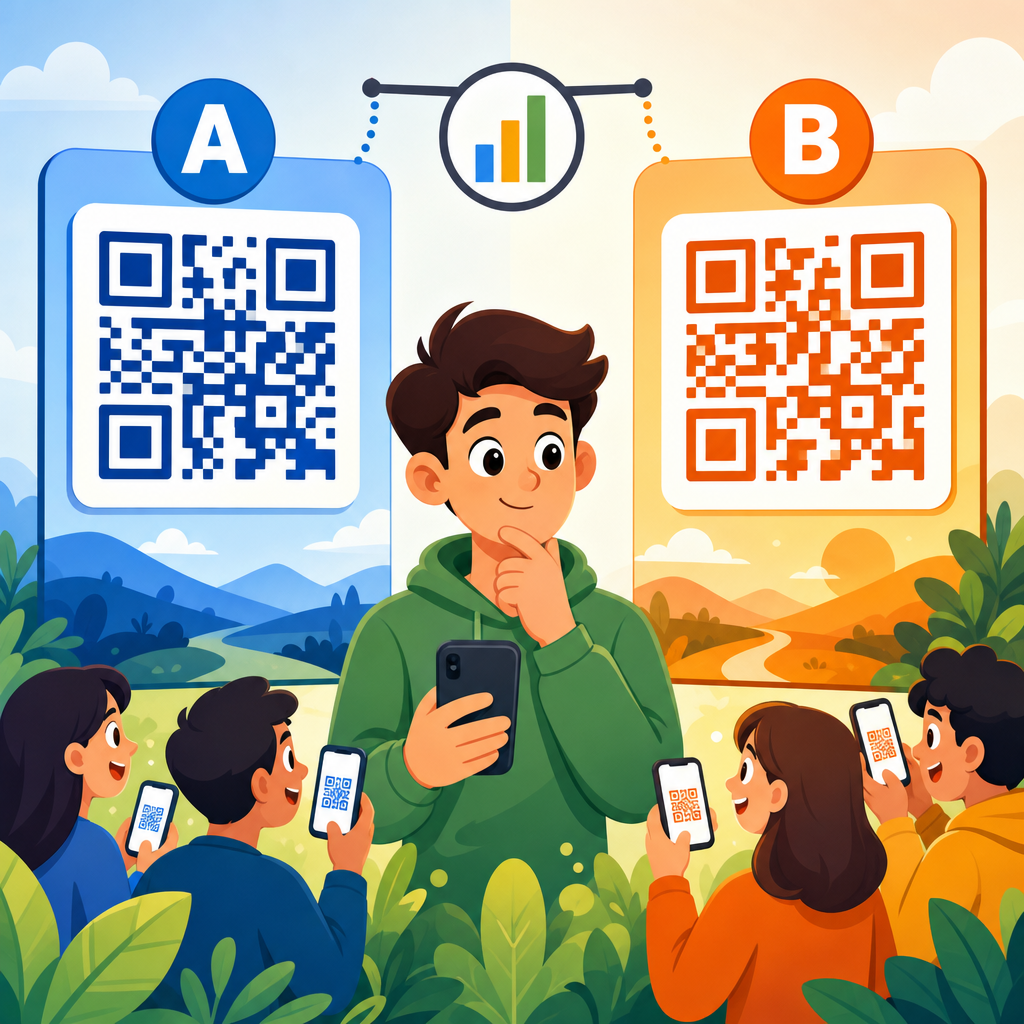
Testing should be disciplined. Run A/B tests on one major variable at a time: CTA wording, incentive, landing page hero section, form length, or redirect destination. Track not just conversion rate but revenue per scan and downstream retention. In subscription or loyalty programs, a slightly lower initial conversion rate may still win if customer lifetime value is higher. Use heatmaps, session recordings, and form analytics from tools such as Hotjar, Microsoft Clarity, or Contentsquare to see where mobile users stall. The best QR code conversion optimization programs combine physical-world testing with digital UX analysis.
Common benchmark mistakes and how to avoid them
The most common mistake is comparing incompatible campaigns. A code on a cereal box with a recipe offer should not be benchmarked against a B2B conference code collecting demo requests. Intent, reward, and friction are fundamentally different. Another mistake is using scans as a proxy for success. Scans indicate curiosity; conversions indicate value delivered. Teams also undercount conversions by sending QR traffic to generic pages without dedicated tracking, or overcount by including repeat visitors and internal tests. Broken redirects and expired offers are more common than many marketers admit, and they can silently damage benchmark ranges for weeks.
A second category of mistakes involves attribution and governance. Static codes create operational risk when URLs change. Lack of naming conventions makes reporting messy. Poor consent handling can limit remarketing or analytics use in regulated markets. International programs often forget localization, causing weak conversion in multilingual environments. The fix is straightforward: establish campaign taxonomies, QA every code before launch, monitor uptime, and review performance by geography, device, and placement cohort. Benchmarks become useful only when the underlying data is controlled and comparable.
Building your QR code conversion benchmark framework
The strongest framework is historical, segmented, and tied to business outcomes. Build a benchmark library by campaign type, industry, audience, offer, and conversion event. Record scan rate, engagement, primary conversion rate, revenue per scan, and assisted conversion impact. Note contextual variables such as location, weather exposure, staff support, and placement. After several campaigns, patterns emerge quickly. You will know whether a 7% lead rate is weak for direct mail but excellent for property signage, or whether a lower redemption rate is acceptable because basket size is larger. That clarity improves planning, forecasting, and creative decisions.
Use this hub as the starting point for every QR code conversion optimization effort. Review your current tracking setup, define benchmarks by use case, and test the highest-impact friction points first. When QR codes are measured and optimized properly, they become far more than a bridge from offline to online. They become a dependable conversion channel that reveals buyer intent, improves customer experience, and turns physical touchpoints into measurable growth.
Frequently Asked Questions
What is a QR code conversion rate, and how is it different from scan rate?
A QR code conversion rate measures the percentage of people who complete a desired action after scanning a QR code. That action could be a purchase, form submission, app download, coupon redemption, reservation, menu order, or lead inquiry. Scan rate, by contrast, only tells you how many people scanned the code. It is a useful top-of-funnel metric, but it does not tell you whether the campaign actually produced business value.
This distinction matters because high scan counts can create a false sense of success. A campaign may generate plenty of curiosity, but if the landing page is weak, the offer is unclear, the audience is mismatched, or the conversion process is too complicated, very few scanners will take the next step. In practical marketing terms, scans show interest, while conversion rate shows effectiveness. If you want a reliable benchmark for QR code performance, post-scan conversion rate is usually the metric that deserves the most attention.
What is a good benchmark for QR code conversion rates?
There is no single universal benchmark that applies to every QR code campaign, because performance varies by industry, channel, audience intent, offer strength, and the type of conversion being measured. A QR code on product packaging, for example, behaves differently from one on a restaurant table tent, direct mail piece, event badge, retail display, or out-of-home ad. Likewise, a low-friction action such as viewing a menu or claiming a simple coupon will usually convert at a higher rate than a high-commitment action like completing a long lead form or making a premium purchase.
In most cases, the best way to think about benchmarks is in context. Compare similar placements, similar audiences, and similar offers rather than searching for one magic number. A strong benchmark is one that helps you determine whether your campaign is underperforming, average, or outperforming past efforts in the same environment. Marketers should segment their benchmarks by campaign type, device behavior, traffic source, and conversion goal. That gives a more honest view of what “good” really means and helps reveal where optimization is needed.
Why do some QR code campaigns get a lot of scans but very few conversions?
This usually happens when there is a disconnect between the moment of scan and the post-scan experience. The QR code may successfully attract attention, but the landing page or offer may fail to carry that momentum forward. Common issues include slow page load times, poor mobile design, weak calls to action, confusing messaging, irrelevant content, too many form fields, or a mismatch between what the user expected and what they actually saw after scanning.
Audience and placement also play a major role. A QR code placed in a high-traffic location may generate many casual scans from people with low purchase intent. On the other hand, a code shown in a more targeted environment, such as on packaging, at checkout, or in a service interaction, may receive fewer scans but produce stronger conversion performance. This is why marketers should avoid celebrating scan volume in isolation. If conversions are weak, it is often a sign that the funnel after the scan needs work more than the code itself.
How can I improve a QR code conversion rate after people scan?
The most effective improvements usually happen after the scan, not before it. Start by making sure the landing page is mobile-first, loads quickly, and reflects the promise made near the QR code. If the code says “Get 20% off,” the page should immediately show that discount and explain exactly how to redeem it. Eliminate friction wherever possible by shortening forms, simplifying navigation, reducing unnecessary clicks, and placing the primary call to action prominently above the fold.
It also helps to align the offer with the audience’s level of intent. Someone scanning a QR code in a store aisle may respond better to a coupon, product comparison, or instant incentive than to a lengthy sign-up process. Someone scanning from direct mail may need trust-building content, testimonials, or a clear value proposition before converting. Testing is essential. Marketers should experiment with landing page layout, CTA wording, incentive type, page speed, form length, and campaign timing. Small improvements across these elements can have a significant effect on post-scan conversion rate.
What metrics should I track alongside QR code conversion rate?
QR code conversion rate should be viewed as part of a broader measurement framework. In addition to total scans and post-scan conversions, track unique scans, repeat scans, landing page views, bounce rate, time on page, click-through rate, form completion rate, cart completion rate, coupon redemption rate, and revenue per scan where applicable. These metrics help you understand not only whether users converted, but where they dropped off and how much value each scan created.
It is also important to track contextual variables such as placement, creative version, device type, operating system, geography, time of day, campaign source, and audience segment. Those dimensions often explain why one QR code outperforms another. For more advanced analysis, connect QR scans to downstream CRM or ecommerce data so you can measure lead quality, customer lifetime value, and assisted conversions. When marketers combine scan data with post-scan behavior and business outcomes, they get a much clearer benchmark and a far more actionable picture of campaign success.