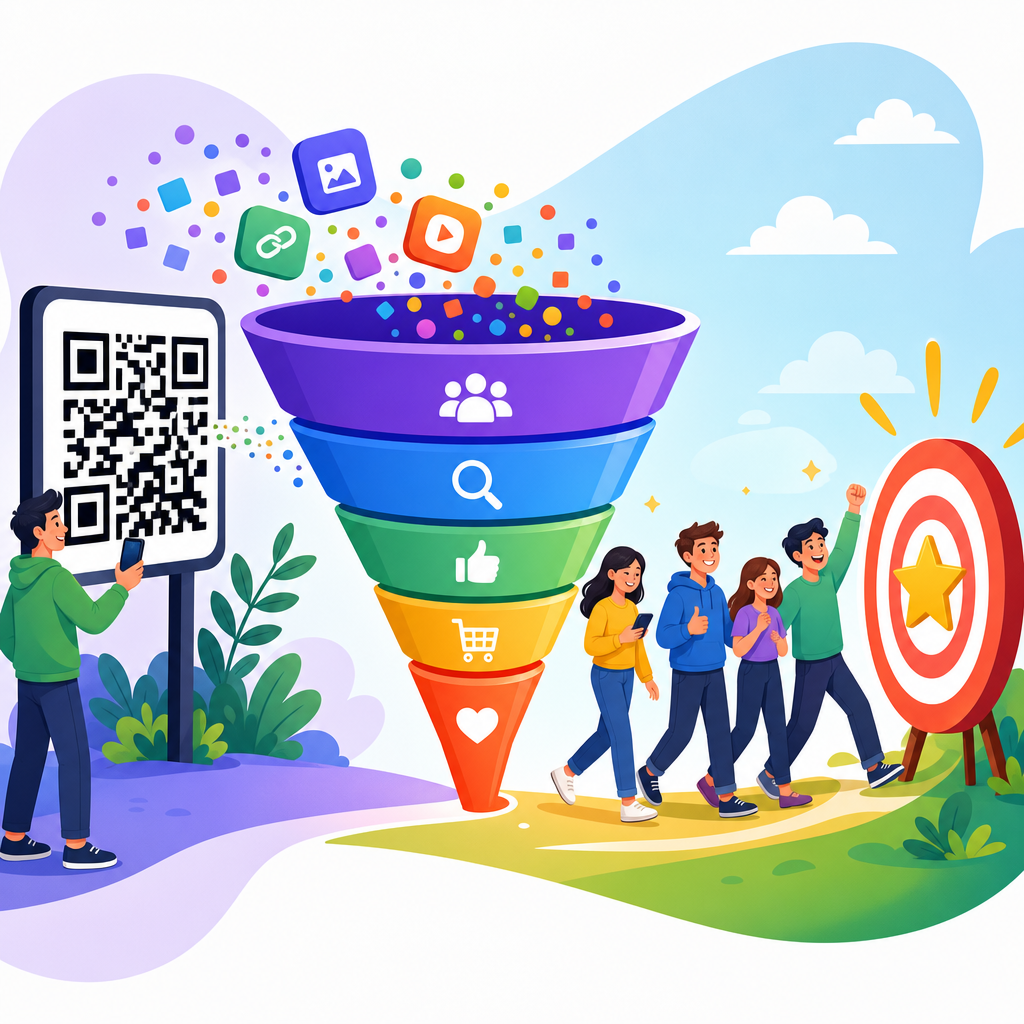
QR code conversion funnel optimization is the practice of improving every step between a scan and a business outcome, such as a lead, sale, booking, download, or store visit. In practical terms, it means treating a QR code not as a static graphic, but as the first interaction in a measurable customer journey. I have worked on campaigns where the code itself looked perfect, yet conversion stalled because the landing page loaded slowly, the offer was unclear, or the form asked for too much information. The lesson is consistent: scan rate matters, but post-scan performance determines revenue.
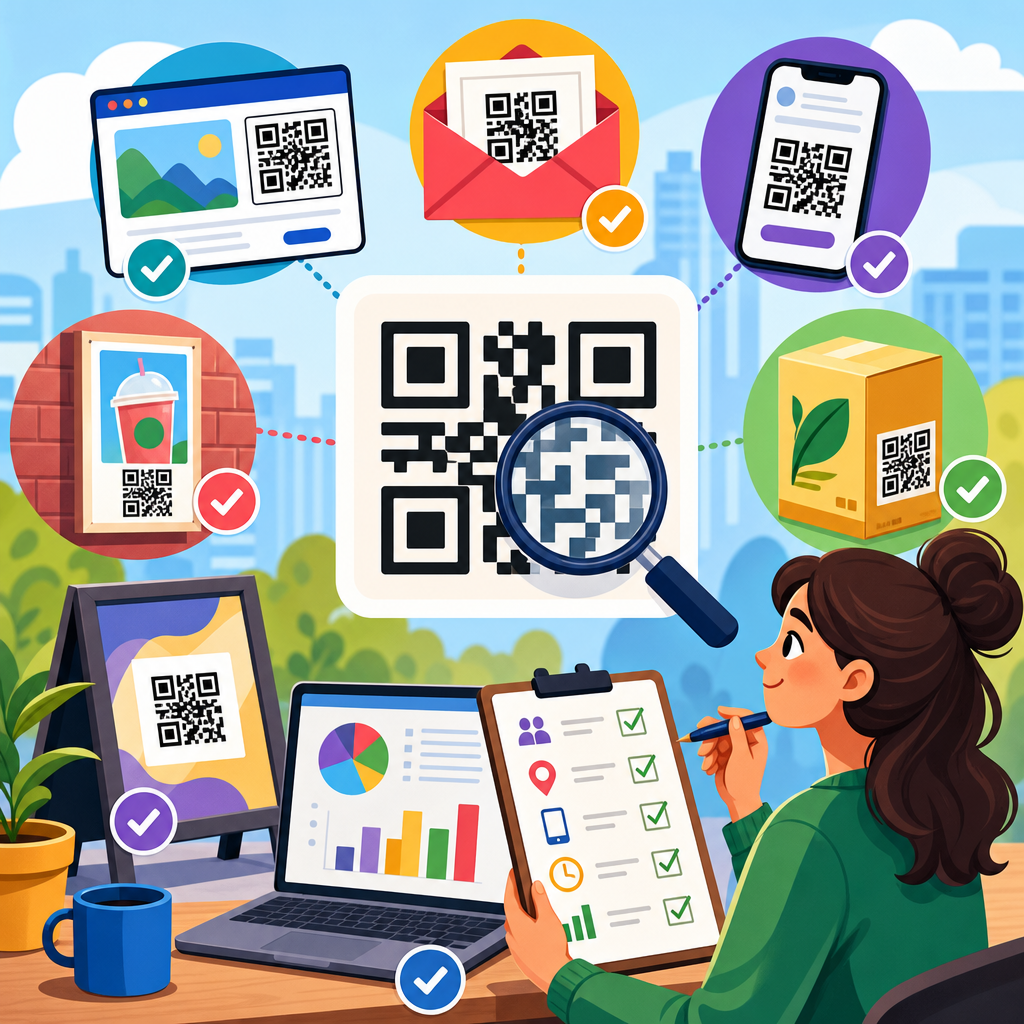
A conversion funnel for QR code marketing usually includes five stages: exposure, scan, landing, action, and completion. Exposure is where the code appears on packaging, posters, direct mail, receipts, menus, or in-store displays. Scan is the moment a user decides to open the camera and engage. Landing is the mobile page, app screen, video, coupon, or product detail page that loads after the scan. Action is the key step you want the visitor to take, such as tapping add to cart or submitting a form. Completion is the confirmed result, tracked through analytics, customer relationship management systems, or commerce platforms.
This topic matters because QR codes compress intent. A person who scans has already shown curiosity and, often, physical-world context. Someone scanning a table tent in a restaurant differs from someone scanning product packaging at home or a poster in a train station. That context changes message design, friction tolerance, attribution logic, and expected conversion rates. Businesses that optimize QR code funnels can lower customer acquisition cost, improve campaign measurement, and create a stronger link between offline media and digital performance. Businesses that ignore funnel design often misread results, blaming the code format when the real issue is weak targeting, poor mobile UX, or missing analytics.
Optimization starts with definitions. Scan-through rate measures how many exposed users scan. Landing page conversion rate measures the percentage of scanners who complete the desired action. Assisted conversion value captures downstream influence when a scan contributes to a later sale through another channel. Bounce rate, session depth, scroll depth, form completion rate, coupon redemption rate, and return visitor rate all help diagnose where leakage occurs. Dynamic QR codes are especially valuable because they allow destination changes, tagging, and campaign control without reprinting the asset. Static codes still have uses, but they limit testing and make long-term optimization harder.
Map the QR Code Funnel Before You Change Creative
The fastest way to waste budget is to redesign the code artwork before mapping the underlying funnel. Start by documenting where the code appears, what promise surrounds it, who is likely to scan, what page opens, what action is requested, and how success is recorded. I usually build a simple journey map first: asset, audience, device state, destination, event tracking, and final conversion. This reveals hidden breaks. For example, a retail shelf talker may drive scans from low-connectivity aisles, so a heavy landing page fails before the visitor even sees the offer. A mailer may produce high-intent traffic, but if the QR destination opens a generic homepage, intent gets diluted immediately.
Good funnel maps also separate micro-conversions from primary conversions. A recipe download, size guide view, store locator tap, and account signup may all sit on the path to purchase. If analytics only measure transactions, strong QR performance can look weak. Use event tracking in Google Analytics 4, Adobe Analytics, or a customer data platform to capture page_view, click, form_start, form_submit, add_to_cart, and purchase events. Add UTM parameters and, where appropriate, unique campaign IDs embedded in dynamic QR links. When offline teams and digital teams use inconsistent naming conventions, reporting becomes unreliable, so establish a taxonomy before launch.
Improve Scan Intent With Placement, Context, and Message Match
Many teams focus on scanability, but scan intent is equally important. A technically readable QR code can still underperform if users do not understand why they should scan. The call to action beside the code should state the outcome, not the mechanism. “Scan for 15% off today,” “Scan to see installation steps,” and “Scan to book your fitting” outperform generic prompts like “Scan me.” The surrounding context should reduce ambiguity. On packaging, emphasize tutorials, warranty registration, refill reminders, or product authenticity. In out-of-home media, lead with urgency, convenience, or location relevance.
Message match between the physical asset and the landing page is critical. If a poster advertises a free sample, the first mobile screen should repeat that promise clearly and show the redemption path immediately. If a restaurant table card invites guests to join a loyalty club, the landing page should open to a concise enrollment flow, not a cluttered homepage. I have seen scan rates rise after enlarging the code, but conversions rose much more after rewriting adjacent copy to explain the benefit in one sentence. Strong message match reduces cognitive load, confirms user expectations, and lowers abandonment at the moment when mobile attention is most fragile.
Optimize the Mobile Landing Experience for Speed and Clarity
After the scan, mobile experience becomes the dominant conversion factor. The destination should load quickly, render cleanly on common devices, and present a single primary action above the fold. Google’s Core Web Vitals are useful reference points here because poor Largest Contentful Paint, Interaction to Next Paint, and Cumulative Layout Shift correlate with user frustration. In QR campaigns, the performance threshold is even stricter because users often scan while standing, walking, shopping, or multitasking. Every extra second of delay increases drop-off. Compress images, reduce third-party scripts, use a content delivery network, and avoid redirect chains created by poorly configured link shorteners or tag managers.
Clarity matters as much as speed. A QR landing page should answer three questions instantly: what is this, why should I care, and what do I do next? Use a clear headline, concise supporting copy, visible trust signals, and one dominant button. Remove desktop navigation clutter if it competes with the primary action. For commerce flows, show product image, price, shipping estimate, and payment options early. For lead generation, keep forms short and explain follow-up expectations. If compliance requires disclosures, place them accessibly without burying the main call to action. Strong QR funnels feel obvious, not clever.
Reduce Friction at the Conversion Step
Most QR funnel losses happen after interest is established but before commitment is completed. This is a friction problem. Common sources include mandatory account creation, long forms, coupon fields that are hard to copy from mobile, app download walls, and checkout pages that do not support Apple Pay, Google Pay, or PayPal. If the user scanned because they wanted a quick path, adding unnecessary steps breaks the promise. Progressive profiling works better than demanding full information upfront. Collect email first, then enrich records later through onboarding, preference centers, or post-purchase flows.
For location-based actions, prefill context whenever possible. A store locator should use the scanner’s city or GPS permission intelligently. An event registration page should default to the venue or date shown on the printed asset. Coupon redemption pages should auto-apply the promotion code rather than asking the user to remember or retype it. In B2B scenarios, I have seen form completion improve when replacing a generic “Contact us” destination with a tailored use-case page, social proof from the same industry, and a two-step form that asks business email before larger qualification fields. Friction reduction is usually more profitable than driving more scans.
| Funnel Stage | Common Problem | Optimization Tactic | Primary Metric |
|---|---|---|---|
| Exposure | Code is visible but low motivation to scan | Benefit-led call to action and context-specific offer | Scan-through rate |
| Scan | Code is hard to read or poorly placed | Improve size, contrast, quiet zone, and placement height | Successful scan rate |
| Landing | Slow page or weak message match | Fast mobile page with repeated offer and single CTA | Bounce rate |
| Action | Form or checkout friction | Shorten steps, enable wallets, prefill fields | Conversion rate |
| Completion | Poor attribution and unclear downstream value | Track events, campaign IDs, and assisted conversions | Revenue per scan |
Use Testing, Segmentation, and Personalization to Lift Results
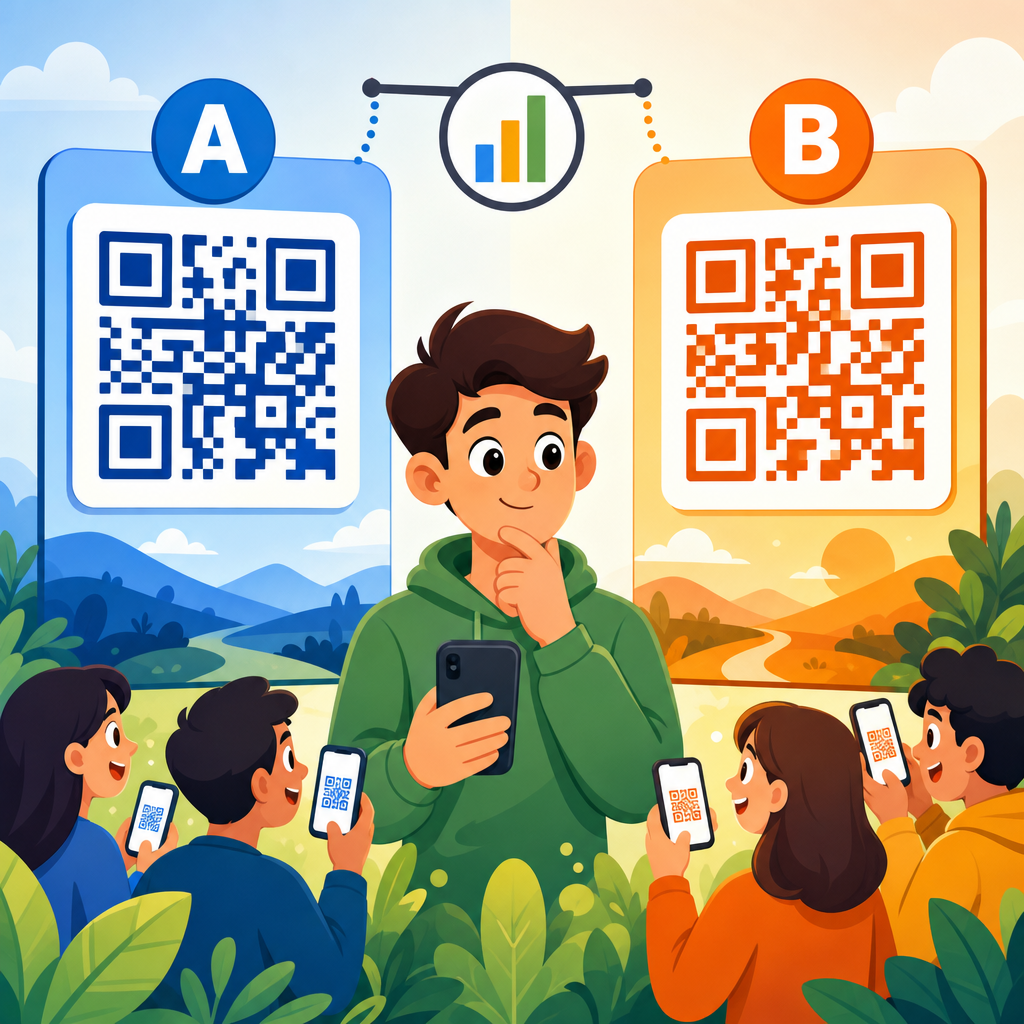
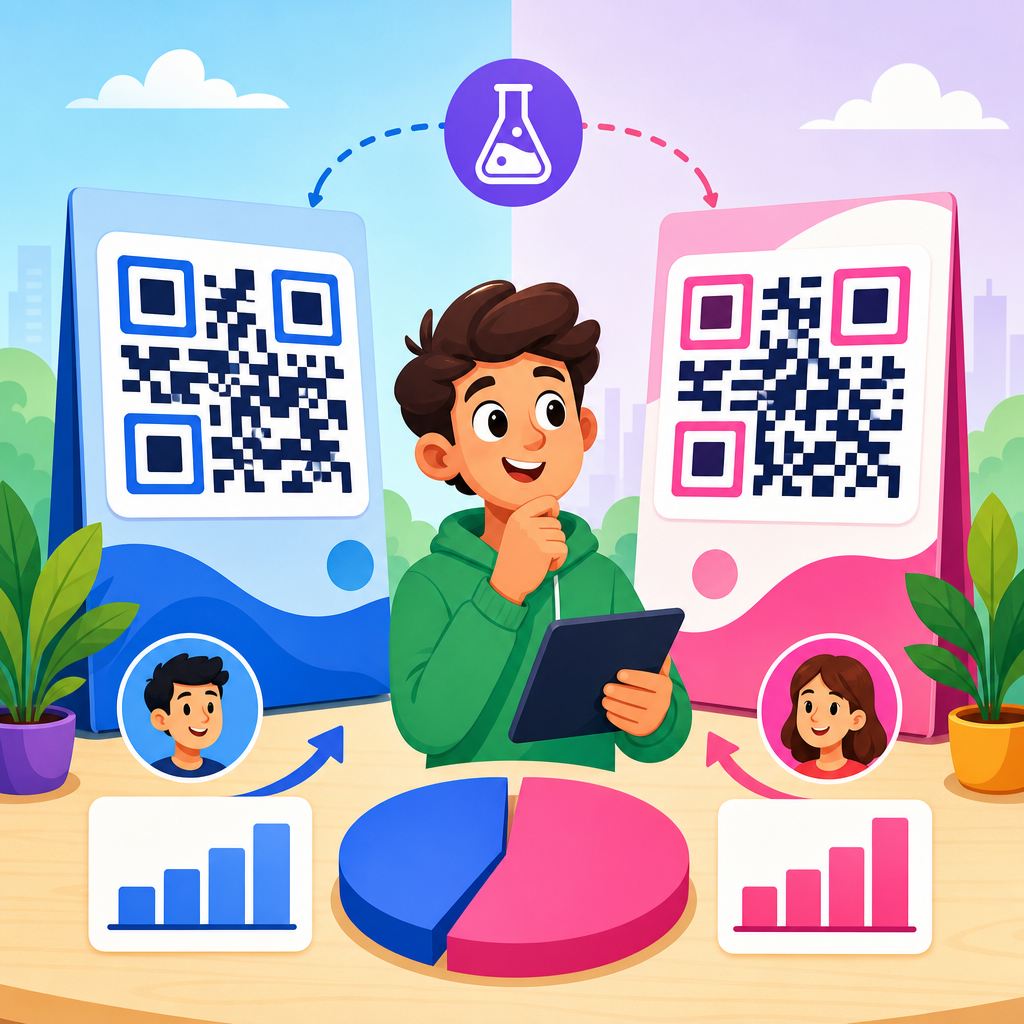
QR code conversion optimization improves fastest when teams test complete paths, not isolated elements. Start with high-impact variables: offer, destination type, page headline, form length, and checkout method. Dynamic QR platforms make this practical because the same printed code can route traffic to different destinations by time, geography, device, or experiment logic. For example, a consumer packaged goods brand can send first-time scanners to a recipe page and repeat scanners to a loyalty signup. A venue can route daytime scans to ticket information and evening scans to concessions ordering. The printed code stays unchanged while the conversion path evolves.
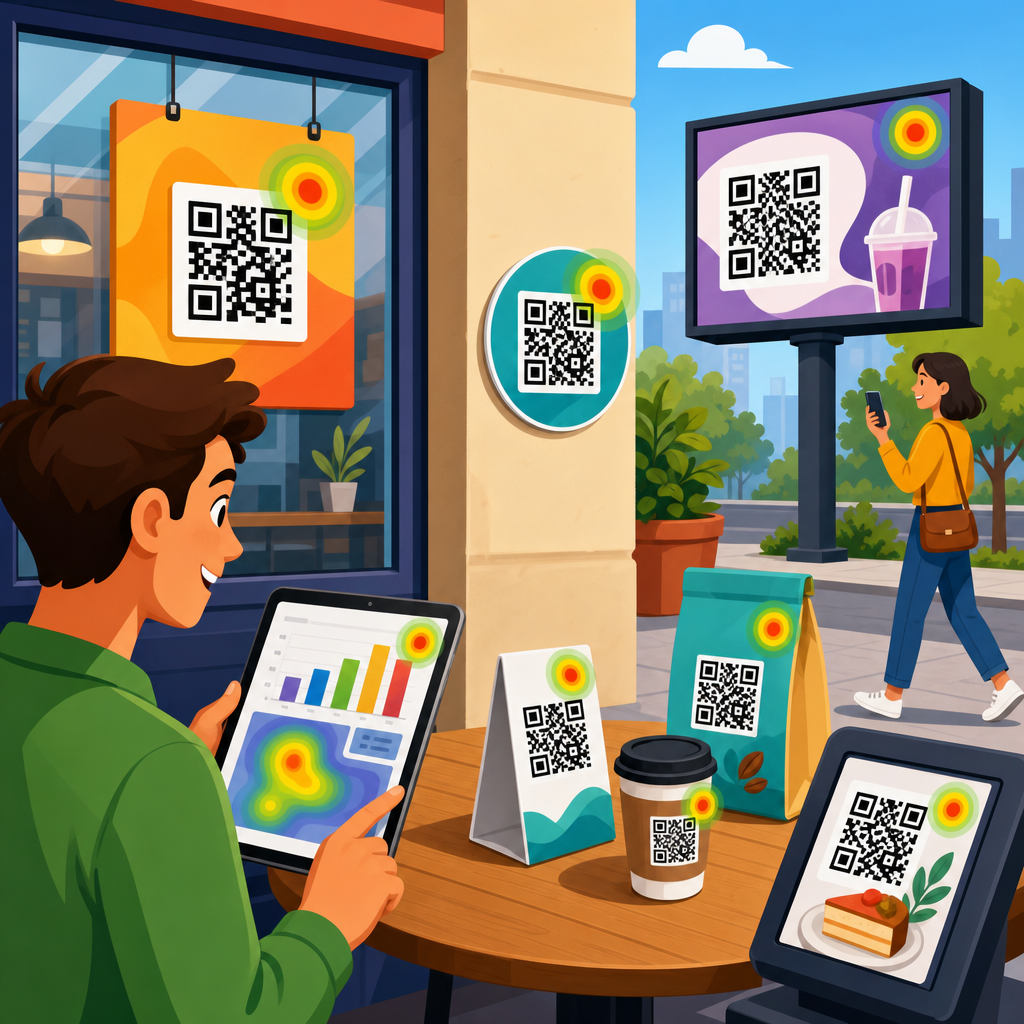
Segmentation is especially powerful because QR traffic often carries richer context than standard web traffic. You know whether the scan came from packaging, direct mail, point-of-sale signage, trade show collateral, or window display. Build audiences around source environment, campaign, region, and audience intent. Then align destination content accordingly. Personalization does not need to be invasive to work. Even simple changes such as localized store information, inventory by region, language matching, or product recommendations based on the scanned SKU can lift performance. Test carefully, document findings, and avoid running so many variants that sample sizes become meaningless.
Measure What Matters Across Offline and Digital Systems
Reliable measurement is what turns QR code marketing from a novelty into an optimization channel. Every campaign should define a primary conversion, supporting micro-conversions, time window, and attribution method. For ecommerce, tie scans to sessions, carts, purchases, average order value, and repeat purchase rate. For lead generation, connect scans to qualified leads, booked meetings, pipeline creation, and close rate in systems such as Salesforce or HubSpot. For physical retail, use coupon redemption, loyalty enrollment, store visit proxies, or matched point-of-sale data. Without this bridge, teams celebrate scans while finance asks the reasonable question: what did the scans produce?
Attribution requires discipline. Use unique destination parameters, campaign naming standards, and server-side or first-party tracking where privacy rules allow. Recognize limitations honestly. A user may scan on mobile and purchase later on desktop, or scan in store and buy from a sales rep weeks later. That does not make QR unmeasurable; it means you need blended reporting that includes direct conversions and assisted impact. Multi-touch attribution, media mix modeling, and CRM lifecycle reporting each add perspective. The right method depends on sales cycle length, traffic volume, and data maturity. What matters most is consistency, so performance can be compared across campaigns over time.
Build a Hub Strategy for Every QR Conversion Use Case
As a sub-pillar under QR Code Marketing & Strategy, this topic works best when it anchors related articles around specific conversion goals. A strong hub should connect to deeper resources on QR code landing page design, QR code A/B testing, ecommerce QR checkout flows, QR coupon redemption optimization, event registration funnels, restaurant ordering journeys, retail packaging scans, lead capture forms, and QR analytics implementation. The hub page establishes the framework: optimize intent before the scan, clarity after the scan, and friction at the action step. Supporting pages then expand each use case with templates, benchmarks, and platform-specific guidance.
This structure helps readers and search engines alike because it mirrors how teams actually solve the problem. A marketer may arrive looking for better QR coupon performance, while an ecommerce manager needs help with mobile checkout and a field marketer wants event lead quality. All of those sit inside the same conversion system. If you maintain internal links between the hub and these specialized guides, use consistent terminology, and update examples as platforms change, the whole content cluster becomes more useful. That is also how teams build operational maturity: shared definitions, repeatable diagnostics, and documented wins.
QR code conversion funnel optimization succeeds when you stop thinking about the code as the campaign and start treating it as the entry point to a measurable customer journey. The highest-performing programs align physical context, benefit-led messaging, fast mobile destinations, low-friction conversion paths, and disciplined analytics. When one of those elements is weak, the funnel leaks. When they work together, QR codes become one of the most efficient bridges between offline attention and digital action.
The core takeaways are straightforward. First, map the full funnel before making creative changes. Second, increase scan intent with specific calls to action and strong message match. Third, optimize the mobile landing page for speed, clarity, and one obvious next step. Fourth, remove unnecessary friction from forms, checkout, and redemption flows. Fifth, use testing, segmentation, and robust measurement to improve results over time. These principles apply whether the goal is ecommerce revenue, lead generation, loyalty enrollment, content engagement, or in-store activation.
If this page is your starting point for QR Code Marketing & Strategy, use it as the hub for every conversion-focused decision. Audit one live QR journey this week, identify the biggest drop-off point, and fix that step first. Small improvements at the landing or action stage often outperform expensive redesigns at the top of the funnel. Then expand into the related subtopics most relevant to your program and build a QR strategy that converts consistently.
Frequently Asked Questions
What is QR code conversion funnel optimization, and why does it matter?
QR code conversion funnel optimization is the process of improving everything that happens after a person scans a QR code, with the goal of increasing a meaningful business result such as a purchase, lead submission, booking, app download, phone call, or in-store visit. Instead of treating the QR code as a simple access point, this approach views it as the beginning of a full customer journey that can be measured, tested, and improved. A successful campaign depends on far more than whether the code scans. It also depends on where the user lands, how quickly the page loads, how clear the message is, whether the offer matches the user’s expectations, and how easy it is to complete the next step.
This matters because a scan alone has very little value if it does not lead to action. Many campaigns fail not because the QR code design is poor, but because the post-scan experience creates friction. Common issues include slow mobile load times, confusing copy, weak calls to action, long forms, too many clicks, and landing pages that are not aligned with the context in which the code was scanned. When businesses optimize the full funnel, they turn QR codes from passive print elements into high-performing conversion assets. That makes it easier to improve return on ad spend, understand customer intent, and confidently scale campaigns across packaging, signage, direct mail, retail displays, events, and out-of-home media.
What are the most common reasons a QR code gets scans but not conversions?
The most common reason is a mismatch between user intent and the landing experience. A person scans because they expect something immediate and useful, but the destination page often fails to deliver on that expectation. For example, a QR code on product packaging might imply a discount, tutorial, or product details, but the user lands on a generic homepage instead. That gap between promise and outcome causes drop-off almost instantly. High-converting QR campaigns make the destination specific, relevant, and tightly connected to the context of the scan.
Another major issue is mobile friction. QR scans overwhelmingly happen on smartphones, so every part of the funnel needs to be designed for mobile-first behavior. If the page loads slowly, buttons are hard to tap, text is difficult to read, or the user has to pinch and zoom, conversion rates usually suffer. Forms are another frequent problem. If users are asked for too much information too early, they abandon the process. In many cases, reducing a form from six fields to two or three can produce a meaningful lift. Weak or vague calls to action also hurt results. Users need to know exactly what happens next, whether that is “Get 20% Off,” “Book Your Demo,” “Download the Guide,” or “Claim Your Offer Today.”
Tracking gaps can also create the false impression that QR codes are underperforming. Sometimes conversions are happening, but the measurement setup is incomplete, making it difficult to connect scans with outcomes. Finally, poor audience targeting and placement can drag performance down. A QR code in a location where users are rushed, distracted, or have low purchase intent will naturally convert worse than one placed in a high-intent environment. Strong results usually come from optimizing message, placement, destination page, offer, and analytics together rather than trying to fix only one part of the funnel.
How can I improve the landing page experience after someone scans a QR code?
The first priority is speed. A QR landing page should load fast on mobile data connections, not just on office Wi-Fi. Compress images, reduce unnecessary scripts, simplify page structure, and avoid heavy design elements that delay rendering. Users who scan are often in motion, standing in a store aisle, walking through an event, or responding to a mailer in a distracted setting. If the page takes too long to load, you lose momentum before the offer is even seen. Speed is not just a technical metric; it directly affects conversion behavior.
The second priority is message continuity. The landing page should immediately confirm that the user is in the right place. If the QR code promised an offer, the headline should repeat or reinforce that offer. If the code appears on a restaurant table tent, product label, poster, or brochure, the content should reflect that source and intent. Good landing pages remove ambiguity. They use a clear headline, concise supporting copy, a visible benefit, and one primary call to action. In most cases, fewer choices lead to better results because users are not forced to decide among multiple competing paths.
You should also reduce friction in the action step. Keep forms short, use autofill where possible, and ask only for the information necessary to complete the current conversion. For commerce experiences, streamline the purchase path. For lead generation, consider progressive profiling instead of collecting everything at once. Trust signals can help as well, including testimonials, security indicators, product ratings, or concise proof points. Finally, test variations continuously. Even modest changes to headline wording, button text, page length, incentive framing, or form design can improve performance. The best landing pages are rarely guessed correctly on the first try; they are refined through real user behavior and data.
What metrics should I track to measure a QR code conversion funnel effectively?
The most basic metric is scan volume, but that is only the top of the funnel. To understand performance, you need to track what happens after the scan. Start with scan-to-landing-page sessions, unique visitors, bounce rate, engagement time, click-through rate on the main call to action, form starts, form completions, checkout initiation, purchases, bookings, downloads, calls, or any other core outcome tied to campaign goals. Looking at each step helps identify exactly where friction is occurring. If scans are high but page engagement is low, the issue may be page relevance or load speed. If engagement is strong but submissions are weak, the form or offer may need work.
You should also monitor conversion rate at multiple stages, not just the final step. For example, measure scan-to-visit rate, visit-to-click rate, click-to-lead rate, and overall scan-to-conversion rate. This layered view makes optimization much more precise. Revenue per scan, cost per conversion, and return on campaign spend are especially useful for commercial campaigns. If your QR codes are deployed across multiple placements, compare performance by channel, location, audience segment, creative version, and time period. This helps reveal where your highest-intent scans are coming from and where your budget or effort should be concentrated.
It is also important to implement proper attribution and tagging. Use trackable URLs, campaign parameters, dynamic QR code management where appropriate, and event tracking in your analytics platform. If offline outcomes matter, such as store visits or assisted sales, build methods to connect those results back to the scan, whether through coupon redemption, point-of-sale tracking, CRM integration, or unique landing experiences. The more complete your measurement setup, the easier it becomes to move from assumptions to informed optimization decisions.
What are the best practices for increasing conversions from QR code campaigns?
Start by making the value exchange obvious before the scan even happens. People are far more likely to scan when they understand what they will get in return. A QR code paired with “Scan me” is much weaker than one paired with a specific promise such as “Scan for 15% off,” “Watch the 30-second demo,” “Book your free consultation,” or “See ingredients and reviews.” Clarity increases scan intent, and strong intent improves downstream conversion rates. Placement also matters. Put QR codes where users have enough time, context, and motivation to act, and make sure the code is sized correctly and easy to scan under real-world conditions.
Once the user scans, create a focused mobile experience with one primary objective. Avoid sending traffic to a homepage or cluttered page with too many options. Use copy that matches the source context, keep the path short, and remove unnecessary fields or steps. If the campaign supports it, personalize the landing page based on the code version, placement, geography, or audience segment. Dynamic QR codes are especially useful because they allow you to update destinations, run tests, and manage campaigns without reprinting physical materials. This flexibility is valuable for ongoing optimization and seasonal changes.
Finally, treat QR campaigns as iterative performance channels rather than one-time creative executions. Test offers, headlines, button language, page layouts, and form lengths. Compare placements and audience contexts. Review technical performance regularly, especially mobile speed and browser compatibility. The most effective QR conversion funnels are built on a simple principle: every step after the scan should make it easier for the user to say yes. When the offer is relevant, the experience is fast, the path is clear, and the measurement is strong, QR codes can become one of the most efficient bridges between physical attention and digital action.