A strong QR code campaign checklist prevents the most common failures I see in launches: broken links, poor scan placement, weak tracking, and disconnected post-scan experiences. A QR code campaign is any marketing, operations, or service initiative that uses a scannable code to move someone from a physical or digital touchpoint to an online action such as visiting a landing page, downloading an app, claiming an offer, registering for an event, viewing product details, or completing a payment. A checklist matters because QR codes compress many moving parts into a tiny square. Design, destination URL, analytics, print production, placement, security, accessibility, and compliance all affect results. If one element fails, campaign performance drops immediately. I have used QR codes for retail displays, direct mail, packaging, trade shows, restaurant tables, and field service documentation, and the pattern is always the same: teams assume the code itself is the campaign, when the real campaign is the entire scan journey. This hub article on QR code checklists explains what to verify before launch, during deployment, and after scans begin, so every related guide under QR Code Resources, Templates & Tools starts from the same operational standard.
The most effective checklist answers practical questions fast. Will the code scan at the intended distance? Is the destination mobile optimized? Can the team update the link later? Are UTM parameters consistent with analytics naming conventions? Is there enough color contrast for low-light environments? Has the code been tested on iPhone and Android using native camera apps, not just one scanner app? Those are not minor details. They determine whether customers complete the desired action or abandon the experience. Static QR codes permanently encode a destination, while dynamic QR codes route through a short URL and can usually be edited, tracked, paused, or redirected after printing. Error correction levels, quiet zones, module size, and print substrate also influence readability. For organizations building repeatable processes, a QR code checklist creates consistency across campaigns and supports cleaner reporting, safer governance, and better conversion rates. Used well, it becomes a planning tool, a quality assurance document, and a record of what changed between test, launch, and optimization cycles.
Campaign strategy checklist: define the job of the code
Start by defining one primary goal per QR code. The code should drive a single clear action: open a product page, redeem a coupon, join Wi-Fi, start a payment, view assembly instructions, or contact support. Multi-purpose landing pages can work, but only after the first intent is obvious. In practice, confusion lowers scans and conversions. A QR code on product packaging should not send people to a crowded homepage when they expect setup instructions. Likewise, a code on a trade show booth should not hide the lead form behind three navigation choices. The checklist item here is simple: specify audience, context, primary action, and success metric before generating the code. For example, a restaurant table tent might target dine-in customers, present a menu, and measure menu opens and order starts. A direct mail postcard might target lapsed customers, present a limited-time offer, and measure scans, coupon claims, and revenue per recipient.
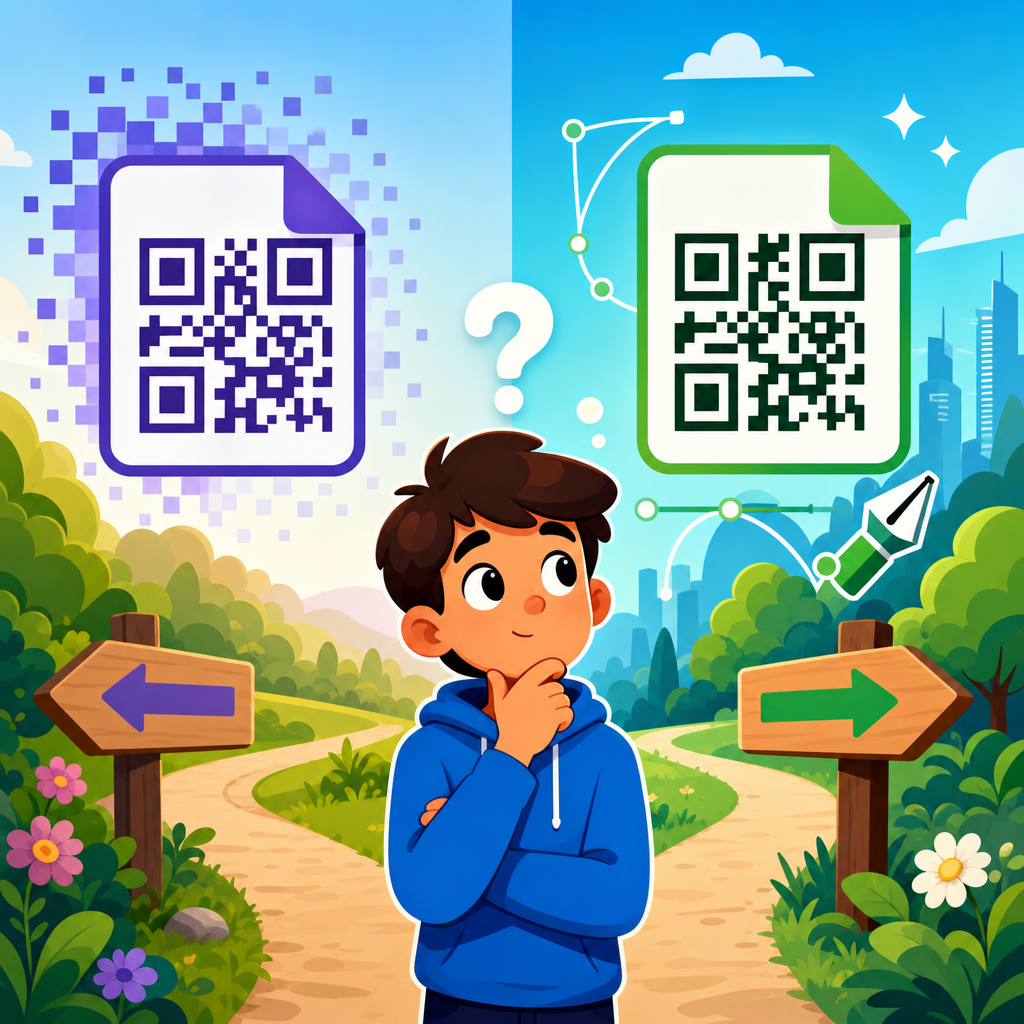
Next, choose the right QR code type and management approach. Dynamic codes are usually the correct choice for campaigns because they allow destination changes without reprinting and provide scan analytics through platforms such as Bitly, QR Code Generator PRO, Beaconstac, Flowcode, or enterprise campaign tools. Static codes are acceptable for permanent utilities like Wi-Fi credentials or fixed public information where no future editing is needed. Include ownership in the checklist. Someone must control link routing, expiration dates, access permissions, and naming conventions. I recommend a campaign ID format that ties the asset to channel, region, date, and offer, such as DM-US-Spring-OfferA-2026. This makes reporting and troubleshooting far easier. Also decide whether each code maps to a dedicated landing page or uses server-side personalization by device, geography, or language. The more variables involved, the more important documented rules become.
Destination and user experience checklist: optimize what happens after the scan
The destination experience is where value is created, so the checklist must cover speed, clarity, and relevance. Every landing page linked from a QR code should load quickly on mobile networks, display above-the-fold confirmation that the visitor is in the right place, and present one dominant call to action. If the code promises “View setup guide,” the page headline should repeat that promise. Match message, visual language, and offer terms across the physical asset and destination page. This continuity reassures users and improves completion rates. Avoid generic homepages, intrusive pop-ups, and forms longer than necessary. On high-intent scans, such as product registration or warranty activation, ask only for required fields first and collect optional data later. If app download is the goal, use smart routing to direct iOS and Android users to the appropriate store. If a PDF is necessary, provide a mobile-friendly summary page first with the document linked as a secondary option.
Accessibility and trust also belong on the destination checklist. Use readable font sizes, sufficient contrast, keyboard-friendly forms, and descriptive button labels. Confirm that privacy notices, pricing, and terms are visible before someone submits data or completes a purchase. For regulated sectors such as healthcare, finance, or alcohol marketing, ensure destination content meets the applicable legal and age-gating requirements in each market. Include fallback options. A printed piece can say “or visit brand.com/setup” beneath the code, which helps users who cannot scan or who prefer manual entry. I have seen this small addition rescue campaign performance in locations with poor reception or on surfaces where glare affects scanning. Also test links in in-app browsers, because some social and email apps open pages differently than Safari or Chrome. The best QR code checklist treats mobile UX as part of the code itself, not as an afterthought delegated to a separate web team.
Design, print, and placement checklist: make the code easy to scan
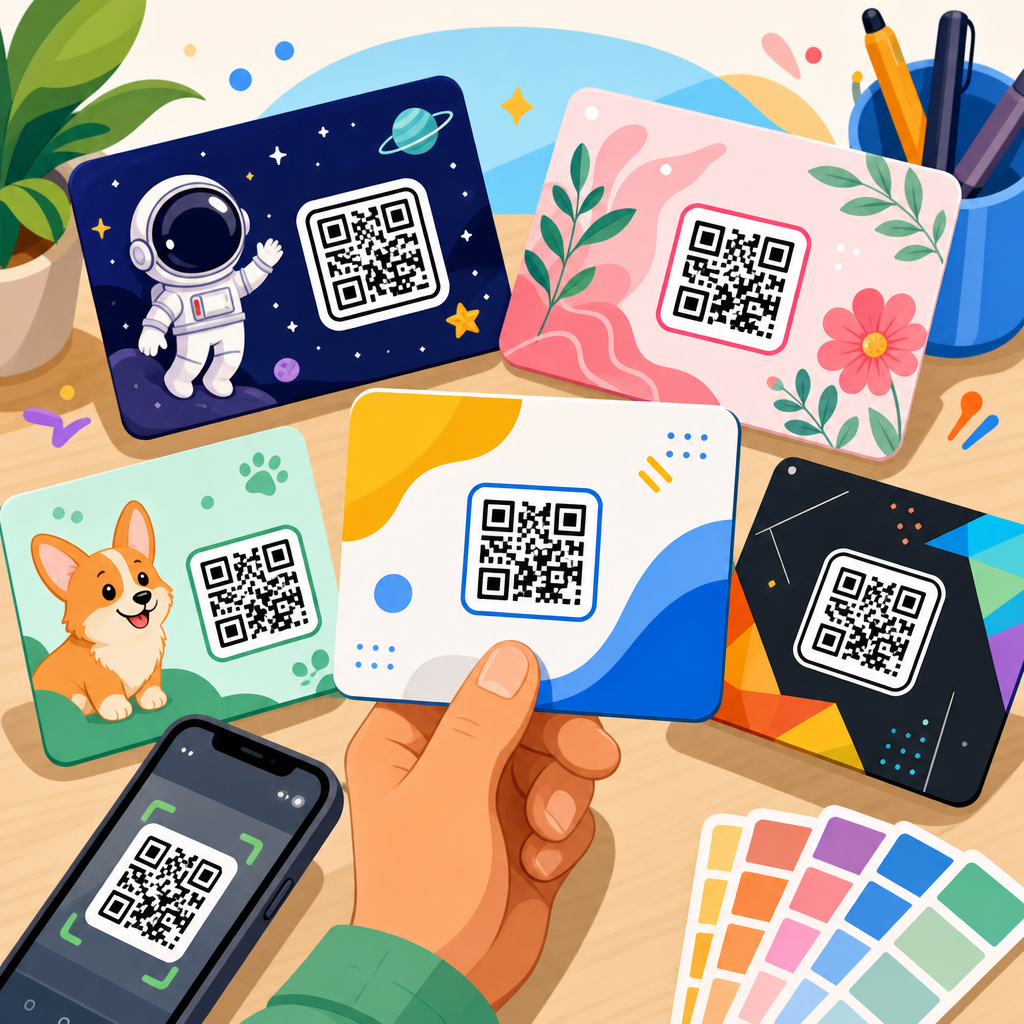
QR code design should support readability first and branding second. Maintain a proper quiet zone, usually four modules wide, around the code. Keep strong contrast between foreground and background; black on white remains the safest standard. Invert colors only after testing, and avoid busy backgrounds, metallic inks, embossing, or transparent overlays that interfere with camera detection. Add a short call to action near the code, because scans increase when people know what they will get. “Scan to view menu,” “Scan for installation video,” and “Scan to claim 15% off” outperform unlabeled codes. Size should match scanning distance. A common rule is roughly one inch of code width for every ten inches of scanning distance, though environment and camera quality matter. For posters viewed from several feet away, make the code substantially larger than you would on packaging or business cards.
Placement determines whether users can comfortably scan. Codes should sit on flat or minimally curved surfaces, away from folds, seams, bottle necks, or corners where modules distort. Check lighting conditions, reflections from lamination, and line-of-sight obstructions. On storefront windows, remember that backlighting can reduce contrast. On moving objects such as buses or digital signage transitions, scan windows may be too short unless the code stays visible long enough. Include production proofs in the checklist and test the exact printed material, not just an on-screen preview. Different substrates absorb ink differently and can soften edges. Below is a practical comparison teams can use during review.
| Checklist area | Best practice | Common failure | Practical example |
|---|---|---|---|
| Size | Match code dimensions to expected scan distance | Code too small on poster or shelf sign | Aisle signage needs a larger code than carton packaging |
| Contrast | Dark code on light background | Low-contrast brand colors reduce recognition | Pale gray modules on beige paper scan poorly under warm lights |
| Surface | Place on flat, non-glare material | Curved bottle label warps modules | Move the code from neck wrap to back label panel |
| Call to action | State the benefit of scanning | No instruction beside the code | “Scan for assembly video” outperforms a bare code on furniture packaging |
| Testing | Test final printed proof on multiple phones | Only desktop preview reviewed before press | Gloss coating causes glare that was invisible on screen |
Tracking and analytics checklist: measure scans and outcomes accurately
Good QR code reporting requires more than counting scans. Start with disciplined URL tagging. Use UTM parameters for source, medium, campaign, content, and term where relevant, aligned with the organization’s analytics taxonomy. A code on product packaging should not share the same campaign name as a code in direct mail unless the business intentionally wants aggregated reporting. Dynamic QR code platforms can report total scans, unique scans, device type, time, and approximate location, but those metrics should connect to downstream analytics in Google Analytics 4, Adobe Analytics, HubSpot, Salesforce, or another CRM stack. The checklist should confirm that scan data maps to business outcomes such as leads, purchases, registrations, support deflection, or repeat usage. Otherwise, teams celebrate scan volume without knowing whether the campaign worked.
Testing analytics before launch is non-negotiable. Verify redirects, UTM persistence, event firing, consent mode behavior, and conversion tracking on iOS and Android. If the page uses cookie consent banners, make sure key events are still measured appropriately within policy constraints. For app campaigns, determine whether mobile measurement partners such as AppsFlyer or Adjust are needed. For offline-to-online attribution, create time-stamped campaign dashboards and annotate launch dates, asset locations, and creative versions. In one retail deployment I managed, two shelf talker designs used different calls to action but shared the same destination. Separate QR codes allowed us to attribute a 28 percent higher scan-to-cart rate to the version that promised a comparison guide instead of a generic product page. That insight would have been invisible with one reused code. A complete checklist therefore includes naming rules, dashboard owner, KPI definitions, reporting cadence, and a plan for A/B testing variables one at a time.
Security, compliance, and maintenance checklist: protect users and preserve performance
Because QR codes hide URLs behind a scan, trust and security deserve explicit review. Use secure HTTPS destinations only. Avoid link shorteners that obscure brand identity unless they are controlled within your organization. If possible, route dynamic codes through a branded short domain. This improves trust and simplifies governance. Review destinations for phishing risk, expired certificates, broken embeds, and unauthorized redirects. If a vendor hosts the QR management platform, confirm access controls, audit logs, export options, and data retention policies. Teams often forget that printed QR codes can outlive the original campaign timeline by months or years, especially on packaging, manuals, posters, and reseller materials. The checklist must therefore include an expiration and maintenance policy: keep the link live, redirect to a relevant evergreen page, or clearly retire the asset. Dead QR codes damage credibility faster than dead text links because the failure occurs after an extra step users already committed to taking.
Compliance requirements vary by industry and geography, so build them into review workflows. Marketing claims must match the destination offer and any geographic restrictions. Data collection should disclose purpose and follow applicable privacy rules, whether under GDPR, CCPA, or sector-specific standards. Accessibility standards such as WCAG should guide landing page design, especially for public sector, education, and large consumer brands. For payments, use PCI-compliant providers rather than routing users through improvised forms. For event access or ticketing, confirm anti-fraud controls and whether a QR code is single use or reusable. Maintenance also means operational monitoring. Set alerts for unusual scan spikes that may signal bot traffic, social virality, or abuse. Recheck high-volume codes after site updates, CMS migrations, or domain changes. The best QR code campaign checklist does not end at launch day; it creates an ownership loop that keeps every code useful, safe, and measurable over its full life.
A reliable QR Code Campaign Checklist turns a simple graphic into a controlled, measurable customer journey. Define the objective, audience, and success metric first. Choose dynamic or static codes based on editability and reporting needs. Optimize the post-scan experience for mobile speed, relevance, accessibility, and trust. Design and place the code so real people can scan it easily in the conditions where it appears. Connect every code to disciplined analytics so scan activity ties to revenue, leads, support outcomes, or engagement, not vanity metrics. Finally, protect users with secure destinations, compliant data practices, and ongoing maintenance. These steps are the foundation for every guide in the QR Code Checklists subtopic, whether you are planning packaging QR codes, direct mail QR codes, event QR codes, restaurant QR codes, or internal operations uses.
If you manage multiple campaigns, treat this hub as the standard operating baseline and adapt it into channel-specific templates. Build one reusable pre-launch checklist, one testing checklist, and one post-launch review checklist, then require them for every asset that includes a code. That discipline reduces preventable errors, shortens approval cycles, and improves performance over time because teams learn from comparable data instead of reinventing the process for each project. Review your current QR inventory, identify codes without clear ownership or tracking, and fix those first. Then use the linked resources in your broader QR Code Resources, Templates & Tools library to create specialized checklists for design, analytics, compliance, and optimization. A better QR campaign starts with a better checklist, so make yours operational today.
Frequently Asked Questions
What should be included in a QR code campaign checklist before launch?
A solid QR code campaign checklist should cover every step between creating the code and delivering a successful post-scan experience. At minimum, include destination URL verification, mobile page testing, QR code size and contrast review, placement validation, call-to-action copy, tracking setup, and a final scan test across multiple devices. You should also confirm whether the campaign uses a static or dynamic QR code, since dynamic codes make it easier to update links and track scans without reprinting materials.
Beyond the code itself, the checklist should include what happens after the scan. Make sure the landing page matches the user’s expectations, loads quickly, and is designed for mobile use. If the QR code promises an offer, event registration, product information, app download, payment, or support access, the destination should immediately deliver that experience without confusion. Many campaigns fail not because the code does not scan, but because the post-scan journey feels disconnected, slow, or irrelevant. A good checklist prevents both technical errors and conversion drop-offs.
Why do QR code campaigns fail even when the code works?
A QR code can scan perfectly and still underperform if the campaign is weak in execution. One of the most common problems is sending users to a generic homepage instead of a focused landing page tied to the context of the scan. If someone scans from packaging, signage, direct mail, a receipt, or an in-store display, they expect a clear next step that fits that moment. When the experience feels unrelated or requires too many extra clicks, users abandon quickly.
Other common failures include poor placement, low visibility, weak internet access in the scan environment, and missing motivation to scan in the first place. A QR code needs a reason to exist. Clear instructions such as “Scan to claim your offer,” “Scan to view setup steps,” or “Scan to register now” typically perform far better than a code shown with no explanation. Weak tracking is another issue. If you do not measure scans, device behavior, traffic source, and conversion activity, you cannot tell whether the campaign succeeded or where it broke down. That is why a complete checklist should evaluate not just scanability, but relevance, usability, and performance measurement.
How do you choose the best placement for a QR code campaign?
The best placement depends on where your audience encounters the code, how much time they have, and what device conditions are likely in that environment. A QR code should be easy to notice, easy to reach visually, and easy to scan without awkward positioning. For printed materials, avoid placing codes too close to folds, edges, glossy reflections, or visually crowded sections. For posters, packaging, displays, tables, windows, and product labels, test the real-world scanning distance to make sure the code is large enough and not distorted.
Context matters just as much as visibility. A code placed in a transit station, storefront, event venue, restaurant, trade show booth, or operational workflow should align with what the user wants at that exact moment. If the environment has poor signal, consider whether the destination page is lightweight enough to load quickly. If the placement is outdoors, account for glare and lighting. If the code appears on digital screens, test refresh rates, brightness, and screen resolution. Strong placement decisions are practical, not just aesthetic. Your checklist should require in-environment testing so you can confirm that the code is visible, scannable, and useful where it actually appears.
What tracking and analytics should be set up for a QR code campaign?
At a basic level, every QR code campaign should track total scans, unique scans, time of scan, device type, operating system, and location data where appropriate and privacy-compliant. You should also use campaign tagging such as UTM parameters so analytics platforms can attribute traffic correctly. This helps you distinguish performance by channel, creative variation, placement, market, product line, or audience segment. If you are running multiple QR codes across print, packaging, events, retail, service materials, or internal operations, naming conventions and reporting consistency are critical.
The most important analytics often happen after the scan. Track landing page engagement, bounce rate, form submissions, purchases, registrations, downloads, coupon claims, payment completion, or any other conversion event tied to campaign goals. If possible, connect QR scan data to your CRM, marketing automation, or sales reporting system so you can measure downstream results, not just traffic. A checklist should also include a process for validating analytics before launch. That means scanning the code yourself, confirming redirect behavior, checking attribution in analytics tools, and verifying that conversion events are firing correctly. Good tracking turns a QR code from a simple access tool into a measurable campaign asset.
How can you improve the post-scan experience to increase conversions?
The post-scan experience should feel immediate, relevant, and friction-free. When someone scans a QR code, they are taking a high-intent action, and the landing experience should respect that intent. Send users to a mobile-optimized page that loads fast, explains the value clearly, and presents one obvious next step. Keep forms short, reduce unnecessary navigation, and make the content match the promise made next to the code. If the code says “Scan to get 20% off,” the discount should be visible right away, not hidden behind multiple clicks or generic site content.
You can also improve performance by tailoring the destination to the campaign context. A product package might lead to usage instructions, reviews, refill ordering, or warranty registration. An event flyer might lead directly to registration. A service environment might route users to payment, support, or troubleshooting. A retail display might open a product comparison or a limited-time offer. The more closely the destination aligns with the user’s immediate need, the better the results. Your checklist should include mobile usability review, message alignment, page speed testing, and conversion-path testing. In many cases, the biggest gains in a QR code campaign come not from changing the code itself, but from improving what happens after the scan.