QR codes have become a practical bridge between physical attention and digital action, making them one of the most useful tools in modern sales funnels. A QR code, or Quick Response code, is a scannable matrix barcode that sends a user to a digital destination such as a landing page, product video, form, coupon, app download, payment screen, or calendar booking link. In sales terms, that matters because every funnel stage depends on reducing friction. When a prospect can scan instead of typing a long URL, searching manually, or waiting for follow-up, conversion paths get shorter and clearer.
In my own campaign work, the biggest improvement from QR code marketing strategies usually comes from context, not novelty. A code printed on packaging, direct mail, in-store signage, event displays, sales decks, or invoices performs well only when the destination matches the moment. Someone scanning on a trade show floor needs a different experience than someone scanning after purchase from a shipping insert. Used well, QR codes support awareness, lead capture, nurture, purchase, onboarding, retention, and referral. Used poorly, they dump every audience onto a generic homepage and waste intent.
This guide explains how to use QR codes in sales funnels from end to end, while also serving as a hub for broader QR code marketing strategies. You will learn where QR codes fit in each funnel stage, how to design high-converting destinations, how to track performance, what tools and standards matter, and which mistakes commonly hurt results. The goal is simple: turn scans into measurable business outcomes by aligning code placement, messaging, and user experience with the buyer journey. When that alignment is in place, QR codes stop being decorative tactics and start acting like reliable conversion infrastructure.
Where QR codes fit in the sales funnel
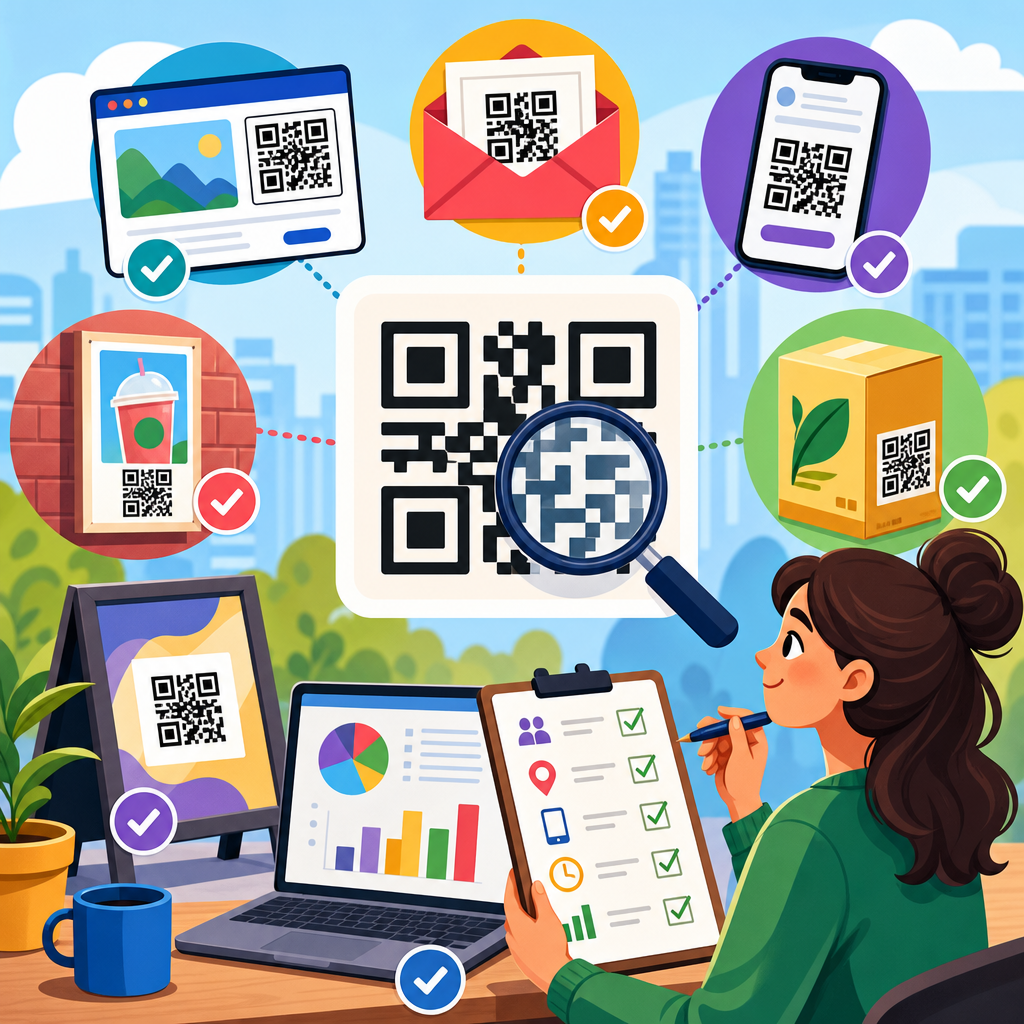
QR codes work across the full funnel because they connect an offline trigger to an online next step. At the top of funnel, they can drive discovery from posters, packaging, out-of-home ads, retail displays, podcast graphics, and print ads into explainer pages or short videos. In the middle of funnel, they can capture leads through newsletter signups, gated guides, product comparison pages, calculators, demos, and webinar registration. At the bottom of funnel, they can push purchase actions through checkout links, limited-time offers, financing applications, store locators, and booking forms. After the sale, they can support onboarding guides, warranty registration, review requests, loyalty enrollment, replenishment orders, and referral programs.
The key is intent matching. A first-time prospect usually needs proof and orientation, not a “buy now” demand. A repeat customer scanning a reorder label wants speed, not education. This is why dynamic QR codes outperform static codes in most marketing systems. A dynamic code points to a short redirect URL controlled in a platform, so you can change the destination later without reprinting the code. That gives marketers room to test campaigns, update offers, fix broken links, localize destinations, and route users by device or geography while preserving the same printed asset.
For funnel planning, I recommend mapping each scan point to one question the user likely has. On a restaurant table tent, the question may be “What should I order?” On a B2B mailer, it may be “Why should I trust this vendor?” On a product package, it may be “How do I set this up?” The best QR code marketing strategies answer that question immediately. If the landing page takes too long to load, asks for too much information, or offers mismatched content, scan rates may look acceptable while conversion rates collapse further down the funnel.
Top-of-funnel QR code marketing strategies
At the awareness stage, QR codes should create curiosity and lower the cost of first engagement. This is where physical media earns an advantage over crowded digital channels. A poster in a gym, a shelf talker in a store, a brochure at a clinic, or a booth sign at an expo can capture attention in a setting where the audience is already focused. The destination should be light, fast, and useful: a short brand story, a product explainer, a localized offer, an interactive quiz, or a video demonstration hosted on a mobile-optimized page.
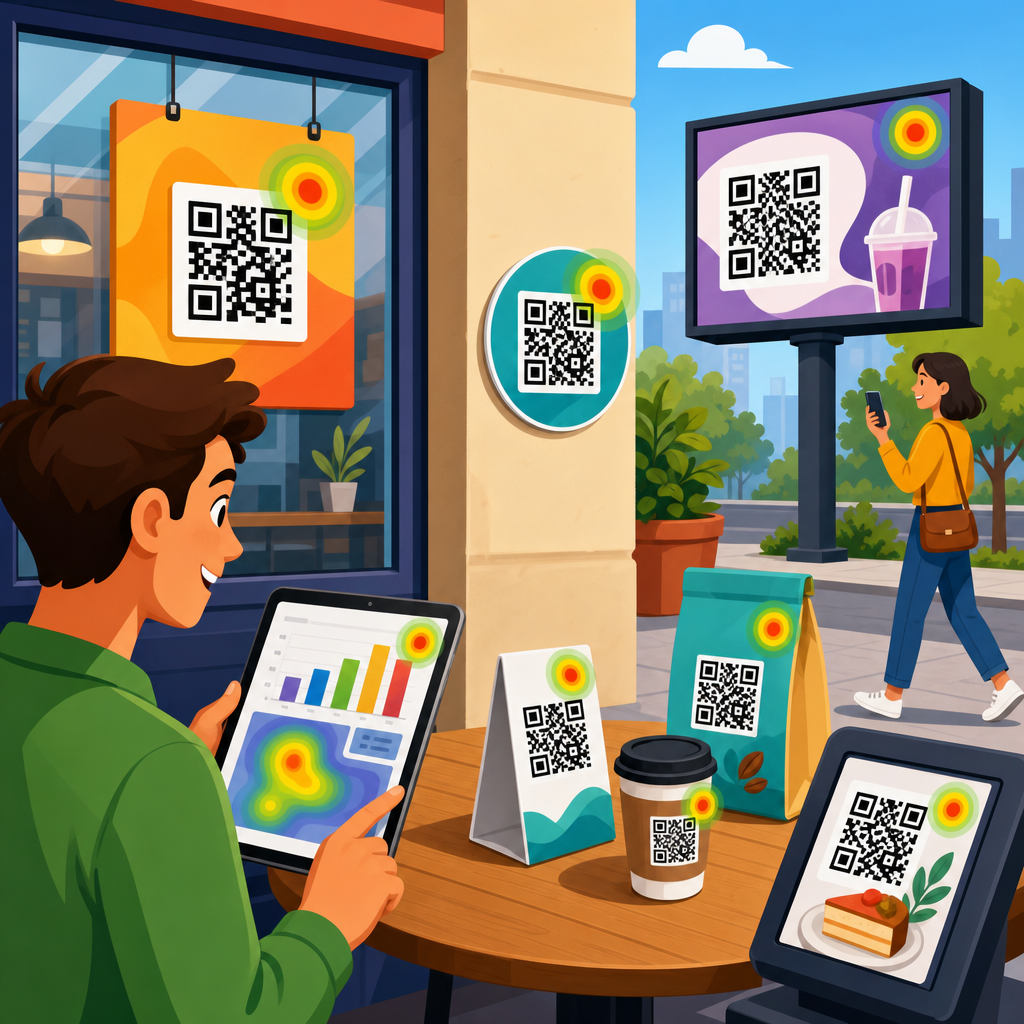
Real-world examples make the point. Consumer packaged goods brands often place QR codes on secondary packaging to tell sourcing stories or demonstrate product use. Real estate teams use yard signs with QR codes linked to listing pages, virtual tours, and instant showing requests. Fitness studios place codes on windows and flyers that route to class schedules and newcomer offers. In each case, the code works because the user can act in the moment. They do not need to remember a website later, and the business can measure scans by location, date, and campaign creative.
Message framing matters as much as placement. “Scan to learn more” is weaker than “Scan for a 30-second demo,” “Scan to compare models,” or “Scan for this week’s offer.” Specificity sets the expectation and improves qualified scans. It also helps filter out low-intent traffic. If a user knows exactly what they will get, they are more likely to complete the next step. For awareness campaigns, use concise copy, a visible call to action, brand-consistent design, and enough quiet zone around the code for reliable scanning under varied lighting conditions.
Middle-of-funnel tactics for lead capture and nurturing
In the consideration phase, QR codes should move from attention to identifiable interest. That usually means connecting a scan to lead capture, segmentation, or content progression. Effective destinations include comparison guides, calculators, consultation forms, webinar registration, sample requests, and case study libraries. I have seen strong results when businesses use QR codes in direct mail and event collateral to route different audience segments to tailored pages. A reseller receives a partner-focused page, while an end buyer receives a pricing and demo page. The code is the same size on the page, but the destination and offer are different because the audience is different.
Form design is critical here. Mobile users abandon long forms quickly, so ask only for information needed to continue the sales process. Name, email, company, and one qualifying field are often enough. Progressive profiling can gather more detail later through follow-up emails or CRM workflows. If you use a lead magnet, make it substantial. A technical buyer scanning a QR code at a conference may trade contact details for a benchmark report, implementation checklist, or ROI model, but not for a generic brochure they could have read on your homepage.
Lead quality improves when the destination page reflects the source context. If the QR code appears on packaging for a premium device, the page should discuss advanced use cases, warranty support, accessories, and upgrades. If the code appears in a sales presentation, the landing page should reinforce the pitch with testimonials, analyst validation, pricing clarity, and a direct handoff to a sales rep. Integration with platforms such as HubSpot, Salesforce, Marketo, or Mailchimp makes this measurable, letting teams score leads, trigger nurture sequences, and attribute pipeline value back to specific QR placements.
Bottom-of-funnel and post-purchase conversion plays
At the decision stage, QR codes should remove the final barriers to action. This can be as direct as sending a user to a prefilled cart, checkout page, financing form, limited-time coupon, or appointment booking tool. Restaurants use table QR codes for ordering and payment. Service businesses place QR codes on estimates and invoices so prospects can approve and pay instantly. Auto dealers use window stickers and showroom tags to launch detailed vehicle pages, trade-in calculators, and financing options. In these cases, every extra tap matters. The best pages are short, transparent, and built for mobile completion.
Post-purchase uses are just as valuable because they increase lifetime value and reduce support friction. Packaging inserts can lead to setup guides, warranty registration, tutorial videos, consumable replenishment, review prompts, and loyalty enrollment. SaaS vendors use onboarding QR codes in conference handouts and premium swag to route trial users into activation sequences. Manufacturers place codes on equipment linking to maintenance procedures, parts catalogs, and safety documentation. These touchpoints influence retention, upsell, and customer satisfaction, making QR codes useful far beyond the first conversion.
The table below shows how common QR placements align with funnel goals and metrics.
| Placement | Primary Funnel Goal | Best Destination | Key Metric |
|---|---|---|---|
| Print ad | Awareness | Short explainer page or video | Scan-through rate |
| Direct mail | Lead capture | Personalized offer or form | Form completion rate |
| Trade show booth | Qualification | Demo booking or case study hub | Qualified leads |
| Retail shelf | Conversion | Product comparison or coupon | Add-to-cart rate |
| Invoice or receipt | Payment or upsell | Pay link or reorder page | Revenue per scan |
| Packaging insert | Retention | Setup guide, warranty, loyalty page | Repeat purchase rate |
Landing page design, tracking, and optimization
A QR code campaign succeeds or fails on the destination experience. The landing page must load quickly on mobile, preserve message match with the source, and make the next action obvious. Core elements include a headline that confirms what the user expected, concise supporting copy, one primary call to action, trust signals, and minimal navigation. If the page exists only to support a scan campaign, remove distractions. Pages built in Unbounce, Instapage, Webflow, Shopify, or native CMS templates can work well if they prioritize speed and clarity. Compress images, avoid intrusive pop-ups, and test on both iPhone and Android cameras.
Tracking starts with UTM parameters, but it should not stop there. Use dynamic QR code platforms that log scans by time, device type, operating system, rough location, and campaign asset. Connect those records to Google Analytics 4 events, CRM stages, and ecommerce conversions. For offline attribution, create unique codes per placement rather than reusing one code across every poster, mailer, or salesperson handout. Then compare scan volume, bounce rate, lead rate, conversion rate, average order value, and downstream revenue. These measurements reveal which contexts produce valuable traffic instead of vanity engagement.
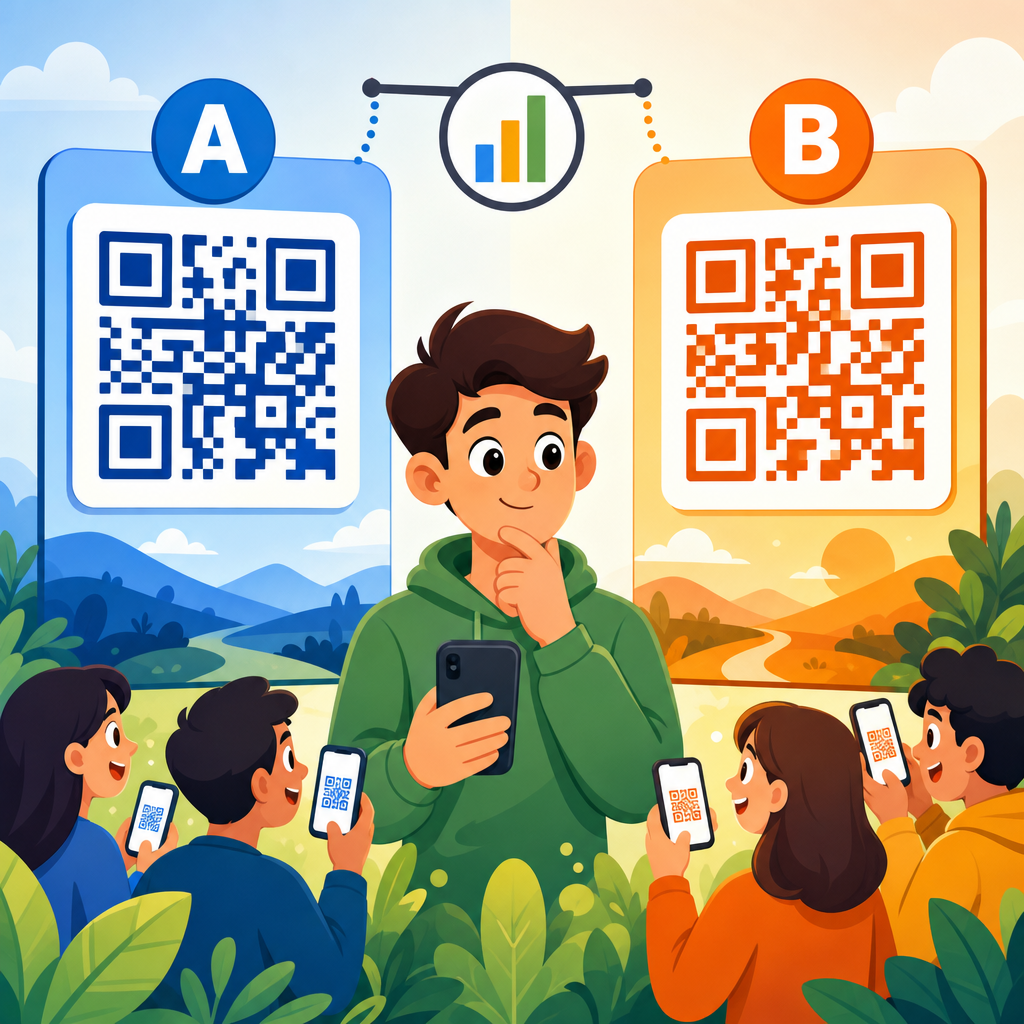
Optimization should be disciplined. Test one variable at a time: CTA wording, incentive type, landing page length, image choice, form fields, or destination content. For example, “Scan for pricing” may outperform “Scan for a demo” in one segment, while the reverse is true in another. Also test physical variables such as code size, print contrast, placement height, and surrounding copy. Industry guidance generally recommends high contrast, sufficient quiet zone, and a code large enough to scan from the intended distance. A practical rule is roughly one inch of code size for every ten inches of scanning distance, though real environments require validation.
Governance, compliance, and common mistakes
Because QR codes often sit at the intersection of print, web, sales, and analytics, governance matters. Start with destination control. Use owned domains or trusted short links, apply HTTPS everywhere, and keep redirect chains short. If you collect personal data, comply with applicable privacy laws such as GDPR or CCPA, present clear disclosures, and secure consent where required. For regulated industries, review claims, disclaimers, and record retention policies before printing assets at scale. Accessibility also matters: provide enough color contrast, readable CTA text near the code, and alternatives when appropriate for users who cannot scan.
The most common mistake is sending every scan to the homepage. The second is offering no compelling reason to scan. Others include printing codes too small, placing them where mobile service is weak, failing to test under real lighting, using low-contrast colors, and forgetting to update destinations after campaigns end. I have also seen teams measure only scans, which can reward curiosity while hiding weak business outcomes. A campaign with fewer scans but higher conversion value is usually the better funnel asset.
As the hub for QR Code Marketing & Strategy, this article points to the essential disciplines behind strong execution: channel-specific creative, campaign tracking, dynamic code management, mobile landing page optimization, attribution, compliance, and lifecycle marketing. The main lesson is straightforward. QR codes perform best when they are treated as conversion pathways, not decorative add-ons. Match the code to the moment, give users a clear benefit for scanning, and track what happens after the scan with the same rigor you apply to email, paid search, and onsite conversion optimization. Audit your current funnel, identify one high-intent offline touchpoint, and build a QR campaign around that single use case first.
Frequently Asked Questions
How do QR codes fit into a sales funnel?
QR codes work as a low-friction entry point that connects offline attention to an online action, which makes them valuable across every stage of a sales funnel. At the top of the funnel, they can be placed on packaging, signage, direct mail, event materials, brochures, posters, or business cards to drive people to a landing page, product overview, lead magnet, or introductory video. In the middle of the funnel, they can guide prospects to case studies, comparison pages, customer testimonials, demos, webinar registrations, or consultation forms. At the bottom of the funnel, they can send buyers directly to a checkout page, payment screen, booking calendar, special offer, or limited-time coupon. The main advantage is speed: instead of asking someone to type a long URL, search for your brand, or remember a page name later, a scan moves them into the next step immediately. That reduction in friction often improves engagement, lead capture, and conversions because the action happens while interest is still high.
What should a QR code link to in order to increase conversions?
The best QR code destination depends on the funnel stage and the user’s intent at the moment they scan. If someone is discovering your brand for the first time, the code should usually lead to a focused landing page that clearly explains the offer and presents one primary call to action. If the audience already knows your product, a QR code can link to a demo request, pricing page, booking form, product video, or checkout page. For lead generation, it can direct users to a short form in exchange for a guide, discount, checklist, or consultation. For post-purchase funnel expansion, it may link to onboarding content, referral programs, upsell offers, or review requests. The key is message match. The page should align exactly with where the QR code appears and what promise surrounds it. If a flyer mentions a free estimate, the scan should open a free estimate page, not your homepage. When the landing experience is specific, mobile-friendly, fast-loading, and built around one clear next step, conversion rates usually improve.
Where should businesses place QR codes for the best funnel performance?
Placement matters because QR codes perform best when they appear in environments where people are already paying attention and are likely to act right away. Effective locations include product packaging, retail displays, restaurant tables, trade show booths, print ads, direct mail pieces, invoices, receipts, window signage, presentation slides, vehicle wraps, and even email signatures when recipients may view them on another device. The strongest placements are usually tied to context and intent. For example, a QR code on event signage might lead to a same-day offer or lead capture page, while a code on packaging could lead to setup instructions, cross-sell recommendations, or loyalty enrollment. Good placement also means practical usability: the code should be large enough to scan easily, have enough contrast, include whitespace around it, and be accompanied by a short instruction such as “Scan to get your quote” or “Scan to book a demo.” A QR code without context often underperforms, while a well-placed code with a clear benefit can become a reliable conversion touchpoint.
How can you track the performance of QR codes in a sales funnel?
Tracking is one of the biggest reasons QR codes are so useful in modern marketing and sales systems. To measure performance properly, businesses should use dynamic QR codes or trackable URLs with analytics parameters so they can see scans, traffic sources, device behavior, and downstream conversions. A well-structured setup might include UTM parameters, dedicated landing pages for each campaign, and integration with analytics platforms, CRM tools, and marketing automation systems. That makes it possible to answer practical questions such as which print asset generated the most leads, which event code drove the most booked calls, or which packaging insert created the highest upsell rate. Beyond scan volume, the most important metrics are click-through behavior, form completions, sales, appointments, revenue per scan, and conversion rate by placement. If a code gets many scans but few conversions, the issue may be the landing page, the offer, or the audience match rather than the code itself. With proper tracking in place, QR codes stop being a generic add-on and become measurable funnel assets that can be tested and optimized over time.
What are the most common mistakes to avoid when using QR codes in sales funnels?
The most common mistake is sending people to a generic homepage instead of a dedicated, mobile-optimized page built for the exact next step. Since most scans happen on smartphones, a slow, cluttered, or confusing page can waste the prospect’s attention immediately. Another frequent problem is using a QR code without explaining why someone should scan it. People need a reason, such as access to a discount, demo, guide, quote, review, or booking page. Poor design is another issue: codes that are too small, low contrast, distorted, or placed in awkward locations often fail to scan. Businesses also make the mistake of ignoring testing, which includes checking the code on multiple devices, confirming the link works, and making sure the destination is appropriate for mobile users. From a funnel perspective, lack of tracking is a major missed opportunity because without analytics, it is difficult to know what is driving real results. Finally, many brands ask for too much too soon. If a first-time prospect scans a code and lands on a long form or a confusing sales page, conversion drops. The best practice is to match the ask to the buyer’s readiness and make the next action feel simple, relevant, and immediate.