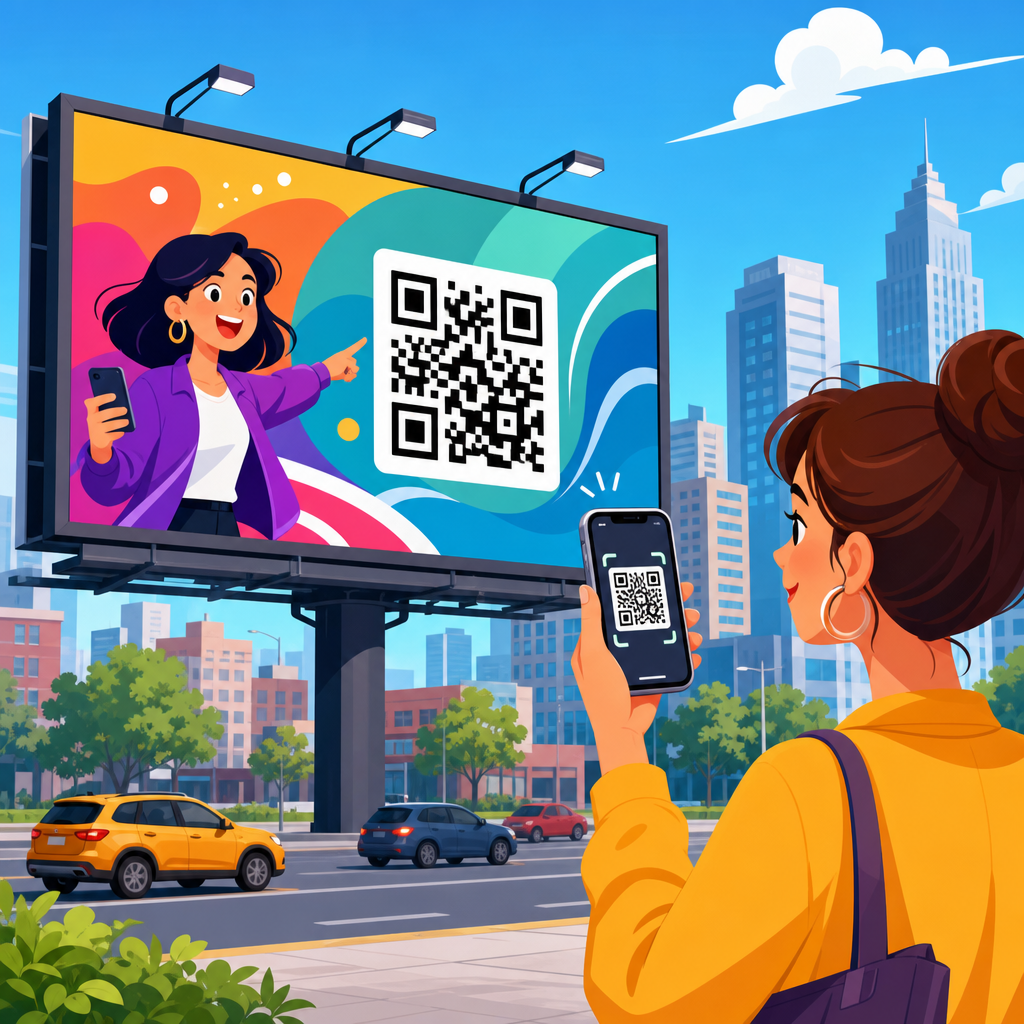
Billboard advertising reaches people at scale, but reach alone is no longer enough. Brands need a measurable path from a roadside impression to a digital action, and QR codes provide that bridge. In billboard advertising, a QR code is a scannable two-dimensional barcode that sends a viewer to a website, app page, video, form, map listing, coupon, or other mobile destination. Used well, it turns a static outdoor placement into an offline-to-online conversion channel. Used poorly, it becomes an unreadable square that nobody scans.
I have worked on QR-driven out-of-home campaigns for retail, healthcare, real estate, events, and franchise brands, and the same lesson appears every time: billboard QR codes succeed when the entire journey is engineered, not when the code is simply added to the creative at the end. Distance, vehicle speed, dwell time, landing page load speed, attribution setup, and offer clarity all affect results. A beautiful billboard with a weak mobile experience underperforms. A simple billboard with a strong call to action often wins.
This article explains how to use QR codes in billboard advertising as the central method for offline-to-online integration. You will learn when QR codes make sense, how to design them for real scanning conditions, which destinations convert best, how to track performance, and what compliance and usability issues to address before launch. As the hub page for this topic, it also frames the wider strategy around outdoor media, mobile conversion, analytics, and campaign optimization.
The reason this matters is practical. According to industry reporting from OAAA and major mobile analytics platforms, consumers increasingly respond to out-of-home media with immediate mobile actions, including search, navigation, app installs, and purchases. Smartphone camera scanning is now native on iPhone and Android devices, reducing friction. That makes billboard QR codes useful not just for awareness, but for store visits, lead capture, ticket sales, menu views, product education, and local promotion. The opportunity is real, but only if the code, the message, and the destination are aligned.
When QR Codes Work Best on Billboards
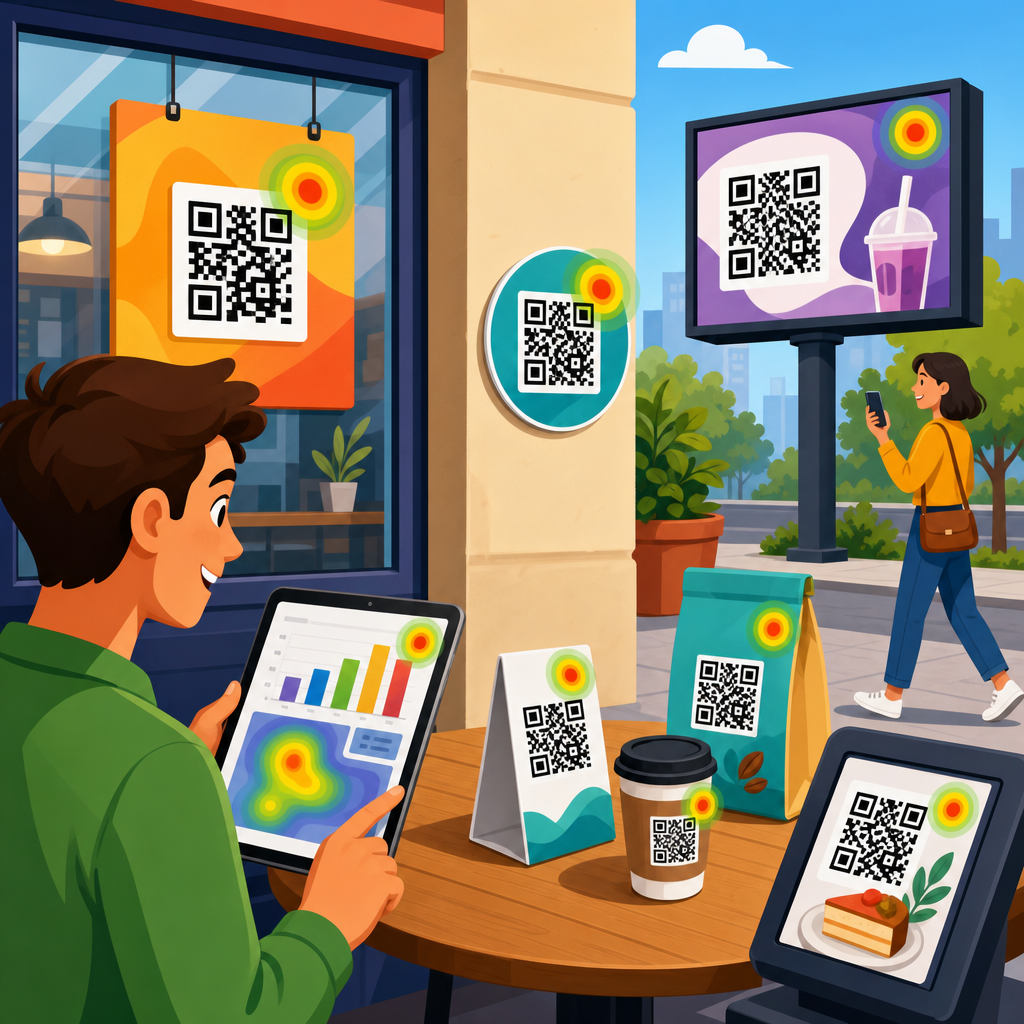
QR codes on billboards work best when the audience has enough time and context to act. That usually means locations with dwell time or repeated exposure: urban pedestrian corridors, transit shelters, subway platforms, mall placements, airport displays, taxi tops at pickup areas, parking structures, gas stations, and roadside boards near traffic lights or congestion points. In these settings, scanning behavior is plausible because the viewer is stationary or moving slowly enough to notice the code, read the prompt, and decide to engage.
Highway bulletins are more complicated. A driver moving at speed should never be the intended scanner. If you use a QR code on a highway billboard, the realistic audience is passengers or people who later recall the brand and search it. In my campaigns, highway placements produced stronger lift when the QR code supported a memorable offer and short URL together, rather than serving as the only response mechanism. Safety must lead the decision. If scanning would require unsafe behavior, the format is wrong or the creative needs to be redesigned.
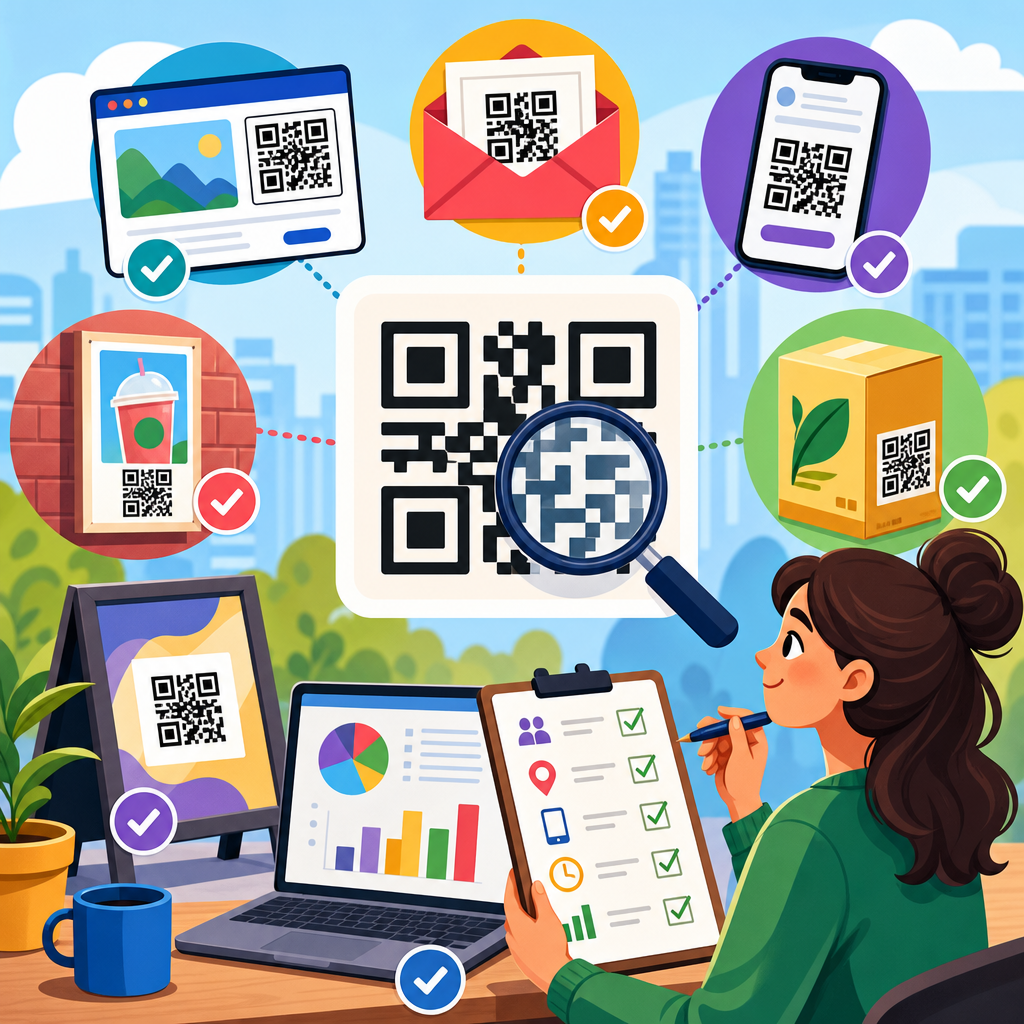
The strongest use cases pair a clear user need with a low-friction mobile destination. Restaurants can send viewers to a location-specific menu or coupon. Real estate developers can route to an interactive property tour. Universities can link to an open-day registration page. Healthcare providers can connect to appointment scheduling, service-line information, or map directions. Event marketers can push to ticketing. Retail brands can direct to a local inventory page, loyalty signup, or store locator. The billboard should answer one immediate question and ask for one immediate action.
Design Rules That Make Billboard QR Codes Scannable
Scannability depends on physics, not preference. The code must be large enough for the viewing distance, printed with strong contrast, and surrounded by adequate quiet space. As a working rule, I recommend starting with a minimum QR code size of roughly one inch for every ten feet of scanning distance, then validating with field tests using multiple phone models. For large-format outdoor media, that often means the code must be far larger than designers expect. A tiny code tucked into a corner will fail even if the artwork looks balanced.
Contrast should be dark foreground on a light background. Black on white remains the safest choice because it maximizes camera recognition. Reversed codes, low-contrast brand colors, glossy reflections, and textured backgrounds reduce scan reliability. The mandatory quiet zone around the code should remain free of text, images, or borders. Error correction can help if you add a logo, but over-branding the center of the code can compromise readability. The practical standard is simple: prioritize first-time scan success over decorative treatment.
Placement matters as much as size. Keep the QR code in a naturally visible area with a direct line of sight, not pressed against edges, folds, support structures, or shadows. Pair it with a short, explicit call to action such as “Scan for menu,” “Scan to book a test drive,” or “Scan for today’s offer.” Generic prompts like “Learn more” usually underperform because they do not communicate value. On outdoor creative, viewers make decisions in seconds. They need to know what happens after the scan and why it is worth their effort.
Before launch, test under real conditions. Print a full-scale section, place it at representative height, and evaluate scan performance in daylight, dusk, and night illumination. Test iPhone and Android cameras, older devices, cracked screens, and weak signal environments. I have seen codes pass studio reviews and fail in the field because of glare from protective laminate or because the landing page loaded slowly on cellular data. Physical testing catches the issues that desktop mockups never reveal.
Choosing the Right Destination for Offline-to-Online Integration
The destination determines whether a scan becomes a business result. A billboard QR code should almost never point to a generic homepage. Instead, it should open a dedicated mobile landing page tied to the specific audience, location, and offer in that placement. If the billboard promotes one product, the page should start with that product. If it promotes one store, the page should default to that store. Message match increases conversion because it removes the need for the visitor to search again after scanning.
Mobile usability is nonnegotiable. Keep load times low, reduce form fields, use thumb-friendly buttons, and place the primary action above the fold. For local campaigns, useful destinations include store locators with map integration, tap-to-call buttons, reservation modules, and coupon wallets. For lead generation, use concise forms connected to a CRM like HubSpot or Salesforce. For app campaigns, deep link where possible so existing users open the relevant in-app screen while new users see the correct app store page. The handoff should feel immediate.
Dynamic QR codes are usually the better choice for billboard advertising because they let you change the destination without reprinting the media. That is valuable when inventory shifts, events sell out, clinic schedules change, or regional promotions rotate. Dynamic platforms also support scan analytics, device breakdowns, and campaign tagging. Static QR codes still have a role for permanent installations or simple evergreen destinations, but for most paid outdoor media, the flexibility of a dynamic code justifies the cost.
| Billboard Objective | Best QR Destination | Why It Works |
|---|---|---|
| Drive store visits | Store locator with maps and hours | Turns awareness into immediate navigation |
| Generate leads | Dedicated landing page with short form | Captures intent while interest is fresh |
| Promote an offer | Coupon or promo page with wallet save | Gives a concrete reason to scan now |
| Sell tickets | Mobile ticketing page for the specific event | Reduces path length to purchase |
| Support app growth | Deep link or app store page | Matches user status and device context |
Measurement, Attribution, and Optimization
If you cannot measure the response, you cannot improve it. Every billboard QR campaign should use campaign parameters, a dedicated analytics view, and conversion events aligned to the business goal. At minimum, tag the destination URL with source, medium, campaign, creative, and market identifiers. In Google Analytics 4, define events for page views, form submissions, calls, coupon saves, purchases, and direction clicks. In ad platforms and CRM systems, connect those events back to audience segments and sales outcomes where privacy rules allow.
Scan count is only the first metric. A high scan total with low conversion may indicate weak message match, poor landing page performance, accidental scans, or an irrelevant offer. Better indicators include engaged sessions, conversion rate, cost per lead, cost per store visit, assisted conversions, and location-specific lift. For multi-market campaigns, compare boards by context: pedestrian, transit, roadside, and place-based screens behave differently. When we audit outdoor QR performance, creative clarity and landing page speed usually explain more variation than media cost alone.
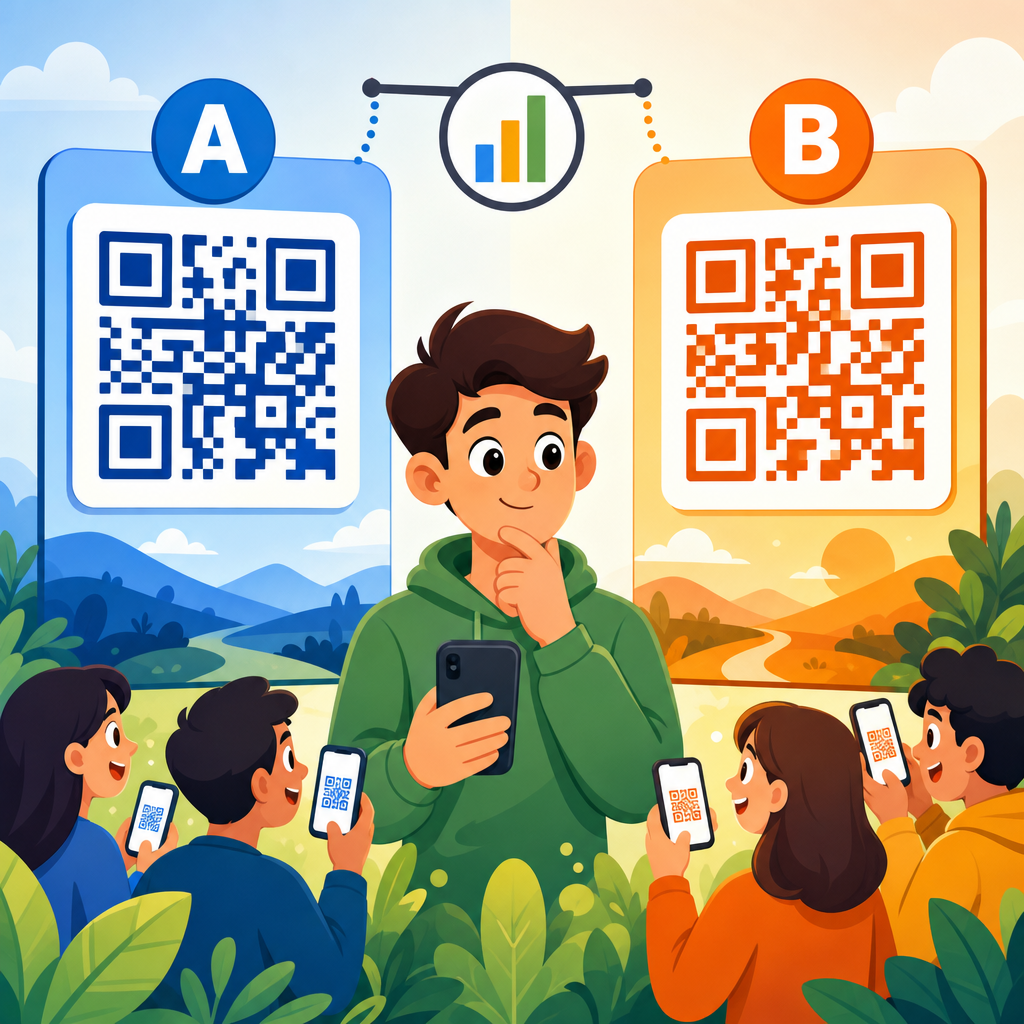
Testing should be intentional. Change one major variable at a time, such as the call to action, incentive, destination, or code placement. Compare “Scan for directions” against “Scan for 20% off today” only if the underlying business objective is the same. Use holdout periods or market splits when possible. For digital billboards, dayparting can improve efficiency by matching the message to commuter patterns, weather, or event schedules. A breakfast offer that points to mobile ordering performs differently at 7:30 a.m. than at 3:00 p.m.
Attribution will never be perfect because some viewers see the billboard, skip the scan, and convert later through search or direct traffic. That does not mean the billboard failed. Use blended measurement: direct scans, branded search lift, geo-based visitation studies, coupon redemption, and CRM source fields. The strongest teams treat the QR code as one measurable response path within a broader offline-to-online system, not as the only proof that outdoor media worked.
Compliance, Accessibility, and Common Mistakes
Legal and platform considerations matter, especially in regulated sectors. Healthcare, financial services, alcohol, and political campaigns may need disclosures, consent language, age gates, or privacy notices on the landing page. If the QR code leads to data collection, the page should explain what is being collected and how it will be used. For promotions, include redemption terms and expiration details. A billboard has limited space, so the first click often carries the burden of compliance. Build that into the page architecture from the beginning.
Accessibility is often overlooked. The billboard itself should not rely on the QR code as the only response mechanism. Include a readable brand name, memorable URL, or clear search prompt so users who cannot scan still have a path forward. On the landing page, support screen readers, sufficient contrast, logical heading structure, and tappable controls. Outdoor media reaches a broad public audience, and accessibility improvements usually help every user, not just those with disabilities.
The most common mistakes are predictable: codes that are too small, no clear incentive, generic homepages, slow landing pages, poor cellular performance, and missing analytics. Another frequent error is trying to make the billboard do too much. If viewers must read multiple lines, compare options, and decide among several actions, response drops. The best billboard QR campaigns are disciplined. One audience, one promise, one action. Keep the bridge from street to screen as short as possible.
To build a strong offline-to-online integration strategy, treat the billboard QR code as part of a connected marketing system. Align the creative with location intent, send scanners to a purpose-built mobile destination, instrument the campaign for meaningful measurement, and refine the experience using real-world testing. That approach turns outdoor media from a broad awareness channel into a practical source of traffic, leads, sales, and store visits.
The key takeaway is straightforward: successful billboard QR advertising depends less on the code itself and more on the journey around it. Scannable design, specific calls to action, mobile-first landing pages, dynamic routing, and sound attribution create results. Ignore any one of those elements and performance suffers. Get them working together and a billboard becomes measurable, adaptable, and conversion-oriented.
As you plan your next campaign, start with the user moment rather than the artwork. Ask where the person is, what they need right then, what action is realistic, and how quickly your mobile experience delivers on the promise. Build from that answer, test in the field, and optimize with data. That is how to use QR codes in billboard advertising effectively, and that is the foundation of smarter offline-to-online integration across your entire marketing program.
Frequently Asked Questions
How do QR codes improve the effectiveness of billboard advertising?
QR codes make billboard advertising more actionable by giving viewers a direct path from awareness to response. A traditional billboard is excellent for reach and repetition, but it often depends on someone remembering a brand name, searching later, or typing in a web address. A QR code removes that friction by letting people scan and instantly land on a specific mobile destination, such as a landing page, product page, app download, video, store locator, limited-time offer, or lead form. That turns the billboard from a pure visibility play into a measurable performance channel.
They also improve attribution. Instead of estimating impact based only on traffic patterns or brand lift studies, advertisers can track scans, visits, conversions, time of day, device type, and downstream actions. This makes it easier to compare locations, creative versions, calls to action, and offers. In practice, that means brands can learn which billboard placements generate real engagement, not just impressions. When paired with strong mobile landing pages and campaign analytics, QR codes help connect offline media spending to online outcomes in a way that is much more precise than billboard advertising alone.
What makes a QR code on a billboard actually scannable?
Scannability depends on a combination of size, placement, contrast, simplicity, and context. The biggest mistake advertisers make is treating a billboard QR code like one designed for packaging or print. Billboards are viewed at distance, often in motion, and sometimes under poor lighting or weather conditions. The code needs to be large enough to scan from a realistic viewing position, with strong contrast between the code and background, and plenty of clear space around it so phone cameras can detect it quickly. A cluttered design, overly stylized code, or busy background can make scanning unreliable.
Equally important is the viewing environment. A billboard on a highway may offer very little practical scan opportunity compared with one in a pedestrian-heavy area, parking structure, transit stop, or urban street where people can safely pause. The call to action should be short and clear, telling viewers exactly why they should scan, such as “Scan for directions,” “Scan for today’s offer,” or “Scan to book now.” It also helps to use a short, easy-to-read fallback URL for people who cannot scan in the moment. Before launch, brands should always test the code on multiple devices, at different distances, and in real-world conditions to make sure the experience works as intended.
Where should a billboard QR code send people after they scan?
The destination should match the viewer’s intent and the campaign goal as closely as possible. A good rule is that the landing experience should feel like a continuation of the billboard, not a detour. If the billboard promotes a nearby store, the QR code should open a location page, directions link, or map listing. If the campaign is focused on lead generation, it should send users to a fast, mobile-friendly form with minimal fields. If the message is about a product launch, the code might open a product page, demo video, or app install page. The more direct the path, the higher the chance of conversion.
It is also critical that the landing page be built for mobile users and for speed. People scanning from a billboard are often on the go, so long load times, cluttered navigation, or desktop-style layouts will hurt performance. The page should load quickly, present one primary next step, and reflect the same message, offer, and branding shown on the billboard. Campaign-specific URLs, dynamic QR codes, and UTM tracking can make reporting much more useful. In many cases, a dedicated landing page performs better than sending users to a homepage because it reduces decision fatigue and keeps attention focused on the action the advertiser wants them to take.
How can advertisers measure the success of QR codes in billboard campaigns?
Success should be measured beyond scan volume alone. Scans are useful because they show immediate engagement, but they are only the top of the response funnel. A stronger measurement approach looks at total scans, unique users, scan rate by location, landing page visits, bounce rate, conversions, cost per action, and any follow-up behaviors such as purchases, calls, bookings, coupon redemptions, or app installs. With dynamic QR codes and analytics tools, advertisers can track performance in near real time and identify which billboard placements, creative concepts, and offers are generating the best outcomes.
Measurement becomes even more powerful when QR data is paired with broader campaign signals. Brands can compare scan activity with traffic patterns, time-of-day performance, regional sales lift, CRM data, retargeting audiences, and conversion paths across channels. For example, a campaign may reveal that one location gets fewer scans but delivers a higher conversion rate because the audience has stronger purchase intent. That kind of insight helps marketers optimize future creative, media buying, and landing page strategy. In short, the most effective billboard QR campaigns are treated like performance marketing initiatives, with clear goals, tracked actions, and a process for continuous testing and improvement.
What are the most common mistakes to avoid when using QR codes in billboard advertising?
The most common mistake is adding a QR code without a clear reason for the audience to use it. If the billboard simply says “Scan me” with no value proposition, response rates will usually be low. People need an immediate benefit, such as access to an offer, directions, exclusive content, product information, or a quick booking experience. Another major issue is poor physical execution: codes that are too small, low contrast, distorted, placed too high, or surrounded by distracting design elements often fail in real-world conditions. If people cannot scan easily and quickly, the opportunity is lost.
Another frequent problem is sending users to the wrong destination. A homepage, a slow-loading page, a page with too many options, or a non-mobile-friendly site can waste the attention the billboard earned. Brands also make mistakes by ignoring safety and context, especially in high-speed traffic environments where scanning may be impractical or unsafe. Finally, some advertisers fail to use trackable, dynamic QR codes, which limits optimization and reporting. The best practice is to treat the QR code as part of the campaign strategy from the beginning, not as a last-minute add-on. When the code, message, placement, destination, and analytics plan all work together, billboard advertising becomes much more measurable and much more effective.