QR codes for cross-channel marketing campaigns turn physical touchpoints into measurable digital journeys, giving brands a practical way to connect print, packaging, retail, events, direct mail, and outdoor media with landing pages, apps, videos, offers, forms, and commerce. In simple terms, a QR code is a scannable matrix barcode that opens a digital destination when a smartphone camera reads it. Cross-channel marketing means coordinating multiple channels so each interaction supports the next. Offline-to-online integration is the discipline of moving someone from a real-world context into a digital experience without friction. When I build these programs, that handoff is the make-or-break moment: if the scan is easy, the page loads fast, and the offer matches the context, response rates rise quickly; if any part feels disconnected, performance collapses.
This matters because customers rarely move in a straight line from ad to purchase. They notice a poster on the commute, pick up a product in a store, receive a catalog at home, compare reviews on mobile, and convert later on a desktop or in an app. QR codes compress that path. Instead of asking people to remember a URL, search for a product, or type a promo code, you give them one immediate action. That convenience improves accessibility, reduces attribution blind spots, and creates richer first-party data than many offline channels traditionally provide. It also supports practical business goals: generating leads from direct mail, improving retail sell-through, increasing event engagement, activating loyalty programs, and measuring how physical media contributes to revenue.
For marketers, the value of QR codes is not the symbol itself but the system around it. Effective campaigns pair dynamic QR codes, campaign-tagged destinations, mobile-optimized experiences, analytics, and operational governance. The code should be traceable, editable when needed, and tied to a clear conversion event such as a form completion, coupon redemption, account signup, or purchase. It should also reflect the user’s environment. A code on product packaging needs a different destination than one on a trade show booth or a restaurant table. The best offline-to-online integration respects intent, location, device context, and timing, then turns the scan into a seamless next step that feels useful rather than gimmicky.
How QR codes bridge offline and online customer journeys
QR codes work because they remove friction at the exact point where attention exists. A customer sees a printed asset, scans, and lands on a digital experience that continues the same message. That continuity is essential for cross-channel marketing campaigns. If a transit poster promises a limited-time offer, the QR code should open a concise landing page with the same headline, visual identity, and redemption flow. If an in-store shelf talker explains a product feature, the scan should lead to a short demo, buying guide, or comparison page, not a generic homepage. The more direct the transition, the stronger the conversion rate.
In practice, QR codes bridge channels in several ways. They connect awareness media to education content, retail displays to product information, packaging to post-purchase support, and physical events to lead capture. A catalog can drive readers to personalized product collections. A real estate sign can open a virtual tour with booking options. A restaurant menu can trigger ordering, loyalty enrollment, or allergy details. I have seen simple packaging inserts outperform expensive paid campaigns because the customer was already holding the product and needed only one prompt to register a warranty, join a subscription program, or learn how to use it.
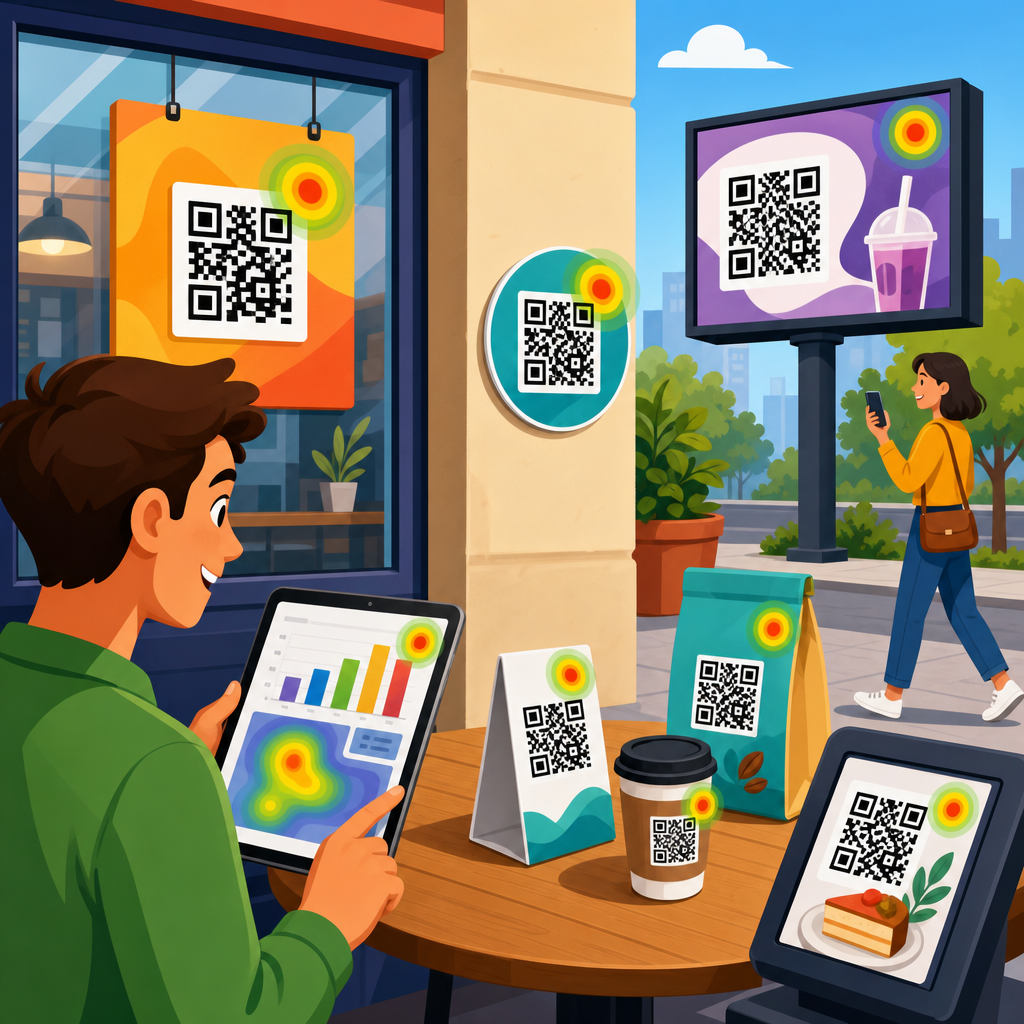
Measurement is another major advantage. Traditional offline media often relies on modeled attribution, vanity metrics, or manual redemption processes. QR codes improve observability. Each code can be assigned to a channel, placement, audience segment, date range, and creative version. That lets teams compare scans from store windows versus direct mail, or from event signage versus magazine ads. With campaign parameters in analytics platforms such as Google Analytics 4, Adobe Analytics, or a CRM-integrated landing page system, marketers can connect scans to downstream behavior including bounce rate, add-to-cart rate, lead quality, pipeline value, and repeat purchase.
Where QR codes fit in a cross-channel campaign strategy
QR codes are most effective when they support a broader campaign architecture rather than operating as isolated tactics. Start by identifying the job each physical touchpoint should perform. Top-of-funnel placements, such as billboards, flyers, and out-of-home posters, should aim for simple outcomes: store locator visits, offer unlocks, or short-form video views. Mid-funnel placements, such as brochures, point-of-sale displays, and event collateral, can move users into deeper comparison content, testimonials, demos, or consultation bookings. Bottom-funnel placements, including packaging, receipts, and direct mail follow-ups, are ideal for activation steps like reorder flows, loyalty enrollment, referrals, and account creation.
Channel coordination matters. A direct mail piece may introduce an offer, a landing page may capture interest, an email sequence may educate, and a retargeting campaign may close the sale. The QR code is the transition mechanism, but the campaign succeeds because messaging, timing, and data are aligned. This is why offline-to-online integration should involve creative, paid media, lifecycle marketing, analytics, sales, and operations from the start. When these teams plan together, the code can route users based on geography, inventory status, language, or audience segment, which makes the experience more relevant and commercially stronger.
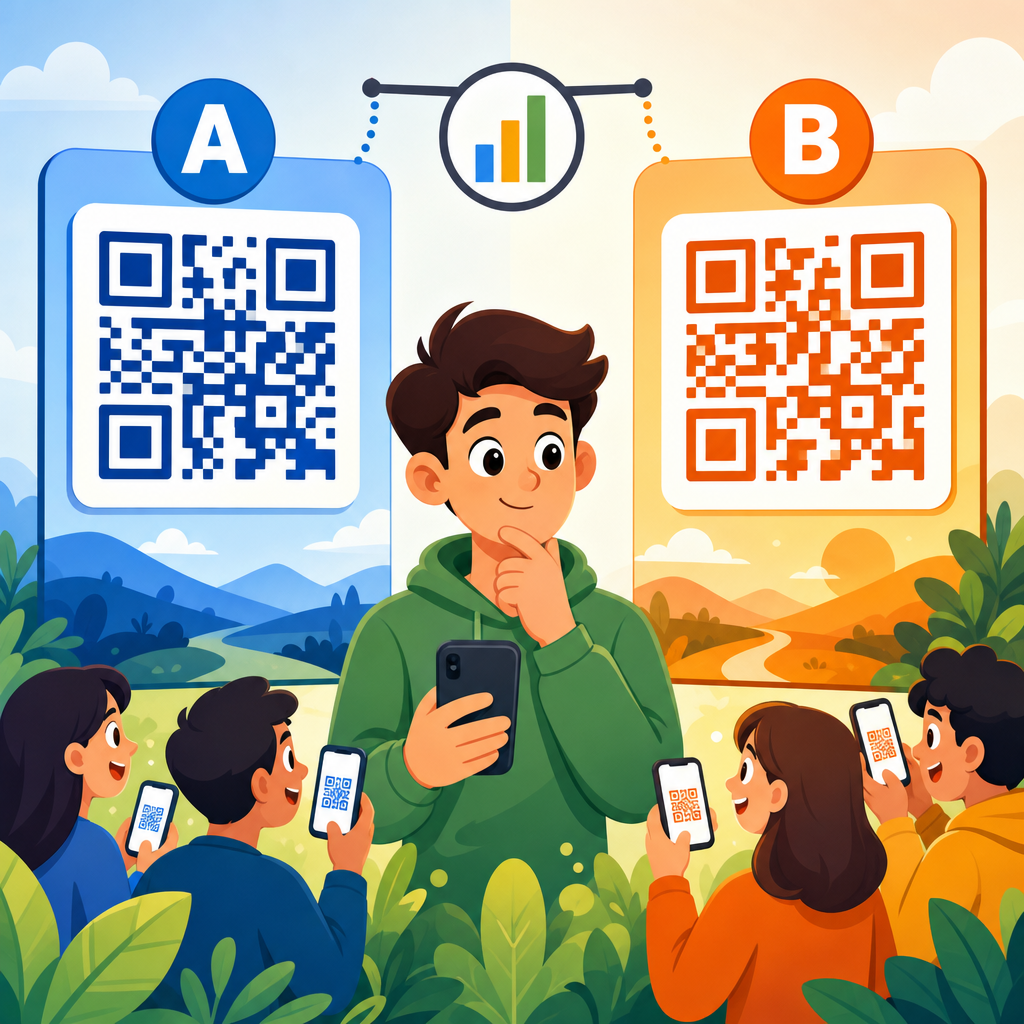
Dynamic QR codes are usually the right choice for this strategy. Unlike static codes, which encode a fixed URL permanently, dynamic codes point to a redirect that can be updated after printing. That flexibility allows teams to change destinations, repair broken links, run A/B tests, pause expired offers, and maintain evergreen materials without reprinting. It also enables scan analytics at the code level. Established generators and management platforms include Bitly, QR Code Generator Pro, Beaconstac, Flowcode, and Uniqode. The best platform depends on governance needs, API access, custom domains, bulk creation, and reporting depth.
Best uses for offline-to-online integration across channels
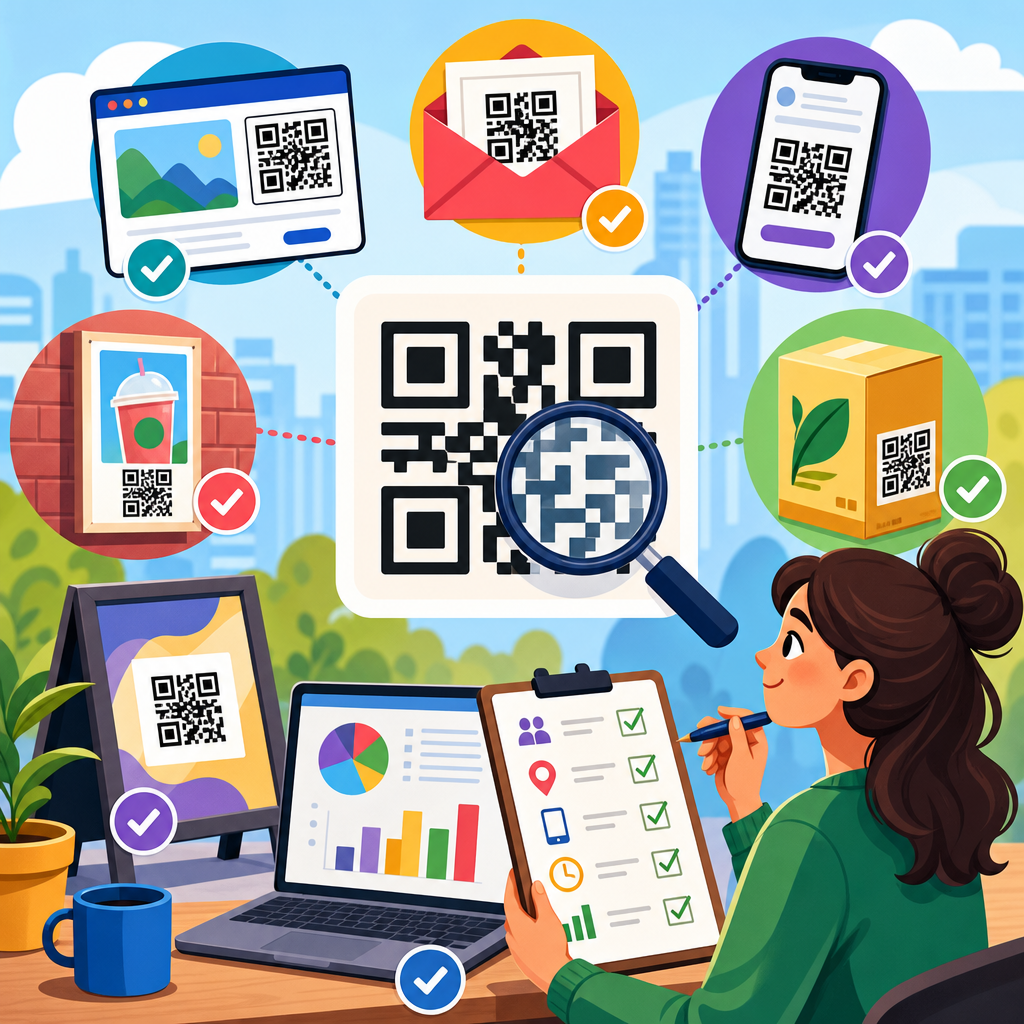
Several use cases consistently justify investment. Retail is one of the strongest. Shelf displays and packaging can answer questions that physical space cannot: ingredient sourcing, comparison charts, how-to videos, reviews, bundle recommendations, and subscription options. Consumer packaged goods brands often use QR codes to extend shelf communication and gather first-party data after purchase. Beauty and electronics brands, in particular, benefit from tutorial-driven scans because shoppers want confidence before buying and guidance after unboxing.
Events are another high-performing environment. Booth signage, badges, session slides, and printed handouts can direct attendees to speaker materials, demos, meeting booking forms, prize entries, or lead qualification surveys. Compared with collecting business cards manually, QR-driven forms improve data quality and speed up follow-up. In B2B settings, I prefer codes that open concise mobile forms prefilled where possible, then push submissions directly into the CRM with source details preserved.
Direct mail has regained relevance because it stands out in a crowded digital environment. QR codes make it measurable. A postcard can open a personalized landing page, and a catalog can drive traffic to curated collections or limited local inventory. Healthcare organizations use mailed reminders with QR codes for appointment scheduling and patient education. Nonprofits use them for quick donations tied to a campaign story. Restaurants place codes on table tents, takeout packaging, and loyalty cards to increase repeat orders and app adoption.
| Channel | Typical scan intent | Best landing experience | Primary KPI |
|---|---|---|---|
| Packaging | Learn, register, reorder | How-to content, warranty, subscription | Registrations, repeat purchase |
| Direct mail | Claim offer, browse products | Personalized offer page | Response rate, revenue per mailer |
| Retail signage | Compare, verify, locate | Product details, reviews, store inventory | Assisted conversion rate |
| Events | Book, download, enter | Lead form, calendar booking, asset hub | Qualified leads |
| Out-of-home | Act now, find nearby option | Store locator, short offer page | Scans, visits, coupon redemptions |
How to design QR code experiences that actually convert
A successful QR code campaign depends on more than scanability. It needs a complete user experience design. First, give people a reason to scan. “Scan me” is weak; “Scan for 15% off today,” “Scan to see ingredients,” or “Scan to book a demo in 30 seconds” is better because the value is explicit. Second, place the code where users can comfortably scan it. That means appropriate size, contrast, quiet zone, and distance. A common rule is at least a 10:1 ratio between viewing distance and code size, though testing in the real environment matters more than generic rules.
Third, optimize the destination for mobile speed and clarity. Most scans happen on phones, often on cellular connections and in distracting environments. The landing page should load quickly, match the printed message, and present one primary action above the fold. Remove unnecessary navigation when the goal is focused conversion. If the page asks users to pinch, search, or wait through heavy scripts, you will lose them. Fourth, maintain brand trust. Use a recognizable domain, secure HTTPS pages, and visual continuity between the physical asset and digital destination. Unknown short links and mismatched pages reduce confidence.
Accessibility and compliance deserve attention as well. Do not rely on the code alone; include a short fallback URL and concise instructions. In regulated sectors such as finance, healthcare, and alcohol, ensure disclosures, consent language, and age or eligibility checks are handled correctly. Also consider multilingual routing for diverse audiences. In global campaigns, geo-detection or language selectors can improve completion rates significantly. Finally, test codes across iOS and Android, multiple camera apps, varying light conditions, glossy surfaces, and print materials. A beautiful design that fails under store lighting is not a campaign asset; it is a production error.
Tracking, attribution, and campaign measurement
To measure offline-to-online integration accurately, define the data model before launch. Every QR code should map to a campaign taxonomy that includes source, medium, placement, creative, audience, and date or version. In many teams, that means standardized UTM parameters combined with a dynamic code management platform and analytics events on the destination page. If a code appears on ten store posters, each poster can still have a unique identifier if local performance matters. Granularity should match the decisions you intend to make; too little detail hides insights, and too much detail creates reporting chaos.
Attribution should extend beyond the scan. The scan is an interaction, not the business outcome. Track downstream events such as email signup, product view, quote request, appointment booking, coupon redemption, and purchase. In retail environments, promo codes, CRM identifiers, loyalty IDs, or point-of-sale integrations can help link scans to revenue. In B2B, connect forms and meeting bookings to opportunity creation and pipeline. Tools like Google Tag Manager, GA4 events, Salesforce campaign attribution, HubSpot workflows, and call tracking platforms can all play a role depending on the business model.
Benchmarks vary widely by context, so comparison should be internal first. A code on product packaging may generate lower scan volume than one in direct mail but far higher lifetime value because it reaches actual buyers. Event scans may spike during a session and then taper, while out-of-home scans may depend heavily on location and dwell time. Review not only total scans but scan-through rate, unique scans, device breakdown, landing page engagement, form completion rate, assisted conversions, and eventual revenue. That fuller picture prevents teams from optimizing for curiosity clicks instead of meaningful commercial impact.
Common mistakes and how to avoid them
The most common failure is sending scans to a homepage. Homepages are built for broad navigation, not immediate intent fulfillment. If the physical asset already created specific interest, the destination should continue that exact path. Another frequent mistake is poor placement: codes too small to scan, placed on moving vehicles, hidden by glare, or positioned where users have no time or space to act. I also see campaigns launched without clear incentives, which leaves users asking why they should bother scanning at all.
Operational mistakes are just as costly. Static codes tied to short-term promotions often become dead ends after the offer expires. Broken redirects, missing analytics parameters, and untested mobile forms undermine trust and make reporting unreliable. Design teams sometimes over-customize the code with logos, colors, or stylized shapes until scan performance drops. Brand expression is useful, but readability comes first. There is also a privacy mistake: collecting more data than necessary or failing to explain how it will be used. Consent and transparency are not optional when a QR code opens a form or activates retargeting.
The fix is disciplined execution. Use dynamic codes where possible, create dedicated landing pages, test in real settings, and document ownership for every destination, redirect, and measurement layer. Build a prelaunch checklist that covers scan tests, load speed, analytics validation, legal review, expiry handling, and fallback URLs. After launch, review performance quickly enough to make adjustments while the campaign is still live. QR codes reward iteration because even small changes to copy, incentive, or destination can materially change results.
QR codes for cross-channel marketing campaigns are most valuable when they are treated as infrastructure for offline-to-online integration, not decorative add-ons. They shorten the distance between attention and action, make physical media measurable, and help teams orchestrate consistent customer journeys across print, retail, events, packaging, and direct mail. The strongest programs use dynamic codes, mobile-first landing pages, clear incentives, and disciplined analytics. They align the promise on the physical asset with the experience after the scan, then tie that interaction to real business outcomes such as leads, sales, registrations, loyalty growth, or retention.
The practical takeaway is simple. Start with the customer context, not the technology. Ask what someone wants in that exact moment, what friction stands in the way, and what single next step will feel useful. Then build the QR code experience around that answer. If you need this page as a hub, branch next into channel-specific guides for packaging, direct mail, retail signage, events, and analytics implementation so your broader QR Code Marketing & Strategy program has clear execution paths. Audit your current physical assets, identify the highest-intent touchpoints, and launch one tightly measured QR campaign that proves the model.
Frequently Asked Questions
What are QR codes for cross-channel marketing campaigns, and why are they so effective?
QR codes for cross-channel marketing campaigns are scannable codes placed on physical or digital assets that send people directly to a chosen online destination, such as a landing page, product page, coupon, video, app download, sign-up form, event registration page, or mobile checkout. Their value comes from how easily they connect offline attention with online action. A person might see a QR code on packaging, in a store display, on a flyer, at a trade show booth, or in direct mail, and within seconds move into a measurable digital experience on their phone.
They are especially effective in cross-channel marketing because they create continuity between channels instead of treating each touchpoint as separate. For example, a print ad can drive to a personalized landing page, that page can encourage email opt-in, a follow-up email can promote a limited-time offer, and a retargeting ad can bring the customer back to complete a purchase. The QR code acts as the bridge that starts the journey. It reduces friction, supports immediate engagement, and makes campaigns more trackable because marketers can measure scans, timing, location patterns, device types, and downstream actions such as form submissions or sales.
Another reason QR codes work so well is that they fit naturally into customer behavior. Most people already carry smartphones and know how to scan codes with their camera. That convenience lowers the barrier to action compared with typing a long URL or searching for a brand manually. In practical terms, QR codes help transform packaging, print, retail signage, events, outdoor media, and direct mail into interactive media channels that can be optimized, tested, and connected to the rest of a marketing strategy.
How can businesses use QR codes across different marketing channels?
Businesses can use QR codes across nearly every customer-facing channel to create a unified path from awareness to conversion. In print marketing, a code can turn a magazine ad, brochure, catalog, or postcard into a direct response tool by linking to a campaign page or offer. On product packaging, it can provide instructions, product education, loyalty enrollment, warranty registration, user-generated content prompts, or reorder options. In retail environments, QR codes can appear on shelf talkers, endcaps, window displays, and point-of-sale signage to deliver product comparisons, reviews, digital coupons, store maps, or mobile payment options.
At live events and trade shows, QR codes can simplify lead capture, session sign-ups, speaker downloads, contest entries, and appointment booking. In direct mail, they can personalize the experience by sending recipients to a custom landing page tied to a specific audience segment or offer. Outdoor advertising such as billboards, transit ads, and posters can use QR codes to move people from a quick glance to an immediate mobile interaction, especially when paired with a clear call to action. Even digital channels can support the same strategy, such as showing a QR code in connected TV ads, presentations, social graphics, or livestreams to encourage second-screen engagement.
The key is consistency. Each QR code should fit into a larger campaign design where every channel supports the next step. A customer might first notice a product in-store, scan a code for more details, receive a follow-up email after opting in, and later convert through a mobile offer. When the destination page, message, creative, and timing align across channels, QR codes become more than a simple link. They become a coordination tool that helps brands guide customers through a logical and measurable journey.
What should a QR code link to in a cross-channel campaign?
A QR code should link to a destination that matches the context of where the code appears and what the audience is expected to do next. The best destinations are mobile-friendly, fast-loading, highly relevant, and focused on a clear action. That could be a landing page with a specific campaign message, a product detail page, a promotional offer, a store locator, a booking form, a survey, a loyalty sign-up page, a video demonstration, or a shoppable collection. The destination should feel like a continuation of the physical touchpoint, not a generic homepage that forces the user to search for the right information.
Context matters a great deal. A QR code on packaging may work best when it links to product care instructions, recipes, ingredients, support content, or reorder options. A code on direct mail might lead to a personalized offer page. A code on event signage could open a registration form, session agenda, or lead form. In-store, shoppers may want reviews, comparisons, inventory checks, or exclusive promotions. Matching the destination to user intent improves both the experience and the conversion rate.
It is also important to think beyond the first click. A well-designed QR code destination should feed into the rest of the campaign. That might include capturing email consent, tagging traffic by source, triggering automation, or presenting a next-step offer. Businesses often get the strongest results when they create dedicated landing pages for each placement or audience segment, because that allows better messaging alignment and cleaner analytics. In short, the destination should be useful, immediate, measurable, and designed to move the customer naturally into the next channel interaction.
How do you measure the success of a QR code cross-channel marketing campaign?
Success should be measured at more than one level. At the top level, marketers typically track scan volume, unique scans, repeat scans, time of day, device type, and general geographic patterns. These metrics help answer whether the QR code is being noticed and used. However, scans alone do not tell the full story. The more meaningful indicators are what happens after the scan, including landing page engagement, bounce rate, form completions, coupon redemptions, app installs, add-to-cart activity, purchases, booked appointments, or any other campaign goal.
To measure properly, businesses should use trackable URLs, campaign parameters, channel-specific landing pages, and analytics integrations. A QR code placed on packaging should ideally be distinguishable from one used in direct mail, retail signage, or event materials, even if they promote a similar offer. This separation allows marketers to see which physical touchpoints are generating the most valuable digital outcomes. Dynamic QR codes are especially useful because they can be updated without reprinting the code and typically offer better campaign-level reporting.
Measurement should also include cross-channel effects. For example, a scan might not produce an immediate sale but may generate an email subscriber who later converts through a nurture campaign. Or a shopper may scan in-store, leave, then purchase later through a retargeting ad. Looking at assisted conversions, customer journey data, and attribution models helps reveal the broader impact. The strongest QR code programs combine response metrics, behavioral metrics, and revenue outcomes to understand not just whether people scanned, but whether the campaign meaningfully moved them toward conversion and long-term customer value.
What are the best practices for creating QR codes that people actually scan?
The most important best practice is to give people a clear reason to scan. A QR code without context often gets ignored, while a code paired with a direct, specific value proposition performs much better. Phrases such as “Scan to get 20% off,” “Scan to watch the demo,” “Scan to book your spot,” or “Scan to compare models” tell people exactly what they will receive. Strong calls to action reduce uncertainty and help the QR code feel useful rather than decorative.
Design and placement also matter. The code should be large enough to scan easily, printed with strong contrast, and positioned where people can access it comfortably. It should not be distorted, overcrowded by surrounding design elements, or placed where scanning is awkward, such as too high on a display, too close to reflective surfaces, or in areas with poor lighting. The landing page must be mobile-optimized, since the overwhelming majority of scans happen on smartphones. A slow or confusing destination can waste interest immediately.
Brands should also tailor the experience by channel. Someone scanning a code on a billboard has different needs and attention levels than someone scanning a code on product packaging at home. Testing different calls to action, placements, incentives, and destination pages can reveal what drives the highest engagement. Dynamic QR codes, short mobile-friendly URLs as a backup, and analytics tracking should be part of the setup from the beginning. Finally, businesses should think in terms of the full customer journey. The best QR code executions do not simply generate a scan; they create a smooth, relevant next step that fits into a larger cross-channel campaign and makes the transition from physical to digital feel effortless.