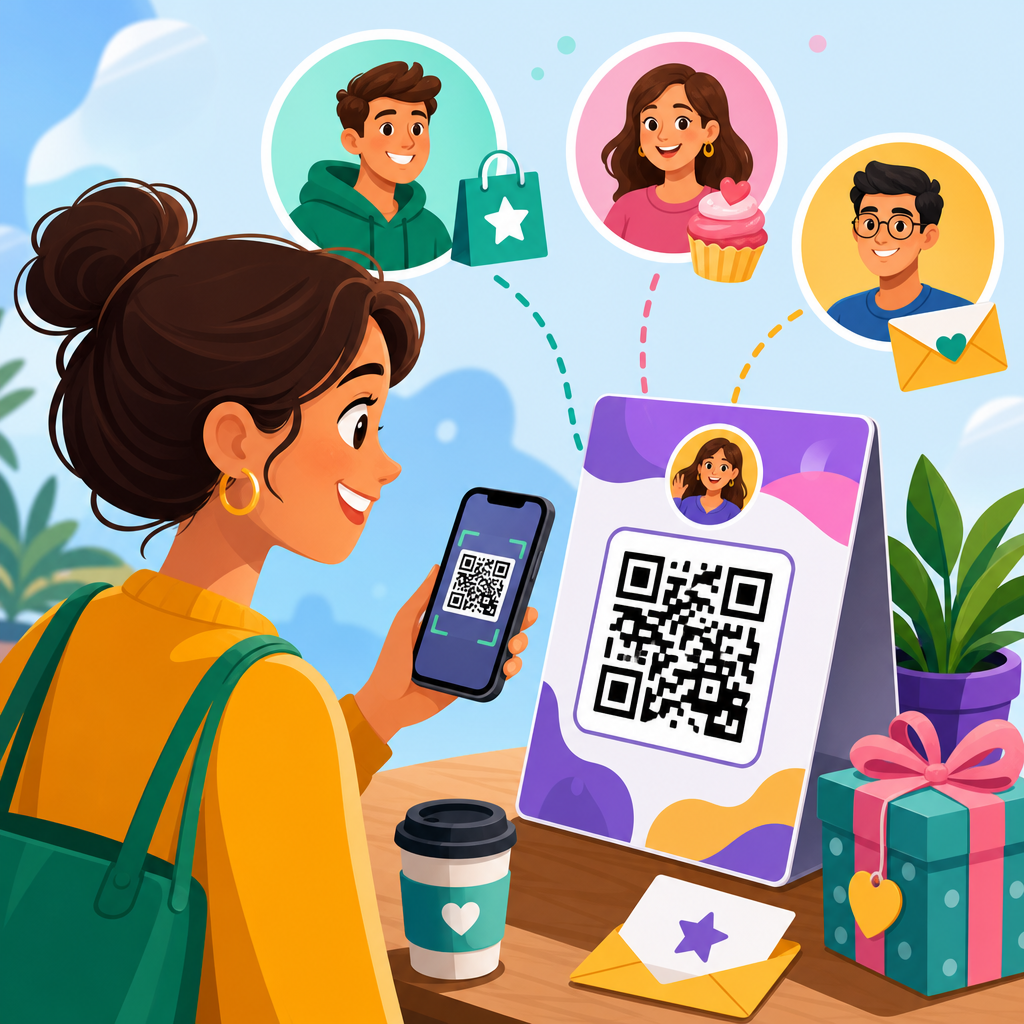
Personalization with QR codes turns a simple scan into a tailored customer journey, and that shift can materially improve conversion rates across email, print, packaging, events, retail, and direct mail. In practice, personalization means changing the destination, message, offer, or experience based on who scans, where they scan, when they scan, or what they have done before. A QR code is the bridge: the printed or digital asset prompts the action, while the landing environment adapts to the individual. When marketers ask how to use personalization with QR codes, the real question is how to connect scan intent with relevant next steps that remove friction and increase the likelihood of purchase, signup, booking, or reply.
I have worked on QR code campaigns for product launches, store activations, and lifecycle email programs, and the pattern is consistent: generic scan experiences underperform because they treat all visitors the same. A first-time prospect does not need the same page as a repeat buyer. A trade show attendee scanning from a booth does not have the same intent as a customer scanning packaging at home. Personalization with QR codes matters because conversion optimization depends on relevance, clarity, speed, and trust. The stronger the match between the scanner’s context and the destination they reach, the better the outcome.
To personalize QR codes effectively, you need three building blocks. First, use dynamic QR codes, which point to a redirectable short URL rather than a fixed final page. Second, define audience signals such as source, campaign, geography, device type, purchase history, or loyalty status. Third, create modular landing pages and offers that can change based on those signals. This approach lets one printed asset support many user paths without reprinting materials. It also creates measurable scan data, which is essential for conversion optimization because you can test headlines, offers, forms, and timing.
This article serves as a hub for conversion optimization within QR code marketing and strategy. It covers the mechanics of personalized QR code campaigns, the data and segmentation choices behind them, the landing page tactics that raise scan-to-conversion rates, and the operational safeguards that keep campaigns accurate and privacy-conscious. If your goal is to make every scan more useful and more profitable, personalization is not an add-on. It is the operating model that turns QR codes from access points into conversion engines.
Start with conversion intent, not the code itself
The most effective personalized QR code campaigns begin by defining the target conversion event. That event may be a product purchase, demo request, coupon redemption, app install, event check-in, review submission, or service booking. Once the primary conversion is clear, work backward to identify what a scanner needs in that moment to complete it. In conversion optimization, the page after the scan matters more than the graphic pattern itself. A visually perfect code linked to a generic homepage usually loses to a plain code linked to a highly relevant landing page with a single clear next step.
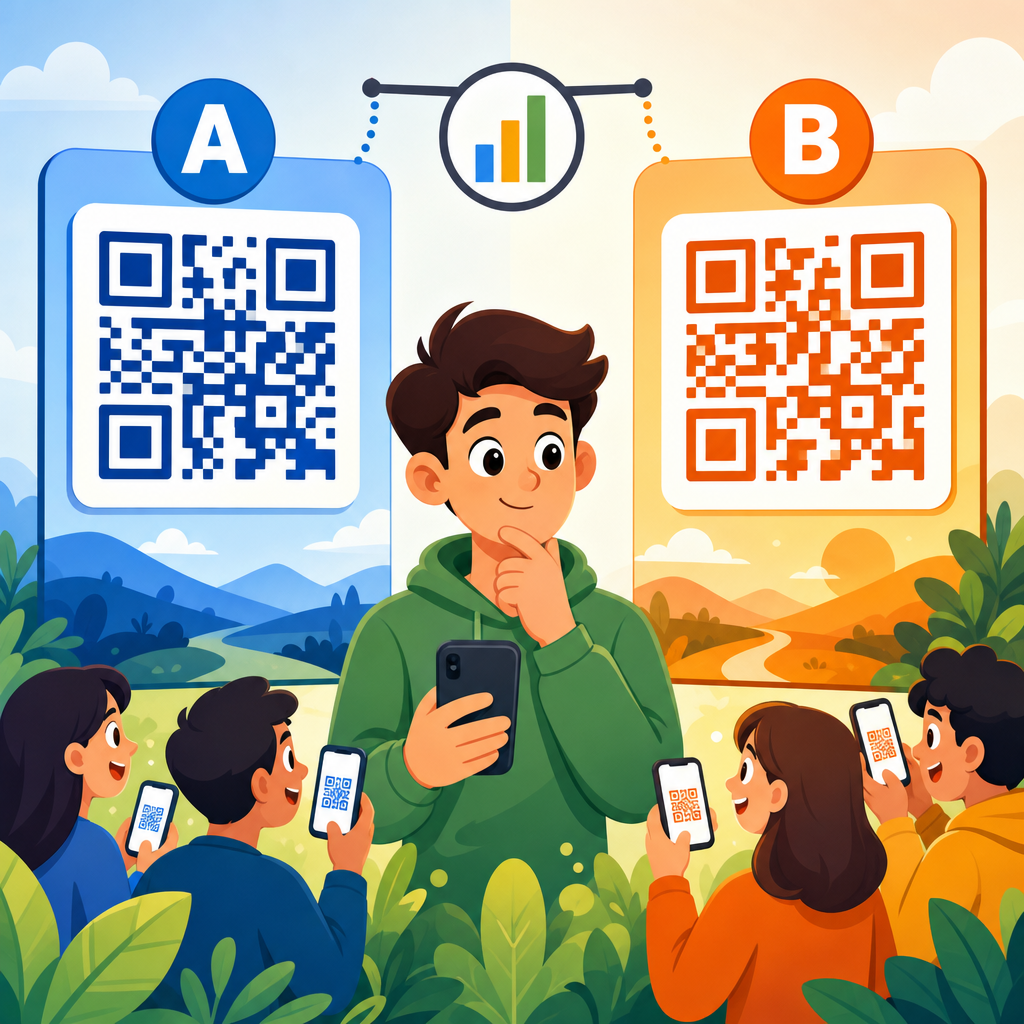
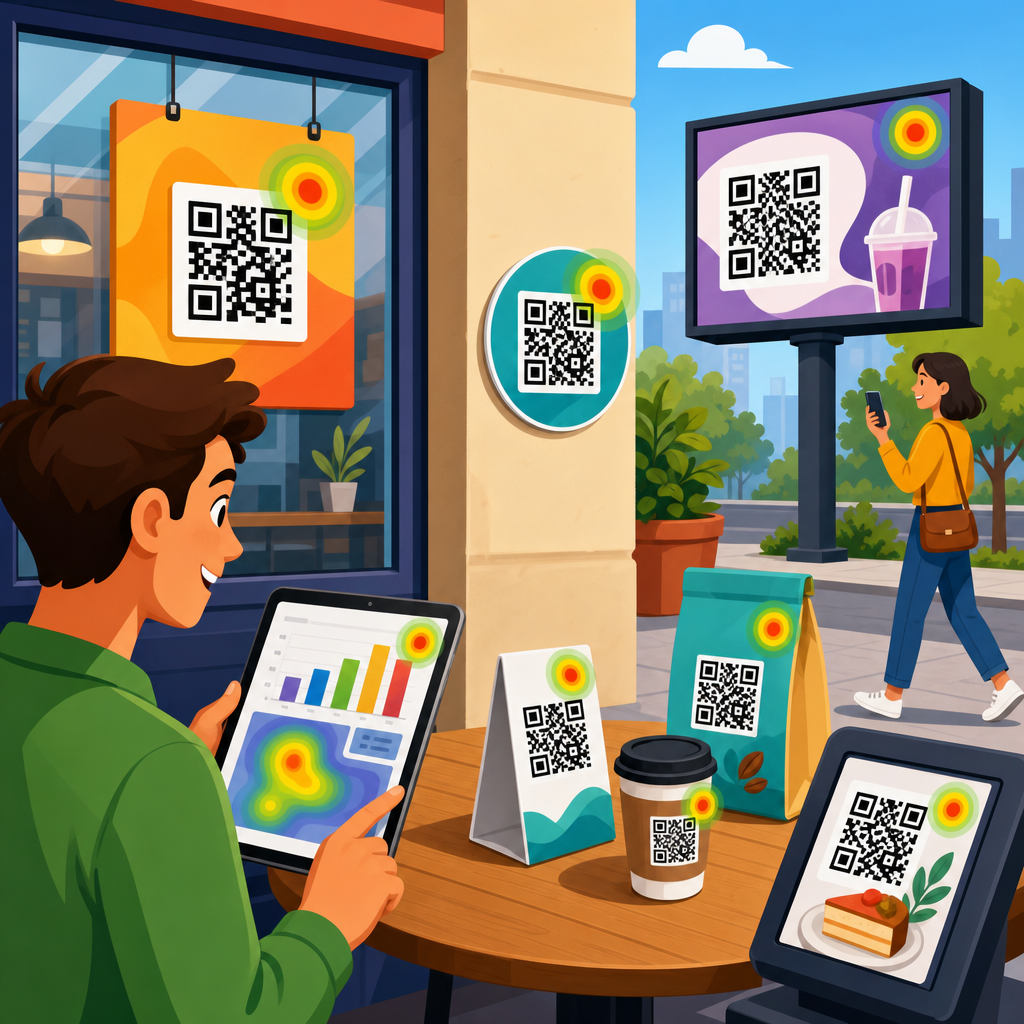
For example, a restaurant can place one QR code on table tents, another on takeaway packaging, and another in neighborhood direct mail. Each code may share the same visual branding, but the destination should differ. Table-tent scanners are likely deciding now, so a personalized landing page should prioritize menu bundles, dietary filters, and one-tap ordering. Packaging scanners are existing customers, so the page can feature loyalty rewards, reorder shortcuts, and a review request. Direct-mail scanners are colder prospects, so the page should open with location relevance, first-order discounts, and proof such as ratings or delivery speed.
When I audit weak QR campaigns, the most common issue is intent mismatch. Teams create one code, send all traffic to one page, and then wonder why scans do not convert. The fix is simple but strategic: map each placement to user intent, then personalize content accordingly. Ask what the person expects after scanning, what objection they need resolved, and what action should happen within the next thirty seconds. That discipline improves not only conversions but also attribution because each code placement becomes a meaningful signal rather than anonymous traffic.
Choose the right personalization model and data signals
There are several practical ways to personalize QR codes, and the right model depends on your data maturity. The simplest approach is code-level personalization: create different dynamic QR codes for different segments or placements. This works well for direct mail lists, in-store signage, account-based marketing, and event materials. A more advanced approach is rule-based personalization at the redirect or landing-page layer. In that setup, one code can route users differently based on device, location, language, time of day, campaign parameters, or prior behavior captured in cookies or customer records.
Useful signals include source channel, product SKU, store location, sales rep owner, CRM lifecycle stage, logged-in status, and previous purchase category. For example, a cosmetics brand can place a QR code on foundation packaging and send scanners to a shade-matching page. If the person is already recognized from an email click or loyalty login, the page can prefill their prior shade family, recommend companion products, and show points balance. If they are new, the same scan can lead to a quiz, introductory offer, and store locator. The code remains easy to scan, but the experience becomes responsive to context.
Tools matter here. Dynamic QR platforms such as Bitly, QR Code Generator PRO, Flowcode, Beaconstac, and Uniqode provide editable destinations and scan analytics. Landing page and personalization systems like HubSpot, Klaviyo, Salesforce Marketing Cloud, Adobe Marketo Engage, and Optimizely can tailor content by segment. Analytics tools including Google Analytics 4, Looker Studio, and CRM attribution reports help connect scans to downstream revenue. In established programs, I prefer using UTM conventions, campaign naming standards, and a central redirect layer so teams can update logic without losing historical reporting consistency.
| Personalization method | Best use case | Primary conversion benefit | Main limitation |
|---|---|---|---|
| Unique QR code by audience segment | Direct mail, account-based outreach, store-level campaigns | Clear attribution and tailored offers | More assets to manage |
| One dynamic QR code with redirect rules | Packaging, posters, event signage | Flexible routing without reprinting | Requires stronger governance |
| Personalized landing page after scan | Email, SMS, logged-in customer journeys | Higher relevance using known data | Dependent on identity matching |
| Time- or location-based personalization | Retail, food service, local promotions | Contextual urgency and local relevance | Can feel generic if overused |
Build landing pages that convert scanners quickly
A personalized QR code campaign succeeds or fails on landing page design. Mobile speed is nonnegotiable because most scans happen on phones, often in distracting environments. Keep pages lightweight, avoid excessive scripts, and place the primary call to action above the fold. If the conversion is urgent, remove unnecessary navigation. If the audience is colder, add trust elements early: ratings, guarantees, delivery details, inventory status, or concise FAQs. Every extra second of loading time and every extra form field reduces completion rates.
Personalization should be visible immediately. If a shopper scans a shelf tag for running shoes, the page should not open with a generic brand story. It should show the exact model, available sizes, nearby store stock, and a relevant incentive such as free shipping or a fitting guide. If an event attendee scans a booth code, the page should reference the event by name, clarify what they receive by submitting the form, and ideally prefill known data from the registration system. People convert when the page confirms they are in the right place and makes the next action obvious.
Strong QR conversion pages also minimize choice overload. Use one main action and one secondary fallback. For instance, a B2B manufacturer might present “Book a 15-minute demo” as the primary button and “Download specifications” as the secondary option. In ecommerce, “Buy now” can sit above “Save to wishlist.” Progressive profiling is especially useful: ask only for the information needed now, then gather more later. In my campaigns, replacing seven-field forms with email-plus-zip variants consistently improved scan-to-lead rates, especially for trade shows and out-of-home placements where attention is brief.
Personalize offers, messaging, and timing to raise conversion rates
Personalization is not just about routing; it is about matching the value proposition to the scanner’s motivation. Offers should vary by funnel stage. New prospects respond well to first-order discounts, trials, consultations, or educational assets. Existing customers often respond better to replenishment reminders, loyalty rewards, bundles, or premium upgrades. High-intent scanners may need less discounting and more reassurance, such as delivery dates, comparison guidance, or customer support access. The best personalized QR code strategies preserve margin by reserving stronger incentives for audiences that genuinely need them.
Message framing matters just as much. A QR code on product packaging can say “Unlock care tips and reorder in seconds,” while a code on a conference badge insert can say “Get the benchmark report and book a follow-up.” The destination should continue that promise exactly. If the code advertises a quiz, the page should open the quiz. If it offers a coupon, the coupon should be visible without hunting. Consistency between call to action and post-scan experience reduces bounce rates because it confirms relevance and builds trust.
Timing creates another layer of personalization. Restaurants can route morning scans to breakfast offers and evening scans to dinner bundles. Fitness brands can promote recovery content after typical workout hours. Travel companies can vary pages by booking window, showing urgency messaging for near-term trips and inspiration content for longer planning cycles. These tactics work best when grounded in actual conversion data rather than assumptions. Review scans by hour, day, location, and device. Then test whether timing-based variants improve completed purchases, form submissions, or coupon redemptions enough to justify the added complexity.
Measure performance and run disciplined tests
To optimize personalized QR code campaigns, track more than scan counts. Scans indicate attention, not business impact. The core metrics are scan-to-landing-page load rate, bounce rate, click-through rate, form completion rate, purchase conversion rate, average order value, revenue per scan, and assisted conversion value. If the campaign supports offline placements, connect scans to store visits, coupon redemption systems, or POS data where possible. Without this measurement stack, teams often overvalue eye-catching placements that generate curiosity but not meaningful outcomes.
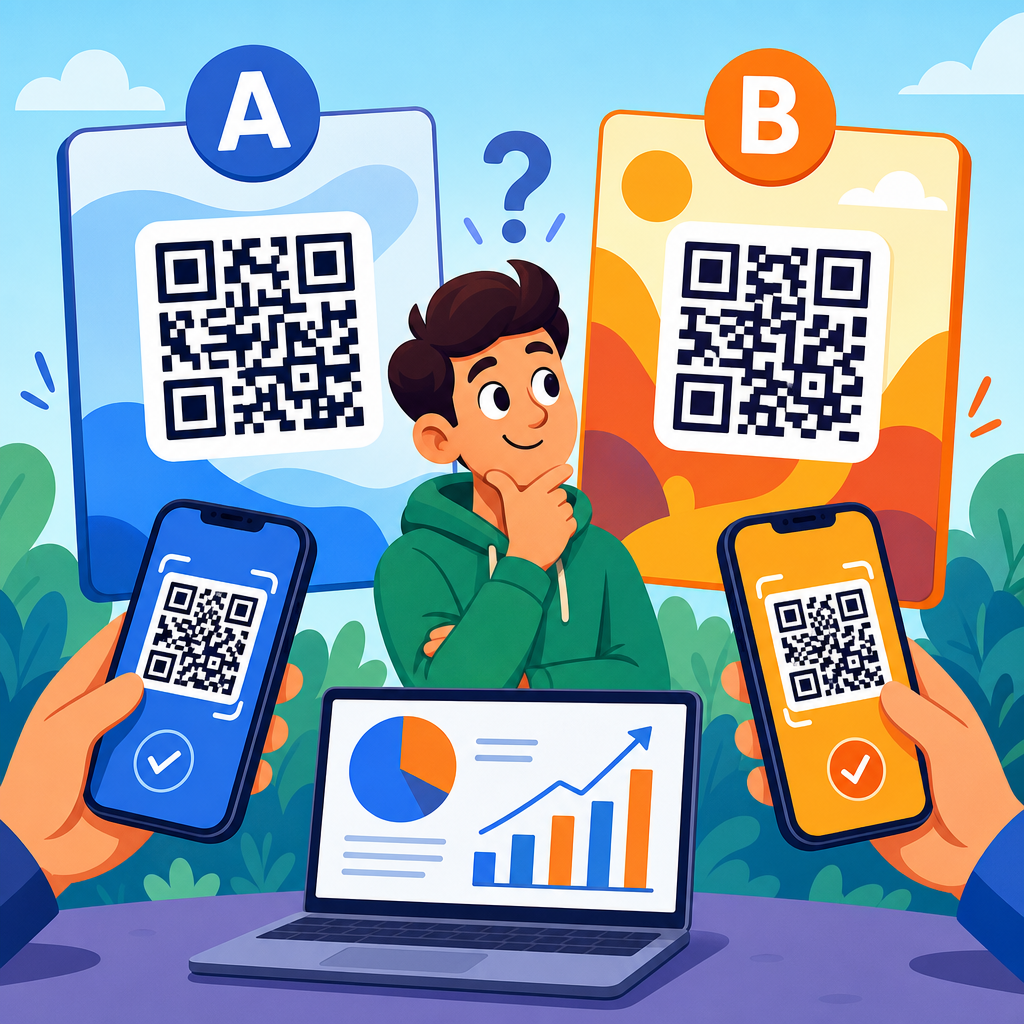
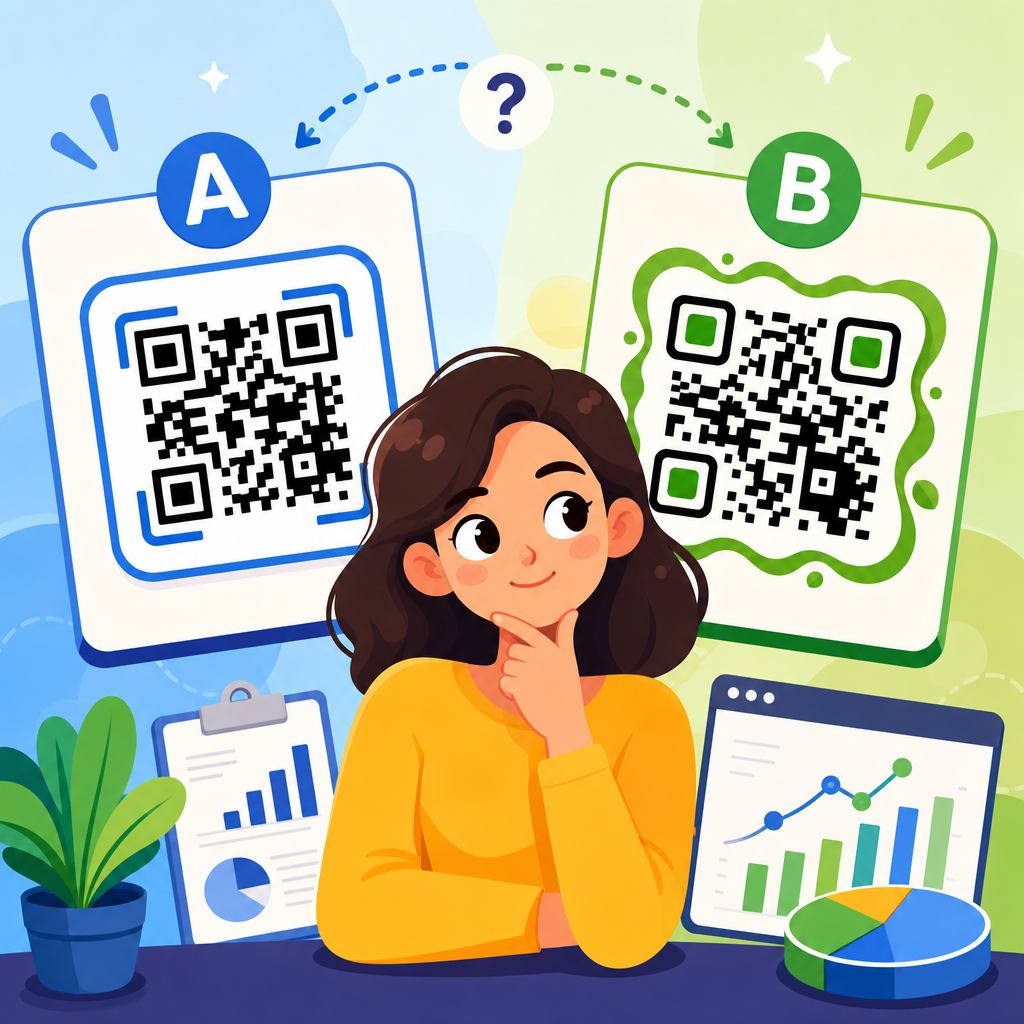
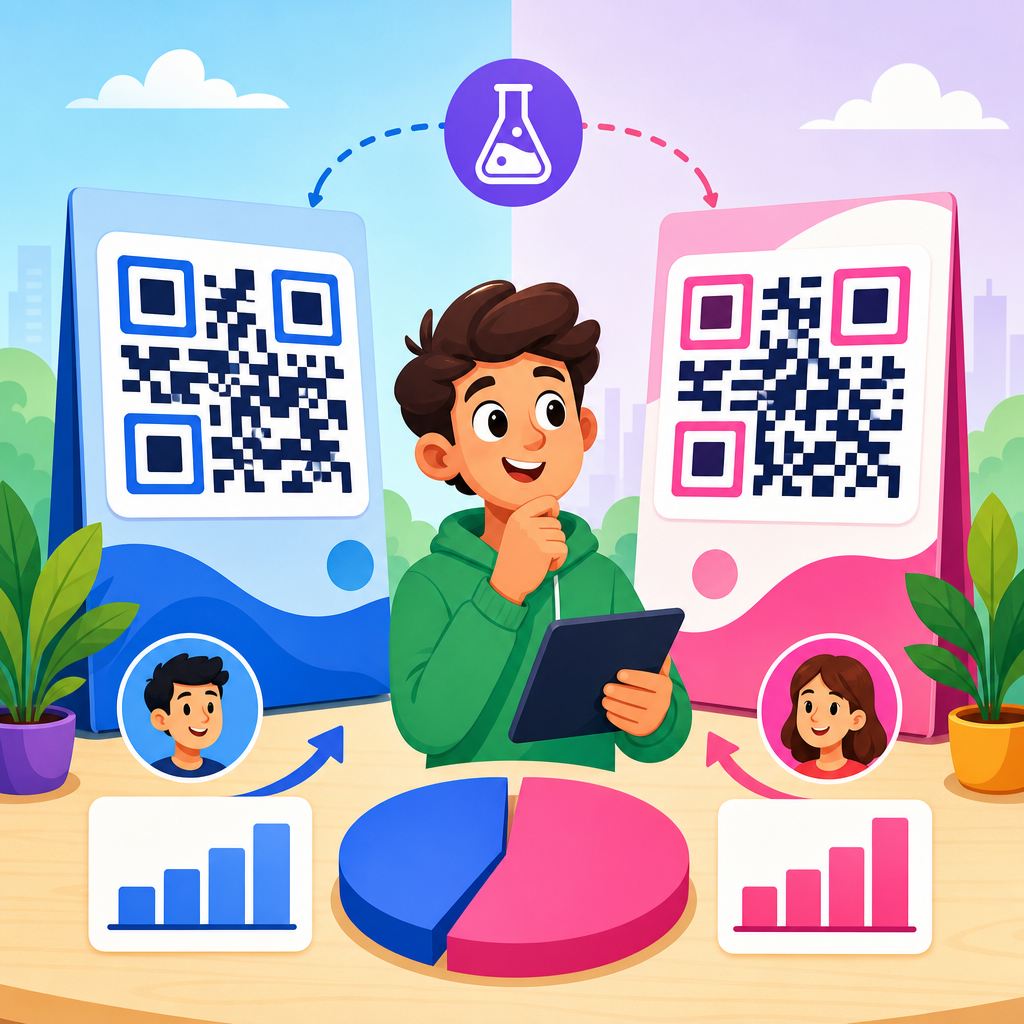
A sound testing process isolates one major variable at a time. Test offer strength, headline framing, CTA wording, image type, social proof placement, or form length. For direct mail, compare personalized hero messages against generic versions. For retail signage, compare product-detail pages against category pages. For B2B events, compare meeting-booking flows against content-download flows. I recommend setting a minimum sample threshold before declaring a winner, because QR scan volumes can vary significantly by placement quality, lighting, foot traffic, and audience intent.
Attribution can be challenging, especially when scans lead to later conversions on another device or in a store. Use campaign parameters, first-party cookies where permitted, CRM syncing, coupon codes, and customer service prompts to improve match rates. In omnichannel environments, a scan may not convert immediately but can still influence eventual revenue. That is why I evaluate both direct conversion metrics and assisted outcomes. Personalized QR codes often increase conversion efficiency not only by producing more sales, but by shortening the path to decision and reducing the cost of follow-up.
Protect trust with privacy, maintenance, and operational discipline
Personalized QR code marketing works only when users trust the experience. Be clear about what happens after a scan, especially if the destination collects data, uses location signals, or prepopulates information. Follow applicable privacy requirements such as GDPR and CCPA, obtain consent where necessary, and avoid collecting more data than the conversion requires. People are willing to exchange information for relevance, but they notice when personalization feels invasive or unexplained. The safest standard is transparent value exchange: tell users what they get and why you ask for specific details.
Operational discipline is equally important. Dynamic codes should resolve through secure HTTPS destinations, and redirect chains should be kept short to avoid latency. Every code needs ownership, naming conventions, expiration rules, and a QA checklist. Before launch, test scan behavior on iPhone and Android, multiple browsers, weak mobile connections, and different camera apps. Confirm that pages render correctly, coupons apply, forms submit, analytics fire, and fallback experiences exist if the app is not installed or a product is out of stock. Broken post-scan experiences waste budget and erode confidence quickly.
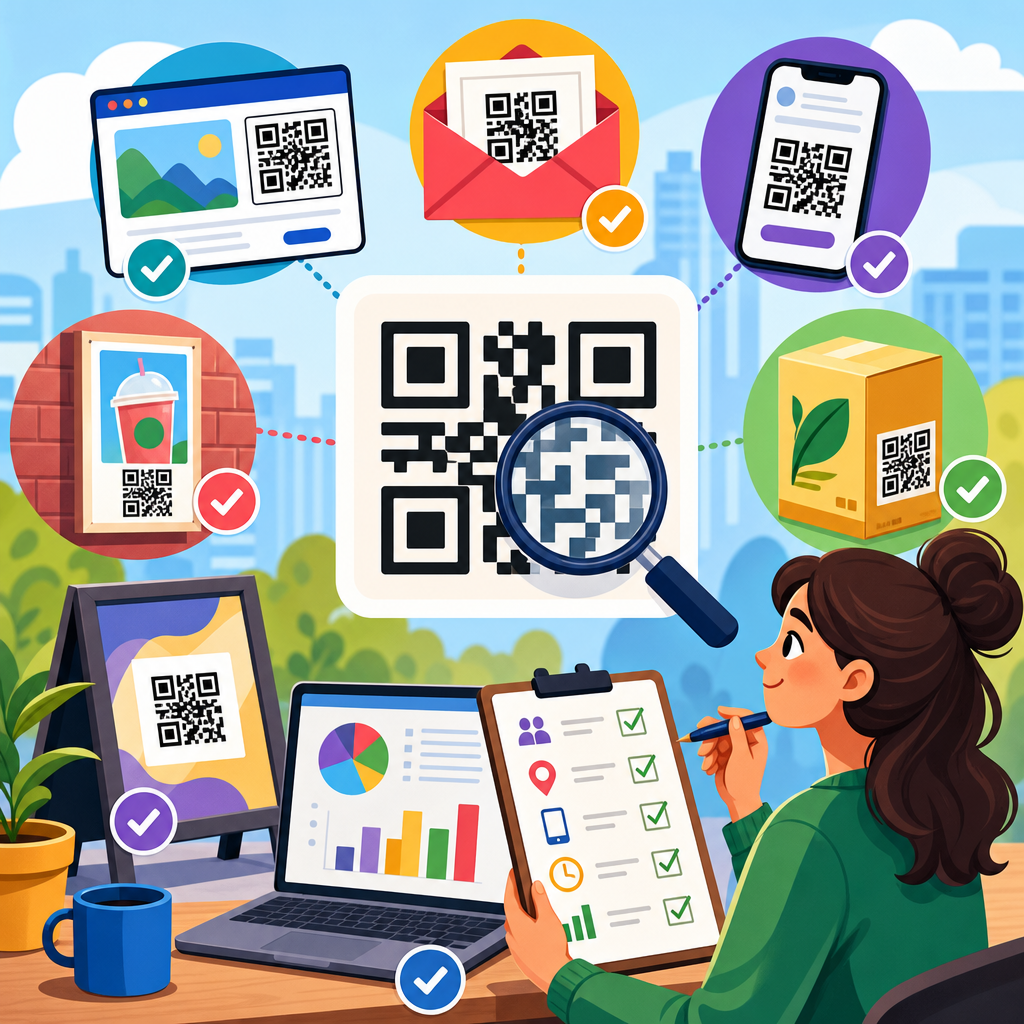
Maintenance should be treated as ongoing conversion work, not a one-time setup. Offers expire, inventory changes, events end, and landing pages drift from original intent. Schedule regular audits of top-performing codes, underperforming placements, redirect logic, and analytics health. In large programs, create a QR governance playbook that covers naming, tagging, destination standards, design specifications, and approval workflows. This is especially important for a conversion optimization hub because the same principles apply across direct mail, packaging, retail, events, and lifecycle campaigns. Consistency lets teams scale personalization without losing accuracy.
Personalization with QR codes works because it aligns scan context with the next best action. Instead of treating every visitor the same, you tailor destinations, offers, and messages to the audience, placement, timing, and prior relationship. That relevance improves the metrics that matter most in conversion optimization: lower bounce rates, higher form completion, stronger purchase rates, better average order value, and clearer attribution across channels.
The practical formula is straightforward. Use dynamic QR codes, define meaningful audience signals, connect them to fast mobile landing pages, and present one clear conversion goal. Then test relentlessly. Improve the offer, simplify the form, tighten the message, and validate every assumption with data. Personalization does not require complexity for its own sake; it requires disciplined matching of user intent to useful outcomes.
As the hub for conversion optimization within QR Code Marketing & Strategy, this topic should inform every supporting article you build, from landing page design and A/B testing to attribution, packaging campaigns, retail signage, and direct mail. Start with one high-intent use case, measure revenue per scan, and expand from there. When every scan feels timely and relevant, QR codes stop being passive links and become dependable conversion assets.
Frequently Asked Questions
1. What does personalization with QR codes actually mean?
Personalization with QR codes means using a QR code as the entry point to a customized experience instead of sending every scanner to the exact same static page. The QR code itself can connect a person to a landing page, product page, form, offer, video, event check-in flow, or mobile experience that changes based on specific conditions. Those conditions might include who scanned the code, where they scanned it, what device they used, what campaign they came from, what time they scanned, or whether they have interacted with your brand before.
In practical terms, personalization can happen at several levels. You might personalize the destination URL, the headline on the page, the featured product, the discount amount, the language, the call to action, or the follow-up sequence after the scan. For example, a QR code on retail packaging could send first-time buyers to onboarding content, while repeat customers are shown refill options or loyalty rewards. A direct mail campaign could use personalized QR codes tied to customer records so each recipient lands on a page with relevant product recommendations. At an event, one QR code placement might direct attendees to a session agenda, while another triggers a lead capture form tailored to sponsor interest.
The key idea is that the QR code becomes a bridge between an offline or digital touchpoint and a responsive online experience. Instead of treating every scan as identical, personalization lets you adapt the experience to the individual and the moment. That is why personalized QR code campaigns often perform better than generic ones: they reduce friction, make the content feel more relevant, and move people more efficiently toward conversion.
2. How can personalized QR codes improve conversion rates across different marketing channels?
Personalized QR codes can improve conversion rates because they make the next step more relevant and easier to act on. When someone scans a code, they are signaling intent. If the landing experience immediately reflects their needs, context, or prior behavior, they are more likely to continue. That relevance can increase engagement, reduce bounce rates, and improve outcomes such as purchases, bookings, sign-ups, registrations, downloads, or in-store visits.
In email, a QR code can connect subscribers to mobile-first experiences that match the segment they belong to, such as a loyalty offer for existing customers or a product discovery page for new leads. In print ads and direct mail, personalized QR codes help close the gap between physical media and digital action by sending each audience segment to messaging designed for their demographics, location, or buying stage. On product packaging, QR codes can guide customers to setup instructions, tutorials, personalized upsell offers, or reorder options based on the product they bought. In retail environments, in-store signage can use QR codes to highlight inventory by location, time-sensitive promotions, or product comparisons. At events, the scan can trigger custom agendas, exhibitor lists, gated content, or post-event nurturing based on session interest.
What matters most is not the QR code itself, but the relevance of the destination and the continuity of the experience. A well-designed personalized journey can acknowledge where the person came from, answer their most likely questions quickly, and present an offer that makes sense in context. That alignment tends to produce stronger conversion performance than generic landing pages because it removes unnecessary steps and gives users a compelling reason to act immediately.
3. What are the most effective ways to personalize a QR code experience?
The most effective way to personalize a QR code experience is to focus on variables that meaningfully change what the user should see next. Common personalization factors include identity, location, time, device type, referral source, purchase history, and behavioral signals. You can use one factor or combine several to create smarter routing and content delivery. For example, a code printed on packaging may use product SKU data to direct users to the correct support content, while a campaign using dynamic QR codes could adjust the destination based on region, time of day, or language preference.
One strong approach is audience-based personalization. If you know who the scanner is, such as from a personalized direct mail campaign, account-based marketing initiative, membership program, or authenticated customer journey, the page can reflect that relationship. Another effective strategy is contextual personalization, where the destination changes based on where the code appears. The same campaign can behave differently on shelf wobblers, trade show booths, postcards, and inserts because each placement signals different intent. Time-based personalization is also valuable for promotions, countdown offers, event schedules, and seasonal messaging. Behavioral personalization can take things further by adapting the experience based on prior purchases, page visits, abandoned carts, or loyalty status.
To make personalization work well, keep the experience useful rather than invasive. The user should feel that the content is relevant, not unnervingly specific. The page should load quickly, the message should be clear, and the call to action should match the likely intent behind the scan. In many cases, lightweight personalization such as showing the right product category, local store details, or campaign-specific offer can outperform overly complex experiences because it delivers immediate clarity without adding friction.
4. Do I need dynamic QR codes to use personalization effectively?
In most cases, yes, dynamic QR codes are the best choice for personalization. A static QR code points to one fixed destination, which limits your ability to change the experience after the code has been printed or distributed. Dynamic QR codes, by contrast, route users through a controllable link or redirection layer. That allows you to update destinations, apply rules, track scans, test variants, and personalize the user journey over time without replacing the QR code itself.
This flexibility matters because personalized campaigns often evolve. You may want to send users in different regions to different pages, rotate promotional offers by date, change landing pages after inventory shifts, or A/B test headlines and forms for different audience segments. Dynamic QR codes make all of that possible. They also support analytics, which is essential if you want to understand scan volume, device patterns, location signals, and conversion performance. Without that data, it is much harder to optimize personalization in a measurable way.
That said, static QR codes can still play a role in simple scenarios where the destination never changes and the personalization happens entirely on the landing page after the user arrives. For example, a static code could direct everyone to the same website, where cookies, login status, or user-selected preferences determine the content shown. But if you want campaign agility, channel-level control, and stronger performance measurement, dynamic QR codes are generally the more effective and scalable solution.
5. What are the best practices for using personalized QR codes without hurting user trust or privacy?
The best practices begin with transparency, relevance, and restraint. Personalized QR code experiences should feel helpful and seamless, not intrusive. Users are generally comfortable with personalization when it improves convenience or makes content more useful, but trust drops quickly when brands appear to know too much or use data without clear value. That is why it is important to personalize in ways that are easy to justify: showing the right product information, local availability, language preference, event schedule, or loyalty benefit is usually welcome because it serves an obvious purpose.
Use privacy-conscious data practices from the start. Collect only the information you actually need, disclose how data will be used, and make sure any tracking or segmentation aligns with applicable privacy laws and consent requirements. If the QR code leads to a form, keep it short and explain the benefit of completing it. If you are using first-party data for routing or messaging, secure that data properly and avoid exposing personal information in visible URLs or page content. It is also wise to avoid personalization that feels overly granular, such as revealing assumptions that the user did not explicitly share.
From a user experience standpoint, make the destination mobile-optimized, fast, and immediately understandable. Let people know what they will get when they scan, especially in print, packaging, or retail settings. A short prompt such as “Scan for your custom setup guide” or “Scan to see your local in-store offer” sets expectations and increases scan confidence. Finally, measure performance thoughtfully. Track which personalized experiences drive better engagement and conversion, but evaluate that data in aggregate wherever possible. The goal is to build a tailored customer journey that feels useful, respectful, and trustworthy at every step.