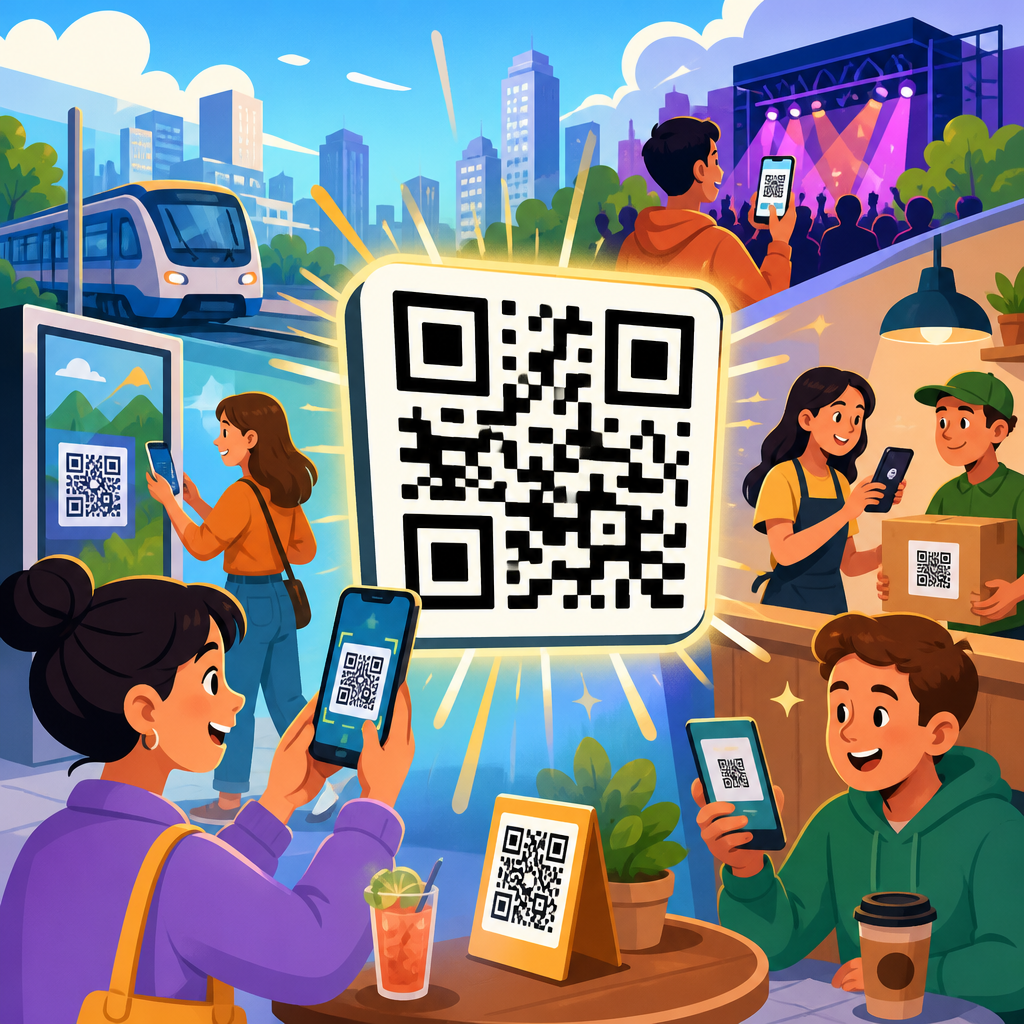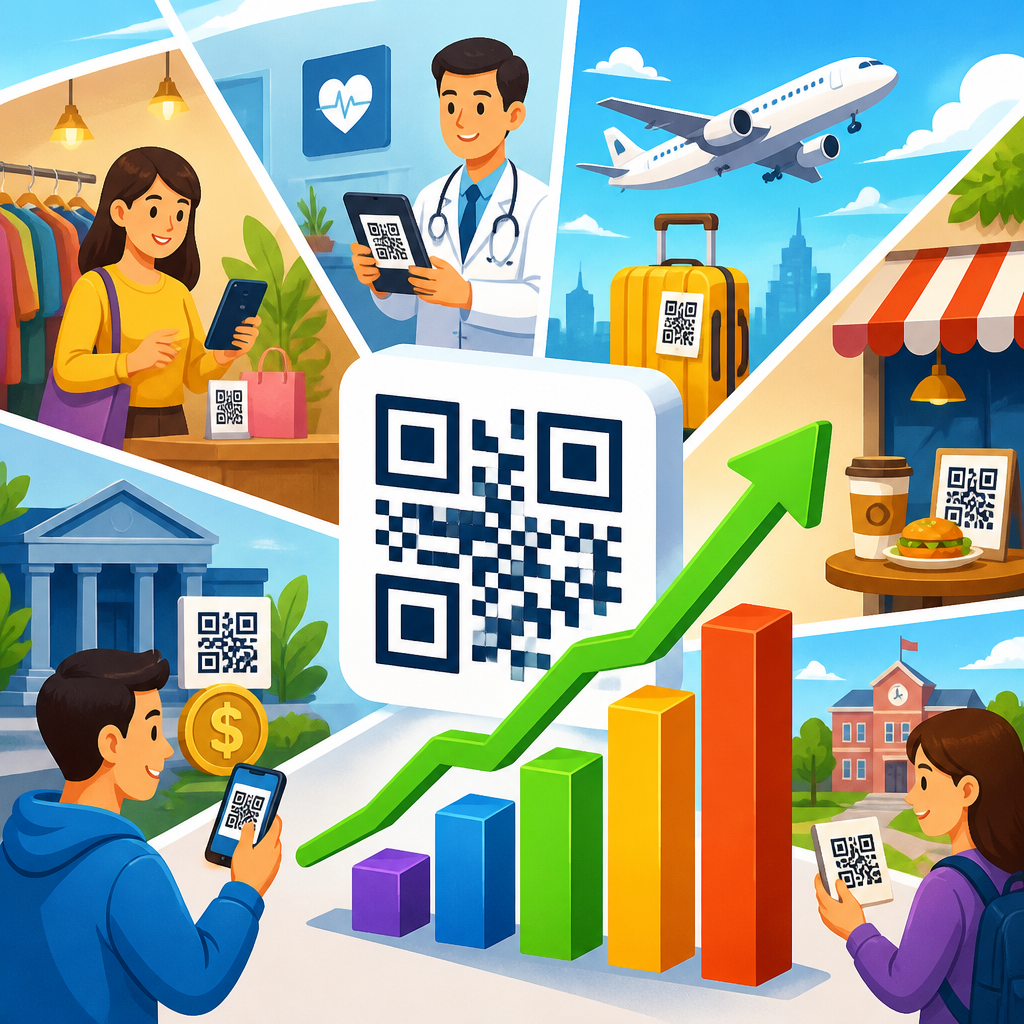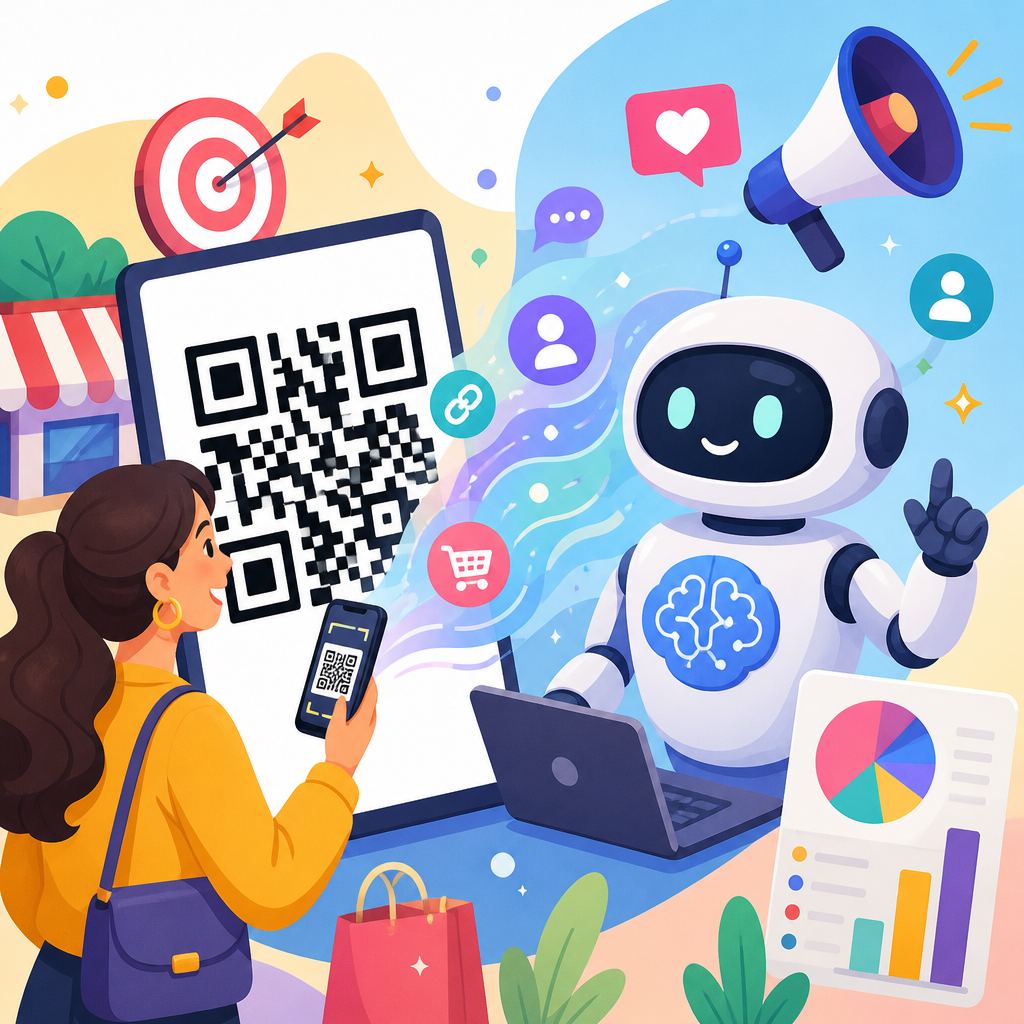
QR codes and AI work together in marketing by connecting offline attention to digital experiences, then using machine intelligence to personalize, measure, and improve every interaction. A QR code is a scannable matrix barcode that opens a link, file, app action, payment flow, or embedded experience on a smartphone. AI in marketing refers to systems that analyze data, predict behavior, generate content, automate decisions, and optimize campaigns at scale. Put together, they turn a static printed square into a responsive customer touchpoint that can adapt by audience, time, location, intent, and performance.
This matters because marketers still struggle with the same gap I have seen across retail, events, packaging, hospitality, and field sales: a customer notices something in the physical world, but the brand cannot reliably continue that moment online. QR codes solve access. AI solves relevance. When a shopper scans a shelf talker, a diner scans a table tent, or an attendee scans a booth badge, the scan creates a clear entry point. AI can then decide what landing page to serve, what offer to recommend, what audience segment the person fits, and what next step is most likely to convert. That combination improves attribution, lowers friction, and creates a practical bridge between print and performance marketing.
As a sub-pillar within QR Code Trends & Innovations, this topic deserves hub-level coverage because it touches campaign strategy, creative, analytics, privacy, customer experience, and martech architecture. The best programs do not treat QR codes as novelty graphics or AI as a vague automation layer. They define the user job, build dynamic QR destinations, connect scan events to analytics, and use AI where it adds measurable value. Brands that do this well can increase scan-through rates, improve qualified leads, reduce bounce, and learn faster from every physical-to-digital interaction.
What QR codes and AI each contribute to marketing
QR codes are strongest at reducing friction. They remove the need to type URLs, search manually, or download materials later. In practical terms, that means a product package can open ingredients, setup videos, loyalty enrollment, warranty registration, or replenishment pages in seconds. Dynamic QR codes are especially important because the printed code stays the same while the destination can change. That allows marketers to update offers, localize content, run A/B tests, or pause a campaign without reprinting assets. Most enterprise QR platforms also capture timestamp, device type, approximate location, and scan volume, which forms the raw signal layer for optimization.
AI is strongest at making sense of those signals and acting on them. Predictive models can score the likelihood that a scanner will purchase, subscribe, or churn. Recommendation systems can decide which product, article, or coupon to show next. Natural language systems can generate variant headlines, summarize product details, or power post-scan chat experiences. Computer vision can verify whether a code on packaging is printed correctly or whether in-store signage is positioned for visibility. In my work, the highest value usually comes not from one dramatic AI feature but from several smaller decisions: better audience matching, better timing, better creative rotation, and cleaner reporting.
The overlap is where marketing becomes more accountable. A QR code on direct mail can identify campaign source with precision, while AI can compare response patterns across households and prioritize follow-up. A restaurant can place QR codes on receipts, then use AI to classify feedback themes and detect service issues by shift or location. A B2B company can put QR codes on event signage, route scanners to role-specific landing pages, and use lead scoring to send the best prospects to sales first. The code is the doorway; AI manages what happens after the door opens.
How the combined customer journey works
The combined journey usually has six stages: exposure, scan, destination load, engagement, decision, and follow-up. Exposure happens on packaging, posters, displays, menus, mailers, product manuals, out-of-home ads, uniforms, or trade show materials. The scan itself is a high-intent action because the user chooses to bridge from the physical object to a digital task. That makes scan traffic different from many passive ad impressions. It often signals immediate curiosity, situational need, or buying intent. Marketers should treat scan sessions as valuable first-party interactions, not as anonymous clicks to a generic page.
Once the destination loads, AI can personalize the experience using available context. If the scan comes from a store endcap, the page can prioritize nearby inventory or an instant coupon. If it comes from a product box after purchase, the page can shift to onboarding, accessories, support content, or review prompts. If the source is an event badge or brochure, the page can emphasize demo booking and downloadable technical content. These are not guesses; they are straightforward mappings from source context to customer intent. AI refines the mapping by learning which content combinations produce deeper engagement or higher conversion.
Follow-up is where long-term value appears. A scan can trigger consent-based SMS, email capture, loyalty enrollment, retargeting audiences, or CRM records. AI then helps determine send time, message sequence, offer depth, and suppression logic. For example, if a user scans a QR code on a skincare product and spends time on ingredient education but does not buy, a model may recommend an educational email series rather than an immediate discount. If another user scans from a price card and abandons at checkout, the model may prefer a limited-time offer. The point is not automation for its own sake. The point is using scan context to make the next message more useful.
High-impact use cases across channels
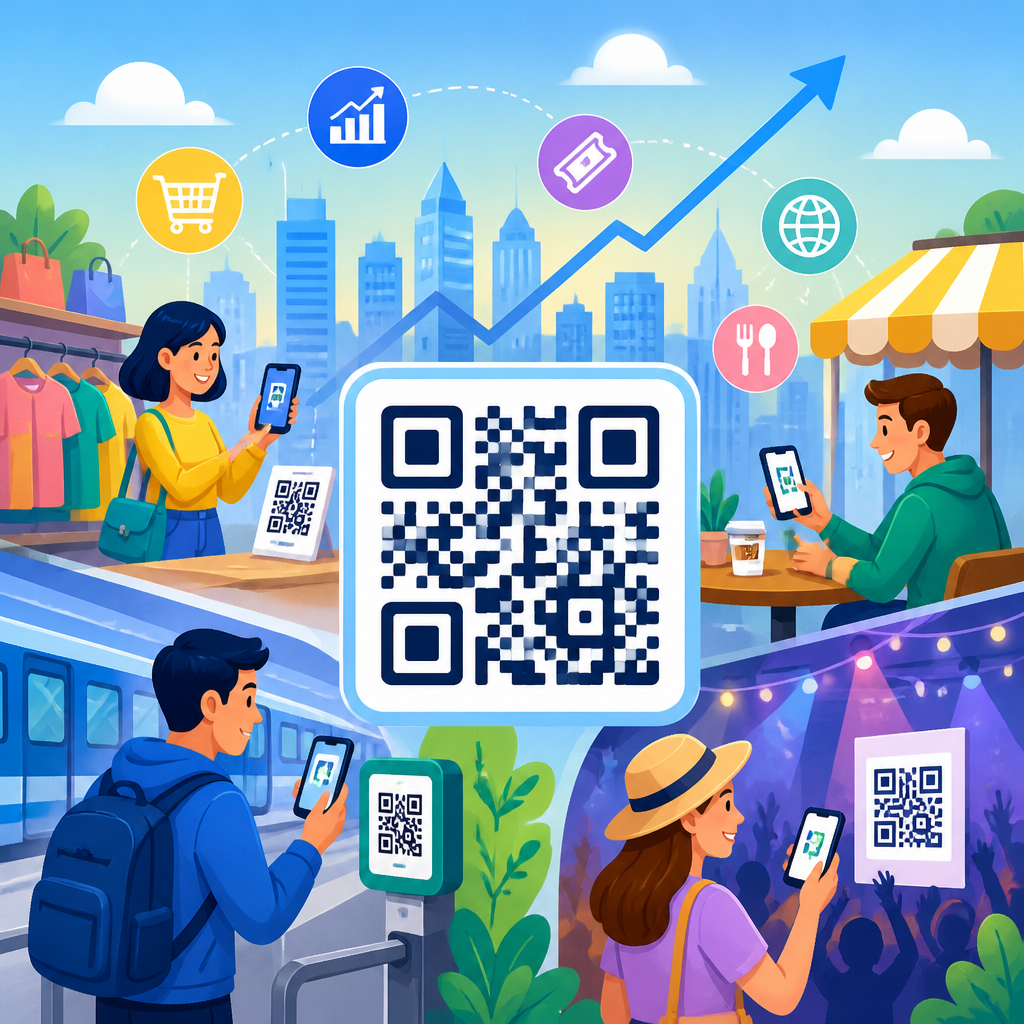
Retail is the clearest use case. Shelf labels, endcaps, and packaging can link shoppers to reviews, comparisons, recipes, ingredient sourcing, tutorials, and loyalty offers. AI can tailor those destinations by product category, purchase history, and local demand. A grocery brand, for instance, can place a QR code on sauce packaging that opens recipe suggestions based on seasonality and prior browsing, then recommend complementary products. CPG brands also use serialized codes for anti-counterfeit verification and traceability. When paired with anomaly detection, AI can flag unusual scan patterns that suggest diversion or fraud.
Events and trade shows are another strong fit. Booth signage, badges, session screens, and printed handouts can all carry QR codes that route attendees to persona-based content. AI lead scoring can rank scans based on company size, session attendance, pages viewed, and form completion. Sales teams benefit because they stop treating every badge scan the same. Hospitality brands use QR codes for menus, room guides, upsells, and local recommendations. AI can personalize offers by time of day, occupancy, weather, and guest behavior. A hotel can surface breakfast upgrades in the morning, late checkout on departure day, and spa offers when rain reduces outdoor activity.
Healthcare, education, and nonprofits can also benefit when trust and clarity are handled carefully. Clinics can use QR codes on discharge paperwork for medication videos, appointment prep, and multilingual instructions, while AI can recommend the most relevant content based on diagnosis category or patient language preference. Universities can place QR codes on campus signage for tours, application help, and department pages, with AI-driven chat assistants answering follow-up questions. Nonprofits can use codes on mailers and event materials, then apply AI to identify likely recurring donors and optimize stewardship messaging.
| Use case | QR code role | AI role | Primary metric |
|---|---|---|---|
| Retail packaging | Open product education or reorder page | Recommend content and accessories | Conversion rate |
| Trade show booth | Capture scan and route to landing page | Score leads and prioritize follow-up | Qualified meetings |
| Restaurant table tent | Launch menu, offer, or feedback form | Analyze sentiment and optimize offers | Average order value |
| Direct mail | Connect household to personalized URL | Predict response likelihood | Response rate |
| Product support | Open setup guide or troubleshooting | Power chat assistance and triage | Support deflection |
Building the technology stack and measurement model
A practical QR plus AI stack starts with dynamic QR generation, a fast mobile landing environment, analytics instrumentation, and data connections to CRM or marketing automation. Common tools include QR Code Generator PRO, Bitly, Flowcode, Beaconstac, and enterprise campaign platforms that support dynamic redirects and UTM management. The destination layer may sit on a CMS, landing page builder, commerce platform, or app deep link framework. Analytics commonly run through Google Analytics 4, Adobe Analytics, Mixpanel, or Amplitude. The essential requirement is consistent event naming so every scan source, destination variation, and downstream conversion can be compared cleanly.
On the AI side, the stack often includes audience modeling in a CDP, predictive scoring in CRM, experimentation tools, and content generation support. Salesforce Einstein, Adobe Sensei, HubSpot AI features, Microsoft Copilot integrations, and custom models built in cloud environments are all common choices. What matters is not vendor branding but decision placement. Decide which parts of the journey should be personalized in real time, which should be optimized weekly, and which require human approval. In regulated industries or premium brands, I usually recommend a human-in-the-loop workflow for offer logic and generated copy, especially early in deployment.
Measurement should focus on business outcomes, not just scan volume. Track scan rate by placement, landing page load speed, engaged sessions, form completion, revenue per scan, assisted conversions, repeat scans, and opt-in rate. For service use cases, measure support deflection, time to resolution, or reduced call volume. For field marketing, measure qualified pipeline and meeting set rate. Attribution will never be perfect, but QR codes make offline media far more measurable than traditional print alone. When teams connect scan events to customer records with consent, they gain a powerful first-party dataset that becomes more valuable as AI models learn from it.
Best practices, risks, and where this trend is heading
Effective execution depends on basics. Put the code where a phone can easily scan it. Add a clear call to action such as “Scan for setup video” or “Scan for today’s menu,” because codes without context underperform. Use mobile-first pages, compress assets, and avoid interstitial clutter. Test under real lighting and distance conditions. Redirect users based on source and intent rather than sending everyone to a homepage. Most importantly, give people a reason to scan now. Convenience, savings, exclusivity, or immediate problem solving all work better than abstract brand messaging. In campaigns I have audited, weak calls to action and slow pages usually hurt performance more than the code design itself.
There are also real limitations. Privacy rules require transparent consent if scan behavior will be tied to identifiable profiles or used for ongoing remarketing. AI models can overfit, make poor recommendations with sparse data, or create copy that sounds polished but misses compliance requirements. QR codes can be abused by bad actors who place fraudulent stickers over legitimate codes, so brands should monitor placements and use branded destinations with visible trust signals. Accessibility matters too: provide short URLs near the code, maintain readable contrast, and ensure landing pages work with screen readers and multilingual users.
Looking ahead, QR codes and AI will become more embedded in packaging, connected products, retail media, and conversational commerce. Expect smarter routing based on inventory, richer post-scan assistants, and tighter links between scan data and loyalty systems. The core principle will stay the same: make physical moments measurable and make digital responses more relevant. If you manage packaging, field marketing, events, hospitality, or in-store experience, audit your current QR touchpoints, connect them to meaningful analytics, and apply AI only where it improves the customer journey in a measurable way. That is how QR codes and AI work together in marketing, and it is where the strongest next gains will come from.
Frequently Asked Questions
How do QR codes and AI work together in marketing?
QR codes and AI complement each other by turning a simple scan into a measurable, personalized marketing interaction. A QR code acts as the bridge between an offline touchpoint and a digital destination. That touchpoint might be product packaging, a direct mail piece, an event sign, a restaurant table tent, a brochure, or in-store signage. When someone scans the code with a smartphone, they are taken to a landing page, video, form, app action, payment screen, loyalty offer, or other digital experience. AI then adds intelligence to what happens next.
Instead of sending every person to the exact same static experience, AI can help tailor content based on behavior, context, and intent. For example, it can adjust headlines, recommend products, personalize follow-up offers, answer questions through chat, predict which visitors are most likely to convert, and trigger automated workflows based on scan activity. It also helps marketers analyze large volumes of data from scans, engagement rates, location trends, device types, time-of-day patterns, and downstream conversions.
In practical terms, this means a printed code on a package or poster is no longer just a shortcut to a webpage. It becomes the starting point for a smarter journey. AI can identify which traffic sources produce the strongest outcomes, detect drop-off points in the funnel, suggest creative improvements, and continuously optimize campaigns. Together, QR codes and AI allow brands to connect offline attention to digital experiences and then improve those experiences with data-driven decision-making.
What are the biggest benefits of using QR codes with AI in a marketing campaign?
The biggest advantage is that this combination helps marketers make offline media as trackable and adaptive as digital media. Traditional print, packaging, out-of-home advertising, and in-person events often generate awareness, but they can be harder to measure precisely. QR codes solve part of that problem by creating a direct path to an online interaction. AI strengthens that path by helping marketers understand user behavior, personalize messaging, and improve outcomes over time.
Another major benefit is personalization at scale. A standard QR code can bring people into the funnel, but AI can shape what they see once they arrive. A first-time visitor might receive an educational introduction, while a returning visitor might see a stronger conversion offer. Someone scanning from a retail display could be shown nearby store information, while someone scanning from product packaging might be directed to tutorials, reviews, or replenishment options. AI makes these kinds of tailored experiences easier to deliver across large audiences.
Efficiency is also a key benefit. AI can automate audience segmentation, A/B testing, lead scoring, content recommendations, and campaign reporting. Rather than manually reviewing every scan trend or conversion path, marketers can use machine learning models and intelligent dashboards to uncover insights faster. This improves decision-making and can reduce wasted budget. The result is a marketing system that not only captures attention with a scan, but also learns from every interaction and gets smarter with each campaign cycle.
What kinds of AI-powered experiences can marketers create after someone scans a QR code?
There are many possibilities, and the best experience depends on the customer journey stage. After a scan, marketers can use AI to power dynamic landing pages that change based on user context, predictive product recommendations, personalized discounts, AI chat assistants, automated appointment booking, interactive quizzes, multilingual content, and tailored lead capture forms. The goal is to avoid sending everyone to a generic destination and instead create an experience that feels relevant and useful.
For example, a consumer goods brand could place a QR code on packaging that opens an AI-personalized page with how-to videos, FAQ support, recipe suggestions, refill reminders, and related product recommendations. At an event, a QR code on a booth display could open a conversational AI assistant that qualifies leads, answers product questions, and books demos in real time. In direct mail, a QR code could lead to a landing page where AI adjusts copy and offers based on geography, campaign source, or prior customer activity.
AI can also support post-scan engagement. If a user submits a form, AI can score the lead and route it to the right sales or nurturing sequence. If a visitor abandons the page, AI can help trigger retargeting or follow-up messaging. In e-commerce, AI can optimize product bundles, upsells, and timing of offers. In loyalty programs, it can identify who is most likely to engage again and suggest the next best action. This is where the combination becomes especially powerful: the QR code initiates the interaction, and AI extends it into a more responsive and conversion-focused experience.
How can marketers measure the performance of QR code and AI campaigns?
Measurement starts with the scan, but it should not end there. Marketers should track basic QR code metrics such as total scans, unique scans, repeat scans, scan location, device type, time of scan, and conversion path. These indicators reveal how well the physical placement, creative design, and call to action are performing. For example, a high number of scans but low engagement on the landing page may indicate that the QR code is attracting attention, but the post-scan experience is not meeting expectations.
AI improves measurement by helping marketers interpret patterns and connect scan behavior to business outcomes. It can identify which audiences are converting at the highest rate, which placements generate the best quality leads, and which content variations drive stronger engagement. It can also support attribution modeling, forecasting, anomaly detection, and real-time optimization. Rather than relying only on surface-level click or visit data, marketers can use AI to understand what scan activity actually means in terms of revenue, retention, and customer intent.
To measure effectively, businesses should connect QR code campaigns to analytics platforms, CRM systems, marketing automation tools, and conversion tracking wherever possible. That allows teams to see what happens after the scan, including purchases, form submissions, app downloads, store visits, and repeat engagement. The most useful reporting combines operational metrics with strategic insight: where scans happened, who engaged, what they did next, and which AI-driven changes improved results. That full feedback loop is what turns QR code marketing from a simple access tool into a performance channel.
What are the best practices for using QR codes and AI effectively in marketing?
Start with a clear purpose. Every QR code should have a specific job, whether that is driving purchases, collecting leads, delivering product education, increasing app downloads, supporting customer service, or extending an in-person experience. The destination should feel immediately valuable to the user. A code that leads to a slow, generic, or irrelevant page will underperform no matter how advanced the AI behind it is. Strong campaigns begin with a compelling call to action, a mobile-friendly experience, and a clear next step.
It is also important to design for context. Think about where the code appears and what the user likely wants in that moment. Someone scanning on product packaging may want instructions, ingredients, reviews, or reorder options. Someone scanning at a trade show may want specs, pricing, a demo, or contact details. AI should support that context by helping personalize the experience, not overcomplicate it. The best implementations feel seamless and useful rather than overly automated.
From a technical and strategic perspective, marketers should use dynamic QR codes when possible, integrate tracking across platforms, test different landing page experiences, and monitor performance continuously. AI can help optimize copy, creative, timing, and segmentation, but it performs best when it is fed accurate data and aligned with business goals. Privacy and transparency matter as well. If data is being collected after the scan, brands should be clear about what information is used and why. When executed thoughtfully, QR codes and AI can create a marketing system that is accessible, measurable, adaptive, and highly effective across both physical and digital channels.