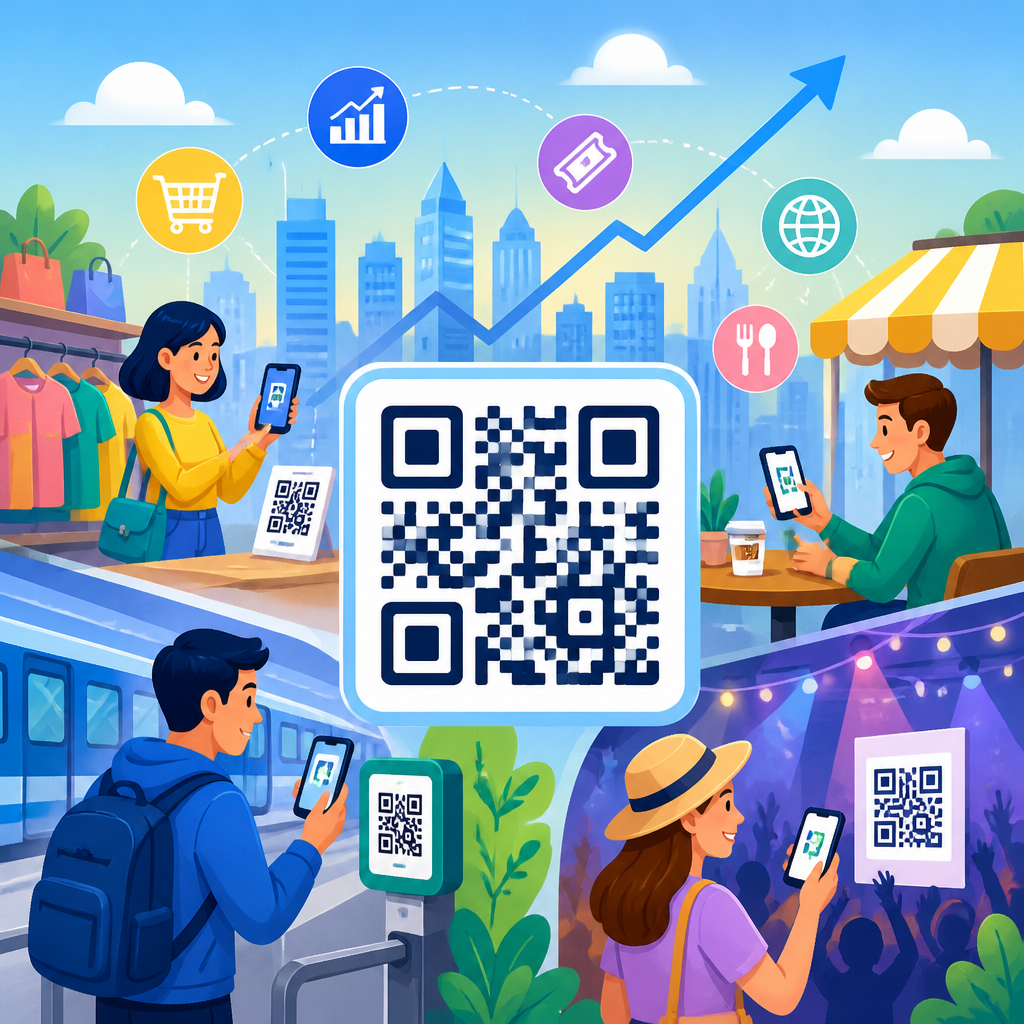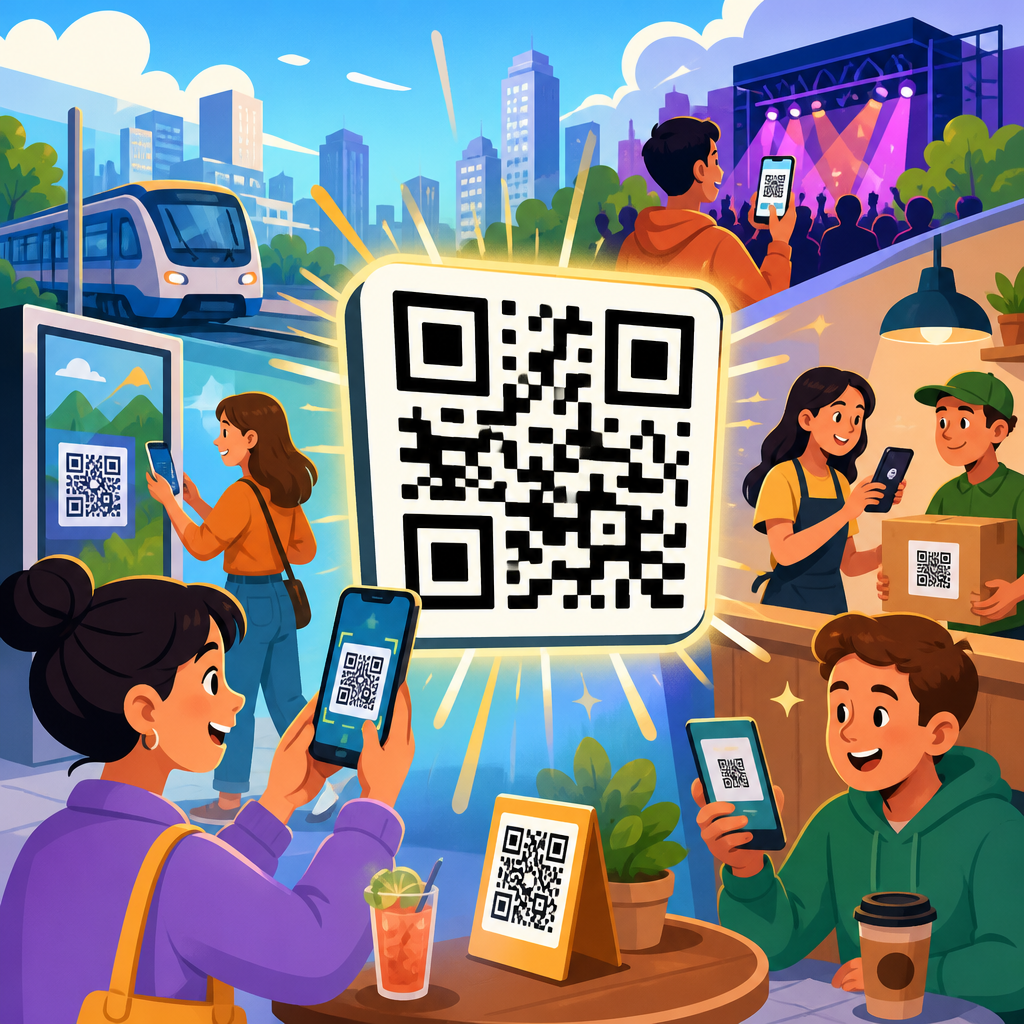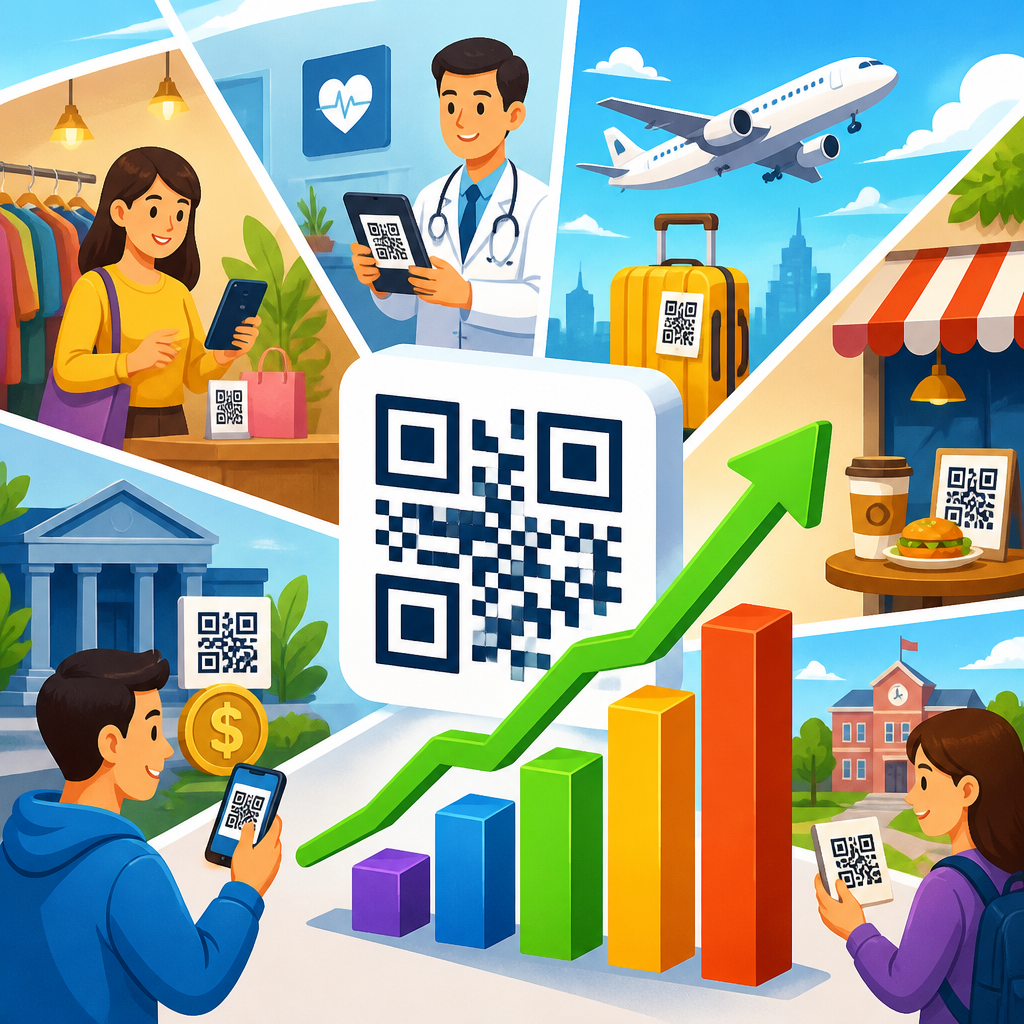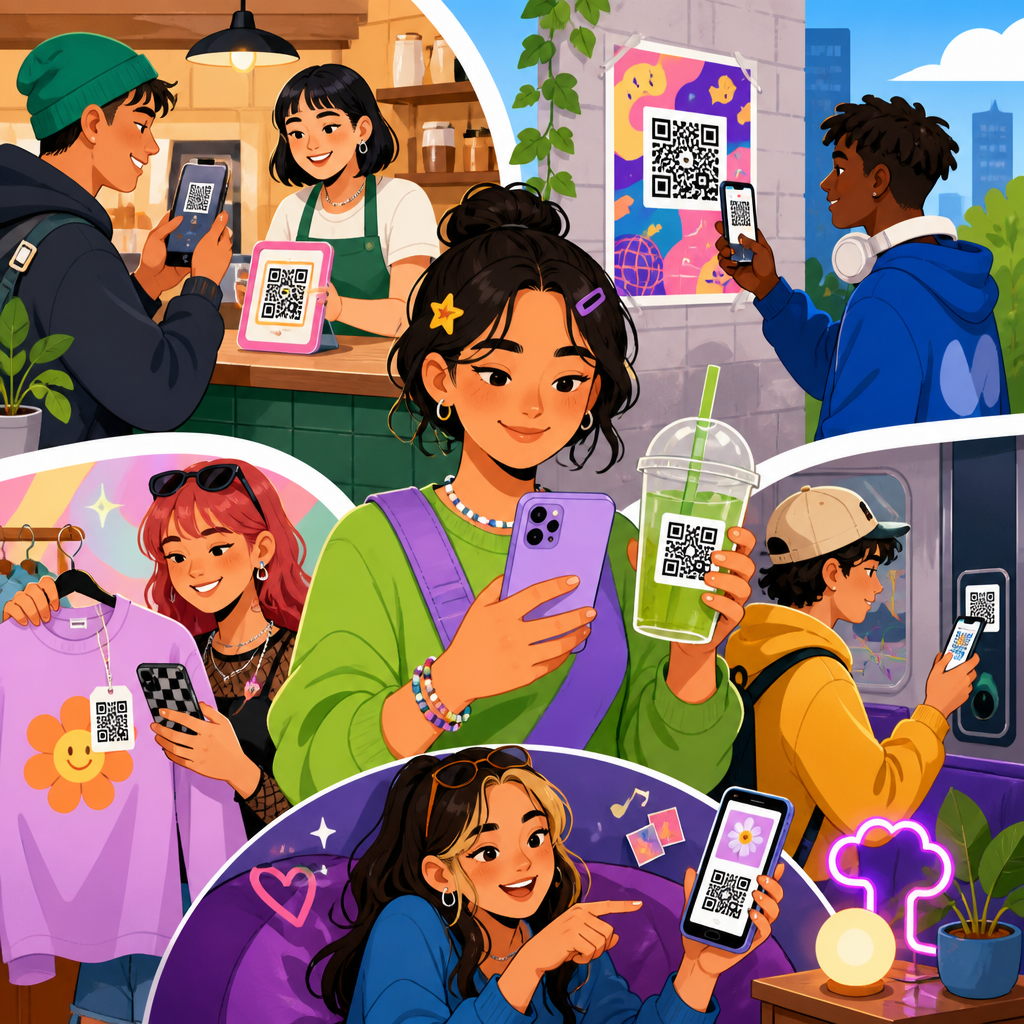
How Gen Z uses QR codes differently is really a story about how mobile behavior, trust, and culture have changed worldwide. QR codes, or quick response codes, are two-dimensional barcodes that open links, trigger payments, store contact details, launch apps, and connect offline moments to digital experiences with a phone camera. For Gen Z, roughly people born between the late 1990s and early 2010s, scanning a code is not a novelty. It is a default interaction. I have seen this shift firsthand while working on campaigns across retail, restaurants, events, and higher education: older audiences often ask what a code does, while younger users ask whether the experience behind the code is worth their tap.
This distinction matters because global QR code adoption trends are no longer driven only by technology availability. They are shaped by expectations. Gen Z expects speed, low friction, personalization, and immediate utility. That expectation influences how brands deploy codes, how payments spread, and how physical spaces become digital touchpoints. It also explains why QR codes became normal faster in some regions than others. In China, super apps and mobile wallets made everyday scanning routine years ago. In India, the Unified Payments Interface turned merchant payments into a mass-market behavior. In the United States and Europe, pandemic-era menus, tickets, and verification flows pushed codes into mainstream use, then loyalty, social commerce, and creator-led marketing extended them.
As a hub for global QR code adoption trends, this article explains not only where adoption is happening, but why Gen Z is often the clearest signal of what comes next. The key terms are simple. Adoption means frequency and breadth of use across payments, information access, identity, and commerce. Utility means the practical value users get after scanning. Conversion means the action completed after the scan, such as ordering, paying, signing up, or sharing. When Gen Z scans more often than older groups, the reason is usually not fascination with the code itself. It is because the code removes steps.
That removal of steps has strategic importance for any business tracking QR code trends and innovations. A printed square can connect a storefront to analytics, a package to reorders, or a poster to creator content in seconds. Yet the global picture is uneven. Regulation, banking infrastructure, smartphone penetration, merchant acceptance, and privacy concerns all affect adoption. Understanding how Gen Z uses QR codes differently helps explain these differences and gives companies a practical map for designing better experiences, region by region, channel by channel, and use case by use case.
Why Gen Z Treats QR Codes as a Native Interface
Gen Z grew up with app stores, mobile wallets, camera-based search, and instant messaging. Because of that, they approach QR codes as an interface layer, not a separate technology category. In user testing I have run, younger participants rarely comment on the code itself unless there is a trust issue. They focus on outcome: menu, payment page, discount, playlist, event check-in, job application, or social profile. This is a major difference from earlier adoption cycles, when marketers had to teach people how to scan. Today, many Gen Z users assume the scan should lead to a mobile-optimized page, autofill where possible, load quickly, and offer a clear next step.
This expectation changes campaign performance. A QR code on packaging aimed at Gen Z must usually do more than send users to a homepage. It works better when it opens product authenticity data, how-to video instructions, limited drops, rewards enrollment, or creator collaborations. In fashion and beauty, for example, codes increasingly bridge in-store browsing with social proof and user-generated content. In music and live events, they can link to presaves, ticket upgrades, venue maps, or merchandise. The code becomes successful not because it exists, but because it collapses discovery and action into one motion.
Trust still matters. Gen Z is comfortable scanning, but not blindly. Branded placement, short explanatory text, visible domains, and secure payment badges all increase confidence. Dynamic QR code platforms such as Bitly, QR Code Generator Pro, Flowcode, and Uniqode are often used because they allow destination changes, analytics, and campaign segmentation without replacing the printed asset. The strongest implementations pair convenience with context, which is why younger users respond better when the value proposition is explicit at the moment of scan.
Global QR Code Adoption Trends by Region
Global QR code adoption trends look very different across Asia-Pacific, North America, Europe, Latin America, the Middle East, and Africa. Asia-Pacific remains the benchmark for mature daily-use behavior. In China, QR-led payments and super-app workflows normalized scans across transit, retail, peer-to-peer payments, and services. In India, low-cost smartphones, UPI rails, and merchant acceptance helped QR payments scale from street vendors to large chains. Southeast Asian markets such as Singapore, Thailand, Indonesia, and Vietnam also expanded usage through interoperable payment schemes, tourism, and app-based commerce.
North America grew later but quickly. Restaurant menus, parking, event ticketing, and contactless interactions accelerated during the pandemic, but Gen Z kept using codes after emergency conditions faded because codes fit phone-first habits. Retailers now use them for loyalty, product storytelling, and omnichannel conversion. In the United States, scans tied to social platforms, resale marketplaces, and campus experiences perform especially well with younger users. Canada shows similar patterns, with strong uptake in payments, transportation, and public services.
Europe shows a mixed but expanding picture. Adoption is high in countries with mature digital banking, widespread smartphone use, and strong transit or tourism flows. Restaurants, museums, train systems, and invoice payments increasingly use codes. Latin America stands out for payment innovation, especially in Brazil, where Pix transformed instant payments and normalized QR transactions across online and offline commerce. Parts of Africa are seeing growth through mobile money ecosystems, while Gulf markets are integrating codes into retail, hospitality, and government services. The global lesson is clear: Gen Z accelerates adoption where infrastructure exists, but infrastructure still determines scale.
| Region | Common Gen Z Use Cases | Main Adoption Driver | Typical Limitation |
|---|---|---|---|
| China | Payments, social sharing, services, retail | Super apps and merchant ubiquity | Platform concentration |
| India | Merchant payments, peer transfers, education | UPI and low-friction onboarding | Connectivity inconsistency in some areas |
| United States | Menus, loyalty, events, creator campaigns | Phone-first consumer behavior | Uneven experience quality |
| Europe | Transit, tourism, payments, museums | Digital banking and travel use | Fragmented market standards |
| Brazil | Instant payments, retail, small business | Pix adoption | Merchant education gaps |
Payments, Commerce, and the Rise of Scan-to-Act
The biggest practical difference in how Gen Z uses QR codes is that scanning often leads directly to a transaction. Older audiences may still use codes mostly for information. Gen Z uses them to act. They order food, split bills, tip creators, unlock member pricing, verify resale items, claim student offers, and complete impulse purchases from posters or packaging. This shift from scan-to-read to scan-to-act is central to global adoption trends because transaction-linked behavior produces repeat usage. Once a code saves time or money, it becomes a habit.
Payments are the clearest example. In markets with real-time payment systems, QR codes reduce friction for both shoppers and merchants. A small vendor can display a printed code and accept digital payment without expensive hardware. That matters in emerging markets, but it also matters to pop-up shops, campus sellers, food trucks, and independent creators in developed economies. Gen Z responds to that simplicity because it matches their preference for cashless, app-supported spending.
Commerce goes beyond payment rails. Dynamic codes on packaging can trigger replenishment flows for consumables, warranty registration for electronics, or virtual try-on experiences for cosmetics. In apparel, a code can authenticate limited releases or show provenance details, which appeals to younger buyers who care about resale value, sustainability claims, and social proof. The strongest commerce journeys keep forms short, pages fast, and mobile wallet options prominent. If the post-scan path is clumsy, Gen Z abandons it quickly, which is why QR performance is ultimately a user-experience issue, not just a media-placement issue.
Social, Campus, and Event Behaviors Driving New Use Cases
Gen Z also uses QR codes differently because so many of their high-frequency environments are transient: campuses, concerts, festivals, shared workspaces, transit systems, and creator-led pop-ups. In these settings, the code works as a bridge between physical presence and digital identity. I have seen event campaigns where static signage with a simple call to action outperformed paid media because attendees could scan for set times, merch, maps, Wi-Fi access, or exclusive content while already emotionally engaged.
On campuses, QR codes support club recruitment, attendance tracking, cashless payments, tutoring sign-ups, library services, and peer resource sharing. For administrators, they lower distribution costs and create measurable touchpoints. For students, they feel faster than typing URLs or downloading another app. In nightlife and entertainment, codes increasingly connect people to guest lists, age-gated offers, digital tabs, and social follow funnels. The same pattern appears in sports venues and cultural institutions, where younger visitors expect self-guided layers of information delivered through their phones.
Social behavior matters too. Codes are no longer limited to posters and receipts. They appear in videos, livestream overlays, creator merch, dating profiles, and shared screens. Gen Z is comfortable moving between physical and digital contexts without treating that switch as unusual. That makes QR codes especially effective when linked to communities, not just campaigns. A code that opens a Discord invite, a limited product drop, or a collaborative playlist feels more relevant to younger users than a generic corporate landing page.
What Businesses Should Learn From Gen Z Scanning Habits
Businesses following QR code trends and innovations should treat Gen Z behavior as a design benchmark. First, utility must be immediate. The best-performing codes answer a simple question before the scan: what do I get right now? Second, destination quality is decisive. Mobile page speed, clear consent language, autofill support, Apple Pay or Google Pay integration, and accessible design determine whether scans convert. Third, context beats volume. One code placed at a high-intent moment often outperforms many codes placed without relevance.
Measurement is essential. Use dynamic QR codes with campaign-level parameters, track scans by location and time, and compare scan-to-conversion rates rather than celebrating raw scan totals. A poster that drives fewer scans but more purchases is better than a flashy activation that generates curiosity without action. Tools such as Google Analytics 4, Adobe Analytics, Branch, and mobile attribution platforms can connect offline scans to downstream behavior when implemented correctly. For global teams, regional payment preferences and privacy rules must be built into planning from the start.
There are also limitations. Not every audience wants a phone-mediated experience, and not every environment supports reliable connectivity. Accessibility, fraud prevention, and transparency matter. QR phishing, sometimes called quishing, has made some consumers more cautious, so visible branding and secure destinations are important. The lesson from Gen Z is not that every surface needs a code. It is that when a code appears, it should remove friction, respect trust, and deliver a concrete outcome faster than any alternative.
Global QR code adoption trends show that the technology has moved from novelty to infrastructure, and Gen Z is the clearest indicator of how that infrastructure is used in real life. Younger consumers do not separate scanning from shopping, paying, learning, attending, or sharing. They treat QR codes as a native shortcut embedded in everyday movement between physical and digital spaces. That behavior explains why adoption is strongest where mobile payments, merchant acceptance, and fast post-scan experiences already exist, and why weaker implementations stall even when awareness is high.
For brands, retailers, institutions, and publishers, the practical takeaway is straightforward. If you want QR codes to perform, design around intent instead of the code itself. Build mobile-first landing experiences, connect scans to immediate value, and align each use case with local infrastructure and user expectations. Study mature markets such as China, India, and Brazil for payment patterns, and watch North American and European youth behavior for commerce, loyalty, and event innovation. Gen Z is not simply using QR codes more often; they are defining the standard for useful QR interactions globally.
Use this hub as your starting point for the broader QR Code Trends & Innovations landscape. Map where your audience scans, what they expect after scanning, and which regional models fit your market best. Then test, measure, and refine. The businesses that win with QR codes are the ones that make every scan feel obvious, safe, and worth it.
Frequently Asked Questions
Why does Gen Z use QR codes more naturally than older generations?
Gen Z grew up in a mobile-first environment where the smartphone is not just a communication device, but the main gateway to shopping, payments, entertainment, social media, and real-world experiences. Because of that, QR codes feel intuitive rather than experimental. Older generations often remember QR codes as a clunky marketing tactic from years ago, when scanning required a separate app and often led to poor experiences. Gen Z, by contrast, encountered QR codes after phone cameras, mobile wallets, and app ecosystems had matured. That timing matters. For them, scanning a code is simply one more tap-free shortcut that moves them from a physical object or location into a digital action.
Another key difference is behavioral conditioning. Gen Z is highly accustomed to instant transitions between online and offline environments. A poster can lead to a playlist, a restaurant table can lead to a menu, a product package can lead to a review, and an event badge can lead to a social profile. They do not see these as separate worlds. They see them as connected touchpoints. That mindset makes QR codes especially powerful because the code removes friction at exactly the moment someone is curious, ready to buy, or willing to engage. In many cases, Gen Z uses QR codes not because the technology itself is exciting, but because it is the fastest path to what they already want.
How does Gen Z use QR codes differently in everyday life?
Gen Z uses QR codes across a much wider range of everyday situations than many older consumers. They scan to view digital menus, make cashless payments, join Wi-Fi networks, download apps, claim discounts, check in to events, follow creators, save contact details, and access exclusive content. What makes their usage different is not just frequency, but expectation. They often assume the code will lead to a seamless mobile experience, and they are comfortable using it in fast, casual, real-time moments. A QR code on a coffee shop counter, a clothing tag, a concert screen, or a classroom handout can all serve different purposes, and Gen Z is prepared to interact with each of them without hesitation.
Culturally, QR codes also fit the way Gen Z discovers and shares information. This generation values speed, convenience, and self-directed exploration. Rather than asking for a brochure, typing a long URL, or waiting for assistance, they would rather scan and move instantly. In retail, they may scan to compare prices or verify product information. In social settings, they may use codes to share playlists, payment requests, or profiles. In education and work, they may scan codes for attendance, resources, forms, or collaboration tools. The pattern is clear: Gen Z treats QR codes as a lightweight interface for action, not as a one-off novelty or a marketing gimmick.
Do trust and safety affect how Gen Z interacts with QR codes?
Yes, but in a nuanced way. Gen Z is generally comfortable scanning QR codes, yet that comfort does not mean blind trust. This generation has grown up alongside phishing attempts, fake links, scam giveaways, and privacy concerns. As a result, many Gen Z users balance convenience with a strong instinct for digital self-protection. They are more likely to trust QR codes in environments that feel legitimate, such as established stores, verified brands, event venues, transit systems, or payment terminals. They may be more cautious when a code appears in a random sticker, an unverified flyer, or a setting that feels manipulated or unclear.
Trust is influenced heavily by context and transparency. If a QR code is accompanied by clear branding, an explanation of what happens after scanning, and a destination that matches expectations, Gen Z is far more likely to engage. If the code looks vague or overly promotional, they may ignore it. This is especially important because Gen Z tends to value authenticity and control. They want to know whether they are opening a menu, joining a mailing list, making a payment, or downloading something. Brands and organizations that respect that expectation by offering secure, mobile-optimized, and clearly labeled destinations are much more likely to earn scans from Gen Z audiences.
Why are QR codes so effective for marketing to Gen Z?
QR codes are effective with Gen Z because they align with the generation’s preference for low-friction, interactive, mobile-native experiences. Traditional advertising often asks people to remember a message and act later. QR codes shorten that gap dramatically. A person can see a product, poster, package, storefront, or event display and immediately move into a digital experience in seconds. For Gen Z, that instant access feels natural. They are far more likely to respond to a campaign when the next step is immediate, simple, and designed for the phone already in their hand.
QR codes are also strong tools for experiential and social marketing, which resonates with Gen Z more than static messaging alone. A code can unlock behind-the-scenes content, exclusive drops, loyalty rewards, interactive filters, creator collaborations, gamified promotions, or community sign-ups. That matters because Gen Z often responds best when brand interaction feels participatory rather than purely promotional. They want utility, entertainment, relevance, or access. A well-placed QR code can deliver all four. The most successful campaigns usually pair the code with a compelling reason to scan, such as limited content, real savings, convenience, or a culturally relevant moment that feels worth acting on immediately.
What should brands, schools, and organizations know if they want Gen Z to scan more QR codes?
The first rule is simple: the experience after the scan must be worth it. Gen Z has little patience for slow-loading pages, desktop-only sites, unnecessary forms, or unclear calls to action. If the destination is confusing or underwhelming, trust drops quickly. Organizations should make sure the landing experience is fast, mobile-optimized, visually clean, and directly connected to what was promised before the scan. If the QR code says “view the menu,” it should open the menu instantly. If it says “get 20% off,” the discount should be immediate and easy to use. Relevance and speed are essential.
The second rule is to match the code to real behavior and real context. Gen Z is highly responsive to QR codes when they solve a problem, save time, unlock value, or deepen an experience. That means placement and purpose matter. Codes should appear where people naturally want more information or a fast next step, such as packaging, checkout counters, event signage, classroom materials, product displays, or social sharing moments. Clear instructions help, but overexplaining is usually unnecessary. Most importantly, the interaction should feel authentic. Gen Z responds best when QR codes are used as useful bridges between physical and digital life, not as empty trend-chasing. When the utility is obvious and the outcome is immediate, adoption tends to follow naturally.