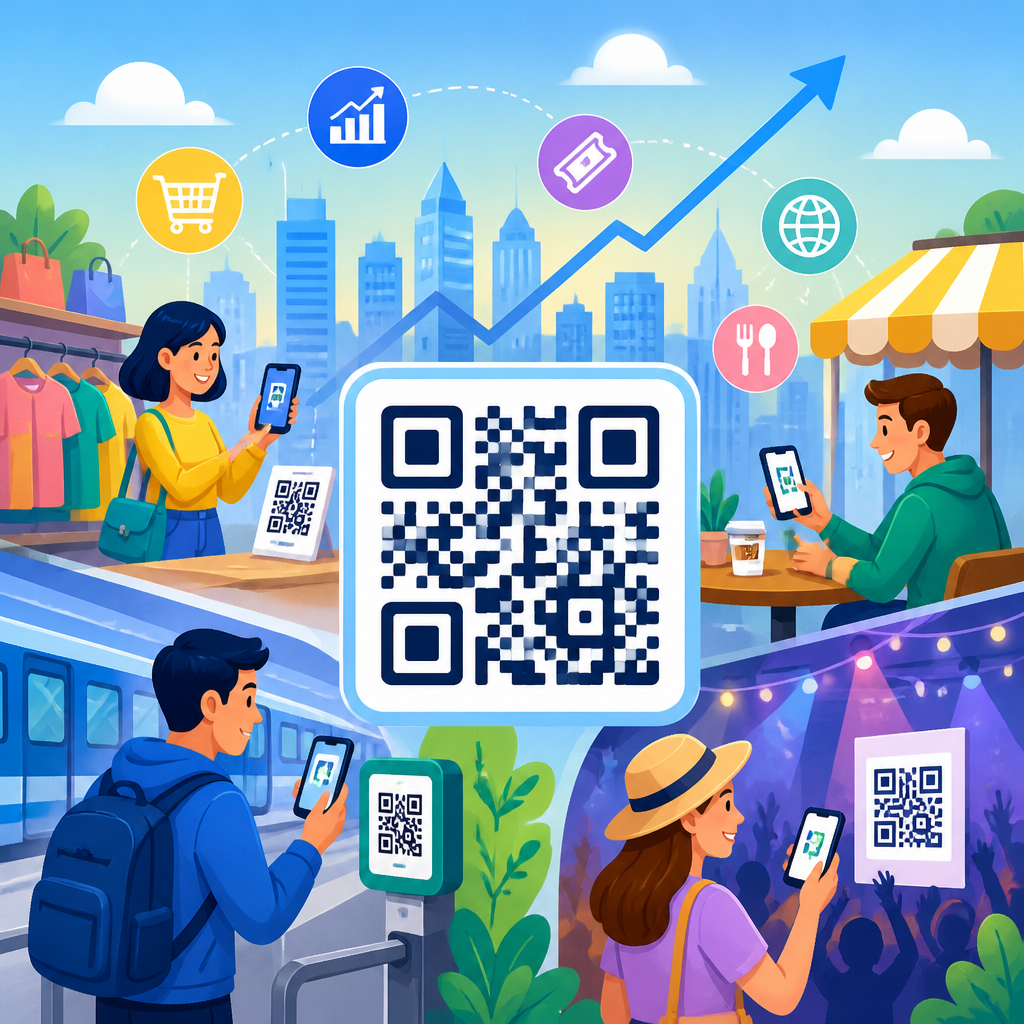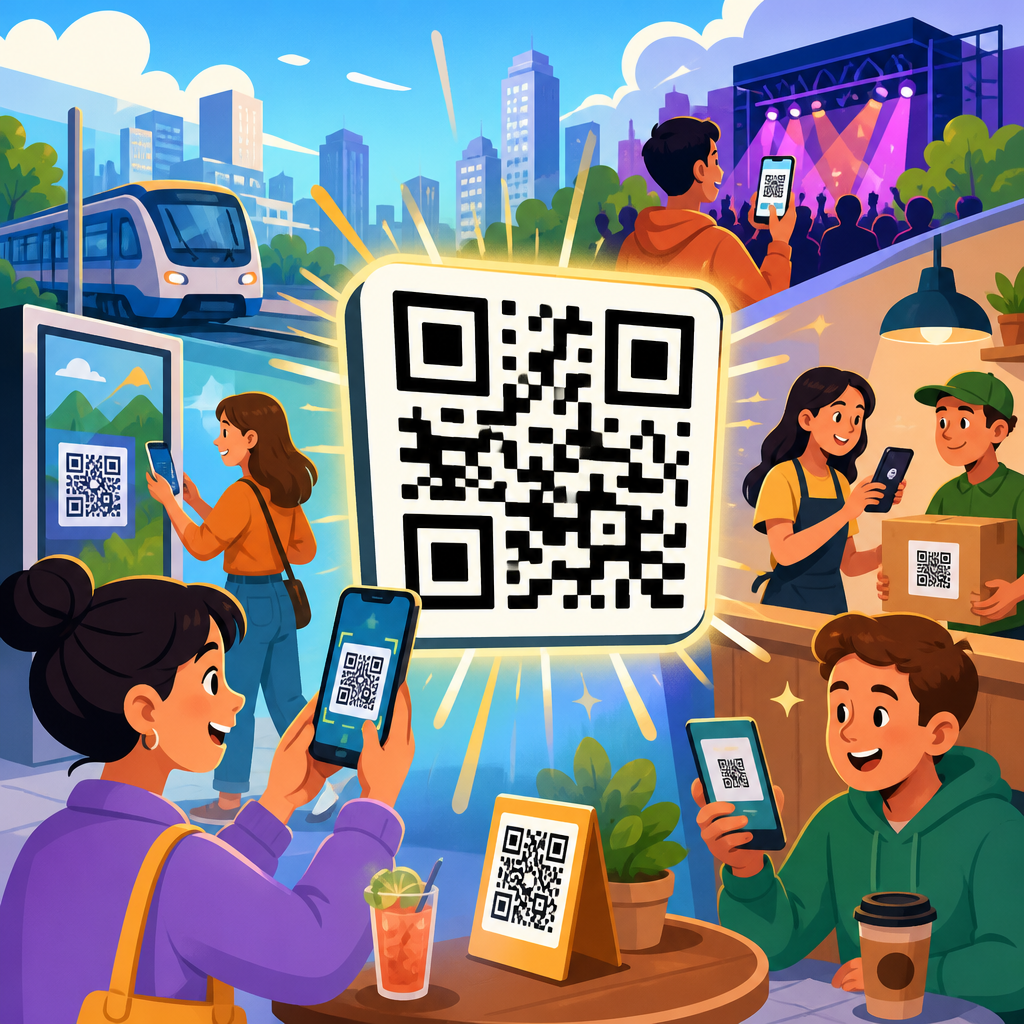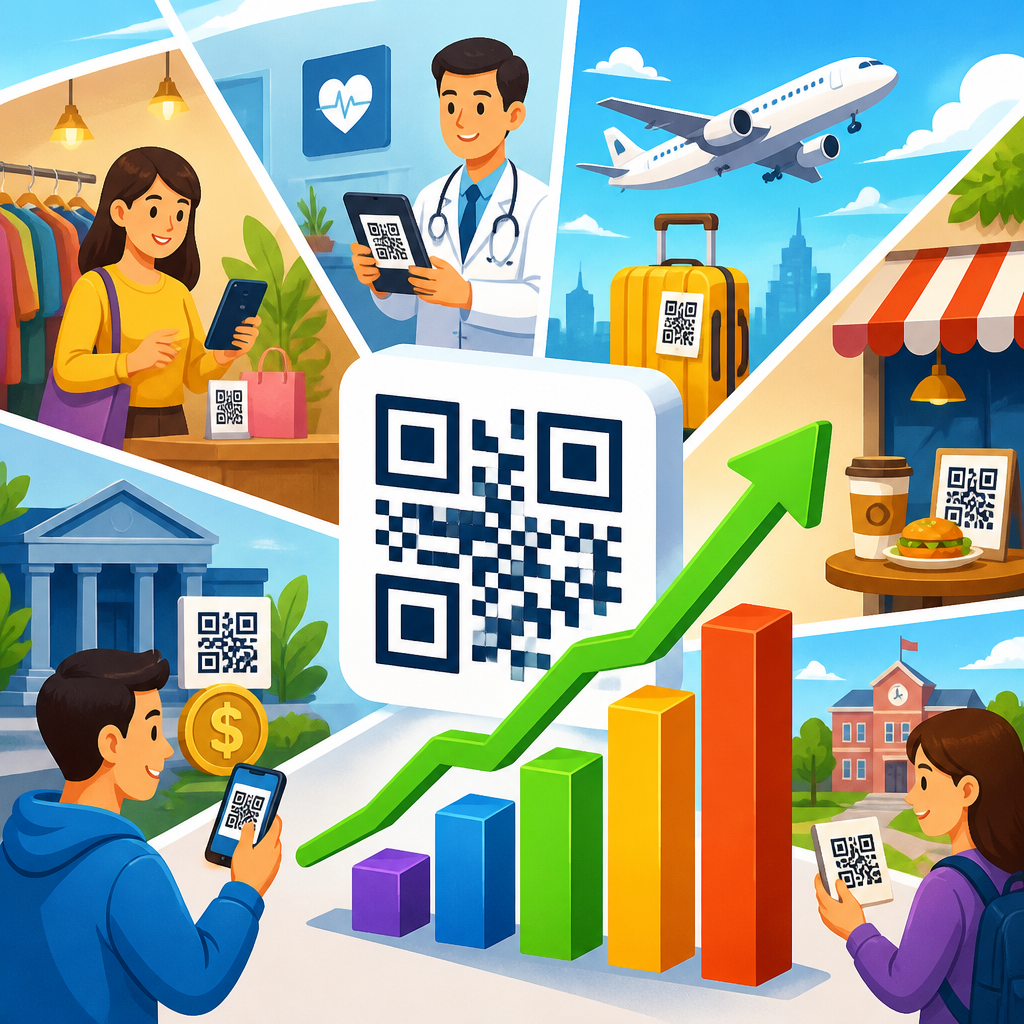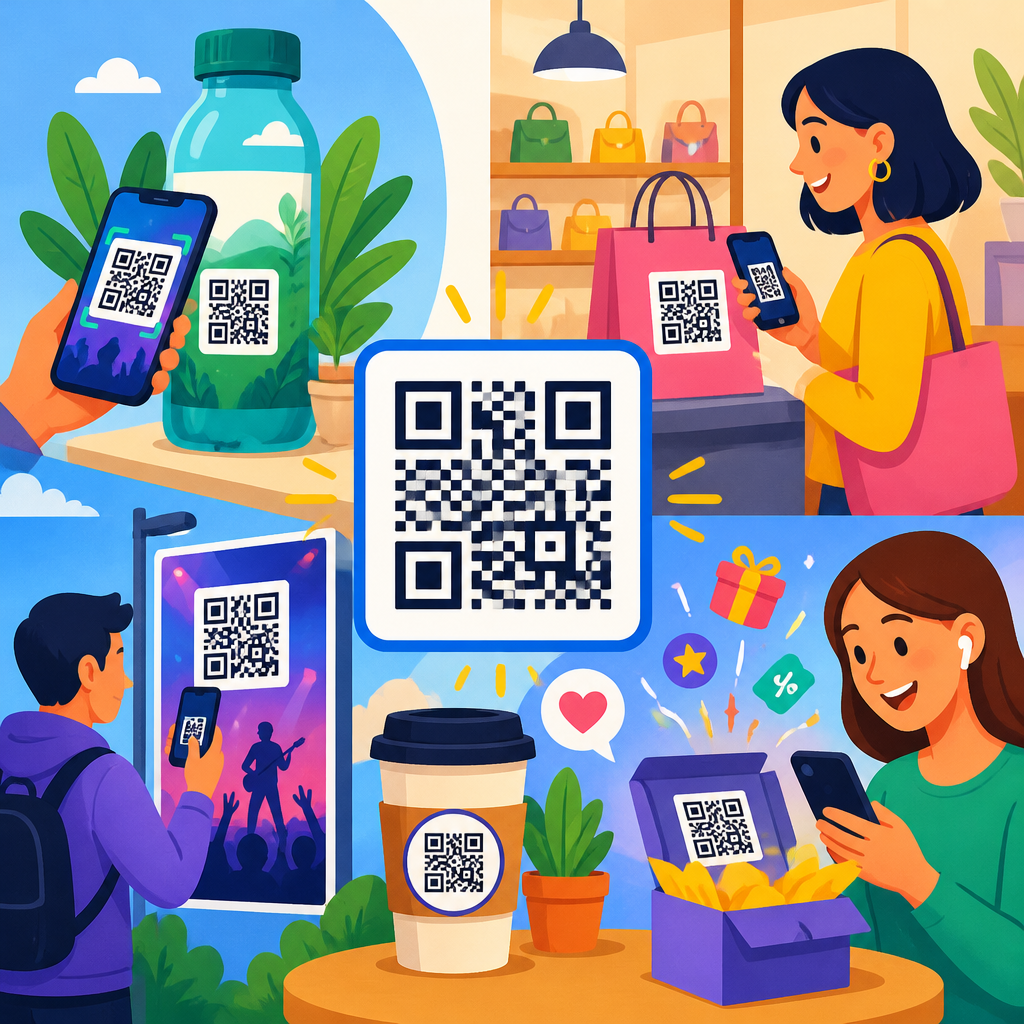
QR codes have moved far beyond the simple black-and-white squares once used mainly for product IDs and basic website links. Today, brands are using QR codes in innovative ways across retail, packaging, events, payments, loyalty, customer support, and connected media. A QR code, or Quick Response code, is a two-dimensional barcode that stores data such as URLs, text, contact details, app links, or payment instructions. Because smartphone cameras now scan them instantly without extra apps, QR codes have become one of the lowest-friction bridges between physical spaces and digital experiences.
That matters because brands are under pressure to make every touchpoint measurable, useful, and easy to act on. In my work with campaigns spanning packaging, in-store displays, and event activations, the difference between a passive impression and a meaningful conversion often comes down to convenience. QR codes reduce the steps between seeing and doing. A shopper can scan to verify authenticity, join a loyalty program, unlock a video tutorial, pay at checkout, or claim a limited-time offer in seconds. For marketers and operators, the same interaction creates first-party data, supports attribution, and reveals where customers hesitate or engage.
This article maps the emerging use cases that define the current QR code landscape. It explains how brands are turning codes into commerce triggers, service tools, engagement devices, and analytics points, while also acknowledging the practical limits. Not every scan leads to a sale, and poor implementation still kills performance. Yet when a code is placed in the right context, tied to a clear value exchange, and supported by strong mobile landing pages, it can outperform more expensive technologies. For any company tracking QR code trends and innovations, these use cases show where the channel is delivering real business value now.
Connected Packaging and Smart Product Experiences
One of the most important emerging use cases is connected packaging. Instead of treating packaging as static print, brands are turning it into a digital entry point. A QR code on a food label can open sourcing information, allergen details, recipes, and sustainability claims. A cosmetics brand can link to shade-matching guides and how-to videos. A consumer electronics company can direct buyers to setup tutorials, warranty registration, and troubleshooting. This improves customer experience after purchase while reducing pressure on call centers and printed inserts.
Major brands have pushed this further through digital product passports and traceability. In luxury and premium goods, QR codes help verify authenticity by linking to serialized product records. In regulated sectors, they support batch-level information and recalls. I have seen packaging programs perform especially well when the destination is tailored to the exact product SKU instead of a generic homepage. The scan feels useful because it answers the immediate question in the customer’s hand: how do I use this, trust this, or get more from it? That relevance is why connected packaging has become a core QR code innovation rather than a novelty.
Retail, Omnichannel Shopping, and In-Store Conversion
Retailers are using QR codes to remove friction from store journeys. Shelf tags, endcaps, fitting rooms, and window displays now commonly link to product reviews, variant availability, style recommendations, and buy-online-pickup-in-store options. When inventory is limited, a QR code helps save the sale by sending the shopper directly to the exact product page. During pop-up activations and smaller-format stores, codes can extend the physical assortment without requiring extra shelf space.
In practice, the best retail deployments answer a specific shopper question. Is this available in my size? Does it come in another color? How does it look on a real customer? Can I reorder it later? Beauty retailers use QR codes beside testers to launch ingredient explainers and virtual try-on tools. Home improvement stores use them for installation videos and project calculators. Grocery chains use them for recipes tied to seasonal displays. Each example shows the same principle: the QR code works when it shortens the path from curiosity to confidence, and confidence is what drives conversion.
Payments, Ordering, and Frictionless Transactions
Payments are another major area where brands are using QR codes in innovative ways. Restaurants normalized scan-to-order menus and table-side payments, but the model now extends to stadiums, parking, vending, transit, charity donations, and service businesses. Static codes can route users to a payment page, while dynamic codes can carry transaction-specific details such as order amount or merchant location. Payment providers including PayPal, Square, and regional wallet ecosystems have made merchant adoption easier by bundling QR acceptance into existing commerce tools.
The business benefit is not just speed. QR payments can lower hardware needs, support contactless service, and capture cleaner attribution between campaign and purchase. At events, a brand can place different dynamic QR codes on screens, merchandise tables, and sampling stations to see which environment drives the highest average order value. In quick-service settings, scan-to-order can lift throughput during peak periods because customers browse and pay while standing in line or waiting at a table. The lesson is straightforward: when brands use QR codes to reduce queue time and clicks, customers complete more transactions.
Loyalty, CRM, and First-Party Data Collection
As third-party tracking has weakened, brands have become more deliberate about collecting consented first-party data. QR codes are effective here because they can offer a clear value exchange at the moment of interest. Scan to join a rewards program, enter a sweepstakes, receive a birthday offer, register a product, or save preferences. Because the interaction starts in the physical world, it often captures customers who would not otherwise visit the brand site organically.
What matters is the data architecture behind the scan. Strong programs pass source parameters into the CRM, connect scan events to customer profiles, and trigger lifecycle messaging. A code on packaging may identify a recent purchaser, while a code at an event may identify a prospect. Those are different audiences and should receive different follow-ups. In my experience, brands get the best results when the landing page asks for the minimum viable information first, then enriches the profile later. A long form after a scan suppresses completion. A short opt-in with immediate reward builds momentum and trust.
Events, Out-of-Home Media, and Interactive Campaigns
QR codes have transformed offline media from one-way awareness into measurable response. On posters, billboards, direct mail, television screens, product placement, and event signage, a code gives audiences an immediate action. During live broadcasts, viewers can scan to shop featured products, vote in real time, or unlock bonus content. At trade shows, exhibitors use codes instead of paper brochures for lead capture, scheduling, and demos. Museums, sports venues, and festivals use them for maps, upgrades, and localized information.
The practical advantage is measurability. A billboard with a dynamic QR code can be evaluated not only by impressions but by scans, visits, and downstream conversions by time of day or region. Direct mail campaigns can use personalized QR codes to connect households with custom landing pages. In experiential marketing, the code can trigger augmented reality filters, gamified prizes, or digital collectibles. These activations work best when the call to action is concrete and the reward is immediate. Asking people to scan just to “learn more” rarely performs as well as giving them a reason that matches the moment.
Customer Support, Service, and Post-Purchase Education
Some of the most valuable QR code use cases are operational rather than promotional. Brands place codes on products, invoices, kiosks, hotel rooms, appliances, and service desks to route customers into support flows. A code can launch a help center article, chatbot, video guide, return portal, maintenance scheduler, or spare parts page. For complex products, this reduces cognitive load because the user no longer has to search manually for the right model number or document.
Service-focused QR programs also improve accuracy. A code tied to a serial number or asset tag can open the exact documentation relevant to that item. Manufacturers use this for installation and maintenance records. Hospitality brands use room-based QR codes for amenities requests and local recommendations. Airlines and transit operators use them for timetable updates and self-service assistance. The result is faster resolution and lower support cost, provided the destination is mobile-friendly and current. Nothing damages trust faster than a QR code leading to an outdated PDF or a broken page during a service moment.
How Leading QR Code Use Cases Compare
The most successful programs align the code with a clear customer need, a measurable business goal, and an optimized mobile destination. The comparison below shows how common use cases differ in objective and execution.
| Use Case | Primary Goal | Common Placement | Best Practice |
|---|---|---|---|
| Connected packaging | Education and trust | Labels, boxes, inserts | Link to SKU-specific content, not a homepage |
| Retail shelf and display | Conversion support | Shelf tags, windows, fitting rooms | Answer immediate shopper questions such as size, stock, and reviews |
| Payments and ordering | Transaction speed | Tables, counters, kiosks, signage | Minimize steps from scan to checkout |
| Loyalty and CRM | Data capture and retention | Receipts, packaging, events | Ask for minimal information upfront and tag scan source |
| Events and media | Engagement and attribution | Billboards, screens, mailers, badges | Use dynamic codes and a strong, specific call to action |
| Support and service | Resolution and deflection | Products, rooms, invoices, equipment | Route users to exact model or asset-level support content |
Implementation Standards, Measurement, and Common Mistakes
Innovation only matters if the code is easy to scan and the experience after the scan is worth the effort. Size, contrast, quiet zone, placement height, lighting, and distance all affect scan rate. Dynamic QR codes are usually the better choice for campaigns because they allow destination changes, analytics, and segmentation without reprinting assets. URL structure also matters. Clean links, UTM parameters, and campaign naming conventions make reporting far more reliable in analytics platforms such as Google Analytics 4, Adobe Analytics, and major CRM systems.
The most common mistakes are preventable. Brands place codes where there is no signal, no time to scan, or no obvious reward. They send every scan to a generic homepage. They ignore mobile page speed. They print codes too small or over busy artwork. They fail to test on both iOS and Android camera apps. They also forget governance: a code on packaging may remain in market for months, so the linked content needs maintenance plans, redirect rules, and ownership. The brands getting the strongest results treat QR codes as part of a broader journey, not as a standalone tactic.
QR codes are now one of the most versatile tools brands have for connecting physical touchpoints to digital action. The strongest emerging use cases share the same fundamentals: clear intent, immediate value, low friction, and rigorous measurement. Connected packaging builds trust and extends the product experience. Retail and in-store codes support conversion when shoppers need answers fast. Payment and ordering codes remove delays at the moment revenue is on the line. Loyalty and CRM programs turn scans into consented customer relationships. Event, media, and support use cases make offline channels measurable and service interactions easier.
The larger lesson is that innovation is not about putting a code everywhere. It is about matching the code to a real customer job and designing the destination with the same care as the physical asset that carries it. When brands do that, QR codes become more than links. They become scalable infrastructure for commerce, service, education, and insight. That is why this subtopic sits at the center of modern QR code trends and innovations: it touches nearly every stage of the customer lifecycle.
If you are building a QR strategy, start with one high-intent use case, define the success metric before launch, and test the full scan-to-action flow in the real environment. Then expand into adjacent applications once the operational basics are solid. Done well, QR codes create measurable convenience for customers and measurable performance for brands.
Frequently Asked Questions
How are brands using QR codes beyond simple website links?
Brands are using QR codes for much more than sending people to a homepage. In retail, they appear on shelf displays, store signage, and product packaging to unlock product comparisons, ingredient sourcing details, styling ideas, video demonstrations, and limited-time offers. On packaging, a single scan can connect customers to user guides, warranty registration, how-to tutorials, recycling instructions, or personalized recommendations based on the item they purchased. At events, QR codes are replacing printed brochures, tickets, menus, and business cards by giving attendees instant access to schedules, speaker information, networking forms, and exclusive content.
They are also being used in connected media campaigns that link offline marketing to digital experiences. A QR code on a poster, direct mail piece, billboard, or television ad can lead users to a landing page, contest entry, app download, or interactive branded experience. In customer support, brands use QR codes to route people directly to setup instructions, live chat, return portals, or troubleshooting pages, reducing friction and helping customers find answers faster. Many companies are also using dynamic QR codes that can be updated after printing, making them especially useful for promotions, loyalty programs, location-based campaigns, and real-time engagement strategies.
Why have QR codes become so effective for modern marketing and customer engagement?
QR codes have become highly effective because they remove steps from the customer journey. Instead of typing a long URL, searching for a product page, or downloading a separate scanning app, customers can simply point their smartphone camera at a code and take immediate action. That ease of use matters. The faster someone can move from interest to interaction, the more likely they are to engage, sign up, buy, or learn more. For brands, QR codes create a smooth bridge between physical touchpoints and digital destinations.
They are also effective because they are measurable, flexible, and inexpensive to deploy. Brands can track scans, time of engagement, device type, campaign performance, and location trends when using the right tools. That data helps marketers refine campaigns and understand what content or placements are driving results. Because QR codes can be printed on packaging, signs, receipts, ads, labels, and even wearable materials, they fit into almost any campaign format. Combined with strong design, clear calls to action, and useful destination content, QR codes can turn passive impressions into active participation in a way that few other offline tools can match.
What are some innovative ways brands are using QR codes on packaging?
Packaging has become one of the most creative spaces for QR code use because it offers a direct connection at the moment of purchase or product use. Many brands now place QR codes on labels, boxes, inserts, and bottle caps to deliver rich post-purchase experiences. A customer can scan to watch a tutorial, verify authenticity, explore sourcing and sustainability practices, join a loyalty program, reorder quickly, or get personalized care instructions. Food and beverage brands often use packaging QR codes to share nutrition details, recipes, farm-to-shelf traceability, and freshness information, while beauty and electronics companies use them for setup guidance, compatibility details, and product education.
Some brands are taking packaging even further by making QR codes part of a connected ownership experience. For example, a code can unlock product registration, subscription refills, rewards points, exclusive community content, or tailored recommendations based on prior purchases. Others use dynamic codes to run seasonal campaigns without redesigning the entire package, allowing the same printed code to support different offers over time. This turns packaging from a static container into an ongoing communication channel that supports storytelling, transparency, retention, and repeat sales long after the item leaves the shelf.
How do QR codes support payments, loyalty programs, and customer retention?
QR codes are increasingly central to frictionless commerce. In payments, they allow customers to complete a transaction quickly by scanning a code that opens a payment app, digital wallet, or checkout page with prefilled information. This is useful in stores, restaurants, pop-up events, self-service kiosks, and service-based businesses that want to reduce lines or offer contactless options. Because the process is fast and familiar, it can improve convenience while lowering barriers to purchase.
For loyalty and retention, QR codes give brands a simple way to enroll customers, reward repeat visits, and maintain engagement after the first sale. A code on packaging or a receipt can lead to account creation, points redemption, referral programs, VIP access, or personalized discounts. In hospitality and food service, customers might scan to join a rewards club, reorder a favorite item, or unlock location-specific offers. In retail, the same system can connect offline buying behavior to digital profiles, helping brands deliver more relevant offers and experiences. When paired with useful incentives and a seamless landing page, QR codes can strengthen retention by making every scan feel valuable rather than promotional.
What should brands do to make QR code campaigns successful?
The most successful QR code campaigns start with a clear purpose. Brands should know exactly what action they want the customer to take, whether that is learning about a product, making a payment, registering a purchase, downloading an app, or joining a loyalty program. The destination must be mobile-friendly, fast-loading, and immediately relevant to the context of the scan. A QR code on product packaging should not send someone to a generic homepage if they are expecting instructions, ingredients, or support. Relevance and convenience are what make the interaction feel worthwhile.
Brands should also pay close attention to placement, design, and messaging. A QR code needs to be easy to find, easy to scan, and paired with a strong call to action that tells people what they will get. Something as simple as “Scan for setup help,” “Scan to earn rewards,” or “Scan to see it in action” can dramatically improve engagement. It is also important to test codes across devices, lighting conditions, and print sizes before launch. Using dynamic QR codes can provide flexibility and analytics, while secure links and trusted branding help build confidence. Ultimately, the best QR code strategies are not built around the code itself, but around delivering a fast, useful, and well-designed customer experience that justifies the scan.