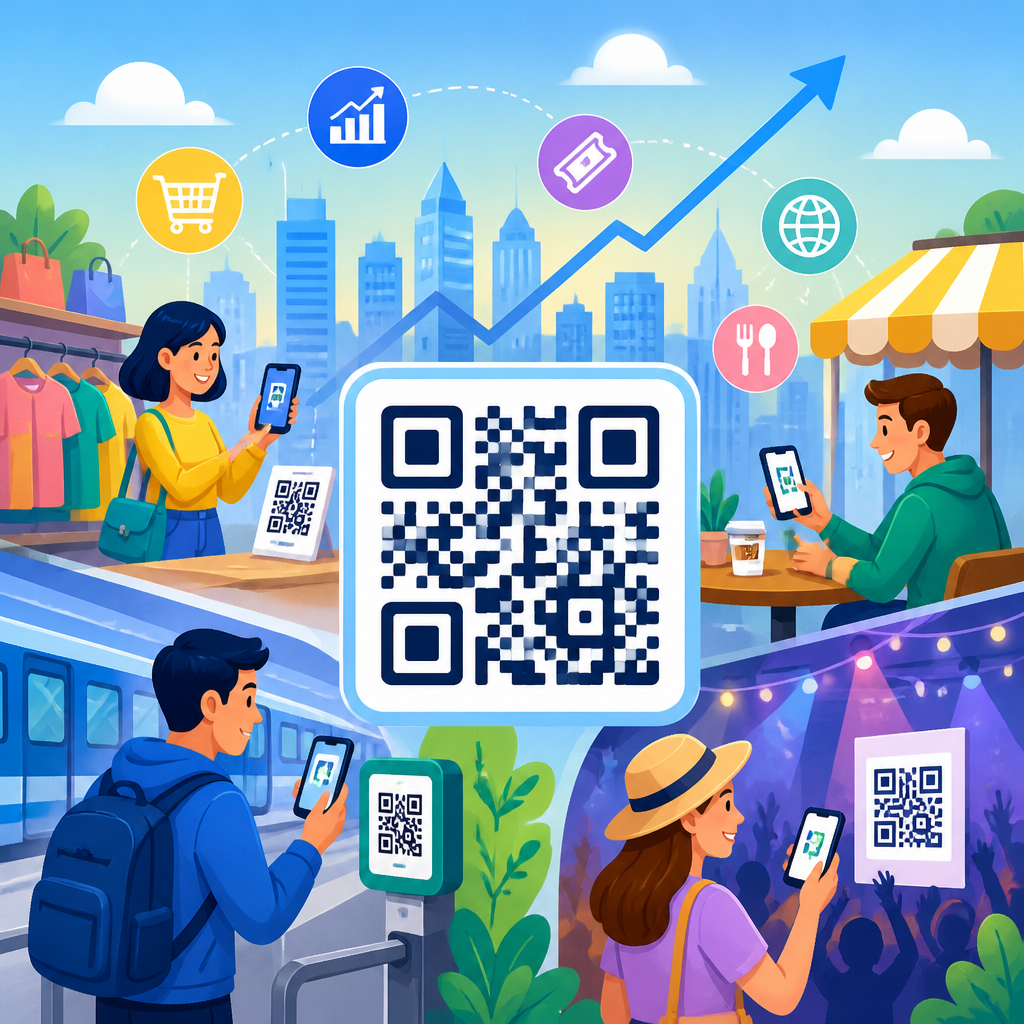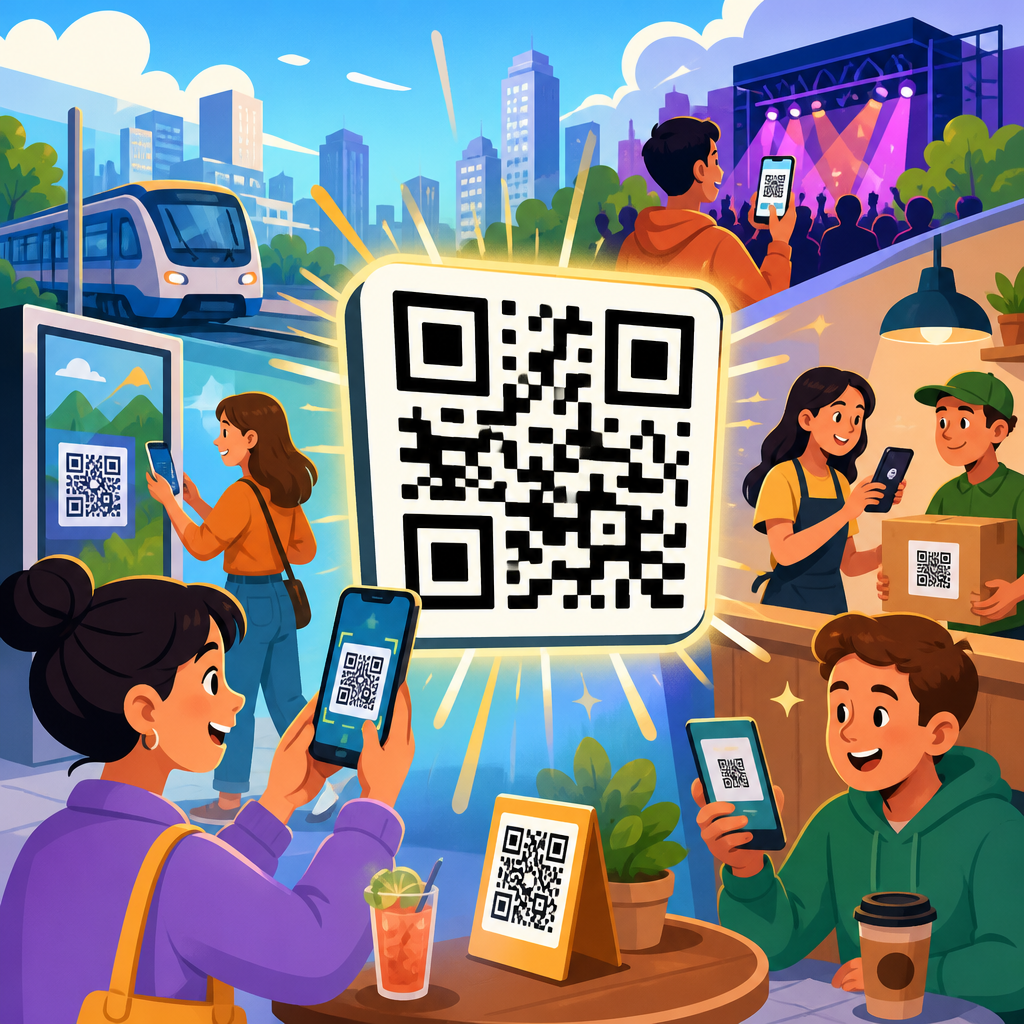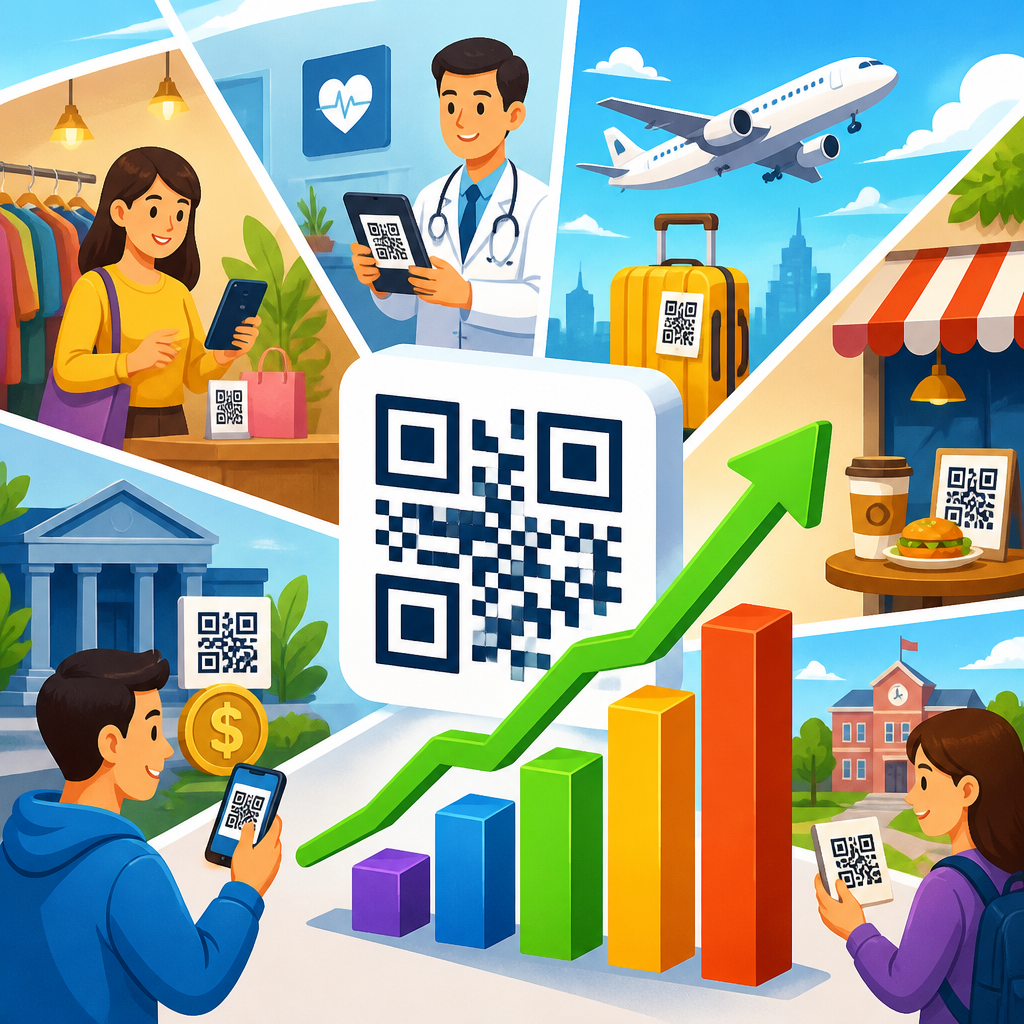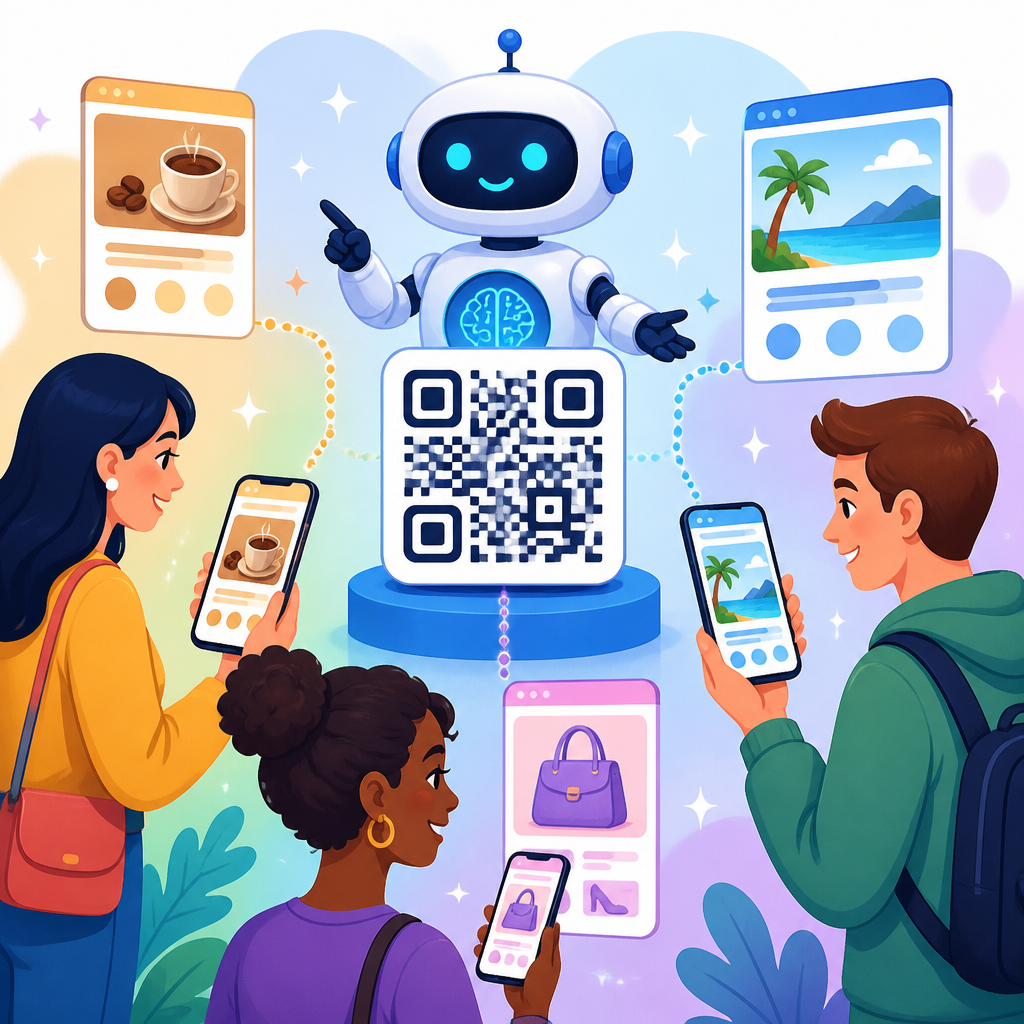
AI is changing how brands use QR codes by turning a static scan into a personalized landing page experience that adapts to each visitor. In practical terms, AI personalization means using data, prediction models, and automated content rules to decide what page, offer, message, or layout a scanner should see after opening a QR code. A QR code landing page is the web destination reached after a scan, and it can be dynamic, meaning the destination or on-page content changes without printing a new code. That combination matters because QR codes now sit at the intersection of physical media and digital conversion: packaging, direct mail, retail displays, event signage, menus, product manuals, and out-of-home ads all depend on a fast, relevant post-scan experience.
After working on QR campaigns for retail launches, trade show follow-up, and loyalty programs, I have seen the same pattern repeatedly. The QR code itself rarely limits performance. The landing page does. When every scanner lands on the same generic page, conversion rates flatten because context is ignored. A shopper scanning on a store shelf needs different information than a returning customer scanning a reorder label at home. AI helps bridge that gap by interpreting signals such as device type, time, location, referral source, prior behavior, and campaign history, then selecting content that matches likely intent. Instead of asking users to navigate, the system reduces friction immediately.
For companies building a QR code strategy, this topic matters for three reasons. First, personalization improves relevance, and relevance improves measurable outcomes like click-through rate, dwell time, add-to-cart rate, coupon redemption, lead capture, and support deflection. Second, AI can automate decisions at scale across thousands of scans, products, and audience segments, which is impossible to manage manually. Third, privacy expectations are higher than ever, so teams need a clear approach that uses first-party data, consent controls, and transparent governance. This article explains how AI can personalize QR code landing pages, what data powers those experiences, which use cases create the most value, and how to implement the model responsibly as a central hub for the broader QR Codes and AI landscape.
What AI personalization means for QR code landing pages
AI personalization for QR code landing pages is the process of dynamically tailoring the destination or page content after a scan based on contextual and behavioral signals. The simplest version routes users to different pages using rule-based logic: a scan from New York sees store inventory, while a scan from London sees local pricing. More advanced systems use machine learning models to predict intent or next best action. For example, a food brand can detect whether the user is a first-time scanner from retail packaging or a repeat scanner from a recipe card and present either a product education page or a loyalty enrollment prompt.
In execution, the stack usually includes a dynamic QR management platform, a customer data source, analytics, and a personalization engine. Tools vary, but the operating pattern is consistent. The QR code points to a redirectable short URL. That URL collects permitted context at scan time, then passes the visitor to a landing page builder, content management system, or experimentation platform that assembles the appropriate experience. Teams often use GA4 for event tracking, a CDP such as Segment or mParticle for identity and audience data, and page delivery systems such as Adobe Experience Manager, Optimizely, or custom headless CMS setups.
The key benefit is decision speed. A person who scans a QR code has immediate intent, but that intent is fragile. If the page loads slowly, asks irrelevant questions, or hides the desired action under generic navigation, the opportunity disappears. AI does not solve poor fundamentals, but it does help answer the most important post-scan question instantly: what is this person most likely trying to do right now?
What data AI uses after a QR scan
AI can only personalize well when the underlying signals are relevant, lawful, and clean. In QR code programs, the most useful signals usually include scan timestamp, approximate location from IP, device type, operating system, language, campaign identifier, product SKU, scan frequency, and on-site behavior after the page opens. If the visitor is authenticated or has consented to first-party tracking, the system can also use purchase history, loyalty status, service cases, or prior email engagement. In my experience, campaign ID and product context are often more predictive than demographic assumptions because they describe why the user scanned in the first place.
Data quality matters more than data volume. A mislabeled campaign parameter or a broken redirect can make an intelligent model useless. Strong implementations standardize UTM conventions, define a scan taxonomy, and maintain a QR inventory with metadata for channel, creative, region, and intended audience. They also distinguish scan events from meaningful downstream actions. Someone opening a page from a cereal box and someone completing a recipe download are not the same signal. AI models perform better when trained on business outcomes such as purchase, form completion, repeat scan, or support article resolution rather than vanity metrics alone.
| Signal | How it is captured | Personalization use | Example |
|---|---|---|---|
| Campaign ID | Dynamic QR redirect parameter | Identify source intent | Mailer scan opens financing offer page |
| Product SKU | Embedded code metadata | Load product-specific content | Appliance tag shows setup guide for exact model |
| Location | IP-based geolocation | Localize language, pricing, inventory | Retail scan displays nearest store stock |
| Device type | Browser user agent | Adjust layout and app prompts | iPhone users see Apple Wallet coupon option |
| Behavior history | First-party analytics or CDP | Choose next best action | Repeat scanner gets reorder shortcut |
Privacy controls must sit alongside personalization logic. GDPR, CCPA, and other frameworks require transparency, purpose limitation, and careful handling of personal data. For most QR campaigns, contextual personalization can deliver strong results without identifying a person directly. That is often the best starting point: use page context, scan source, and aggregated patterns first, then layer in consented first-party data only where the value exchange is clear.
High-value use cases across industries
Retail is one of the clearest examples of how AI can personalize QR code landing pages. A QR code on shelf talkers or packaging can lead first-time buyers to comparison guides, reviews, and bundle recommendations, while existing loyalty members can see points balances, personalized discounts, or replenishment reminders. Beauty brands use this well because shade matching, tutorials, and regimen recommendations depend on intent and prior purchase behavior. AI can infer whether the scan is informational or transactional and order the page accordingly.
Consumer packaged goods brands use QR codes to extend the package beyond limited label space. Instead of a generic homepage, AI can serve recipes for a scanned ingredient, allergen details based on region, or sustainability content tied to the exact product lot. Beverage companies can also personalize age-gated experiences, event tie-ins, and retailer-specific promotions. The practical advantage is operational: one printed code can support many campaigns across time, geography, and audience segments without changing the package design.
Healthcare, pharmaceuticals, and medical devices benefit in a different way. Here, personalization is often less about selling and more about clarity, adherence, and support. A patient scanning a code on a prescription insert may need dosage instructions in the right language, while a clinician scanning equipment packaging may need setup documentation or training videos. AI can rank answers based on user role, urgency, and common failure points. In regulated environments, that personalization must be governed tightly, but it still reduces confusion and service burden.
B2B marketers also gain from personalized QR code landing pages at events, on sales collateral, and in direct mail. At trade shows, I have seen exhibitors place one QR code on signage and route visitors differently based on booth location, session attendance, company segment, or repeat scans during the event. A prospect from a mid-market SaaS company might see a short ROI calculator and book-a-demo form, while an enterprise visitor sees security documentation, integration architecture, and case studies. The same principle works for field sales leave-behinds, packaging inserts, and account-based marketing kits.
How the personalization workflow actually works
The workflow starts before the code is generated. Teams define the objective for each QR touchpoint, such as coupon redemption, app install, product registration, service resolution, or lead capture. Next, they choose the minimum useful signals needed to personalize the landing page. Then they build decision logic. For low-complexity programs, this may be deterministic routing: if campaign equals event and language equals Spanish, load a Spanish event recap page. For larger programs, a model may score users for likelihood to buy, likelihood to need support, or likelihood to respond to a specific offer.
Once the scan occurs, the redirect layer captures contextual data and sends the user to a page assembly system. That system may alter the hero message, recommended products, FAQ order, call-to-action button, form length, testimonial selection, or media assets. In one packaging program I worked on, repeat scanners were significantly more likely to convert when the page skipped introductory education and showed reorder, subscription, and retailer options first. That change did not require a new code, only dynamic rules informed by scan history.
Measurement closes the loop. Effective teams track not just scans, but also content variant served, interaction sequence, conversion path, and incremental lift versus a control. They run A/B or multivariate tests to compare AI-selected experiences against static defaults. This is where many programs become truly useful: the model learns which combinations of context and content outperform the baseline, and the landing page gets better over time instead of remaining frozen after launch.
Best practices, limitations, and governance
The best personalized QR landing pages are fast, clear, and narrow in scope. They do not bury users in options. They answer the likely question immediately, then provide secondary paths for adjacent tasks. Load speed is nonnegotiable because QR scans often happen on mobile connections in stores, transit hubs, or event venues. Compress images, minimize scripts, and test redirects carefully. If the personalized page takes longer to load than a standard page, the benefit can disappear.
There are also real limitations. AI predictions are only probabilities, not certainty. A user scanning from a supermarket may still want customer support rather than a promotional recipe. That is why robust page design preserves discoverability even while prioritizing the most likely action. Bias can appear when models overfit to historical data, especially if prior campaigns underrepresented certain regions or customer types. Governance should include model review, fallback logic, human oversight, and clear rules for when personalization should not occur.
Trust is built through transparency and restraint. Explain what data is used when required, honor consent choices, and avoid personalization that feels invasive. A simple location-based store finder or language switch usually feels helpful. Referencing sensitive inferences without explicit permission does not. The strongest programs balance relevance with respect. If you are building a sub-pillar content strategy around QR Code Trends and Innovations, this is the core idea to carry forward: AI makes QR codes more effective when it reduces friction after the scan, not when it adds complexity.
AI can personalize QR code landing pages by interpreting scan context, connecting it to first-party data, and delivering the most relevant content or action in real time. That capability turns a QR code from a static bridge into an adaptive conversion tool for retail, CPG, healthcare, B2B, and customer support. The winning formula is straightforward: use dynamic QR infrastructure, define clear goals, collect only useful signals, test continuously, and protect user privacy throughout the workflow.
The most important takeaway is that personalization should begin with intent, not novelty. A better post-scan experience is usually the result of answering one immediate need faster, whether that means local inventory, setup instructions, a replenishment shortcut, or a tailored offer. AI helps teams do this at scale across channels and products, but it works best when paired with disciplined data taxonomy, clean measurement, and lightweight mobile-first design. Brands that master these basics can improve conversion and user satisfaction without reprinting a single code.
As the hub for QR Codes and AI, this topic connects to dynamic QR management, analytics, loyalty integration, packaging innovation, and consent-first personalization. Review your current QR landing pages, identify where every scanner sees the same generic destination, and map one high-intent use case for improvement. Start small, measure lift against a control, and expand from there.
Frequently Asked Questions
What does it mean for AI to personalize a QR code landing page?
AI personalization for QR code landing pages means the experience after the scan can change based on who the visitor is, where they are, when they scanned, what device they are using, and how they have interacted with the brand before. Instead of sending every scanner to the exact same static page, AI helps determine the most relevant destination, message, product recommendation, offer, or page layout in real time. For example, one person might scan a code and see a new-customer discount, while another returning visitor sees a loyalty offer or a product they previously viewed.
In practice, this works by combining data inputs with predictive models and automated content rules. The AI can look at signals such as location, language, referral source, scan time, browsing behavior, purchase history, or campaign performance trends. Based on those signals, it can decide whether to route the visitor to a different page entirely or adjust specific on-page elements such as headlines, images, calls to action, or featured products. The key idea is that the QR code itself can remain the same, while the destination experience becomes dynamic and personalized without reprinting the code.
How is a dynamic QR code landing page different from a regular static one?
A static QR code landing page sends every user to one fixed URL and presents the same content to everyone. That can still be useful for simple campaigns, but it limits flexibility. If you want to update the offer, change the destination, fix an error, test a new call to action, or tailor the content for different audiences, a static setup can become restrictive. In many cases, it also means you lose opportunities to improve relevance and conversion rates because every scanner gets the same generic experience.
A dynamic QR code landing page is more adaptable. The QR code points to a system that can update the destination or modify the landing page content based on current conditions and user signals. AI makes that adaptability much smarter by continuously identifying what is most likely to work for a given visitor or scenario. A brand can use one printed QR code on packaging, posters, menus, direct mail, or retail displays, then let AI personalize what appears after the scan. This makes campaigns easier to manage, supports ongoing optimization, and extends the useful life of printed QR materials because the landing experience can evolve over time.
What kinds of data can AI use to personalize the experience after a QR code scan?
AI can use a wide range of data signals, provided they are collected and handled responsibly. Common examples include device type, operating system, browser, approximate location, time of day, day of week, preferred language, traffic source, and previous interactions with the brand. If the visitor is already known through a login, loyalty account, or prior consented engagement, the system may also factor in purchase history, browsing behavior, customer segment, or response to past promotions. Even campaign-level performance data can be useful, because AI can learn which content versions tend to perform best with certain audience profiles.
The most effective personalization strategies usually combine immediate context with historical patterns. For example, a restaurant chain might show breakfast offers in the morning and lunch items later in the day, while also changing the menu based on the scanner’s nearest location. An ecommerce brand might highlight products aligned with a visitor’s past browsing habits or promote faster checkout options for mobile users. The goal is not to collect every possible data point, but to use relevant signals to make the landing page more helpful, timely, and conversion-focused. Strong privacy practices, clear consent where required, and secure data handling are essential parts of doing this well.
What are the main business benefits of using AI on QR code landing pages?
The biggest benefit is relevance. When people scan a QR code, they expect a quick and useful experience. AI helps brands meet that expectation by showing content that better matches the visitor’s intent and context. That can lead to higher engagement, stronger click-through rates, more form completions, increased purchases, and better campaign ROI. Personalized QR landing pages can also reduce friction by surfacing the right information faster, whether that means a location-specific page, a product recommendation, a support resource, or a time-sensitive promotion.
There are also important operational benefits. Because the landing page is dynamic, teams can update messaging, run tests, optimize performance, and shift offers without changing the printed QR code. AI can automate many of those decisions at scale, which is especially useful for brands running multiple campaigns across regions, products, or audience segments. Over time, machine learning models can improve based on scan behavior and conversion data, helping marketers move beyond one-size-fits-all experiences. The result is not just a more modern QR campaign, but a more measurable and adaptable system for connecting offline touchpoints with digital outcomes.
How can brands implement AI-personalized QR code landing pages effectively without hurting user trust?
The best approach is to start with clear goals, useful personalization, and responsible data practices. Brands should first define what they want the QR experience to achieve, such as driving purchases, booking appointments, collecting leads, or helping users find nearby locations. From there, they can identify a few high-value personalization rules or AI use cases, such as location-based offers, language adaptation, returning-visitor messaging, or predictive product recommendations. Starting simple makes it easier to measure impact and avoid overcomplicating the experience.
User trust depends on transparency and restraint. Personalization should feel helpful, not intrusive. That means collecting only the data needed for the experience, honoring privacy laws and consent requirements, and clearly explaining how information is used when appropriate. It also means designing fast, mobile-friendly landing pages that load quickly after a scan and still work well if limited data is available. Brands should continuously test outcomes, monitor performance, and make sure the AI is improving the visitor experience rather than creating confusion. When implemented thoughtfully, AI-powered QR landing pages can feel seamless and relevant while still respecting privacy and maintaining brand credibility.