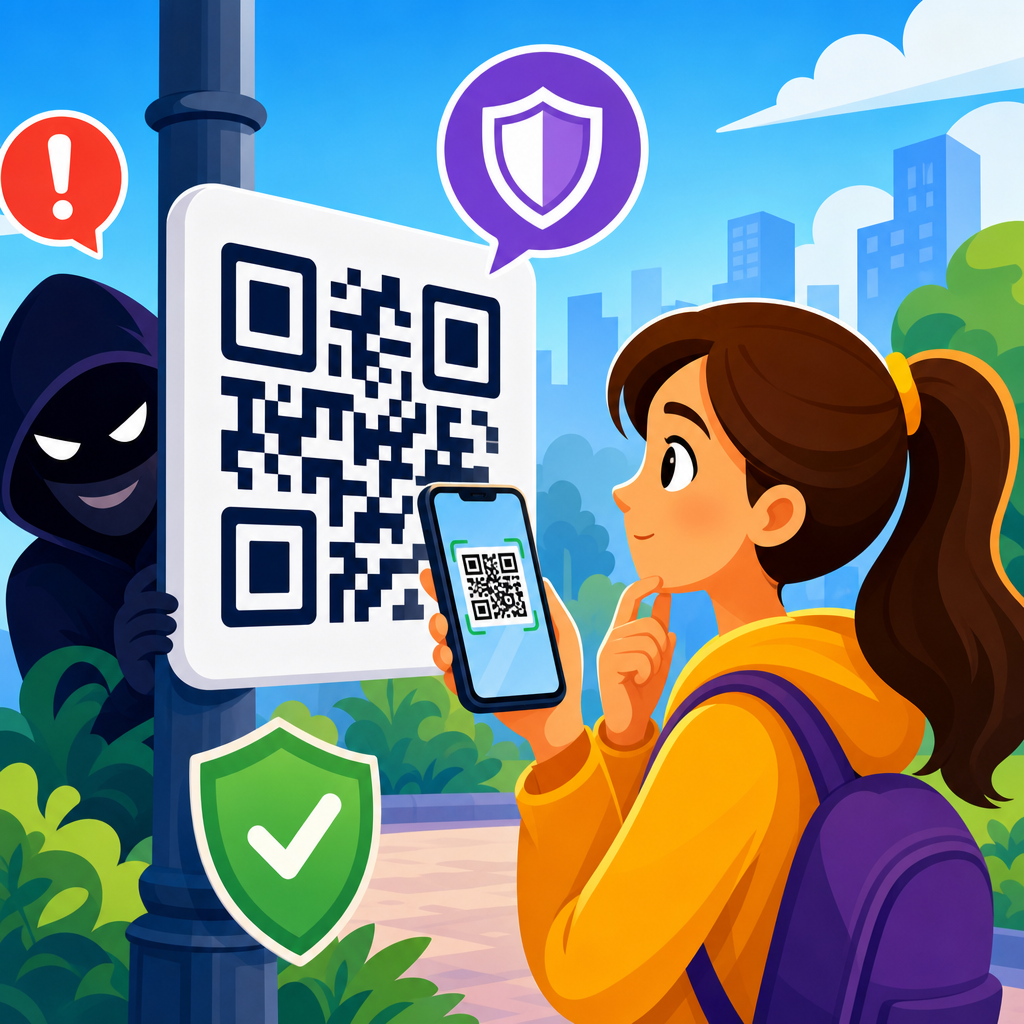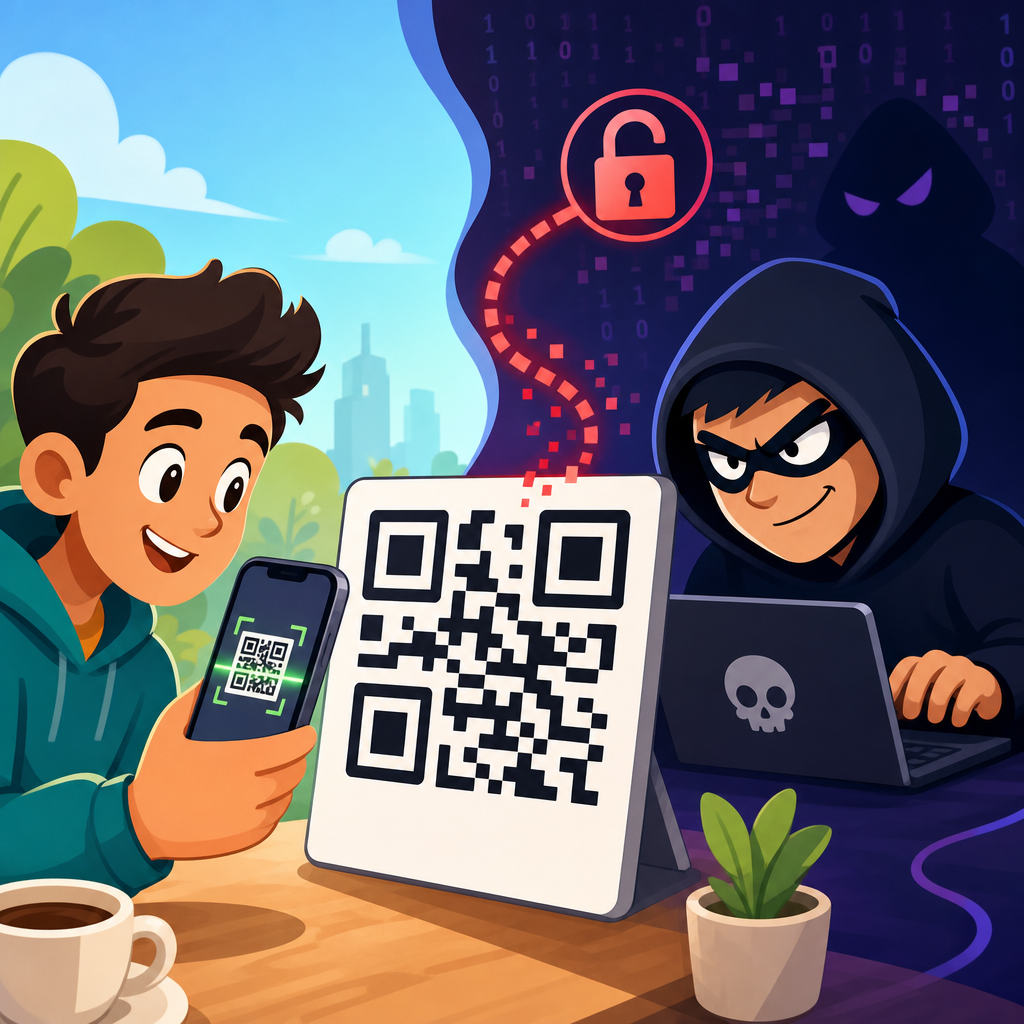
QR codes are now embedded in payments, restaurant menus, event tickets, product packaging, and industrial workflows, which makes one question unavoidable: do QR codes expire for security reasons? The short answer is that a QR code image does not inherently expire, but the destination behind it can be changed, disabled, time-limited, or protected when security, privacy, and fraud prevention require it. That distinction matters because many people confuse the printed square with the system it points to, and that confusion leads directly to poor risk decisions.
In practice, whether a QR code expires depends on the type of code. A static QR code stores data directly in the symbol, such as a URL, Wi-Fi credential, phone number, or vCard. Once created, the pattern remains the same unless you replace the image everywhere it appears. A dynamic QR code usually contains a short redirect URL managed by a platform. The image stays the same, while the redirect destination, scan rules, analytics, and expiration settings can change. When organizations ask for stronger QR code security, they are usually asking for controls around that dynamic layer.
From working with campaign teams, ticketing systems, and payment flows, I have seen the same issue repeatedly: teams treat QR codes as a design asset instead of an access point. Security failures rarely come from the black-and-white pattern itself. They come from weak redirect governance, open redirects, phishing pages, reused links, exposed personal data, or printed codes that cannot be revoked after distribution. That is why answering whether QR codes are safe requires looking beyond the image and into lifecycle management, destination hygiene, and user trust signals.
This matters for every business under the broader QR Code Security & Privacy topic because the QR code often bridges the physical and digital worlds without giving users much context before they scan. A normal hyperlink lets someone inspect the domain in advance. A QR code hides that destination behind a camera action, which creates opportunity for convenience and abuse at the same time. Understanding expiration, tampering, redirects, tracking, and authentication is the foundation for deciding when a QR code is safe, when it needs added controls, and when another access method is better.
Do QR codes expire? The practical answer
A QR code does not expire simply because time passes. The symbol is an encoding method standardized under ISO/IEC 18004, and a printed or displayed code remains scannable as long as the image quality, contrast, and error correction are sufficient. What can expire is the content or service behind it. If the code points to a landing page that is taken down, a cloud file that is revoked, a payment request that times out, or a ticket token that is marked as redeemed, the user experiences that as an expired QR code even though the image still scans correctly.
For security reasons, expiration is often a deliberate control. Temporary login links, one-time event passes, password reset flows, device pairing sessions, and payment requests commonly use time limits to reduce replay attacks and unauthorized forwarding. In those cases, the QR code may remain visually unchanged, but the backend checks timestamp, token validity, user state, and sometimes device fingerprint before granting access. This is the same logic used in signed URLs, short-lived API tokens, and rotating session credentials.
Static QR codes are less flexible. If a static code contains a direct URL to a PDF or web page, you cannot make the code itself expire unless you add controls on the server side. You can password-protect the page, require authentication, remove the file, or return an error after a certain date, but anyone with the image can still scan it. Dynamic QR codes are better suited for managed expiration because the redirect service can disable scans by date, location, scan count, or campaign status without changing the printed material.
Are QR codes safe? Risks, benefits, and where attacks happen
QR codes are safe when the organization controls the destination, secures the redirect path, and gives users enough context to trust what they are scanning. They become risky when they obscure destination identity, carry sensitive data directly, or can be physically replaced by a malicious sticker. The most common threat is phishing. Attackers place a fake code over a legitimate one on parking meters, posters, restaurant tables, or invoices, sending users to a lookalike payment page that captures card details or credentials.
Another risk is silent redirection. Some QR platforms allow destination edits after print, which is useful operationally but dangerous if account access is weak. A compromised marketing account can turn thousands of printed codes into malware or scam entry points instantly. I have also seen organizations expose personal information by embedding names, email addresses, internal IDs, or medical record references directly into a static code. Anyone who scans or photographs the code can decode it, because QR content is not encryption. Encoding is not protection.
Still, QR codes offer real security advantages when implemented correctly. They reduce typing errors, support authenticated app-to-app flows, and can carry signed tokens for controlled access. Mobile wallet boarding passes, modern ticketing systems, and many payment platforms pair the visible code with backend validation, nonce checks, and redemption controls. In those systems, the QR code is only one factor in a broader trust architecture. The code alone does not authorize the action; the server validates the token, account, device, and timing before approval.
| Use case | Typical QR type | Main security risk | Best control |
|---|---|---|---|
| Restaurant menu | Dynamic URL | Sticker replacement to phishing site | Display full domain near code and inspect locations regularly |
| Event ticket | Tokenized dynamic code | Screenshots or resale fraud | One-time redemption with server-side validation |
| Invoice payment | Payment payload or redirect | Fake payment destination | Verified merchant name and signed payment request |
| Wi-Fi onboarding | Static credential payload | Password exposure | Guest network isolation and frequent password rotation |
Why organizations make QR codes expire for security reasons
Expiration reduces the useful life of stolen, shared, or intercepted access paths. If a QR code launches a password reset, account enrollment, facility entry, or discount claim, leaving it valid indefinitely increases the blast radius of leakage. A photographed badge, forwarded email, or copied poster can be abused days or months later unless the linked token has a strict validity window. Time-boxing access is one of the simplest ways to limit fraud without making scanning difficult for legitimate users.
One-time and short-lived QR codes are especially important in high-risk contexts. Healthcare check-in links may need to protect personal data under privacy obligations. Warehouse workflows may use temporary codes for device pairing to avoid unauthorized terminal enrollment. Cashless payments often bind a QR payment request to amount, merchant, and time to stop replay. Even public marketing campaigns may use expiration for brand safety by preventing old promotions from sending traffic to dead pages, unsupported forms, or content that no longer meets compliance requirements.
There is a tradeoff. The shorter the expiration, the lower the exposure, but the greater the operational risk of frustrating legitimate users. A printed poster in a subway station cannot rely on a code that expires in one hour. An event ticket can, because the scanning window is narrow and the redemption context is supervised. Good security design matches expiration to use case. For public signage, organizations often use durable dynamic QR codes with secure destinations and kill-switch capability. For identity, payment, and privileged access, they favor signed, rotating, or one-time codes.
Static vs dynamic QR codes: which is safer?
Dynamic QR codes are usually safer for organizations because they support governance. You can update destinations without reprinting, pause campaigns, route users by geography, add analytics, and disable a code if abuse appears. Those controls matter when printed assets have long lifespans. However, dynamic systems also introduce a new dependency: the QR management platform. If that platform has weak authentication, poor audit logging, or permissive redirect settings, it becomes a central point of failure. Security improves only when administration is mature.
Static QR codes are safer only in narrower scenarios where simplicity beats manageability. If the code contains a plain URL on your own domain, with no third-party redirect and no need for future changes, static deployment reduces the attack surface associated with external management dashboards. It also avoids link rot caused by vendor shutdowns. But static codes are unforgiving. If a destination changes, if a typo slips in, or if fraud is detected after print, remediation is difficult and expensive. For most public-facing programs, that rigidity is a major operational security drawback.
The safest approach often combines both models intelligently. Use a branded short domain you control, route QR traffic through a hardened redirect layer with access logs, and send users to pages hosted on your primary domain. That keeps the printed code stable while preserving revocation and monitoring. It also creates a clearer trust signal because the visible URL near the code can match the organization’s domain. When I audit QR deployments, domain ownership and redirect governance are the first things I check, well before visual styling or campaign analytics.
How to make QR codes safer in real deployments
Safe QR deployment starts with destination control. Use HTTPS everywhere, host landing pages on domains users recognize, and avoid generic shorteners when a branded short domain is available. Require multifactor authentication on the QR management platform, restrict who can edit destinations, and keep audit logs showing who changed what and when. If a code is linked to payments or account actions, validate every request server-side and never trust the scan alone as proof of legitimacy.
Physical security matters too. Inspect high-traffic placements for tampering, especially on payment kiosks, parking meters, table tents, and public posters. Print the expected domain next to the code so users can compare what they see after scanning. For sensitive actions, present a confirmation screen that clearly shows merchant name, account context, or transaction amount before the user proceeds. Mobile operating systems increasingly preview URLs before opening them, and organizations should design for that behavior rather than assuming an instant redirect is best.
Data minimization is another essential control. Do not store sensitive personal data directly in a static QR code unless there is a compelling reason and compensating protection. Put a reference token in the code and resolve it securely on the server instead. Where access should end, use expiration dates, scan limits, signed tokens, or one-time redemption. Monitor for spikes in scans, unusual geographies, or redirect errors. Tools such as Google Analytics 4, Cloudflare logs, Microsoft Defender for Endpoint, and SIEM platforms can help detect abuse patterns early.
Privacy considerations: tracking, consent, and data handling
QR code privacy is often overlooked because scanning feels lightweight, but the destination can collect IP address, device details, referral data, campaign tags, location signals, and form inputs immediately. Dynamic QR services may also log scan time, approximate geography, and device type for reporting. That data can be useful, yet privacy obligations still apply. If a QR code leads to a form, coupon, loyalty program, or healthcare interaction, the organization must define what is collected, why it is necessary, and how long it is retained.
Consent and transparency should match context. A museum exhibit linking to supplementary content has a different expectation than a code requesting payment or personal details. For regulated environments, provide a clear privacy notice on the landing page, avoid unnecessary third-party scripts, and ensure processors are contractually appropriate. If children may scan the code, marketing and profiling practices may need stricter review. The safest privacy posture is simple: collect the least data required to complete the task, and separate analytics from identity whenever possible.
Users also need practical privacy guidance. They should avoid scanning random codes from stickers, street poles, or unsolicited mail without context. Before entering credentials or payment details, they should verify the domain and look for secure connection indicators. Businesses can support this behavior by using memorable domains, predictable landing pages, and concise instructions near the code. Trust is built before the scan, not after a user lands on an unfamiliar page asking for sensitive information.
When QR codes are the right choice, and when they are not
QR codes are the right choice when they remove friction without increasing risk beyond what backend controls can manage. Good examples include product manuals, authenticated mobile app sign-ins, event check-in, app download handoffs, guest Wi-Fi access on isolated networks, and payment flows with merchant verification. In these cases, the code is a fast transport mechanism, while the real security lives in domain trust, token validation, redemption logic, and account controls.
They are a poor choice when the code must stand alone as proof of authorization, when the destination cannot be monitored, or when users have no practical way to validate legitimacy. A static QR code containing sensitive data on a public badge is risky. A code on a printed invoice that sends users to an unfamiliar payment domain is risky. A long-lived code in an unmanaged physical location is risky unless inspection and revocation are built into operations. Convenience should never replace verification.
The central answer is straightforward: QR codes do not inherently expire for security reasons, but secure systems often make the linked content, token, or permission expire on purpose. That is how organizations reduce fraud, protect privacy, and retain control after a code is printed or shared. If you are building under the QR Code Security & Privacy topic, treat each code as an access point with its own lifecycle, not as a graphic asset.
The safest QR strategy combines clear user context, trusted domains, dynamic management where appropriate, server-side validation, and expiration rules matched to risk. Static codes can be acceptable for low-risk, durable destinations, but dynamic codes usually provide better governance, monitoring, and incident response. Most importantly, never assume the QR image itself provides security. Protection comes from what the code points to, how that destination is controlled, and how quickly you can revoke or update it when conditions change.
Review your current QR deployments, classify them by risk, and add expiration, redirect governance, and privacy safeguards where they matter most. That single audit will improve both security and user trust.
Frequently Asked Questions
Do QR codes actually expire on their own for security reasons?
No. A QR code image does not inherently expire just because of time or security policy. At its core, a QR code is simply a machine-readable pattern that stores data, such as a URL, payment string, ticket ID, product identifier, or internal workflow reference. If that data remains valid and the system behind it is still active, the code will continue to scan and function. This is why a printed QR code on packaging, signage, manuals, or labels can remain usable for years.
Where people get confused is the difference between the visible code and the digital destination behind it. Security controls are usually applied to the destination, not the image itself. For example, a business may disable a landing page, revoke a ticket token, rotate a payment link, require authentication before revealing content, or set a time limit for access. In those cases, the QR code still scans, but the result may no longer work or may be intentionally restricted. So when someone says a QR code has “expired,” what has usually expired is the linked resource, not the square pattern itself.
Why would a company make a QR code destination expire or become unavailable?
Organizations often place limits on QR code destinations to reduce fraud, protect user data, and maintain operational control. In payments, a static code that always resolves to the same destination may be fine for low-risk use cases, but dynamic or time-limited payment links can add protection against tampering, replay attacks, and unauthorized reuse. In event ticketing, expiring or single-use QR destinations helps prevent duplicated admissions and resale abuse. In restaurant menus and product packaging, businesses may change the linked content over time to update pricing, compliance information, promotions, or safety notices without reprinting every code.
There are also privacy and cybersecurity reasons. A company may disable older links if a campaign ends, if a server is migrated, or if a URL structure is changed to prevent broken experiences and reduce misuse. In industrial workflows, QR-linked instructions may be version-controlled so employees only access approved documentation. In secure environments, the destination may require sign-in, device checks, geofencing, session tokens, or expiration windows so that only authorized users can proceed. In other words, expiration is often less about the QR code itself and more about lifecycle management, risk reduction, and keeping the linked experience trustworthy.
What is the difference between a static QR code and a dynamic QR code when it comes to expiration and security?
A static QR code directly contains the final information, such as a fixed URL, phone number, text payload, or payment address. Because the information is encoded permanently in the image, it cannot be edited after creation unless you replace the code entirely. That means a static code does not “expire” on its own, but it also offers limited control. If the destination changes, the original static code may lead users to an outdated page or stop being useful altogether. From a security standpoint, static codes are simple and durable, but they are harder to manage once they are printed or widely distributed.
A dynamic QR code works differently. It usually points to an intermediary short link or redirect service that can send users to a destination chosen by the code owner. This makes dynamic codes much more flexible for business and security use cases. The destination can be updated, paused, monitored, password-protected, geotargeted, or time-limited without changing the visual code. That flexibility is what makes people think QR codes “expire,” because dynamic systems can deliberately disable access or redirect users elsewhere. Dynamic QR codes are often better for campaigns, tickets, payments, analytics, and controlled workflows, but they also require reliable infrastructure and good governance, since the security of the overall experience depends on the redirect platform and the destination management behind it.
How can users tell whether a QR code is safe if the code itself does not show whether the destination is expired or malicious?
Users should treat QR codes the same way they treat links in emails or text messages: as convenient, but not automatically trustworthy. The main risk is not that the code “expires,” but that it may lead somewhere unexpected, outdated, or fraudulent. A safe scanning experience starts with context. If the code appears on official packaging, inside a trusted app, at a verified checkout terminal, or on signage from a legitimate business, it is generally more reliable than a random sticker placed over another sticker or a printed code shared without explanation. Physical tampering is a real issue, especially in payments, parking, public posters, and restaurant tables.
Most smartphones also provide a preview of the URL before opening it, and users should pay attention to that preview. Look for recognizable domains, correct spelling, and secure HTTPS connections. Be cautious if the code leads to a shortened link with no clear brand identity, requests immediate payment, prompts for sensitive credentials, or tries to install software. Businesses can strengthen trust by using branded domains, secure landing pages, and clear on-page verification signals. For high-risk use cases such as event entry, account access, or invoices, users should confirm details through official channels if anything looks unusual. The important point is that a QR code can still scan perfectly even when the linked destination has been retired, altered, or abused, so safety depends on verifying the destination and the surrounding context.
What are best practices for businesses that want QR codes to remain useful without creating security risks?
The best approach is to plan QR codes as part of a managed system rather than as one-time images. Businesses should decide early whether a static or dynamic code fits the use case. If the destination may change, needs analytics, or requires fraud controls, dynamic QR codes are usually the better choice. They allow teams to update links, disable compromised routes, impose expiration windows for sensitive actions, and direct users to current content without replacing printed materials. That is especially valuable for menus, payment flows, campaigns, product manuals, maintenance instructions, and event operations.
Security best practices include using HTTPS, branded domains, access controls where appropriate, and regular link auditing to catch broken or outdated destinations. For sensitive workflows, organizations should consider tokenized URLs, one-time-use identifiers, authentication checkpoints, and server-side validation rather than relying on the QR code alone. Printed codes should be monitored for physical tampering, particularly in public spaces. It is also smart to maintain documentation on where codes are deployed, who owns them, and when they should be reviewed or retired. The goal is not to make the image expire by default, but to manage the destination responsibly so users get a secure, current, and trustworthy experience every time they scan.