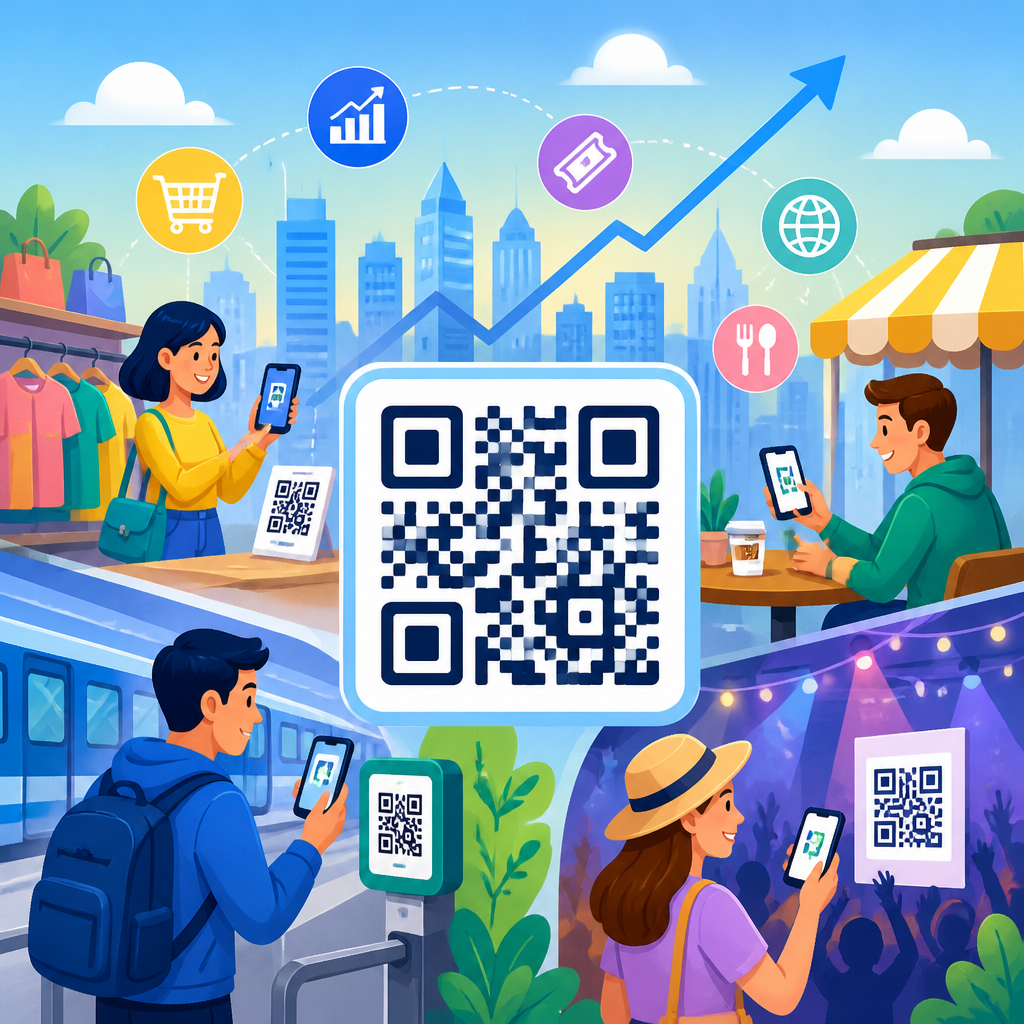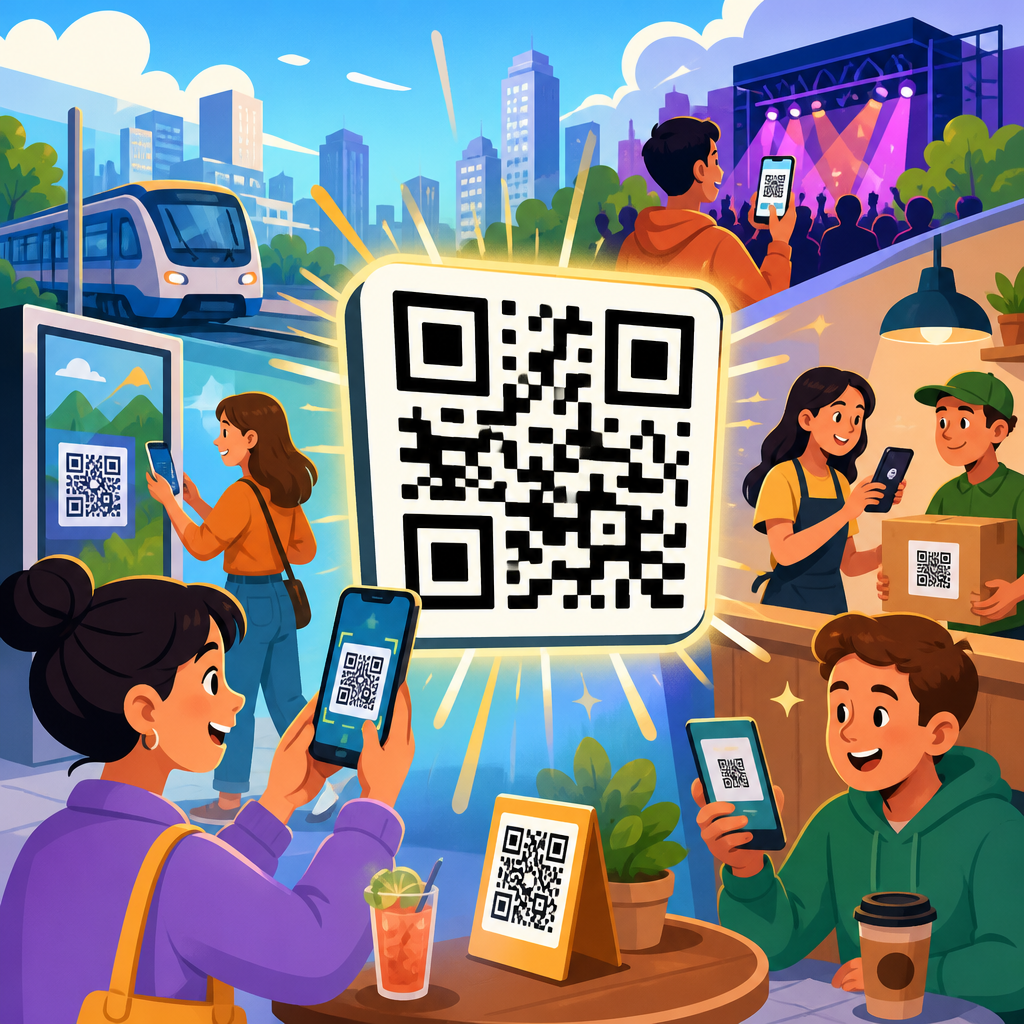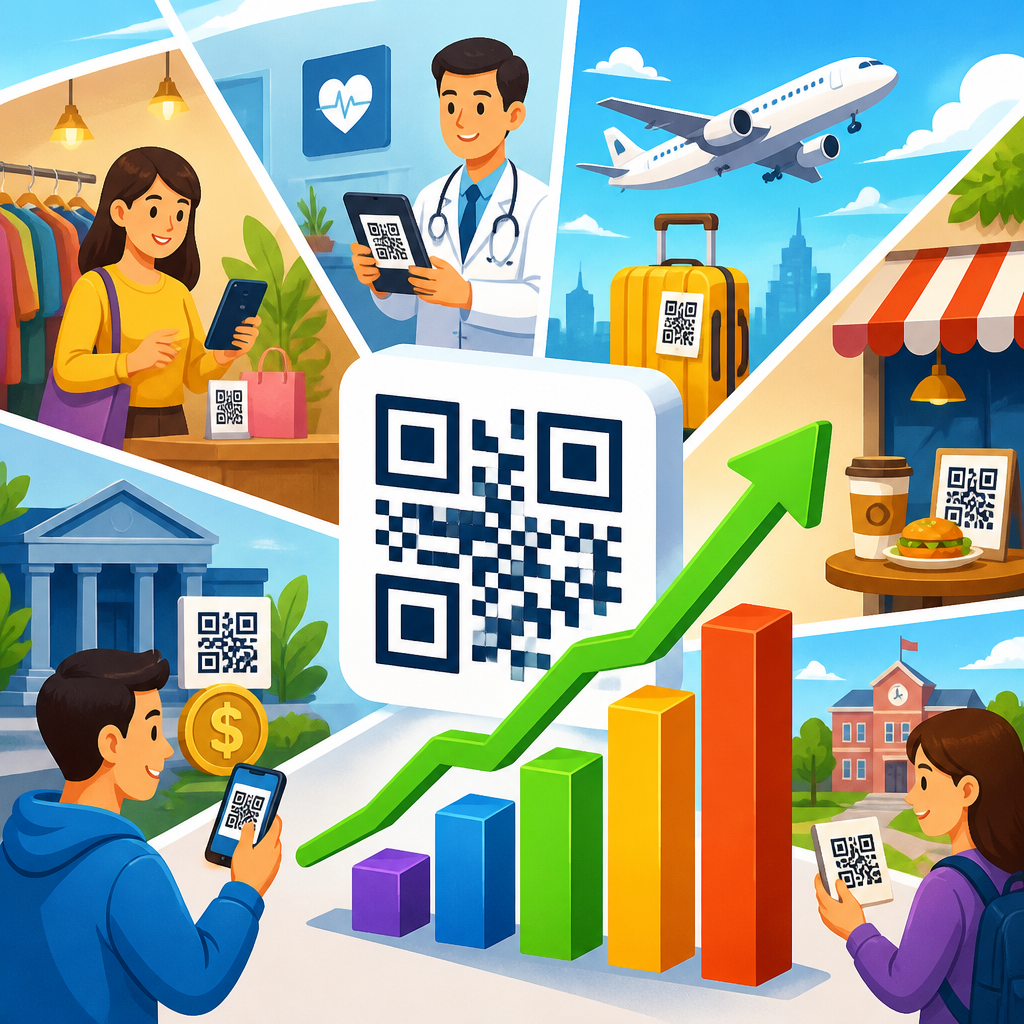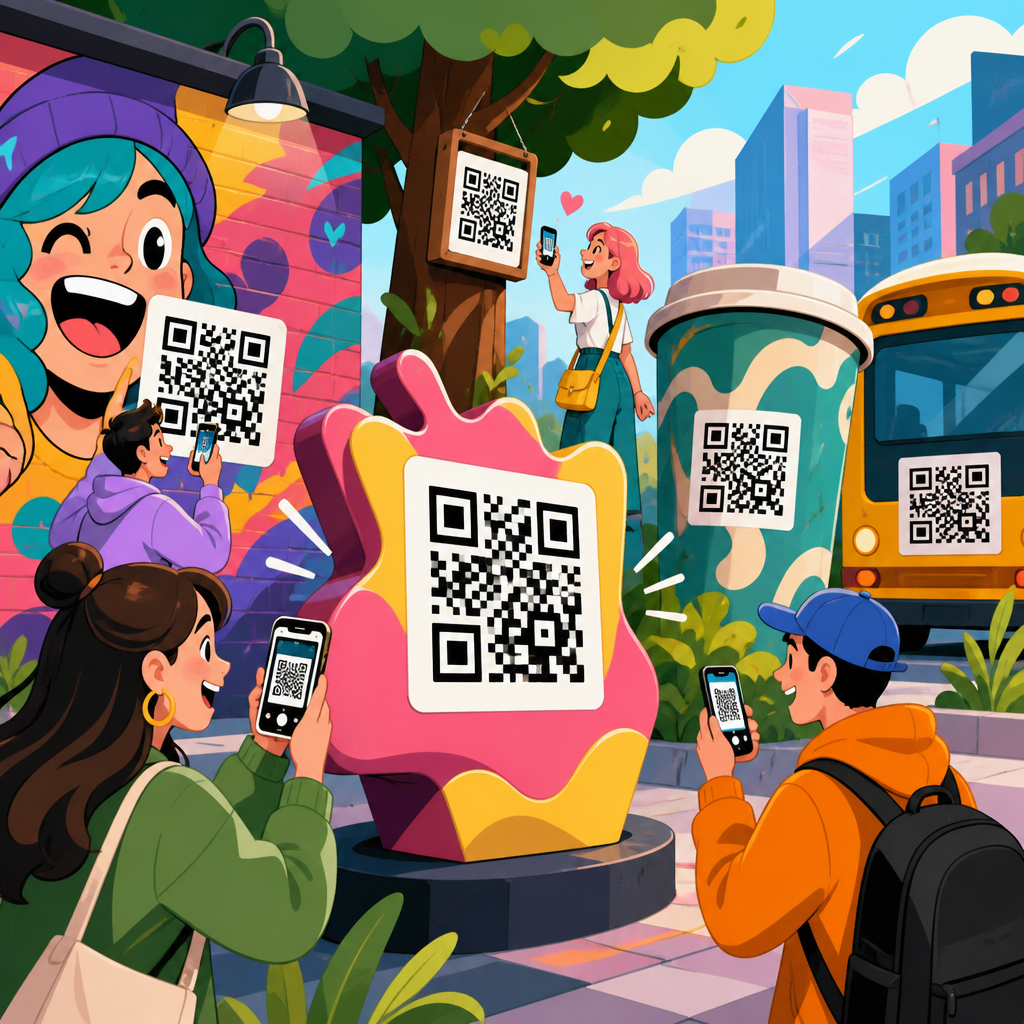
Creative QR code campaigns that went viral reveal how a once-ignored utility became a powerful bridge between physical attention and digital action. QR codes, or quick response codes, are two-dimensional barcodes that store URLs, app triggers, payment links, coupons, files, and other structured data readable by smartphone cameras. In marketing, a QR code campaign is any promotion that uses a scannable code to move people from a poster, package, screen, product, or place into a digital experience. I have worked on launches where a plain black-and-white code underperformed, then a redesigned code tied to a sharper offer doubled scans within days. That pattern explains why this topic matters: viral QR code campaigns are rarely about the code itself. They succeed because the code sits inside a strong creative idea, a low-friction user journey, and a timely social trigger.
The rise of built-in smartphone scanners changed the economics of QR marketing. Before Apple added native camera support in iOS and Android vendors followed with better default scanning, brands had to overcome the extra step of downloading an app. Today the behavior is normal. People scan restaurant menus, event tickets, payment prompts, transit passes, product labels, museum exhibits, and television screens without instruction. That mainstream adoption opened a new field of emerging use cases, from interactive packaging and out-of-home activations to livestream commerce, augmented reality entry points, and loyalty programs tied to first-party data. For a sub-pillar hub focused on QR code trends and innovations, the viral campaign lens is useful because it shows not only what is technically possible, but what audiences will actually share, repeat, and remember.
Going viral does not simply mean generating millions of scans. In practice, a viral QR code campaign creates disproportionate attention relative to media spend because people post it, talk about it, and invite others to try it. The signal can show up as scan volume, earned media, social mentions, user-generated content, waitlists, app installs, sales lift, or newsletter growth. The strongest campaigns answer a basic question instantly: why should I scan this right now? They also respect context. A commuter at a bus shelter has a few seconds. A shopper holding a product can give more time. A viewer seeing a code during a live sports broadcast needs a short URL destination that loads quickly under pressure. These situational differences separate gimmicks from effective creative strategy.
Another reason these campaigns deserve close study is measurement. Unlike many offline brand moments, QR activations can be tagged, attributed, and optimized with unusual precision. Dynamic codes can route users to different destinations by time, geography, device type, or campaign variant. Marketers can test incentive language, landing page speed, form length, reward type, and design treatment, then learn what drives completion instead of just curiosity. That makes QR especially valuable in a privacy-constrained environment where brands need voluntary, first-party engagement. The sections below map the core emerging use cases, explain why certain campaigns spread, and show how to build a hub strategy that connects packaging, retail, events, TV, social, and commerce into a measurable system rather than a one-off stunt.
Why Viral QR Code Campaigns Work
Viral QR code campaigns work when they combine three ingredients: visible intrigue, immediate utility, and social payoff. Visible intrigue means the code appears in a context that makes people notice it. That might be a giant code on a billboard, an animated code on a livestream, or a code integrated into product artwork. Immediate utility means the user gets something with almost no delay: a discount, exclusive content, a game, an instant vote, a collectible, or a simplified checkout. Social payoff means the experience is worth sharing because it feels clever, scarce, funny, competitive, or culturally relevant. When one of these ingredients is missing, performance usually drops. I have seen beautifully designed codes fail because the destination was a generic homepage, and I have seen ugly codes outperform because the reward was specific and the landing page loaded in under two seconds.
A well-known proof point came from Coinbase’s 2022 Super Bowl ad, which displayed a bouncing QR code on screen, echoing the old DVD screensaver. Viewers scanned out of curiosity, and the promotion drove such heavy traffic that the app briefly crashed. The creative was minimal, but the mechanism was strong: mystery, urgency, and a simple reward. Another example is Burger King’s “QR Whopper” in parts of Latin America, where QR interactions were tied to mobile ordering and deal redemption. In retail environments, Tesco and Walmart have used scannable shelf and packaging experiences to extend product information and convenience. The common thread is not novelty alone. It is reducing the gap between attention and action while giving users a reason to show someone else what they found.
Emerging Use Cases Across Packaging, Retail, Events, and Media
Interactive packaging is one of the fastest-growing use cases because it turns every unit sold into a media touchpoint. Beverage brands have linked codes on labels to music playlists, sweepstakes, ingredient sourcing, recycling instructions, and sports promotions. Beauty brands use codes for shade matching tutorials, replenishment reminders, and authenticated product verification. Consumer packaged goods teams like packaging QR because distribution is already paid for; the innovation is in what happens after the scan. A cereal box can unlock a game. A coffee bag can lead to farm traceability. A vitamin bottle can launch dosage guidance and subscription management. When the post-scan path is relevant to product use, scan intent is naturally higher.
In retail stores, QR codes increasingly support self-guided discovery rather than basic couponing alone. Apparel retailers use hangtag codes to show fit videos, inventory by size, and care instructions. Furniture stores connect floor models to room visualizers and assembly walkthroughs. Grocery chains can place shelf-edge codes beside seasonal recipes or dietary filters, helping shoppers decide quickly. This matters because stores are crowded with decisions and often understaffed. A viral retail QR activation usually adds surprise to this utility, such as a hidden drop, gamified scavenger hunt, or limited-edition collaboration available only in-store. The code becomes both signage and conversion tool.
Events and experiential marketing remain especially fertile ground. Festival wristbands, conference badges, museum placards, stadium seats, and pop-up installations all provide moments where scanning feels natural. Brands can use a code to collect leads, personalize schedules, distribute digital swag, or queue visitors into interactive experiences without paper handouts. During product launches, I have seen QR walls segment audiences into press kits, demo signups, and community groups with far less friction than manual registration. In media, the code on television or streaming content has evolved from novelty to performance channel. Broadcasters use on-screen codes for live voting, second-screen commerce, fantasy sports, and instant coupon redemption during specific scenes or ad breaks.
| Use case | Primary goal | Why it can go viral | Best success metric |
|---|---|---|---|
| Interactive packaging | Engagement after purchase | Collectors, rewards, behind-the-scenes content | Repeat scans per unit |
| Retail scavenger hunt | Store traffic and basket growth | Competition, exclusivity, social posting | Redemptions and average order value |
| Event activation | Lead capture and participation | Live visibility, peer influence, instant rewards | Qualified leads and dwell time |
| TV or livestream code | Mass response at a specific moment | Scarcity, novelty, synchronized audience attention | Scans per minute and conversion rate |
| Product authentication | Trust and verification | Resale communities and safety concerns | Verification completions |
The Creative Patterns Behind Shareable Campaigns
After reviewing high-performing QR launches across categories, several repeatable creative patterns stand out. The first is mystery. People scan when they need the answer. Teaser placements with minimal copy can work if the reward is strong and the audience context is broad, as with mass media. The second pattern is exclusivity. Limited drops, hidden menus, invite-only communities, and city-specific unlocks create social proof because people want to show access. The third is utility with personality. A code that solves a real problem, such as finding product instructions, can still spread if the execution feels playful or culturally tuned. Fourth is participation. Quizzes, instant polls, multiplayer games, and UGC prompts give users a role rather than treating them as passive clickers.
Design matters, but readability matters more. Brands often want highly customized codes with logos, color gradients, or shape modifications. Those can perform well if tested carefully, but contrast, quiet zone spacing, error correction, and print quality remain non-negotiable. A code that looks premium but fails under low light, motion, or glare is expensive dead weight. Placement is equally important. Eye level, dwell time, and environmental distractions determine whether anyone even attempts a scan. On packaging, codes near opening instructions or promotional claims usually do better than those hidden in legal copy. On video, a code needs enough on-screen duration for users to unlock phones, open cameras, and frame the image. Most failures are basic execution issues, not audience resistance.
Building the Post-Scan Experience for Conversion
The landing experience decides whether interest becomes value. A viral QR code campaign can generate huge top-of-funnel attention, but if the destination is slow, generic, or confusing, the momentum dies immediately. The best post-scan journeys are mobile-first, lightweight, and singular in purpose. If the objective is email signup, ask only for the information required. If the objective is purchase, prefill carts where possible and reduce steps. If the objective is education, place the answer above the fold in plain language, then offer deeper paths. Tools such as Bitly, QR Code Generator, Flowcode, Beaconstac, and Adobe Express can help create dynamic, trackable codes, but no platform compensates for a weak landing page.
Personalization is where emerging use cases become strategic rather than tactical. Dynamic routing allows one printed code to behave differently by context. A code on the same beverage can might lead first-time scanners to a brand story, repeat scanners to loyalty rewards, and users in a specific city to event tickets. Retailers can connect scans to inventory APIs, local store maps, or replenishment reminders. B2B marketers can route badge scans from trade shows to role-specific demo pages. These techniques improve relevance without forcing separate print runs for every segment. They also create cleaner measurement because the brand can compare variants while preserving one visible creative asset.
Measurement, Compliance, and Operational Realities
Reliable measurement starts with clear definitions. A scan is not the same as a unique visitor, an engaged session, or a conversion. Teams should define the primary event before launch, such as coupon redemption, completed registration, qualified lead, account creation, or verified purchase. Dynamic code platforms can report raw scans, location, device type, and time patterns, but analytics should continue on the destination page through tools such as Google Analytics 4, Adobe Analytics, Shopify reports, or CRM attribution. When I audit QR campaigns, the biggest reporting mistake is counting curiosity as success. High scans with low completion usually signal a mismatch between creative promise and landing page delivery.
Compliance and trust shape long-term performance. Users have learned that codes can conceal unknown destinations, so credible branding, visible URLs, and clear value statements improve confidence. For sectors such as healthcare, finance, and alcohol, disclosures and age gating may be required. Accessibility also matters. A code should not be the only path to essential information; provide a short URL for users who cannot scan easily. Operationally, teams need governance for code ownership, redirect management, and destination maintenance. A printed code may stay in the market for months or years. Broken links, expired promotions, and unmonitored redirects can damage both conversion and reputation. A disciplined redirect map is just as important as the creative concept.
How to Turn a Single Campaign Into a QR Code Content Hub
As a sub-pillar hub under QR Code Trends and Innovations, this topic should connect every major emerging use case instead of treating each campaign as an isolated anecdote. The most effective approach is to structure content around user intent. One cluster can cover packaging innovation, including traceability, loyalty, recycling, and authentication. Another can focus on retail and out-of-home activations such as smart posters, shelf-edge media, and in-store games. A third can explore event, ticketing, and venue experiences. A fourth can examine media and commerce, including connected TV, livestream shopping, and second-screen response. This hub format helps readers compare contexts while signaling topical depth across related pages.
The practical advantage is internal discoverability and editorial efficiency. Each spoke article can dive deep into one use case, while this page frames the strategic patterns that apply across them: incentive design, placement, scanning friction, post-scan optimization, analytics, and trust. That architecture supports readers who arrive with broad curiosity as well as those searching for a specific application like QR codes on packaging or viral QR campaigns on TV. If you are planning your own initiative, start with one environment where your audience already pauses, define the immediate value of scanning, and test the full path from visibility to conversion. Creative QR code campaigns go viral when the experience feels effortless, useful, and worth sharing. Build that system well, and the code becomes more than a link; it becomes a scalable growth channel.
Frequently Asked Questions
What makes a QR code campaign go viral instead of being ignored?
A QR code campaign usually goes viral when the scan feels less like a technical action and more like the start of a rewarding experience. Most people will not scan a code simply because it exists on a sign, package, or screen. They scan when there is a clear reason to do it, such as unlocking exclusive content, entering a giveaway, triggering an AR experience, claiming a discount, participating in a social challenge, or discovering something surprising in the real world. Viral campaigns tend to combine strong visual design, immediate curiosity, and low friction. The code is placed where attention is already high, the call to action is obvious, and the payoff happens quickly.
Another major factor is shareability. The best creative QR code campaigns do not end with the first scan. They lead users into content people want to talk about, post, and send to friends. That could be a funny branded experience, a personalized message, a limited-time drop, a public stunt, or a cause-driven activation that makes participants feel part of something larger. Campaigns also benefit from context. A code on packaging, in a storefront window, at an event, or embedded into street art can become memorable when the environment itself adds meaning. In short, virality happens when a QR code bridges offline attention and online emotion in a way that feels effortless, useful, and worth sharing.
Where are the best places to use QR codes in a creative marketing campaign?
The best placement depends on when and where your audience is most likely to feel curious enough to act. High-performing QR code campaigns often appear on product packaging, posters, billboards, event signage, restaurant tables, direct mail, retail displays, receipts, apparel, public transit ads, and pop-up installations. These touchpoints work because they already attract visual attention and can naturally support a scan. For example, product packaging is ideal for tutorials, loyalty programs, recipes, origin stories, and surprise rewards. Event spaces are excellent for scavenger hunts, backstage content, ticket upgrades, and live audience participation. Storefronts and outdoor ads can work especially well when they offer after-hours access to offers, interactive brand storytelling, or location-based surprises.
Creative marketers also think beyond obvious surfaces. A QR code can be integrated into murals, window displays, coasters, menus, limited-edition merchandise, shipping inserts, and experiential installations. What matters is not just visibility, but usability. The code should be large enough to scan, placed at a practical distance, and supported by a compelling call to action. Lighting, movement, and connectivity all affect performance, especially for outdoor and digital placements. The most successful campaigns treat placement as part of the story. Instead of asking people to scan in an abstract way, they make the physical setting feel like the first chapter of the experience.
What kind of content should a QR code link to if the goal is engagement and shares?
If the goal is engagement, the landing experience needs to deliver value immediately. That value can take many forms: entertainment, utility, exclusivity, personalization, savings, or participation. Viral QR code campaigns often link to interactive microsites, short-form videos, contests, hidden product drops, gamified experiences, playlists, behind-the-scenes footage, augmented reality filters, or user-generated content prompts. The key is that the destination should feel purposeful and tailored to the moment in which the code was scanned. Someone scanning a code at a concert, for example, should not land on a generic homepage. They should get a concert-specific experience that feels timely and relevant.
It is also important to design for mobile behavior. Since most scans happen on smartphones, the content should load quickly, look clean on small screens, and require minimal effort to understand. Long forms, slow pages, or vague next steps can immediately break momentum. If shares are a priority, include easy ways for users to post, invite friends, save offers, or generate their own version of the experience. Strong campaigns create a loop: scan, enjoy, share, and inspire more scans. That is why some of the most memorable QR activations succeed not because the code itself is novel, but because what happens after the scan feels surprising, delightful, and socially worth passing along.
How can brands measure whether a QR code campaign was actually successful?
Success should be measured beyond total scan count. Scans are useful, but they are only the beginning. A strong measurement framework looks at the full path from exposure to action. Important metrics include unique scans, repeat scans, scan location, time of day, device type, landing page engagement, click-through rate, conversion rate, coupon redemptions, app installs, purchases, email signups, social shares, and user retention after the first interaction. If the campaign uses different QR codes across locations or materials, brands can compare which placements, messages, and creative formats performed best. Dynamic QR codes are especially valuable because they allow tracking and destination updates without reprinting the code.
Qualitative outcomes matter too. A campaign can create strong brand lift even if the final conversion is not immediate. Press mentions, influencer amplification, user-generated content, sentiment, dwell time, and community participation can all signal that the campaign resonated. For viral campaigns in particular, earned attention is often one of the biggest indicators of success. The smartest brands define the desired outcome before launch. Is the campaign meant to drive sales, grow loyalty, increase foot traffic, collect zero-party data, launch a product, or create buzz? Once the objective is clear, the right performance metrics become easier to track and interpret. A QR code campaign is truly successful when it connects physical visibility to measurable digital behavior and meaningful brand impact.
What are the most common mistakes brands make with QR code campaigns?
The most common mistake is giving people no compelling reason to scan. A QR code without a clear benefit, specific instruction, or immediate payoff will usually be ignored. Another frequent issue is sending users to a generic homepage rather than a focused mobile destination built for the campaign. That creates friction and weakens the sense of discovery. Poor placement is another problem. Codes that are too small, too high, too far away, badly lit, placed on moving surfaces, or printed with low contrast can be difficult or impossible to scan. Even highly creative concepts fail when the technical execution is inconvenient.
Brands also often overlook trust and clarity. People are more likely to scan when they know what will happen next. A short line such as “Scan to unlock a limited-edition drop” or “Scan for a free sample and surprise bonus” performs far better than a bare code with no explanation. Other mistakes include linking to slow pages, ignoring mobile optimization, failing to test across devices, overcomplicating the user journey, and not tracking results properly. Some campaigns also miss the opportunity to match the experience to the environment, treating QR codes as generic utilities instead of storytelling tools. The best way to avoid these issues is to think holistically: strong offer, strong context, smooth scan, fast mobile experience, and a memorable reason for people to keep talking after the first interaction.