Choosing the best materials for QR code printing determines whether a scan succeeds instantly or fails when a customer is standing in front of your product, poster, package, or sign. A QR code is a two-dimensional matrix barcode that stores data in square modules, and printing quality directly affects how reliably phones and industrial scanners can read those modules. In practical terms, material selection influences contrast, glare, weather resistance, abrasion resistance, ink adhesion, and dimensional stability. I have tested QR labels on corrugated boxes, polyethylene mailers, shelf talkers, metal asset plates, laminated menus, and outdoor vinyl decals, and the same code can perform very differently depending on the substrate. That is why businesses cannot treat QR code printing as a simple artwork task. The print material is part of the scanning system.
For most applications, the best material is the one that preserves crisp edges, high contrast, and physical durability for the environment where the code will live. A restaurant table tent needs resistance to spills and cleaning chemicals. A warehouse location label needs tear resistance and barcode-grade print sharpness. A consumer package may need to survive abrasion in shipping and still scan under retail lighting. Outdoor installations add UV exposure, temperature swings, and moisture. The wrong material can create warping, reflective hotspots, ink spread, or fading that reduces scan reliability over time. The right material helps maintain quiet zone integrity, module definition, and readability at the intended scan distance.
This hub article covers printing QR codes from a materials-first perspective. It explains which substrates work best, when to use paper, film, vinyl, polyester, aluminum, acrylic, or direct-print packaging, and how finishes, adhesives, print methods, and environmental conditions affect performance. It also answers practical questions business owners and print buyers ask: what material lasts longest, what scans best indoors, what survives outdoors, what works on products, and what costs the least without creating scan failures. If you are building a broader QR code design and production workflow, this page provides the foundation for choosing durable, scannable materials before you decide on size, color, placement, and finishing.
What Makes a Material Good for QR Code Printing
A good QR printing material does four things consistently: it accepts ink or toner cleanly, preserves sharp module edges, supports strong light-dark contrast, and remains stable in use. Sharpness matters because smartphones decode the geometric pattern, not the concept of a code. If ink spreads into neighboring modules on an absorbent stock, the data pattern changes. If a glossy finish throws glare under overhead lights, the scanner loses contrast. If the material curls around a tight bottle or soft mailer, the camera may struggle to resolve the whole symbol evenly.
Material performance should be evaluated with the full production stack in mind. Substrate, print process, surface finish, and mounting surface all interact. Uncoated paper may be acceptable with offset printing for short-lived flyers, yet poor with low-resolution inkjet. Polyester labels printed with thermal transfer ribbon often outperform paper labels in factories because the resin ribbon creates dense blacks and excellent abrasion resistance. Aluminum nameplates work for long-life asset tracking because they resist weather and deformation, but brushed metal or mirrored finishes can lower readability if contrast is not engineered carefully with a white underlayer or matte overlaminate.
The nonnegotiable rule is readable contrast. Black on white remains the benchmark because it produces the strongest luminance difference for camera sensors. Dark blue, dark green, and other dense colors can work, but pale foregrounds, metallic inks, clear varnish over dark stock, or reversed light-on-dark treatments usually reduce reliability. Material choice should make that contrast easy to maintain, not harder.
Best Materials by Use Case
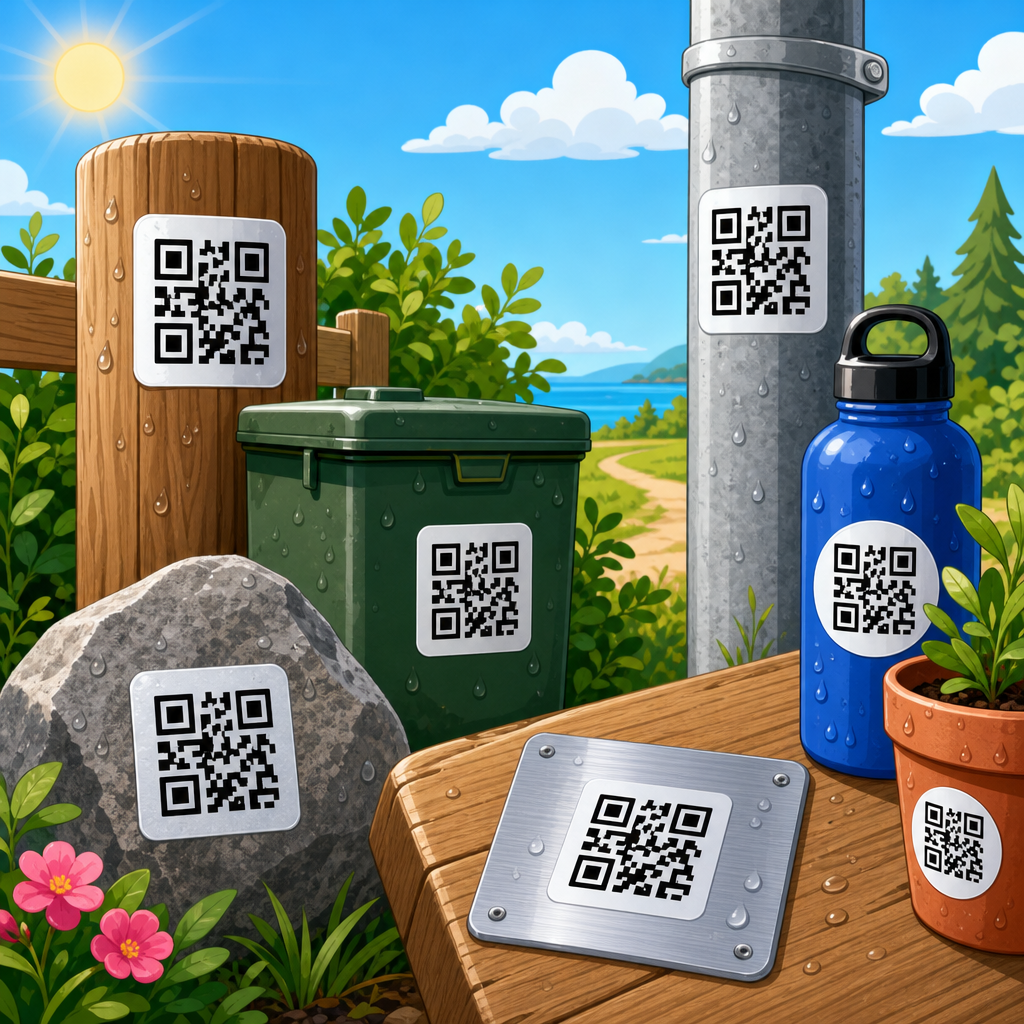
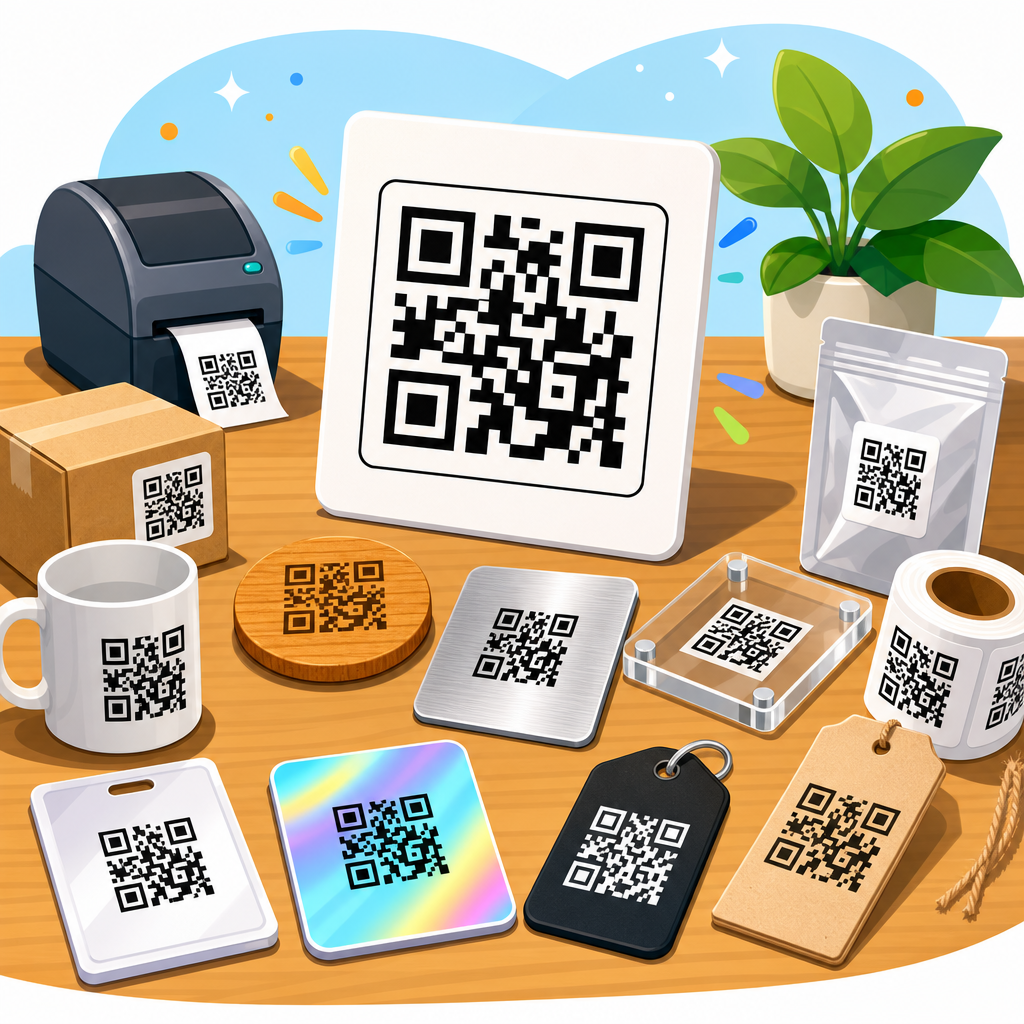
The best material depends on how long the code must last and what it will face. For short-term indoor use, paper remains cost-effective. For medium-term retail and logistics labels, polypropylene and polyethylene films balance cost and durability. For harsh environments, polyester, polyimide, and metal plates are stronger choices. For promotional surfaces and windows, adhesive vinyl offers flexibility and weather resistance. For premium permanent signage, acrylic and aluminum composites deliver a polished appearance while protecting print quality.
| Use case | Recommended material | Why it works | Typical limitation |
|---|---|---|---|
| Flyers, inserts, event handouts | Coated paper or cardstock | Low cost, good print detail, easy mass production | Poor water and tear resistance |
| Product packaging labels | BOPP polypropylene film | Moisture resistant, flexible, good for curved containers | Can wrinkle on complex surfaces |
| Warehouse and shipping labels | Thermal paper or polyester label stock | Fast printing, strong contrast, scalable labeling | Thermal paper fades; polyester costs more |
| Outdoor signs and decals | Cast or calendared vinyl with laminate | Weather resistant, adhesive, suitable for large-format print | Gloss laminate may create glare |
| Asset tags and industrial equipment | Anodized aluminum or polyester asset labels | Excellent durability, abrasion and chemical resistance | Higher unit cost and longer lead time |
| Menus, tabletop displays, reusable cards | Laminated synthetic paper or rigid PVC | Easy to clean, dimensionally stable, durable indoors | Cheap laminates can reflect light badly |
Paper and Cardstock for Short-Term Indoor Printing
Paper is still one of the best materials for QR code printing when the application is temporary, budget-sensitive, and indoors. On coated paper stocks, commercial offset and digital presses can render very sharp modules, making paper excellent for brochures, posters, direct mail, manuals, inserts, and event collateral. Silk, matte, or gloss-coated papers usually hold detail better than uncoated papers because they reduce ink absorption and dot gain. In tests for campaign flyers, I have seen the same 0.5-inch code print cleanly on 100 lb gloss text but soften noticeably on porous uncoated stock using the same digital press.
Cardstock adds stiffness, which helps preserve a flat scan surface for counter cards, product tags, table tents, and shelf signage. If the code will be handled often, a matte aqueous coating or soft-touch laminate can increase life, but finish selection matters. Matte coatings generally scan better than high gloss because they reduce specular reflection. Paper’s weakness is durability. It tears, absorbs moisture, and degrades quickly in kitchens, warehouses, and outdoor placements. If the printed piece may be wiped, refrigerated, exposed to condensation, or reused for months, synthetic stocks are usually the better choice.
Plastic Films for Labels, Packaging, and Flexible Surfaces
Plastic film materials are often the strongest all-around option for product and operational QR codes. BOPP polypropylene is widely used for consumer packaged goods because it resists moisture, oils, and scuffing while conforming to bottles, jars, pouches, and cartons. White BOPP provides an ideal high-contrast base for black QR codes. Clear BOPP can work on transparent packaging, but only if a solid white print layer sits behind the code area; otherwise the camera sees product color and background interference through the label, reducing readability.
Polyethylene film is softer and more conformable than polypropylene, making it useful for squeeze bottles and flexible containers. Polyester, often sold as PET label stock, is more dimensionally stable and heat resistant, so it performs well on equipment labels, electronics, durable goods, and warehouse markers. In industrial settings, polyester paired with thermal transfer printing and resin ribbons is a proven combination because it delivers dense marks that resist scratching and solvents. When clients need QR labels that survive years instead of weeks, polyester is one of the first materials I recommend.
Film materials also outperform paper in refrigerated and damp environments. Beverage labels, bath products, cleaning chemicals, and chilled meal packaging all benefit from moisture resistance. The tradeoff is cost and finishing complexity. Films can trap air during application, wrinkle if applied poorly, or require specialized adhesives for textured, cold, or low-energy surfaces such as HDPE containers.
Vinyl, Laminates, and Outdoor-Durable Materials
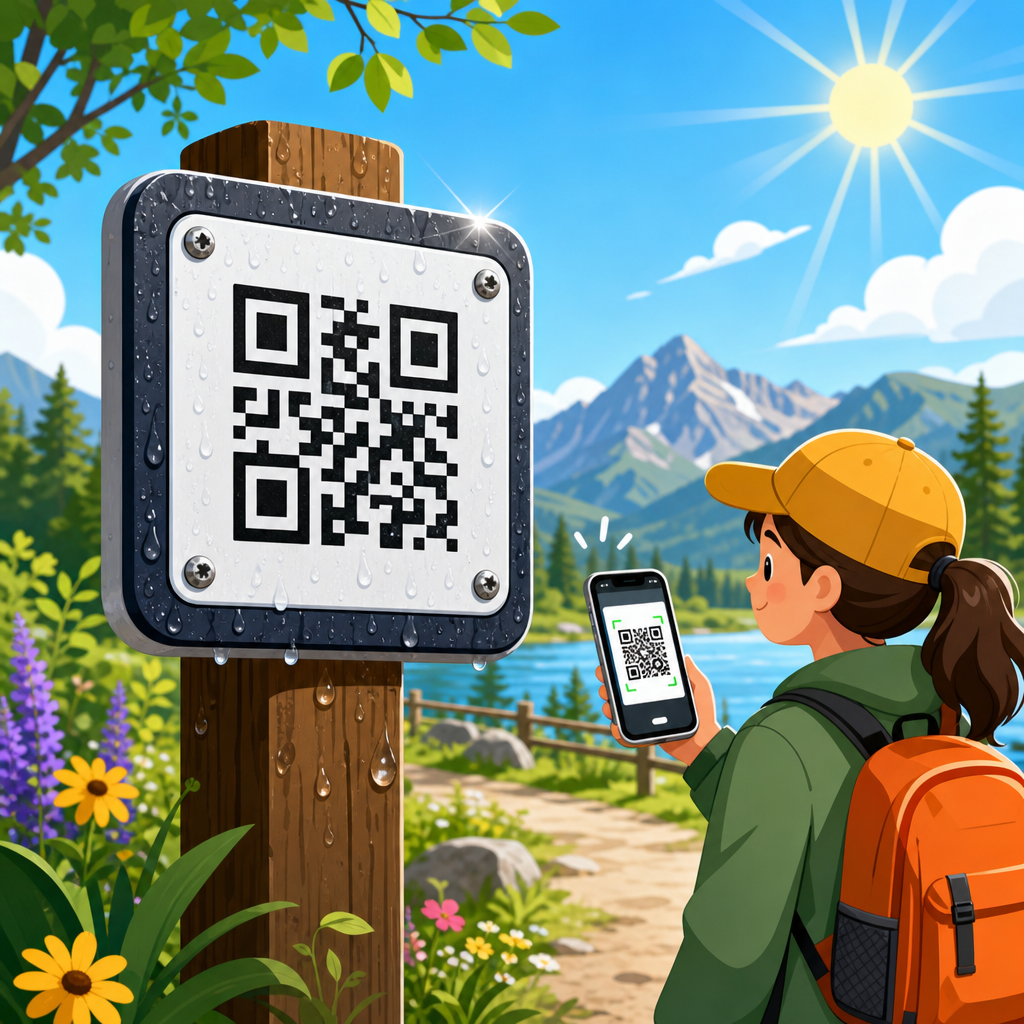
For outdoor QR code printing, vinyl is usually the practical default. Adhesive vinyl decals and signs are durable, flexible, and compatible with eco-solvent, latex, and UV printing. Cast vinyl is best for long-term outdoor use and curved surfaces because it conforms well and shrinks less. Calendared vinyl costs less and works for flat, shorter-term signage. Both benefit from a protective laminate, especially where sunlight, abrasion, rain, or cleaning are expected.
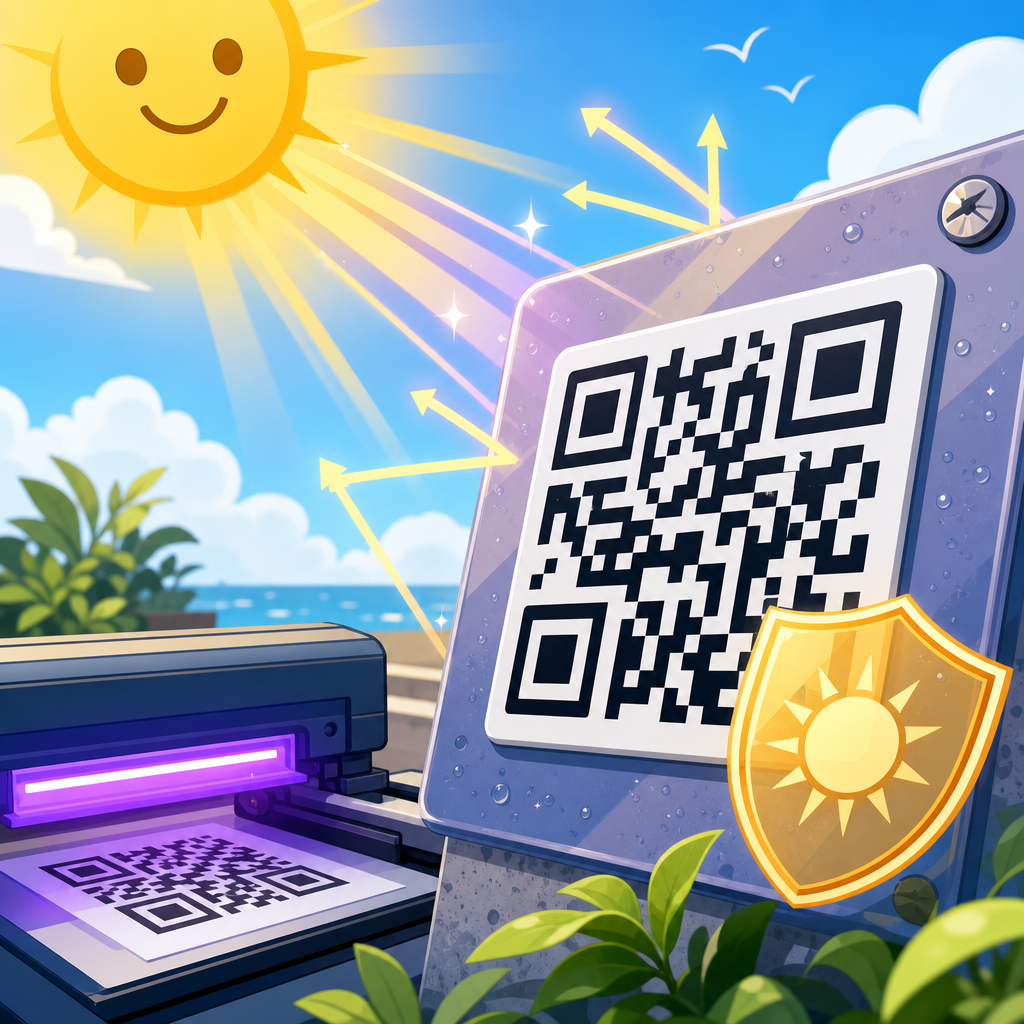
The finish on that laminate matters as much as the vinyl. Matte and luster laminates generally improve scan consistency because they reduce glare from sunlight and overhead fixtures. Gloss laminates can look vibrant, but they often create bright reflections that wash out module contrast on phone cameras. I have replaced many glossy QR window decals with matte overlaminated versions and seen scan rates improve immediately, without changing code size or content. UV-resistant inks and laminate are also critical. Sunlight fades low-quality prints, and once the dark modules lose density, scan reliability drops. For outdoor codes expected to last more than a season, ask printers for rated outdoor life, not just “weatherproof” marketing language.
Rigid Materials for Permanent Signage and Asset Tracking
Rigid substrates are best when the QR code is part of permanent wayfinding, equipment identification, museum interpretation, property management, or long-life branded signage. Aluminum composite panels, acrylic sheets, rigid PVC, polycarbonate, and anodized aluminum all support durable QR applications. The right choice depends on whether appearance, impact resistance, temperature tolerance, or lifespan matters most.
Acrylic offers a clean premium look for office plaques, showroom displays, and interior signage. It prints well with UV flatbed equipment, but glossy acrylic surfaces can create reflections unless the print is reverse-mounted or finished thoughtfully. Rigid PVC is economical for indoor signs and trade show graphics. Polycarbonate handles impact better than acrylic and works well for machine guards or industrial panels. Anodized aluminum is a standout for asset tags and serialized equipment labeling because the image can be sealed into the anodized layer, creating exceptional resistance to abrasion, chemicals, and UV exposure. That is why sectors such as utilities, telecom, and manufacturing often use metal barcode and QR plates for fixed assets.
When using rigid materials, flatness is an advantage. A flat code is easier for cameras to capture than one wrapped around a tapering bottle or crumpled mailer. The main caution is surface sheen. Matte white plates almost always scan better than metallic, mirrored, or heavily textured finishes.
Print Methods, Finishes, and Adhesives That Affect Scan Reliability
The best material can still fail if the printing method is wrong. Offset printing delivers excellent detail for high-volume paper jobs. Laser printing can produce sharp office and short-run outputs if toner density is sufficient. Inkjet quality varies widely by device and stock; pigment inks generally outperform dye inks for durability. Thermal transfer is a top choice for durable labels, while direct thermal is fast and inexpensive but fades with heat, light, and time. UV flatbed printing works well on rigid materials, though curing and ink build need control to avoid rough edges or excessive gloss.
Finishes should protect the code without reducing readability. Matte varnish, matte laminate, and anti-glare overlaminates are often beneficial. Embossing, foil stamping, textured coatings, and heavy spot gloss over the code area are usually bad ideas because they interrupt the clean optical pattern scanners expect. Adhesives also matter. If a label lifts at the corners, bubbles, or tunnels over corrugated surfaces, the code distorts. Match the adhesive to the substrate and environment: permanent acrylic adhesives for general packaging, freezer-grade adhesives for cold chain, removable systems for temporary campaigns, and high-tack options for rough plastics or powder-coated metals.
How to Choose the Best Material for Your QR Code Project
Start with five questions: where will the code live, how long must it last, what will touch it, what surface will it be applied to, and how critical is scan success? If the answer is “indoors, less than a month, low handling,” coated paper is often enough. If it is “on a bottle in a humid bathroom,” choose white BOPP with a permanent adhesive and matte finish. If it is “on industrial equipment for five years,” move to polyester or anodized aluminum. If it is “on a storefront window in direct sun,” use outdoor-rated vinyl with matte laminate and test it at real viewing angles.
Always prototype before committing to volume. Print samples at final size, on final material, with final finish. Test them using both iPhone and Android devices, under bright light and low light, from the expected scan distance. Include realistic wear testing: wipe with cleaners, refrigerate, expose to sun, scratch lightly, and apply to the actual surface. In production environments, I also recommend verifying against ISO/IEC 15415 or using barcode verification equipment when the QR code supports operational workflows rather than marketing only. That extra step catches print growth, voids, and contrast problems before they become field failures.
The best materials for QR code printing are the ones that preserve contrast, edge definition, and physical integrity throughout the code’s real life, not just on press day. Paper and cardstock excel for low-cost indoor campaigns. Polypropylene, polyethylene, and polyester films dominate labels and packaging because they combine durability with strong print performance. Vinyl is the outdoor workhorse, especially with matte laminate. Rigid plastics and aluminum serve permanent signage and asset tracking where lifespan matters more than unit cost. In every case, the material must be selected alongside print method, finish, adhesive, and environment.
If you are planning any QR code project, treat material choice as a technical decision, not a finishing detail. Define the use case, test real samples, and choose the substrate that supports reliable scanning over time. That approach reduces reprints, improves customer experience, and protects the value of every QR interaction you create.
Frequently Asked Questions
What are the best materials for printing QR codes so they scan reliably?
The best material for a QR code is the one that preserves sharp edges, high contrast, and surface readability in the exact environment where the code will be used. For most indoor applications, matte-coated paper, synthetic labels, and high-quality vinyl are strong choices because they support crisp printing and reduce glare that can interfere with smartphone cameras. Matte surfaces are especially dependable because they help scanners distinguish the dark and light modules of the code without reflections washing out the image.
For products, packaging, and labels, polypropylene and polyester label stocks are often better than standard paper because they resist moisture, scuffing, and tearing while still holding ink well. For outdoor signs, industrial asset tags, or equipment labels, anodized aluminum, stainless steel, UV-stable polyester, and weatherproof vinyl are commonly preferred because they can withstand sun, rain, temperature changes, and abrasion without degrading the code pattern. The most reliable choice is not just about toughness, though. It is also about whether the material allows strong black-on-white contrast, low reflectivity, and consistent print quality. A durable material with poor contrast or excessive shine can still produce a difficult-to-scan QR code.
Why does surface finish matter so much when choosing QR code printing materials?
Surface finish matters because scanners need to clearly detect the boundaries between the QR code’s dark and light modules. Glossy, metallic, laminated, or highly reflective materials can create glare, hotspots, and uneven lighting when someone tries to scan the code under store lights, sunlight, or a camera flash. That reflection can blur important details and make it harder for a phone or industrial scanner to interpret the code correctly, even if the print itself is technically accurate.
Matte and low-gloss finishes are usually the safest option because they minimize reflection and improve readability from different viewing angles. This is particularly important on posters, point-of-sale displays, packaging, window signage, and product labels where lighting conditions are unpredictable. Even a well-designed QR code can fail in real-world use if the finish causes too much visual interference. When a glossy or protective layer is required, it is wise to test the final printed piece under actual lighting conditions and with multiple devices. In QR code printing, readability in the field matters more than how polished the surface looks on the press sheet.
Are paper materials good enough for QR code printing, or should I use synthetic or metal options?
Paper can be an excellent QR code material when the application is temporary, low-cost, and used in controlled indoor conditions. Flyers, brochures, event posters, menus, inserts, and retail displays often perform very well on quality matte or semi-matte paper stocks because they print with good definition and usually provide strong visual contrast. If the code only needs to last for days or weeks and will not face moisture, friction, chemicals, or heavy handling, paper is often the most practical and economical solution.
Synthetic materials such as polypropylene, polyester, and vinyl become the better option when durability matters. These materials are more resistant to water, oils, tearing, fading, and abrasion, making them ideal for product labeling, warehouse use, shipping environments, healthcare settings, and outdoor campaigns. Metal options such as anodized aluminum or etched stainless steel are typically reserved for the harshest use cases, including industrial equipment, asset tracking, machinery, and long-term outdoor exposure. They offer exceptional longevity, but they also require careful attention to contrast and finish, since bare metallic surfaces can create scanning issues if the code is not printed or marked properly. In short, paper is good enough for many everyday uses, but synthetic and metal materials are more appropriate when environmental stress or long service life is part of the requirement.
What material characteristics have the biggest impact on QR code scanning performance?
The most important material characteristics are contrast support, print stability, reflectivity, durability, and ink or toner compatibility. Contrast support means the material should help create a clear difference between the dark modules and the light background. A scanner reads shape and contrast, not just color, so the substrate must allow the code to remain visually distinct. Materials that dull black ink, discolor over time, or contain distracting textures can reduce scan accuracy.
Print stability is also critical. The material must hold sharp edges without bleeding, feathering, or distortion. QR codes depend on precise square modules, and any spreading of ink can alter the code’s readability. Reflectivity influences whether glare obscures the code at the moment of scanning. Durability determines whether wear, sunlight, moisture, or chemicals will degrade the image after printing. Ink and toner compatibility affects adhesion, drying, and long-term legibility. A great material for QR code printing is one that keeps the printed pattern crisp, high-contrast, and readable not just when it comes off the printer, but after transport, handling, display, and real-world exposure.
How can I choose the right QR code printing material for indoor, outdoor, packaging, and industrial use?
The best approach is to match the material to the environment, expected lifespan, and user interaction. For indoor marketing materials such as posters, brochures, countertop displays, and menus, matte-coated paper or matte synthetic stock is often ideal because it scans well under artificial light and is cost-effective. For packaging, the choice should account for shipping, handling, moisture exposure, and shelf presentation. In those cases, synthetic labels or coated packaging substrates often outperform standard paper because they better resist rubbing and environmental changes while still maintaining sharp print quality.
For outdoor use, prioritize weather resistance and low glare. UV-resistant vinyl, polyester labels, treated plastics, and metal tags are commonly used because they hold up in sun, rain, and fluctuating temperatures. For industrial environments, choose materials that can survive abrasion, chemicals, oils, heat, and long service periods, such as anodized aluminum, stainless steel, or heavy-duty polyester. In every category, testing is essential. Print the QR code at the intended size on the actual material, place it in the real environment, and scan it with different phones and scanners from normal viewing distances. The right material is the one that consistently delivers fast, effortless scans in the exact conditions your audience will encounter.