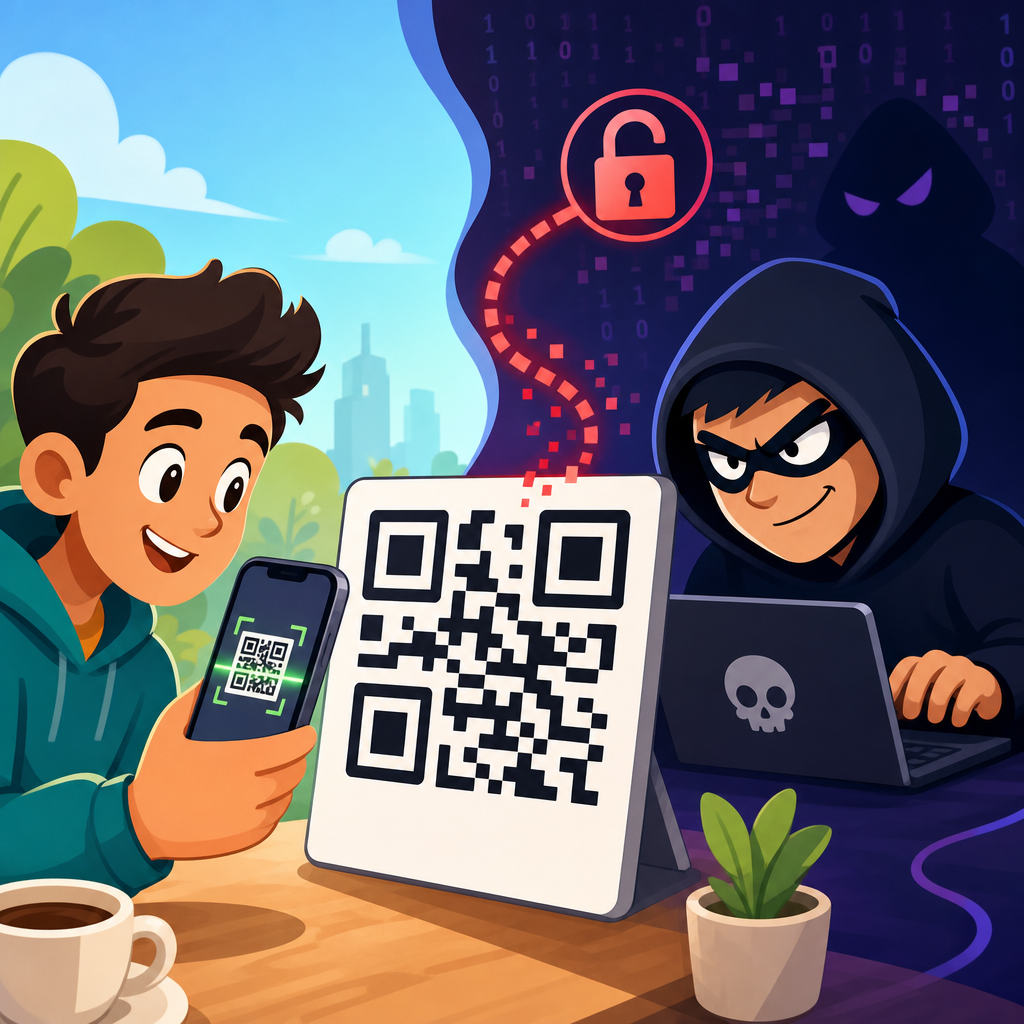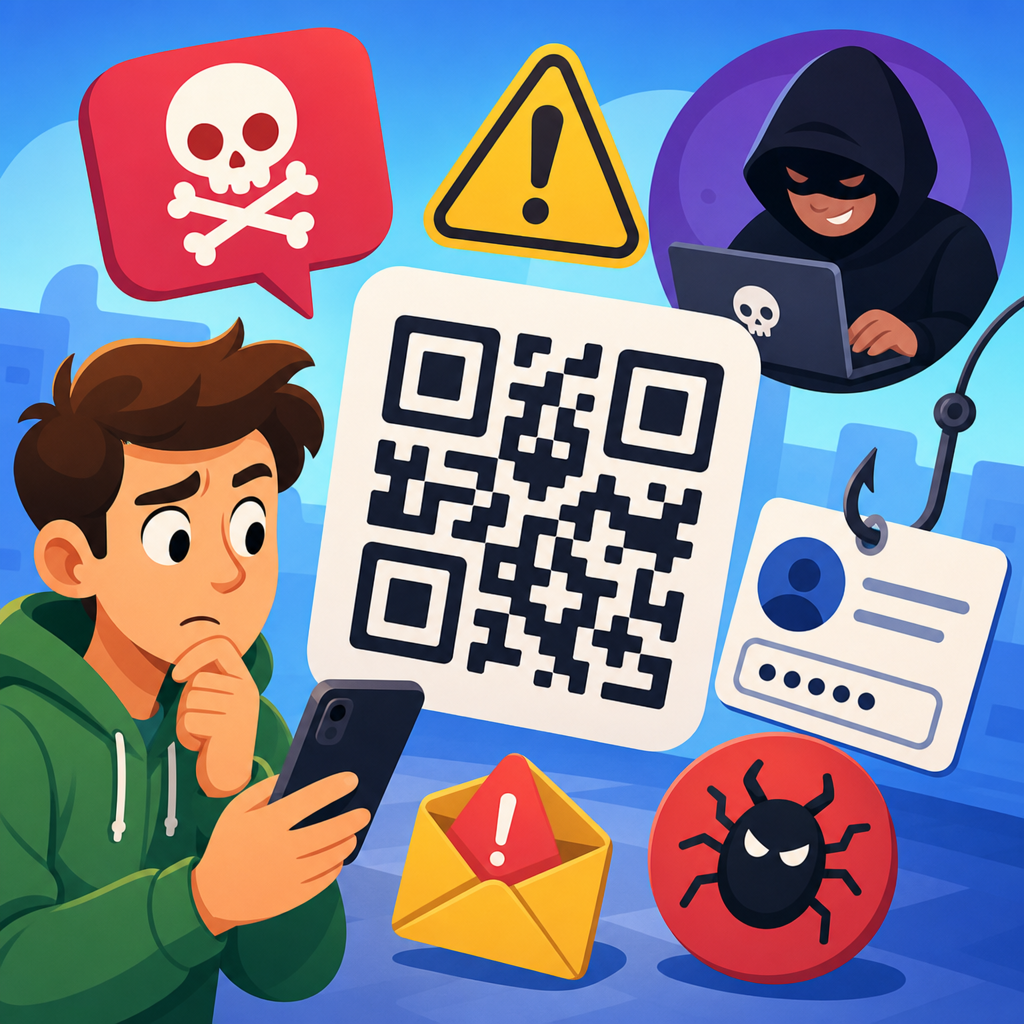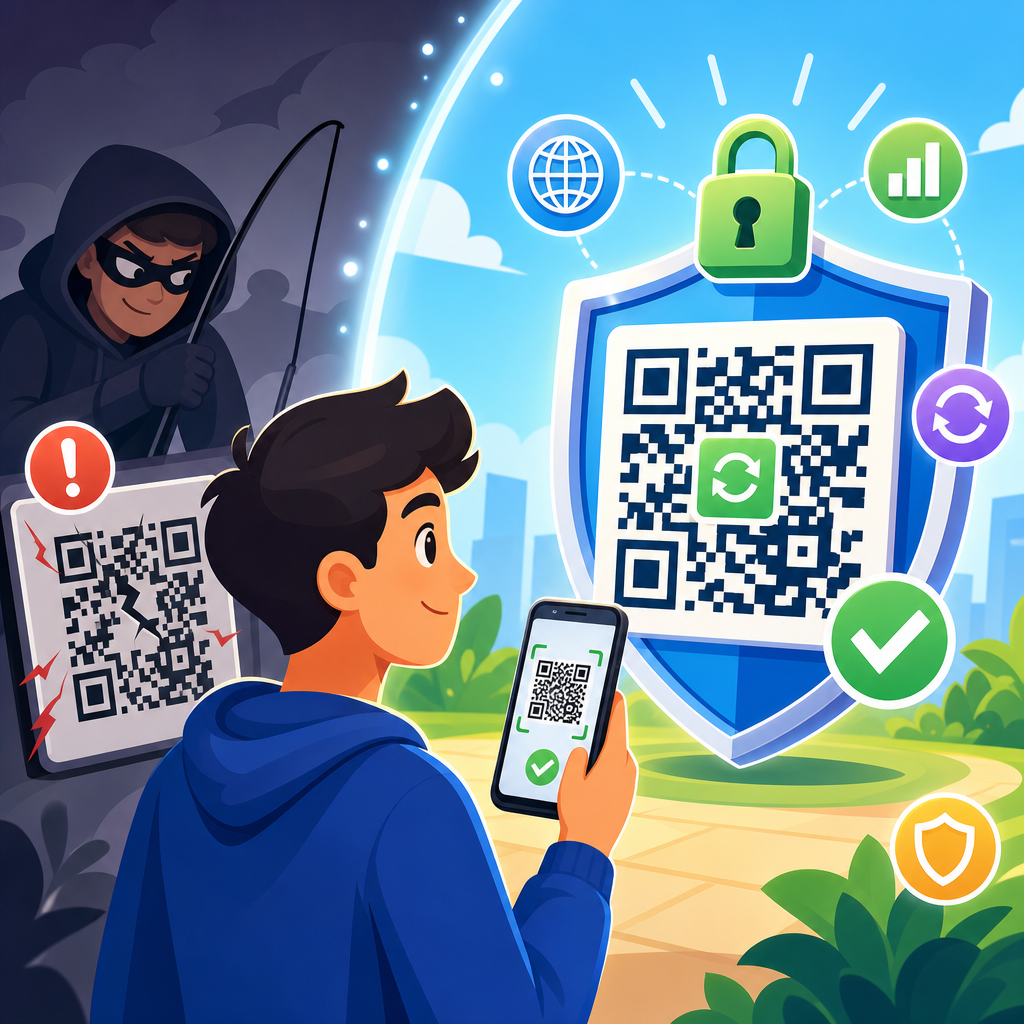
Dynamic QR codes are generally more secure than static QR codes because they route scans through a controlled destination that can be monitored, edited, and protected, but their security depends on how that platform is configured and governed. For businesses, schools, healthcare providers, and event teams, the better question is not simply “are dynamic QR codes more secure?” but “what controls make any QR code safe?” That broader question matters because QR codes now sit at the intersection of physical access, payments, marketing, authentication, and data collection. A code printed on a sign, package, or badge can trigger a website visit, app action, form submission, Wi-Fi connection, or payment flow in seconds, which means convenience and risk rise together.
In practice, I have seen organizations treat QR codes like harmless graphics, then discover they are operational assets with the same trust and governance issues as short links, landing pages, and login portals. A QR code is simply a machine-readable way to encode data, most often a URL. Static codes embed the final destination directly. Dynamic codes point to a short redirect URL managed by a QR platform, and that platform forwards the user to the current destination. That extra layer is what creates both the security advantage and the management responsibility. If a destination changes, a static code must be replaced everywhere it appears. A dynamic code can be updated centrally, paused, tracked, or restricted.
This article serves as a hub for the full “Are QR Codes Safe?” topic. It explains how dynamic and static QR codes differ, where the real threats come from, when dynamic codes are safer, where they can introduce fresh risks, and what safeguards reduce exposure. If you need a direct answer, here it is: QR codes are safe when they are generated by trusted tools, linked to secure destinations, governed like digital assets, and scanned with normal verification habits. They become unsafe when people assume the square pattern itself provides trust. It does not. Safety comes from the surrounding system: domain control, HTTPS, redirect policies, access permissions, analytics handling, print integrity, and user awareness. Understanding those layers lets you decide when dynamic QR codes are the right choice and how to deploy them without creating an avoidable weak point.
What makes a QR code safe or risky?
A QR code is safe when three things are true: the encoded action is legitimate, the destination is protected, and the person scanning can reasonably verify where they are going. Risk appears when any of those break down. The most common attacks are malicious redirects, sticker replacement on printed materials, fake payment requests, credential harvesting pages, and over-collection of scan data. None of these require “hacking the QR code” itself. Attackers exploit trust, visibility gaps, and the fact that many people scan before they inspect.
That is why the phrase “are QR codes safe?” needs a precise answer. QR technology is neutral. The risk profile depends on use case. A cafeteria menu code linking to a public PDF carries less inherent risk than a code that opens a payment page or employee login screen. Context matters. If the QR code initiates account access, payment, personal data submission, software download, or device configuration, it should be treated as a high-trust workflow and secured accordingly.
Dynamic versus static QR codes: the core security difference
The main difference is editability through redirection. A static QR code contains fixed data, usually a direct URL, phone number, text string, or Wi-Fi configuration. Once printed, it cannot be changed without replacing the code. A dynamic QR code contains a managed short URL. The QR provider resolves that short URL to a destination chosen by the account owner. Because the destination can be updated after printing, dynamic codes support campaign changes, error correction, device targeting, expiration, analytics, and emergency shutdown.
From a security standpoint, that control layer is valuable. If a page is compromised, a product is recalled, a campaign ends, or a typo is discovered, the destination can be changed immediately without reprinting signs, labels, or packaging. In incident response, that matters. I have used dynamic redirects to quarantine traffic within minutes, replacing a risky endpoint with a warning page while teams investigated. A static code offers no such lever. Once it points somewhere unsafe or obsolete, every copy in the field remains a problem until physically removed.
| Factor | Static QR code | Dynamic QR code | Security impact |
|---|---|---|---|
| Destination | Fixed inside code | Managed through redirect | Dynamic allows rapid correction and takedown |
| Editing after print | No | Yes | Dynamic reduces exposure from errors and compromised pages |
| Analytics | Limited | Usually available | Dynamic can reveal abuse patterns, but adds privacy obligations |
| Platform dependency | Low | High | Dynamic inherits provider security and uptime risks |
| User transparency | Often clearer final domain | Often starts with short link | Dynamic can make destination harder for users to judge |
Why dynamic QR codes are often more secure in real operations
Dynamic QR codes are often more secure because security is an ongoing process, not a one-time design choice. In live environments, URLs change, pages break, vendors switch, and fraud patterns evolve. A managed redirect lets teams respond without touching every poster, card, manual, parcel insert, or storefront decal already deployed. That adaptability is one of the strongest practical defenses available.
Dynamic platforms also make policy enforcement easier. Many enterprise QR systems support password protection, scan limits, time-based activation, geographic rules, and destination editing logs. Some integrate with single sign-on, role-based access control, and audit trails. Those features create accountability. If only approved staff can change destinations, and every change is logged, the chance of silent misuse drops. For sensitive use cases, the redirect can also route through a warning or consent layer before sending users onward.
Analytics can improve security too. Scan spikes from unexpected regions, repeated scans on a retired code, or traffic patterns inconsistent with a campaign can surface abuse early. This mirrors how link management and fraud teams use clickstream signals to detect anomalies. It is not perfect, but visibility is better than blind trust.
Where dynamic QR codes can introduce new risks
Dynamic does not automatically mean safer. It means more controllable. The added layer also creates new dependencies. If the QR platform account is compromised, an attacker may be able to redirect every scan instantly. If the provider suffers downtime, your codes may fail even though the final destination site is healthy. If the provider allows weak passwords, lacks multifactor authentication, or has poor logging, your risk rises.
Shortened or branded redirect domains can also reduce transparency for scanners. With a static code, a phone may preview the final domain directly. With a dynamic code, the user often first sees a short link, which is harder to evaluate at a glance. Good providers mitigate this with branded custom domains, such as scan.company.com, so users can recognize the organization before following the redirect. That is a best practice, not a cosmetic extra.
Privacy is another tradeoff. Dynamic QR systems frequently collect timestamp, approximate location, device type, and referral data. That data can be useful for operations and fraud review, but it must be governed carefully. Organizations should collect only what they need, document retention periods, disclose tracking where required, and align with applicable privacy laws such as GDPR or CCPA.
Common QR code threats every organization should plan for
The biggest threat is QR phishing, often called quishing. Attackers place fake stickers over real codes in parking meters, restaurant tables, utility bills, posters, or parcel lockers, sending people to payment or login pages that mimic legitimate brands. The FBI warned the public about malicious QR codes used in payment scams, and financial institutions now routinely flag QR-led credential theft. Because the code pattern is unreadable to humans, visual trust can be manipulated easily.
Another threat is destination drift. A code may start safe, then point to an expired page, a domain that is later abandoned, or a vendor endpoint that changes ownership. Static QR codes are especially exposed here because no central update path exists. Dynamic codes help, but only if someone monitors them. There is also insider risk: a staff member with edit access can change a destination intentionally or by mistake. Access control and approval workflows matter.
For mobile users, browser and app behavior also matters. Some QR scans open in embedded browsers that obscure the full address bar or reduce security cues. If a workflow involves payments or credentials, opening the destination in a trusted full browser can be safer. High-risk actions should never rely on the QR code alone as proof of legitimacy.
Best practices for making QR codes safe
Start with domain trust. Use HTTPS everywhere, prefer branded domains, and avoid generic shorteners for high-trust journeys. Keep the visible destination aligned with user expectations: a hospital code should lead to a hospital-controlled domain, not an unfamiliar third-party path unless clearly explained. Maintain domain registrations so they cannot expire unexpectedly, and monitor certificates and uptime.
Next, secure the management layer. Choose a provider with multifactor authentication, role-based permissions, audit logs, export controls, and documented incident response. Limit who can edit destinations. For sensitive codes, require approvals for changes and review redirect histories regularly. Treat QR management like link governance, not graphic design.
Then protect the physical deployment. Use tamper-evident labels where replacement is a concern, inspect public-facing codes routinely, and place codes in locations where unauthorized stickers are more visible. On packaging and tickets, add human-readable destination text nearby so users have a second trust signal. In payments, encourage users to verify merchant names and amounts before confirming.
When should you choose dynamic instead of static?
Choose dynamic QR codes when the destination may change, when the code will remain in circulation for months or years, when analytics or emergency shutdown matter, or when the workflow involves elevated trust. That includes product packaging, event signage, training materials, customer support, property access instructions, healthcare forms, and any campaign distributed at scale. Dynamic is especially useful when replacing printed assets would be expensive or slow.
Choose static QR codes for low-risk, unchanging information with no need for tracking or edits, such as a stable informational page or a plain text payload. Static can be appropriate when you want minimal dependency on third-party infrastructure and can guarantee the URL will remain under your control long term. Even then, the destination domain, transport security, and page hygiene still matter.
The practical rule is simple: if failure, fraud, or obsolescence would hurt users or operations, dynamic usually earns its keep. If the content is permanent, public, and low consequence, static can be sufficient.
Conclusion: are dynamic QR codes more secure?
Yes, dynamic QR codes are usually more secure in real-world operations because they let you change destinations, stop abuse quickly, enforce access controls, and monitor scan activity. That said, they are not inherently trustworthy on their own. They shift security from the printed square to the system behind it: the redirect domain, the provider, the account controls, the privacy settings, and the review process. Static codes remove provider dependency but make remediation hard once something changes or goes wrong.
If you are building a QR code security and privacy program, focus on the full chain. Use trusted generators, branded HTTPS domains, strong account security, limited edit permissions, printed tamper checks, and clear user verification cues. Match the code type to the risk of the task. For low-risk permanent content, static may be enough. For anything that can change, scale, collect data, or trigger payment or login, dynamic is usually the safer choice.
The main benefit is control. Better control means faster fixes, clearer governance, and less exposure when conditions change. Review your current QR codes, classify them by risk, and move critical use cases to a managed dynamic setup with proper safeguards.
Frequently Asked Questions
Are dynamic QR codes more secure than static QR codes?
In many real-world use cases, yes. Dynamic QR codes are often more secure than static QR codes because they do not permanently hard-code the final destination into the printed code. Instead, they send users through a managed redirect that can be monitored, updated, and controlled. That extra layer gives organizations the ability to change a destination if a page is compromised, remove access if a campaign ends, add security settings, and review scan activity for unusual behavior. By contrast, a static QR code points directly to one fixed destination, and once it is printed or distributed, changing that destination usually means replacing the code entirely.
That said, dynamic does not automatically mean safe. The security advantage depends on the platform behind the code and how well it is managed. If the account uses weak passwords, lacks role-based access, has no audit logging, or is poorly governed, then the flexibility of dynamic QR codes can become a risk rather than a benefit. The strongest answer is that dynamic QR codes provide more security controls and more response options, but the actual level of protection depends on the quality of the system, policies, and oversight supporting them.
What specific security controls make a dynamic QR code safer?
The most important controls are the ones that limit misuse, detect problems early, and let administrators respond quickly. At a minimum, a secure dynamic QR code platform should offer strong account security such as multi-factor authentication, unique user permissions, and secure password policies. It should also provide audit trails so teams can see who changed a destination, when the change was made, and what the previous setting was. Those logs matter for accountability and for investigating any suspicious activity.
Beyond account protection, secure redirect management is essential. Organizations should be able to edit destinations centrally, disable a code immediately, use custom domains, and apply HTTPS everywhere. Some platforms also support expiration dates, geographic rules, time-based routing, or password-protected destinations, which can reduce exposure in sensitive workflows. Monitoring features are equally valuable. Scan analytics can help detect anomalies, such as unexpected spikes, scans from unusual regions, or traffic outside normal hours. For higher-risk sectors like healthcare, education, and enterprise operations, the best practice is to treat QR codes as part of a broader security program that includes vendor review, access governance, incident response plans, and routine audits.
Can dynamic QR codes still be used in phishing or malicious redirection attacks?
Yes, absolutely. A dynamic QR code can still be abused if the person or platform controlling it is compromised, misconfigured, or malicious from the start. Because dynamic codes rely on redirects, attackers may try to change the final destination after the code has been printed and trusted by users. That is why dynamic QR codes should never be treated as inherently trustworthy just because they are editable or centrally managed. The redirect layer is powerful, but it also becomes a point that must be secured carefully.
The practical defense is to combine technical controls with user trust signals. Organizations should use branded domains whenever possible so users recognize the destination path, maintain strict administrative access controls, and review redirect changes routinely. They should also place QR codes in trusted physical and digital environments, since attackers sometimes tamper with public signage by placing fraudulent labels over legitimate codes. For users, basic caution still matters: preview the URL if your device allows it, look for secure and recognizable domains, and avoid entering sensitive information unless you are confident the destination is authentic. Dynamic QR codes reduce some risks, but they do not eliminate social engineering or redirect abuse on their own.
Why are dynamic QR codes often better for businesses, schools, healthcare providers, and event teams?
These organizations usually need more than a simple scan-to-link experience. They need control, flexibility, visibility, and the ability to respond when conditions change. Dynamic QR codes support those needs well. A business can update a product page or promotion without reprinting packaging. A school can change a resource link between semesters while keeping the same posters in hallways. A healthcare provider can redirect patients to updated forms, appointment information, or service lines as workflows evolve. An event team can swap registration pages, schedules, maps, or emergency notices in real time. In each case, the code remains the same while the managed destination changes behind it.
From a security and governance standpoint, that flexibility has real value. Teams can remove outdated links, shut off a campaign instantly, and track scan behavior to identify whether a code is being used as expected. This is especially important when QR codes are deployed at scale across multiple locations, departments, or vendors. Dynamic platforms can centralize management, reduce the need for physical reprints, and help maintain consistency across campaigns. For regulated or high-trust environments, the real benefit is not just convenience. It is the ability to apply policy, monitor usage, and make controlled updates without losing operational continuity.
What is the safest way to implement QR codes, whether they are dynamic or static?
The safest approach is to stop thinking of QR code safety as a question of format alone and start treating it as a matter of governance, destination security, and user trust. Begin by choosing trusted landing pages on secure HTTPS domains and keeping those destinations maintained. If you use dynamic QR codes, select a reputable platform with strong security practices, clear administrative controls, and reliable support. Limit who can create or edit codes, enable multi-factor authentication, and document ownership so every code has an accountable team or person behind it.
It also helps to build operational safeguards around deployment. Keep an inventory of active QR codes, where they appear, and what they point to. Review them periodically, especially in public-facing locations. Use branded short links or custom domains so users can better recognize legitimate destinations. For printed materials, inspect for physical tampering, particularly in venues, campuses, clinics, retail environments, and transportation hubs. Finally, educate users and staff. People should know that scanning a QR code is similar to clicking a link and should be approached with the same awareness. In short, the safest QR code strategy is layered: secure platform, secure destination, controlled access, active monitoring, and informed users.