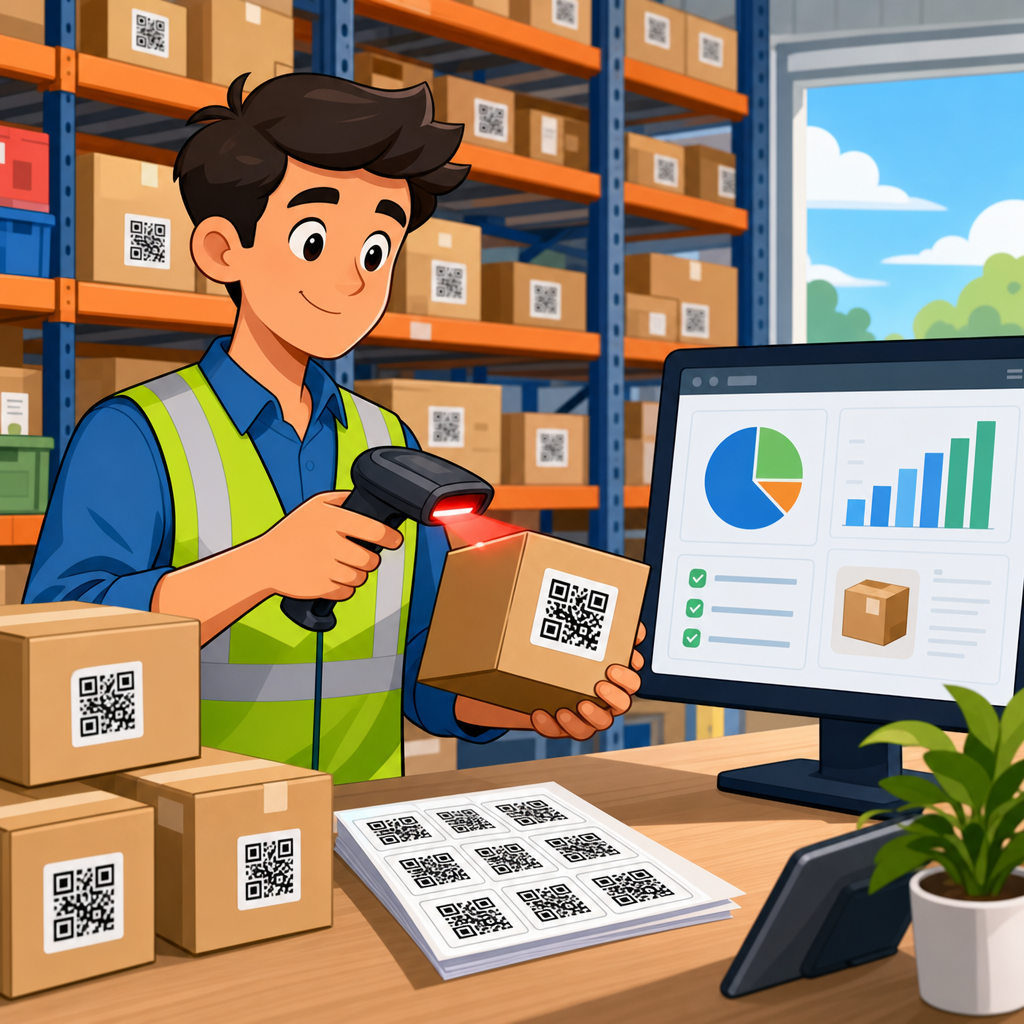
Dynamic QR codes solve a simple but costly problem: information changes, but printed materials do not. A QR code, or quick response code, is a two-dimensional barcode that stores data a smartphone camera can read instantly. Static QR codes point directly to fixed content and cannot be edited after creation. Dynamic QR codes route scans through a short URL controlled in a dashboard, which means the destination, campaign settings, and tracking can be updated without reprinting the code. That difference matters in marketing, operations, customer support, events, retail, packaging, and compliance. I have used both types across product launches, trade show booths, direct mail, restaurant menus, and inventory labels, and the wrong choice usually becomes obvious only after something changes. A landing page moves, a promotion expires, a menu item sells out, or a regional team needs separate tracking. When that happens, a static code becomes dead weight. This article explains when you should use dynamic QR codes, how they work, what business problems they solve, and where their limits still matter.
The practical reason to choose dynamic QR codes is flexibility with accountability. Because the scan request passes through a managed redirect, you can edit the destination URL, add UTM parameters, schedule campaigns, enable device-based routing, and review scan analytics such as location, time, operating system, and repeat versus unique scans, depending on the platform. Recognized tools like QR Code Generator Pro, Bitly, Beaconstac, Flowcode, and Uniqode all build around this model, though features vary. Dynamic does not mean magical; it means centrally controlled. If the service goes down, the redirect breaks. If privacy settings are poorly configured, analytics become a liability. If you need an offline code that must work forever without a vendor relationship, static can still be safer. But in most business settings where destinations, messaging, attribution, or ownership may change, dynamic QR codes are the right default. The key is understanding the specific conditions that justify the extra layer and the governance required to keep that layer reliable.
What a Dynamic QR Code Actually Does
A dynamic QR code does not usually contain your final webpage, PDF, video, app store listing, or vCard directly. Instead, it contains a short redirect URL generated by the QR platform. When someone scans the code, the platform receives the request first, records the event if analytics are enabled, applies any rules you set, and then forwards the user to the live destination. That architecture creates the two benefits static codes cannot offer after printing: editable destinations and measurable scans. It also supports advanced use cases such as A/B testing landing pages, changing languages by country, rotating seasonal offers, and pausing campaigns without changing the artwork.
In practice, this means a single printed code can serve multiple phases of a campaign. I have used one code on product inserts that initially led to setup instructions, then later redirected to warranty registration, and finally to troubleshooting content when support tickets revealed confusion. The code stayed the same, but the business need changed three times. That is the strongest case for dynamic QR codes: they separate the physical asset from the digital destination. If your printed materials, packaging, signage, labels, or ads will outlive the first linked page, dynamic is usually the better choice.
Use Dynamic QR Codes When the Destination May Change
The clearest trigger is uncertainty about the final or long-term destination. Campaign URLs change during website redesigns. Event agendas update as speakers cancel. Restaurant menus change with pricing and inventory. Real estate listings sell. Product documentation moves between knowledge bases. In each case, reprinting codes across posters, packaging, shelf talkers, flyers, manuals, or window decals is more expensive than paying for a dynamic QR service. Even small organizations benefit here because print replacement costs are rarely just paper; they include labor, distribution, missed traffic, and inconsistent customer experience.
Think about packaging as an example. A cosmetics brand may print a QR code on 100,000 units to link buyers to ingredient details, tutorials, and refill instructions. If regulations require revised wording or a product page is reorganized, a static code becomes a compliance and support problem immediately. A dynamic code lets the team update the destination centrally. The same logic applies to B2B catalogs, museum labels, tourism brochures, and training posters in warehouses. If the code will stay in the world longer than the linked content is guaranteed to stay unchanged, use dynamic.
Use Dynamic QR Codes When You Need Analytics and Attribution
If you need to measure performance beyond basic page visits, dynamic QR codes are the right tool. Most platforms record total scans, unique scans, timestamps, approximate geolocation by IP, device type, and operating system. Some also support campaign tags, CRM integration, retargeting pixels on hosted landing pages, and exportable reports. This matters when QR codes appear in multiple channels and leadership wants to know which placements actually drive action. A direct mail piece, an in-store display, and a conference badge may all lead to the same landing page, but each should be tracked separately for meaningful attribution.
Analytics also improve operations, not just marketing. Facilities teams can place dynamic QR codes on equipment to route technicians to maintenance logs and then review scan frequency by site. HR teams can track which office posters about open enrollment are actually used. Product teams can compare scans from printed quick-start guides versus packaging inserts to learn where onboarding friction begins. The point is simple: if you care who scanned, when they scanned, roughly where they were, or which physical asset generated the scan, use dynamic. Static QR codes can still collect page analytics on the destination, but they cannot distinguish scans cleanly once links are shared outside the original context.
Use Dynamic QR Codes for Segmentation, Testing, and Localization
Dynamic QR codes are especially valuable when one audience is too broad for one generic destination. With rules-based redirects, you can send users to different content based on language, country, device, time window, or campaign variant. A global consumer brand can use one code on packaging and route French users to French support content, Android users to Google Play, and iPhone users to the App Store. An event organizer can use the same printed code before the event for registration, during the event for the live agenda, and after the event for recordings and surveys.
Testing is another strong reason. I have run QR campaigns where two landing page variants produced very different completion rates because one loaded faster and asked for fewer form fields. With a dynamic code, you can swap the destination or split traffic without touching print. That ability turns a QR code from a fixed pointer into an optimization channel. It is also useful for franchises and regional teams. A national campaign can keep one visual identity while routing scans to local store pages, local coupons, or territory-specific lead forms. If relevance by audience matters, dynamic gives you control static cannot match.
Use Dynamic QR Codes on Long-Lived Physical Assets
The longer a physical asset remains in use, the stronger the case for dynamic QR codes. Posters in transit hubs, product packaging, instruction manuals, storefront decals, machinery labels, trade show backdrops, and vehicle wraps all have longer lives than most campaign pages. Even if the initial destination seems stable, organizations change CMS structures, domain policies, file naming conventions, and support portals regularly. Over several years, link decay is common. Dynamic QR codes absorb that change because you update the redirect rather than replace the asset.
The financial logic is straightforward. Reprinting one flyer may be cheap, but replacing 500 retail display cards across stores or relabeling industrial equipment is not. There is also a brand risk when a customer scans a dead code. They do not usually assume the webpage moved; they assume the company is careless. Dynamic QR codes protect against that failure mode. For any asset expected to remain visible for months or years, especially where replacement is slow or costly, they are an insurance policy against digital drift.
When Static QR Codes Are Still Better
Dynamic is not always the right answer. Static QR codes are often better when the data will never need to change, the content must work independently of any vendor, or the code stores information directly rather than linking through a redirect. Good examples include Wi-Fi credentials for a fixed network, plain text emergency instructions, a permanent tel: or mailto: action, or a canonical homepage that is unlikely to move. Static codes also avoid ongoing subscription costs and platform dependency. If a dynamic service account lapses or the provider shuts down, the code can fail unless you migrate carefully.
Security and privacy can also influence the decision. Some organizations prefer to minimize third-party redirects for internal operations or regulated environments. In those cases, a self-hosted short domain or a well-governed static destination may be preferable. The decision is not dynamic versus static as a matter of prestige; it is a question of changeability, measurement, and control. If none of those are needed, static remains perfectly valid.
How to Choose the Right Setup
The best choice comes from matching the code to the asset, audience, and risk profile. Use this framework before publishing.
| Situation | Best Choice | Reason |
|---|---|---|
| Short-lived flyer with fixed homepage link | Static | Low change risk and no need for analytics |
| Packaging, manuals, or signage used for months | Dynamic | Destination may change after printing |
| Campaigns needing scan reporting by placement | Dynamic | Attribution requires separate tracking |
| Offline data like Wi-Fi credentials | Static | No redirect dependency |
| Global audiences needing localization | Dynamic | Routing rules improve relevance |
After choosing dynamic, implement it carefully. Use your own branded short domain where possible, because branded links improve trust and reduce platform lock-in. Keep destinations on secure HTTPS pages. Document ownership so someone can update links after team changes. Test scans on iOS and Android, in low light, and from realistic distances. Maintain adequate quiet zone, contrast, and size; even the best dynamic setup fails if the code is physically hard to scan. A common rule is at least 1 inch for every 10 feet of scanning distance, though environment matters. Also review redirect speed. Every extra hop can lower conversions, especially on mobile networks.
Common Mistakes to Avoid
The most common mistake is using dynamic QR codes as a substitute for poor destination pages. The code may scan perfectly, but if the landing page is slow, not mobile optimized, or asks for too much too soon, performance will still disappoint. Another mistake is failing to label the code with a clear call to action. “Scan me” is weaker than “Scan for installation guide,” “Scan to view today’s menu,” or “Scan to register warranty.” Users need to know what they will get before they scan.
I also see teams forget lifecycle management. They launch dozens of dynamic codes, then months later no one knows which codes are still live, what assets they appear on, or who owns the destination. Build a simple QR inventory with campaign name, owner, printed location, launch date, destination, and retirement date. Finally, avoid hiding the code in glossy reflections, curved surfaces, tiny placements, or areas with poor cellular reception. Dynamic QR codes are powerful, but only when operational basics are handled well.
The Best Times to Use Dynamic QR Codes
You should use dynamic QR codes whenever the destination might change, the campaign needs measurement, the audience needs segmented experiences, or the printed asset will outlast the first linked page. Those conditions describe most serious business uses of QR today. Dynamic codes reduce reprint costs, preserve continuity across changing digital systems, and provide the reporting needed to improve campaigns over time. They are especially strong for packaging, events, retail displays, product documentation, direct mail, field operations, and any environment where one code must keep working through multiple updates.
The decision still deserves discipline. Dynamic QR codes introduce platform dependency, governance requirements, and privacy considerations that static codes may avoid. But when managed well, the benefits are practical and measurable: fewer broken links, better attribution, easier localization, and more control over the user journey after print goes live. If you are building a QR strategy under a broader creation and tools program, make dynamic your default for public-facing campaigns and long-lived assets, then choose static deliberately for truly permanent, low-risk cases. Review your current printed codes, identify any asset that cannot be easily replaced, and convert those high-risk links first.
Frequently Asked Questions
When should you choose a dynamic QR code instead of a static QR code?
You should use a dynamic QR code whenever there is a realistic chance that the destination, message, offer, file, or campaign details may need to change after the code has already been printed or distributed. That is the clearest dividing line between dynamic and static QR codes. A static QR code is tied permanently to the exact information encoded at the time it was created. If the landing page changes, the file moves, a promotion expires, or a typo is discovered, the code itself cannot be updated. In contrast, a dynamic QR code sends users through a short redirect URL managed in a dashboard, allowing you to change the final destination without changing the visible QR code.
That flexibility makes dynamic QR codes the smarter option for most business, marketing, and operational uses. They are especially useful for packaging, posters, menus, event signage, brochures, direct mail, real estate materials, product instructions, and any printed asset with a long shelf life. If you expect multiple campaign phases, localized content, A/B testing, seasonal promotions, or future updates, a dynamic code helps protect your investment in printing and distribution. In short, use a dynamic QR code when permanence would create risk, when adaptability has value, or when you want the ability to optimize performance over time.
Why are dynamic QR codes better for printed materials that may stay in circulation for a long time?
Dynamic QR codes are ideal for long-lasting printed materials because they solve one of the most common and expensive problems in offline marketing: the printed piece stays the same while the underlying information changes. A flyer, product box, poster, catalog, window decal, or table tent may remain in use for weeks, months, or even years. During that time, URLs can break, promotions can end, product pages can be replaced, and campaign priorities can shift. With a static QR code, any of those changes can render the code outdated or ineffective.
With a dynamic QR code, the printed code remains usable because the destination can be updated from the dashboard at any time. That means you can redirect scans from an expired landing page to a current offer, swap out an old PDF for a revised version, update restaurant menus without reprinting every table card, or change an event page as schedules evolve. This helps reduce wasted print costs, extends the useful life of physical materials, and prevents customer frustration caused by broken or irrelevant destinations. For businesses trying to get maximum value from print, dynamic QR codes provide practical insurance against change.
Do dynamic QR codes help with tracking and campaign performance measurement?
Yes, and that is one of their biggest advantages. Because dynamic QR codes route scans through a managed platform, they typically provide access to scan analytics that static QR codes do not offer on their own. Depending on the platform, you may be able to see total scans, unique scans, time and date activity, device type, operating system, and approximate location data. This turns a QR code from a simple access tool into a measurable marketing asset.
That visibility is useful when you need to evaluate how well printed campaigns are performing. For example, you can compare response rates across postcards, in-store signage, product packaging, magazine placements, trade show materials, or outdoor ads. You can also adjust destination pages based on what the data shows. If one offer underperforms, you can replace it without reprinting the code. If scans spike in a particular region, you can tailor the destination to that audience. This ability to monitor engagement and optimize in real time is a major reason marketers, retailers, event organizers, and operations teams often prefer dynamic QR codes over static ones.
What kinds of businesses or use cases benefit most from dynamic QR codes?
Dynamic QR codes are useful across a wide range of industries, but they are especially valuable anywhere information changes regularly or campaign agility matters. Restaurants use them for menus, specials, loyalty programs, and ordering pages that need frequent updates. Retailers use them on packaging, shelf displays, and point-of-sale materials to direct customers to product details, promotions, reviews, or restock notifications. Real estate agents use them on signs and brochures so listings can be updated or redirected after a property is sold. Event organizers rely on them for schedules, registration pages, venue maps, speaker details, and last-minute announcements.
They also work well in manufacturing, healthcare, education, hospitality, and corporate communications. A manufacturer might place a dynamic code on equipment manuals or product labels so instruction documents can be revised without changing the packaging. A hotel can use one code in-room and update the destination for guest services, seasonal offers, or local recommendations. Schools and training organizations can link to changing resources, forms, and announcements. Even internal business operations benefit when QR codes are used for asset tracking, maintenance instructions, onboarding resources, or process documentation that may evolve. If the content behind the code is likely to change, dynamic is usually the better choice.
Are dynamic QR codes worth the extra cost compared with static QR codes?
In many cases, yes. While dynamic QR codes often come with a subscription or platform fee, they can deliver significantly greater value than static QR codes when you consider the broader cost of errors, reprints, lost traffic, and missed optimization opportunities. A static code may seem cheaper upfront, but if it points to outdated information, a broken link, or a finished campaign, the actual cost can be much higher. Reprinting packaging, signage, brochures, menus, labels, or promotional materials is usually far more expensive than paying for a dynamic QR service.
Dynamic QR codes also create value beyond simple editability. They let you preserve one printed code while updating destinations, track engagement, support campaign testing, and keep customer journeys relevant. That can improve conversion rates, reduce friction, and extend the lifespan of offline materials. For one-time uses where the content will never change and tracking is unnecessary, a static QR code may be enough. But for most professional marketing, customer service, product support, and long-term print applications, dynamic QR codes are often the more cost-effective and lower-risk choice over time.