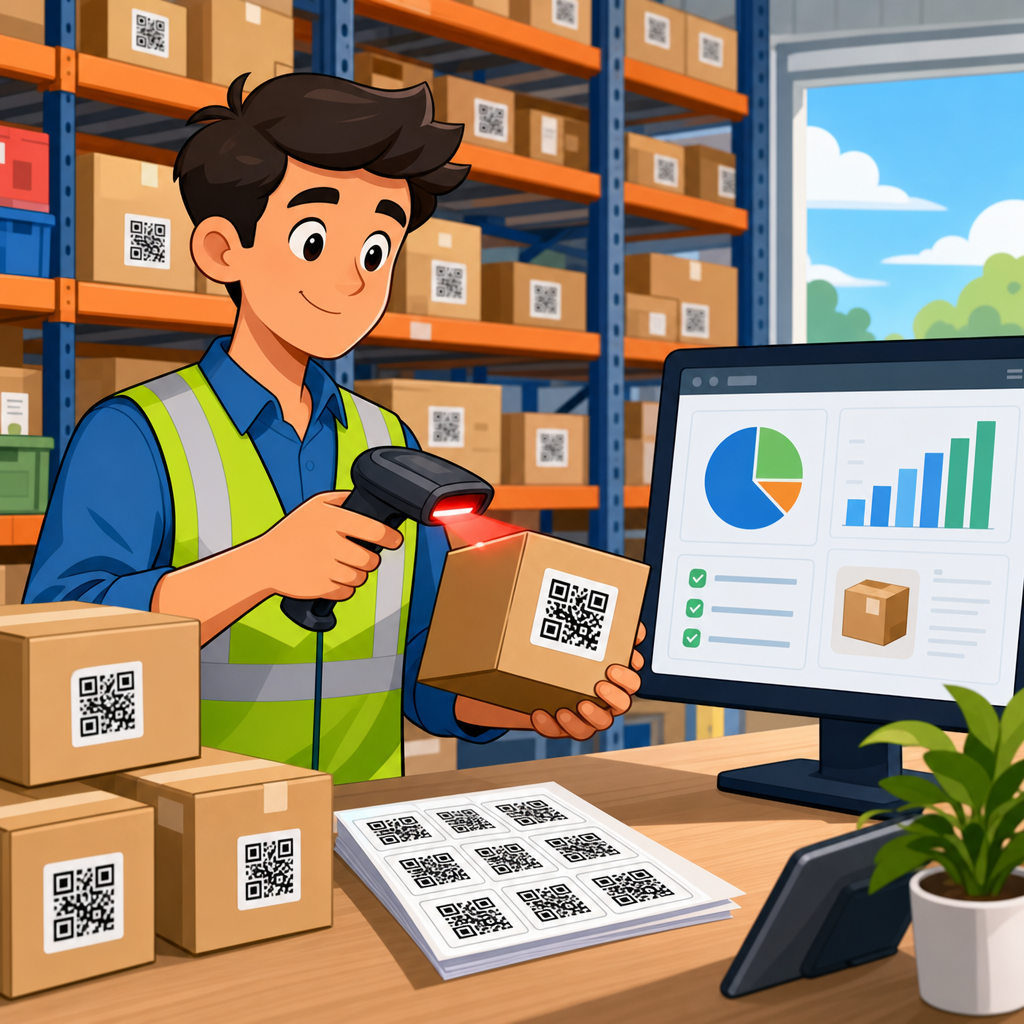
Dynamic QR codes improve campaign performance because they separate the printed code from the destination, letting marketers change content, track scans, segment audiences, and extend the life of every asset without reprinting. A QR code is a machine-readable matrix barcode that opens a URL, file, form, app screen, or other digital experience when scanned with a smartphone camera. The key distinction is simple: a static QR code stores the final destination directly, while a dynamic QR code stores a short redirect URL that can be edited later in a dashboard. That technical difference has major marketing consequences. In campaigns I have managed across retail, events, packaging, and field sales, dynamic codes consistently reduced waste, improved attribution, and gave teams a practical way to test offers after launch.
Why does this matter? Most campaigns are not fixed once they go live. Landing pages change, promotions end early, inventory runs out, regional teams need different messaging, and compliance or legal text gets updated. If a business uses static codes, every change risks broken experiences or expensive reprints. Dynamic QR codes prevent that. They also generate scan-level data such as timestamp, device type, operating system, rough location, and total versus unique scans. Those signals turn an offline touchpoint into a measurable acquisition source. For a hub article on dynamic QR codes, the essential idea is that they combine flexibility, analytics, and operational control. That combination makes them one of the most useful tools in modern omnichannel marketing, especially when print, packaging, out-of-home media, direct mail, and in-person experiences need to connect to digital outcomes.
What Dynamic QR Codes Are and How They Work
A dynamic QR code works through redirection. When someone scans the code, the QR pattern points to a short tracking URL controlled by the QR platform. That platform immediately redirects the user to the final destination set by the campaign owner. Because the redirect target lives in software rather than in the printed symbol itself, the destination can be changed at any time without altering the code image. This is the foundation of dynamic QR code management, and it is why the same printed code on a poster, package, table tent, or product insert can support multiple phases of a campaign.
Most enterprise and SMB tools follow the same architecture. A marketer creates a code in a platform such as Bitly, QR Code Generator Pro, Beaconstac, Flowcode, Uniqode, or Scanova. The platform hosts the redirect, stores analytics, and often supports custom domains, UTM parameters, password protection, expiration rules, and conditional routing. Conditional routing matters when campaigns need device-based or geography-based logic. For example, an app install code can send iPhone users to the App Store and Android users to Google Play. A packaged product distributed in the United States and Canada can route scans to country-specific pages based on IP-derived location. These are practical, everyday use cases, not edge cases.
Dynamic does not mean limitless. The code still depends on the provider’s infrastructure, so businesses should evaluate uptime, data retention, export options, GDPR or CCPA handling, and whether custom domains are available. In my experience, custom domains are especially important because they improve brand trust, reduce dependence on a vendor’s branded short link, and make migration easier later. A dynamic QR strategy is strongest when governance is planned up front, not after hundreds of codes are already active across print assets.
Why Dynamic QR Codes Outperform Static Codes in Real Campaigns
Static codes still have value for permanent destinations that will never change, such as a stable homepage or a fixed Wi-Fi credential. For campaigns, however, dynamic codes usually perform better because marketing conditions change. If a retailer prints shelf talkers for a seasonal collection and the featured item sells out, a static code leads shoppers to a dead end or irrelevant page. A dynamic code can be repointed to in-stock alternatives, a category page, or a store locator in minutes. That preserves conversion intent instead of wasting it.
Performance gains also come from better attribution. Offline media is notoriously difficult to measure. Dynamic QR codes solve part of that problem by turning each scan into a trackable event. A direct mail team can assign separate codes to each audience segment and compare response rates. An event marketer can place one code on registration signage, another on booth graphics, and a third on speaker slides. A restaurant can test different table tent offers by location. Because each placement can have a unique code, teams can identify which physical asset drove the scan and what happened after the click when analytics platforms are connected properly.
Another reason dynamic QR codes improve campaign performance is speed. Printing cycles are slow and expensive. Digital optimization is fast. The ability to change the destination, update creative on the landing page, or pause a campaign after seeing poor engagement means teams can respond before budget is wasted. I have seen this matter most in event and retail timelines, where inventory, staffing, weather, and foot traffic can shift within hours. Dynamic codes give offline campaigns some of the agility usually reserved for digital media buying.
Measurement, Attribution, and Optimization
The analytics available through dynamic QR codes are the strongest argument for using them in marketing. At a minimum, most platforms report total scans, unique scans, time and date, device type, operating system, and approximate location. Advanced setups can pass UTM parameters into Google Analytics 4, Adobe Analytics, HubSpot, Salesforce, or a customer data platform. That lets teams connect scans to sessions, lead submissions, purchases, and assisted conversions. The result is not perfect person-level attribution, but it is far better than treating print as unmeasurable.
To make dynamic QR code analytics useful, naming conventions matter. Every code should include campaign, channel, placement, audience, and version identifiers. For example, a code labeled spring_sale_dm_segmentA_offer1 gives analysts enough context to compare it with spring_sale_poster_store12_offer2. Without disciplined taxonomy, dashboards become cluttered and reporting loses reliability. I recommend creating a QR governance sheet with ownership, destination URL, live dates, associated asset, and success metric before launch. This simple operational step prevents duplicate codes and reporting confusion.
Optimization should focus on the full scan journey, not the code alone. A high scan rate with low conversion often points to a landing-page mismatch, slow load time, weak offer, or too much form friction. Mobile experience is critical because scans happen on phones. Pages should load quickly, place the promised value above the fold, and avoid unnecessary navigation. If a poster says “Scan for 15% off today,” the first screen should deliver that offer immediately, not force users through a generic homepage. Dynamic codes reveal these mismatches quickly, which is precisely why they lift campaign performance over time.
| Campaign use case | How dynamic QR codes help | Primary metric |
|---|---|---|
| Direct mail | Assign unique codes by segment, test offers, change landing page without reprint | Scan-to-lead rate |
| Retail signage | Redirect shoppers to in-stock products, local stores, or live promotions | Scan-to-purchase rate |
| Events and trade shows | Track booth, session, and collateral scans separately; deliver timed follow-up content | Qualified lead volume |
| Product packaging | Update tutorials, warranty links, recipes, or support pages after distribution | Post-purchase engagement |
| Restaurants and hospitality | Swap menus, promotions, or feedback forms by daypart or location | Offer redemption rate |
Common Use Cases Across Channels
In packaging, dynamic QR codes are especially powerful because the physical item may remain in circulation for months or years. A food brand can place one code on a box that initially leads to recipes, then later redirects to a loyalty program, sustainability page, or product recall notice if necessary. Consumer electronics brands use dynamic codes on inserts to direct owners to setup videos, firmware notes, support documentation, and warranty registration. Because customer needs change after purchase, the destination should remain editable.
In direct mail, dynamic QR codes make testing practical. A real estate brokerage can mail two postcard versions with different calls to action, using one code for home valuation requests and another for neighborhood reports. A healthcare provider can vary destination pages by service line, such as urgent care, primary care, or telehealth, while still printing all materials on the same production run. If appointment availability changes, the destination can be updated instantly. This is a meaningful operational advantage in industries where scheduling constraints affect response quality.
Out-of-home advertising is another strong fit. Billboards, transit shelters, elevator screens, and stadium signage operate in changing conditions. Weather, commute patterns, event schedules, and local inventory all influence what message will convert best. Dynamic QR codes let advertisers adapt the destination by market or time period while preserving the same visual asset. For example, a quick-service restaurant can route commuters to breakfast offers in the morning and lunch deals later in the day. The creative stays simple; the experience becomes context aware.
Best Practices for Design, User Experience, and Trust
Campaign performance does not improve from using dynamic QR codes alone. The code must be easy to scan, clearly explained, and connected to a compelling reason to act. Size, contrast, quiet zone, and placement matter. As a rule, codes should have strong contrast, avoid busy backgrounds, and be tested from the expected scanning distance. On packaging or posters, I typically pair the code with a direct instruction such as “Scan to see pricing,” “Scan for setup video,” or “Scan to claim today’s offer.” People scan more when the value is explicit.
Trust signals matter because QR codes can hide the final destination. Custom domains, branded landing pages, and recognizable logos reduce hesitation. In regulated sectors such as healthcare, finance, and alcohol, the destination page should immediately confirm the brand and present any required disclosures. URL previews on modern phones help users decide whether to continue, so branded short links are not cosmetic; they materially affect confidence. Security teams should also review how redirects are managed to avoid accidental exposure to expired or unsafe destinations.
Mobile landing pages should be built for intent. If the scan comes from product packaging, the user likely wants support, instructions, or authenticity verification. If the scan comes from an event badge or booth sign, the user may want slides, pricing, or a fast contact form. Matching the destination to the moment raises conversion rates. It also lowers bounce rates, which gives the campaign cleaner data. The strongest dynamic QR code programs treat the code as the start of a conversion path, not as a standalone tactic.
Implementation, Governance, and Platform Selection
Choosing a dynamic QR platform requires more than comparing price tiers. Teams should evaluate redirect speed, analytics depth, custom domain support, API access, bulk creation, folder permissions, export capability, and compliance features. Large organizations often need role-based access control so regional marketers can manage their own campaigns without changing global codes. Agencies need client-level separation and reliable reporting exports. If a platform cannot support governance at scale, performance suffers because teams lose control over live assets.
Governance should cover naming standards, destination approval, sunset dates, and ownership transfer. Every dynamic QR code should have a designated owner and a review date. Codes printed on long-life assets such as packaging, manuals, menus, or in-store fixtures need special attention because they may outlast the original campaign team. I have audited QR inventories where dozens of codes still received scans but pointed to expired promotions, removed web pages, or pages that had been redesigned without mobile optimization. A quarterly review prevents this silent waste.
There are tradeoffs to acknowledge. Dynamic QR codes typically require a paid platform, and free generators may impose limits or branding. They also introduce dependency on a third-party redirect service. For that reason, businesses should prioritize providers with strong uptime records and support custom domains whenever possible. Even with those caveats, the business case is usually straightforward: if one avoided reprint, one better-performing mail drop, or one packaging refresh saves meaningful budget, the platform pays for itself quickly.
Dynamic QR codes improve campaign performance by giving marketers flexibility after launch, measurable offline engagement, and a reliable way to connect physical media to digital outcomes. They outperform static codes in most campaign settings because they let teams update destinations, test offers, route users by context, and keep printed assets useful long after production. The practical benefit is not just convenience. It is better attribution, less waste, faster optimization, and a stronger customer experience from first scan to final conversion.
For teams building a QR code creation and tools strategy, dynamic QR codes should be the default choice for packaging, direct mail, retail signage, events, and other materials that may need updates or measurement. The strongest programs pair editable codes with disciplined naming conventions, mobile-first landing pages, custom domains, and regular governance reviews. That combination turns a simple square barcode into a manageable acquisition and engagement channel. Audit your current QR inventory, replace static campaign codes where flexibility matters, and set up a measurement framework before your next launch. The improvement in campaign performance is usually visible within the first reporting cycle.
Frequently Asked Questions
What is the difference between a static QR code and a dynamic QR code?
A static QR code contains the final destination directly inside the code itself. When someone scans it, the phone reads that fixed information and opens the exact URL, file, or digital resource that was originally encoded. Because the destination is embedded permanently, a static QR code cannot be changed after it is printed or published. If the landing page changes, the offer expires, or the link breaks, the code must usually be replaced and the asset reprinted.
A dynamic QR code works differently. Instead of storing the final destination, it stores a short redirect link that points to a management platform. That platform then sends the user to the current destination you have chosen. This separation between the printed code and the live content is what makes dynamic QR codes so valuable for marketing campaigns. It allows you to update the destination without changing the visible code, which means brochures, packaging, posters, direct mail, signage, and other physical materials stay useful much longer.
From a campaign performance perspective, dynamic QR codes are usually the better choice because they combine flexibility with measurable data. Marketers can adjust landing pages, run A/B tests, route users by audience segment, and monitor scan activity over time. In practical terms, static QR codes are fine for simple, permanent use cases, but dynamic QR codes are built for optimization, tracking, and long-term campaign management.
How do dynamic QR codes improve marketing campaign performance?
Dynamic QR codes improve campaign performance by giving marketers control after the code has already been distributed. That matters because most campaigns evolve. Offers change, creative gets refreshed, events are rescheduled, products go out of stock, and landing pages are continually optimized. With a dynamic QR code, you can keep the same printed code in market while updating where it sends users. That prevents wasted media spend and protects the value of every printed asset.
They also improve performance through better measurement. Because scans pass through a redirect layer, dynamic QR platforms can capture reporting data such as total scans, scan timing, device type, and often location-level insights. This helps marketers understand which placements, channels, and creative executions are generating engagement. Instead of guessing whether a mailer, in-store display, event booth, or package insert is driving action, you can compare scan behavior and use that data to make smarter budget and design decisions.
Another major advantage is optimization. Dynamic QR codes make it easier to test different destinations, messaging, offers, and user experiences without reprinting materials. A campaign can start by sending users to a product page, then shift to a lead form, then later route to a limited-time promotion based on results. This ability to iterate in real time often leads to better conversion rates, stronger audience targeting, and a longer useful life for campaign assets. In short, dynamic QR codes do not just connect offline and online experiences—they make those connections measurable, adaptable, and more profitable.
Can you change the destination of a dynamic QR code after it has been printed?
Yes, and that is one of the most important reasons marketers use dynamic QR codes. Once a dynamic code has been printed on a flyer, poster, package, business card, menu, billboard, or direct mail piece, you can still log into the QR code management platform and update the destination behind it. The printed pattern stays the same, but the experience it delivers can be changed at any time.
This flexibility is extremely useful in real campaigns. For example, a retailer might use one printed code on in-store signage and first send traffic to a product launch page. A few weeks later, that same code can point to a discount offer, a product comparison page, a store locator, or a seasonal promotion. An event marketer could update the destination from registration to agenda details, then later to post-event content or a feedback survey. A restaurant could change a menu link without needing to replace table tents or packaging.
Being able to change the destination also reduces operational risk. If a URL is entered incorrectly, a page is removed, or campaign priorities shift, you do not need to throw away existing materials. That saves time, lowers reprint costs, and helps maintain campaign continuity. In environments where speed and adaptability matter, dynamic QR codes give teams a practical way to keep physical assets accurate, relevant, and effective long after they are distributed.
What kind of tracking and analytics do dynamic QR codes provide?
Dynamic QR codes can provide meaningful scan-level insights that help marketers evaluate campaign effectiveness. While exact reporting features vary by platform, most dynamic QR solutions show core metrics such as total scans, unique scans, date and time of activity, and device or operating system details. Many also provide geographic information at a city, region, or country level based on IP data. These analytics help answer key performance questions, such as when people are engaging, where scans are coming from, and which audiences may be responding most strongly.
Those insights become especially valuable when dynamic QR codes are assigned to specific channels, placements, or audience segments. A brand might create separate dynamic codes for product packaging, retail displays, print ads, trade show signage, and direct mail, even if all of them eventually point to similar content. By doing that, the team can compare scan volume and downstream performance by source. This makes it easier to identify which offline touchpoints are driving engagement and which ones may need improved creative, stronger calls to action, or better placement.
Tracking also supports smarter optimization beyond basic scan counts. When paired with analytics platforms, UTM parameters, or conversion tracking, dynamic QR codes can help connect scan activity to business outcomes such as sign-ups, purchases, downloads, bookings, or form submissions. That gives marketers a clearer picture of return on investment and lets them refine campaigns based on real behavior rather than assumptions. In practice, dynamic QR code analytics turn a simple scan into a measurable data point that can inform strategy, creative, targeting, and spend.
Are dynamic QR codes better for audience segmentation and long-term campaign use?
Yes. Dynamic QR codes are especially well suited for audience segmentation because they allow marketers to route different users to different experiences without changing the code itself. Segmentation can be based on campaign source, geography, device type, time period, product line, or customer intent. For example, one code on national packaging could send users in different regions to localized landing pages, or a campaign could redirect mobile users to an app screen while desktop users receive a web-based alternative. This kind of flexibility helps marketers deliver more relevant experiences and often improves engagement and conversion rates.
They are also ideal for long-term use because they protect the value of physical assets that stay in circulation for weeks, months, or even years. Product packaging, storefront materials, printed manuals, catalog pages, and event signage often outlive the original campaign they were created for. A static QR code can quickly become outdated in those situations, but a dynamic QR code can continue to serve current business goals. Marketers can refresh content, replace expired offers, update messaging, and keep the user journey aligned with what the business needs now.
From an operational standpoint, this makes dynamic QR codes far more sustainable and cost-effective. Instead of treating every printed code as disposable, brands can treat it as a durable entry point into a changing digital experience. That means fewer reprints, less wasted inventory, faster campaign updates, and more opportunities to improve performance over time. For organizations that want both flexibility and accountability from their offline marketing, dynamic QR codes are often the strongest long-term option.