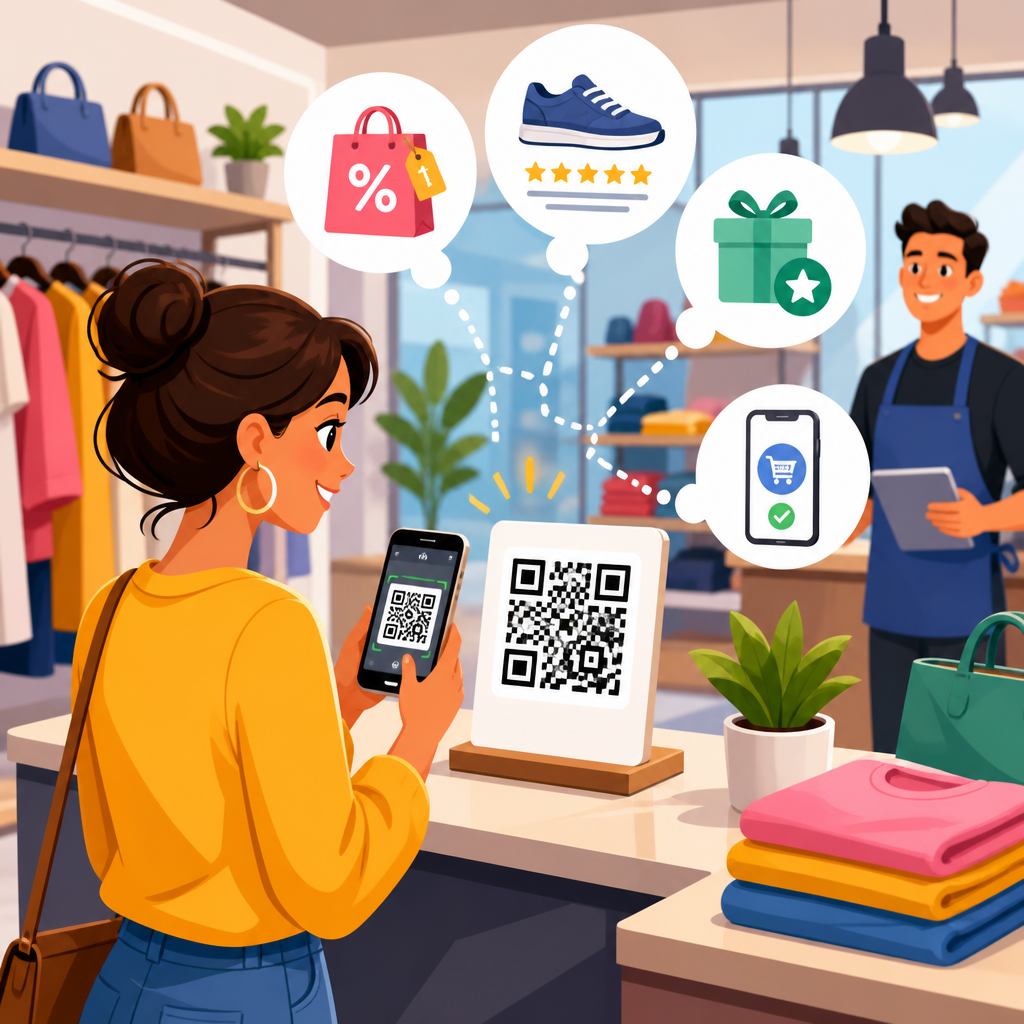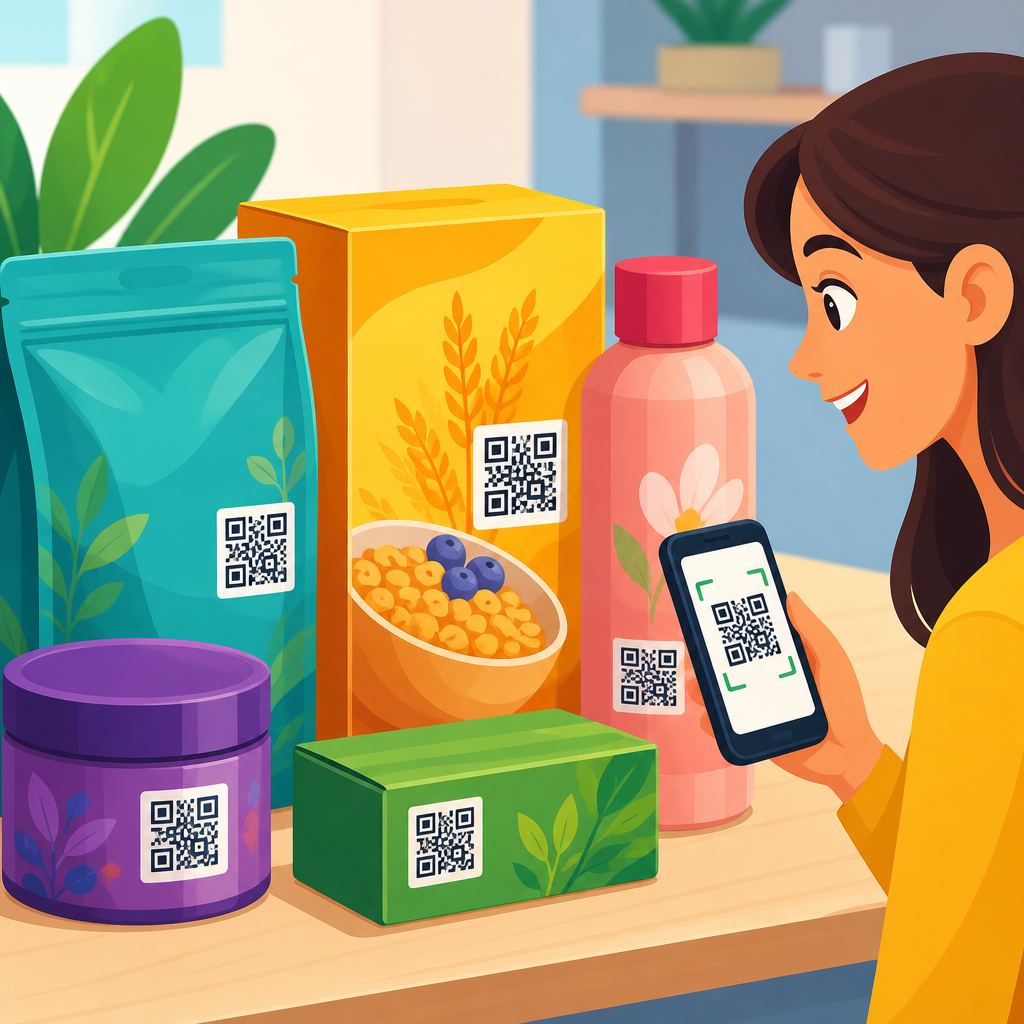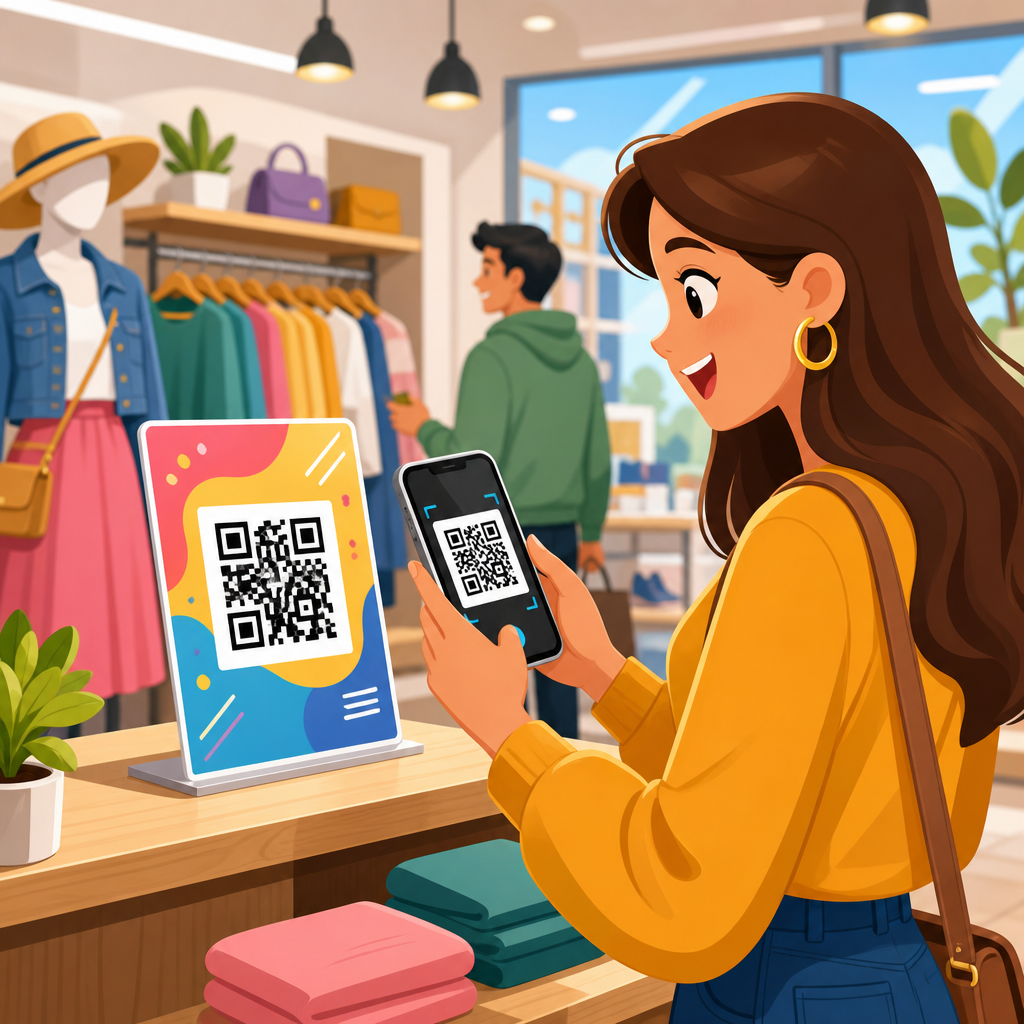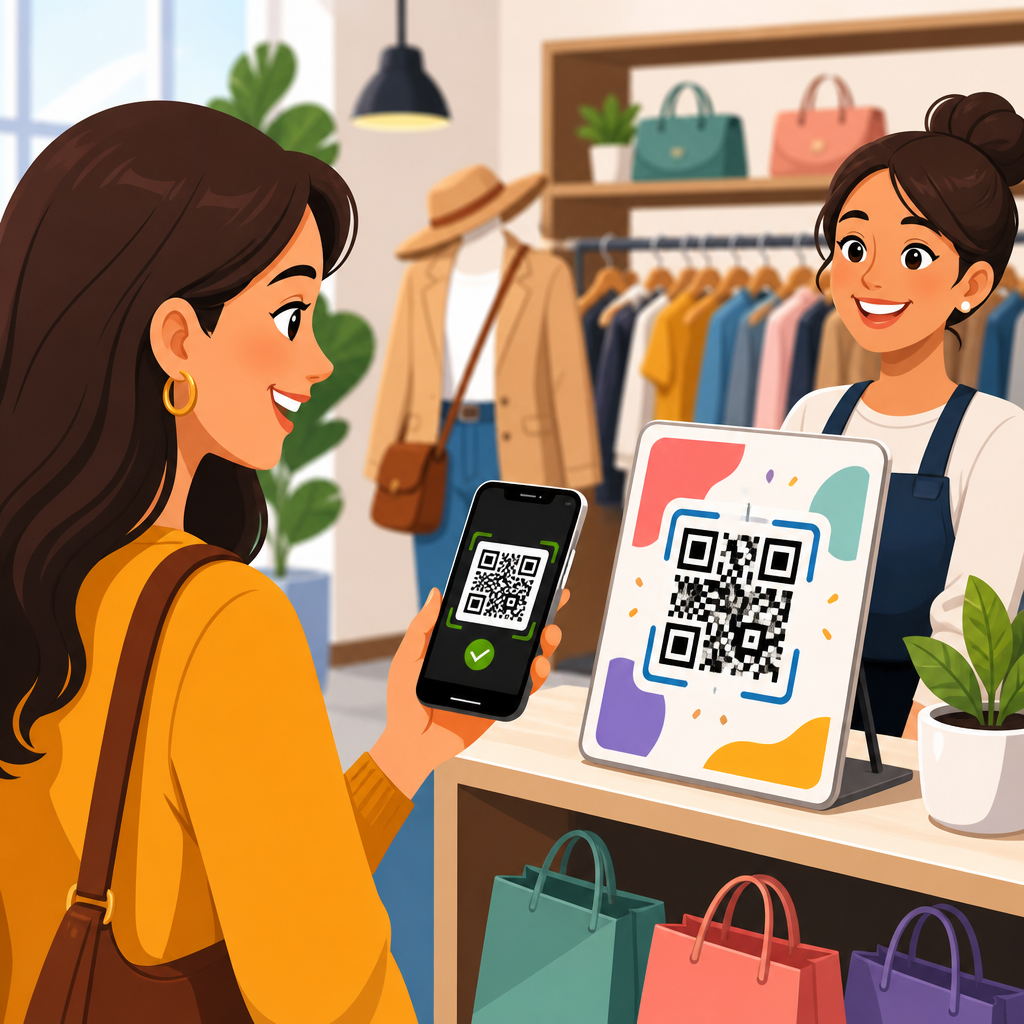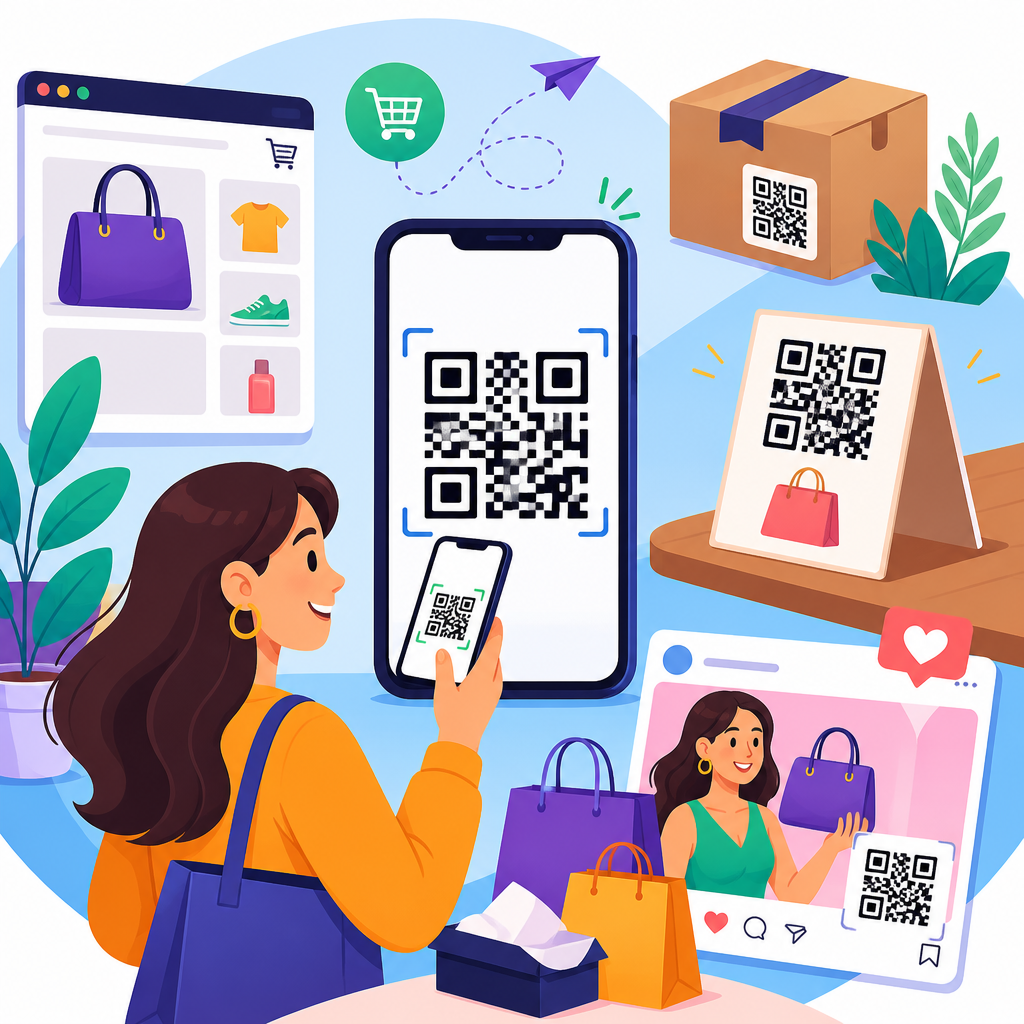
QR codes for product launch campaigns have moved from novelty to core marketing infrastructure because they connect physical attention to digital action in a single scan. A product launch campaign is the coordinated effort used to introduce a new offer to the market through channels such as packaging, retail displays, events, direct mail, social media, and paid advertising. A QR code is a scannable two-dimensional barcode that sends a user to a digital destination, including a landing page, app store listing, video, coupon, registration form, or product configurator. In marketing and advertising, that simple bridge matters because launch teams need speed, measurable engagement, and a consistent path from awareness to conversion.
I have used QR codes in launch rollouts for retail products, SaaS trials, event-based releases, and influencer seeding kits, and the same pattern appears every time: when the scan experience is aligned with the launch objective, response quality improves. When teams treat the code as a decorative add-on, performance stalls. The difference usually comes down to three factors: placement, incentive, and destination design. A code on an out-of-home poster may need instant product education. A code on shelf wobblers may need a mobile coupon. A code in packaging for a new consumer device may need onboarding content that reduces returns and support tickets.
For this reason, QR codes for product launch campaigns should be planned as part of the launch system, not appended at the end of creative production. They support pre-launch waitlists, launch-day traffic surges, in-store activation, post-purchase education, referral loops, and first-party data collection. They also help unify channels that are usually hard to measure together. A direct mail piece, an event banner, a point-of-sale display, and a print ad can all feed traffic into segmented destinations with campaign-specific tracking. That gives marketers a practical way to compare message-market fit across touchpoints without relying entirely on vanity metrics such as impressions or reach.
This hub explains how to use QR codes across the full marketing and advertising lifecycle of a launch. It covers strategic roles, channel-specific applications, technical setup, measurement, common mistakes, and the supporting content types that make this topic broader than a single tactic. If your goal is to launch a product with clearer attribution, better customer journeys, and less friction between offline and online media, this is the foundation.
How QR codes support every stage of a product launch
QR codes work best when mapped to launch stages rather than used with one generic link. In pre-launch, they can drive signups for early access, teaser content, or VIP lists. On launch day, they can route audiences to a purchase page, store locator, livestream, or product demo. After launch, they can support reviews, referrals, loyalty enrollment, setup guides, and accessory upsells. This staging matters because the customer question changes at each moment. Before release, people ask, “What is coming?” During release, they ask, “Why should I buy now?” After purchase, they ask, “How do I get value fast?”
For example, a beverage brand launching a seasonal flavor might place one code on teaser posters linking to a countdown page, another on sampling booths linking to a coupon wallet pass, and a third on packaging linking to a contest and product story. A software company launching a new productivity app may use QR codes at a trade show booth for demo booking, on speaker slides for trial activation, and in direct mail for a personalized onboarding page. The code format is the same, but the intent and destination are different. That is the central discipline behind successful campaign planning.
Dynamic QR codes are especially useful in launches because they let teams change the destination without reprinting materials. If inventory is delayed, the code can temporarily send users to a waitlist instead of checkout. If one landing page underperforms, traffic can be redirected to a higher-converting variant. Dynamic platforms also capture scan time, location, device type, and referrer patterns, which helps during the high-volatility period after release. Static codes still have a role for permanent packaging content or low-risk use cases, but launch environments usually reward flexibility.
Best marketing and advertising use cases in this hub
As the hub page for marketing and advertising within QR code industry use cases, this topic includes multiple campaign types that deserve separate supporting articles. Product launch campaigns sit at the center because they touch most of the others. Brands often begin with launch QR codes, then expand into retail promotions, event marketing, print-to-digital advertising, packaging engagement, outdoor media, influencer kits, catalog commerce, restaurant promotions, and local store activation. Each use case shares the same principle: remove friction between exposure and response.
In retail launches, QR codes can connect shelf displays to a comparison page, stock checker, or instant rebate. In experiential marketing, they can power scavenger hunts, prize draws, augmented reality experiences, or session registrations. In public relations kits, they can link journalists to embargoed media assets, founder videos, or product specs. In transit ads and billboards, they can move audiences from a short glance to a deeper interaction that a plain URL would lose. In packaging-led launches, they can extend the product story beyond label space limitations and provide proof points such as certifications, sourcing details, or setup videos.
This hub should also guide internal linking strategy across the broader content cluster. Related articles can cover QR codes for event marketing, QR codes on product packaging, QR codes in retail displays, QR codes for coupons, QR codes in print advertising, QR codes for direct mail, and QR codes for in-store product education. Keeping this launch article broad but concrete helps users and search engines understand that it is the entry point for the marketing and advertising subtopic.
Channel strategy: where to place QR codes for maximum response
Placement determines whether a launch QR code gets scanned or ignored. The strongest locations combine dwell time, clear intent, and mobile accessibility. Retail endcaps, countertop displays, event signage, brochures, direct mail pieces, and product packaging usually perform better than fast-moving placements where users cannot safely scan. A subway wall poster may look dramatic, but if the train platform is crowded or the code is too high, practical response drops. On the other hand, a fitting-room sign, conference badge insert, or product sample card gives people enough time to act.
Message-code fit is equally important. The call to action should answer why the scan is worth the effort in five words or fewer where possible: “Watch the demo,” “Get launch pricing,” “Find nearby stock,” or “Claim your sample.” Generic language such as “Scan me” consistently underperforms because it shifts cognitive work to the audience. In campaigns I have audited, replacing vague prompts with a clear benefit often lifted scans without changing the media buy or creative format.
Design quality matters too. Use sufficient quiet zone, high contrast, and a tested size based on distance. A common field rule is a 10:1 viewing ratio, meaning a 2-centimeter code is suitable for roughly 20 centimeters of scanning distance. Branded frames and center logos can improve recognition, but only if error correction and print testing are handled properly. Before launch, test across current iPhone and Android devices, under indoor and outdoor lighting, on matte and glossy finishes, and through common camera apps rather than only specialty scanners.
| Channel | Best QR Destination | Primary Goal | Practical Tip |
|---|---|---|---|
| Retail display | Store-specific offer or product demo | Conversion at shelf | Use stock-aware landing pages when possible |
| Direct mail | Personalized launch page | Lead capture | Match headline on mailer and landing page |
| Event signage | Registration, giveaway, or live demo booking | Immediate engagement | Place codes at queue points with dwell time |
| Packaging insert | Setup guide, warranty, or referral offer | Post-purchase activation | Use dynamic links for future content updates |
| Print ad | Short-form explainer or locator | Bridge awareness to consideration | Give one compelling reason to scan |
Landing pages, offers, and content that convert scans
A successful scan is only the midpoint of the journey. The destination must load quickly, match the promise near the code, and focus on one next step. For launch campaigns, the best landing pages are mobile-first, lightweight, and intentional. If the ad promises early access, the page should open with the signup form, not a general homepage. If the package insert promises setup help, the first screen should show the exact product model and a step-by-step video. Sending all traffic to the homepage is one of the most expensive mistakes in QR marketing because it wastes intent that was earned offline.
Launch offers should reflect audience temperature. Cold audiences scanning a poster may need a 20-second explainer video, social proof, and a store locator. Warm audiences scanning a retailer display may only need price, availability, and a promo code. Existing customers scanning packaging may respond better to loyalty points, accessory bundles, or how-to content than to introductory discounts. Matching offer depth to customer context prevents overbuilding and usually lifts conversion rates more than cosmetic design changes.
Content variety also matters. Effective launch destinations include product demos, founder introductions, comparison charts, ingredient or material transparency, testimonials, FAQs, and live inventory signals. For higher-consideration products, calculators and configurators can be powerful. For example, a skincare launch can use a QR code to route shoppers to a skin-type quiz, while a home appliance launch can route them to a room-fit guide and installation checklist. The core principle is utility: every scan should answer a real purchase question faster than any alternative path.
Tracking, attribution, and KPIs that matter
One reason marketers rely on QR codes for product launch campaigns is that they make offline media measurable. At minimum, each code should carry UTM parameters for source, medium, campaign, content, and, when helpful, term. A retail flyer, event poster, influencer mailer, and magazine ad should not all point to the same unsegmented URL. Distinct links allow reporting in Google Analytics 4, Adobe Analytics, or a CRM with campaign attribution. Dynamic QR platforms such as Bitly, QR Code Generator Pro, Scanova, Beaconstac, or Flowcode can add scan-level reporting and redirect control.
The right KPIs depend on launch goals. For awareness campaigns, scans, unique visitors, scroll depth, and video completion can indicate message resonance. For demand generation, form fills, coupon saves, add-to-cart rate, and cost per qualified visit are more useful. For retail launches, store locator clicks, map opens, retailer handoff clicks, and redemption rates provide clearer signals than raw scan volume. For post-purchase campaigns, activation rate, tutorial completion, review submission, and repeat purchase matter more. Scan count alone is not success; what users do after scanning is the real business metric.
Attribution has limits, and strong teams acknowledge them. Not every person who sees a QR code and later buys will scan immediately. Some users will search the brand later or purchase in-store without a digital trace. Privacy settings, cookie restrictions, and retailer data silos also reduce visibility. The solution is not to abandon measurement but to triangulate it. Combine scan analytics with point-of-sale lift, geo-based media timing, promo-code redemption, and survey responses such as “How did you hear about this product?” That broader view produces more reliable launch insights.
Common mistakes and how to avoid them
The most common failure is treating the QR code as the strategy instead of as the gateway. A code cannot rescue weak positioning, unclear pricing, or a poor offer. Another common mistake is using a single code across all channels. That approach saves minutes during production and destroys learning afterward. I have also seen teams print codes too small, place them on curved surfaces that distort the pattern, or set them against reflective metallic backgrounds that cameras struggle to read. These are preventable execution errors, not unavoidable campaign risks.
Another mistake is ignoring mobile landing page performance. A beautiful desktop page with heavy scripts, intrusive pop-ups, or auto-playing video can crush conversion when most scans come from mobile devices on variable connections. Teams should test load speed, form friction, viewport rendering, and retailer handoff paths before launch. Tools such as PageSpeed Insights, Tag Assistant, Google Tag Manager preview mode, and device labs help identify problems early. A QR code campaign is operationally simple only when the destination stack is disciplined.
Finally, many brands skip trust signals. If a user scans from a public place, they want reassurance that the destination is legitimate and worth their data. Clear branding, secure HTTPS pages, concise privacy language, and recognizable domain names matter. So does expectation setting. If a scan leads to email capture, say so. If a coupon requires store participation, name the retailers. Precision builds confidence, and confidence increases completion.
Building a repeatable launch playbook
The most valuable outcome is not one successful campaign but a repeatable playbook for future launches. Start with a channel map, audience segment, and one primary conversion event per code. Create destination templates for pre-launch signup, launch-day purchase, retailer locator, event registration, and post-purchase onboarding. Establish naming conventions for URLs and analytics. Maintain a testing checklist for print quality, scan distance, redirect logic, and page speed. After the campaign, document scan rates, conversion by channel, creative lessons, and operational issues.
Over time, this structure turns QR codes from a tactical experiment into a dependable part of marketing operations. Teams launch faster because they are not reinventing tracking, design, or landing page logic each time. Sales teams appreciate clearer attribution. Retail partners benefit from better in-store education. Customers get less friction and more useful content. That combination is why QR codes remain effective in marketing and advertising even as channels change: they solve the persistent problem of moving people from attention to action quickly.
QR codes for product launch campaigns work because they make marketing more immediate, measurable, and useful. They connect print, packaging, events, retail, and out-of-home media to digital experiences that answer customer questions in the moment of interest. When marketers align the code with the stage of the launch, place it where scanning is practical, and send users to a focused mobile destination, performance improves across awareness, conversion, and post-purchase engagement.
The main benefit is not the code itself but the system behind it. Strong campaigns use dynamic links, channel-specific destinations, clear calls to action, and analytics that show what happened after the scan. They respect the realities of device behavior, store environments, landing page speed, and attribution limits. They also build supporting content that extends beyond a single launch into broader marketing and advertising use cases, from event activation to packaging education and direct mail response.
If you are building a QR code strategy within the marketing and advertising category, use this hub as the starting point and turn each launch asset into a measurable entry point. Define the objective, tailor the destination, test the experience, and track outcomes by channel. Done well, QR codes do more than decorate campaign materials; they create a direct path from curiosity to conversion. Start with one launch workflow, measure it carefully, and expand from there.
Frequently Asked Questions
1. Why are QR codes so effective in product launch campaigns?
QR codes are effective in product launch campaigns because they create an immediate bridge between offline visibility and online action. During a launch, attention is often spread across multiple touchpoints such as packaging, in-store displays, event signage, direct mail, social posts, and paid ads. A QR code gives every one of those channels a clear next step. Instead of asking people to remember a URL, search for a product later, or download an app on their own, the campaign can move them directly to the intended digital destination in a single scan.
That speed matters because launch campaigns depend on momentum. Interest is highest when someone has just seen the product, heard the pitch, or interacted with the brand in person. A QR code captures that moment and turns curiosity into measurable engagement. It can send users to a product demo, pre-order page, launch video, waitlist, coupon, retailer locator, app download page, or a personalized landing page tailored to a specific audience segment.
They are also valuable because they improve campaign measurement. Marketers can track scans by location, placement, time, and creative variation, which makes it easier to understand which launch assets are actually driving action. That insight helps teams optimize quickly while the campaign is still active. In practical terms, QR codes are no longer just a convenience feature. They function as conversion tools, attribution tools, and customer journey accelerators, which is why they have become a core part of modern product launch strategy.
2. Where should QR codes be placed during a product launch for the best results?
The best placement depends on where your audience first encounters the product and what action you want them to take next. In most launch campaigns, high-performing placements include product packaging, shelf talkers, endcap displays, event booths, presentation slides, posters, direct mail pieces, out-of-home ads, influencer inserts, social creative, and print materials handed out by sales teams. The goal is to place the code at moments where interest is already high and the user has enough time and motivation to scan.
Packaging is especially powerful because it reaches people at the point of discovery or purchase. A code on the box can unlock product education, setup guides, reviews, warranty registration, or exclusive launch offers. In retail, codes near displays can support comparison shopping, feature exploration, or stock availability. At live events, they can drive attendees to booking pages, demo signups, contests, or downloadable launch assets without requiring manual data entry.
Placement quality matters as much as placement quantity. The QR code should be clearly visible, large enough to scan comfortably, and supported by a strong call to action such as “See the launch video,” “Claim early access,” or “Compare models now.” Avoid placing codes where users are moving too quickly to scan, where lighting is poor, or where internet connectivity is unreliable. It is also smart to align the destination with the context. Someone scanning from a retail display may want product details and reviews, while someone scanning from a direct mail piece may respond better to a limited-time offer or booking experience. When placement and intent match, scan rates and conversions usually improve significantly.
3. What should a QR code in a product launch campaign link to?
A QR code should link to the next best action for the specific audience and launch stage, not just to a generic homepage. One of the most common mistakes in launch marketing is sending every scan to a broad website experience that forces users to keep searching. A better approach is to use a focused landing page that matches the promise of the ad, package, display, or event material where the code appeared.
For pre-launch campaigns, useful destinations include waitlists, teaser pages, early access registration, countdown pages, behind-the-scenes videos, or lead capture forms for launch alerts. For launch-day promotions, the code may work best when it leads to a purchase page, product configurator, app download page, live demo, launch livestream, or store locator. For post-launch support, destinations such as setup instructions, FAQs, onboarding guides, review requests, and loyalty enrollment can help extend the campaign and improve customer satisfaction.
The best destination is mobile-friendly, fast-loading, and focused on one primary conversion goal. It should also reflect the campaign source. For example, a code on a beauty product sample might lead to a tutorial and shade finder, while a code at a trade show might lead to a meeting scheduler and downloadable spec sheet. Dynamic QR codes can make this even more useful by allowing marketers to update the destination without reprinting the code. That flexibility is especially valuable during product launches, when messaging, inventory status, retailer availability, and promotional priorities can change quickly.
4. How can marketers track the performance of QR codes in a product launch campaign?
QR code performance can be tracked by combining scan analytics with website, app, and conversion data. At the most basic level, marketers should measure total scans, unique scans, time of scan, device type, and approximate location. Those metrics show how much interest each placement is generating. However, the deeper value comes from tying scans to meaningful outcomes such as signups, add-to-cart activity, purchases, app installs, retailer visits, demo requests, or email subscriptions.
To do this well, marketers typically use dynamic QR codes, campaign-tagged URLs, analytics platforms, and conversion tracking tools. Each code should be associated with a specific channel, asset, audience, or location so performance can be compared accurately. For example, separate codes can be used for in-store displays, packaging, direct mail, event signage, and paid print ads. That structure helps answer practical questions like which retail region produced the most scans, which creative drove the strongest conversion rate, and which audience responded best to the launch offer.
It is also important to look beyond scan volume alone. A code that gets fewer scans but leads to higher-value conversions may be more effective than one that generates broad curiosity with little follow-through. Marketers should review the full funnel: scans, page engagement, bounce rate, conversion rate, and revenue or lead quality where possible. During a launch, this data supports fast optimization. Teams can update landing pages, adjust calls to action, shift media spend, or change in-store messaging based on real user behavior. That makes QR codes not just interactive media, but a live source of market feedback during one of the most important phases of a product’s introduction.
5. What are the most important best practices for using QR codes in product launch campaigns?
The strongest QR code campaigns are built around clarity, relevance, usability, and measurement. First, always give users a reason to scan. A QR code by itself is not persuasive. It needs a clear value proposition nearby, such as access to exclusive launch content, a special offer, product details, reviews, early ordering, or a guided demo. When people understand what they will get, scan rates typically improve.
Second, make the experience frictionless. The code should be easy to scan, high contrast, appropriately sized, and placed in an environment where users can realistically interact with it. The landing page should load quickly on mobile devices and deliver exactly what the campaign promised. If the code leads to a cluttered page, a broken link, or content that feels generic, the launch loses momentum at the point of highest interest.
Third, match the destination to the audience and channel. Someone scanning from a product package may need onboarding help, while someone seeing a launch poster may still need education and proof points before buying. Tailoring the post-scan experience to context can have a major impact on conversions. Fourth, use dynamic codes whenever possible so you can update destinations, test variations, and respond to inventory or campaign changes without replacing physical materials.
Finally, test and track everything. Scan the code across different phones, lighting conditions, and distances before launch. Monitor analytics once the campaign is live and refine underperforming assets quickly. Include compliance and privacy considerations where relevant, especially if the destination collects personal data. When executed well, QR codes become much more than a technical add-on. They become a flexible, measurable mechanism for moving launch audiences from awareness to action with less friction and stronger attribution.