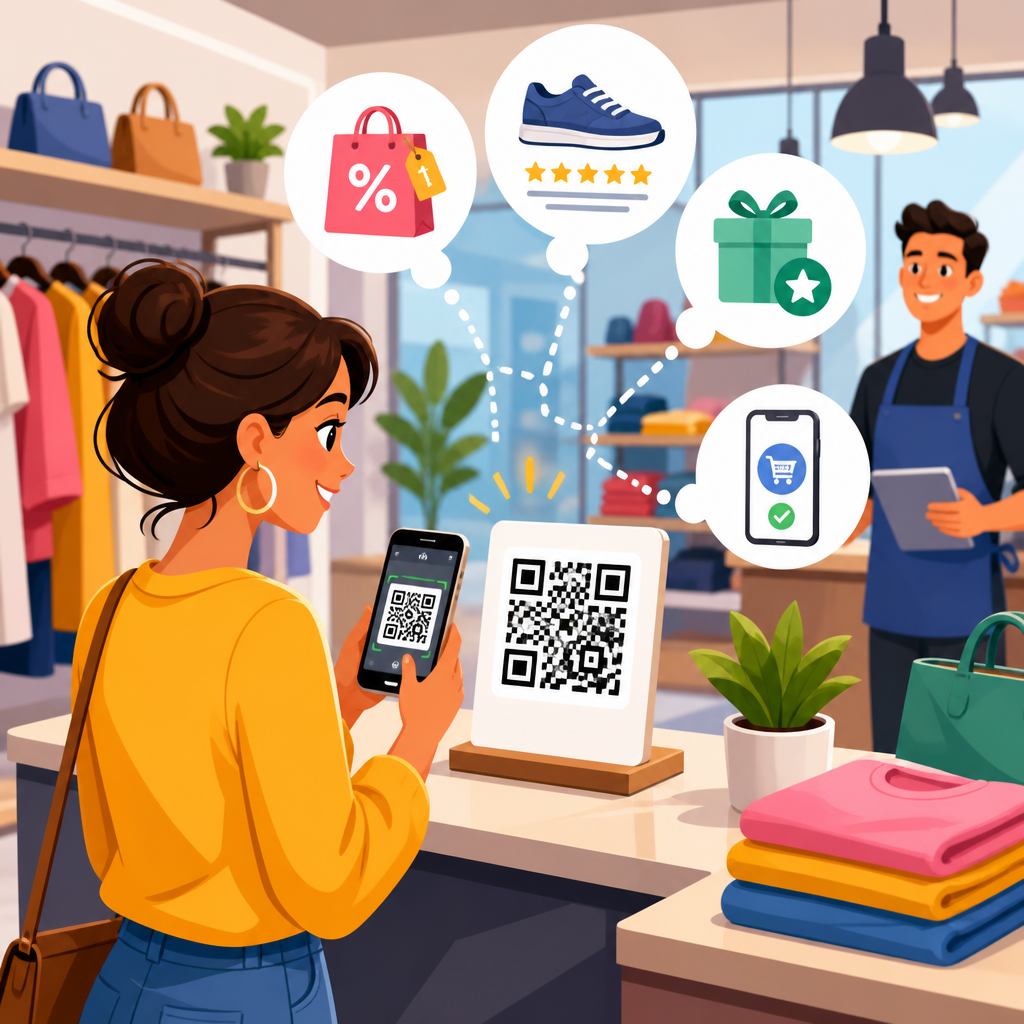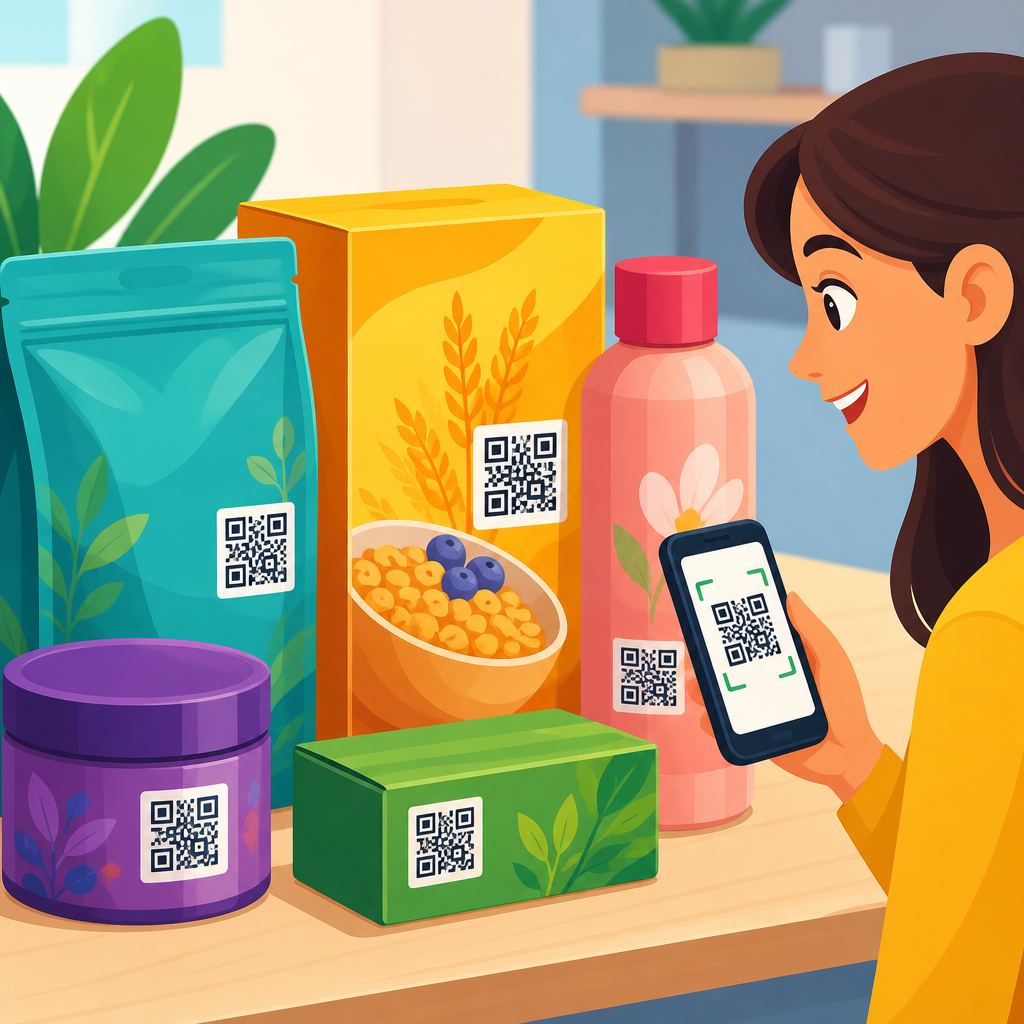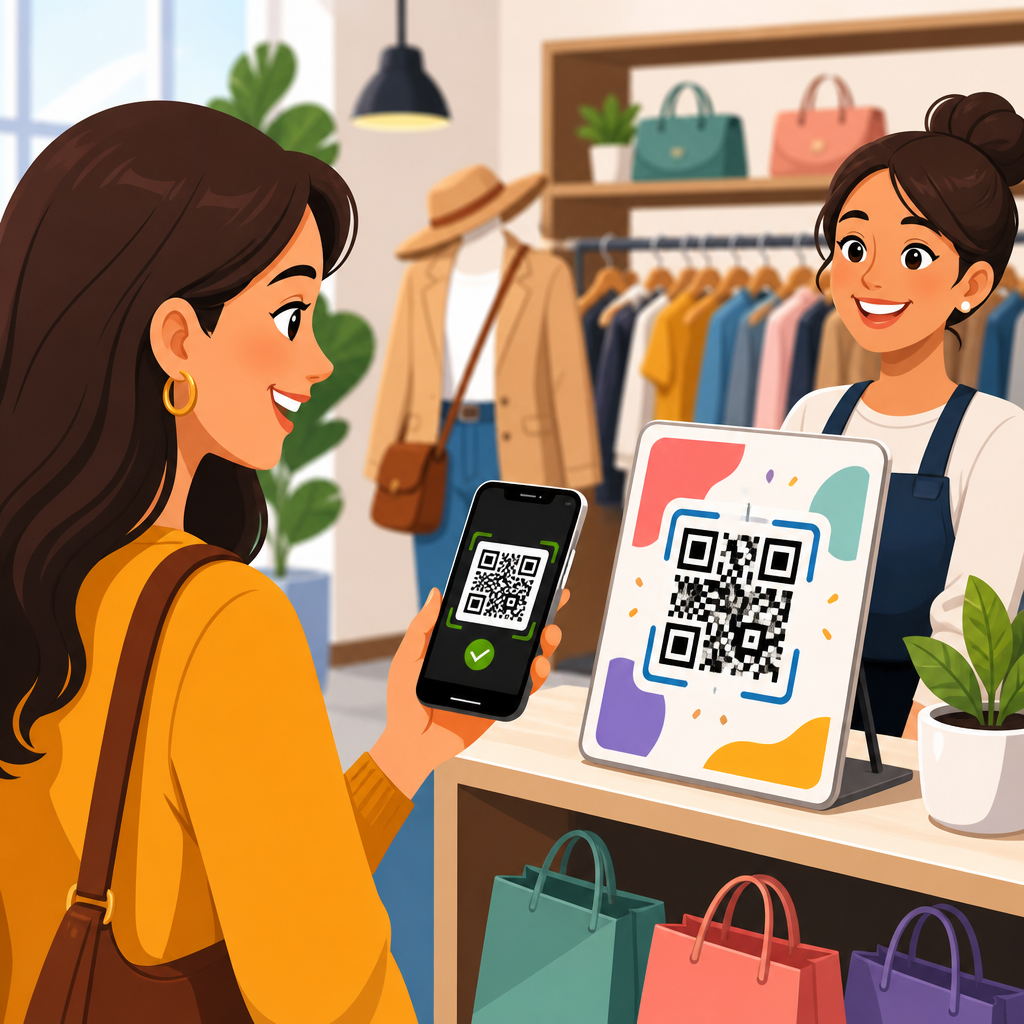
QR codes for product information and reviews have become a practical bridge between physical retail shelves and the rich digital content shoppers expect online. In retail and e-commerce, a QR code is a scannable matrix barcode that opens a specific destination on a phone, usually a product page, review summary, instruction guide, warranty form, or promotional offer. I have implemented these programs for product launches, store resets, and packaging updates, and the pattern is consistent: when the code answers a real shopper question in seconds, engagement rises and returns, support tickets, and purchase hesitation often fall. This matters because modern buying behavior is research driven. Shoppers compare ingredients, materials, sizing, compatibility, sustainability claims, and customer feedback before they commit. Retailers and brands that surface this information clearly at the point of decision make the buying process easier, more trustworthy, and more measurable.
The retail value of QR codes goes beyond convenience. A dynamic QR code can be updated without reprinting packaging, which is critical when prices change, inventory shifts, regulations evolve, or a campaign ends. A single printed code on a box, shelf talker, hangtag, or in-store display can direct users to localized content, language-specific pages, product registration, video demonstrations, or verified review collections. For e-commerce, QR codes placed on packing slips, inserts, and order confirmation materials can bring customers back into the post-purchase journey, where they can learn how to use a product properly, leave a review, reorder consumables, or cross-shop accessories. As a hub topic within retail and e-commerce, this article explains where QR codes fit, how to deploy them effectively, what content performs best, how to measure results, and what pitfalls to avoid.
What QR Codes Do for Product Information in Retail and E-commerce
At the product information level, QR codes reduce the gap between limited physical space and unlimited digital detail. A package can only hold so much copy, especially in categories such as cosmetics, electronics, food, supplements, fashion, and home goods. Yet shoppers increasingly expect complete product information before buying. A QR code solves this constraint by linking to a mobile-optimized destination that can include specifications, ingredient lists, allergens, certifications, care instructions, size charts, assembly videos, compatibility lookups, and comparison tools. In stores, I have seen this work especially well in complex categories where staff cannot explain every technical detail, such as routers, power tools, skincare serums, and pet nutrition.
For example, an electronics retailer can place QR codes on shelf labels that open model-specific product pages with battery life, connectivity standards, port layouts, and side-by-side comparisons. A beauty brand can use packaging codes to disclose ingredient sourcing, dermatologist testing, and routine recommendations. A grocery brand can link from on-pack codes to nutrition panels, recipe ideas, and country-of-origin information. These experiences are not just add-ons; they directly support conversion because they answer the exact objections that slow a purchase. In e-commerce fulfillment, the same logic applies after delivery. A QR code inside the package can lead to setup tutorials, replacement part ordering, or a “how to get the best fit” guide, reducing frustration and improving product adoption.
How QR Codes Strengthen Product Reviews and Social Proof
Reviews are one of the strongest forms of decision support in retail because they convert abstract claims into peer validation. QR codes make reviews easier to access in stores, where shoppers cannot scroll an online marketplace listing while holding every competing item. By scanning a code on a shelf edge, display, tag, or package, customers can open a curated review destination that highlights star ratings, review volume, common pros and cons, and verified purchase feedback. The strongest implementations do not dump users onto a generic homepage. They send them directly to the relevant product review section, filtered for the exact SKU, colorway, or size when possible.
There are two main use cases here. First, pre-purchase review access boosts confidence. Apparel brands use QR codes to surface fit feedback, user photos, and material comments. Home appliance sellers link to reviews that discuss noise level, setup difficulty, and long-term durability. Second, post-purchase review collection becomes easier when customers scan a code from packaging, inserts, receipts, or follow-up cards. This should lead to a frictionless review form, ideally pre-associated with the product and order where platform rules allow. Brands using systems such as Yotpo, Bazaarvoice, PowerReviews, Judge.me, or Trustpilot can direct buyers into structured review workflows, helping generate fresh user-generated content that improves both merchandising and organic discoverability.
Best Placement Strategies Across Stores, Packaging, and Fulfillment
Placement determines whether a QR program gets ignored or becomes part of the shopping routine. In physical retail, the best placements are tied to moments of uncertainty or curiosity: shelf edges, product hangtags, endcap signs, demo displays, fitting room signage, and countertop displays. On-pack placement works best when buyers need more information than labeling space permits or when the brand wants to continue the experience after purchase. In e-commerce, inserts, packing slips, warranty cards, instruction booklets, and reorder reminders are proven surfaces because they reach customers when the item is physically in hand.
The principle is simple: place the code where a question naturally occurs. If customers often ask whether a phone case fits MagSafe accessories, put the code on the shelf tag and the box. If cookware buyers need seasoning instructions, put the code in the package and on the product belly band. If a skincare product benefits from routine education, use the carton side panel. Avoid decorative placement that forces awkward scanning angles, reflective coatings, or low contrast. In practice, black codes on white backgrounds, quiet zones around the symbol, and clear labels such as “Scan for ingredients and reviews” outperform clever but vague calls to action.
| Retail touchpoint | Best QR destination | Primary shopper benefit |
|---|---|---|
| Shelf label or shelf talker | Product specs, comparisons, review summary | Faster in-store decisions |
| Product packaging | Ingredients, instructions, warranty, authenticity | More trust and fewer support questions |
| Hangtag or apparel label | Fit guide, fabric details, care instructions, reviews | Lower hesitation and fewer returns |
| Parcel insert or packing slip | Setup help, review request, accessories, reorder page | Better post-purchase engagement |
| In-store display or demo station | Video demo, use cases, buyer guide | Higher product understanding |
What Content Should Open After the Scan
The destination experience matters more than the code itself. Every QR code for product information and reviews should open a page designed for mobile, load quickly on cellular connections, and answer one core question immediately. For product information, that means leading with the most decision-relevant data: what the product is, who it is for, why it differs, and whether it meets specific requirements. Use collapsible sections for specs, materials, ingredients, sizing, shipping, compliance, and care. Include a clear path to purchase, store locator, or add-to-cart action if the shopper is ready.
For review-focused pages, summarize before expanding. Show average rating, total reviews, verified purchase indicators, top recurring themes, and recent feedback. If the product has variants, present variant-specific reviews wherever possible. In categories with high fit or compatibility risk, surface practical filters like “true to size,” “works with model X,” or “easy to assemble.” Video and image reviews can be especially persuasive for beauty, furniture, apparel, and consumer electronics because they reduce ambiguity. If compliance applies, moderate responsibly and disclose incentives clearly. Regulations from the Federal Trade Commission require honest presentation of endorsements, and misleading review practices create legal and reputational risk.
Dynamic QR Codes, Tracking, and Analytics That Matter
Retailers should prefer dynamic QR codes for most product information and review campaigns because they allow the destination URL to change while the printed code stays the same. That flexibility is essential when SKUs are refreshed, regional pages split, seasonal promotions rotate, or a code needs to redirect from a temporary campaign to an evergreen support page. Platforms such as Bitly, QR Code Generator Pro, Flowcode, Beaconstac, and Uniqode provide dynamic management, scan analytics, and campaign tagging. In enterprise environments, teams often connect these scans to Google Analytics 4, Adobe Analytics, Shopify, Salesforce Commerce Cloud, Klaviyo, or a customer data platform.
The most useful metrics are not raw scans alone. Track scan-through rate by placement, landing page bounce rate, time on page, review submission rate, add-to-cart rate, assisted conversion rate, support deflection, return rate changes, and repeat purchase behavior. In store pilots, I usually segment by location, fixture type, and product category because scan behavior varies sharply. A QR code on a premium skincare tester display may outperform one on sealed outer packaging, while a code inside a meal-kit box may drive more reorder activity than one on the shipping carton. Use UTM parameters consistently and maintain naming conventions so merchandising, digital, and store operations teams can compare results across campaigns.
Category-Specific Use Cases in Retail and E-commerce
Different categories need different information architecture. In fashion, QR codes should emphasize fit, fabric composition, care, and customer photos. The main commercial benefit is fewer size-related returns and stronger confidence for higher-priced items. In beauty and personal care, codes should highlight ingredient transparency, routine guidance, shade matching, and reviews from users with similar skin types or concerns. In grocery and food, shoppers look for allergens, nutrition, sourcing, certifications, and recipes. In electronics, they need compatibility, setup guidance, warranty details, and troubleshooting. In furniture and home goods, dimensions, assembly videos, room imagery, and durability reviews matter most.
Luxury and premium brands can also use QR codes for authenticity verification, provenance storytelling, and aftercare instructions, though the experience should remain elegant rather than cluttered. Marketplace sellers benefit by bringing buyers from generic packaging inserts to branded help centers and verified review requests, which can improve retention beyond the initial channel sale. Omnichannel retailers gain the most when QR content is consistent across shelves, website PDPs, and post-purchase email journeys. When the same product facts, claims, and review signals appear everywhere, shoppers trust the brand more because the experience feels coherent rather than fragmented.
Implementation Standards, Accessibility, and Common Mistakes
A strong QR program follows technical and operational standards. Use sufficient print size based on expected scanning distance, preserve contrast, and test on both iPhone and Android devices under real lighting conditions. ISO/IEC 18004 defines the QR code symbology standard, but operational success depends on practical testing in stores, warehouses, and homes. Mobile destinations should meet accessibility expectations, including readable font sizes, clear headings, descriptive link text, and keyboard-friendly forms where possible. If a shopper has slow service in a concrete building or a crowded event environment, the page still needs to load quickly. Compress media and avoid intrusive interstitials.
The most common mistakes are avoidable. Brands link to homepages instead of product-specific pages, use static codes that break when URLs change, print codes too small, place them on curved or reflective surfaces, or fail to explain why someone should scan. Another frequent error is sending shoppers to a page that is not optimized for mobile or not available in the local market language. Review collection can also go wrong if teams ask too early, before the customer has used the product, or if the process requires too many fields. Keep the exchange simple, useful, and respectful of the shopper’s time.
QR codes for product information and reviews work best when they are treated as part of retail infrastructure, not as a novelty. They help brands publish deeper product detail without overloading packaging, give shoppers immediate access to relevant reviews, and create measurable links between physical touchpoints and digital behavior. In retail stores, they support better decisions at the shelf. In e-commerce, they extend the relationship after delivery with setup help, review requests, reorder paths, and accessory recommendations. Across categories, the common thread is clarity: the code should answer a specific customer question faster than any alternative.
For retail and e-commerce teams building this subtopic into a broader QR strategy, start with high-consideration products and the moments that generate the most friction. Map the top five shopper questions, create mobile pages that answer them directly, place dynamic QR codes where those questions arise, and measure outcomes beyond scan counts. Focus on trust signals, review quality, accessibility, and clean analytics from day one. Done well, QR codes for product information and reviews improve conversion, reduce confusion, and strengthen the customer experience from shelf to doorstep. Audit your current product pages and packaging, identify the information gaps, and launch a pilot on one category this quarter.
Frequently Asked Questions
What are QR codes used for in product information and reviews?
QR codes are commonly used to connect shoppers from a physical product, shelf tag, package, display, or printed insert directly to digital product content on their phones. In the context of product information and reviews, that usually means a customer can scan a code and instantly open a product detail page, customer ratings and review summaries, setup instructions, comparison charts, ingredient or material information, warranty registration, promotional offers, or support resources. This creates a much smoother path between seeing a product in person and getting the kind of detailed information people typically expect when shopping online.
From a retail and e-commerce standpoint, this is valuable because many purchase decisions stall when a shopper cannot quickly verify whether a product fits their needs. A QR code solves that by reducing friction. Instead of searching manually, typing a URL, or asking store staff for help, the customer can access relevant content in seconds. That convenience matters at the shelf, where buying decisions are often made quickly and where uncertainty can easily lead to abandoned purchases.
QR codes also help brands control the quality and consistency of product communication. Rather than relying only on limited packaging space, companies can use a scan to present richer and more current information, including videos, FAQs, usage tips, and social proof through reviews. In practice, they serve as a practical bridge between offline shopping environments and digital product education, making them especially effective for product launches, packaging updates, seasonal campaigns, and items that benefit from extra explanation before purchase.
How do QR codes improve the customer shopping experience in stores and on packaging?
QR codes improve the shopping experience by giving customers immediate access to answers at the exact moment they are evaluating a product. In stores, that can mean scanning a shelf label or display to read reviews, compare sizes or models, check compatibility, watch a demo, or confirm product specifications before buying. On packaging, it can mean accessing assembly instructions, care information, recipes, ingredient sourcing, replacement part details, or troubleshooting help after purchase. In both cases, the customer gets a more informed, self-directed experience.
This matters because modern shoppers are used to digital transparency. They want more than a short package description or a basic shelf card. They want proof, context, and reassurance. Reviews are especially powerful here, because they reduce perceived risk. When shoppers can quickly see how other customers rated a product and what they liked or disliked about it, confidence increases. For products that are technical, premium, unfamiliar, or highly competitive, that extra confidence can have a direct impact on conversion.
Another major benefit is convenience. A well-placed QR code can reduce the need to download an app, search a website, or navigate multiple pages to find the right information. If the landing page is mobile-friendly and tied to the specific product, the experience feels seamless rather than promotional. That is the difference between a QR code that gets ignored and one that genuinely improves the shopper journey. When implemented well, these codes do not interrupt the buying process; they support it by making product education faster, clearer, and easier to trust.
What should a product information or review QR code link to?
A product information or review QR code should link to the most relevant destination for the customer’s immediate decision-making stage. For pre-purchase use cases, the best destination is often a mobile-optimized product landing page that includes key specifications, pricing context if appropriate, feature highlights, availability, and a clear summary of customer reviews. The goal is not simply to drive traffic somewhere digital; it is to answer the questions a shopper is most likely to have while standing in front of the product or holding the package.
For some products, a review-focused page works best, especially when social proof is the main conversion driver. For others, a product detail page with reviews embedded is more effective because it combines credibility with practical details such as dimensions, ingredients, compatibility, materials, or usage instructions. Post-purchase QR codes may be better suited to setup guides, warranty registration, care instructions, support articles, or video tutorials. The destination should always match the reason the customer is scanning in the first place.
It is also important to avoid generic homepages, cluttered landing pages, or links that force users to search again after scanning. Every extra step reduces engagement. The best QR experiences are direct, fast, and clearly useful. Ideally, the page should load quickly, work well on mobile devices, and include concise content above the fold, with deeper information available below. If brands want to capture the full value of these scans, they should also consider using trackable links, dynamic QR codes, and analytics to measure scan volume, location performance, time of day trends, and downstream actions such as review views, add-to-cart activity, or registrations.
Are QR codes for reviews and product details effective for increasing trust and sales?
Yes, when implemented thoughtfully, QR codes for reviews and product details can be highly effective for increasing trust and supporting sales. Their strength lies in timing and relevance. They provide access to information at the exact point where hesitation often occurs. If a shopper is uncertain about quality, fit, ease of use, authenticity, or value, a quick scan that reveals strong reviews, detailed product content, or helpful demonstrations can remove that uncertainty before the customer walks away.
Trust improves because the customer is not being asked to rely only on front-of-pack claims or in-store signage. They can verify the product through richer evidence, including customer feedback, expert guidance, FAQs, and transparent specifications. This is particularly useful in categories where shoppers want reassurance before committing, such as electronics, beauty, health products, home goods, specialty foods, tools, and baby products. In these categories, even a small reduction in confusion can make a measurable difference.
That said, effectiveness depends on execution. A QR code alone does not create results. The code must be visible, clearly labeled, and tied to a meaningful benefit such as “See reviews,” “Compare models,” or “Watch setup.” The destination page must be fast, mobile-friendly, and aligned with the product the customer is viewing. If the content is outdated, difficult to navigate, or too promotional, trust can actually decline. But when the experience is useful and frictionless, QR codes often contribute to stronger engagement, higher confidence, fewer pre-purchase objections, and better support for both conversion and post-purchase satisfaction.
What are the best practices for implementing QR codes on retail shelves, packaging, and product displays?
The best implementations start with a clear purpose. Before placing a QR code anywhere, brands should define what problem it solves for the customer. Is the goal to surface reviews, explain features, show instructions, verify authenticity, register warranties, or promote a limited-time offer? A QR code should never feel like decoration. It should give the shopper a compelling reason to scan, supported by simple call-to-action language that explains exactly what they will get.
Placement and usability are equally important. On shelves and displays, the code should be easy to see and easy to scan from a natural viewing angle. On packaging, it should not be hidden in folds, glare-prone surfaces, or crowded legal copy. The code needs sufficient size, contrast, and quiet space around it to scan reliably under real-world conditions, including store lighting and curved surfaces. Testing is essential. Teams should test across different phone models, camera apps, operating systems, print runs, and store environments to catch issues before launch.
The landing experience should be optimized just as carefully as the printed code itself. Use mobile-first pages, keep load times low, and make the content immediately relevant to the exact product. Include structured information, review summaries, visuals, and next-step options without overwhelming the user. Dynamic QR codes are often the better choice because they allow destination updates without reprinting packaging or signage. That flexibility is especially useful during product launches, store resets, reformulations, inventory transitions, and promotional changes.
Finally, measure performance and refine over time. Track scan rates, location-level performance, engagement on landing pages, and which content types drive the best outcomes. In many programs, the most valuable insight comes from seeing what shoppers actually want once they scan. Some products benefit most from review access, while others perform better when linked to how-to videos, comparison tools, or care instructions. The strongest QR code programs are not static. They are continuously improved based on shopper behavior, operational realities, and the evolving expectations of both in-store and e-commerce customers.