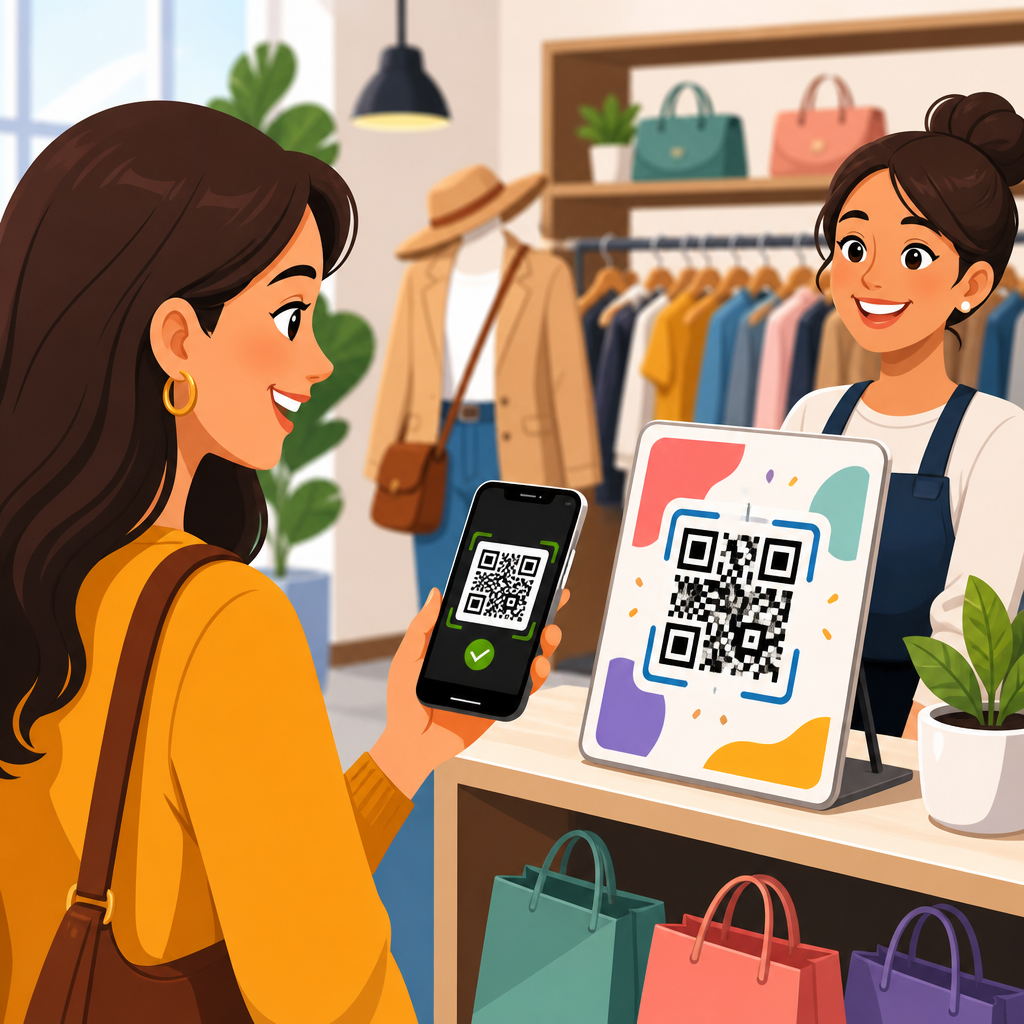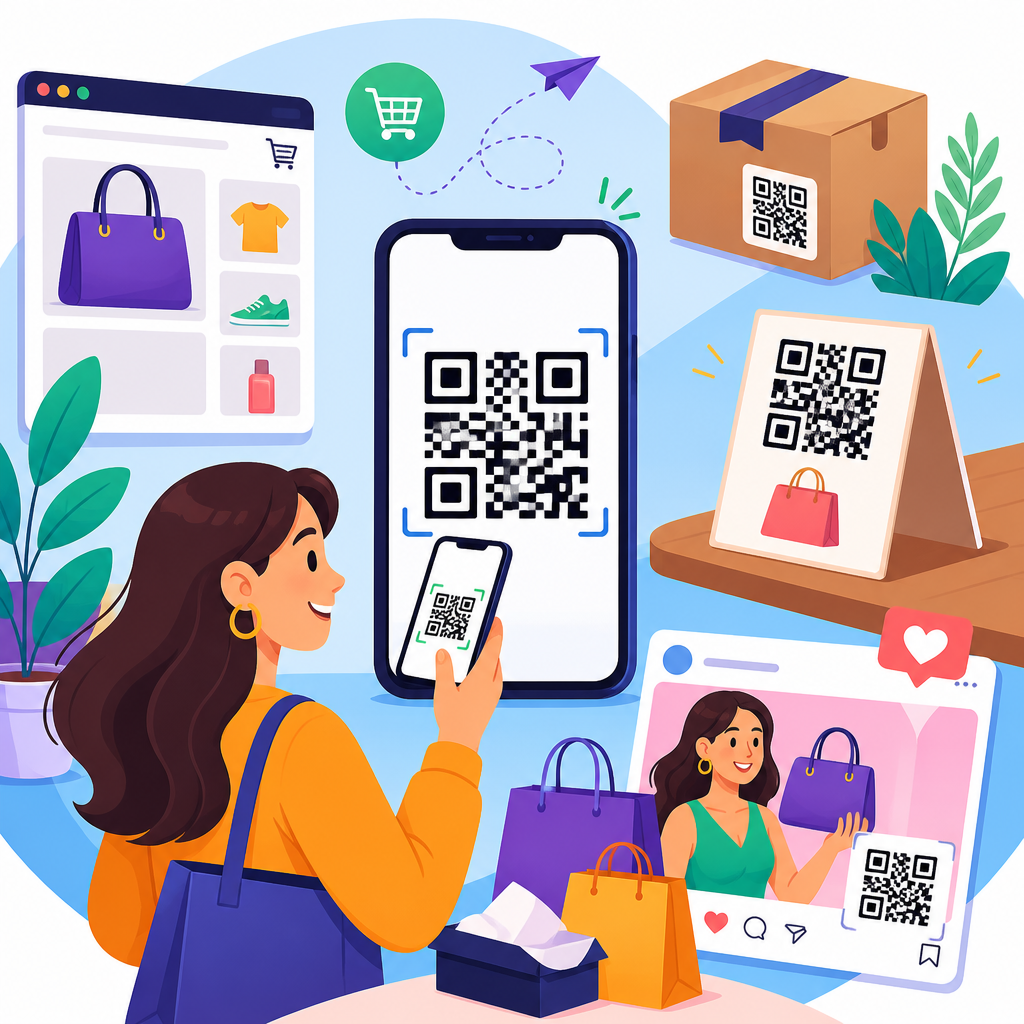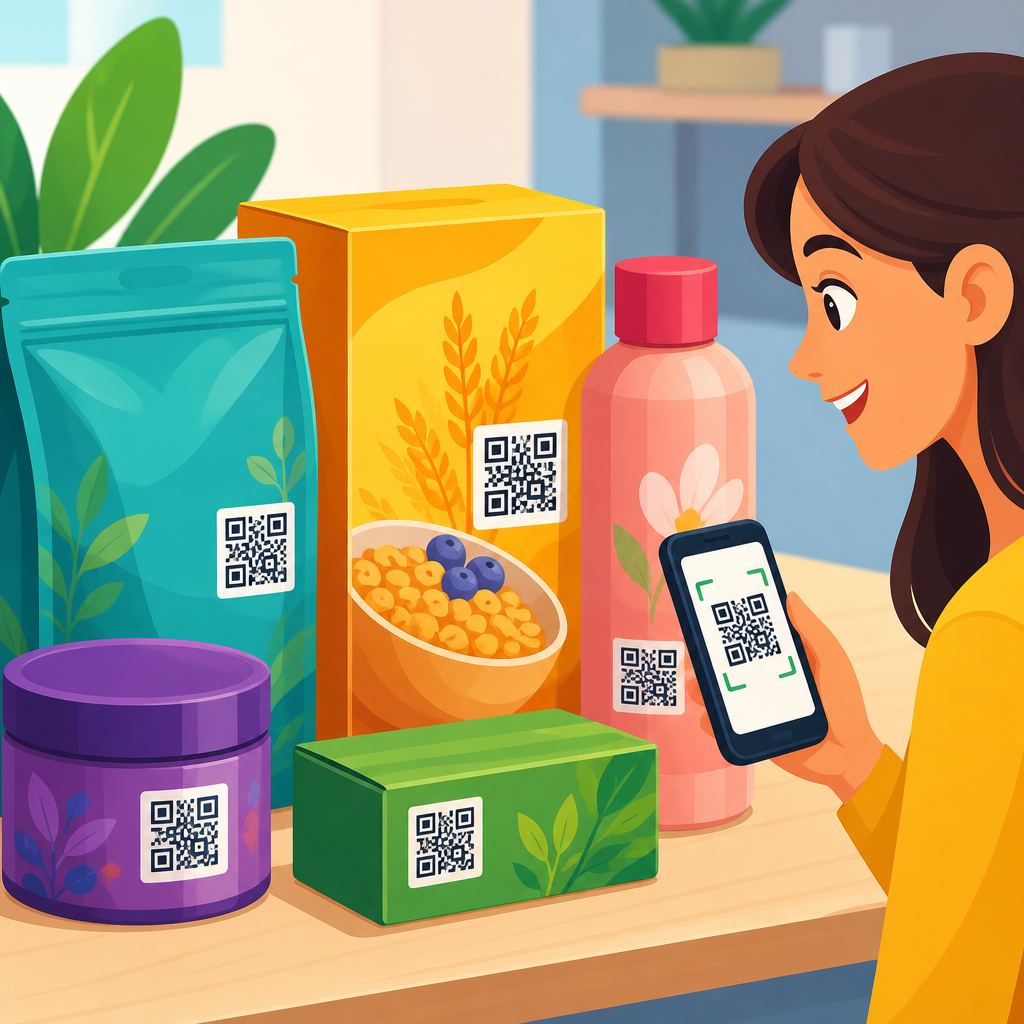
QR codes on product packaging have become a practical bridge between physical goods and digital experiences, especially across retail and e-commerce where brands need better product information, stronger customer engagement, and measurable post-purchase interactions. A QR code is a scannable two-dimensional barcode that stores a destination such as a URL, file, app link, authentication record, or customer workflow. On packaging, it can connect a shopper to ingredient details, assembly instructions, reviews, warranty registration, loyalty offers, reorder pages, or proof of authenticity in seconds. I have helped brands deploy packaging QR codes across food, cosmetics, electronics, apparel, and direct-to-consumer subscription lines, and the same lesson keeps proving true: the code itself is easy, but the strategy behind placement, content, tracking, and governance determines whether it drives revenue or gets ignored. This matters because packaging is often the only owned media that remains with the customer after checkout. Unlike paid ads, it continues working in homes, offices, and store aisles. Done well, QR codes on product packaging improve conversion, reduce support costs, enable better compliance communication, and create first-party data opportunities without forcing customers to search manually. Done poorly, they create friction, dead links, distrust, and missed scans. For retail and e-commerce teams, best practices are not cosmetic details; they directly affect scan rate, customer satisfaction, and operational efficiency across the full product lifecycle.
Why packaging QR codes matter in retail and e-commerce
In retail, packaging must sell, inform, and comply within limited space. In e-commerce, it must continue the brand experience after delivery while supporting onboarding, returns, and repeat purchase. QR codes solve a space problem by moving detailed content off-pack and into a mobile destination. They also solve a timing problem. A shopper may need one piece of information in-store, another during unboxing, and another weeks later when they need setup help or want to reorder. A single dynamic QR code can support each stage if the destination logic is planned correctly.
Common use cases fall into clear groups. Pre-purchase scans in stores answer “What is this, is it authentic, and is it right for me?” Post-purchase scans answer “How do I use this, register it, refill it, or get help?” Long-term scans answer “How do I reorder, recycle, or join the loyalty program?” For example, a beauty brand can place one code on the carton that opens shade guides in store, then later routes returning customers to refill subscriptions. An electronics seller can use packaging QR codes to replace bulky printed manuals with multilingual setup videos and troubleshooting flows, reducing call center volume. A grocery brand can provide sourcing, allergen, and recipe information without redesigning packaging every season.
The business case is strong when execution is disciplined. Dynamic codes allow destination updates without reprinting inventory. Campaign parameters make it possible to attribute scans by product line, market, retailer, and packaging version. Landing pages can adapt by device language, geography, and referral context. For omnichannel brands, this turns packaging into a measurable performance channel rather than a static label. It is also more durable than many campaigns, because packaging often stays in circulation for months. That persistence is valuable, but it raises the bar for quality control. If the scan destination changes ownership, breaks, or conflicts with product claims, the damage persists too.
What makes a packaging QR code effective
The best packaging QR codes are easy to notice, easy to scan, and paired with a clear reason to act. In practice, effectiveness comes from five elements: technical reliability, visual prominence, compelling call to action, destination relevance, and measurement. If one element is weak, results drop quickly. I have seen beautifully designed boxes underperform because the code was too small on a curved seam, and simple monochrome labels outperform premium finishes because the instruction was direct: “Scan for setup in 60 seconds.”
Technical reliability starts with contrast, quiet zone, print quality, and size. Black on white remains the safest option. The quiet zone, the blank margin around the code, should remain unobstructed so camera software can isolate the symbol. For most product packaging, staying at or above roughly 0.8 x 0.8 inches is a practical minimum, though larger sizes are often needed for store-shelf scanning distance or textured materials. Error correction can help if logos are embedded, but heavy customization should never compromise readability. Always test on multiple devices, under fluorescent retail lighting, and after production, not just from a proof.
The instruction next to the code is equally important. Shoppers do not scan because a code exists; they scan because the value is explicit. “Scan for nutrition facts,” “Scan to verify authenticity,” “Scan for care instructions,” and “Scan to reorder” outperform vague labels like “Learn more.” The payoff should match the moment. On a skincare box, ingredient education and authenticity may be strongest. On furniture packaging, assembly help and missing-part support are stronger. On a consumable pouch, replenishment and recipes make more sense.
Destination relevance means the scan should resolve the immediate customer question with minimal friction. Do not send users to a generic homepage and expect them to navigate. The landing page should be product-specific, mobile-optimized, and fast. If the code is on packaging, the customer has already done the hard work of purchasing or considering the item. Make the next step frictionless.
Placement, design, and print standards
Placement decisions should follow how shoppers physically handle the package. On shelf-facing products, the best spot is often a visible side or back panel near the information a customer is already reading. On shipped e-commerce boxes, an insert or inner flap may work better for post-purchase activation because it appears during unboxing rather than getting lost among logistics labels. Avoid folds, corners, curved edges, tear strips, and glossy areas that create glare. In warehouse-heavy operations, also avoid placement where retailer stickers, FNSKU labels, or promotional tags may cover the code later.
Material matters more than many teams expect. Metallic foils, matte varnishes, transparent labels, shrink sleeves, and dark flexible films can all reduce scan success if contrast drops or reflections increase. If brand design requires stylization, preserve finder patterns, maintain sufficient quiet space, and validate scannability from actual production runs. Packaging printers should receive exact artwork specifications, not approximate placement notes. I recommend documenting minimum size, color values, substrate constraints, and approved test devices in the print brief.
Batch governance is another overlooked best practice. Retail and e-commerce businesses often print the same SKU across multiple facilities and regions. If one plant uses a slightly different code size or varnish, scan performance can vary by market. A simple packaging QA checklist catches this: verify live destination, confirm code version, inspect contrast, scan from different phone cameras, test under store lighting, and confirm neighboring text matches the linked content. This is especially important for regulated categories such as supplements, cosmetics, baby products, and electronics, where inaccurate linked information can trigger support issues or compliance risk.
| Packaging goal | Best QR destination | Placement recommendation | Primary metric |
|---|---|---|---|
| In-store product education | Mobile product detail page with FAQs and comparison info | Back or side panel near benefits or specs | Scan rate to product page |
| Post-purchase onboarding | Setup guide, video tutorial, registration flow | Inner flap, insert, or top panel visible on unboxing | Completion rate for setup or registration |
| Repeat purchase | Pre-filled reorder or subscription page | Primary package for consumables | Repeat order conversion rate |
| Authentication | Unique verification page with serial or batch lookup | Tamper-evident label or sealed carton area | Verification scans and fraud flags |
| Support reduction | Troubleshooting hub and self-service help | Back panel near care or warning information | Support deflection rate |
Choosing the right destination and customer journey
A packaging QR code should lead to one primary next action, even if the landing page offers secondary paths. The most effective destinations are purpose-built experiences tied to product context. For retail and e-commerce, those destinations usually include mobile product pages, user guides, video tutorials, ingredient or sourcing explainers, authenticity checks, loyalty enrollment, review prompts, refill or reorder flows, returns instructions, and recycling guidance. Each destination supports a different stage of the customer journey, so the same code strategy should not be copied across every SKU.
Consider a direct-to-consumer coffee brand selling online and through specialty retailers. On a bag sold in stores, the QR code can open brew instructions, farm sourcing details, roast date explanations, and tasting notes, helping conversion and trust. On a subscription shipment, a second placement inside the box can invite customers to manage delivery frequency or refer a friend. For a cosmetics brand, outer packaging may link to ingredient transparency and application tutorials, while the bottle label links later to refill options. For consumer electronics, the package should prioritize setup, safety, firmware resources, and warranty registration over general brand storytelling.
Good landing pages answer the likely question immediately above the fold. If the package says “Scan for assembly video,” the first screen should show the exact assembly video for that SKU, not a category library. If the promise is “Scan to authenticate,” the page should verify the item with a clear result and explain what to do if the product cannot be confirmed. Keep forms short. For registration or loyalty sign-up, progressive profiling works better than long first-visit forms. Ask for the minimum needed to complete the task, then gather more data later as trust grows.
Localization is a major advantage of dynamic QR systems. A single printed code can route users by language, country, campaign, or retailer partner, which is valuable for multinational retail packaging. It also helps with accessibility. The linked page can provide larger text, multilingual instructions, captioned video, and screen-reader-friendly content in ways physical packaging cannot.
Measurement, analytics, and operational controls
To justify packaging QR investment, teams need a measurement framework that ties scans to business outcomes. Basic scan counts are only the starting point. The metrics that matter in retail and e-commerce include unique scans, repeat scans, scan-to-session rate, bounce rate, dwell time, tutorial completion, registration completion, support deflection, review generation, subscription starts, reorder conversion, and revenue per scan. Dynamic QR platforms, web analytics tools such as Google Analytics 4, and tag managers make this possible when parameters are structured consistently.
In practice, I recommend naming conventions that include brand, product family, SKU, package version, market, channel, and campaign date. That structure allows teams to compare scan behavior between in-store retail packs and e-commerce shipper inserts, or between old and new packaging designs. It also helps identify operational failures quickly. If scans collapse only for one market, the issue may be print quality or retailer label obstruction rather than poor customer interest. If scans are healthy but conversions are low, the landing page or offer likely needs improvement.
Governance is critical because packaging lives longer than campaigns. Create an ownership map covering who controls the QR redirect, who approves destination changes, who monitors uptime, and who audits content against product claims. Redirects should use domains the brand controls, not a disposable campaign microsite likely to expire. If agencies or third-party vendors generate codes, ensure the organization retains administrative access and exportable records. I have seen companies lose years of packaging utility because the original vendor account lapsed or the redirect domain was abandoned.
Privacy and compliance should be addressed early. If the landing page collects personal data, disclose the purpose clearly and honor regional consent requirements. If health, safety, or performance claims appear behind the scan, they must align with packaging claims and legal review standards. For products sold through marketplaces and retail partners, customer support paths should be channel-appropriate so the QR experience does not send buyers into dead-end service flows.
Common mistakes and best practices for long-term success
The most common mistake is treating the QR code as a design ornament rather than a service tool. Packaging teams often add a code late in the process without defining the customer question it should answer. That leads to generic destinations, weak calls to action, and poor scan rates. Another frequent error is using static codes for campaigns that will change. If inventory will stay in market for months, dynamic routing is usually the safer choice because it allows updates for new pages, product notices, or seasonal content without scrapping packaging.
A second category of mistakes involves usability. Tiny codes, low contrast palettes, busy backgrounds, and overdesigned shapes still appear on premium packaging, even though they hurt scan reliability. The fix is simple: prioritize function, test on real devices, and resist customization that compromises the finder patterns or quiet zone. Also avoid forcing app downloads unless the product absolutely requires it. Mobile web experiences usually convert better for first scans because the barrier is lower.
Third, brands often ask for too much too soon. A packaging QR code can support rich customer data strategy, but the first interaction should focus on helping the customer complete a task. Earn the right to request email, account creation, or reviews by delivering immediate value first. That principle improves completion rates and trust.
For long-term success, build the program like an operational channel. Define use cases by product category, standardize print and QA specs, create mobile templates for common destinations, monitor scan and conversion metrics monthly, and review broken or underperforming flows just as you would any commerce funnel. As this retail and e-commerce hub expands, related deep dives should cover packaging QR codes for loyalty programs, product authentication, post-purchase support, refill and reorder flows, and marketplace seller packaging inserts. Start with one high-impact use case, test rigorously, and scale only after the end-to-end experience works reliably for real customers. That is how QR codes on product packaging become a durable growth asset instead of a forgotten square on the box.
Frequently Asked Questions
What are the main benefits of putting QR codes on product packaging?
QR codes on product packaging create a direct link between a physical product and a digital experience, which makes them especially valuable for both retail and e-commerce brands. At the most basic level, they give customers instant access to information that would never fit clearly on a label, such as detailed ingredients, sourcing information, care instructions, assembly steps, warranty registration, user manuals, recycling guidance, and frequently asked questions. This improves the customer experience because people can get the information they need in seconds without searching manually online.
They also support stronger post-purchase engagement. Instead of packaging being the end of the transaction, it becomes the starting point for onboarding, education, loyalty, upsells, support, and reviews. A customer can scan a code to watch a setup video, join a rewards program, authenticate a product, reorder consumables, or contact support through a guided workflow. For brands, that means better retention and more measurable interaction after the sale.
Another major advantage is analytics. Dynamic QR codes, in particular, can help companies track scans by time, location, device type, and campaign source. That visibility can reveal how customers interact with products in the real world and whether packaging is driving engagement. Used well, QR codes turn packaging into a measurable marketing and service channel rather than just a printed container.
What information should a packaging QR code link to?
The destination should match the customer’s needs at the exact moment they scan. In many cases, the best content is highly practical: product specifications, ingredient lists, allergen details, compliance information, setup instructions, troubleshooting, usage tips, cleaning guidance, or refill and reorder options. For products with more complex use cases, linking to short video tutorials, interactive guides, or a mobile-friendly knowledge base can dramatically reduce confusion and support requests.
Beyond utility, QR codes can also support trust and brand storytelling. A scan might lead to authenticity verification, batch-level traceability, sustainability information, sourcing details, certifications, or recalls and safety notices. This is especially useful in industries such as food, beauty, supplements, electronics, and luxury goods, where customers often want more transparency before or after purchase.
The key best practice is relevance. A packaging QR code should not simply send every user to a generic homepage. That often creates friction and weakens scan intent. Instead, direct users to a landing page or workflow designed specifically for that product and packaging context. If possible, tailor the destination by audience segment, product variant, market, or stage in the customer journey. The more useful and immediate the destination, the more likely people are to scan and take action.
What are the most important design and placement best practices for QR codes on packaging?
Successful packaging QR codes need to be easy to find, easy to scan, and easy to understand. Placement matters a great deal. The code should appear on a flat or minimally distorted surface whenever possible, because folds, curves, seams, and crimped edges can reduce scannability. It should also be printed at a size that works in real shopping and home environments. If the code is too small, crowded, or tucked into an awkward corner, scan rates will suffer.
Contrast is equally important. Dark code elements on a light background typically perform best. Avoid low-contrast color combinations, glossy finishes that create glare, or patterns that interfere with the code structure. Leave sufficient quiet space around the QR code so scanners can recognize it properly. If the package may be viewed under store lighting, warehouse lighting, or outdoor conditions, test under those real-world scenarios rather than relying only on digital proofs.
It is also important to provide a clear call to action next to the code. Many consumers still need a reason to scan. Simple prompts such as “Scan for assembly instructions,” “Scan to verify authenticity,” or “Scan for ingredients and care guide” help set expectations and improve engagement. The best results come when the code is not treated as a decorative add-on but as a deliberate functional element integrated into the packaging layout, customer journey, and product experience.
Should brands use static or dynamic QR codes on product packaging?
In most professional packaging applications, dynamic QR codes are the better choice. A static QR code contains fixed information, which means once it is printed, the destination cannot be changed. That may be acceptable for very simple, permanent uses, but it creates limitations if a URL changes, support content needs updating, or the business wants to optimize the experience after the packaging is already in circulation.
Dynamic QR codes solve that problem by allowing the destination behind the code to be updated without changing the printed symbol. This gives brands far more flexibility. A company can redirect users from an outdated instruction page to a revised one, switch campaign destinations by region, route users to a seasonal offer, or add language-specific content over time. This is especially important for products with long shelf lives, global distribution, or evolving compliance and support requirements.
Dynamic codes also support analytics, which is one of the biggest strategic benefits of packaging QR programs. Brands can measure scan volume, usage patterns, engagement timing, and in some cases the performance of different packaging runs or channels. That data can inform packaging design, customer support planning, and future campaigns. While static codes can work for limited scenarios, dynamic codes are usually the stronger long-term option because they provide adaptability, continuity, and measurable performance.
How can brands make QR codes on packaging more secure, trustworthy, and effective over time?
Trust starts with clarity and consistency. Customers are more likely to scan when the QR code appears professional, is clearly branded, and includes a straightforward explanation of what will happen after scanning. The landing page should feel like a natural extension of the product and brand, with fast load times, mobile-friendly design, and secure HTTPS connections. If the scan experience feels suspicious, generic, or broken, adoption will drop quickly.
For products where counterfeiting, safety, or traceability matter, brands can go further by connecting QR codes to authentication systems, serialized product records, or batch-specific data. This can help customers confirm they have a legitimate item and can help brands manage recalls, monitor distribution, and improve supply chain visibility. Security should also include internal governance: maintain control over who can edit destinations, monitor links regularly, and retire or redirect outdated content before it damages the customer experience.
To keep the program effective over time, brands should treat packaging QR codes as an ongoing channel, not a one-time print feature. That means testing scan performance before launch, reviewing analytics after launch, updating destinations as products evolve, and continuously improving calls to action and landing pages. When QR codes are maintained strategically, they can support education, engagement, service, trust, and measurement long after the product reaches the customer’s hands.